
 English
 中文简体
中文简体 русский
 Español
 Deutsch


How Does a Precision Overspeed Governor Work?
Content
- 1 Understanding the Core Technology
- 2
- 3 Installation and Compliance
- 4 Maintenance and Optimization
- 5 Industry Leadership and Manufacturing Excellence
- 6 Conclusion
- 7 Frequently Asked Questions
- 7.1 1. What is the standard tripping speed for a Precision Overspeed Governor?
- 7.2 2. How often should an overspeed governor be tested?
- 7.3 3. Can a single governor be used for different rated speeds?
- 7.4 4. What happens if the governor rope slips?
- 7.5 5. Are electronic governors more expensive than mechanical ones?
- 8 References
Understanding the Core Technology
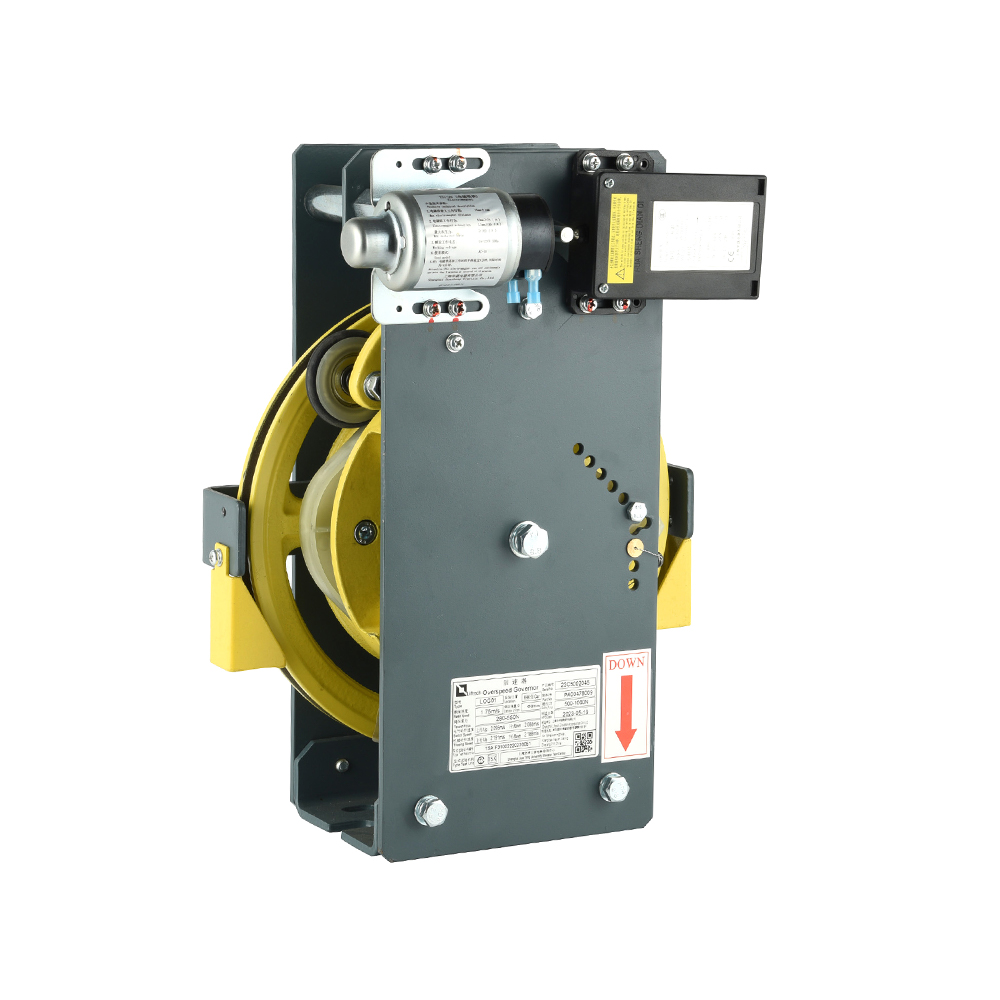
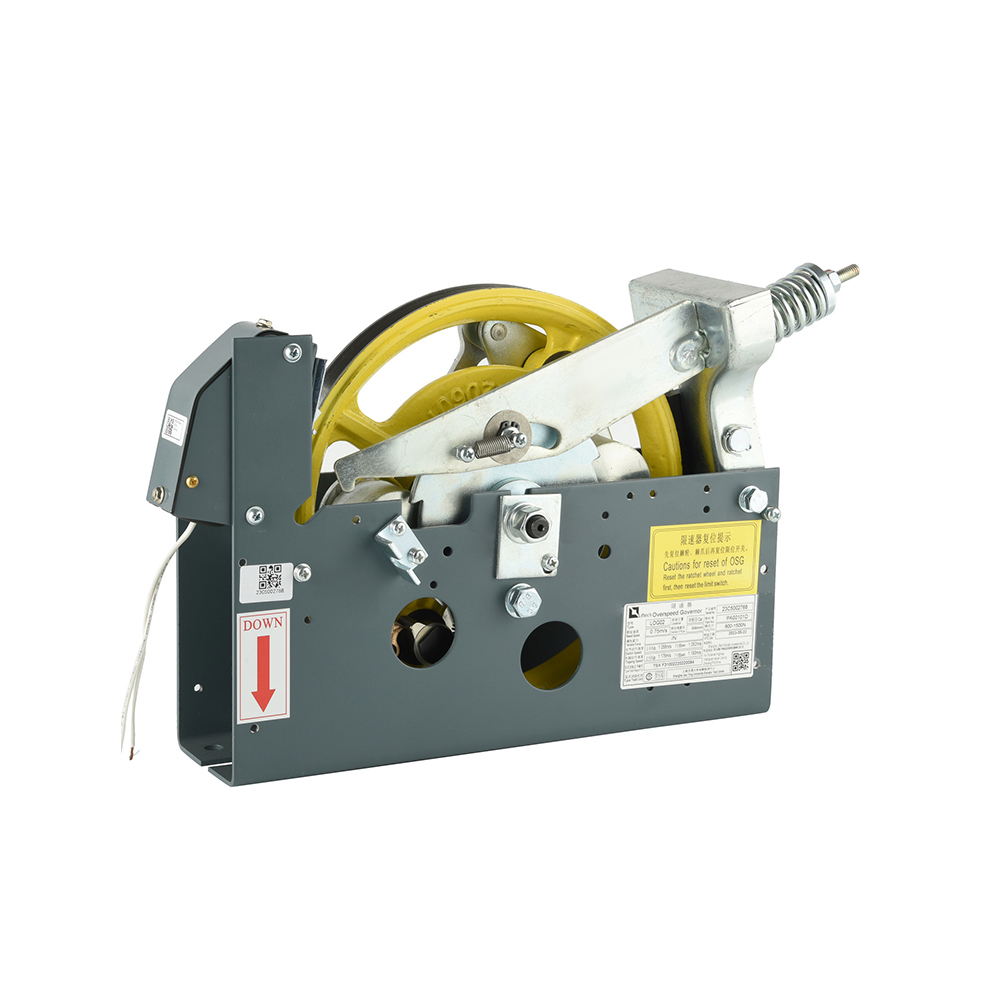
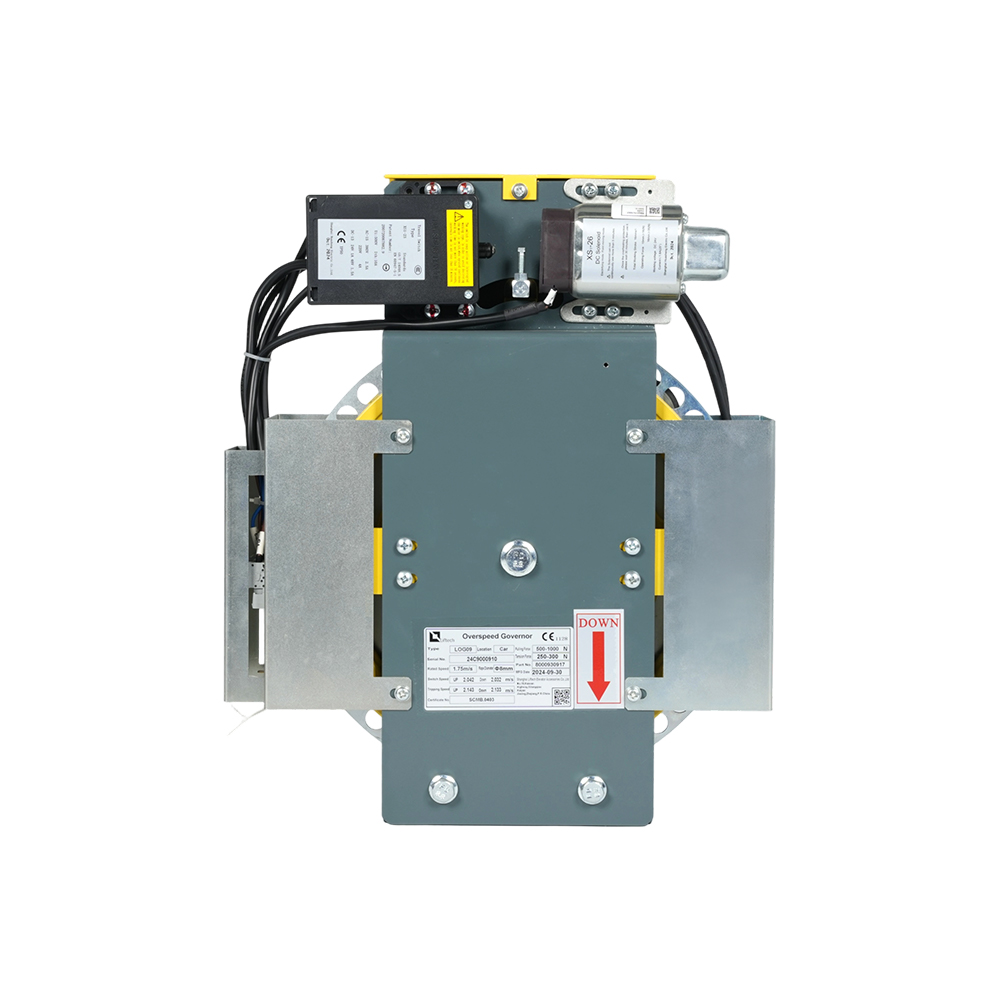
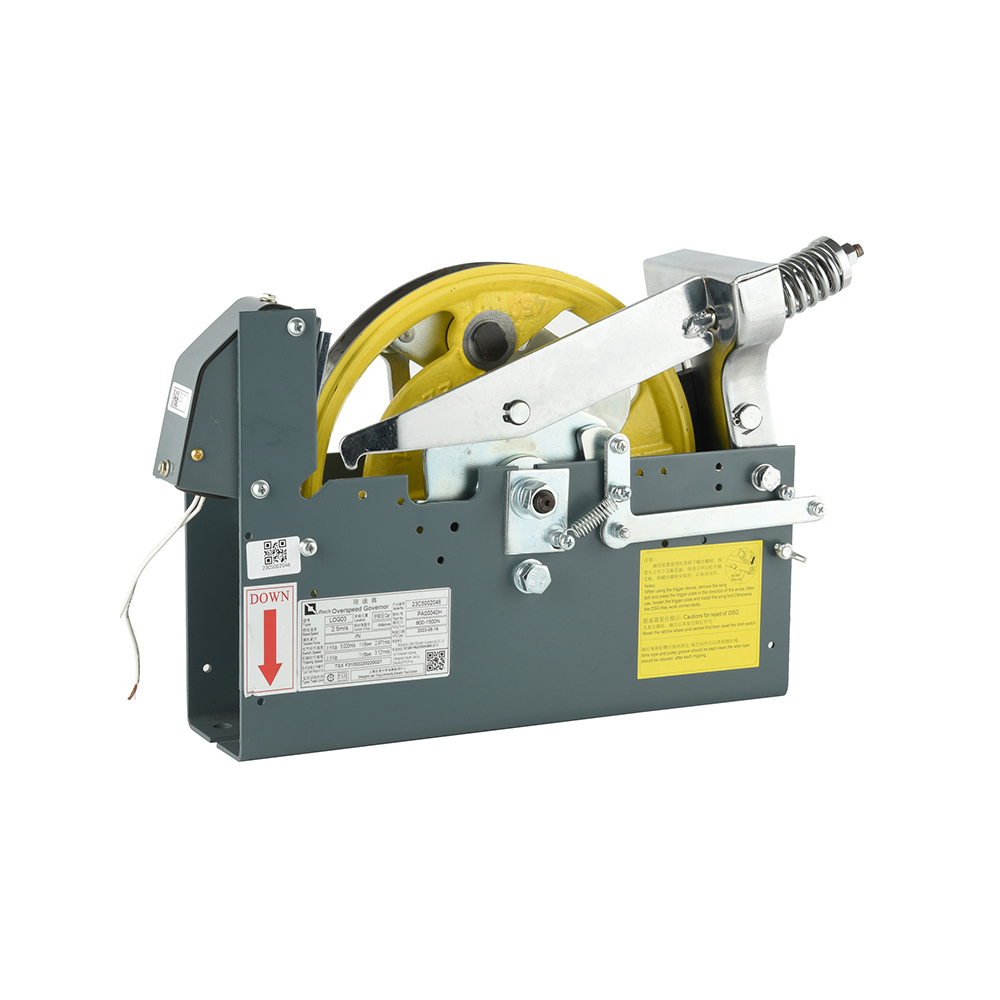
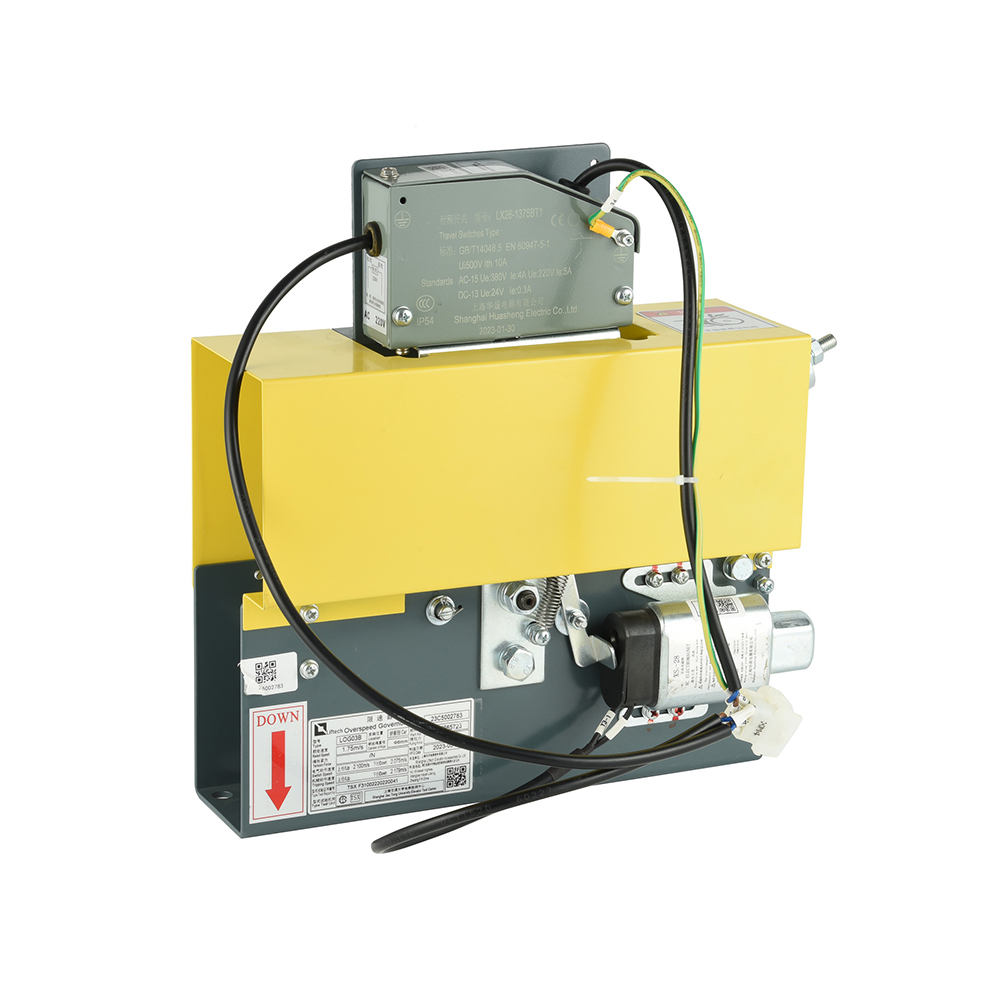
The Precision Overspeed Governor is the sentinel of elevator safety. It is a mechanical speed-monitoring device designed to activate the safety gear if the elevator car travels downwards at a speed exceeding the permissible limit. The precision of this device determines the difference between a controlled stop and a catastrophic failure. For engineers and procurement specialists, understanding the nuances of its mechanism is critical for system integration.
Mechanical vs. Electronic Systems
The debate between traditional mechanics and modern electronics is central to current safety system design. When evaluating electronic overspeed governor vs mechanical systems, one must consider response time, reliability in harsh environments, and integration with building management systems (BMS). Mechanical governors operate on centrifugal force, offering robust, passive safety without the need for external power. Electronic systems, conversely, use encoders and microprocessors to monitor speed with higher resolution, allowing for predictive diagnostics.
The following comparison highlights the technical divergence between the two technologies:
| Feature | Mechanical Governor | Electronic Governor |
| Sensing Mechanism | Centrifugal weights and springs | Rotary encoder and software algorithms |
| Power Requirement | None (Passive operation) | Requires external power supply |
| Response Time | Fast, but subject to mechanical friction | Near-instantaneous signal processing |
| Maintenance | Physical inspection and lubrication | Software diagnostics and sensor checks |
| Failure Mode | Wear and tear of springs | Electrical interference or sensor failure |
Key Components of a Precision Governor for Passenger Elevator
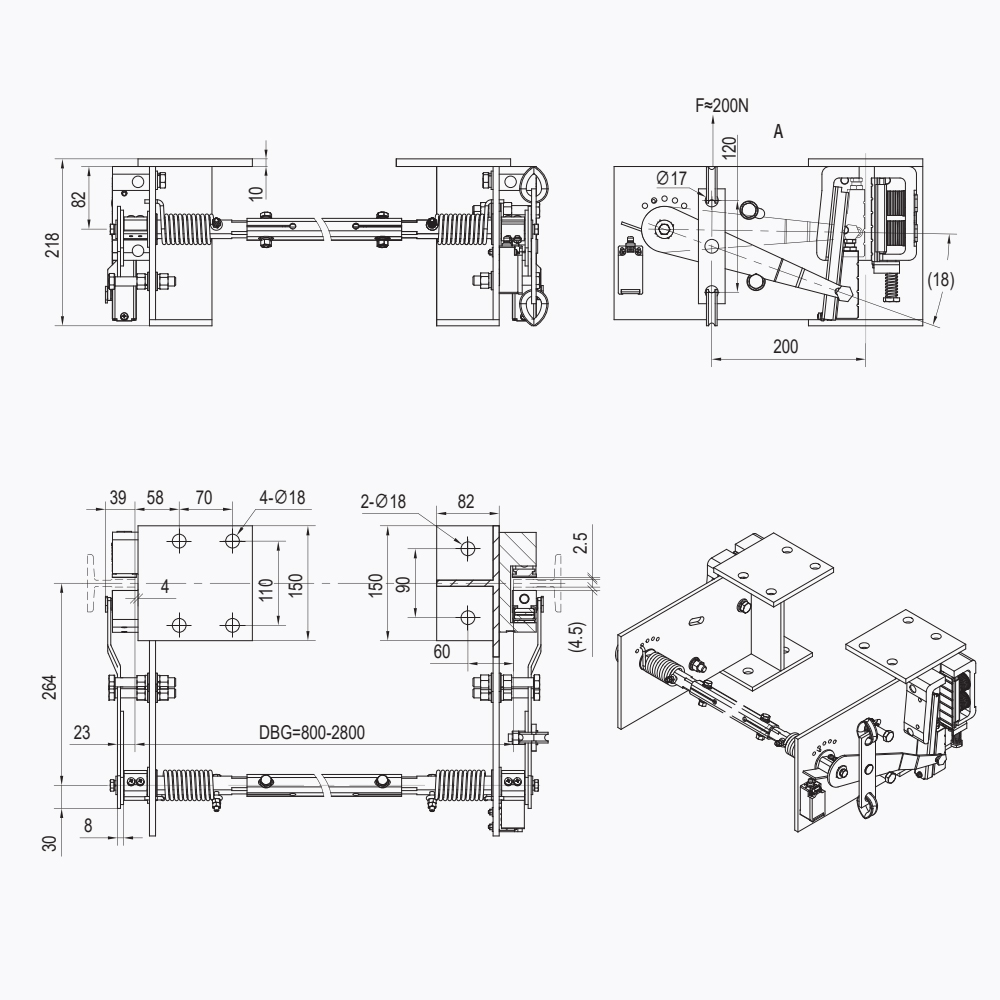
A precision governor for passenger elevator applications demands specific design considerations to ensure ride comfort while maintaining strict safety thresholds. The core components include the driving sheave, tension pulley, and the tripping mechanism. The driving sheave is connected to the elevator rope, rotating at a speed proportional to the car's velocity. The tripping mechanism utilizes calibrated springs to set the activation speed. In high-quality designs, the rope tension is automatically adjusted to ensure consistent friction for the safety gear activation.
- Driving Sheave: Machined from high-grade cast iron to minimize rope wear.
- Centrifugal Weight: Precision-balanced to detect minor speed variations.
- Trigger Mechanism: Hardened steel components to withstand sudden shock loads during engagement.
Installation and Compliance
Standard Overspeed Governor Testing Procedure
Adherence to a rigorous overspeed governor testing procedure is mandatory for compliance with EN 81 and GB 7588 standards. The procedure validates the tripping speed and the effectiveness of the safety gear engagement. The testing process involves a dynamic speed test where the elevator is run at increasing speeds until the governor trips. The recorded tripping speed must fall within the range of 115% to 140% of the rated speed for traction elevators.
The testing sequence typically follows these steps:
- Visual inspection of the rope condition and governor pulley alignment.
- Verification of the electrical safety switch functionality before mechanical tripping.
- Dynamic tripping test to measure the exact activation velocity.
- Measurement of the braking distance after safety gear engagement.
Maintenance and Optimization
High Speed Governor Maintenance Guide
For high-rise installations, a high speed governor maintenance guide is essential for longevity. High-speed operation generates increased centrifugal force and heat within the bearing assemblies. Maintenance protocols should focus on lubrication intervals and vibration analysis. Unlike low-speed governors, high-speed variants require greases with higher thermal stability to prevent viscosity breakdown.
Professional Overspeed Governor Calibration Services
Over time, spring tension can drift due to metal fatigue, necessitating professional overspeed governor calibration services. Calibration involves adjusting the spring preload to restore the factory-set tripping speed. This service should be performed by certified technicians using calibrated tachometers. A typical calibration report includes the "as-found" condition (before adjustment) and the "as-left" condition (after adjustment), ensuring full traceability for safety audits.
Industry Leadership and Manufacturing Excellence
The reliability of a safety system is directly linked to the manufacturer's engineering heritage. Founded in 2004, Shanghai Liftech Elevator Accessories Co., Ltd. is a specialized enterprise dedicated to the R&D, manufacturing, testing, and sales of elevator safety components. With over two decades of sustained development, Liftech has established itself as a leading manufacturer in China's elevator safety sector, providing high-quality products and solutions to a wide range of major elevator brands and engineering clients across domestic and international markets.
Our commitment to precision engineering ensures that every governor leaving our facility meets the highest international safety standards.
Conclusion
The selection, installation, and maintenance of a Precision Overspeed Governor are critical tasks that require deep technical understanding. By choosing the right technology—whether mechanical or electronic—and adhering to strict maintenance schedules, building operators can ensure the safety of passengers. Partnering with established manufacturers like Shanghai Liftech Elevator Accessories Co., Ltd. guarantees access to products that represent the pinnacle of safety engineering.
Frequently Asked Questions
1. What is the standard tripping speed for a Precision Overspeed Governor?
According to safety standards, the governor must trip between 115% and 140% of the rated speed for traction elevators. For hydraulic elevators, the range is slightly different. The exact setting depends on the rated speed of the elevator car.
2. How often should an overspeed governor be tested?
It is generally recommended to perform a comprehensive functional test annually. However, a visual inspection should be carried out quarterly to check for rope wear, lubrication levels, and switch integrity.
3. Can a single governor be used for different rated speeds?
Yes, many modern governors are adjustable. However, the adjustment range is limited. The spring must be recalibrated and sealed by a professional to match the specific rated speed of the elevator installation.
4. What happens if the governor rope slips?
If the rope slips on the sheave, the safety gear will not engage effectively. Regular tension checks and sheave groove inspections are vital. The rope tension weight must be calculated based on the breaking strength of the safety rope.
5. Are electronic governors more expensive than mechanical ones?
Generally, electronic governors have a higher initial cost due to the sensors and control units required. However, they can offer lower lifecycle costs through predictive maintenance capabilities and easier integration with modern smart building systems.
References
- European Standard EN 81-20:2014. "Safety rules for the construction and installation of lifts - Lifts for the transport of persons and goods."
- GB 7588-2020. "Safety Code for Construction and Installation of Electric Traction Elevators."
- Strakosch, G. R., & Caporale, B. A. (2016). The Vertical Transportation Handbook. Wiley.