
 English
 中文简体
中文简体 русский
 Español
 Deutsch


How Does an Elevator Oil Buffer Improve Safety During Emergency Stops?
Content
- 1 Why Emergency Stops Are the Most Critical Safety Scenario in Elevators
- 2 How an Elevator Oil Buffer Works During an Emergency Stop
- 3 Key Hydraulic elevator oil buffer specifications That Affect Safety
- 4 Elevator Oil Buffer for high speed elevators
- 5 Elevator oil buffer safety standards and Compliance
- 6 Elevator oil buffer maintenance requirements for Emergency Safety
- 7 Conclusion: The Safety Value of the Elevator Oil Buffer
- 8 Frequently Asked Questions (FAQ)
- 8.0.1 1. Why is an oil buffer preferred over a spring buffer in modern elevators?
- 8.0.2 2. How do Hydraulic elevator oil buffer specifications influence safety?
- 8.0.3 3. Are oil buffers mandatory for high-speed elevators?
- 8.0.4 4. How often should oil buffers be inspected?
- 8.0.5 5. What happens if oil buffer maintenance is ignored?
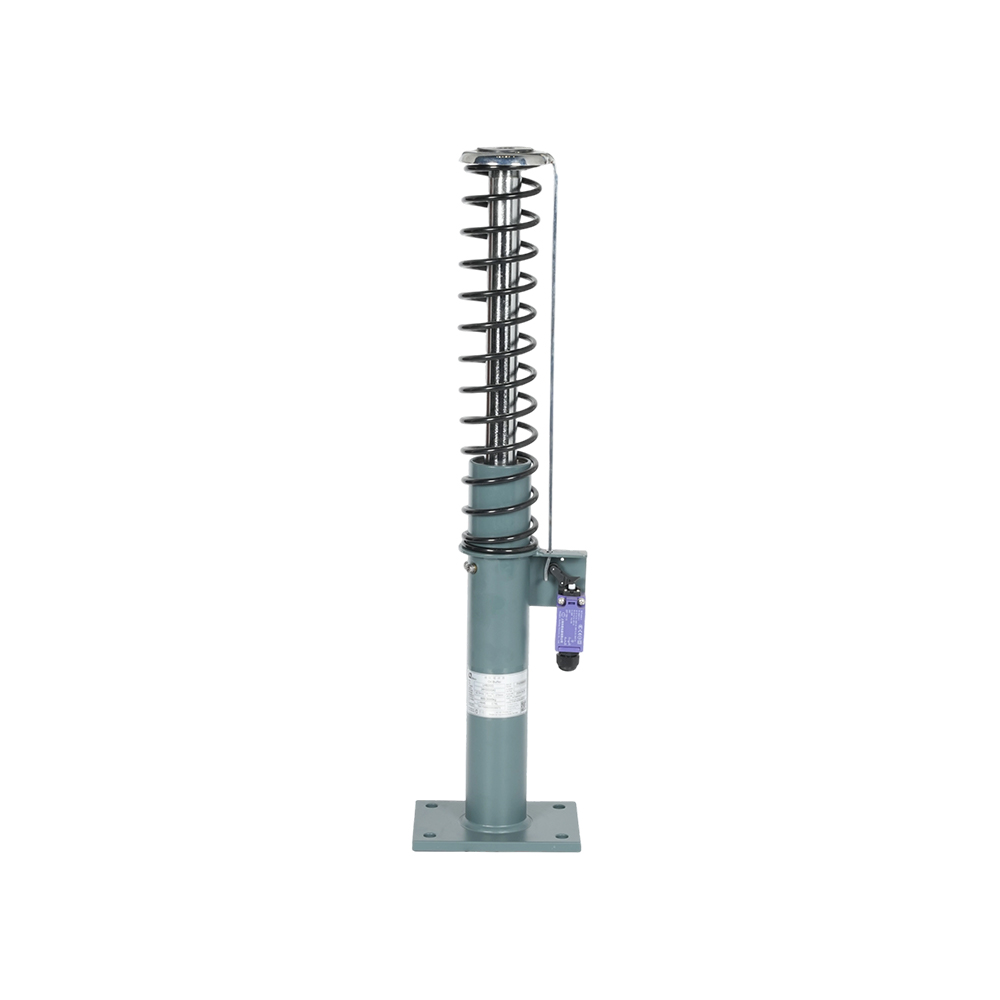
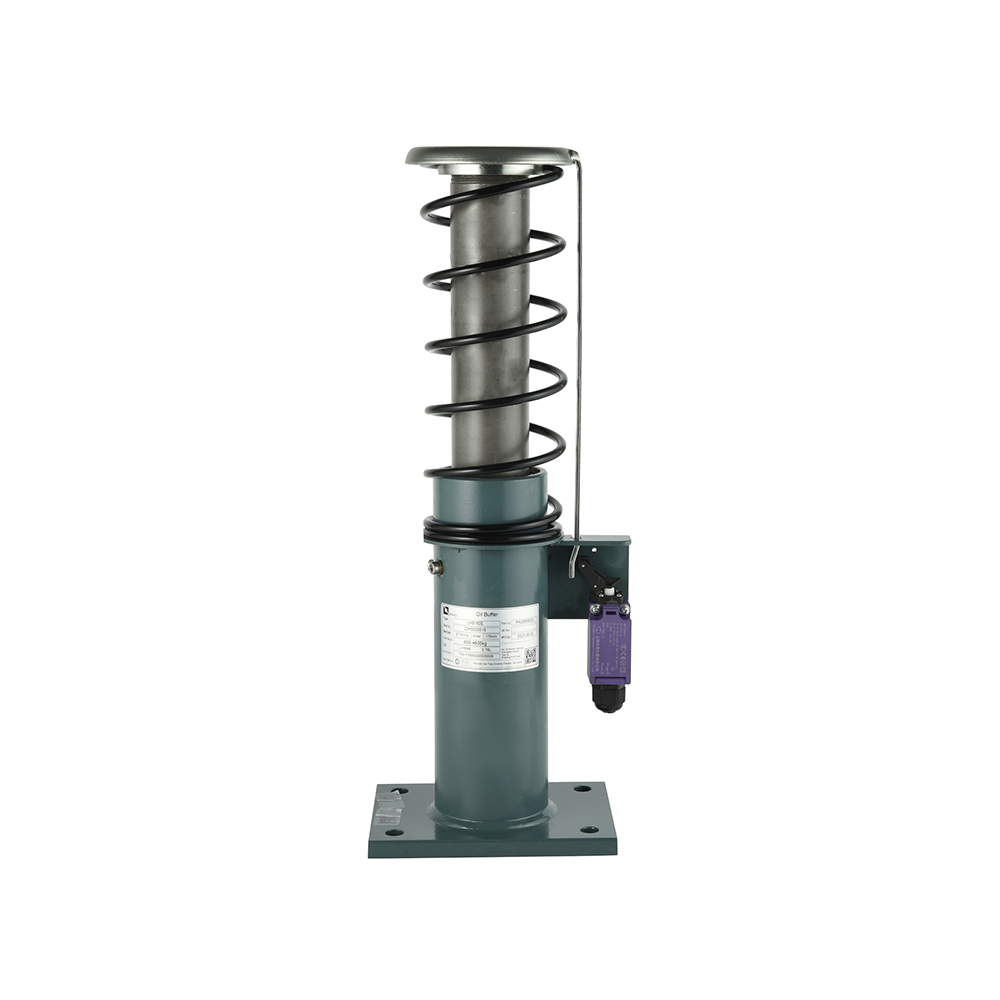
Emergency stops represent the most extreme and safety-critical operating condition in an elevator system. During these events, large amounts of kinetic energy must be absorbed within a very short distance to protect passengers, equipment, and the building structure. The Elevator Oil Buffer plays a decisive role in this final safety layer by converting motion energy into controlled hydraulic resistance.
According to the latest updates released in 2024 by the European Committee for Standardization (CEN), revisions to EN 81 emphasize stricter deceleration control and energy absorption performance for terminal stopping devices, reflecting the global shift toward higher elevator speeds and heavier loads.
From an engineering and B2B procurement perspective, understanding How elevator oil buffers work, their specifications, compliance requirements, and maintenance needs is essential for ensuring long-term operational safety.
Why Emergency Stops Are the Most Critical Safety Scenario in Elevators
An emergency stop typically occurs when normal braking systems are no longer sufficient, such as during overspeed conditions or control system failures. In these cases, the remaining kinetic energy must be absorbed at the bottom of the shaft.
Without a properly designed oil buffer, the resulting impact forces can exceed structural limits.
| Scenario | Primary Risk | Consequence Without Oil Buffer |
| Overspeed descent | Excess kinetic energy | Structural damage, passenger injury |
| Brake system failure | Uncontrolled stopping | Sudden deceleration |
How an Elevator Oil Buffer Works During an Emergency Stop
Basic Operating Principle
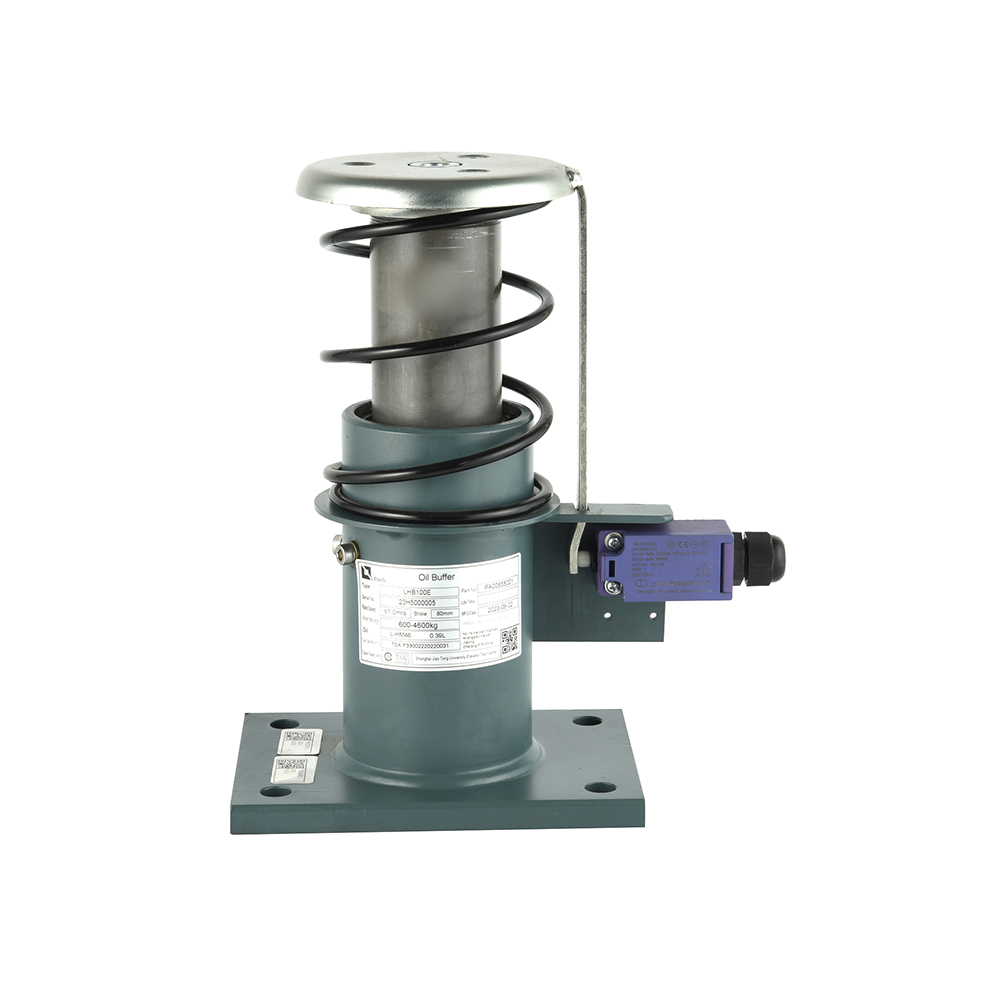
How elevator oil buffers work can be explained through hydraulic energy dissipation. When the elevator car contacts the buffer, a piston is driven into an oil-filled cylinder. The oil is forced through calibrated orifices, creating resistance that converts kinetic energy into heat.
| Component | Function |
| Piston | Transfers mechanical force into hydraulic pressure |
| Hydraulic oil | Absorbs and dissipates energy |
| Throttle system | Controls deceleration rate |
Comparison With Other Buffer Types
Compared with spring buffers, oil buffers provide controlled and predictable deceleration.
| Buffer Type | Energy Absorption | Speed Suitability |
| Spring buffer | Elastic rebound | Low-speed elevators |
| Oil buffer | Hydraulic damping | Medium to high-speed elevators |
Key Hydraulic elevator oil buffer specifications That Affect Safety
Engineering performance during emergency stops depends heavily on correct technical specifications.
Rated Speed and Stroke Length
Stroke length determines how gradually deceleration occurs.
| Stroke Length | Deceleration Profile |
| Short | High peak deceleration |
| Optimized | Smoother energy absorption |
Energy Dissipation Capacity
The oil buffer must handle the maximum kinetic energy defined by rated load and speed.
Elevator Oil Buffer for high speed elevators
High-speed elevators generate exponentially higher kinetic energy. Oil buffers used in these applications require enhanced hydraulic stability and heat dissipation.
| Requirement | Standard Elevators | High-Speed Elevators |
| Energy absorption | Moderate | Very high |
| Thermal resistance | Basic | Enhanced |
Elevator oil buffer safety standards and Compliance
International standards define mandatory performance criteria for oil buffers.
According to the 2025 revision roadmap published by ASME, tighter tolerances on deceleration curves and oil leakage control are being introduced to improve long-term reliability.
Source: ASME – Elevator and Escalator Safety Codes
| Standard | Focus Area |
| EN 81 | Passenger safety and stopping distance |
| ASME A17.1 | Performance verification and testing |
Elevator oil buffer maintenance requirements for Emergency Safety
Long-term safety depends on systematic maintenance and inspection.
Key Maintenance Elements
- Oil level and contamination checks
- Seal integrity inspection
- Return stroke verification
| Maintenance Practice | Safety Impact |
| Regular inspection | Stable deceleration performance |
| Neglected maintenance | Unpredictable stopping behavior |
Conclusion: The Safety Value of the Elevator Oil Buffer
In emergency stop scenarios, the Elevator Oil Buffer is the final safeguard that transforms uncontrolled motion into managed deceleration. Proper selection, compliance with safety standards, and disciplined maintenance are essential for ensuring passenger protection and system integrity.
Frequently Asked Questions (FAQ)
1. Why is an oil buffer preferred over a spring buffer in modern elevators?
Oil buffers provide controlled deceleration and higher energy absorption.
2. How do Hydraulic elevator oil buffer specifications influence safety?
They determine stroke length, deceleration rate, and energy capacity.
3. Are oil buffers mandatory for high-speed elevators?
Yes, most standards require oil buffers above defined speed thresholds.
4. How often should oil buffers be inspected?
Inspection intervals are defined by local codes but typically align with periodic safety checks.
5. What happens if oil buffer maintenance is ignored?
Reduced damping performance and increased risk during emergency stops.