
 English
 中文简体
中文简体 русский
 Español
 Deutsch


How Does the Elevator Oil Buffer Ensure Passenger Safety?
Content
- 1 Understanding Energy Dissipation: The Core Mechanics
- 2 Technical Standards and High-Rise Requirements
- 3 Maintenance Protocols and Fluid Management
- 4 FAQ
- 4.1 How do I determine the correct oil level in a hydraulic buffer?
- 4.2 What are the signs that an elevator oil buffer needs replacement?
- 4.3 Is an ASME certified buffer required for all installations?
- 4.4 What is the functional difference between spring and hydraulic buffers?
- 4.5 Can buffers be customized for specific high-rise building needs?
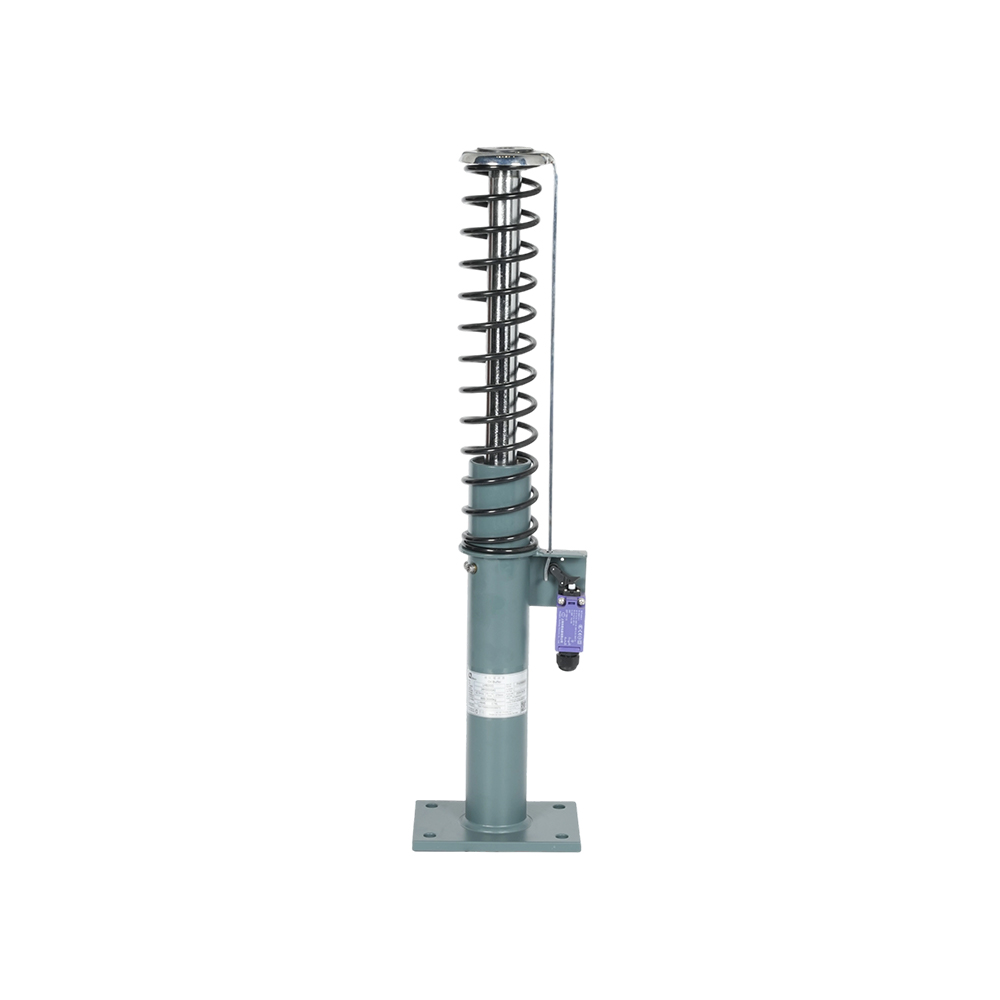
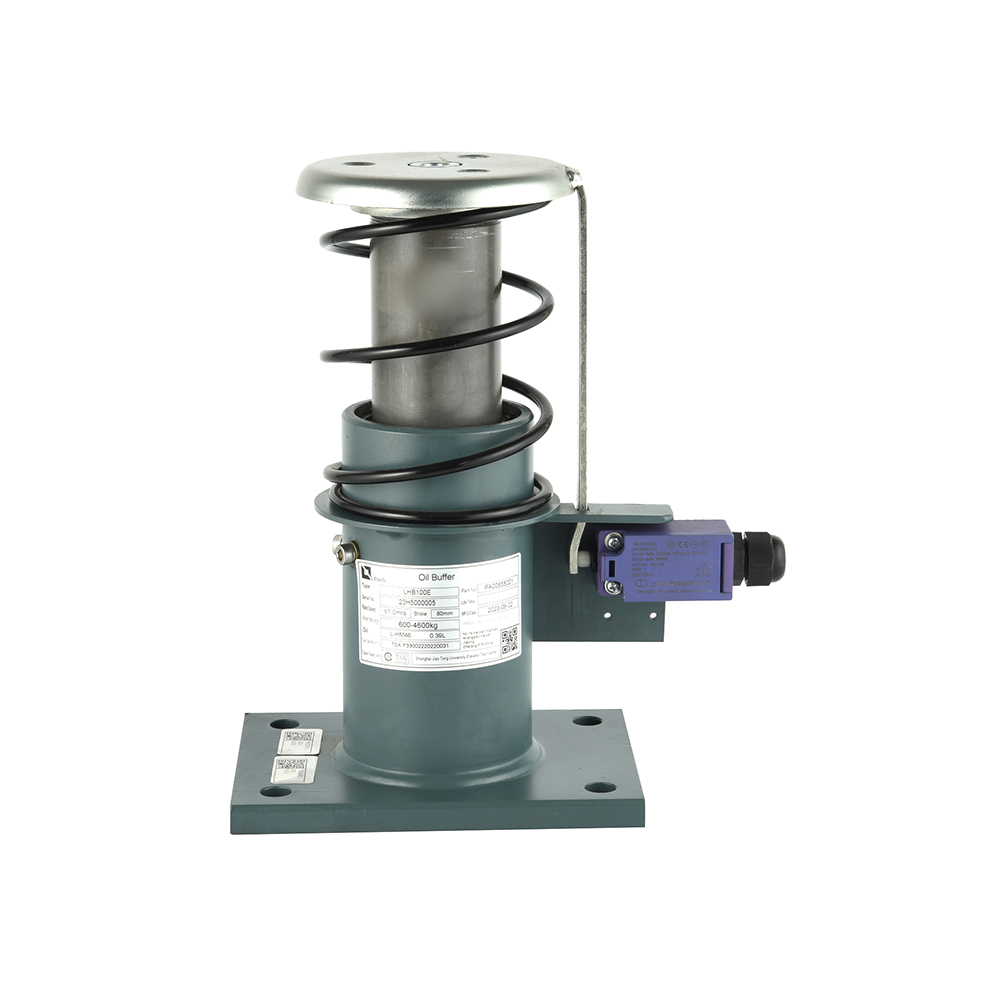
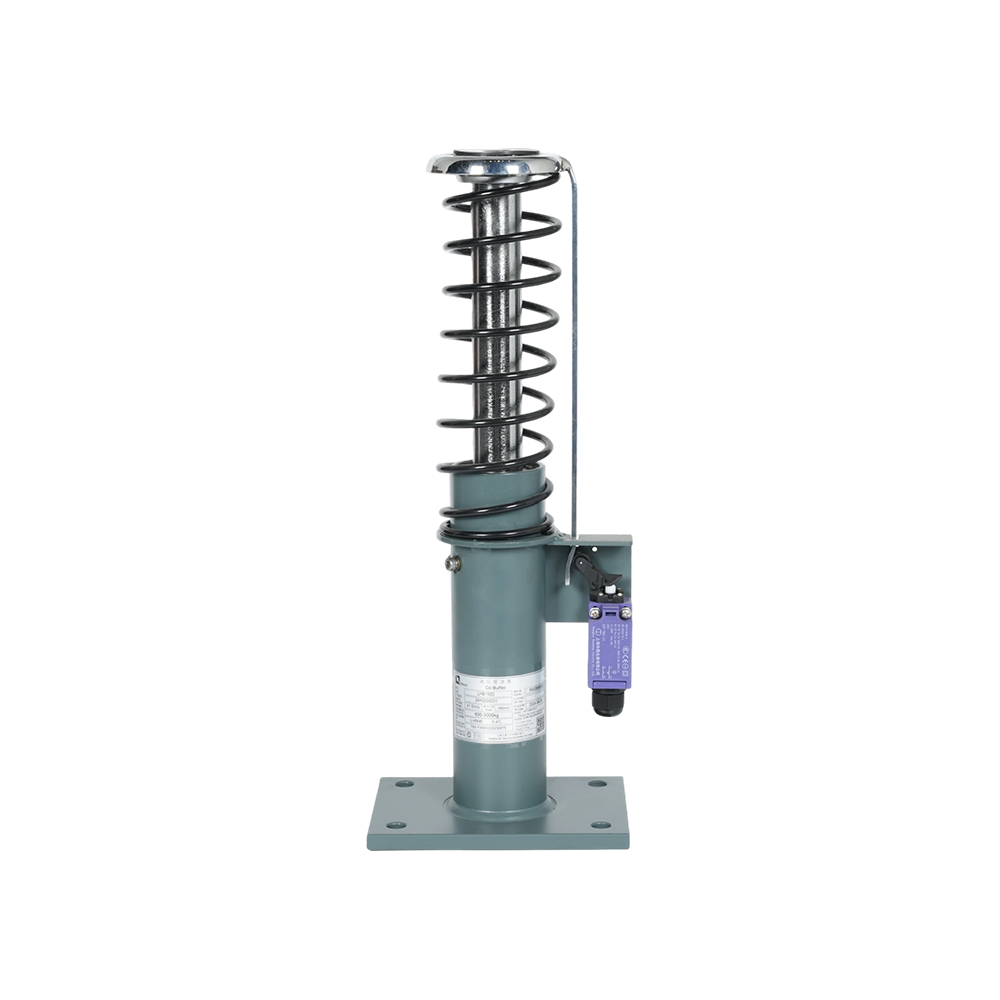
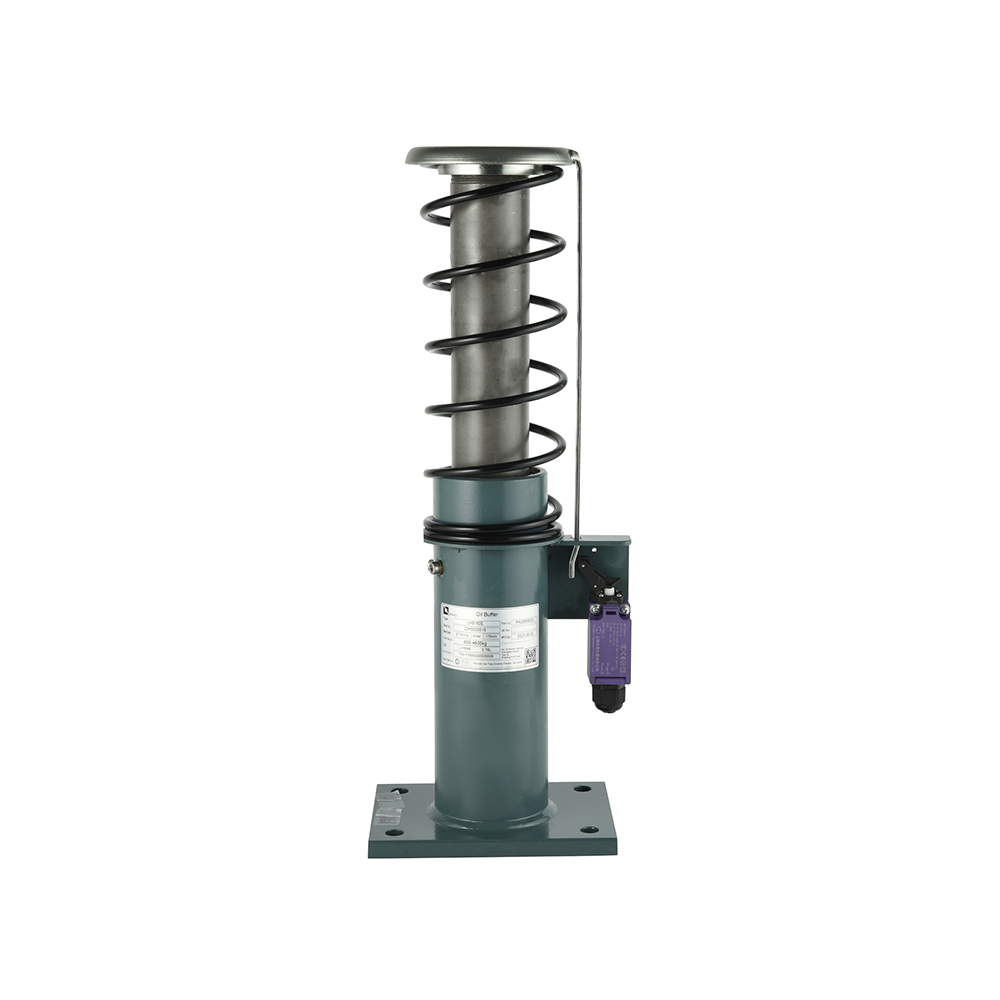
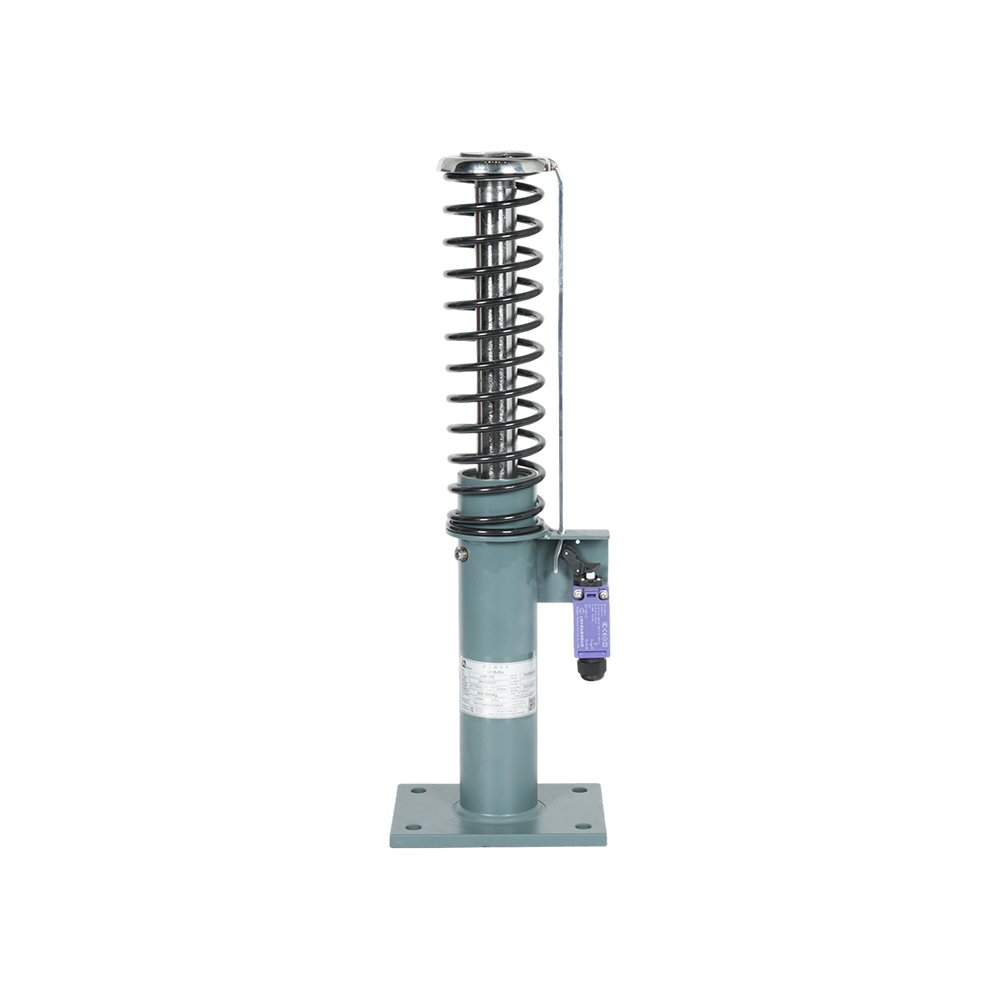
In the sophisticated architecture of modern vertical transportation, safety is not merely a feature but a rigorous engineering requirement. The Elevator Oil Buffer serves as the definitive energy-dissipation device, positioned at the bottom of the elevator hoistway to stop a descending car or counterweight that overtravels its lower terminal limit. Unlike primitive deceleration methods, the hydraulic oil buffer is designed to convert kinetic energy into thermal energy through controlled fluid displacement. Founded in 2004, Shanghai Liftech Elevator Accessories Co., Ltd. is a specialized enterprise dedicated to the R&D, manufacturing, testing, and sales of elevator safety components. With over two decades of sustained development, Liftech has established itself as a leading manufacturer in China's elevator safety sector, providing high-quality products and solutions to a wide range of major elevator brands and engineering clients across domestic and international markets. The integration of high-performance buffering systems is critical, especially as buildings reach greater heights and elevators operate at increased rated speeds. Understanding the mechanical nuances of these components is essential for ensuring that every descent remains within the safe physiological limits of human passengers, preventing catastrophic impact force in the rare event of a control system failure.
- Hydraulic deceleration provides a constant resistance force regardless of impact velocity variation.
- Advanced sealing technology prevents fluid oxidation and environmental contamination.
- Integrated return springs ensure the plunger resets automatically after engagement.
- High-precision machining of the orifice tube allows for a linear deceleration curve.
Understanding Energy Dissipation: The Core Mechanics
The primary function of an Elevator Oil Buffer is to manage energy dissipation during an overtravel event. When the elevator car impacts the buffer plunger, the hydraulic fluid is forced through a series of graduated orifices within the inner cylinder. This process creates high-pressure resistance that slows the car down at a controlled rate, typically not exceeding 1g (9.81 m/s²) of deceleration. This is fundamentally different from accumulation-type buffers, which store energy and can cause a "rebound" effect. For engineers and maintenance professionals, choosing the correct type of buffer involves analyzing the rated speed and mass of the elevator system. While spring buffers are cost-effective for low-speed applications (usually under 1.0 m/s), hydraulic systems are mandatory for higher speeds to ensure passenger safety. Shanghai Liftech Elevator Accessories Co., Ltd. leverages its twenty years of expertise to manufacture components that meet these precise mechanical demands, ensuring that energy is absorbed efficiently without structural failure or excessive recoil.
- Kinetic energy conversion: Converts into heat via fluid friction.
- Orifice distribution: Strategic placement of holes ensures uniform resistance throughout the stroke.
- Plunger stroke length: Calculated based on the maximum impact speed to prevent abrupt stops.
Comparison of Energy Storage vs. Energy Dissipation
Selecting the right safety component requires a deep understanding of the difference between spring buffer and elevator oil buffer. Energy storage buffers (springs) are generally used for slow speeds because they return the stored energy back to the car, which can be jarring. In contrast, energy dissipation buffers (oil) absorb the energy entirely, making them the industry standard for high-performance installations.
| Feature | Spring Buffer (Energy Storage) | Oil Buffer (Energy Dissipation) |
| Speed Application | Low Speed (< 1.0m/s) | All Speeds (Essential for > 1.0m/s) |
| Impact Reaction | Elastic rebound occurs | Smooth, linear deceleration |
| Complexity | Simple mechanical coil | Hydraulic cylinder and plunger |
Technical Standards and High-Rise Requirements
In the context of urban expansion, high-rise buildings present unique challenges for elevator safety systems. The elevator oil buffer technical specifications for high rise buildings must account for extreme vertical distances and higher terminal velocities. These buffers often require longer stroke lengths and specialized hydraulic fluids that maintain consistent viscosity across a wide temperature range. Compliance with global safety codes is non-negotiable for developers and maintenance contractors. For those sourcing components in the North American market, finding an ASME A17.1 compliant elevator oil buffer for sale is a prerequisite for legal installation and operational certification. Liftech has established itself as a leading manufacturer by adhering to these rigorous international standards, ensuring that every safety component undergoes destructive and non-destructive testing before reaching the client. This commitment to quality ensures that the safety components can withstand the increased kinetic loads associated with heavy-duty commercial and residential skyscrapers.
- Stroke Calculation: Determined by for reduced stroke buffers.
- Material Integrity: Use of high-tensile seamless steel tubes for cylinder construction.
- Corrosion Resistance: Galvanized or epoxy-coated exteriors for longevity in humid hoistways.
- EN 81-20/50
| Standard | Regional Relevance | Key Safety Requirement |
| ASME A17.1 | North America | Rigid testing of deceleration rates |
| GB 7588 | China | Strict compliance for domestic skyscrapers |
Maintenance Protocols and Fluid Management
The reliability of a safety system is only as good as its maintenance regime. Hydraulic elevator oil buffer maintenance and inspection protocols involve checking for hydraulic leaks, ensuring the plunger is free of corrosion, and verifying that the electrical safety switch is operational. The switch prevents the elevator from running if the buffer has not fully reset to its upright position. Furthermore, the oil level must be checked periodically to prevent air pockets from forming within the cylinder, which could compromise the damping effect. Using an elevator oil buffer oil level monitoring and refill guide allows technicians to maintain the precise volume of fluid required for optimal performance. Shanghai Liftech Elevator Accessories Co., Ltd. provides comprehensive technical support and documentation to engineering clients to ensure that their safety components remain in peak condition throughout the building's lifecycle. A well-maintained buffer is a silent guardian that may never be used, but must work perfectly if the need arises.
- Plunger Reset Test: Ensuring the plunger returns to the extended position within 90 seconds.
- Fluid Viscosity: Using specialized hydraulic oil with high flash points and anti-foaming agents.
- Electrical Continuity: Testing the limit switches that integrate with the elevator controller.
| Maintenance Task | Frequency | Objective |
| Visual Leak Inspection | Monthly | Detect seal degradation early |
| Oil Level Verification | Quarterly | Ensure sufficient damping medium |
| Functional Reset Test | Annually | Confirm mechanical return integrity |
FAQ
How do I determine the correct oil level in a hydraulic buffer?
The elevator oil buffer oil level monitoring and refill guide specifies that the fluid level should be checked when the plunger is in the fully extended (reset) position. Most professional-grade buffers include a sight glass or a dipstick marked with minimum and maximum levels. It is vital to use only the specific grade of hydraulic oil recommended by the manufacturer, as incorrect viscosity can alter the deceleration profile and jeopardize safety.
What are the signs that an elevator oil buffer needs replacement?
During a hydraulic elevator oil buffer maintenance and inspection, technicians should look for severe pitting on the plunger surface, persistent oil leaks that reappear after seal replacement, or a plunger that fails to reset within the code-mandated time frame. If the cylinder shows signs of deformation or internal scoring, the unit must be replaced immediately to ensure the safety of the elevator system.
Is an ASME certified buffer required for all installations?
While requirements vary by jurisdiction, an ASME A17.1 compliant elevator oil buffer for sale is generally required for all new installations and major modernizations in the United States and Canada. This certification ensures the device has passed standardized impact tests and meets strict engineering criteria for energy absorption and material strength.
What is the functional difference between spring and hydraulic buffers?
The difference between spring buffer and elevator oil buffer lies in how they handle energy. Springs store energy and release it, causing the car to bounce, which is unsafe at high speeds. Hydraulic buffers dissipate energy by turning it into heat, providing a smooth stop. Consequently, hydraulic buffers are required for any elevator with a rated speed exceeding 1.0 meter per second.
Can buffers be customized for specific high-rise building needs?
Yes, elevator oil buffer technical specifications for high rise buildings often require customization of the stroke length and damping force to match the specific mass and speed of the elevator car. Manufacturers like Liftech provide engineered solutions that align with the architectural requirements of modern skyscrapers, ensuring that safety components are integrated seamlessly into the hoistway design.