
 English
 中文简体
中文简体 русский
 Español
 Deutsch


What Is Elevator Safety Gear?
Content
- 1 Understanding Safety Gear Elevator Systems
- 2 How Does Elevator Safety Gear Work?
- 3 Types of Safety Gear Used in Elevators
- 4 Guide Rail and Safety Gear Compatibility
- 5 Manufacturing Standards and Quality Control
- 6 How to Choose the Right Safety Gear Elevator Solution
- 7 FAQ
- 7.1 What is the function of safety gear in an elevator?
- 7.2 How does an elevator safety gear system activate?
- 7.3 What is the difference between instantaneous and progressive safety gear?
- 7.4 How important is guide rail compatibility for safety gear?
- 7.5 When should elevator safety gear be replaced or inspected?
Understanding Safety Gear Elevator Systems
Safety Gear Elevator systems are among the most critical mechanical safety components in modern vertical transportation. Their primary function is to prevent uncontrolled car movement by stopping the elevator car safely along the guide rails during overspeed or free-fall conditions. Unlike electronic protection devices, safety gear operates as a purely mechanical fail-safe, ensuring functionality even in the event of power loss or control system failure. For OEM manufacturers, engineering contractors, and regulators, understanding the structure and behavior of elevator safety gear is essential for compliance, reliability, and passenger safety.
From a system-level perspective, an elevator safety gear system works in coordination with the overspeed governor, guide rails, car frame, and suspension components. When abnormal speed is detected, mechanical energy is converted into frictional braking force, stopping the car within a controlled distance. This process must balance rapid deceleration with passenger comfort and structural integrity. Over decades of technological evolution, safety gear designs have advanced to accommodate higher speeds, heavier loads, and stricter international standards.
- Provides mechanical braking independent of electrical control
- Functions as a mandatory safety layer under global elevator codes
- Protects passengers, cargo, and shaft infrastructure
Definition and Role of Elevator Safety Gear
Elevator safety gear is a mechanical device mounted on the car frame or counterweight that grips the guide rails when activated. Its role is to convert kinetic energy into friction while maintaining alignment and stability. Properly designed safety gear must operate predictably under worst-case scenarios, including maximum rated load and speed.
- Activated by overspeed governor rope tension
- Designed for single-use emergency engagement
- Requires post-activation inspection and reset
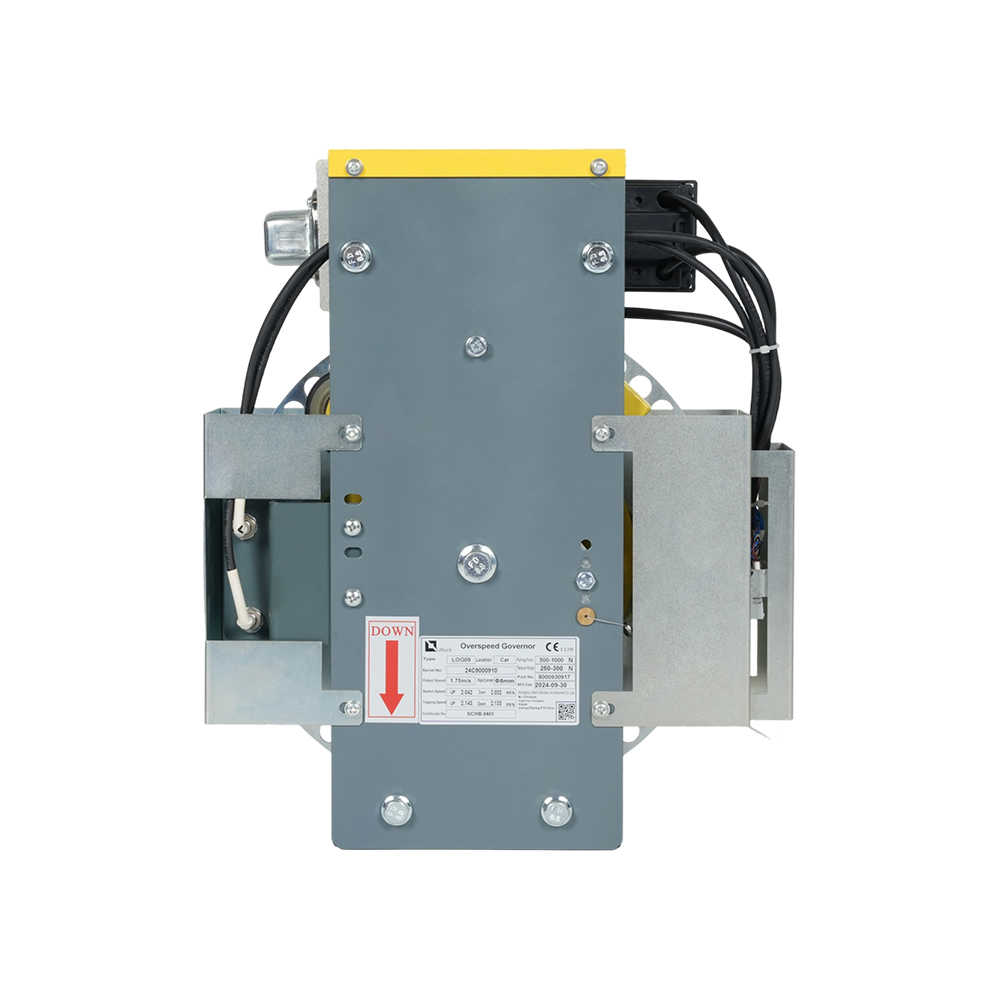
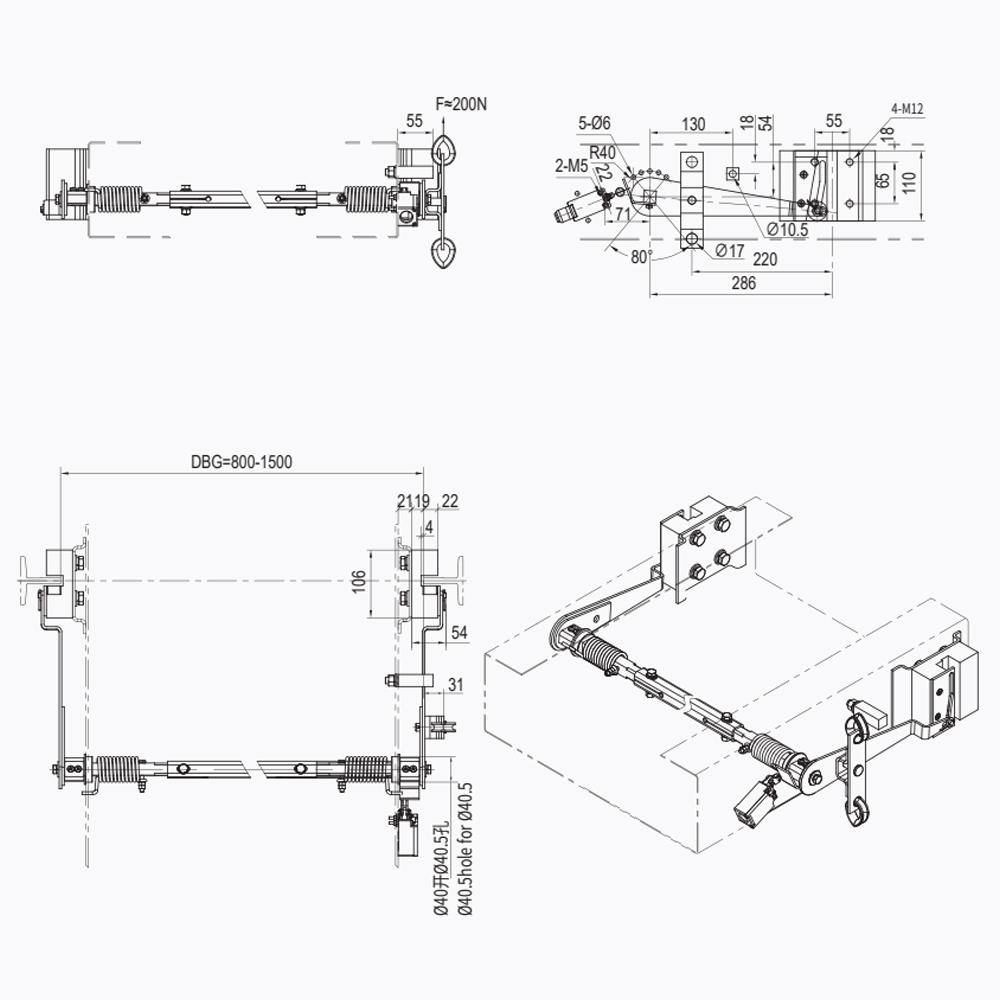
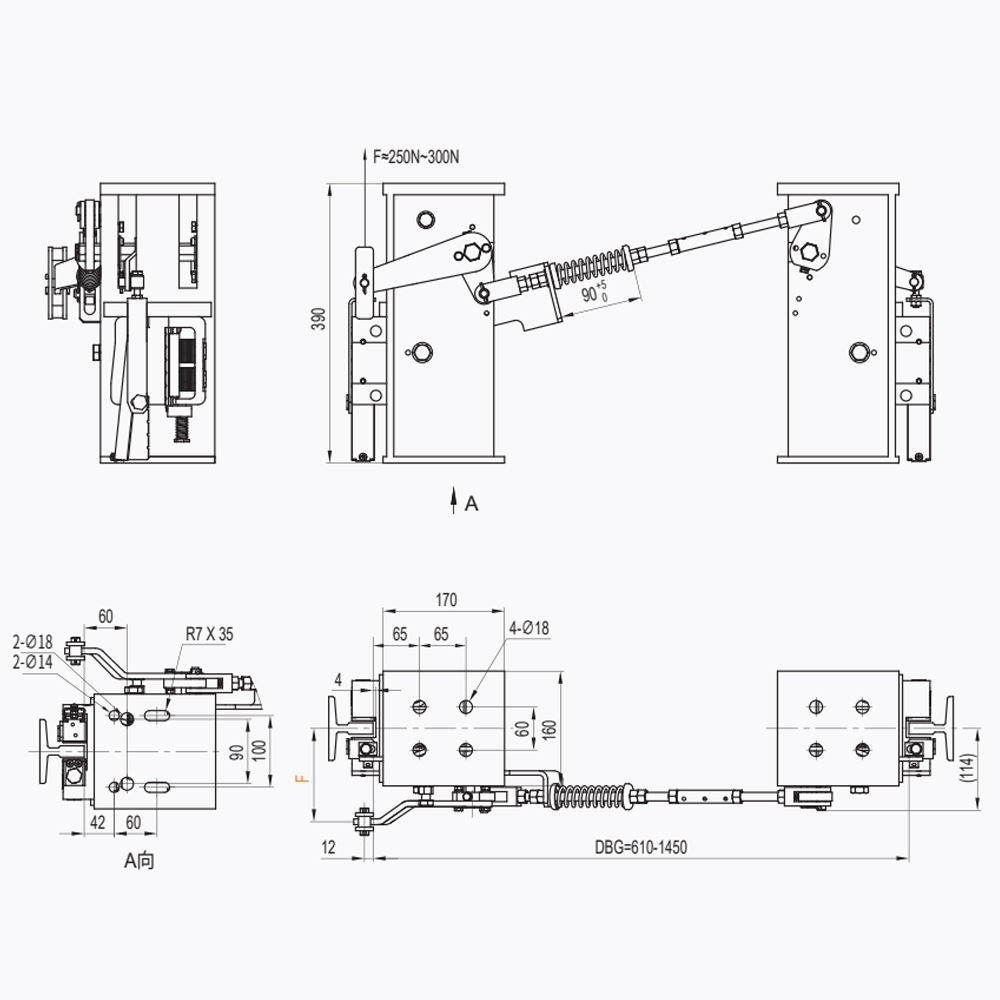
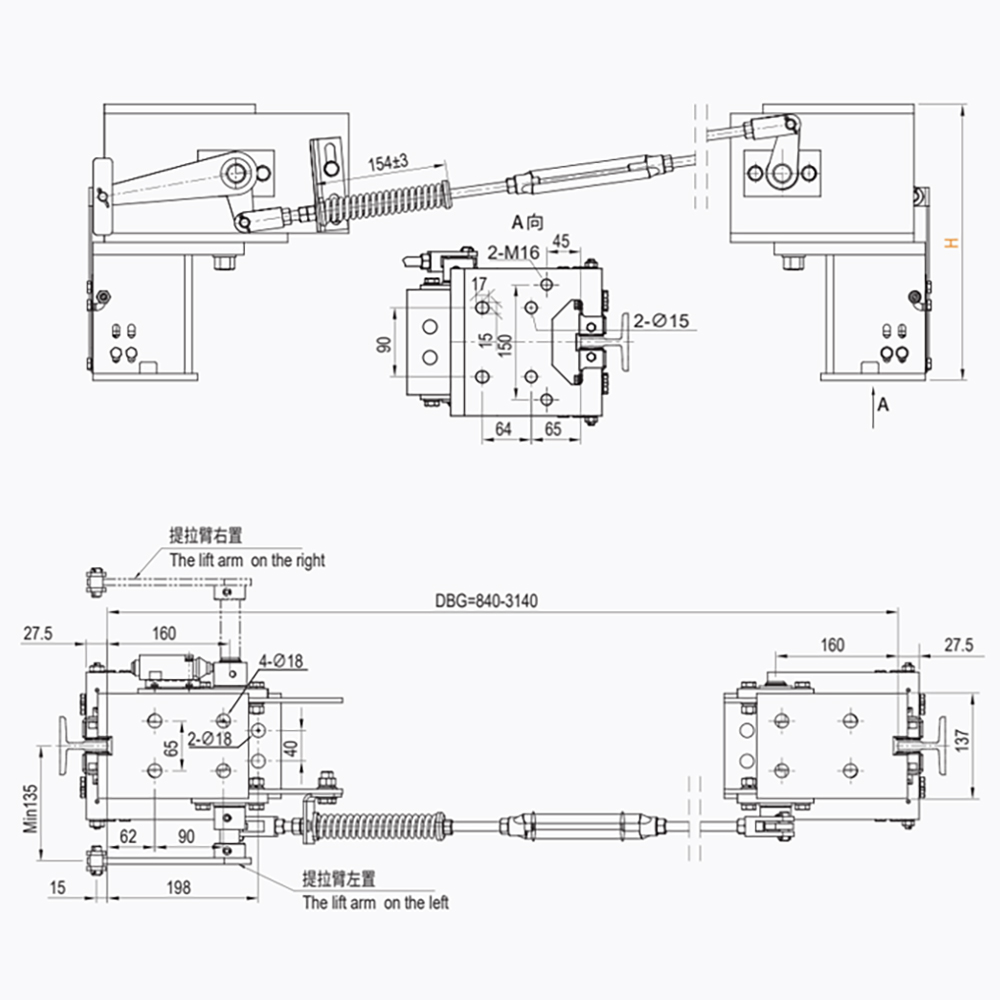
Overview of the Elevator Safety Gear System Architecture
The architecture of a typical safety gear system integrates several mechanical interfaces that must function seamlessly. Dimensional tolerances, material hardness, and surface finish all influence braking behavior.
| Component | Function |
| Overspeed Governor | Detects excessive speed and triggers safety gear |
| Safety Gear Assembly | Applies braking force to guide rails |
| Guide Rails | Provide friction surface and alignment |
How Does Elevator Safety Gear Work?
The elevator safety gear working principle is based on mechanical actuation triggered by abnormal speed conditions. When the elevator exceeds its rated speed, centrifugal forces within the overspeed governor cause it to lock. This locking action pulls the governor rope, transmitting force directly to the safety gear linkage mounted on the car frame.
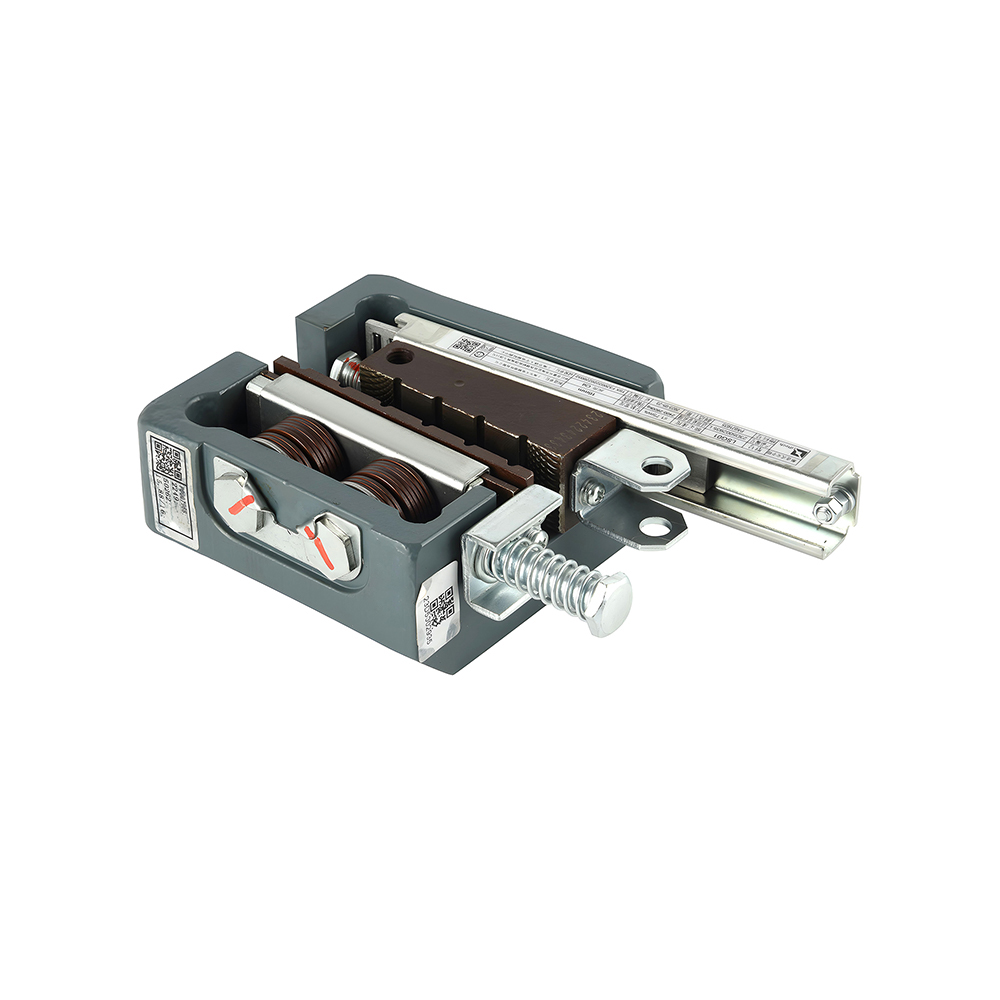
Once activated, the safety gear wedges or rollers engage the guide rails, creating friction that decelerates the car. Progressive designs allow controlled braking over a defined distance, reducing shock loads. This interaction requires precise calibration to ensure braking forces remain within allowable limits defined by safety standards.
- Mechanical activation without electrical dependency
- Immediate response to overspeed or rope failure
- Designed to operate under maximum load conditions
Trigger Conditions and Overspeed Scenarios
The elevator overspeed safety gear is calibrated to activate when speed exceeds a specific threshold, typically a percentage above rated speed. This ensures normal operational variations do not cause false engagement.
| Trigger Condition | System Response |
| Downward overspeed | Governor locks and engages safety gear |
| Suspension failure | Immediate mechanical braking |
Types of Safety Gear Used in Elevators
Safety gear designs vary depending on elevator speed, rated load, and application. The most common classification distinguishes between instantaneous and progressive systems. Selecting the correct type is critical for meeting regulatory and performance requirements.
- Instantaneous safety gear for low-speed elevators
- Progressive safety gear for elevators with higher speeds
- Specialized designs for freight and heavy-duty applications
Instantaneous vs Progressive Safety Gear
Instantaneous safety gear stops the car almost immediately, while progressive systems decelerate the car gradually. Progressive designs are preferred for passenger comfort and structural longevity.
| Feature | Instantaneous | Progressive |
| Stopping Distance | Very short | Controlled and longer |
| Passenger Comfort | Lower | Higher |
Guide Rail and Safety Gear Compatibility
The interaction between safety gear and guide rails directly affects braking efficiency and stability. Proper matching of rail type, hardness, and surface finish is essential. A mismatched system can lead to uneven braking or excessive wear.
The guide rail safety gear elevator relationship must be validated through testing to ensure compliance with stopping distance and deceleration limits.
- Guide rail profile must match safety gear design
- Surface roughness affects friction coefficient
- Alignment tolerances impact braking symmetry
Manufacturing Standards and Quality Control
Elevator safety gear is subject to rigorous international standards covering design, materials, and testing. Manufacturers must implement full traceability from raw materials to finished products. Static and dynamic testing simulates worst-case operating conditions to validate performance.
- Type testing under rated and overload conditions
- Batch inspection for dimensional accuracy
- Long-term fatigue and wear evaluation
Industry Expertise and Engineering Capability
Founded in 2004, Shanghai Liftech Elevator Accessories Co., Ltd. is a specialized enterprise dedicated to the research, development, manufacturing, testing, and sales of elevator safety components. With more than two decades of continuous development, the company has accumulated extensive engineering experience in safety gear systems and related components.
- Integrated R&D and testing capabilities
- Support for domestic and international engineering projects
- Focus on reliability, compliance, and long-term performance
How to Choose the Right Safety Gear Elevator Solution
Selecting the appropriate safety gear requires a comprehensive evaluation of operating parameters, regulatory requirements, and lifecycle considerations. For OEMs and contractors, incorrect selection can lead to non-compliance, reduced comfort, or premature wear.
- Rated speed and load capacity
- Passenger or freight application
- Installation environment and duty cycle
FAQ
What is the function of safety gear in an elevator?
Safety gear prevents uncontrolled car movement by mechanically gripping the guide rails when overspeed or free-fall conditions occur. It acts as a fail-safe independent of electrical systems.
How does an elevator safety gear system activate?
Activation occurs when the overspeed governor detects excessive speed, locking the governor rope and mechanically triggering the safety gear linkage.
What is the difference between instantaneous and progressive safety gear?
Instantaneous safety gear stops the car abruptly and is used for low-speed elevators, while progressive safety gear decelerates the car gradually, improving comfort and structural safety.
How important is guide rail compatibility for safety gear?
Guide rail compatibility is critical, as rail profile, hardness, and alignment directly affect braking performance and compliance with safety standards.
When should elevator safety gear be replaced or inspected?
Safety gear must be inspected after any activation event and periodically according to maintenance schedules to ensure reliable operation and regulatory compliance.