
 English
 中文简体
中文简体 русский
 Español
 Deutsch


How Safe Is Your Elevator Oil Buffer ?
Content
Introduction to Elevator Oil Buffer
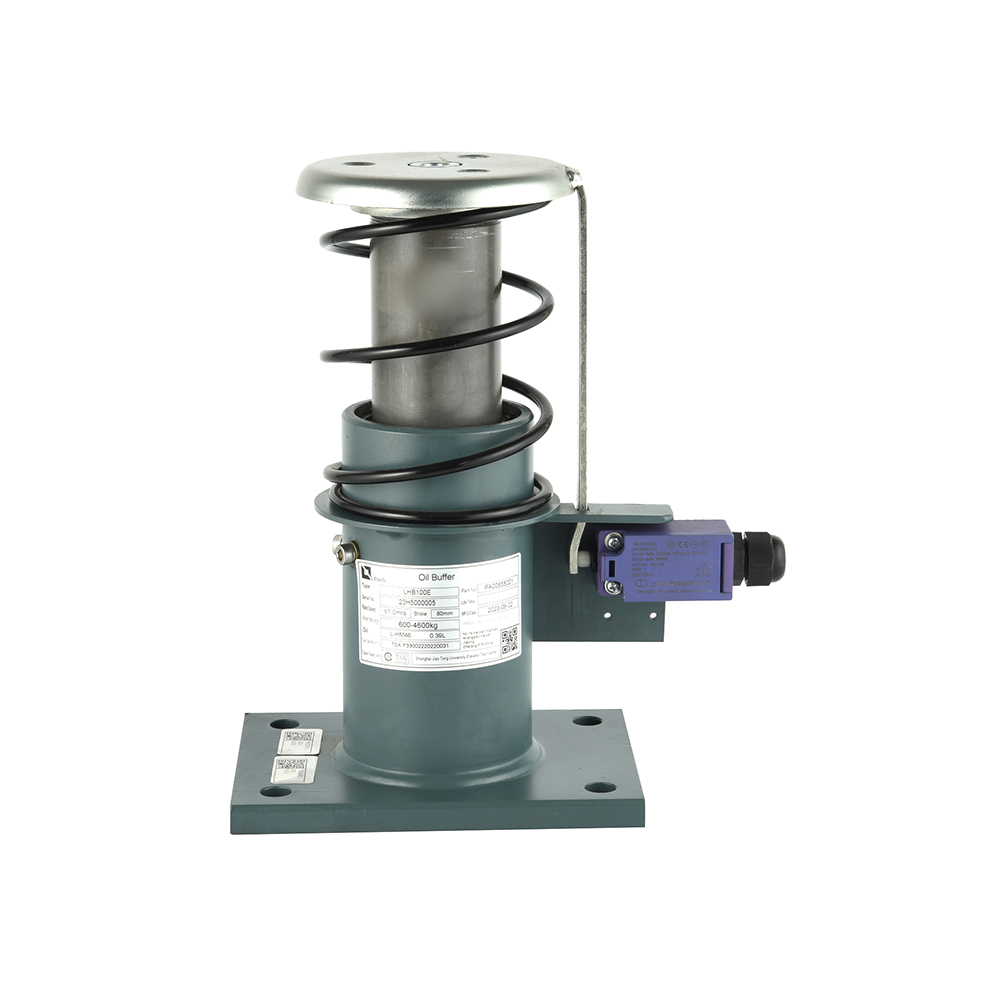
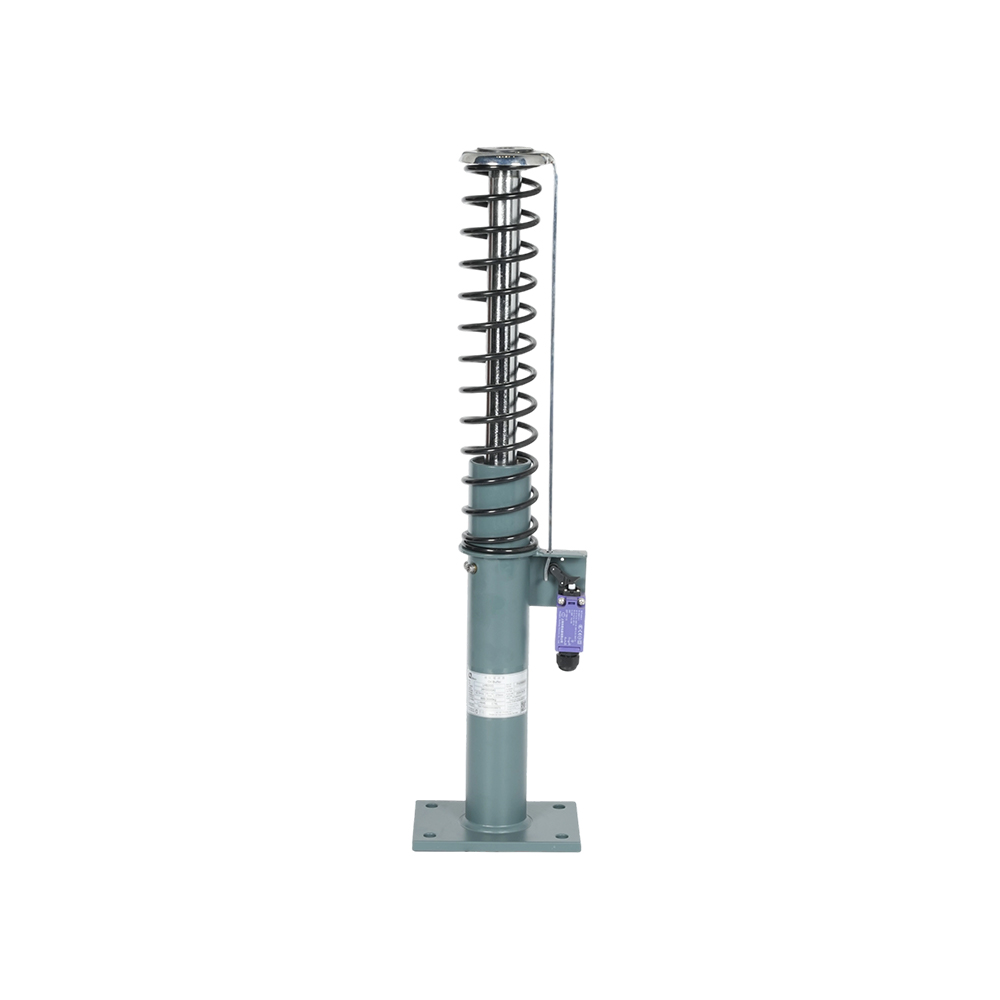
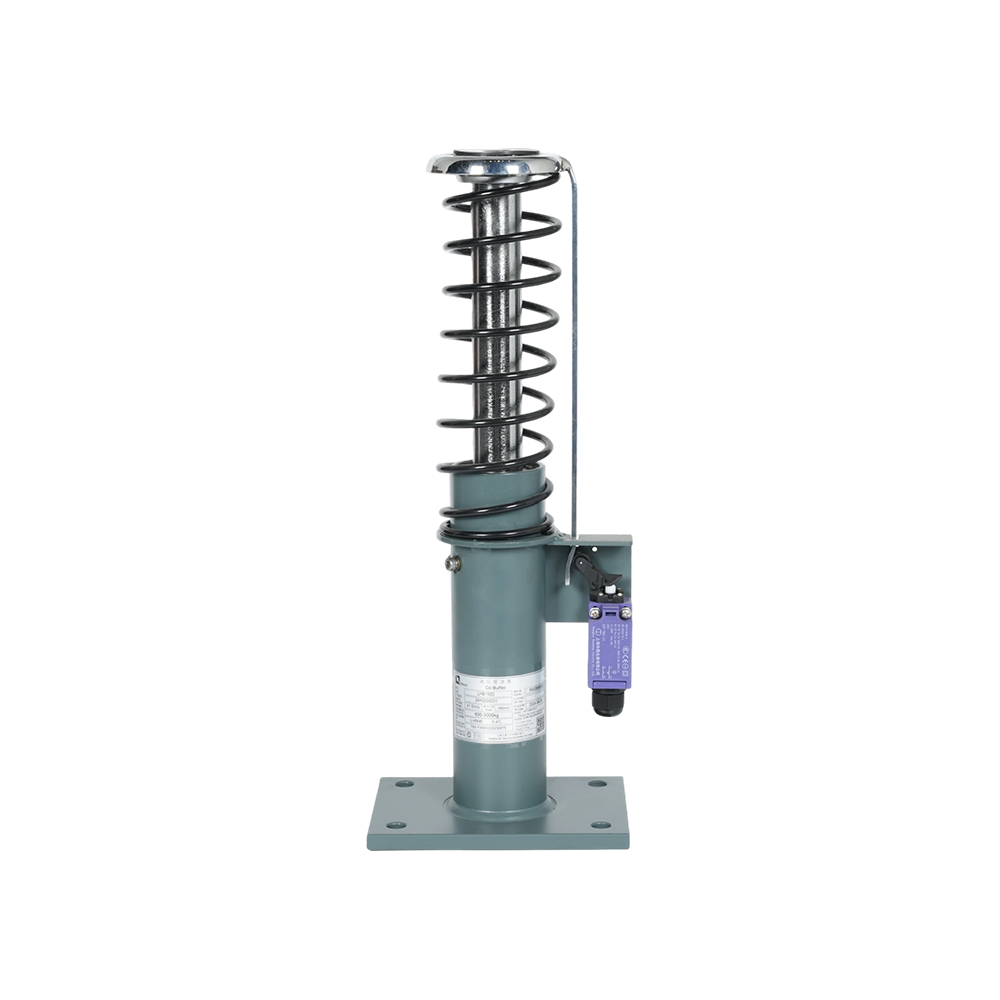
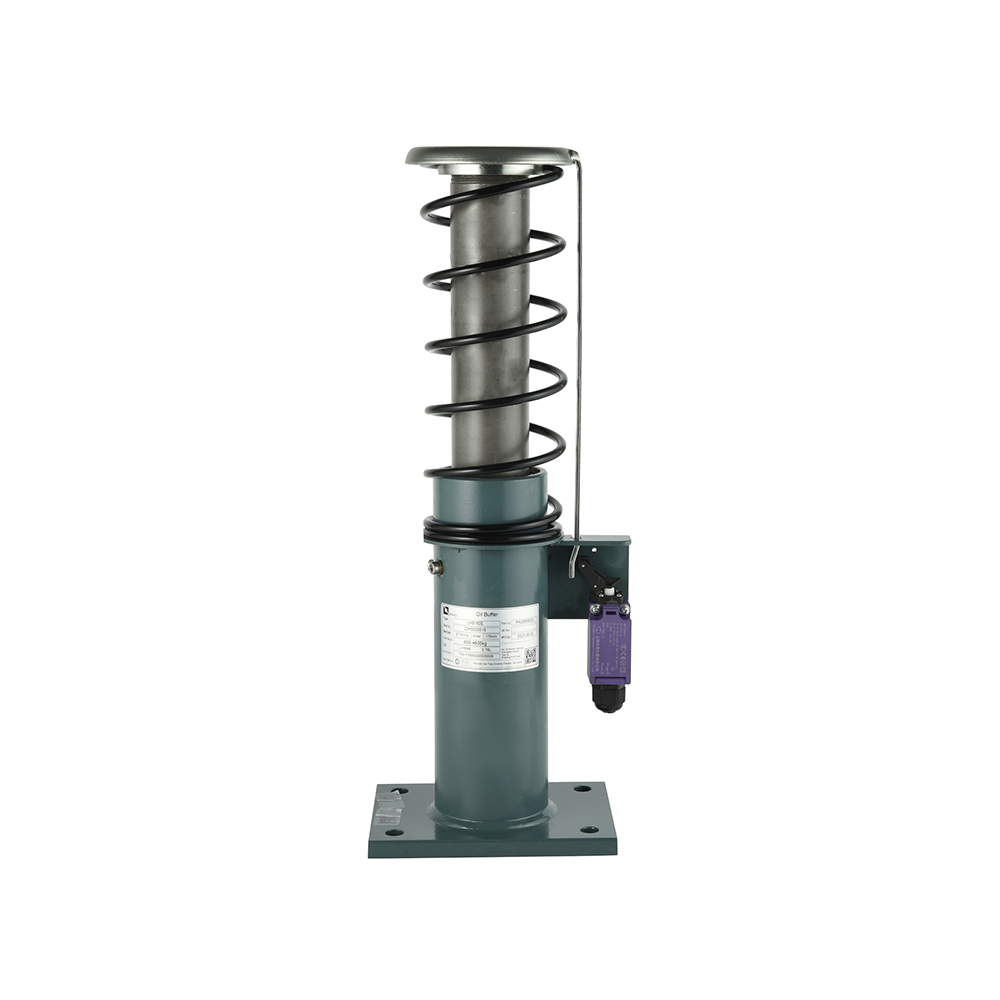
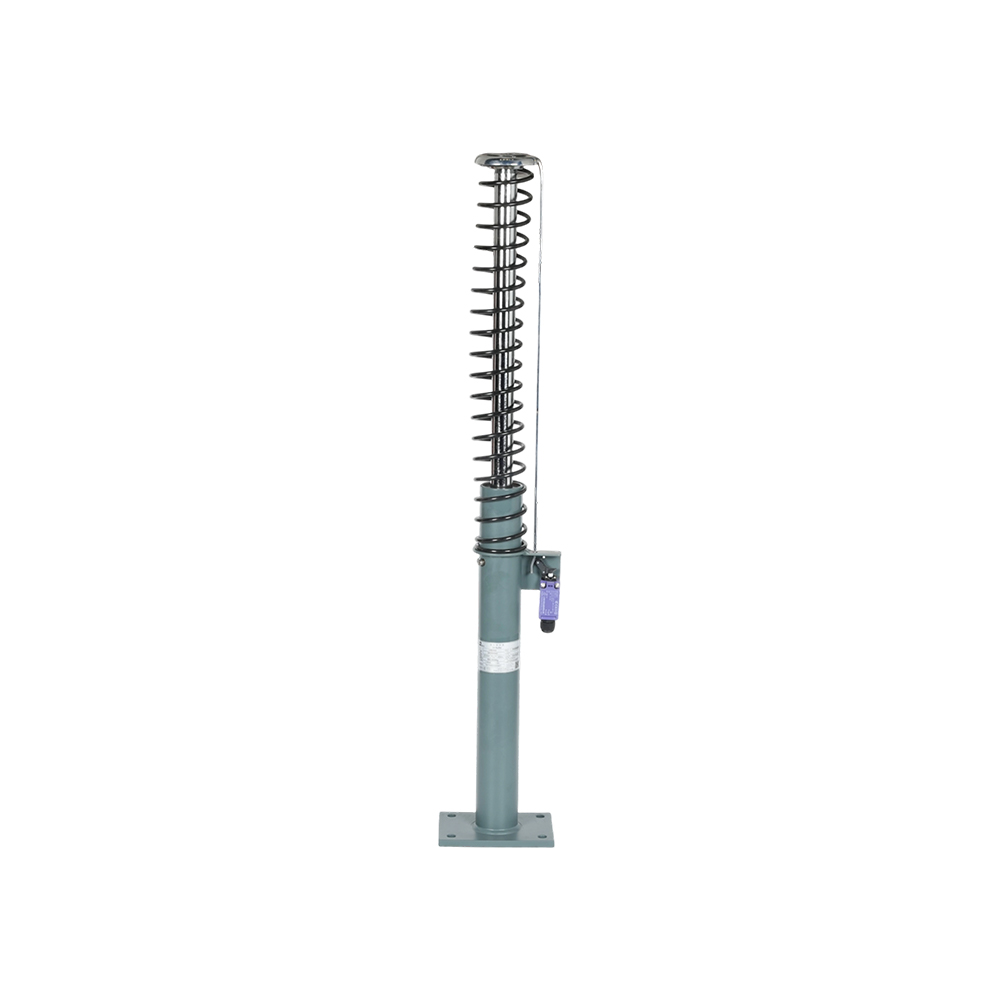
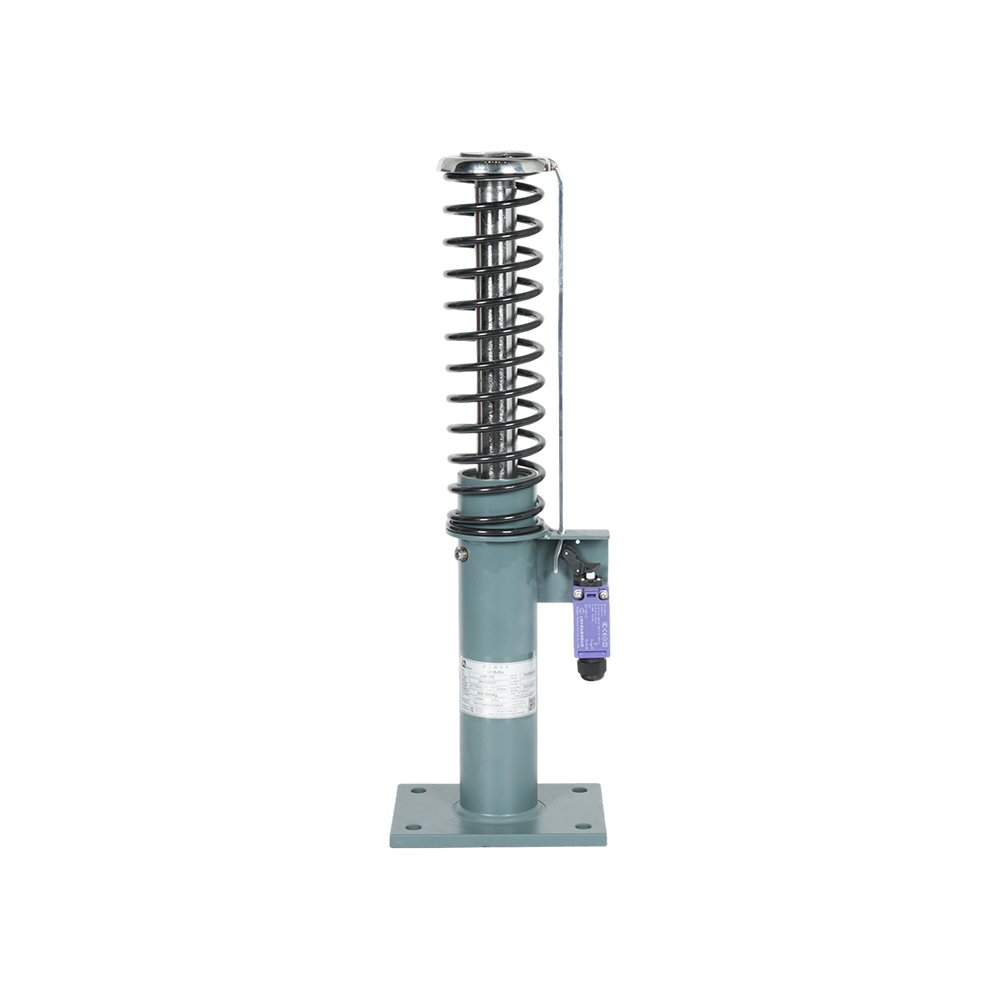
A Elevator Oil Buffer is a critical safety component designed to absorb the kinetic energy of an elevator cabin in case it descends too quickly or reaches the bottom of the shaft abruptly. Its primary function is to prevent severe impact, reduce noise, and protect both passengers and mechanical systems. The oil buffer works on hydraulic principles, ensuring smooth deceleration and energy absorption for elevators of various capacities.
- Hydraulic mechanism for energy absorption
- Reduces mechanical stress on elevator structure
- Prevents cabin impact at low and high speeds
- Durable and compliant with international safety standards
Components and Working Principle
A typical Elevator Oil Buffer consists of a cylinder, piston, hydraulic oil, and damping valves. When the elevator reaches the buffer zone, the piston moves through hydraulic oil, which flows through calibrated valves, converting kinetic energy into heat. This process decelerates the elevator smoothly.
- Piston-cylinder assembly for controlled movement
- Hydraulic oil for energy absorption
- Adjustable damping valves for different load capacities
- Seals and gaskets ensuring leak-proof operation
Types and Applications
Elevator Oil Buffers vary based on the elevator type and speed requirements. Low-speed elevators may use compact buffers with standard hydraulic damping, whereas high-speed or heavy-load elevators require reinforced cylinders and high-performance oil with temperature-resistant properties.
| Buffer Type | Application | Max Load | Damping |
| Standard Oil Buffer | Low-speed elevators | 1000 kg | Medium |
| High-Speed Oil Buffer | High-speed elevators | 2000 kg | High |
| Heavy-Duty Oil Buffer | Freight elevators | 5000 kg | Adjustable |
Installation and Maintenance Guidelines
Proper installation and maintenance of Elevator Oil Buffer are essential for elevator safety. The buffer must be aligned with the guide rails, securely fixed to the shaft pit, and hydraulic oil levels checked. Regular inspection ensures no leaks, corrosion, or wear on the piston and cylinder, maintaining optimal energy absorption.
- Align buffer with elevator guide rails
- Check hydraulic oil levels periodically
- Inspect seals, gaskets, and cylinder for wear
- Adjust damping valves according to load specifications
Performance Comparison
Different elevator types require tailored buffer solutions. The following table summarizes key performance parameters:
| Elevator Type | Buffer Size | Max Impact Absorption | Recommended Maintenance |
| Passenger Elevator | Standard | 5000 J | Quarterly |
| High-Speed Elevator | High-Speed | 12000 J | Monthly |
| Freight Elevator | Heavy-Duty | 25000 J | Monthly |
FAQ
What is an Elevator Oil Buffer?
An Elevator Oil Buffer is a hydraulic device installed at the bottom of an elevator shaft to absorb impact energy, decelerate the cabin safely, and protect both passengers and elevator components from damage.
How does the oil buffer work?
When the elevator cabin contacts the buffer, the piston moves through hydraulic oil, which flows through calibrated valves. This converts the kinetic energy into heat, gradually slowing the elevator for a smooth stop.
How often should it be inspected?
Inspection should be done monthly for high-speed or heavy-duty elevators and quarterly for standard passenger elevators. Key points include checking hydraulic oil levels, piston-cylinder integrity, and damping valve functionality.
Can buffer type affect elevator safety?
Yes. Selecting the correct buffer type based on elevator speed and load capacity is crucial. Using a high-speed buffer for a low-speed elevator may lead to over-damping, while underestimating load can reduce safety performance.
Is maintenance difficult for oil buffers?
Maintenance is straightforward but essential. Regular inspection, oil level checks, and periodic valve adjustments ensure the buffer functions optimally and extends its service life.