
 English
 中文简体
中文简体 русский
 Español
 Deutsch


Why Choose a Reliable Elevator Wire Rope Brake?
Content
What Is an Elevator Wire Rope Brake?
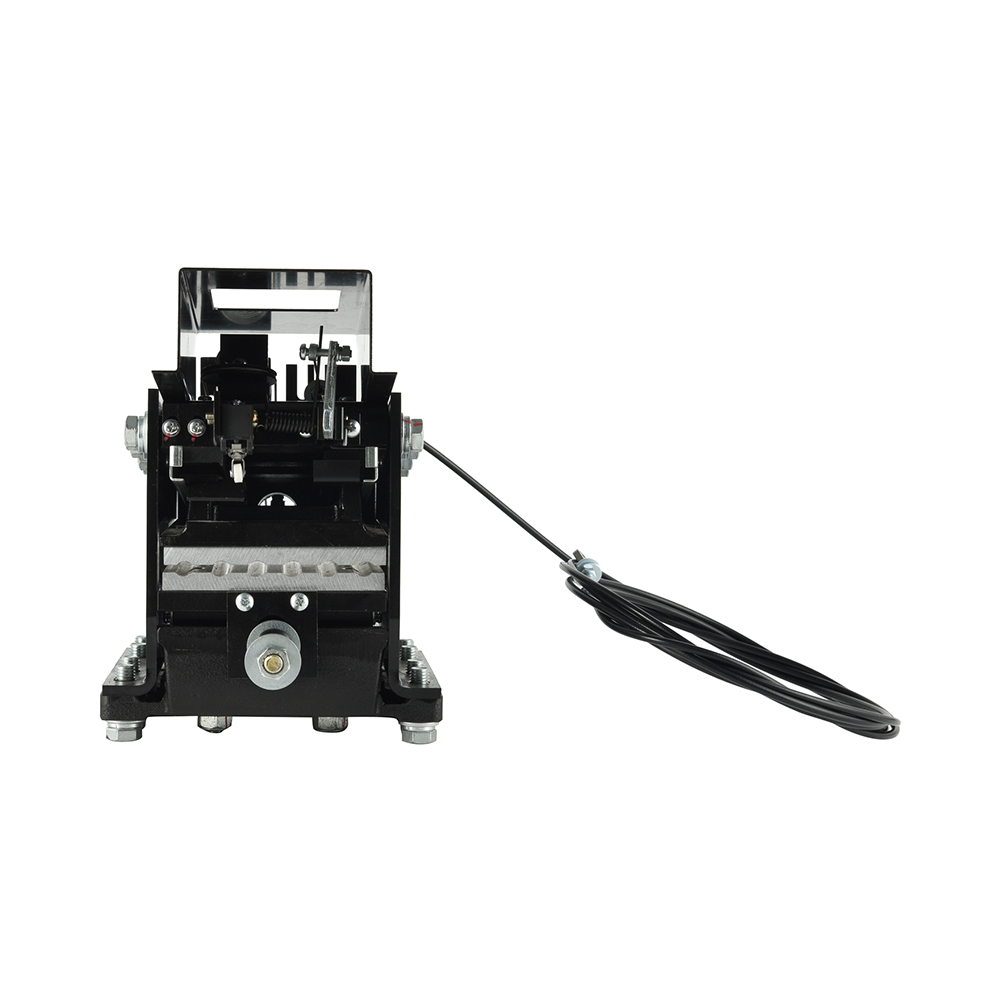
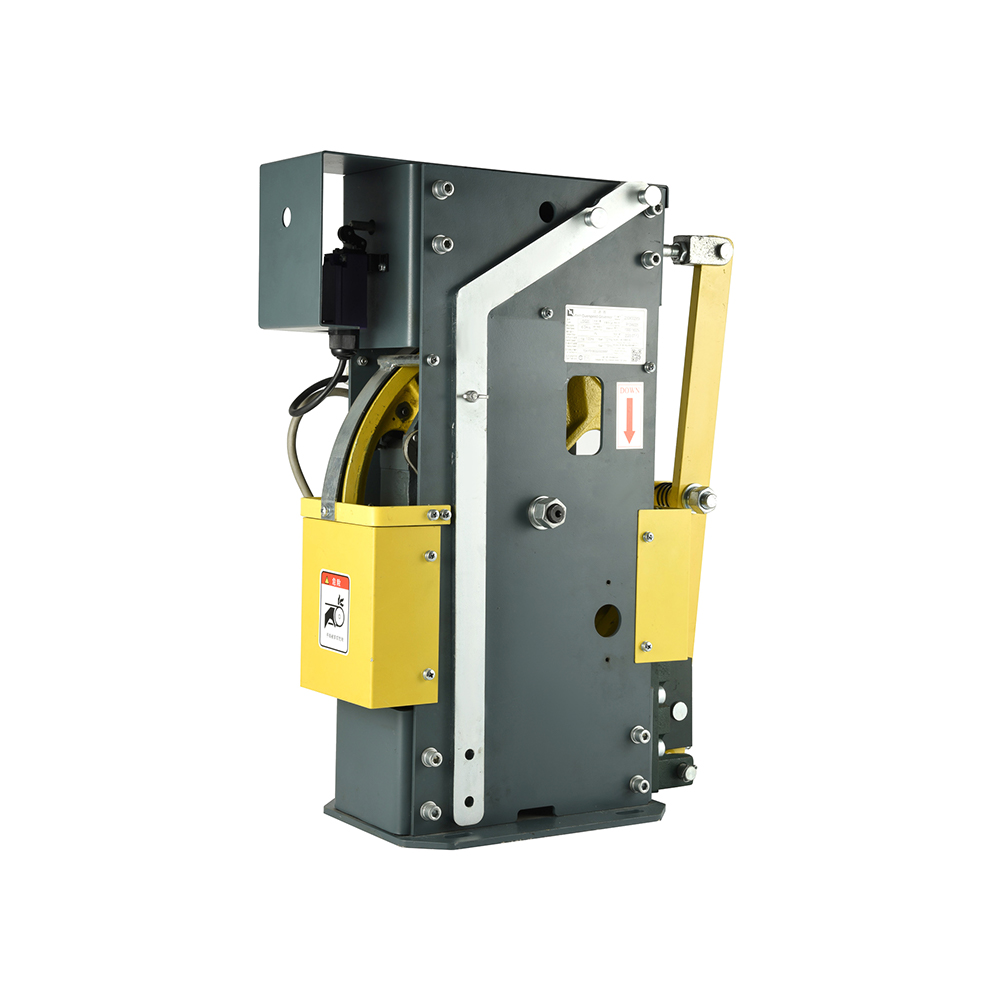
An Elevator Wire Rope Brake is a mechanical safety device designed to grip the elevator’s hoisting rope (or lift rope) and hold the car or counterweight securely when the control system detects abnormal conditions—such as overspeed, slack rope, or free-fall risk. Unlike ordinary brakes that act on sheaves or motors, a wire rope brake engages directly on the rope, offering an additional safety layer by preventing uncontrolled descent or unintended movement even if other systems fail.
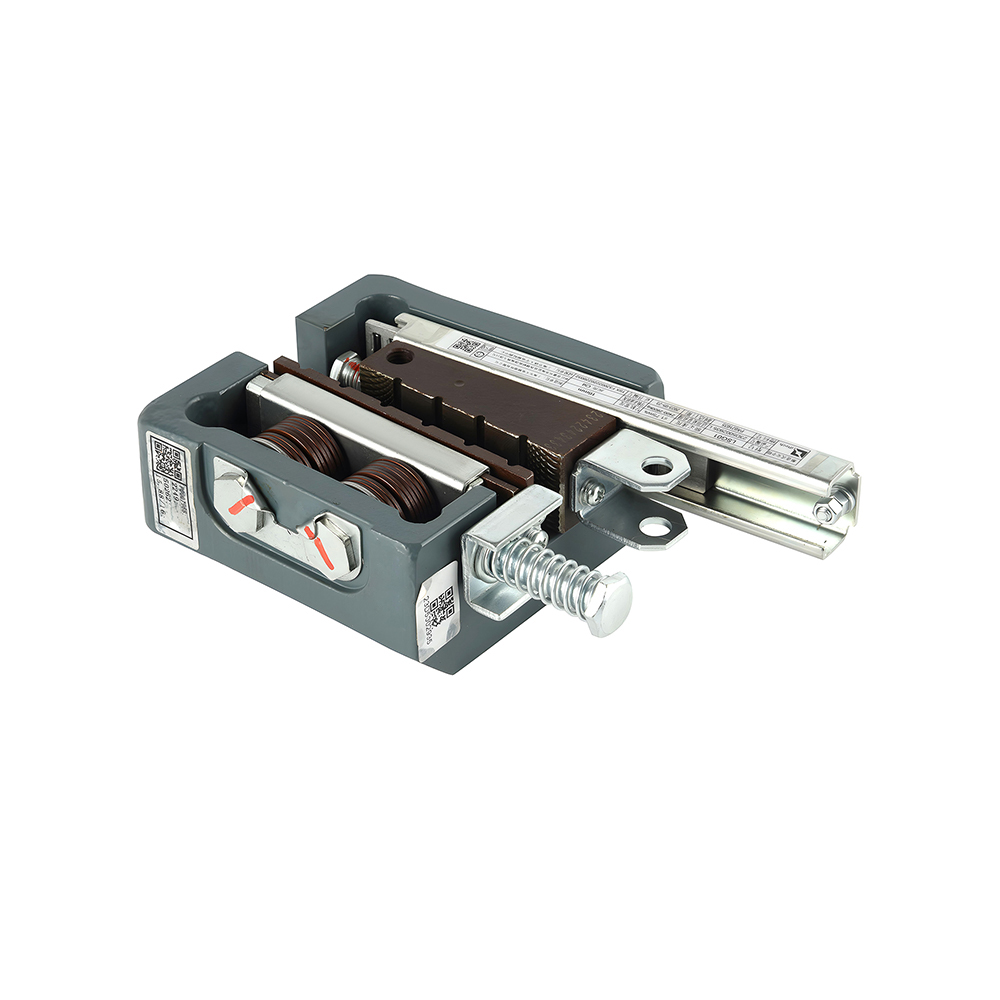
This type of brake typically uses a clamping mechanism or a rope‑gripping clamp, where pressure plates or jaws compress around the rope, creating sufficient friction to hold high loads. Because the design interfaces with the rope itself, rope compatibility, clamp material, and installation precision are critical to ensure both safety and longevity. Properly specified and maintained, a wire rope brake can significantly enhance elevator safety, redundancy, and compliance with regulation.
- Provides redundant safety in addition to main motor/drive brakes
- Prevents uncontrolled descent even in case of drive failure
- Acts directly on the hoisting rope for maximum grip
- Compatible with various rope types and elevator capacities
How Does a Wire Rope Brake Work?
The working principle of an Elevator Wire Rope Brake involves mechanical clamping or pressing jaws that engage the rope when triggered. Under normal elevator operation, the clamp remains disengaged, allowing free movement of the rope over sheaves. If the elevator speed controller or overspeed governor detects a dangerous condition, the brake’s actuator immediately drives a cam or lever mechanism to compress the clamp jaws onto the rope, locking it in place. The clamping mechanism may use springs, hydraulic or mechanical force, or ratchet‑based locks to ensure firm grip under load.
Once engaged, the brake must resist downward forces from the car or counterweight, absorb any dynamic loads, and prevent slippage. That requires high‑strength clamp materials, precise machining, and periodic inspection. The brake mechanism often includes fail-safe redundancy—for example, dual clamping jaws or a ratchet lock that engages automatically upon clamp release failure to ensure safety under all conditions.
- Centrally mounted clamp jaws grip rope securely
- Actuator mechanism triggers clamp under fault conditions
- Designed to resist maximum rope tension plus dynamic loads
- Includes redundancies to prevent accidental release
| Mechanism Component | Function | Critical Specification |
| Clamp Jaws | Grip the rope | Hardness ≥ HRC 45, precision machining |
| Actuator Lever / Cam | Trigger clamp | Immediate response ≤ 50 ms |
| Secondary Safety Lock | Prevent accidental release | Fail-safe ratchet or mechanical lock |
| Mounting Frame | Support structural loads | Fatigue-resistant steel, corrosion-protected |
When to Use a Wire Rope Brake vs Conventional Braking
Elevators usually rely on motor-driven brakes or electromagnetic brakes acting on the drive sheave. However, certain scenarios demand extra protection. For example, in high-rise buildings, freight elevators, or older installations with single-rope systems, a standalone Elevator Wire Rope Brake provides an independent safety layer. It becomes especially valuable when:
- The main brake fails or loses power
- Rope stretch or wear threatens controlled motion
- The installation uses multiple safety cables or requires redundancy
- Regulatory or insurance standards mandate mechanical backup brakes
While conventional brakes are effective under normal operation, the rope brake ensures that even in worst-case mechanical failure, the elevator remains securely held. For maximum safety, many modern systems combine both—drive brakes + wire rope brakes + safety gear buffers—to create multiple redundant layers.
Selection and Installation Guidelines
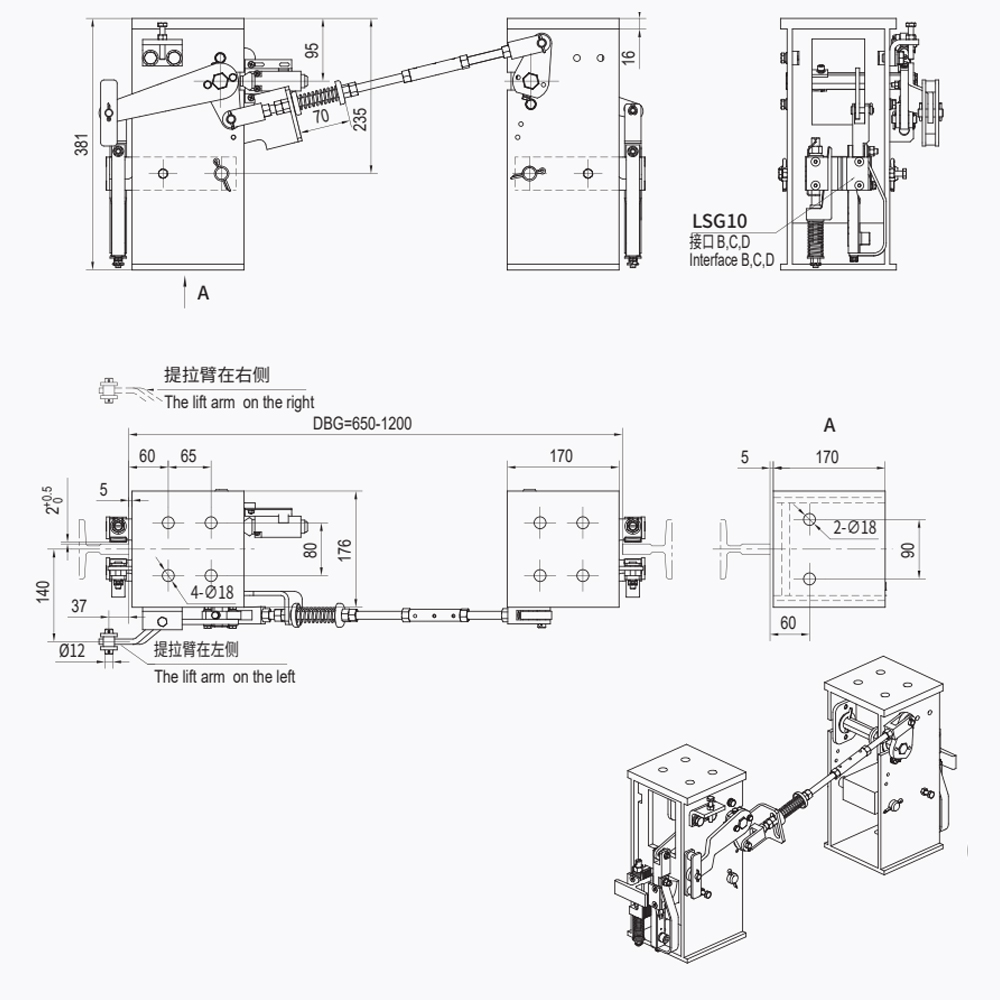
Selecting the right Elevator Wire Rope Brake involves considering rope diameter, load capacity, elevator speed, and installation environment. The clamp jaws must match the rope diameter and type (steel, wire‑strand, or galvanised), and the brake frame must align with the rope run direction to avoid bending or off-axis loads. Installation should include alignment checks, torque calibration, and functional testing under load conditions before commissioning.
- Confirm rope diameter and type before ordering brake clamp
- Check alignment with sheave and rope path to prevent misloading
- Perform load tests and slip tests after installation
- Include periodic inspections for wear, jaw deformation, and corrosion
Maintenance and Spare Parts Considerations
Maintenance of a wire rope brake is critical for long-term safety. Over time, clamp jaws may wear or deform, springs may lose tension, and bolts or locking mechanisms may loosen. Scheduled inspections should include jaw surface checks, rope condition assessment, lubrication of moving parts, and functional tests. Replace worn components immediately. For heavy-use elevators or freight lifts, monthly inspections may be required; for standard passenger elevators, quarterly maintenance is often sufficient.
- Inspect clamp jaws for wear and scoring
- Check rope condition at brake contact points
- Verify actuator response time and locking integrity
- Replace springs, bolts, or locking parts as needed
When a Wire Rope Brake Is Essential — Use Cases
Several elevator applications benefit strongly from an Elevator Wire Rope Brake as a safety enhancement or mandatory safety gear:
- High-rise elevators where rope failure consequences are critical
- Freight elevators carrying heavy loads or irregular weight distributions
- Old buildings where existing safety gear may be outdated or worn
- Installations requiring certification or compliance with strict safety regulations
FAQ
What does an Elevator Wire Rope Brake do?
An Elevator Wire Rope Brake grips the hoisting rope and halts elevator movement when safety conditions are triggered, preventing uncontrolled descent and protecting passengers and equipment.
Is a wire rope brake necessary for all elevators?
Not always. While standard motor-driven brakes are sufficient for many installations, a wire rope brake is highly recommended for high-rise, freight, or heavy-load elevators. It provides redundancy and additional safety, especially if primary braking fails.
How often should the brake system be inspected?
Inspection frequency depends on elevator usage. For heavy-duty or high-speed elevators, monthly inspection is advised. For standard passenger elevators, quarterly inspection is a minimum. Key inspection points include clamp jaw integrity, actuator responsiveness, rope wear, and corrosion checks.
What factors affect brake performance?
Performance depends on correct rope type and diameter, proper clamp installation and alignment, well-maintained jaws and springs, and regular maintenance. Any deformation, corrosion, or misalignment can greatly reduce braking reliability.
Can worn brake parts be replaced safely?
Yes. Replacing worn clamp jaws, springs, or locking mechanisms with certified parts restores brake performance. Always ensure replacement components match original specifications—rope diameter range, load capacity, and mechanical tolerances.