
 English
 中文简体
中文简体 русский
 Español
 Deutsch


Global Compliance Standards: Navigating EN 81-20/50 for High-Performance Elevator Safety Gear
Content
- 1 1. EN 81-20/50 Standards: The Benchmark for 2026 Safety
- 2 2. The Progressive Advantage: Stabilizing High-Speed Descents
- 3 3. Modernization and Space Engineering in Urban Retrofitting
- 4 4. Material Excellence for Extreme Environments
- 5 5. Architecture and Digital Integration: MRL and IoT
- 6 Conclusion: A Commitment to Engineering Reliability
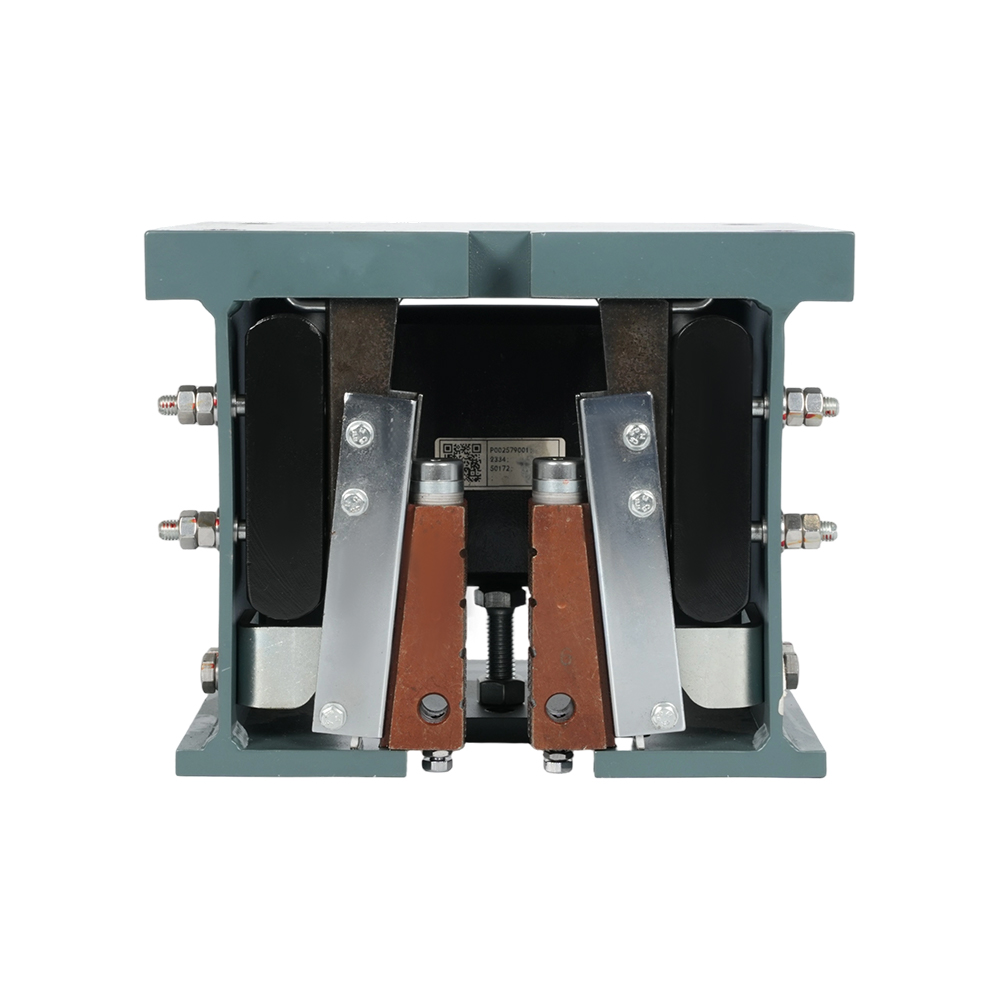
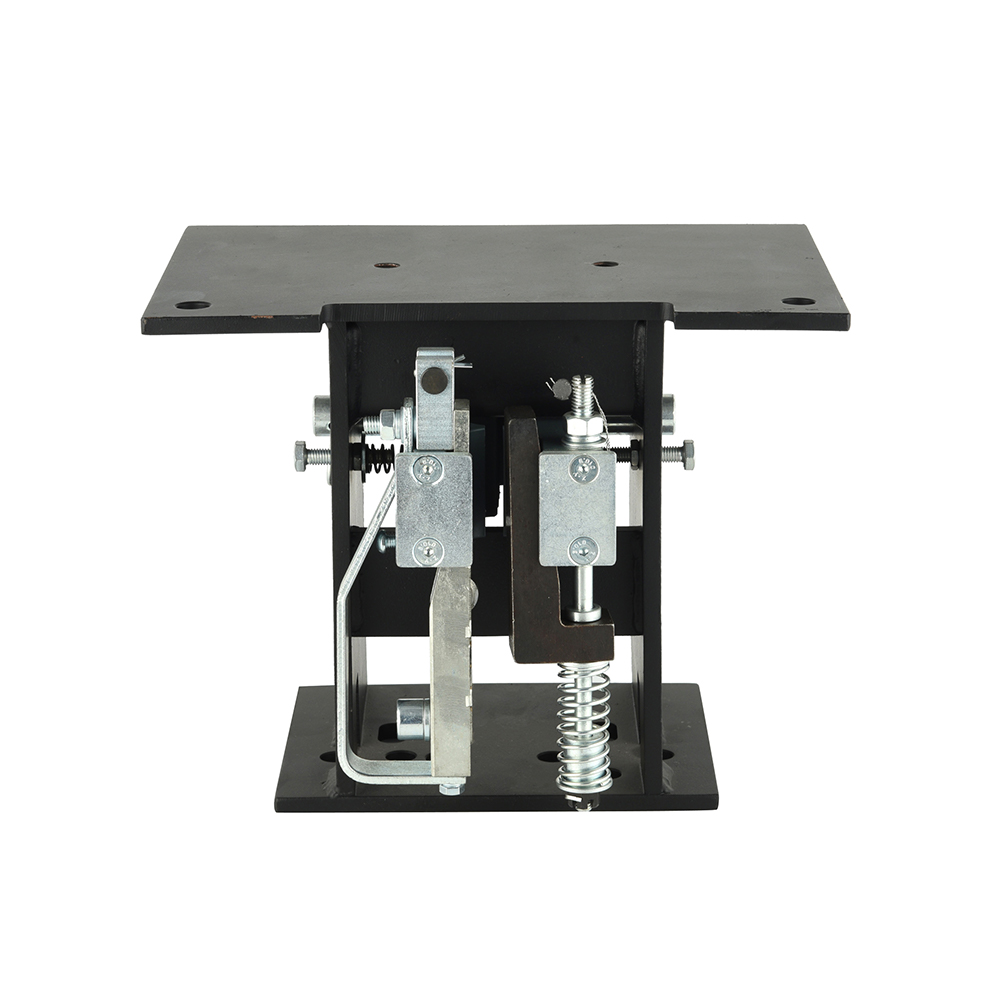
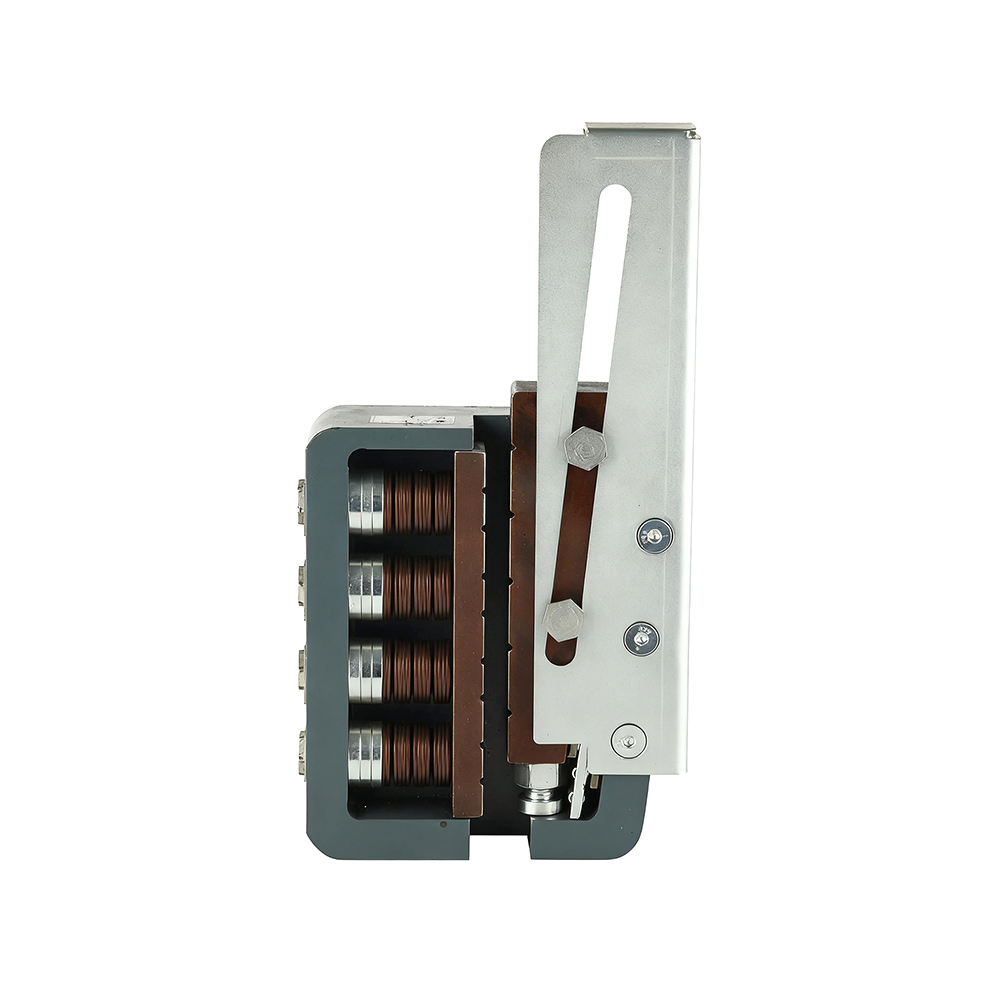
In the vertical transportation industry, the Elevator Safety Gear serves as the final mechanical fail-safe against free-fall and uncontrolled overspeed. As urbanization drives buildings higher and lift speeds faster, the engineering requirements for these components have evolved from simple friction blocks to high-precision safety systems. Our company, backed by over two decades of manufacturing excellence and a commitment to rigorous quality management, focuses on providing safety solutions that meet the most stringent international regulations while optimizing for modern architectural constraints.
1. EN 81-20/50 Standards: The Benchmark for 2026 Safety
The transition to the EN 81-20 and EN 81-50 standards has redefined the structural requirements for lift components. These regulations mandate higher safety factors and more rigorous type-testing procedures to ensure consistency across varying load conditions. According to the latest 2025 industry outlook by the European Committee for Standardization (CEN), the focus has shifted towards "smart" mechanical integration, ensuring that safety gear can interface with electronic overspeed governors while maintaining a mechanical-first reliability principle.
Source: CEN - Lifts, Escalators and Moving Walks Standards
2. The Progressive Advantage: Stabilizing High-Speed Descents
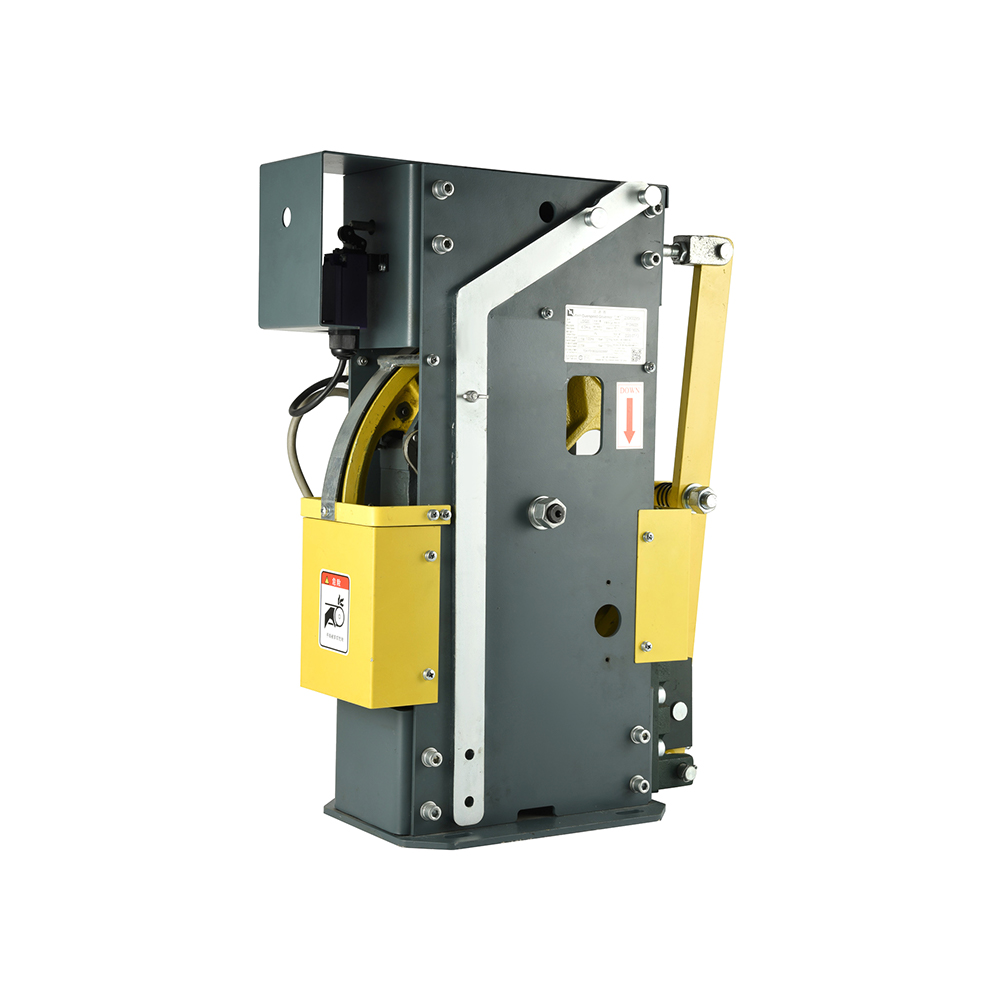
For modern traction lifts, the kinetic energy involved in a high-speed overspeed event is immense. Implementing progressive elevator safety gear for high-speed traction lifts is essential because it utilizes a spring-loaded braking mechanism that provides a constant, controlled deceleration. Unlike instantaneous versions that stop the car abruptly, progressive gear absorbs energy through friction, protecting the car frame and passengers from excessive G-forces. While instantaneous gear is suitable for speeds below 0.63 m/s, progressive gear is mandatory for anything higher to ensure the average deceleration remains between 0.2g and 1.0g.
| Technical Parameter | Instantaneous Safety Gear | Progressive Elevator Safety Gear |
| Rated Speed Range | Up to 0.63 m/s | Up to 10.0 m/s and above |
| Deceleration Profile | Abrupt (High Peak Force) | Controlled / Constant (Friction-based) |
| Structural Stress | High impact on car frame | Managed energy dissipation |
3. Modernization and Space Engineering in Urban Retrofitting
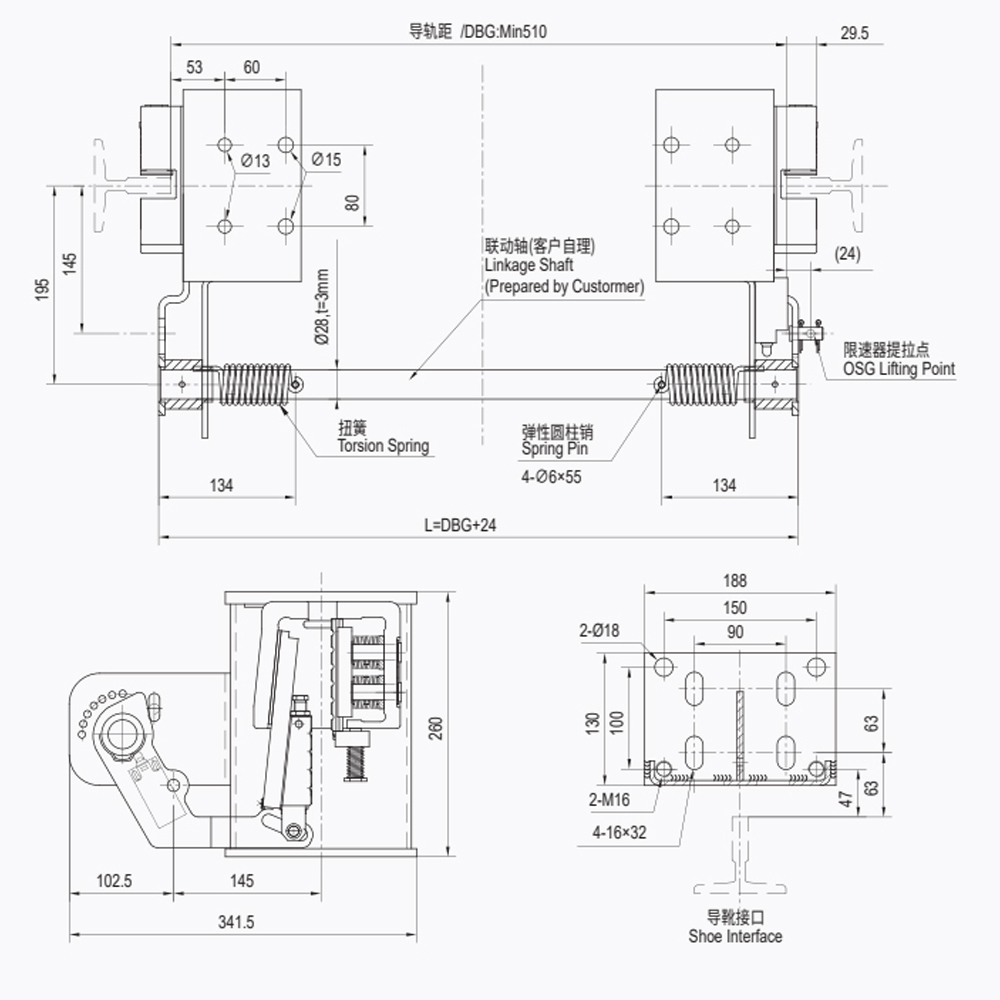
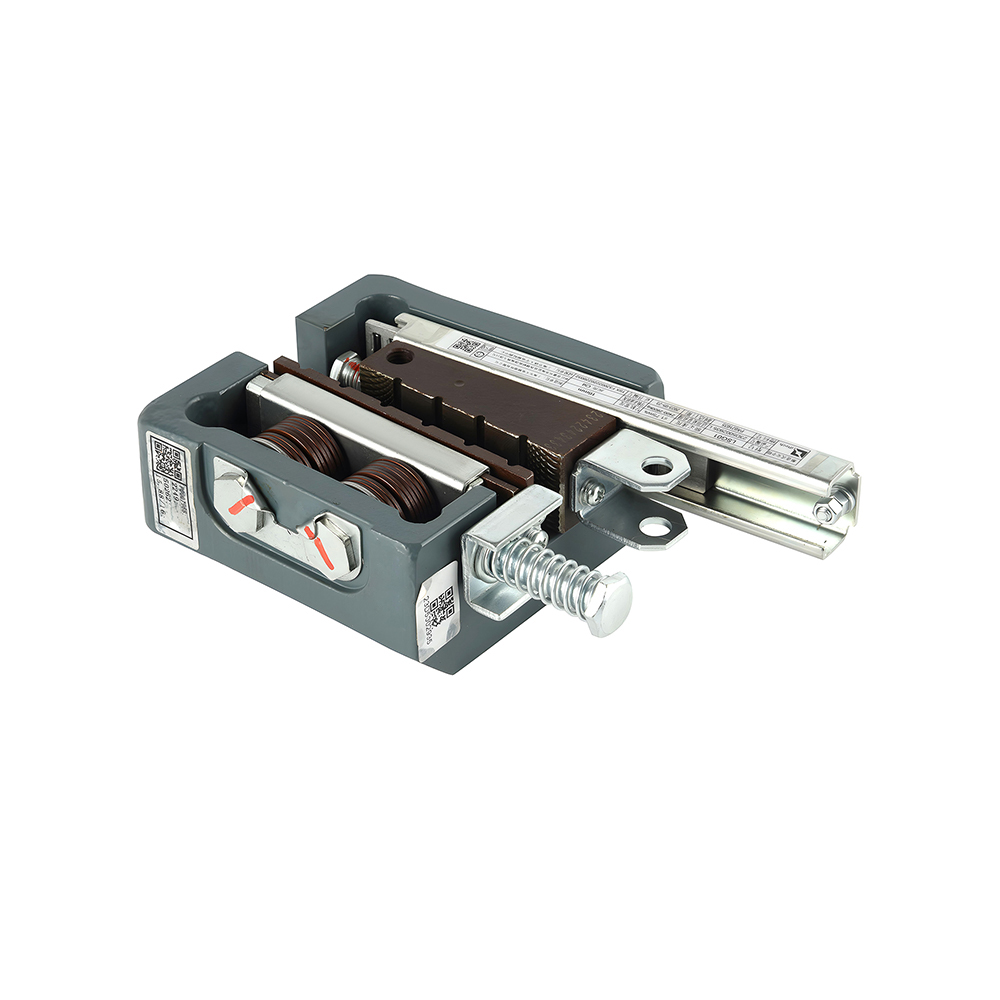
Many aging metropolitan structures face the challenge of narrow hoistways that do not comply with modern safety clearances. Engineers are increasingly specifying compact elevator safety gear designs for modernization of narrow shafts to overcome these physical limitations. These designs reduce the lateral footprint of the safety block, allowing for the installation of higher-capacity safety systems without requiring extensive shaft reconstruction. This is particularly relevant given that, according to the 2024 Global Lift Modernization Report, over 40% of the European and North American lift stock is over 20 years old, requiring urgent safety upgrades that fit within historical structural footprints.
Source: ISO 8100-1:2019 - Safety rules for the construction and installation of lifts
4. Material Excellence for Extreme Environments
Standard carbon steel safety blocks are susceptible to oxidation in high-humidity or saline environments. For specialized sectors, using corrosion-resistant elevator safety gear for maritime and offshore installations is a necessity. These units utilize high-grade stainless steel or specialized galvanized coatings to ensure the wedge-gripping mechanism does not seize. In comparative field tests, corrosion-resistant units maintain their required friction coefficient for three times longer than standard units in salt-spray environments.
| Environment Type | Standard Component Life | Corrosion-Resistant Performance |
| Offshore / Maritime | High seizure risk (1-2 years) | Stable operation (5+ years) |
| Standard Residential | Optimal | Maximum Longevity |
| Chemical Processing | Rapid degradation | High chemical resilience |
5. Architecture and Digital Integration: MRL and IoT
The rise of Machine-Roomless (MRL) lifts has forced a redesign of the safety chain. Engineering teams must follow specific instantaneous elevator safety gear specifications for machine-roomless (MRL) lifts when dealing with low-speed freight or service lifts where space is at a premium. These specifications ensure the safety gear integrates seamlessly with the car's bottom or top beams without interfering with the guide rail brackets. Furthermore, the future of lift maintenance lies in data. IoT-integrated elevator safety gear for real-time brake status monitoring allows building managers to receive instant alerts regarding wedge position, lining wear, or accidental deployment. This predictive capability reduces downtime and ensures that the safety gear is always in a "ready" state, shifting the industry from reactive repair to proactive safety management.
Conclusion: A Commitment to Engineering Reliability
Selecting the correct Elevator Safety Gear is a critical decision that balances regulatory compliance, passenger safety, and mechanical longevity. By integrating advanced materials, compact designs, and digital monitoring, our solutions provide the reliability required for the next generation of vertical transport. We remain committed to the highest standards of safety and innovation, ensuring that every lift equipped with our gear is a secure environment for its passengers.
Frequently Asked Questions (FAQ)
- 1. What is the difference between instantaneous and progressive safety gear?
Instantaneous gear stops the car almost immediately and is used for low speeds. Progressive gear uses friction to decelerate the car gradually and is required for speeds over 0.63 m/s. - 2. How does EN 81-20 impact safety gear procurement?
EN 81-20 requires higher structural strength and more rigorous testing of the safety gear's grip on the rail, ensuring it can handle 125% of the rated load. - 3. Can safety gear be refurbished?
Generally, once safety gear has been deployed in a free-fall event, the wedges and blocks must be thoroughly inspected and usually replaced to ensure the friction surfaces are still within tolerance. - 4. Are IoT sensors compatible with older safety gear models?
In many cases, modernization kits can be used to add IoT sensors to existing safety gear to monitor position and wear, though integrated units are more reliable. - 5. Why is material selection critical for offshore lifts?
Salt air causes rapid pitting in standard steel, which can change the friction coefficient and prevent the safety gear from stopping the car within the required distance.