
 English
 中文简体
中文简体 русский
 Español
 Deutsch


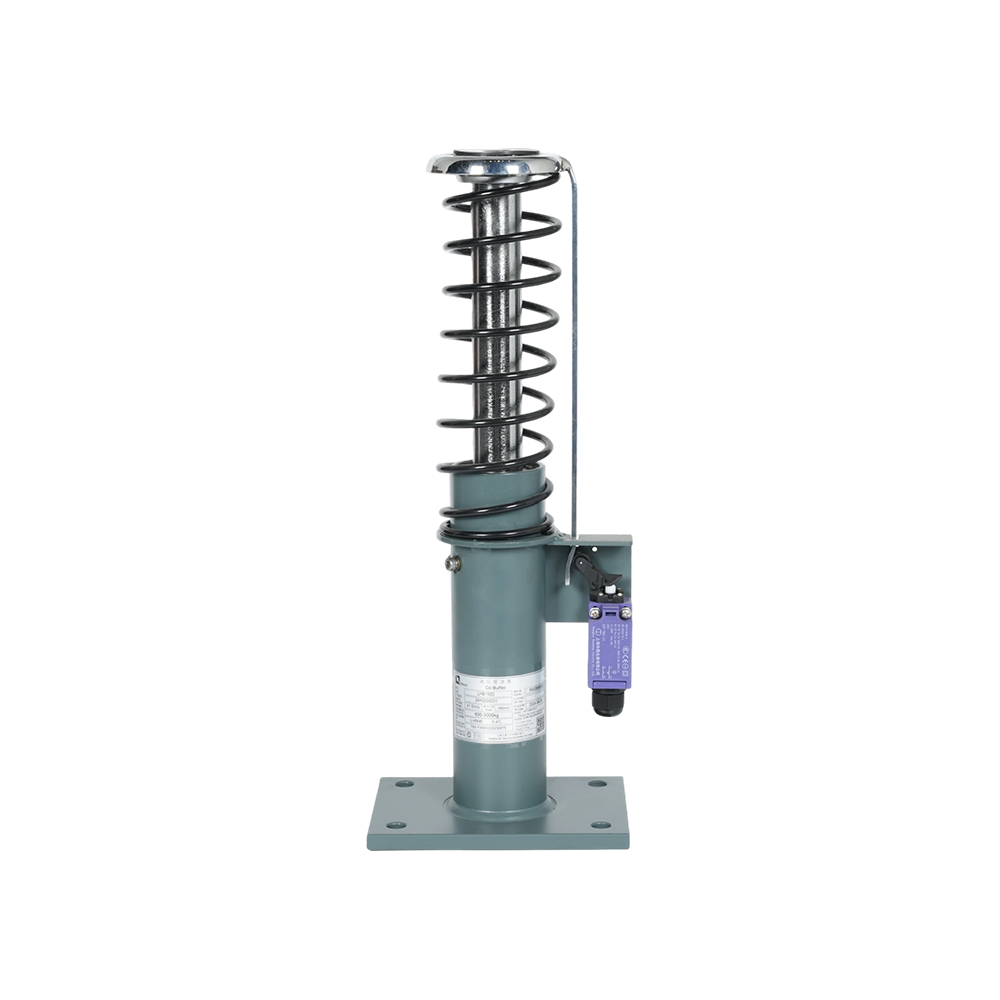
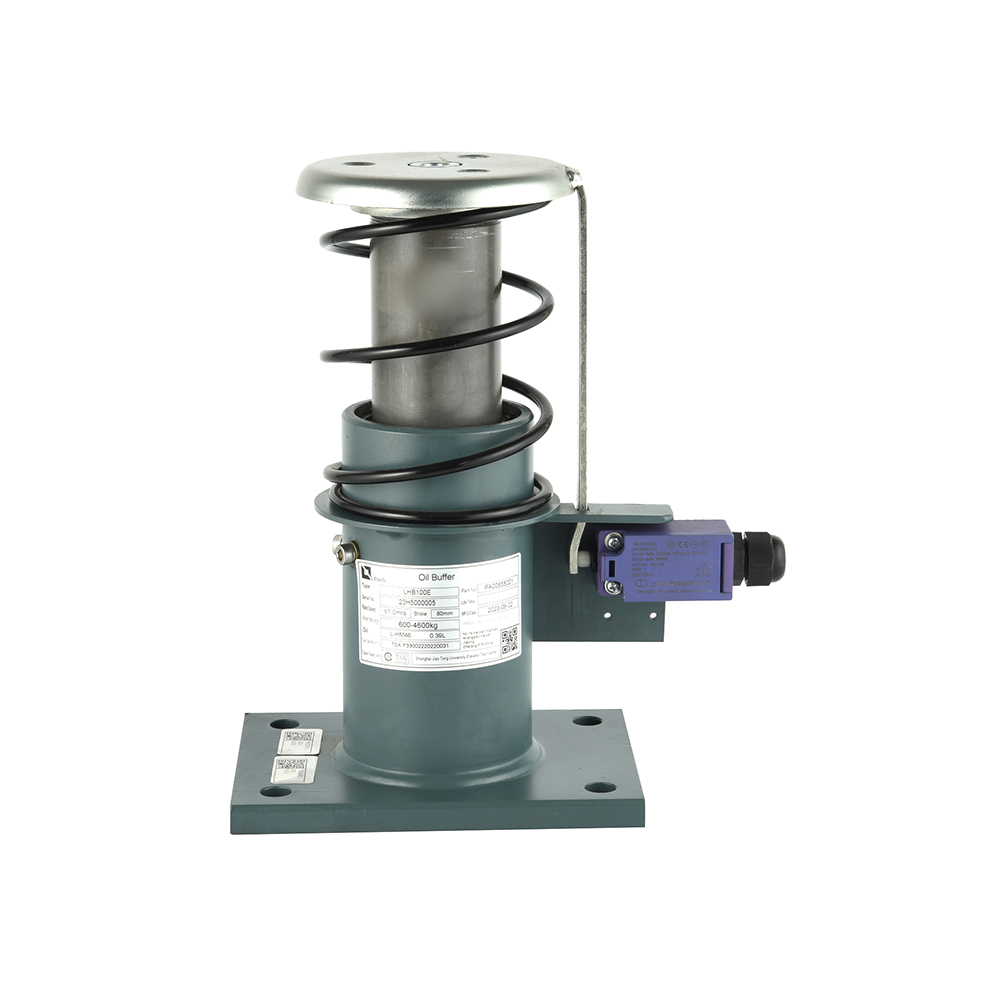
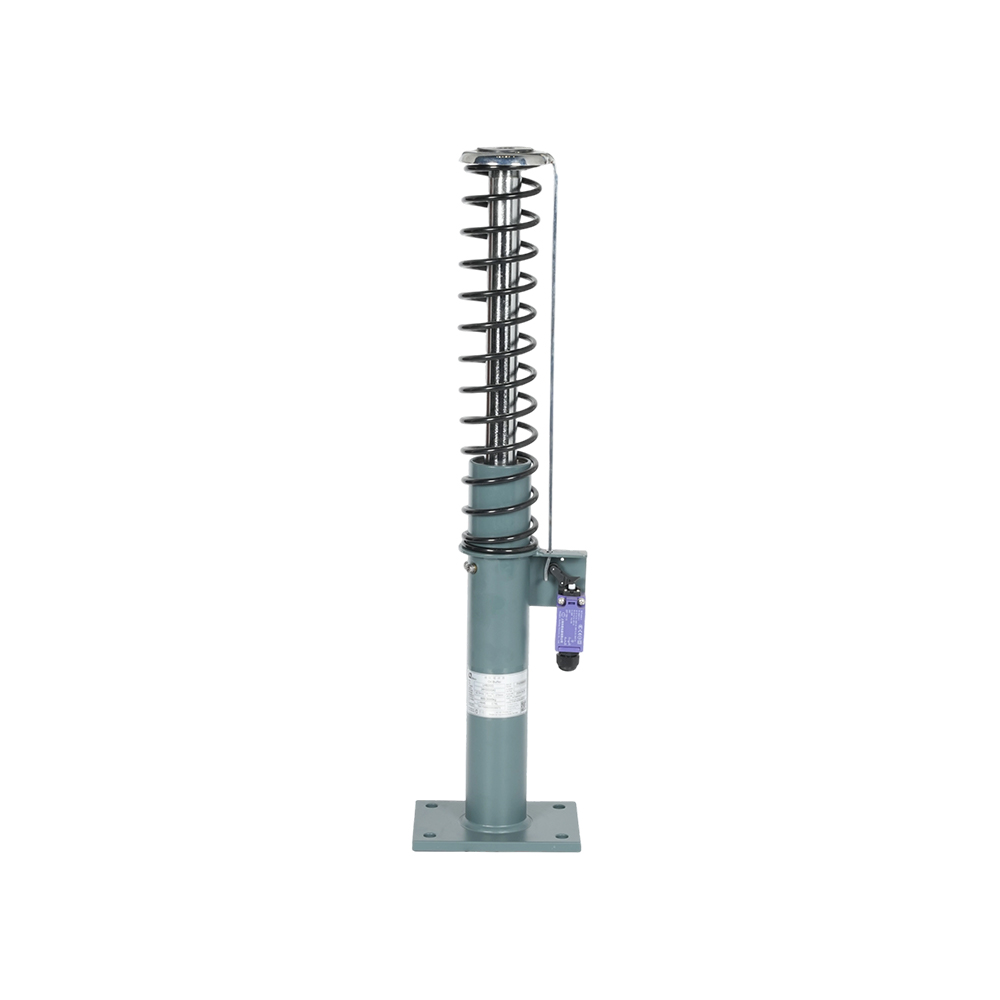
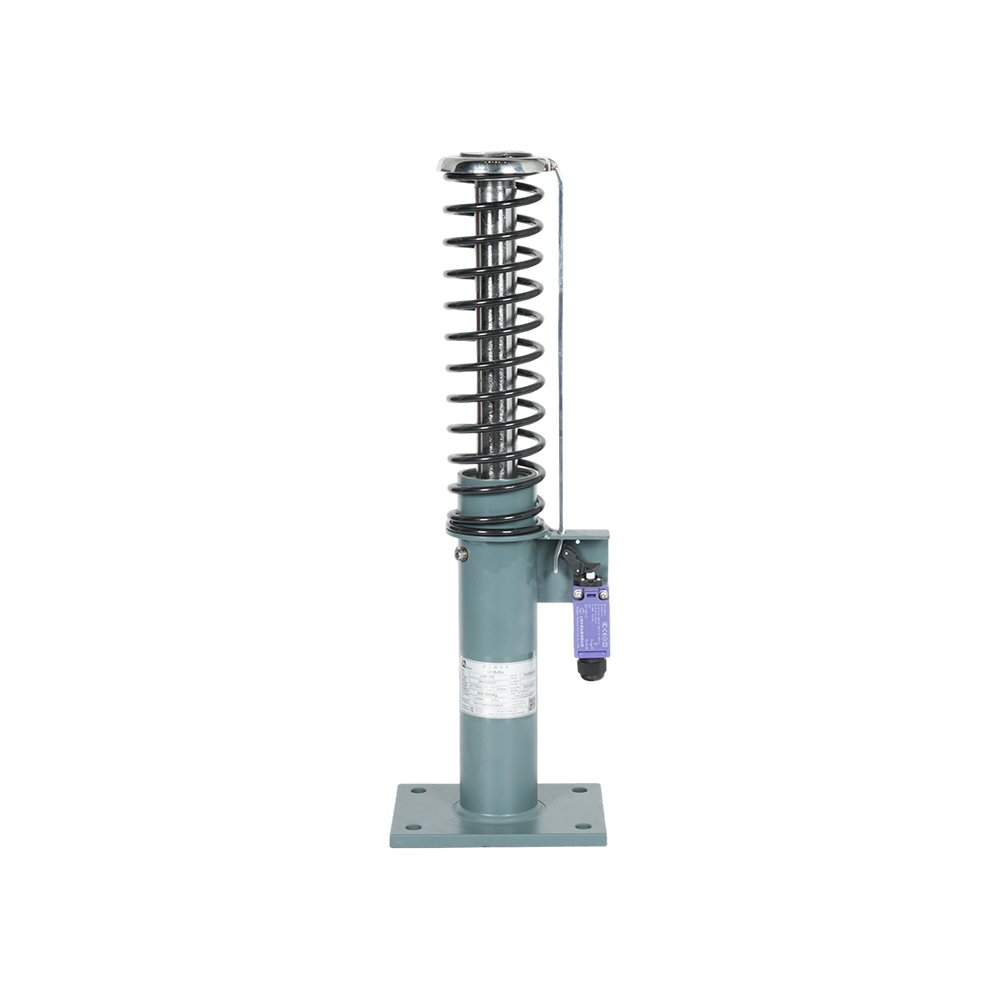
Elevator Oil Buffer Guide: Capacity, Stroke and Standards
Content
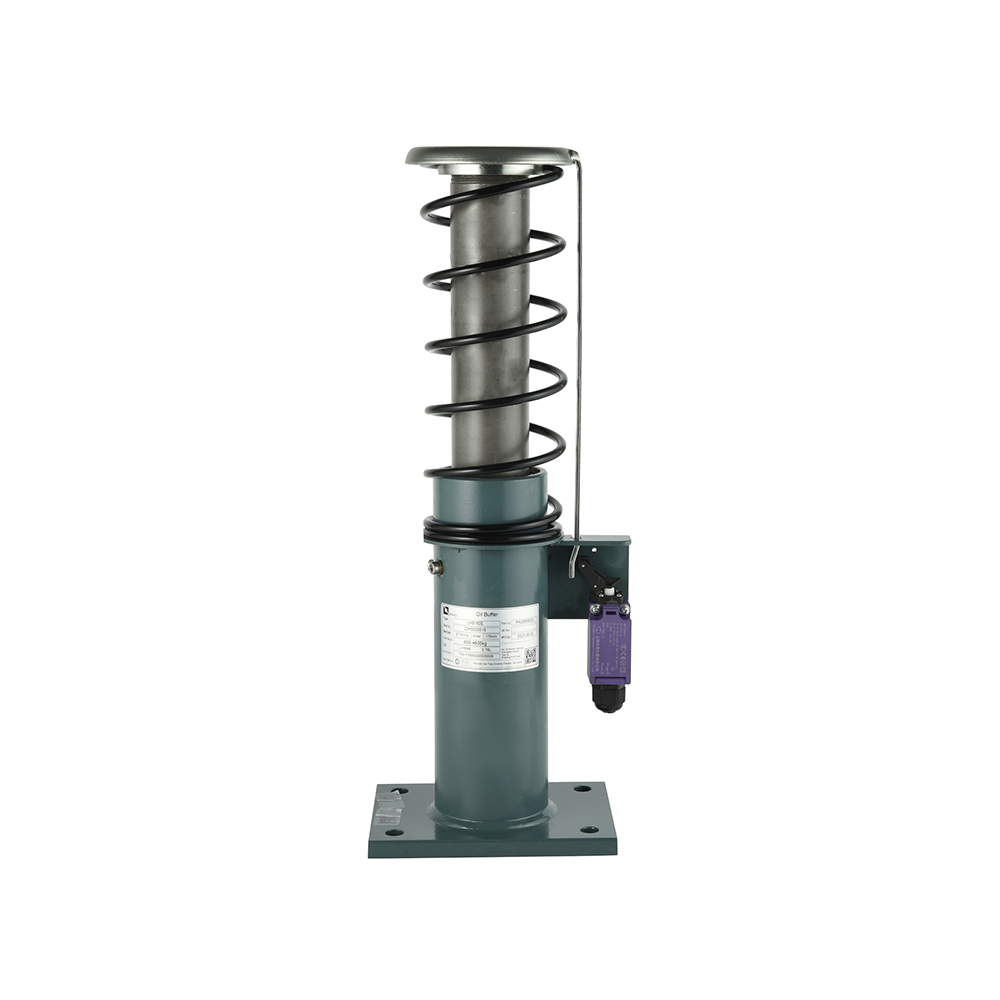
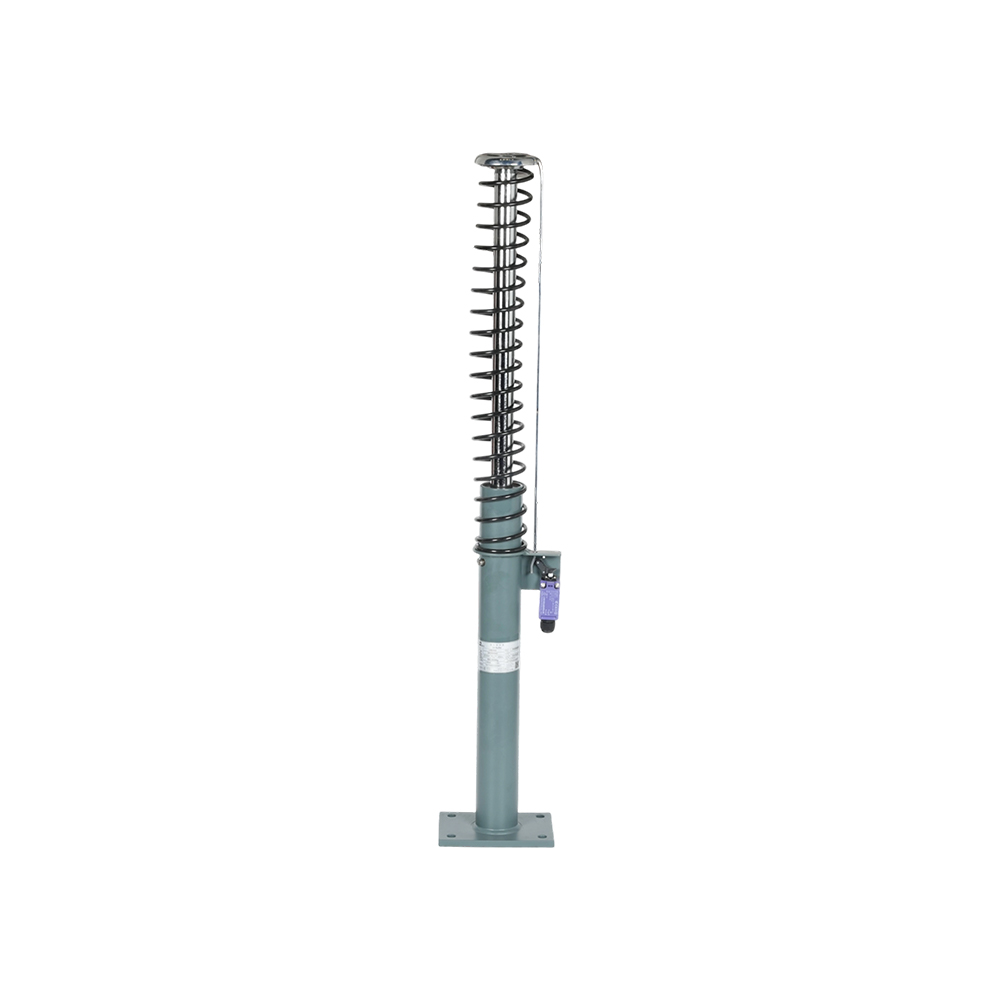
The short answer is that an Elevator Oil Buffer should be selected by working backward from three numbers: the rated speed of the elevator, the total mass including the car and 125 percent of rated load, and the available pit depth. For a typical elevator running at 1.6 meters per second with a gross mass near 1600 kilograms, the buffer must provide a stroke of around 420 millimeters and absorb approximately 2050 joules of kinetic energy while keeping deceleration under 1G, and any buffer that does not meet both the stroke and capacity figures together should not be considered regardless of its physical size or price.
Working Through the Buffer Selection Process
Buffer selection is not a matter of matching dimensions to an empty slot in the pit. It follows a defined calculation chain that starts with elevator speed and ends with a specific product code.
- Identify rated speed
- Speeds above 1.0 meters per second move the project from spring buffer territory into oil buffer territory almost automatically, since spring units cannot manage the energy involved.
- Calculate gross suspended mass
- This includes the car self weight plus 125 percent of the rated load, and for counterweight side buffers it includes the counterweight mass plus an allowance for traveling cables.
- Cross reference the standard formula
- Both EN 81-20 and GB 7588 provide formulas linking speed and mass to minimum stroke and minimum energy absorption capacity.
- Measure available pit depth
- A buffer needs both its compressed length and its stroke to fit within the pit, so a 420 millimeter stroke buffer with a 280 millimeter compressed body needs roughly 700 millimeters of total vertical clearance.
Capacity Needed Based on Elevator Load
Capacity is the amount of kinetic energy, measured in joules, that the buffer must safely dissipate during a bottom terminal stop at rated speed with full load. This number scales with both mass and the square of speed, so small increases in speed have a large effect on required capacity.
| Around 630 kg load, up to 1.0 m/s | Typical requirement falls between 1200 and 1500 joules |
| 1000 to 1600 kg load, 1.0 to 1.75 m/s | Typical requirement falls between 1800 and 2500 joules |
| Above 2000 kg, freight use | Capacity often exceeds 3000 joules, requiring larger cylinder bore sizes |
| Above 2.5 m/s, high speed | Progressive damping buffers needed since fixed orifice designs cannot manage the energy curve |
A buffer with even 10 percent less capacity than the calculated figure can allow deceleration forces to exceed the 1G limit set in most safety codes, which is treated as a major non conformance during commissioning inspections.
Stroke Length and Pit Depth Compatibility
Stroke is the maximum distance the plunger can travel under compression, and it must be long enough to bring the car to a controlled stop without bottoming out the buffer or striking the pit floor.
| Up to 1.0 m/s | Stroke between 200 and 280 mm, common in low rise residential buildings |
| 1.0 to 1.75 m/s | Stroke between 320 and 420 mm, the most frequently specified range |
| 1.75 to 2.5 m/s | Stroke between 460 and 600 mm, requiring deeper pit excavation |
| Above 2.5 m/s | Stroke can exceed 800 mm, usually paired with variable damping designs |
On modernization projects where the pit cannot be deepened, a common workaround is to select the longest stroke that physically fits, then recalculate the maximum permitted rated speed for that stroke so the installation remains within compliant limits.
What Influences Energy Absorption in Practice
The printed capacity rating represents performance under ideal conditions, but several internal factors determine whether a buffer actually delivers that performance once installed.
- Oil viscosity must remain stable across the rated temperature band, often minus 5 to 40 degrees Celsius, since thinner oil at high temperature reduces damping force.
- Orifice geometry controls how evenly deceleration is spread across the stroke, with tapered or stepped orifices performing better at higher speeds than a single fixed hole.
- The return spring must reset the plunger within a set time, commonly under 90 seconds, so the buffer is ready again for repeated test impacts.
- Seal condition directly affects performance over time, with worn seals allowing oil bypass that can cut effective damping force by 15 to 20 percent after 5 or more years without service.
Standards That Define Buffer Requirements
Oil buffers are governed by formal standards rather than manufacturer preference, and compliance with the correct standard for the installation region is a mandatory part of selection.
- EN 81-20 and EN 81-50 set buffer performance and type test requirements across the European market, including simulated full load impact testing.
- GB 7588 together with GB/T 10058 sets stroke and capacity formulas tied to rated speed bands for installations in China.
- ASME A17.1 covers buffer requirements in North America, addressing both hydraulic and spring buffers based on elevator classification.
- ISO 22559 provides a reference framework used by several national standards to harmonize buffer testing methods.
Buffers built for export are frequently type tested against more than one of these standards at once, allowing a single physical design to be certified for installation across different regulatory regions without modification.
Hydraulic Buffers Compared With Spring Buffers
| Energy method | Oil buffers dissipate energy through fluid flow resistance, while spring buffers store and release energy through mechanical compression and rebound |
| Speed range | Spring buffers are generally limited to about 0.63 meters per second, while oil buffers cover the range up to and beyond 2.5 meters per second |
| Rebound behavior | Oil buffers absorb energy with minimal rebound, while spring buffers cause the car to bounce back after impact |
| Ongoing maintenance | Oil buffers need periodic oil level and seal checks, while spring buffers need checks for spring fatigue and corrosion but no fluid servicing |
For nearly all passenger and freight elevators operating above 0.63 meters per second, oil buffers remain the standard choice because their controlled deceleration profile aligns with the requirements written into current safety codes.