
 English
 中文简体
中文简体 русский
 Español
 Deutsch


Precision Overspeed Governor: Safety, Accuracy & Selection Guide
Content
- 1 Does a Precision Overspeed Governor Really Improve Elevator Safety?
- 2 How Precision Overspeed Governors Improve Elevator Safety
- 3 Speed Ranges Available for Different Elevator Applications
- 4 Safety Standards and Certifications for Precision Overspeed Governors
- 5 Why Triggering Accuracy Is Critical for Overspeed Protection
- 6 Key Factors When Selecting a Precision Overspeed Governor
Does a Precision Overspeed Governor Really Improve Elevator Safety?
Yes — decisively. A precision overspeed governor triggers the safety gear within a defined speed tolerance (typically ±2% of rated trip speed), stopping a runaway elevator car before it reaches a structurally dangerous velocity. Compared to standard governors with ±5–8% variance, precision units cut the overspeed margin by more than half, giving both passengers and building operators a measurable, certifiable safety improvement.
How Precision Overspeed Governors Improve Elevator Safety
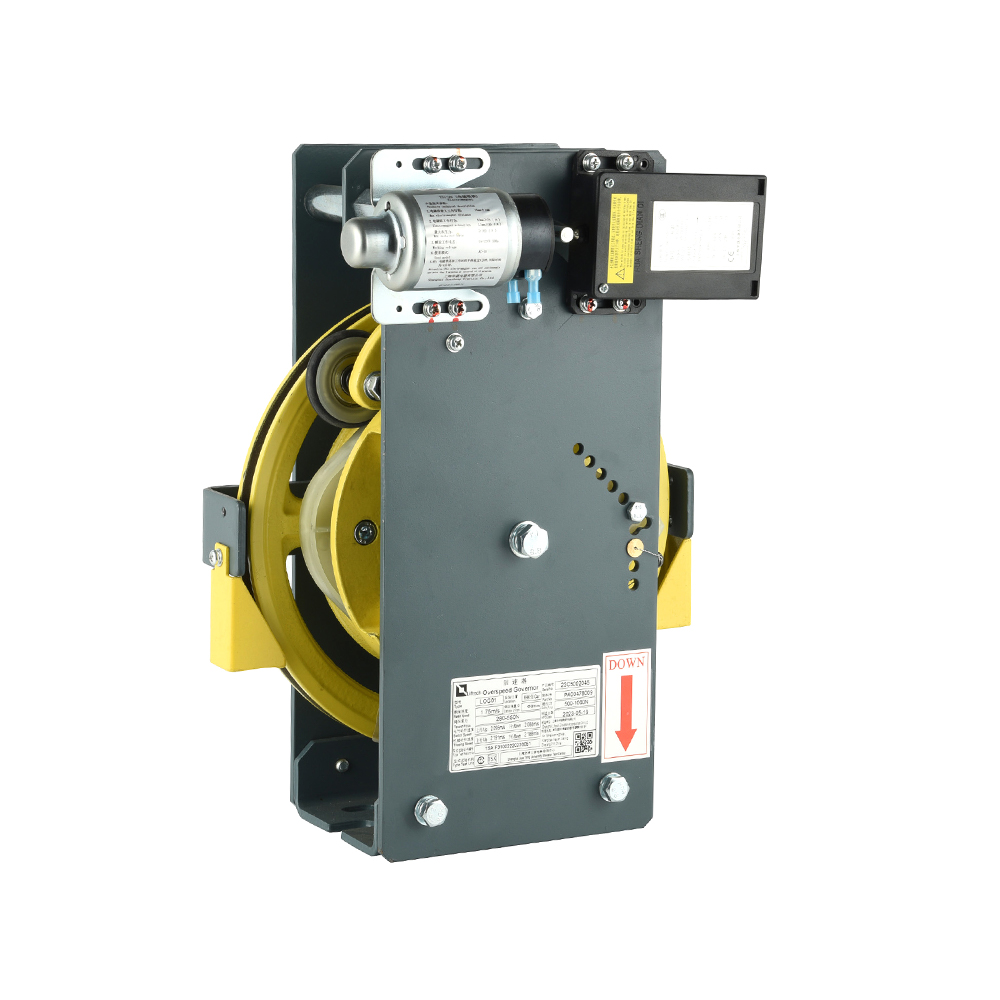
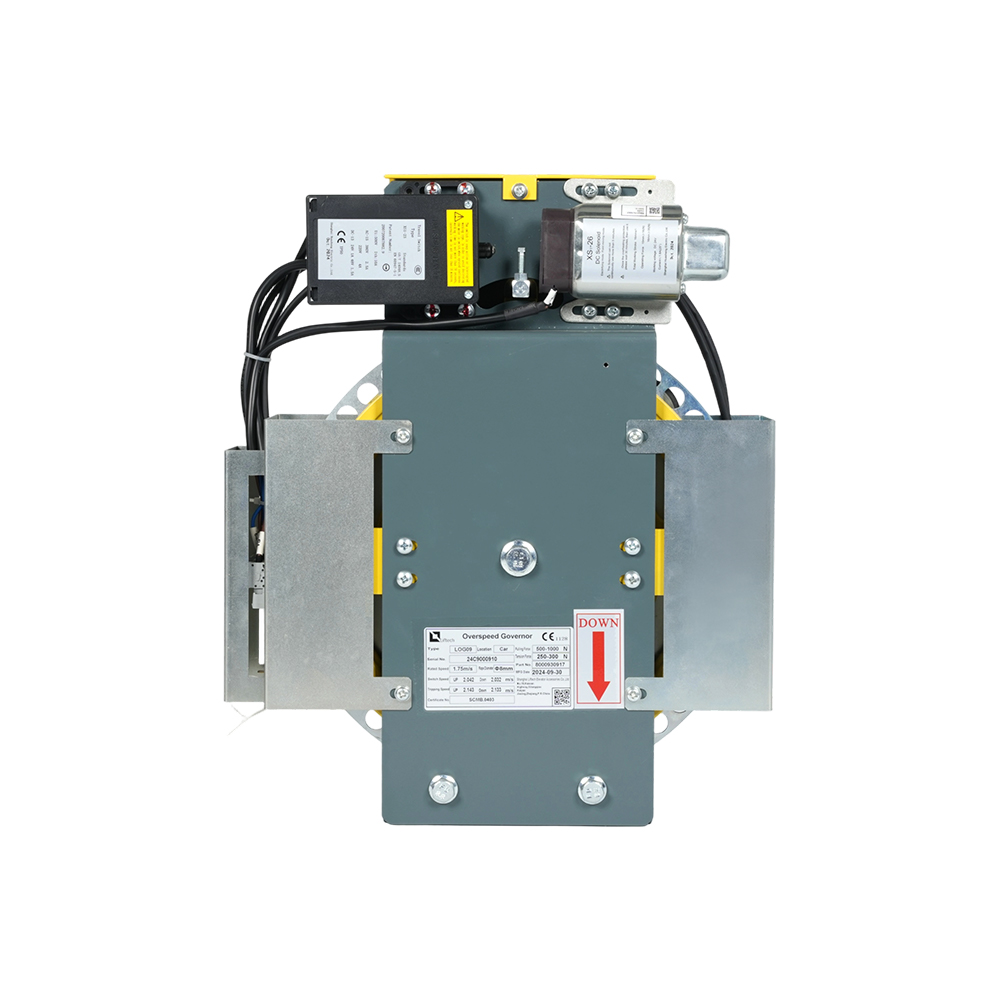
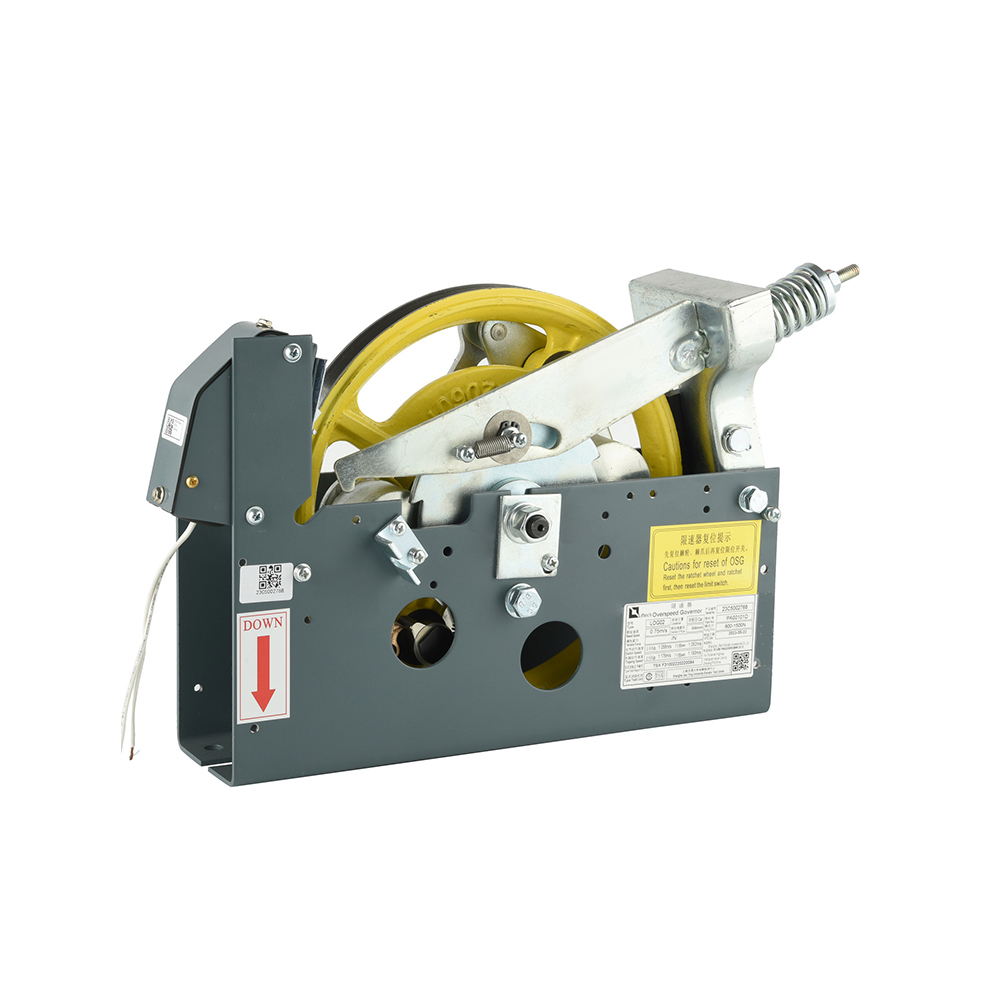
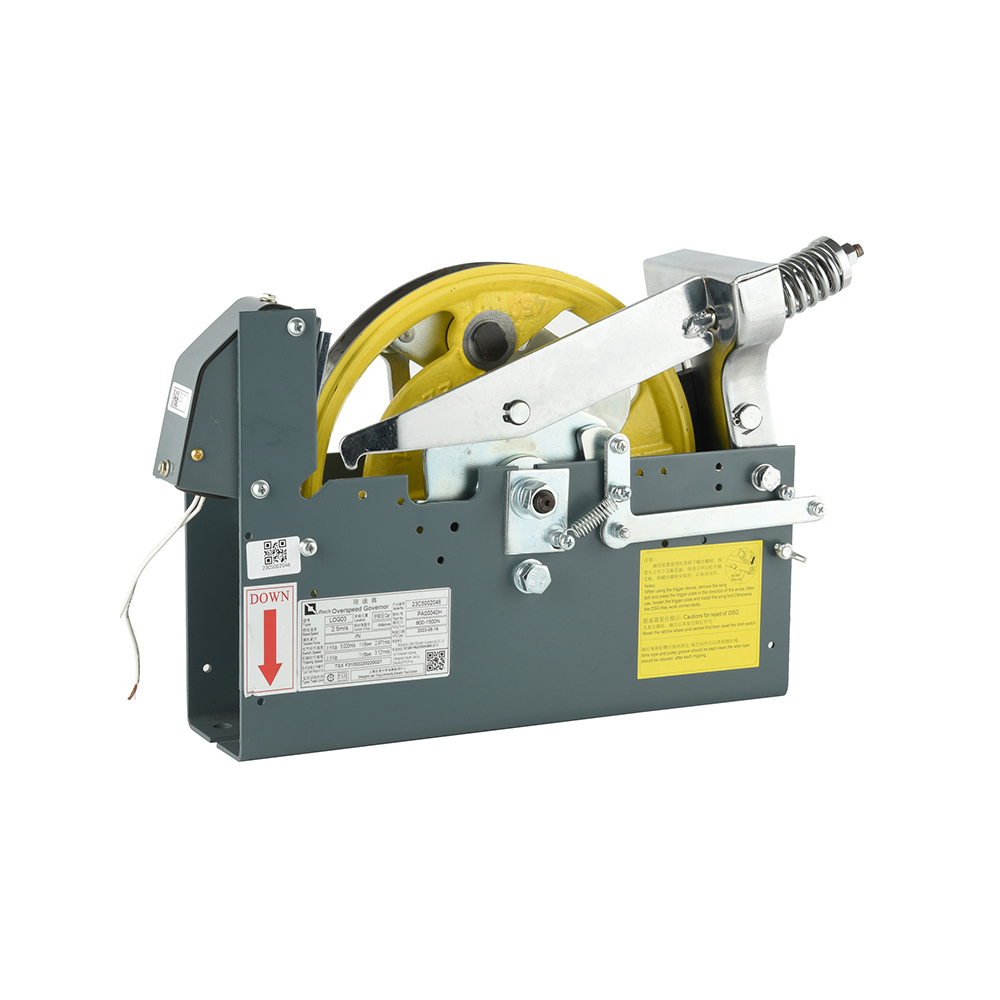
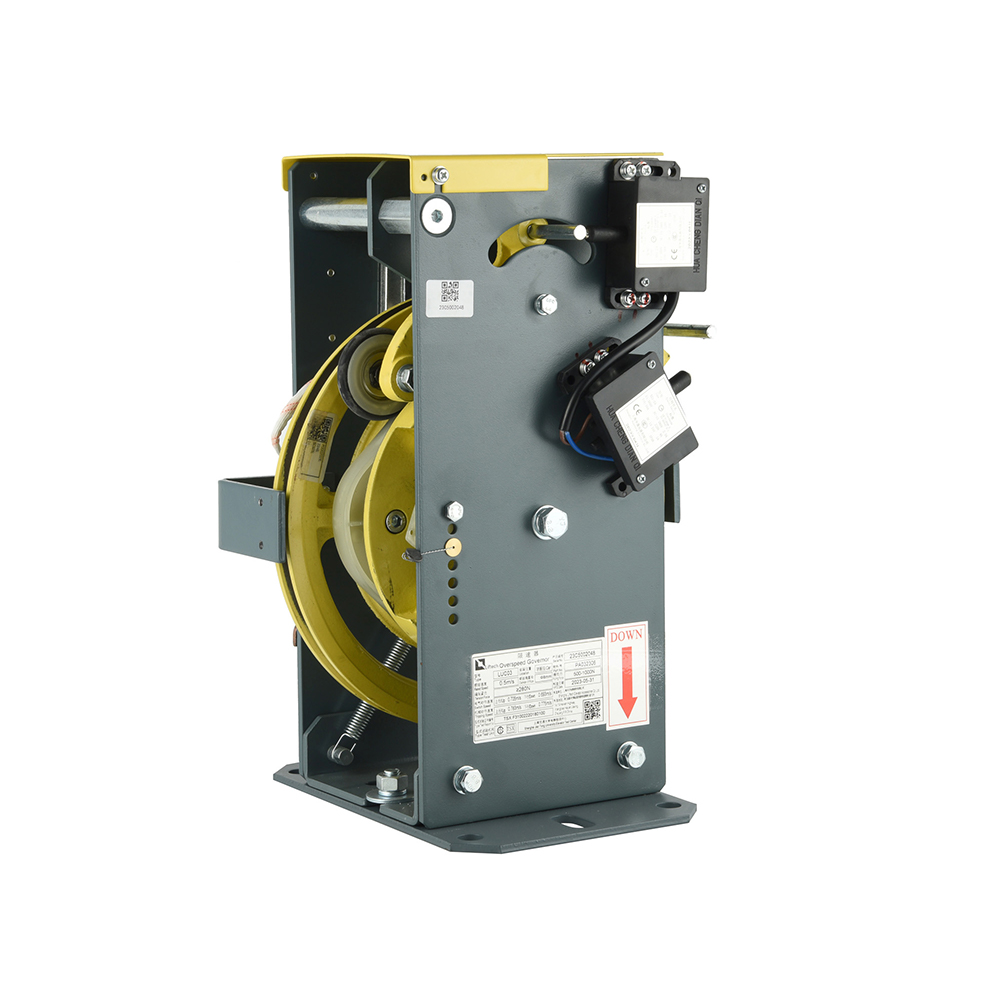
An overspeed governor functions as a centrifugal speed sensor: as the governor rope accelerates with the car, centrifugal force causes the flyweights to swing outward. At the preset trip speed, a latch engages — mechanically arresting the rope, which in turn activates the progressive safety gear clamping the guide rails.
Precision engineering improves this mechanism in four measurable ways:
Tighter Trip Speed Tolerance
High-grade flyweight balancing and CNC-machined sheave grooves reduce triggering variance to ±2% or less. At a rated speed of 1.75 m/s, this means the governor fires between 1.96 m/s and 2.04 m/s — not at any point in a 0.2 m/s band.
Consistent Rope Tension Control
Precision groove geometry maintains constant rope seating force, preventing partial slippage that can delay trigger response. Rope pull force is calibrated to 150–300 N depending on the safety gear type (instantaneous vs. progressive).
Temperature-Stable Components
Flyweight pivot pins made from stainless steel or hardened alloy resist oxidation-induced friction variation across -20°C to +60°C operating ranges — critical for machine rooms exposed to seasonal extremes.
Electrical Switch Integration
Dual micro-switches cut traction power and activate the electromagnetic brake 0.05–0.1 seconds before mechanical rope arrest — providing a layered braking sequence that reduces deceleration shock to passengers.
Speed Ranges Available for Different Elevator Applications
Governor trip speed is set at 115% of the elevator's rated contract speed per EN81-20 and GB7588. A 1.0 m/s passenger lift therefore requires a governor calibrated to trigger at 1.15 m/s. Understanding the full speed matrix helps specifiers match governor models to installation type:
| Elevator Category | Rated Speed | Governor Trip Speed | Typical Application |
|---|---|---|---|
| Low-Speed Residential | 0.3 – 1.0 m/s | 0.35 – 1.15 m/s | Home lifts, small apartment blocks |
| Medium-Speed Commercial | 1.0 – 1.75 m/s | 1.15 – 2.01 m/s | Offices, hotels (under 20 floors) |
| High-Speed Commercial | 1.75 – 2.5 m/s | 2.01 – 2.88 m/s | Mid-rise commercial, hospitals |
| High-Rise Express | 2.5 – 4.0 m/s | 2.88 – 4.60 m/s | High-rise offices, premium hotels |
| Ultra-High-Speed | 4.0 – 10.0 m/s | 4.60 – 11.50 m/s | Supertall towers, sky lobbies |
For counterweight governors (required when counterweight speed exceeds 1.0 m/s per EN81-20 clause 5.6.2), the same speed classifications apply — but the governor is mounted in the pit or overhead and sized to match counterweight mass, which is typically 40–50% of rated car load.
Safety Standards and Certifications for Precision Overspeed Governors
International & European Standards
- EN 81-20:2014 (EU) — Core standard for passenger and goods lifts. Clause 5.6 governs overspeed governor geometry, trip speed, rope tension, and electrical contacts. All CE-marked governors must pass type examination by a Notified Body.
- EN 81-50:2014 (EU) — Test and calculation rules for lift components. Defines the laboratory testing protocol (graduated speed increase, 5 test cycles minimum) for governor certification.
- ISO 8100-1:2022 — Global harmonized standard for electric traction lifts. Aligns largely with EN 81-20 but includes provisions for earthquake and fire service modes.
- AS 1735 (Australia / NZ) — Part 2 governs governors; equivalent trip-speed formula to EN 81-20, with additional requirements for cyclone-rated installations.
China and North American Standards
- GB 7588-2003 / GB/T 7588.1-2020 (China) — Mandatory standard for all elevators sold in China. GB/T 7588.1-2020 adopts EN 81-20 with China-specific amendments. Type test certificate required from CNEX or equivalent body.
- ASME A17.1 / CSA B44 (USA / Canada) — Section 2.17 covers speed governors. Requires buffer engagement tests at 115% rated speed. UL listing or third-party code compliance certification required for North American market.
- CQC (China Quality Certification) — Voluntary product certification that many Chinese manufacturers obtain in addition to mandatory type approval; recognized by international purchasers as a quality marker.
- CE Marking + UKCA (UK post-Brexit) — Separate conformity assessments now required for EU and UK markets since January 2023 for new product introductions.
Why Triggering Accuracy Is Critical for Overspeed Protection
Triggering accuracy — the deviation between the specified trip speed and actual activation speed — is the defining performance metric for any precision overspeed governor. A loose tolerance creates two failure scenarios:
False Activation Below Trip Speed
If the governor fires at 108% instead of 115% of rated speed, the elevator stops during normal high-load acceleration cycles. This causes nuisance shutdowns, service disruption, and passenger entrapment — costing an estimated USD 500–2,000 per service call in urban buildings.
Delayed Activation Above Trip Speed
If the governor fires at 125% of rated speed, the car travels an additional 0.3–0.8 m beyond where it should have stopped at 1.75 m/s — significantly increasing impact energy against a buffer by up to 18%, exceeding buffer design calculations.
| Governor Grade | Trip Speed Tolerance | Activation Variance at 1.75 m/s | EN81-20 Compliant? |
|---|---|---|---|
| Standard | ±5–8% | 1.615 – 1.890 m/s | Marginal (borderline) |
| Commercial Grade | ±3–5% | 1.698 – 1.803 m/s | Yes |
| Precision Grade | ±1–2% | 1.733 – 1.768 m/s | Yes (exceeds requirement) |
| High-Speed Precision | ±1% | 1.750 – 1.768 m/s | Yes (for 4 m/s+ systems) |
EN 81-20 clause 5.6.2.1 requires the governor trip speed to fall between 115% and 140% of rated speed (with specific caps: 0.8 m/s minimum regardless of rated speed). Precision governors are designed to stay within the lower half of this band, maximizing protection margin while eliminating false trips.
Key Factors When Selecting a Precision Overspeed Governor
Choosing the wrong governor is a compliance and liability issue, not just a technical one. Use the following criteria to narrow down the right unit for a specific installation:
Contract Speed and Trip Speed Calculation
Start with the elevator's rated contract speed. Calculate required trip speed at 115% — this is the primary specification. Confirm the governor model's calibrated range covers this value with at least ±0.05 m/s adjustment capability for field fine-tuning.
Rope Diameter and Groove Type
Most governors accept 6 mm or 8 mm governor ropes. Verify the sheave groove profile matches the rope construction (round strand vs. Warrington). Mismatched groove angles reduce contact arc and can cause inconsistent rope pull force, degrading triggering accuracy by up to 4%.
Safety Gear Type Compatibility
Instantaneous safety gears (used below 0.63 m/s) require a rope pull force of 150–200 N. Progressive safety gears (above 0.63 m/s) require 200–350 N. Confirm the governor's rated pull force matches the installed safety gear — under-force prevents full clamping; over-force can fracture the trip lever.
Electrical Switch Rating
Governor electrical contacts must interrupt the drive circuit reliably. Check the switch's rated current and voltage against the controller's safety circuit (typically 24 VDC or 110 VAC at 0.5–2 A). For PESSRAL (programmable electronic safety) systems, confirm the switch outputs are compatible with the SIL 3 safety circuit input requirements.
Remote Reset or Manual Reset
After an overspeed event, the governor must be reset before the elevator can resume service. Remote reset (solenoid actuated) allows reset from the controller without a pit or machine room visit — critical for unattended sites. Manual-reset models require technician access, which can delay restoration by 30–90 minutes in high-traffic buildings.
Certification Scope and Market
Confirm the governor holds the relevant type examination certificate for the target market: CE + Notified Body certificate for EU, CCC or type approval for China, ASME-compliant third-party certification for North America. A mismatch between installed certification and local authority requirements can invalidate the elevator's operating permit.
| Selection Factor | What to Check | Consequence of Mismatch |
|---|---|---|
| Trip Speed | = 115% of contract speed (EN81) | Non-compliance, false trips or late activation |
| Rope Diameter | 6 mm or 8 mm (project-specific) | Rope slip, reduced triggering accuracy |
| Rope Pull Force | Match safety gear requirement | Incomplete safety gear engagement |
| Switch Voltage/Current | Match controller safety circuit | Circuit failure, elevator inoperable |
| Reset Type | Remote vs. manual (site access) | Extended downtime after overspeed event |
| Certification | CE / CCC / ASME per jurisdiction | Permit invalidation, legal liability |