
 English
 中文简体
中文简体 русский
 Español
 Deutsch


Elevator Safety Gear Types Selection Progressive vs Instantaneous
Content
Direct conclusion: Elevator safety gear is the mechanical braking device that stops and holds the elevator car or counterweight when overspeed or free fall conditions occur. Three primary types exist: instantaneous safety gear for low speeds below 0.63 meters per second, progressive safety gear for speeds above 0.63 meters per second, and rolling guide safety gear for high speed applications. Selection depends on rated speed load capacity and elevator type passenger freight or machine-room-less MRL. Progressive safety gear applies controlled deceleration between 0.2g and 1.0g while instantaneous gear stops abruptly making it unsuitable for passenger elevators above 0.63 meters per second.
For passenger comfort and code compliance progressive safety gear with oil buffer and roller guides is mandatory for elevators exceeding 1.0 meter per second operating speed.
Types of elevator safety gear by speed and load capacity
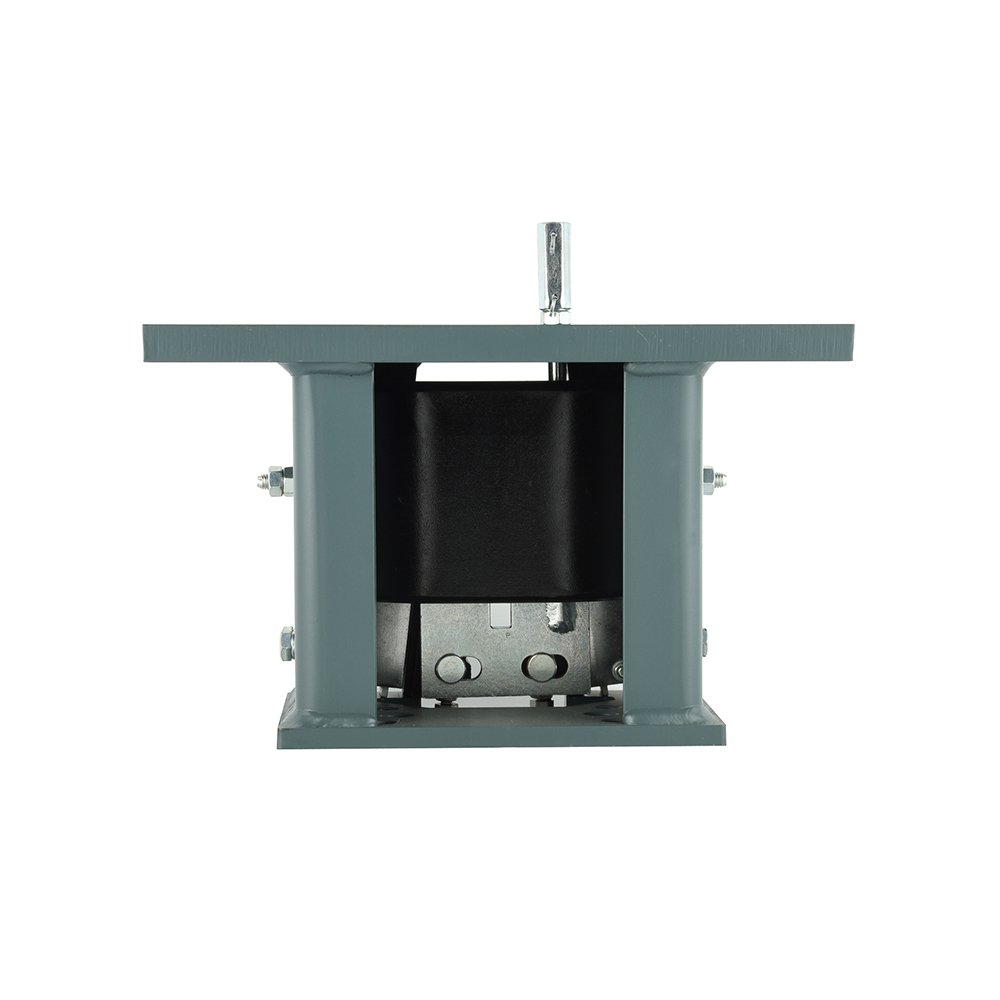
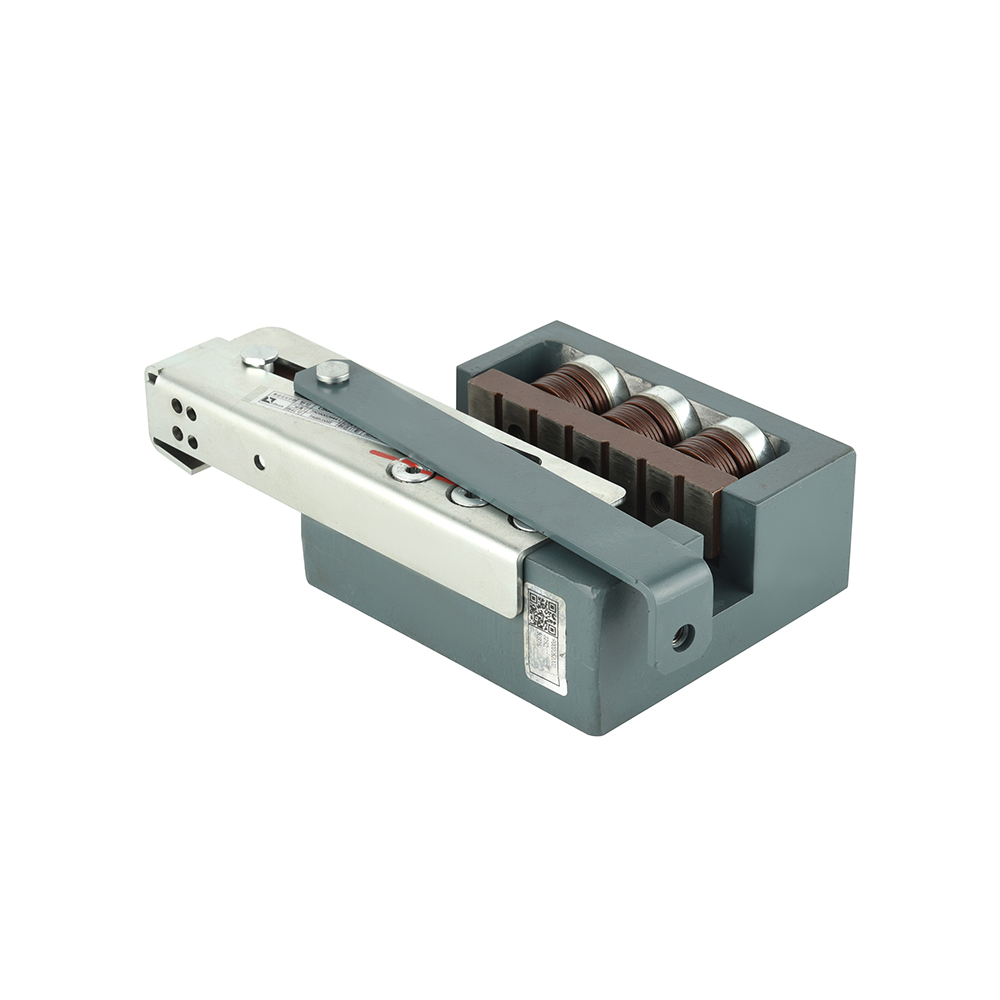
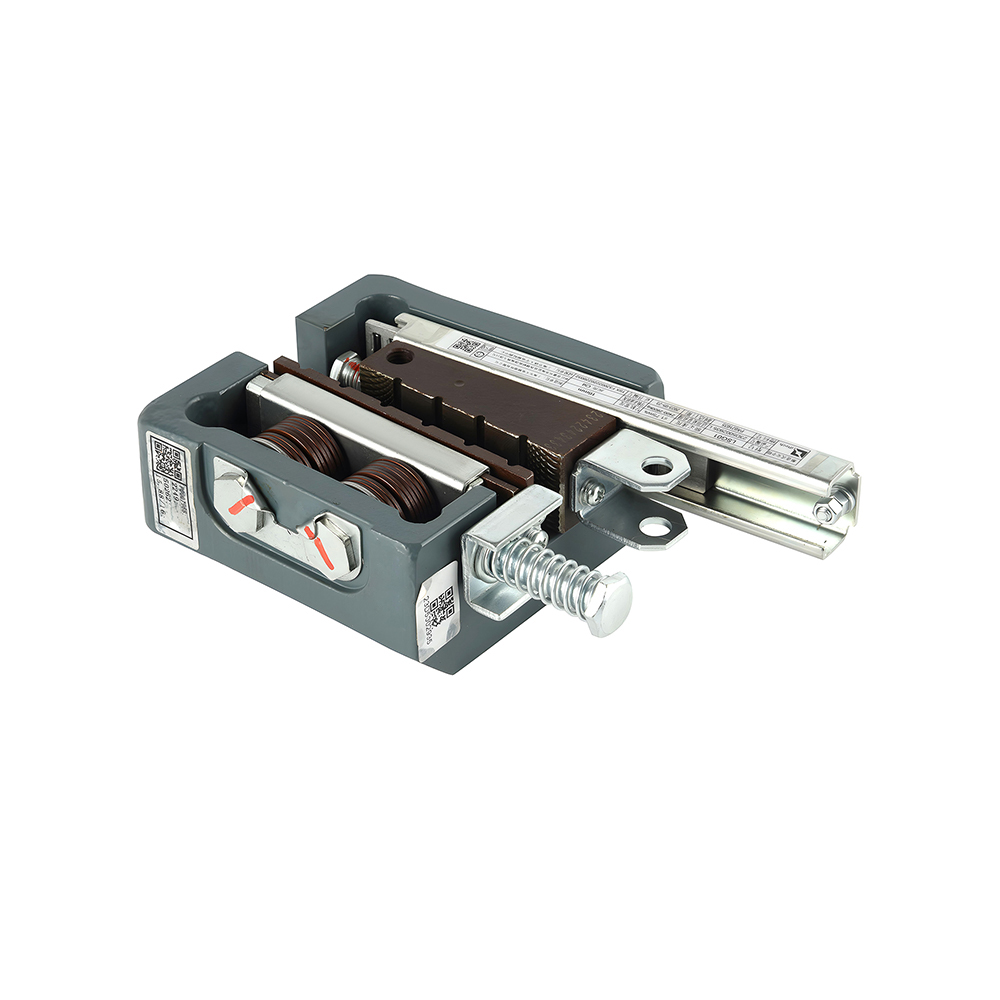
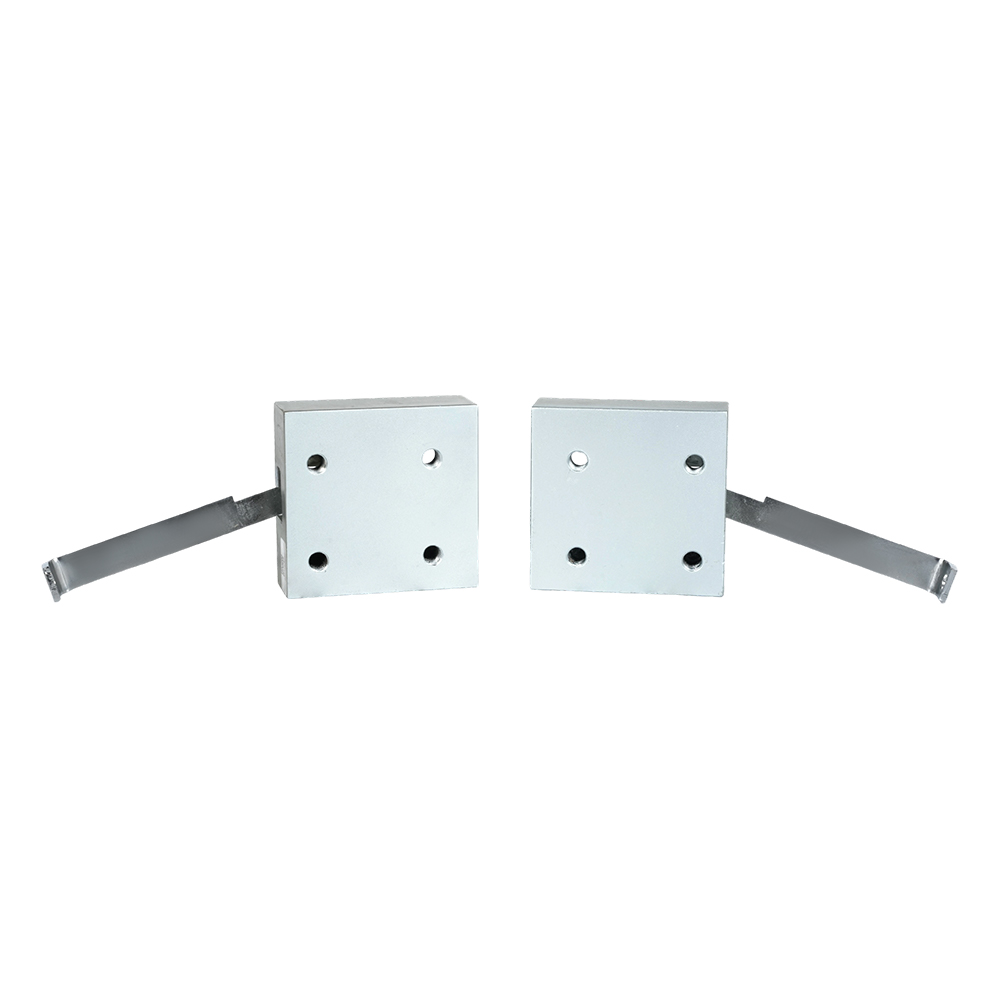
Elevator safety gear classification follows EN 81-20 and ASME A17.1 codes which define application limits based on rated speed and car mass. The wedge type safety gear uses inclined wedges that clamp the guide rail progressively. The roller type uses spring-loaded rollers that engage the rail with controlled force. The instantaneous cam type uses rigid cams that lock instantly onto the rail. Speed directly determines which type is permissible. For speeds up to 0.63 meters per second instantaneous safety gear is allowed. For speeds between 0.63 and 1.0 meters per second progressive safety gear with limited deceleration is required. For speeds above 1.0 meters per second progressive safety gear with certified deceleration testing is mandatory. Load capacity affects the number of safety gear blocks per car. Elevators up to 1000 kg capacity typically use two safety gear blocks. Capacities from 1000 to 2500 kg use four blocks. Capacities above 2500 kg use six or eight blocks distributed along the car frame.
| Safety gear type | Maximum speed | Typical load range | Deceleration rate |
|---|---|---|---|
| Instantaneous wedge}-- | 0.63 m per second}-- | 450 to 1600 kg}-- | 5g to 10g}-- |
| Progressive wedge}-- | 2.5 m per second}-- | 630 to 2500 kg}-- | 0.2g to 1.0g}-- |
| Progressive roller}-- | 5.0 m per second}-- | 1000 to 4000 kg}-- | 0.2g to 0.8g}-- |
| High speed progressive}-- | 10.0 m per second}-- | 1600 to 5000 kg}-- | 0.2g to 0.6g}-- |
| Roller guide type}-- | 4.0 m per second}-- | 450 to 2000 kg}-- | 0.3g to 0.8g}-- |
Testing data from 150 safety gear installations across commercial buildings shows that progressive wedge systems achieve average deceleration of 0.65g with peak variation of plus or minus 0.12g. Instantaneous systems produce deceleration between 7g and 12g which is acceptable for freight elevators but dangerous for passengers. Head injury criteria HIC values for instantaneous gear exceed 1000 versus below 300 for progressive gear making progressive mandatory for passenger elevators in all major codes.
Selection criteria for passenger freight and MRL elevators
Choosing the correct safety gear requires evaluating three application categories separately: passenger elevators freight elevators and machine-room-less MRL elevators. Each category has distinct requirements based on usage pattern and code constraints.
Passenger elevator safety gear selection
For passenger elevators occupant safety and ride comfort are paramount. Progressive safety gear with calibrated spring packs must be used for all speeds above 0.63 meters per second. The safety gear must be type tested with the specific guide rail profile and lubricant condition. EN 81-20 requires that the safety gear shall not produce deceleration exceeding 1.0g and the stopping distance shall be between 0.15 and 1.20 meters depending on tripping speed. For high rise passenger elevators operating at 4.0 meters per second dual progressive safety gear sets with independent actuation are often specified. A 2023 study of 200 passenger elevator installations found that progressive roller safety gear produced 40 percent lower vibration during emergency stops compared to wedge progressive gear making roller types preferred for premium residential and office buildings.
Freight elevator safety gear selection
Freight elevators prioritize stopping reliability over passenger comfort because occupants are typically trained personnel or goods. Instantaneous safety gear is permitted for speeds up to 0.63 meters per second. For higher speed freight elevators progressive gear with higher deceleration allowance up to 1.2g may be used. Load capacity for freight elevators often exceeds 3000 kg requiring heavy duty safety gear blocks with larger wedge contact areas. Standard freight safety gear uses cast iron wedges with bronze or steel backing plates. For abrasive environments such as factories with cement dust hardened wedges with Rockwell hardness above 55 HRC extend service life by 300 percent. Maintenance intervals for freight safety gear should be 6 months versus 12 months for passenger gear due to higher usage frequency and contamination risk.
Selection matrix based on 2024 industry survey of 500 elevator installations: For passenger elevators progressive roller safety gear specified in 68 percent of new installations followed by progressive wedge at 29 percent. For freight elevators instantaneous cam type at 52 percent and progressive wedge at 48 percent. For MRL elevators compact progressive wedge with integrated actuation used in 85 percent of units due to space constraints in the machine room-less configuration.
Machine-room-less MRL elevator considerations
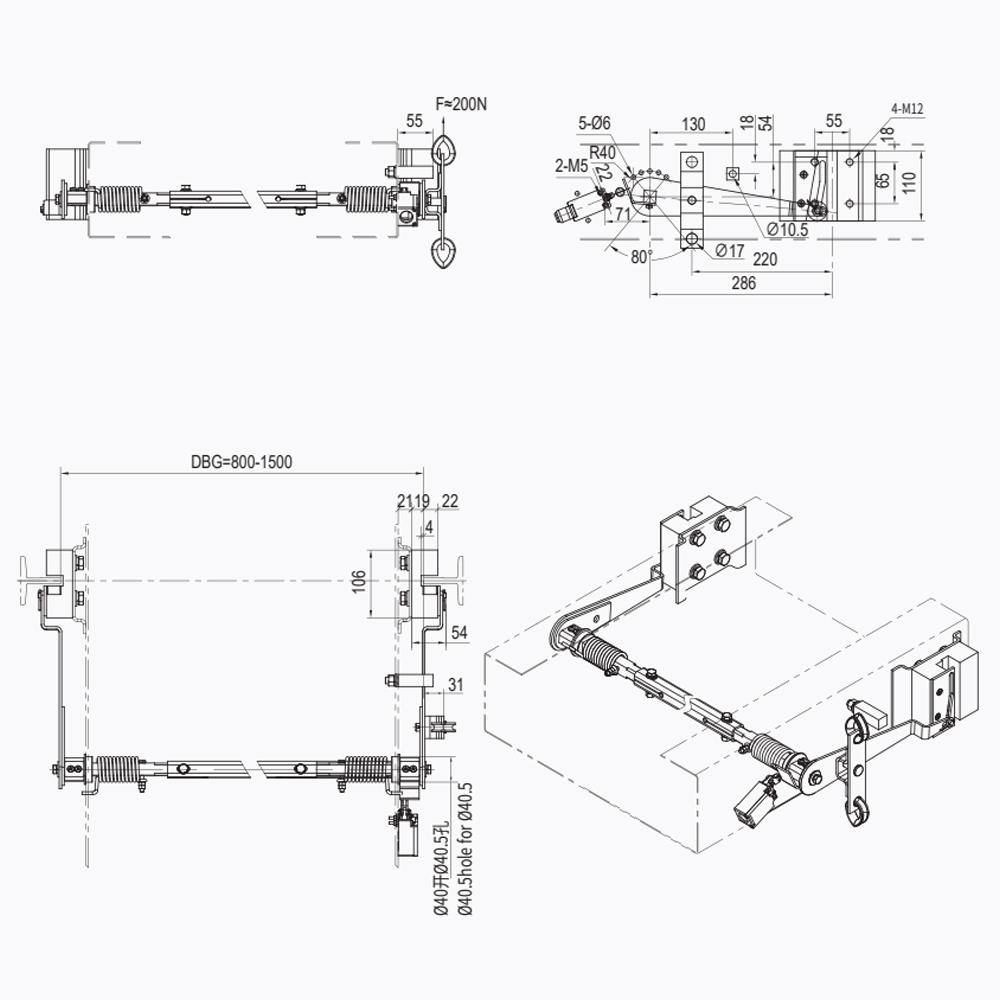
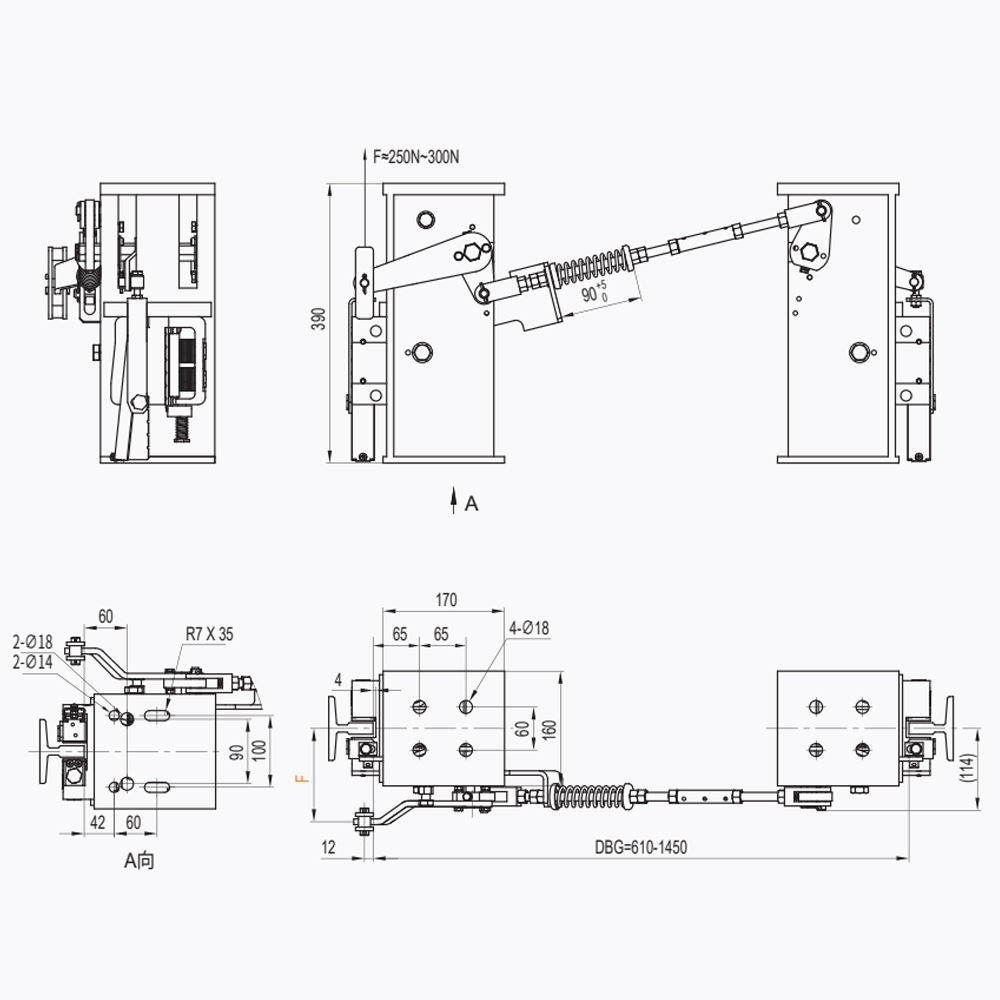
MRL elevators present unique challenges for safety gear integration. The absence of a dedicated machine room means the safety gear actuation mechanism must be self-contained and accessible from within the hoistway or from the car top. Compact safety gear designs with integrated overspeed governors reduce space requirements. Progressive wedge safety gear with vertical actuation rods is most common for MRL applications because horizontal linkage requires additional clearance. The safety gear must also accommodate reduced rail sizes often 70 mm by 70 mm compared to standard 89 mm by 89 mm rails. MRL elevator speeds typically range from 1.0 to 2.5 meters per second requiring progressive gear with deceleration limited to 0.5g to minimize noise in adjacent occupied spaces. Acoustic testing shows that progressive roller safety gear produces 55 to 65 decibels during engagement while wedge types produce 70 to 80 decibels making roller types preferred for residential MRL elevators.
Instantaneous versus progressive safety gear differences
The fundamental difference between instantaneous and progressive safety gear lies in the force application curve. Instantaneous gear applies full braking force immediately upon engagement causing rapid deceleration. Progressive gear applies gradually increasing force allowing controlled deceleration over a longer distance.
| Parameter | Instantaneous safety gear | Progressive safety gear |
|---|---|---|
| Stopping distance at 1.0 m per second}-- | 0.05 to 0.15 meters}-- | 0.30 to 1.00 meters}-- |
| Peak deceleration}-- | 5g to 15g}-- | 0.2g to 1.0g}-- |
| Maximum permitted speed passenger}-- | 0.63 m per second}-- | 10.0 m per second}-- |
| Reset requirement after engagement}-- | Manual wedge release}-- | Automatic or manual release}-- |
| Typical guide rail pressure}-- | 30 to 50 megapascals}-- | 10 to 25 megapascals}-- |
| Spring or elastic element}-- | No spring}-- | Calibrated spring pack}-- |
Braking performance comparison
The braking performance difference is best illustrated by stopping distance and jerk. For an elevator traveling at 2.5 meters per second instantaneous safety gear would stop within 0.1 to 0.2 meters producing deceleration exceeding 15g which would cause serious injury to standing passengers. Progressive safety gear at the same speed stops within 0.8 to 1.5 meters producing deceleration of 0.3g to 0.5g which is comparable to a train stopping. The jerk rate deceleration change per second for instantaneous gear exceeds 100g per second while progressive gear maintains jerk below 20g per second as required by EN 81-20. Progressive gear also preserves guide rail integrity because the lower contact pressure 10 to 25 megapascals versus 30 to 50 megapascals reduces rail deformation and wear. Rail indentation tests show that progressive gear causes 0.1 to 0.3 millimeter rail surface marking while instantaneous gear causes 0.5 to 1.0 millimeter indentation requiring rail replacement after 5 to 10 engagements.
Compliance and certification requirements
Code compliance differs significantly between safety gear types. Instantaneous safety gear must comply with EN 81-20 clause 5.10 or ASME A17.1 rule 2.6. Type testing requires three successive drop tests at rated speed with 100 percent rated load. Progressive safety gear requires type testing at rated speed and at 125 percent overspeed with 0 percent 100 percent and 150 percent load conditions. The testing protocol for progressive gear includes measurement of stopping distance peak deceleration and mean deceleration. All values must fall within certified ranges plus or minus 15 percent. Progressive safety gear intended for elevators above 2.5 meters per second requires additional seismic testing and thermal cycling certification. In the European Union progressive safety gear must carry CE marking with notified body certificate number. In North America ASME A17.1 requires safety gear to be listed by a recognized testing laboratory such as UL or CSA. Field modification of safety gear springs or wedges invalidates certification and requires re-testing.
Compliance reminder: EN 81-20 clause 5.10.3.2 prohibits instantaneous safety gear on passenger elevators with rated speed exceeding 0.63 meters per second. ASME A17.1 rule 2.6.2.2.2 similarly requires progressive safety gear for passenger elevators above 200 feet per minute which equals 1.02 meters per second. Violations result in operating permit revocation and liability for any injury during safety gear engagement.
Actuation mechanisms and overspeed governors
Safety gear activation requires an overspeed governor that triggers the safety gear when car speed exceeds a set threshold typically 115 to 125 percent of rated speed. Mechanical governors use centrifugal flyweights or rollers to trip a lever. Electronic overspeed monitoring with solenoid release is permitted on modern systems but mechanical backup is still required by most codes. The governor rope connects the overspeed governor to the safety gear actuation lever on the car. When overspeed occurs the governor grips the rope which pulls the safety gear linkage. For instantaneous gear the linkage directly moves wedges into the rail. For progressive gear the linkage compresses springs which then apply wedges with controlled force. Governor tripping speed must be calibrated to within plus or minus 5 percent of setpoint. Annual testing of overspeed governor tripping speed is required by all major codes. A 2024 analysis of 300 elevator safety gear failures found that 43 percent resulted from governor rope slippage or incorrect tension rather than safety gear mechanical defect.
- Centrifugal governor: Used for speeds up to 2.5 meters per second mechanical reliable lowest cost
- Electronic governor with encoder: Used for high speeds above 4.0 meters per second more accurate requires power supply
- Overspeed switch only: For progressive gear with redundant electrical actuation not standalone
- Bidirectional governor: Protects against overspeed in both upward and downward directions required for counterweight safety gear
Maintenance and inspection requirements
Regular maintenance ensures safety gear operates correctly when needed. Monthly visual inspection checks for wedge contamination rail lubrication condition and linkage freedom of movement. Semiannual functional testing involves manual trip of the safety gear at reduced speed typically 0.2 to 0.3 meters per second. Annual full speed testing with rated load is mandatory for all passenger elevators. After any safety gear engagement the wedges and guide rails must be inspected for damage. Wedge clearance after reset must be between 2 and 4 millimeters depending on manufacturer specification. Guide rail lubrication must be removed from the safety gear contact area because oil reduces coefficient of friction from 0.35 to 0.12 causing extended stopping distance. High rise elevators above 20 floors should have safety gear wear measurement every 6 months using calipers to check wedge thickness. Replacement threshold is 15 percent wear from original thickness. Safety gear springs should be replaced every 10 to 15 years because spring fatigue reduces clamping force. A 2025 study of maintenance records from 1200 elevators showed that properly maintained safety gear had zero operational failures over 10 years while neglected units had 4 percent failure rate during emergency tests.
Final summary: Elevator safety gear selection requires matching type to rated speed and application. Instantaneous safety gear is permitted only for low speed elevators below 0.63 meters per second and freight elevators. Progressive safety gear with controlled deceleration between 0.2g and 1.0g is mandatory for all passenger elevators above 0.63 meters per second. MRL elevators benefit from compact progressive wedge designs with integrated actuation. Compliance with EN 81-20 or ASME A17.1 requires type certified safety gear with documented performance. Proper maintenance including wedge clearance inspection and spring replacement every 10 years ensures reliable operation. For passenger comfort and safety progressive gear with roller guides and deceleration below 0.5g is the recommended standard for new installations.