
 English
 中文简体
 русский
 Español
 Deutsch



Heavy-Duty Elevator Wire Rope Brakes: Clamping Force, Standards, Selection
Content
- 1 What a Heavy-Duty Elevator Wire Rope Brake Does That the Machine Brake Cannot
- 2 Clamping Force, Rope Diameter and Lubrication: The Numbers That Decide the Model
- 3 Where Heavy-Duty Elevator Wire Rope Brakes Get Specified
- 4 Compliance Evidence Buyers Should Demand Before Approving a Rope Brake
- 5 Installation, Reset and Maintenance Faults That Reduce Holding Force
- 6 FAQ: Heavy-Duty Elevator Wire Rope Brakes in Practice
A 3,200 kg freight lift in a distribution centre can complete twenty trips an hour, and every one of those trips loads the same four or five suspension ropes. When the machine brake cannot hold, or when the car drifts at a landing with the doors open, the component that stops the movement is not the safety gear under the car frame. It is a heavy-duty elevator wire rope brake clamping directly onto the ropes above the car. Specifying that clamp correctly is the difference between a compliant unintended car movement protection (UCMP) installation and a lift that quietly damages its own ropes.
What a Heavy-Duty Elevator Wire Rope Brake Does That the Machine Brake Cannot
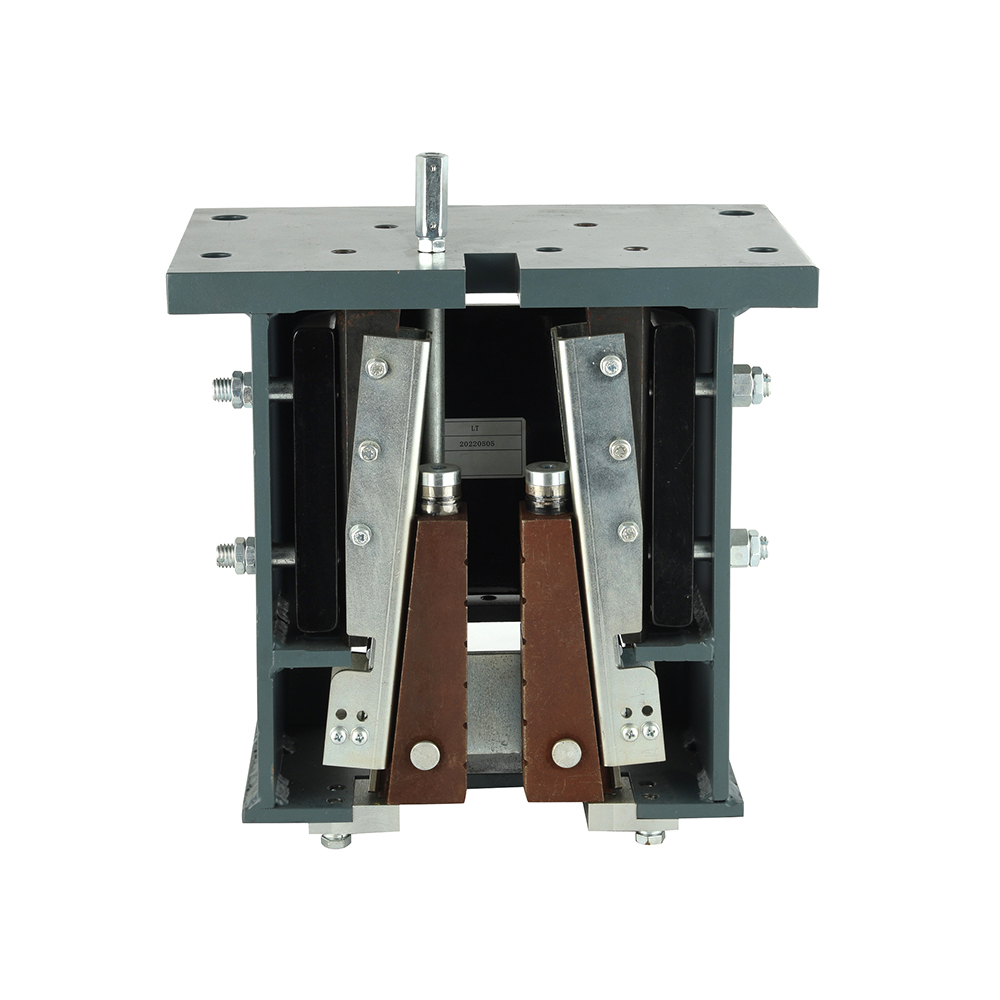
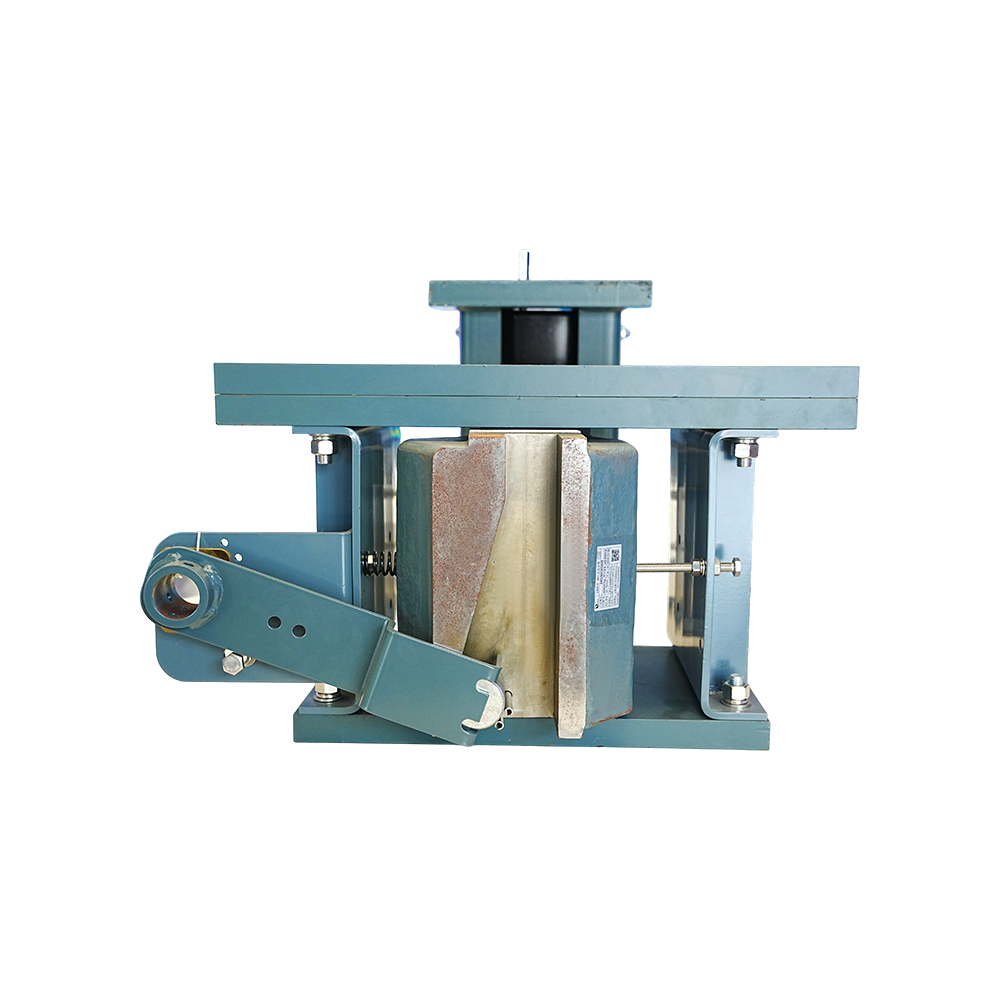
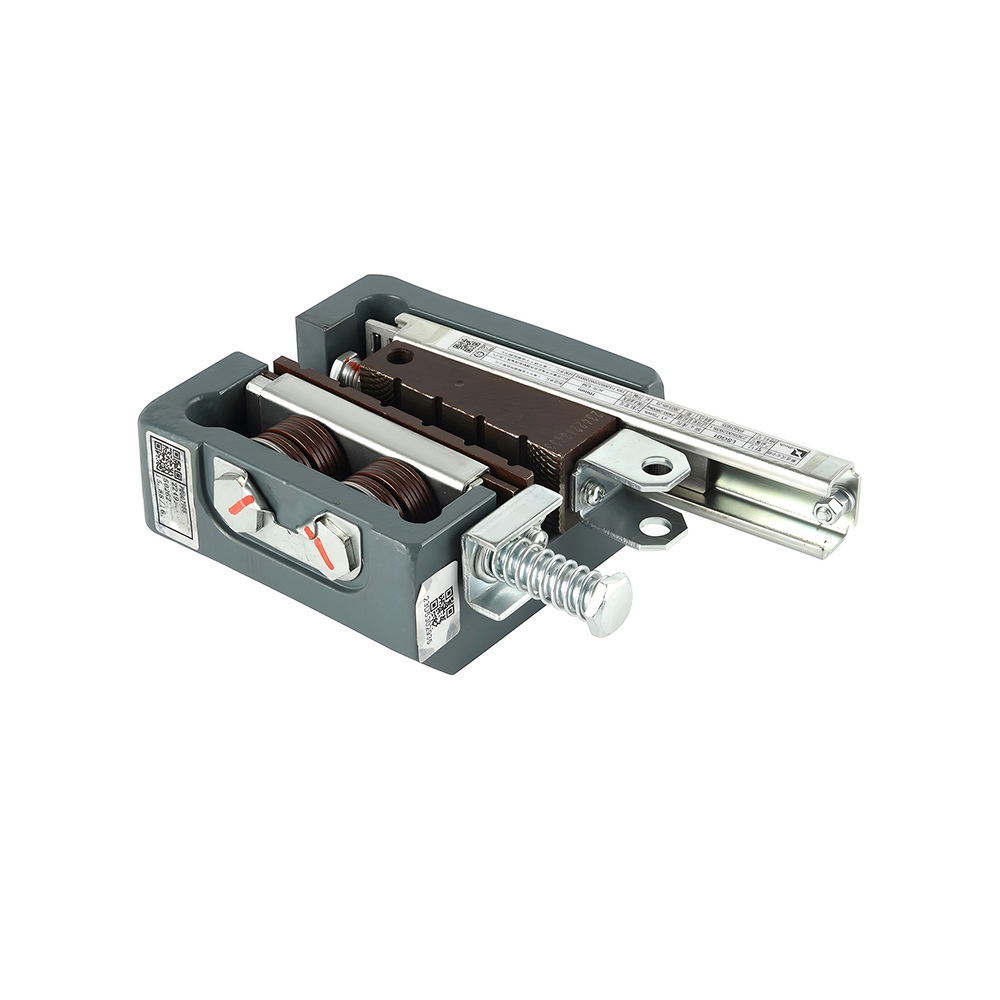
A heavy-duty elevator wire rope brake is a spring-applied, electrically released clamp that grips the suspension ropes and holds the car when a monitoring circuit detects movement the drive did not command.
Every traction lift already carries a machine brake on the sheave. That brake releases and applies on every stop, hundreds of times a day, and it is sized for normal deceleration torque at the sheave. A rope brake answers a different question: what happens if the sheave, the gearbox or the drive cannot deliver that torque at all? On the same 3,200 kg freight lift, the machine brake is sized from sheave torque while the rope brake is sized from the clamp force needed to hold a fully loaded car against the ropes, plus the rope's tolerance for that force.
- Acts on the traction sheave or brake drum
- Applied and released by the drive on every run
- Depends on the machine, shaft and sheave staying intact
- Sized from rated torque at the sheave
- Overhauled together with the machine
- Acts directly on the suspension ropes
- Triggered by the governor, the UCMP circuit or a manual command
- Independent of the machine, gearbox and sheave
- Sized from clamping force against rope diameter and lubrication
- Needs a monitored release and a verified reset
Because the clamp sits on a different part of the system, it also introduces a different risk. The shoes sit within millimetres of ropes that carry the full car load every second of the day, so any loss of shoe alignment or any variation in rope diameter feeds straight back into stopping performance.
Clamping Force, Rope Diameter and Lubrication: The Numbers That Decide the Model
Clamping force must be high enough to hold a loaded car without slip and low enough that the rope is not crushed, and that window is fixed by rope diameter, rope construction and the amount of lubricant on the strands.
Rope diameter drives clamp geometry. An 8 mm rope and a 16 mm rope need different shoe radii, different spring rates and different release forces, so a single clamp body rarely covers both ends of that range with the same measured performance. Rope construction matters just as much: an 8x19 Seale rope presents a different outer contact surface than a 6x36 Warrington-Seale rope of identical diameter, and the difference shows up in the clamping force actually achieved.
Lubrication is where most specification errors begin. Rope grease lowers the friction coefficient between shoe and strands, and a brake validated on a dry or lightly lubricated rope can slip on a production rope that carries mill lubricant plus field re-greasing. Ask for clamping force data measured on the same rope diameter, the same construction and the same lubricant condition as the installation. Test data taken from a different rope state is not transferable.
Rope condition at the moment of selection is the other half of the calculation. Typical discard criteria for suspension ropes include roughly 10% reduction in nominal diameter and a defined number of broken wires per lay length. A clamp sized against a new rope behaves differently on a rope already sitting at those limits.
Before a model goes onto a bill of materials, check the rope clamp compliance documentation against the exact rope specification used on site, and confirm the clamp body suits the rope spacing on the machine beam.
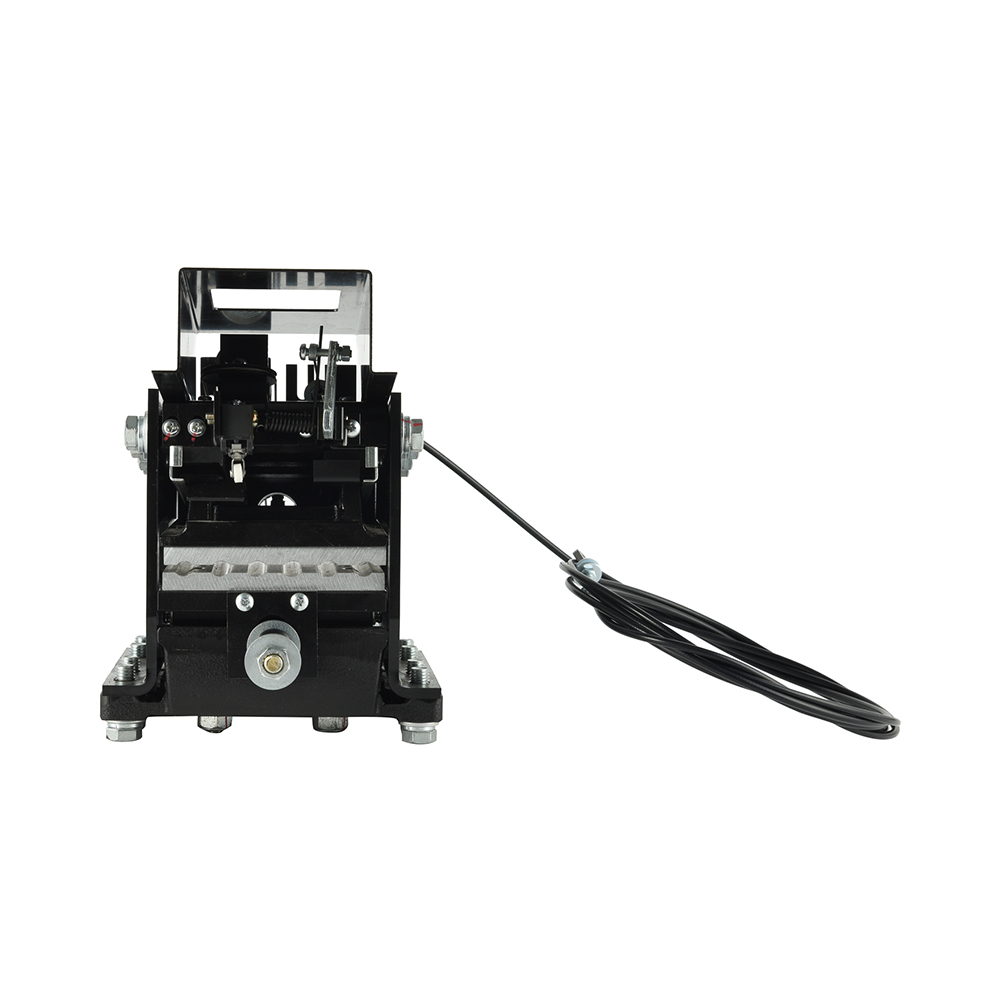
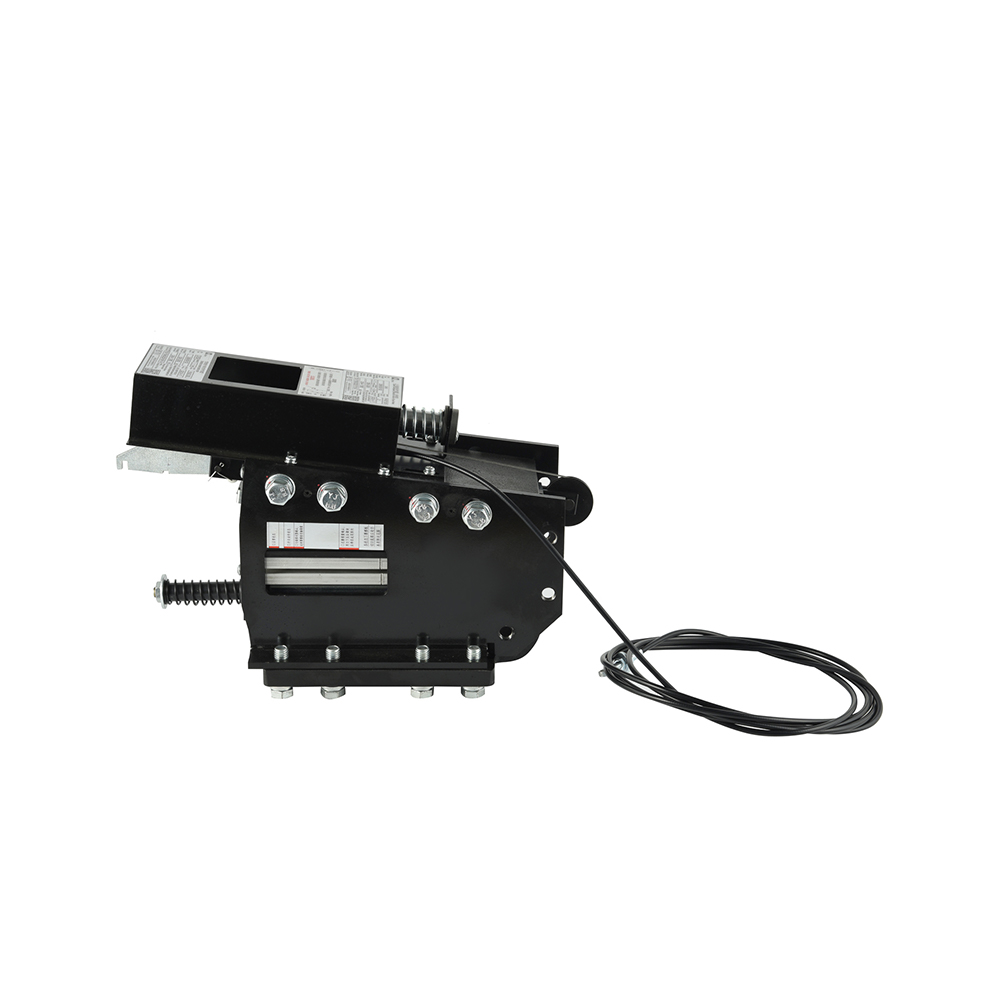 LRB02 Elevator Rope Brake and Wire Rope ClampWire rope clamp for overspeed and unintended movement protection, available in multiple mounting configurations; verify rope-specific compliance and machine-beam spacing.View Product →
Where Heavy-Duty Elevator Wire Rope Brakes Get Specified
Heavy-duty wire rope brakes are specified wherever a single machine brake cannot be trusted to hold the load: freight and goods lifts, industrial lifts, high-speed passenger lifts, and UCMP retrofits on machine-room-less installations.
Freight lifts are the classic case. Rated loads between 1,000 kg and 5,000 kg, forklift loading that places the mass on one side of the car, and twenty or more stops per hour all create holding conditions that a machine brake sized for nominal torque handles with little margin. A rope brake adds a second stopping path that does not depend on the drive.
High-speed passenger lifts add a rope brake because the UCMP detection circuit is already mandatory, and the clamp provides the stopping element that circuit needs. Retrofits on machine-room-less lifts are the fastest-growing application: there is rarely space for a second machine brake, but the rope run above the car or below the counterweight usually accepts a clamp with a modest mounting envelope. The controller must support the detection logic and the release monitoring, otherwise the clamp cannot be certified as part of the protection function.
A rope brake is usually the right answer when the following signals appear together:
- The car carries freight and loads shift across the platform
- No second machine brake can be fitted inside the machine space
- UCMP protection is required and the drive has no stopping function
- The suspension medium is wire rope rather than flat belt
- The installation needs a stopping function that survives a gearbox or sheave failure
One boundary matters. Belt-driven machine-room-less lifts do not use wire rope brakes. Flat belts need a different gripping element and different force calculations, so a rope clamp specification should never be copied onto a belt installation. For rope-driven lifts, the elevator rope brake range covers the clamp itself, while the trigger and release chain is handled by separate linkage hardware.
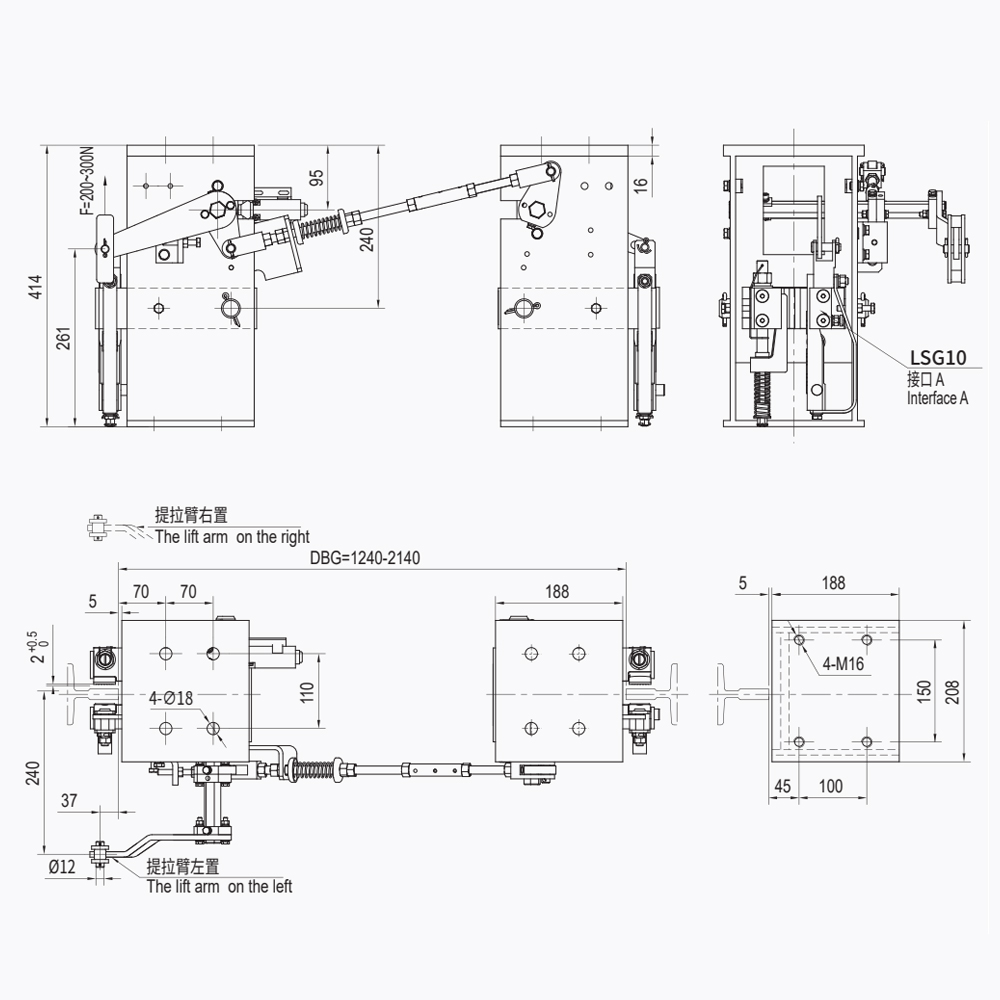 LSD08 Lift Emergency Brake Actuation SystemMechanical linkage triggers the safety clamp during overspeed or abnormal movement; verify rope-driven compatibility, type examination, and site acceptance before use.View Product →
Compliance Evidence Buyers Should Demand Before Approving a Rope Brake
Compliance is proven by a type examination for the clamp, a rope-specific test report and an acceptance test on site. A catalogue page is not evidence.
The rope brake is treated as a safety component in most markets, which means the paperwork follows the component rather than the lift. Type examination certificates issued under EN 81-50 cover the clamp design. They do not automatically cover the clamping force achieved on a 13 mm rope carrying a particular lubricant, and that gap is where most disputes with inspectors start.
| Framework | Scope | Evidence to request |
| EN 81-20 and EN 81-50 | New lifts in Europe and markets that adopt the same framework | Type examination certificate for the clamp plus UCMP stopping function data |
| GB 7588 and GB/T 7588.1 | Lifts installed in China | Type test report, nameplate marking and documentation in the project language |
| ASME A17.1 and CSA B44 | North America | Acceptance test at rated load, field marking and a record of the stopping means |
| Manufacturer test dossier | Every market | Clamping force measured at the project rope diameter, construction and lubricant condition |
Acceptance testing closes the remaining gap. The site test should confirm that the clamp holds the specified load, releases cleanly under power and reports its state to the controller. Record the test load, the rope condition and the ambient conditions, because those figures are exactly what an inspector will ask for at the next periodic examination.
Installation, Reset and Maintenance Faults That Reduce Holding Force
Most rope brake underperformance is not a design fault. It is contamination, misalignment or an unverified reset after the clamp has fired.
Rope grease migration is the leading cause. Grease that reaches the shoe faces lowers the friction coefficient, so the clamp applies full spring force and the car still creeps. Re-greasing the ropes above the brake without checking the shoe faces afterwards is a common maintenance shortcut on freight installations.
- Grease or oil film on the clamping shoes, which reduces friction without reducing spring force
- Shoe misalignment from an incorrect shim count, giving uneven rope contact and premature rope wear
- Ropes not re-tensioned after replacement, changing the load distribution the clamp was sized for
- A clamp left partially applied after a test, polishing the rope surface over a period of weeks
- Slack or wrongly set governor linkage, so the trigger arrives late or not at all
- Corrosion or debris in the release mechanism, so the clamp does not reset cleanly
Reset verification deserves its own routine. After any clamping event or release test, confirm the shoes have fully retracted and that the controller sees the released state. A clamp that stays partially closed wears the ropes and hides the fault until the next unintended movement.
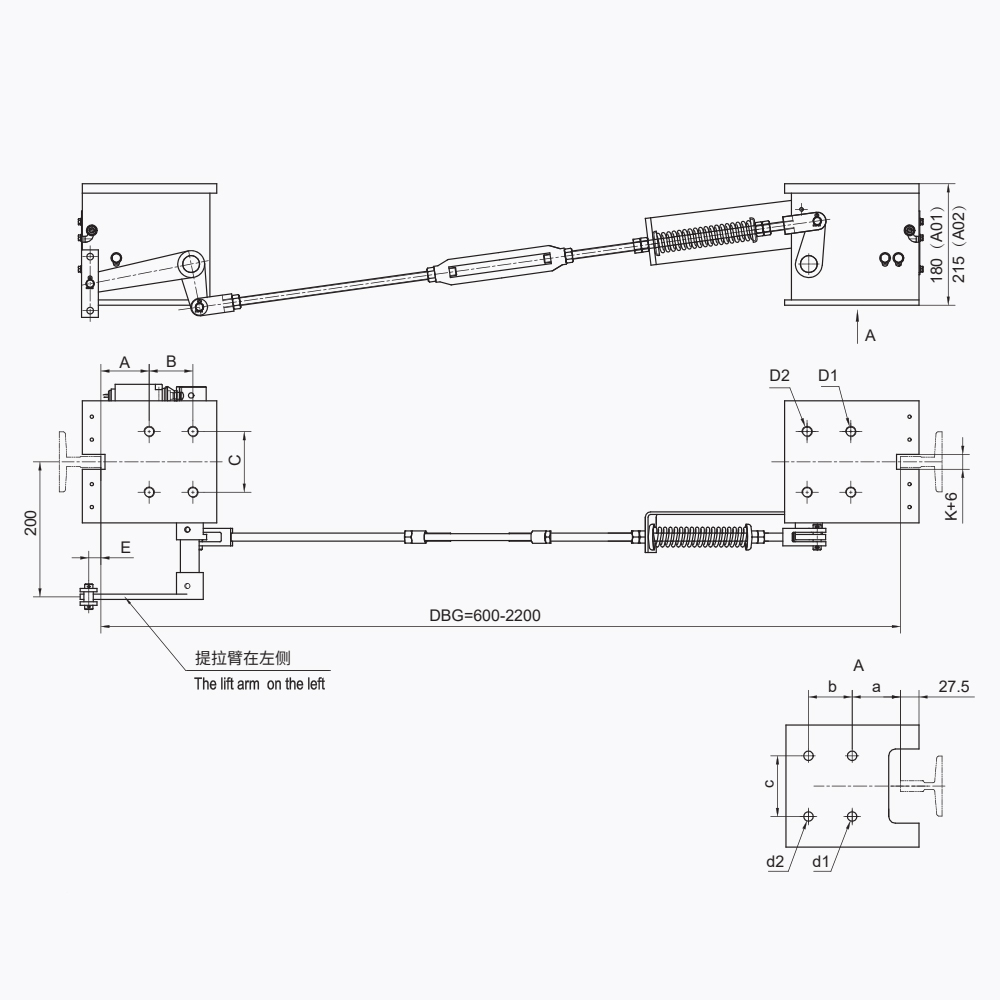 LSD12 Lift Safety Gear Release Device with LSG03 InterfaceLinks safety clamps on both sides and triggers locking during overspeed or malfunction; confirm LSG03 interface and verify full shoe retraction after reset.View Product →
FAQ: Heavy-Duty Elevator Wire Rope Brakes in Practice
Buyers and maintenance engineers ask the same four questions about rope brakes, and the answers decide whether the clamp is treated as a real safety function or as a tick-box accessory.
How much holding force does a heavy-duty rope brake need?
Enough to prevent car movement under the load condition named in the project specification, which is normally verified at 125% of rated load. The upper limit matters just as much: clamping force that deforms the strands damages the rope and shortens its service life. Ask for measured clamping force at the actual rope diameter, construction and lubricant condition rather than a generic figure from a catalogue.
Can a rope brake be retrofitted to an existing lift?
Yes, and machine-room-less lifts are the most common retrofit target because there is rarely space for a second machine brake. The retrofit needs a mounting position on the rope run, a monitored release circuit and controller logic that can process the detection signal. Without the detection and monitoring side, the clamp cannot be certified as part of the protection function.
Does rope grease reduce rope brake performance?
It can. Lubricant on the strands lowers the friction coefficient between shoe and rope, so a clamp validated on dry rope may slip on a production rope. Specify and test the brake under the same lubricant condition as the installation, and re-check the shoe faces whenever the ropes are re-greased.
How often should a rope brake be tested?
Test it at the same interval as the safety gear and the overspeed governor, which usually means at every periodic third-party inspection, plus after any rope replacement, re-tensioning or clamping event. Add a release and reset check to the same visit, because a clamp that does not fully retract is the fault most often missed between examinations.