
 English
 中文简体
中文简体 русский
 Español
 Deutsch


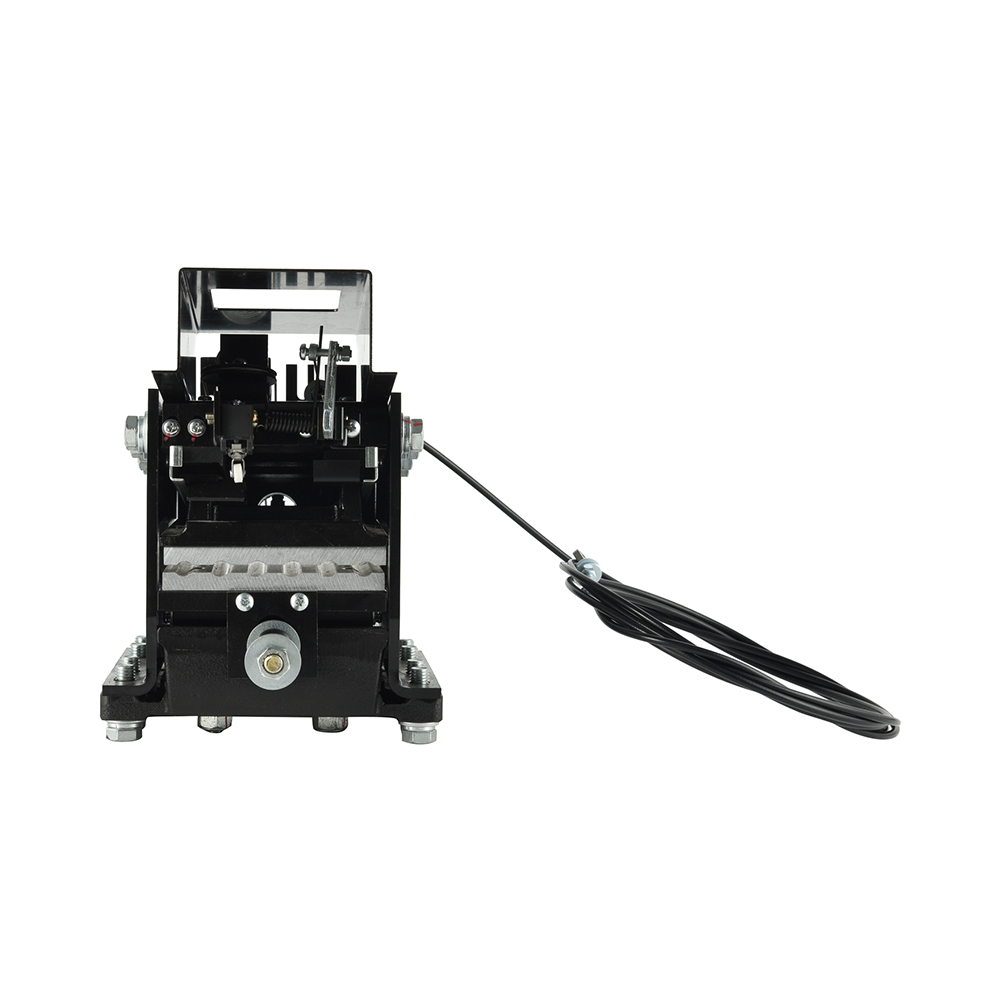
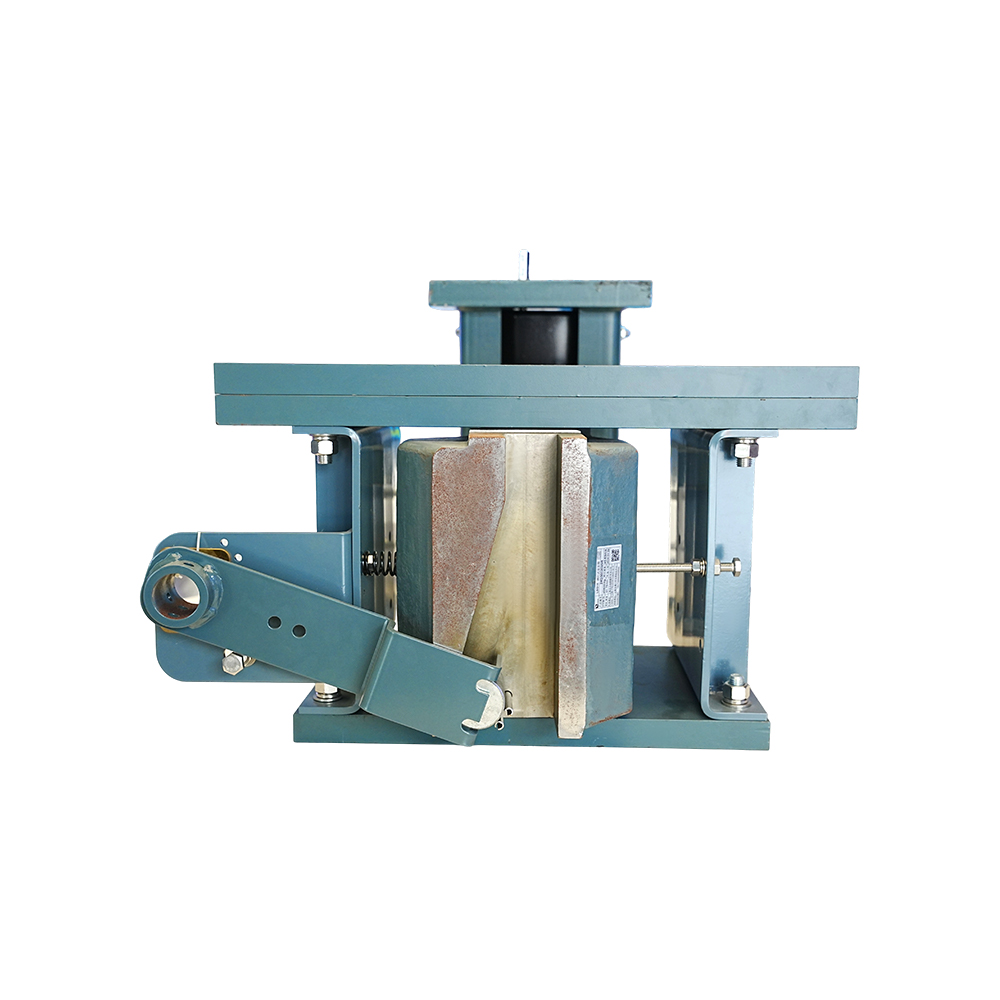
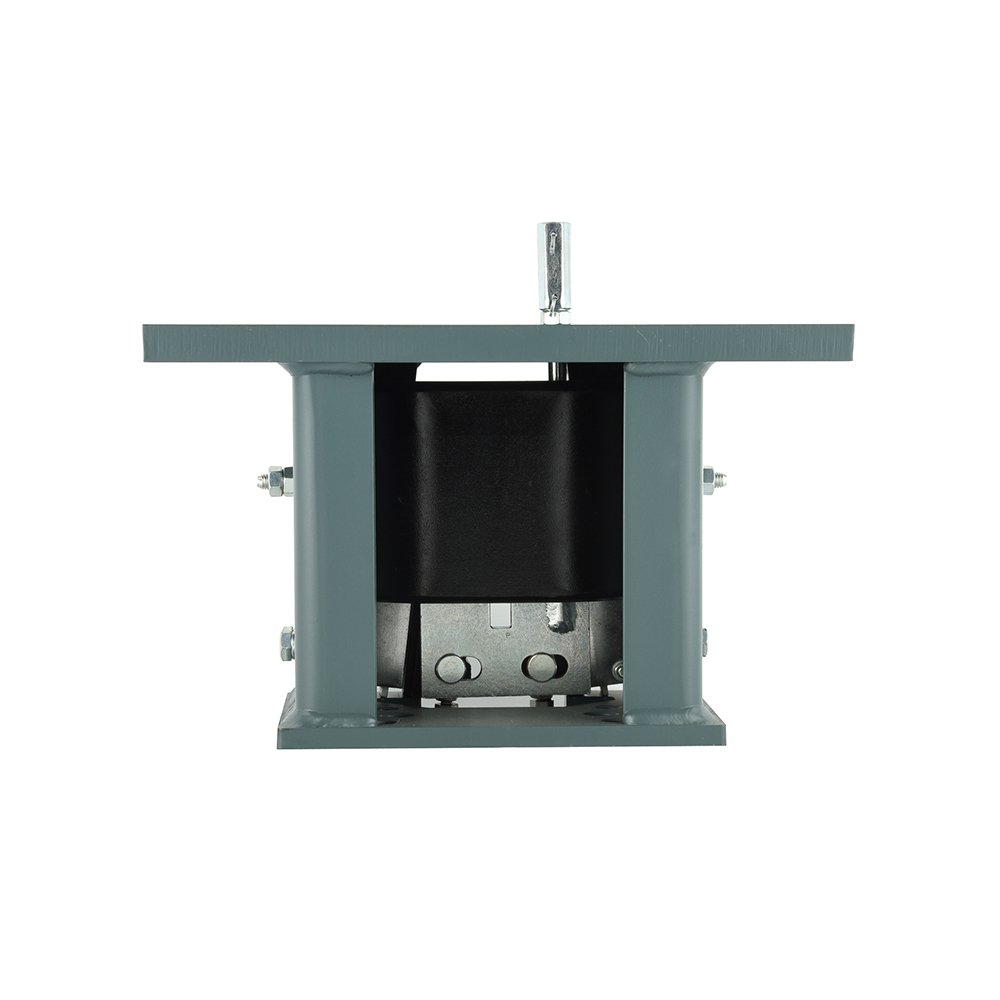
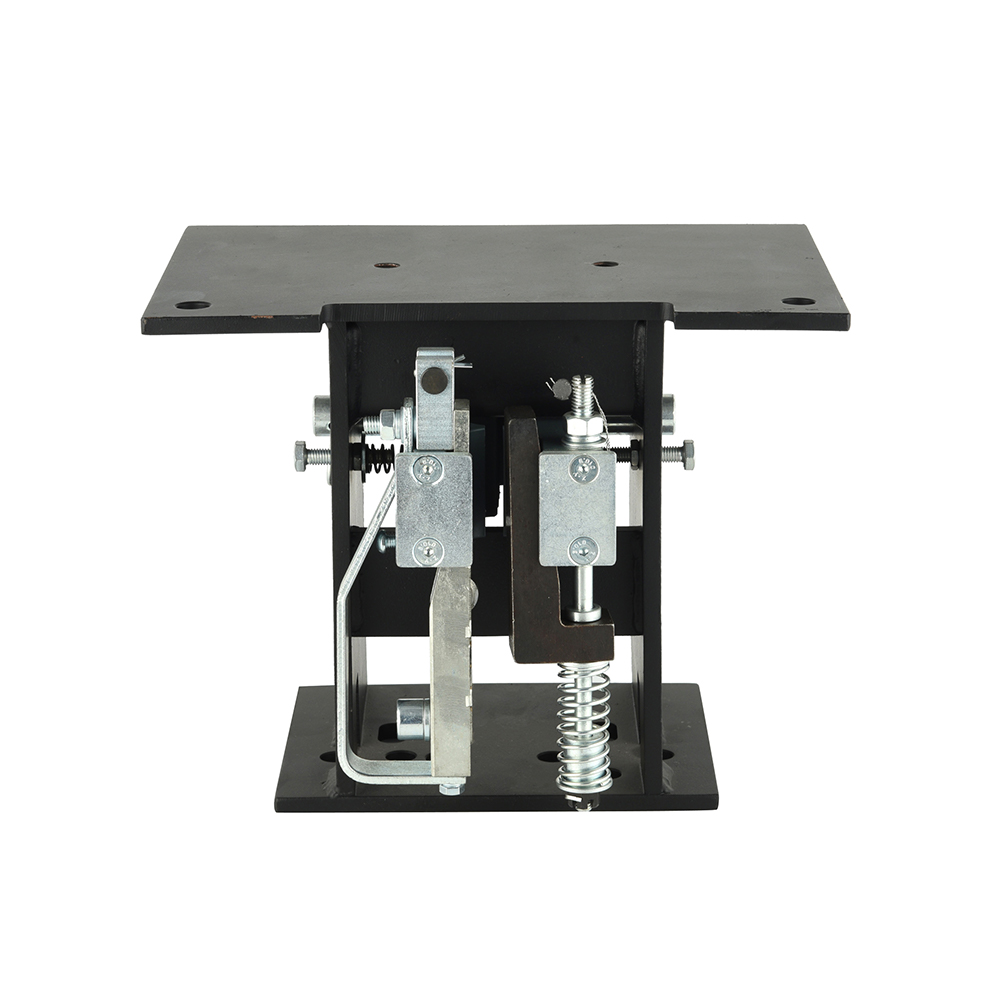
Engineering Compliance and Mechanical Integration of the LRB02 Elevator Rope Brake Lift Rope Gripper Rope Clamp
Content
Ascending Car Overspeed Protection (ACOP) and EN 81-20 Standards
1. The LRB02 Elevator Rope Brake Lift Rope Gripper Rope Clamp functions as a critical secondary safety component designed to detect and arrest uncontrolled upward movement, ensuring full compliance with EN 81-20 safety protocols. 2. When evaluating how the LRB02 rope brake prevents ascending car overspeed, engineers must analyze the electromagnetic trigger threshold and the mechanical force required to decelerate the total moving mass at a rate between 0.2g and 1.0g. 3. The implementation of a LRB02 Elevator Rope Brake Lift Rope Gripper Rope Clamp provides the necessary redundancy required for Unintended Car Movement Protection (UCMP), effectively locking the hoist ropes when the car deviates from the floor level with doors open. 4. Analyzing LRB02 elevator rope brake vs traditional safety gears reveals that the rope gripper acts directly on the suspension media, mitigating risks associated with traction loss or gearbox failure.
Installation Geometry and Mechanical Interface Specifications
1. To maintain EN 81-20 requirements for rope gripper installation, the device must be positioned on a stable structural beam, ensuring the vertical alignment of the clamping jaws is concentric with the hoist rope centerline. 2. The mechanical response latency of the LRB02 rope gripper is significantly influenced by the air gap in the electromagnetic release; a gap maintained at precise tolerances (e.g., 1.5 mm to 2.0 mm) ensures rapid closure upon power loss. 3. Proper mounting positions for LRB02 elevator rope clamps include either the overhead machine room floor or the top of the car frame, provided the mounting surface can withstand the peak reaction forces generated during a dynamic stop. 4. The clamping force calculation for LRB02 lift rope grippers must account for the rope diameter and the Ra surface finish of the brake linings to ensure a consistent friction coefficient (typically 0.35 to 0.45) across all suspension cables.
Material Properties and Non-Destructive Clamping Physics
1. A durable LRB02 Elevator Rope Brake Lift Rope Gripper Rope Clamp utilizes brake linings with high thermal stability to resist heat fading when kinetic energy is dissipated at speeds up to 2.5 m/s. 2. To ensure non-destructive clamping on elevator hoist ropes, the jaw pressure is distributed across a large surface area, preventing localized stress concentrations that could lead to wire deformation or premature rope fatigue. 3. The impact of hoist rope lubrication on LRB02 braking torque is a critical safety variable; the gripper must be tested on both dry and slightly lubricated ropes to verify that the minimum stopping distance remains within the safety envelope. 4. Braking Performance and Material Matrix:
| Testing Parameter | Specification for LRB02 Clamp | Material Standard |
| Braking Torque (Nm) | 3000 - 4500 (Adjustable) | High-Tensile Alloy Steel |
| Brake Lining Material | Sintered Metal or Ceramic Composite | ISO 20357 compliant |
| Max Rated Speed (m/s) | 2.5 (Standard) / 4.0 (Custom) | EN 81-20/50 |
| Corrosion Resistance | 96-hour Salt Spray Rating | ASTM B117 |
Operational Reliability and Maintenance Protocols
1. Testing the LRB02 lift rope gripper for UCMP compliance involves periodic drop tests to confirm that the car stops within a maximum distance of 1.2 meters after a simulated governor trip. 2. The maintenance requirements for LRB02 elevator rope brakes include annual inspections of the lining thickness and verification of the spring compression force to prevent "stiction" in the linkage system. 3. Wiring diagrams for LRB02 rope brake electrical safety loops must integrate with the main controller's emergency stop circuit, ensuring that the brake is fail-safe and engages automatically upon a total power failure.
Hardcore FAQ
1. Does the LRB02 rope brake damage the wire ropes after a single deployment? No. The jaws are engineered for surface friction. While minor scuffing may occur, the pressure is below the threshold for permanent wire rope deformation (crushing), provided the rope diameter matches the jaw profile. 2. Can the LRB02 be used for both ascending and descending car protection? Yes. While its primary role is ACOP (Ascending Car Overspeed Protection), it can also act as an auxiliary brake for descending overspeed and UCMP scenarios. 3. What is the maximum response time for the gripper to engage? The total mechanical response latency, from the signal trigger to full clamping force, is typically under 150 milliseconds. 4. Is the LRB02 compatible with all types of elevator hoist ropes? It is compatible with standard steel wire ropes. For synthetic or coated ropes, specific lining materials and pressure adjustments must be verified with the technical architect. 5. What happens if the power is cut while the elevator is running? The LRB02 is a "power-to-release" device. If power is lost, the internal springs will immediately force the jaws to clamp the ropes, bringing the lift to a controlled stop.
Technical References
1. EN 81-20:2020: Safety rules for the construction and installation of lifts - Lifts for the transport of persons and goods. 2. ISO 8100-1:2019: Lifts for the transport of persons and goods - Safety requirements and compliance. 3. ASME A17.1: Safety Code for Elevators and Escalators - Section 2.19: Ascending Car Overspeed and Unintended Car Movement Protection.