
 English
 中文简体
中文简体 русский
 Español
 Deutsch


How Safe Is Your Elevator Safety Gear ?
Content
- 1 Understanding Elevator Safety Gear
- 2 Emergency Brake and Safety Mechanisms
- 3 High-Speed Elevator Safety Gear Components
- 4 Installation and Maintenance Guidelines
- 5 Replacement and Spare Parts Market
- 6 Comparison Matrix of Elevator Safety Gear Types
- 7 FAQ
- 7.1 What are the key components of elevator safety gear?
- 7.2 How often should emergency brake elevator safety gear be tested?
- 7.3 Can high-speed elevators operate safely without specialized components?
- 7.4 Where can I find a reliable replacement elevator safety gear parts supplier?
- 7.5 What is the recommended maintenance routine for elevator safety gear installation guide?
Understanding Elevator Safety Gear
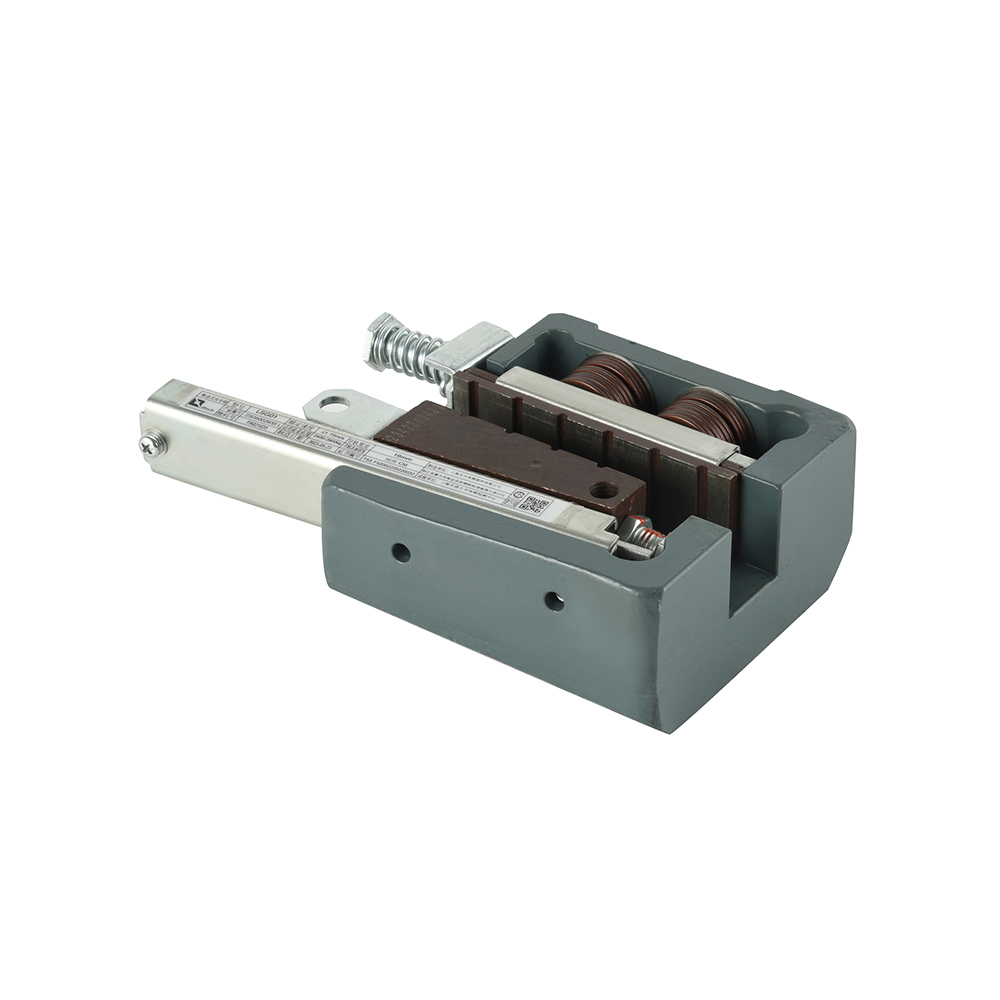
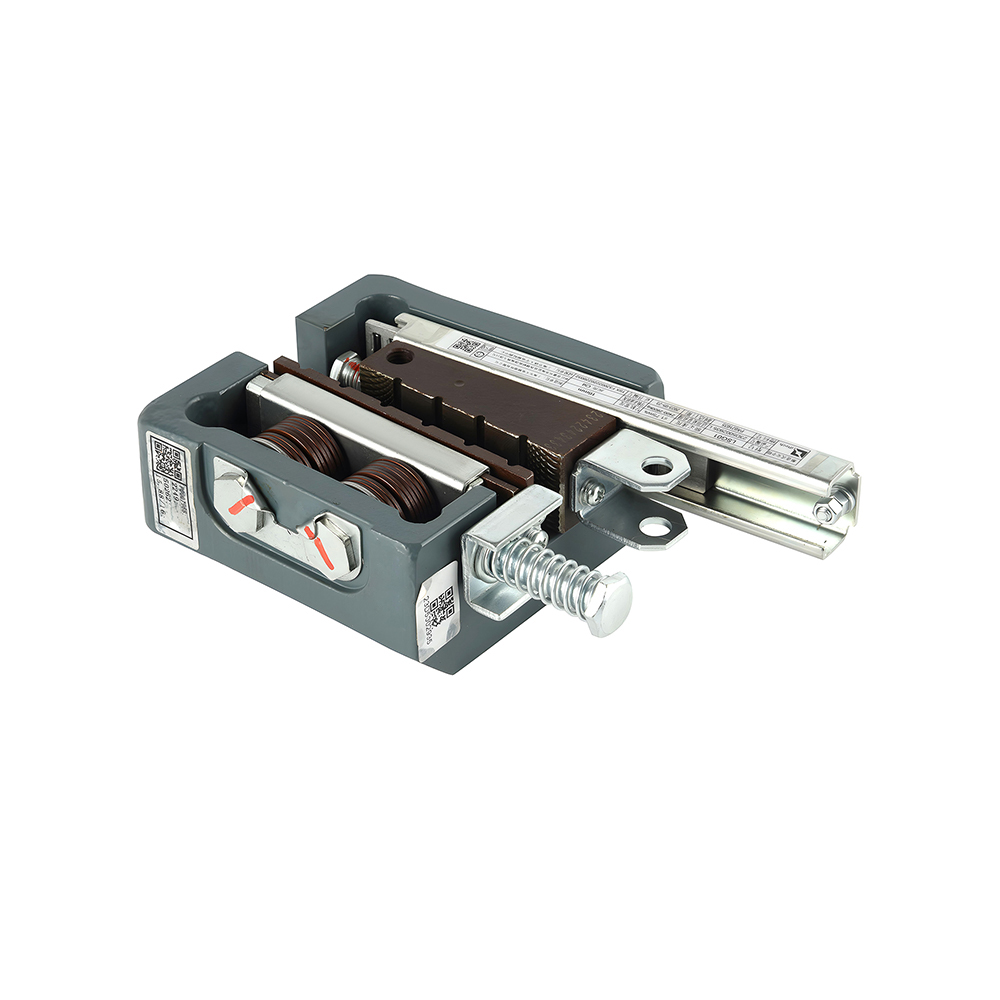
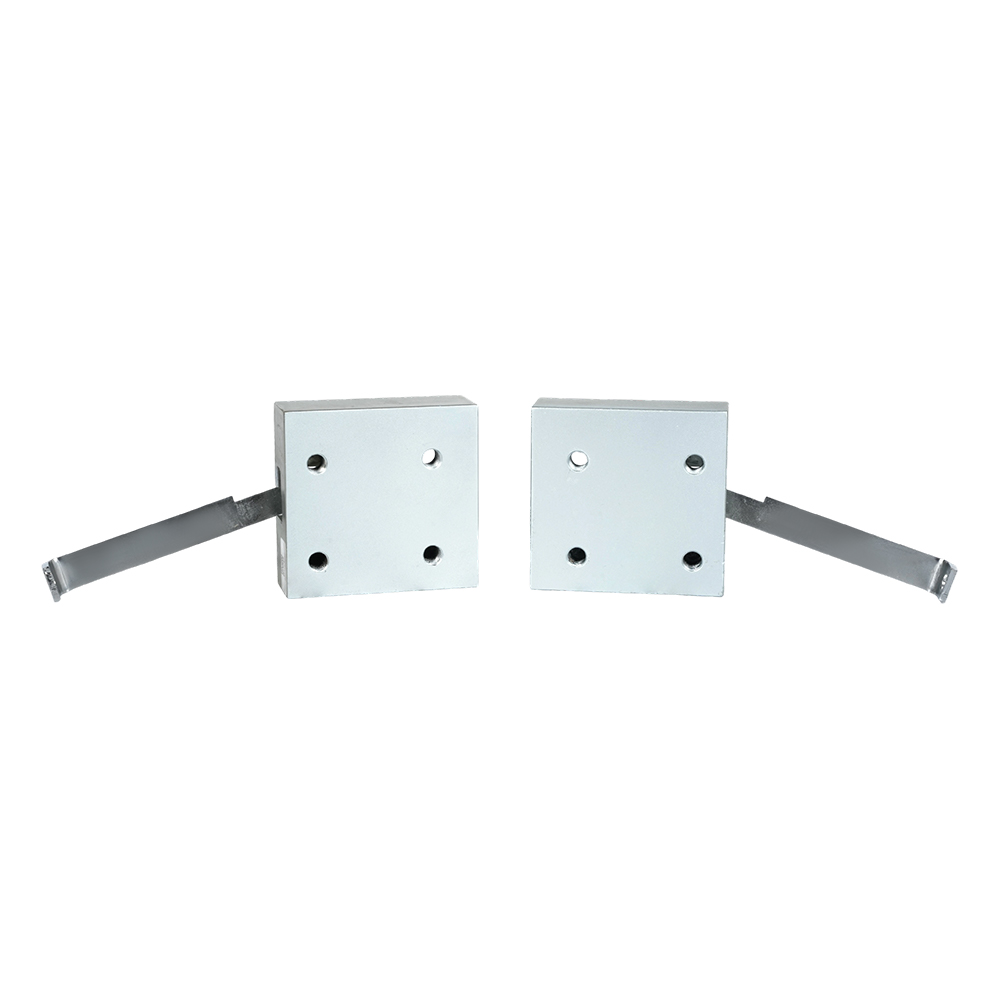
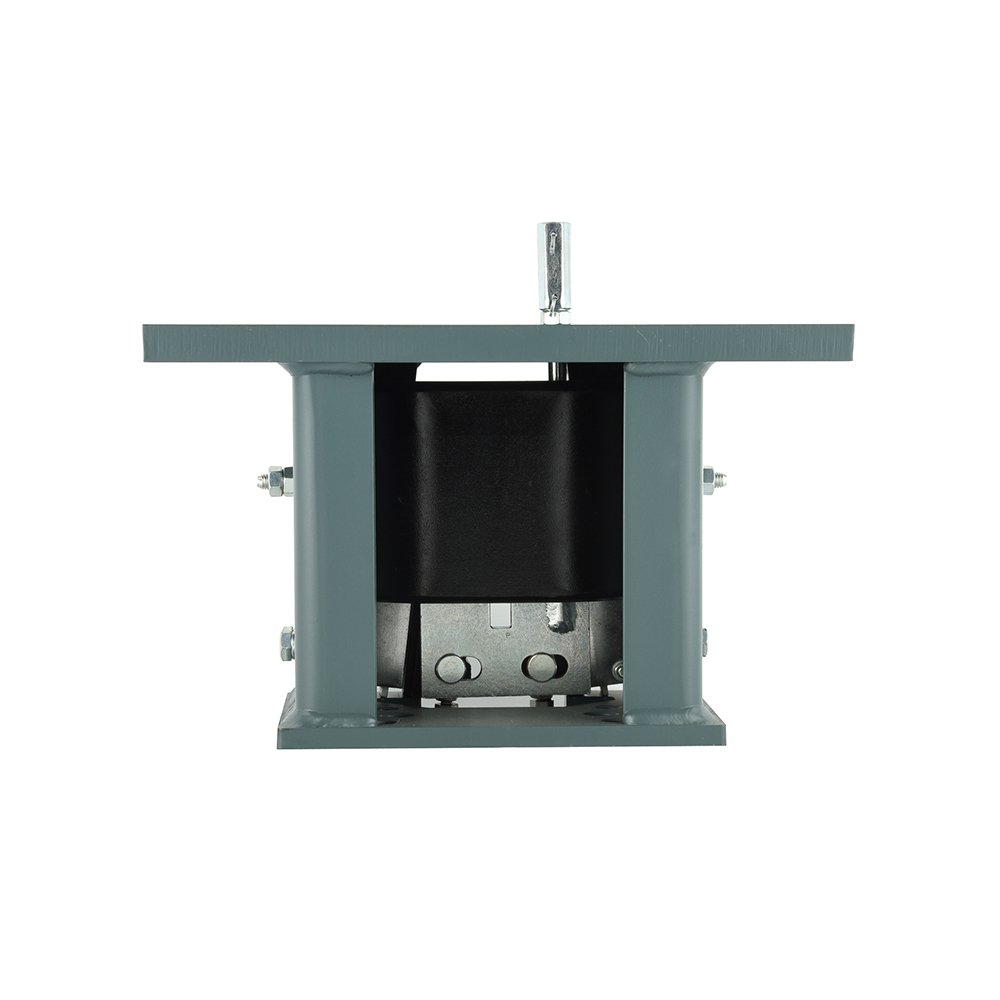
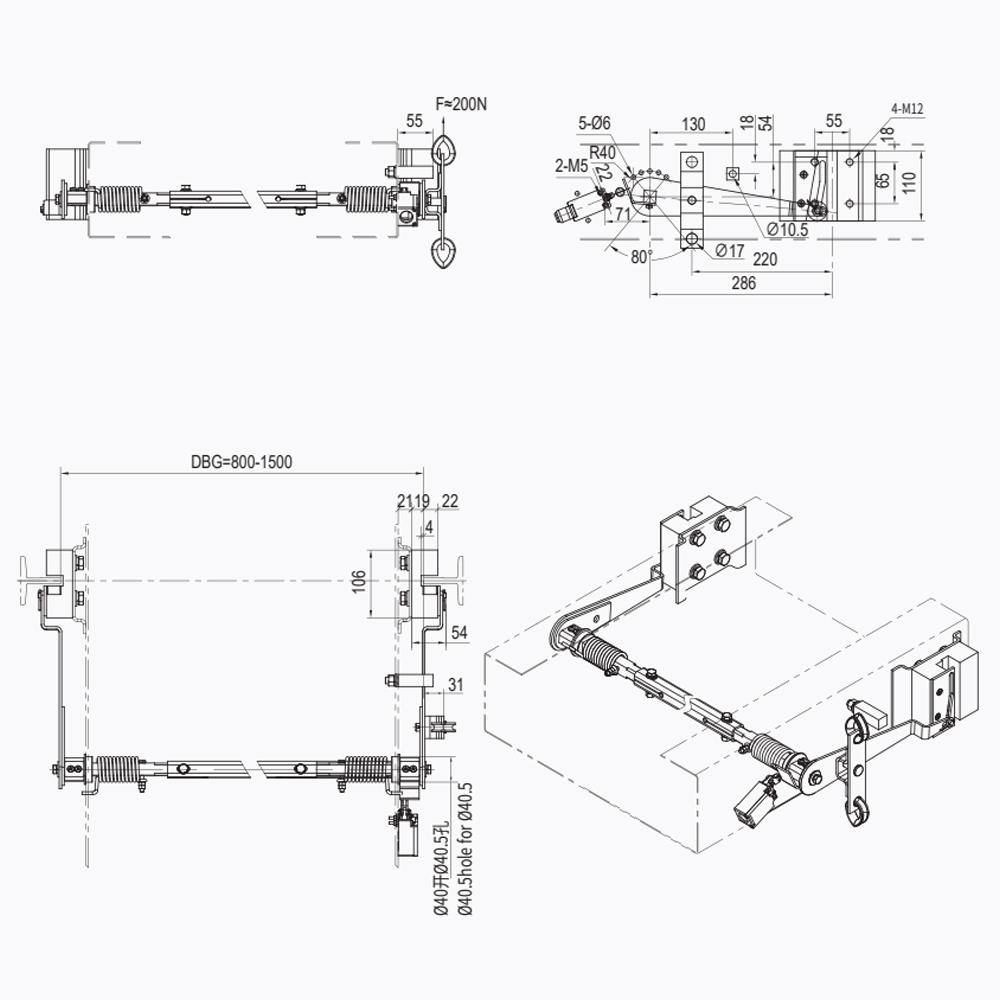
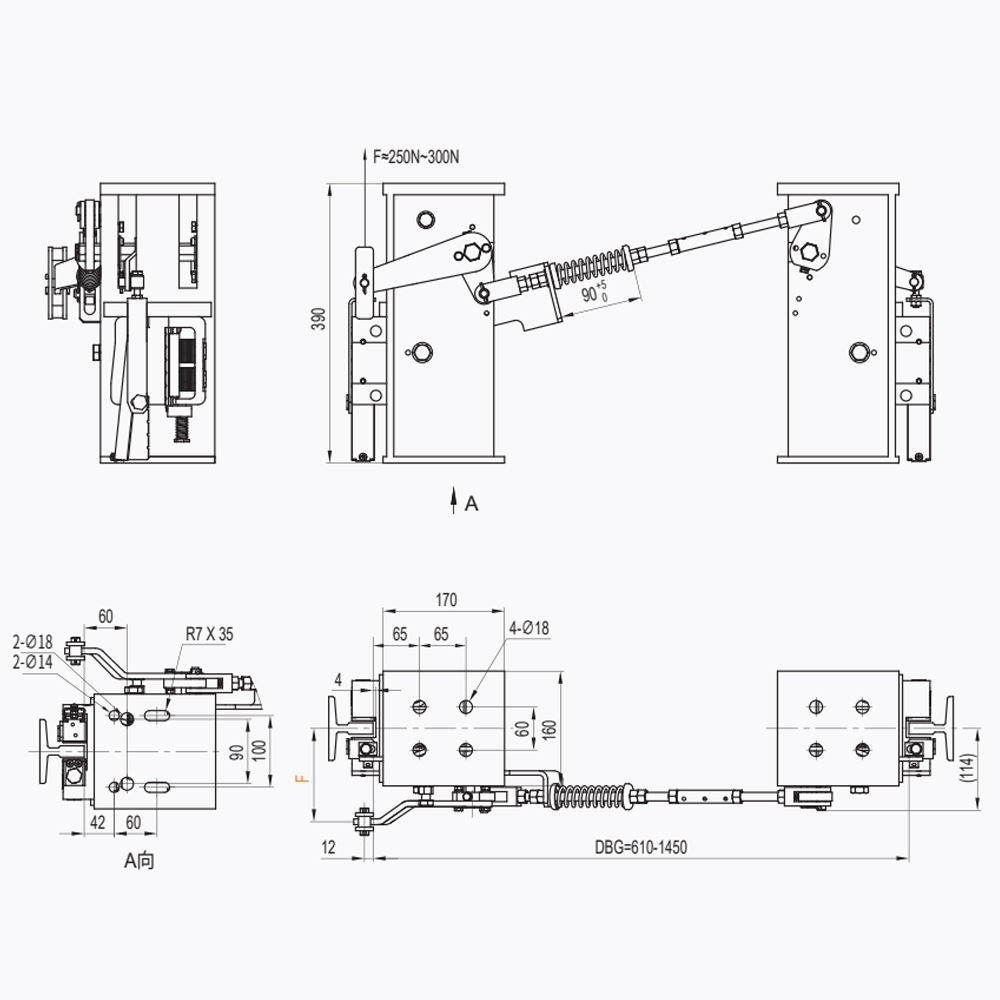
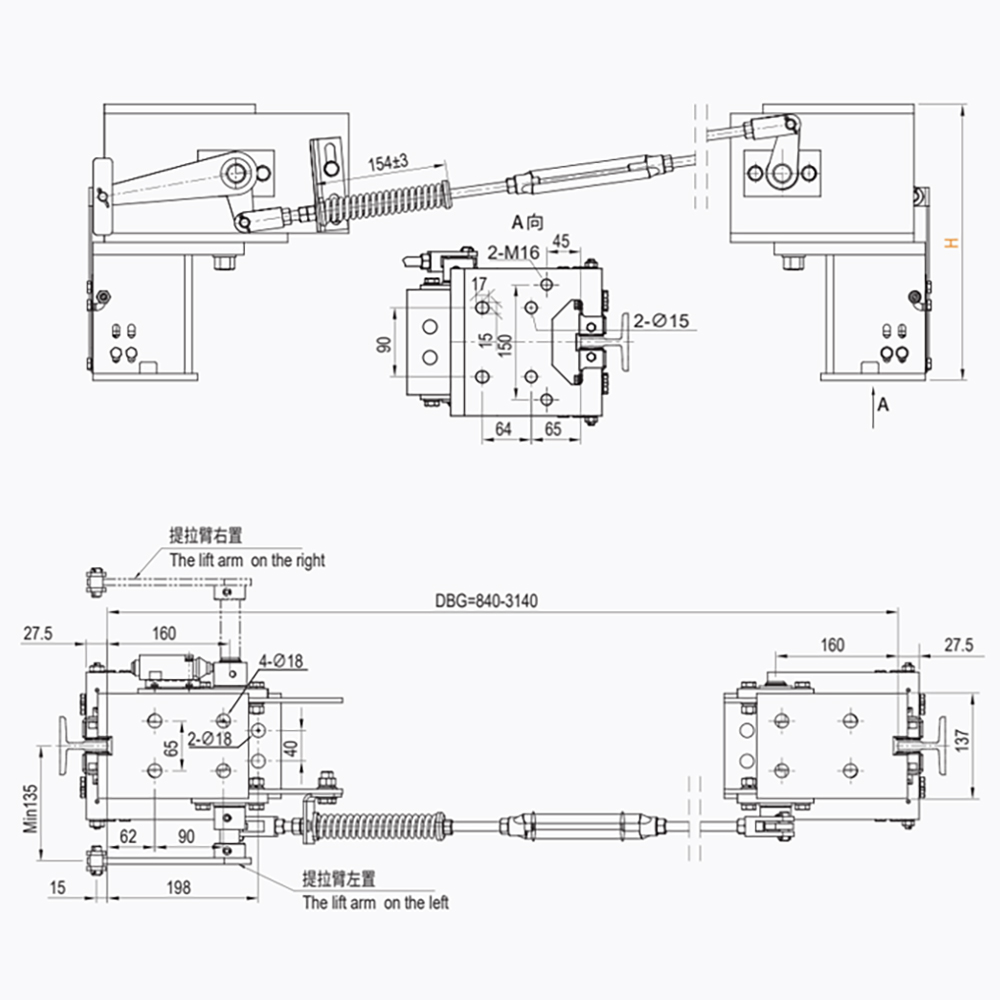
Elevator Safety Gear is a crucial component ensuring passenger safety in all types of elevators. These mechanisms are designed to halt elevator cabins during abnormal operations, such as over-speed or free-fall. In traction elevators, elevator safety gear for traction elevators integrates with governors, buffers, and pawl systems to provide reliable stopping power under emergency conditions. Proper selection, installation, and maintenance of these components directly influence the safety and compliance of elevator operations.
- Installed on elevator car or counterweight for rapid emergency response
- Works in tandem with governors to detect speed anomalies
- Tested to meet international standards like EN 81 and ASME A17.1
- Durable materials resist wear, corrosion, and fatigue
Emergency Brake and Safety Mechanisms
The emergency brake elevator safety gear ensures that the elevator can stop safely during unexpected events. Modern designs incorporate friction-based and mechanical locking systems, capable of handling various loads. Engineers must consider environmental factors, including humidity, temperature, and operational frequency, to maintain effectiveness over time. Regular testing is critical to ensure that the braking response remains within specified limits.
- Automatic engagement during over-speed conditions
- Redundant systems enhance reliability
- Designed to prevent sudden free-fall of the cabin
- Compatible with digital monitoring for maintenance alerts
High-Speed Elevator Safety Gear Components
For elevators operating at high speeds, high-speed elevator safety gear components must meet stringent precision and durability standards. Components are engineered to minimize response time while resisting high dynamic loads. Materials selection, including heat-treated alloys and reinforced pawls, is crucial to withstand stress and fatigue. High-speed systems require precise calibration and routine inspection to ensure safe operation under heavy traffic conditions.
- Friction materials designed to handle high kinetic energy
- Buffer systems calibrated for fast deceleration
- Integration with electronic governors for precise monitoring
- Regular maintenance ensures consistent performance
| Component | Application | Material | Function |
| Safety Pawl | Traction & High-Speed | Hardened Steel | Stops cabin in emergencies |
| Governor | All Elevators | Steel / Mechanical | Detects speed anomalies |
| Buffers | Low & High-Speed | Rubber / Hydraulic | Cushions impact |
Installation and Maintenance Guidelines
Following the elevator safety gear installation guide is essential for maintaining operational safety. Installation involves proper alignment with the governor, lubrication of moving parts, and testing under controlled conditions. Maintenance routines include checking for wear, corrosion, and proper buffer function. Liftech Elevator Accessories Co., Ltd. recommends periodic inspections in compliance with EN 81 standards to ensure reliability.
- Step-by-step installation with precise alignment
- Routine lubrication and wear monitoring
- Periodic functional tests to verify stopping distance
- Replacement indicators for worn or damaged parts
Replacement and Spare Parts Market
For elevators in continuous operation, replacement elevator safety gear parts are critical to maintaining safety standards. Choosing between OEM and aftermarket components depends on compatibility, quality, and regulatory compliance. Suppliers like Liftech Elevator Accessories Co., Ltd. provide certified replacement parts designed to match original specifications. Ensuring proper inventory management reduces downtime and enhances system reliability.
- Identify when components exceed wear limits
- Select certified parts for compliance and safety
- Maintain inventory for quick replacement
- Document maintenance and replacement history
Comparison Matrix of Elevator Safety Gear Types
Different types of elevator safety gear are designed for specific operational environments. Below is a comparative overview highlighting key features, applications, and maintenance considerations:
| Type | Application | Durability | Maintenance |
| Micro/Traction Safety Gear | Standard Elevators | High | Quarterly Inspection |
| Emergency Brake Gear | All Elevators | Very High | Monthly Testing |
| High-Speed Components | High-Speed Elevators | Very High | Monthly + Stress Testing |
FAQ
What are the key components of elevator safety gear?
The key components include the safety pawl, governor, and buffer systems. The pawl stops the elevator cabin during overspeed, the governor detects speed anomalies, and buffers cushion the cabin impact. Each component must be correctly aligned and maintained to ensure proper function.
How often should emergency brake elevator safety gear be tested?
Testing should follow manufacturer guidelines and regulatory standards. Generally, monthly functional tests are recommended for emergency brake systems, while mechanical inspections and lubrication should be conducted quarterly to ensure optimal performance.
Can high-speed elevators operate safely without specialized components?
No. High-speed elevator safety gear components are specifically engineered to handle the kinetic energy and rapid deceleration required for high-speed operation. Using standard components may compromise safety and violate regulatory standards.
Where can I find a reliable replacement elevator safety gear parts supplier?
Suppliers like Liftech Elevator Accessories Co., Ltd. offer certified replacement parts that meet international safety standards. When sourcing parts, ensure they are compatible with your elevator model and comply with EN 81 or ASME A17.1 standards.
What is the recommended maintenance routine for elevator safety gear installation guide?
Maintenance should include checking pawl alignment, governor calibration, buffer condition, and lubrication. Routine inspections should be documented, and any worn or damaged parts replaced immediately to maintain operational safety.