
 English
 中文简体
中文简体 русский
 Español
 Deutsch


Instantaneous Safety Gear Guide: Function & Applications
Content
- 1 What Is the Purpose of Safety Gear?
- 2 The Four Major Types of Elevator Safety Devices
- 3 What Is Safety Gear in an Elevator?
- 4 What Is Instantaneous Safety Gear in an Elevator?
- 5 Progressive vs. Instantaneous Safety Gear
- 6 What Type of Elevator Safeties Are Instantaneous?
- 7 Technical Specifications and Key Performance Factors
- 8 Application Scenarios
- 9 Selection Considerations and Purchasing Factors
- 10 Installation, Maintenance, and Operation Recommendations
- 11 Common Mistakes and Overlooked Considerations
- 12 Conclusion
- 13 Frequently Asked Questions
- 13.1 What are the four major types of safety devices in an elevator?
- 13.2 What is the purpose of safety gear?
- 13.3 What is the safety gear in an elevator?
- 13.4 What is instantaneous safety gear in an elevator?
- 13.5 What type of elevator safeties are instantaneous?
- 13.6 How does progressive safety gear differ from instantaneous safety gear?
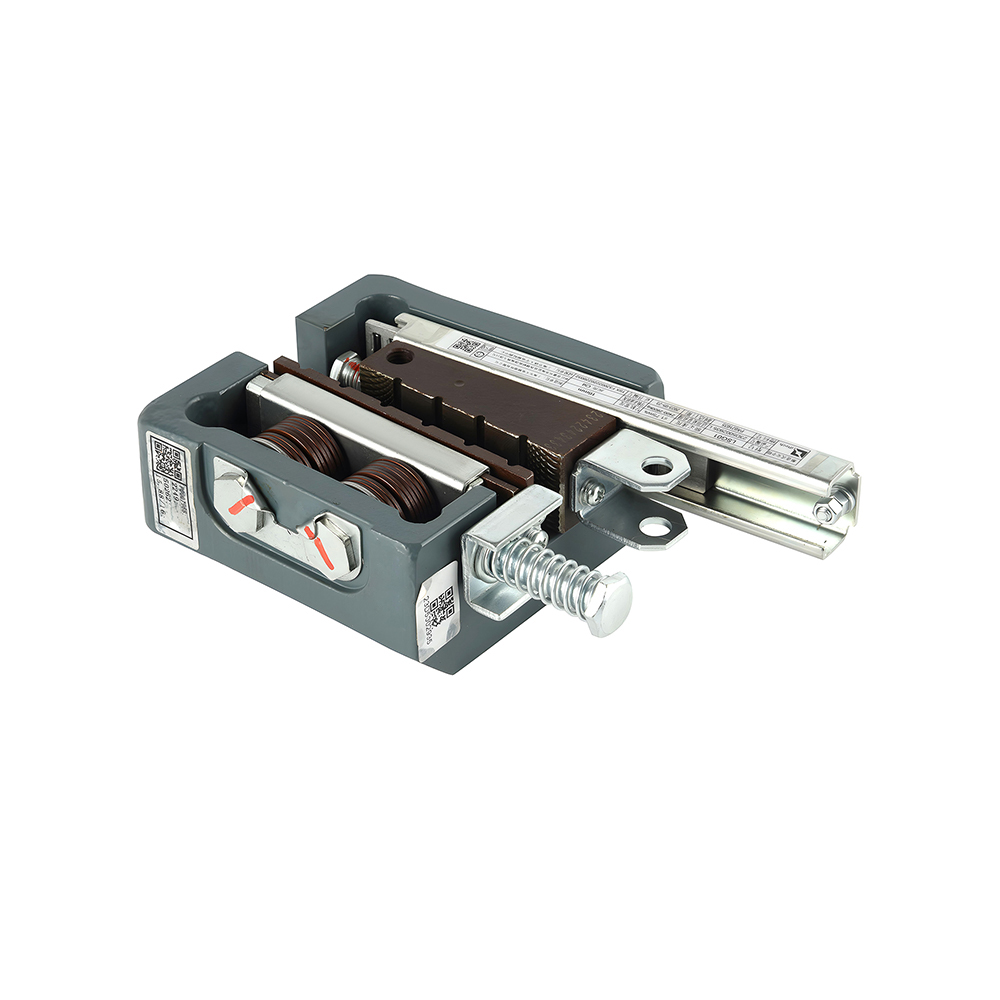
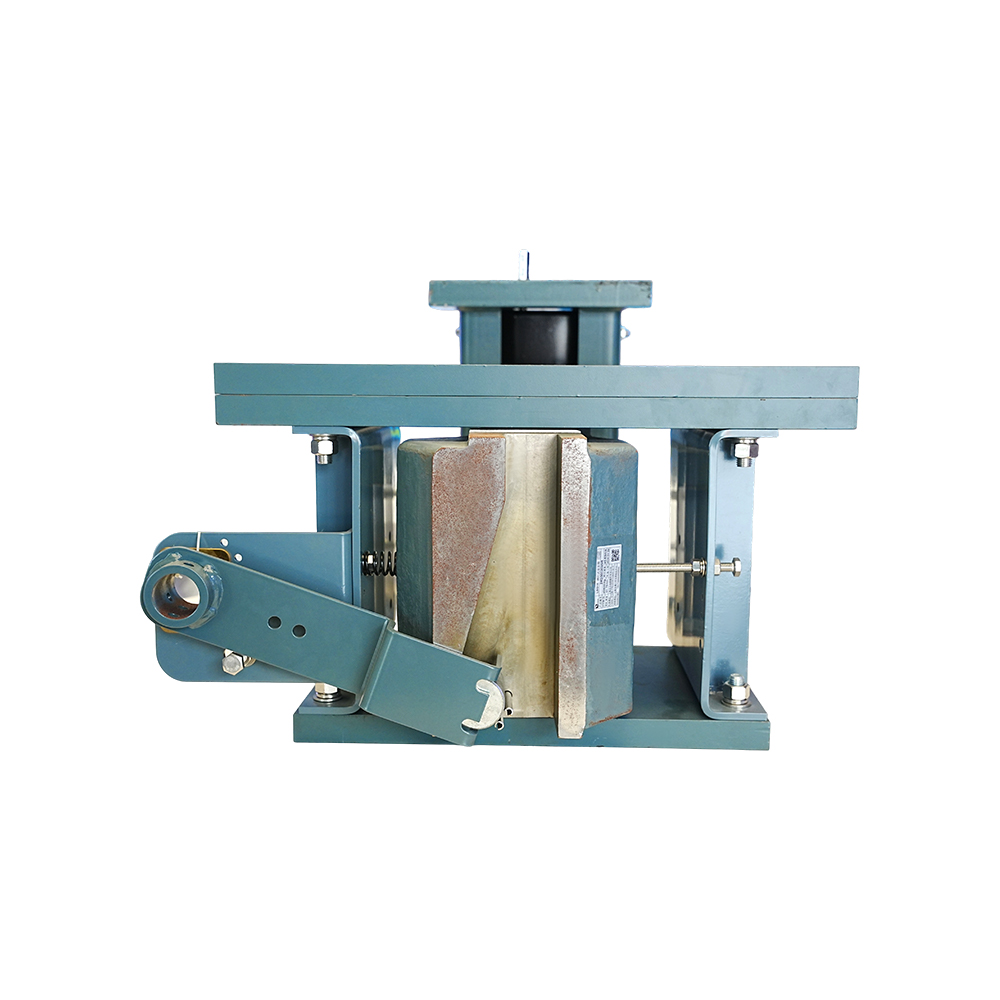
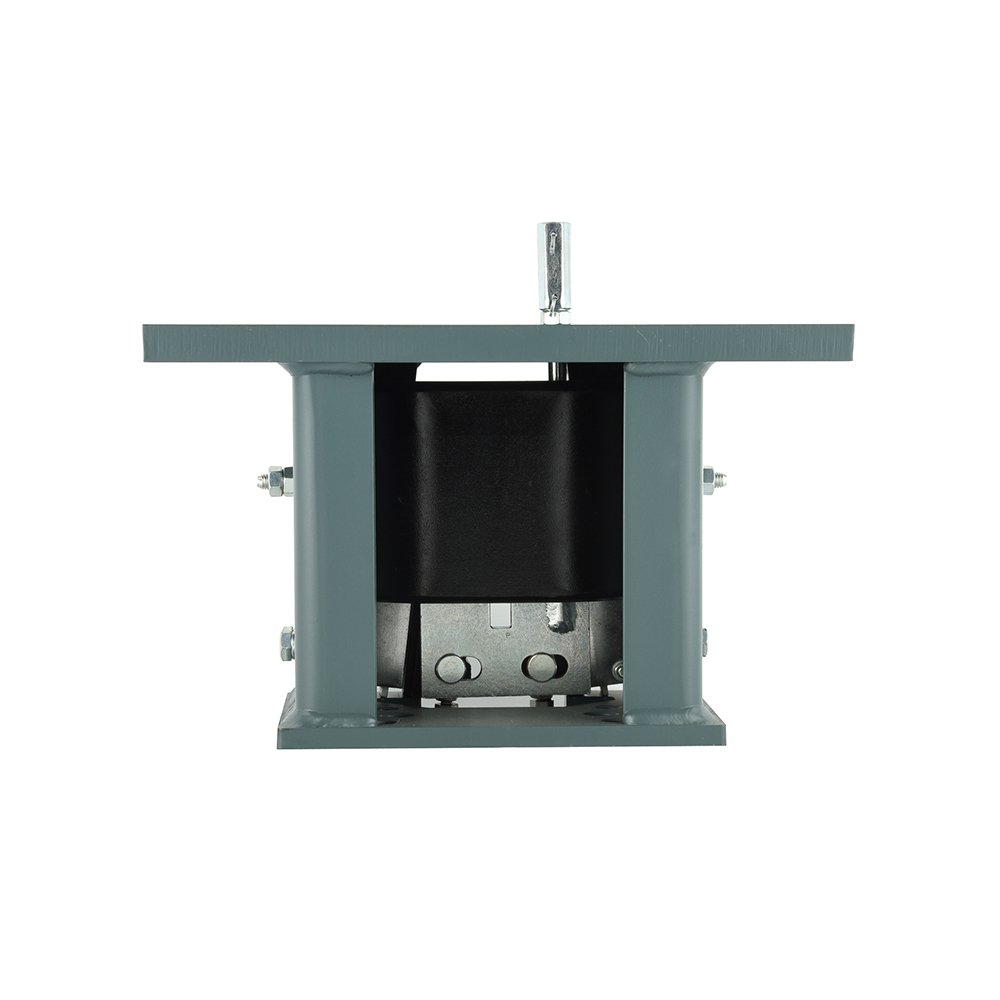
Instantaneous safety gear is a mechanical braking device fitted to an elevator car that stops the car abruptly by clamping directly onto the guide rails the moment it is triggered, typically by an overspeed governor. It is one of two primary safety gear categories used in elevator systems, the other being progressive safety gear, and is generally applied to lower-speed elevator installations.
What Is the Purpose of Safety Gear?
Safety gear exists as a mechanical backup to an elevator's normal braking and control systems. If the car begins to descend faster than its rated speed, whether due to a suspension rope failure, a control system fault, or another mechanical issue, safety gear physically arrests the car's motion by gripping the guide rails. This provides a last-resort mechanical stop that does not depend on the elevator's electrical or hydraulic systems remaining functional.
The Four Major Types of Elevator Safety Devices
| Device | Function |
| Overspeed governor | Monitors car speed and triggers the safety gear if a preset overspeed threshold is exceeded |
| Safety gear (car safety) | Mechanically grips the guide rails to stop the car once triggered by the governor |
| Buffers | Absorb impact energy at the top or bottom of the shaft if the car reaches the pit or overhead space |
| Terminal and final limit switches | Cut power to the drive system if the car travels beyond its normal operating range |
These four devices work together as layered protection: the governor detects the problem, the safety gear provides the mechanical stop, and buffers and limit switches serve as additional safeguards if the car still reaches the extreme ends of the shaft.
What Is Safety Gear in an Elevator?
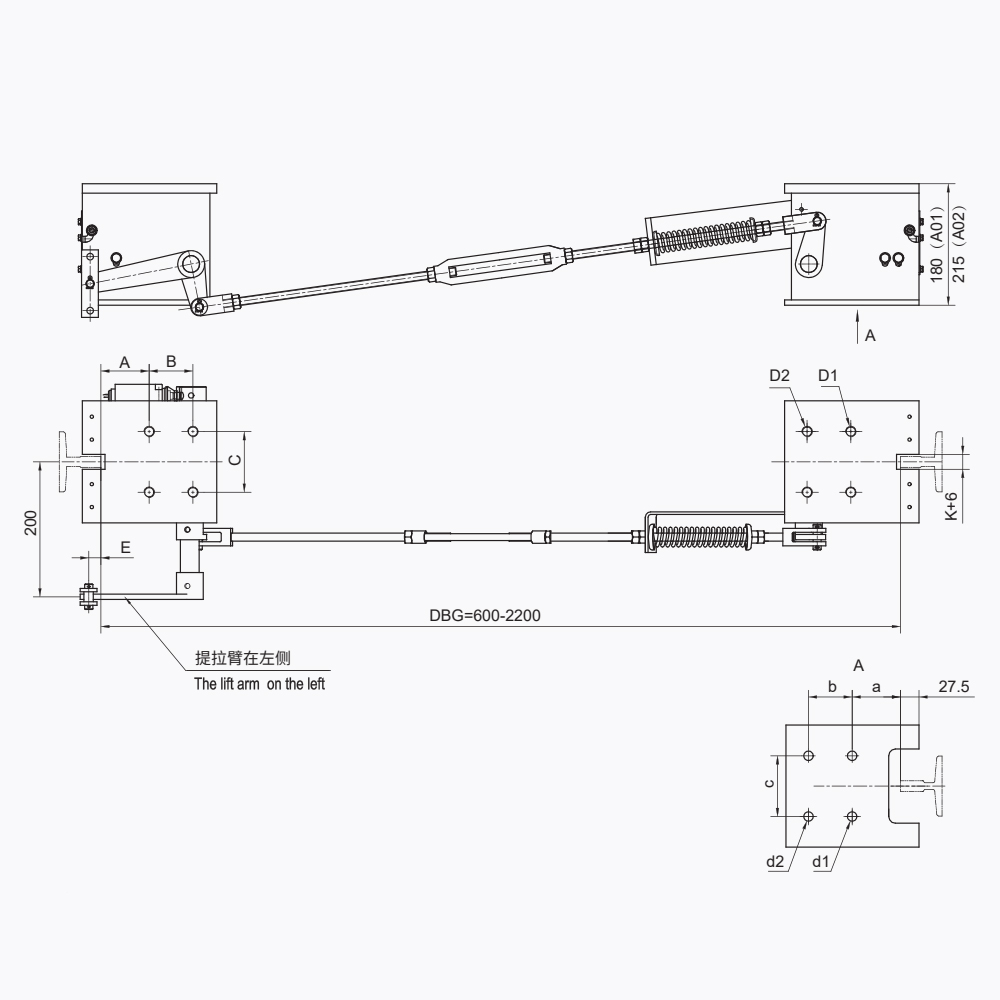
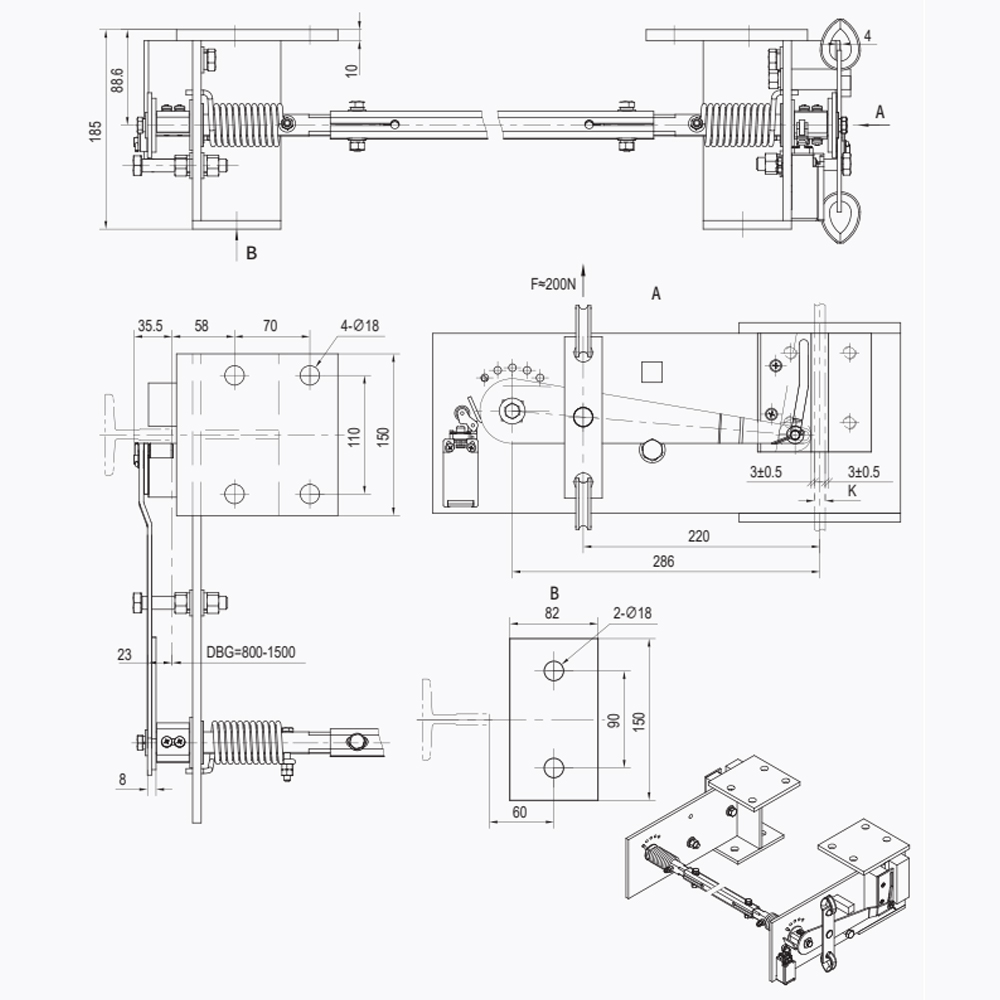
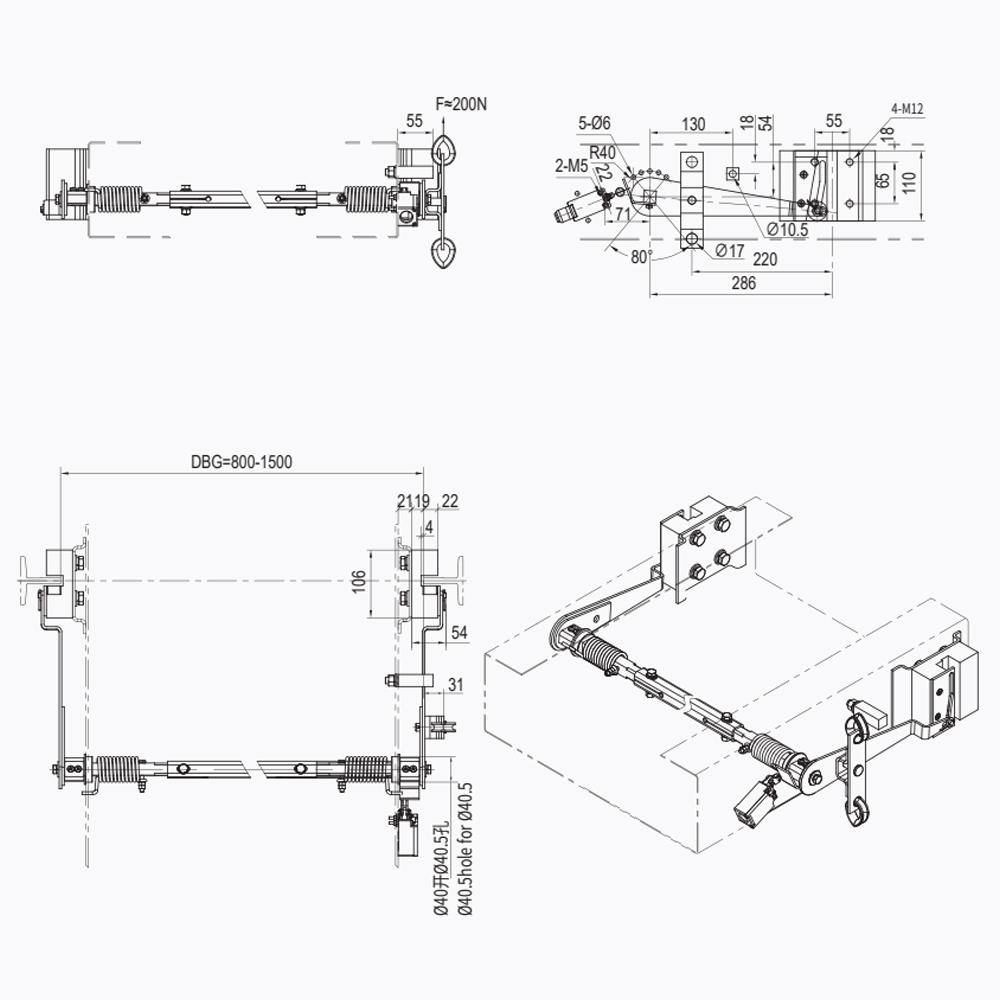
Safety gear refers specifically to the mechanical assembly mounted to the car frame that engages the guide rails when triggered. It is connected to the overspeed governor by a rope or linkage, so that when the governor detects excessive descent speed, it releases a mechanism that forces wedge or roller components against the guide rail surfaces, generating friction sufficient to stop the car.
What Is Instantaneous Safety Gear in an Elevator?
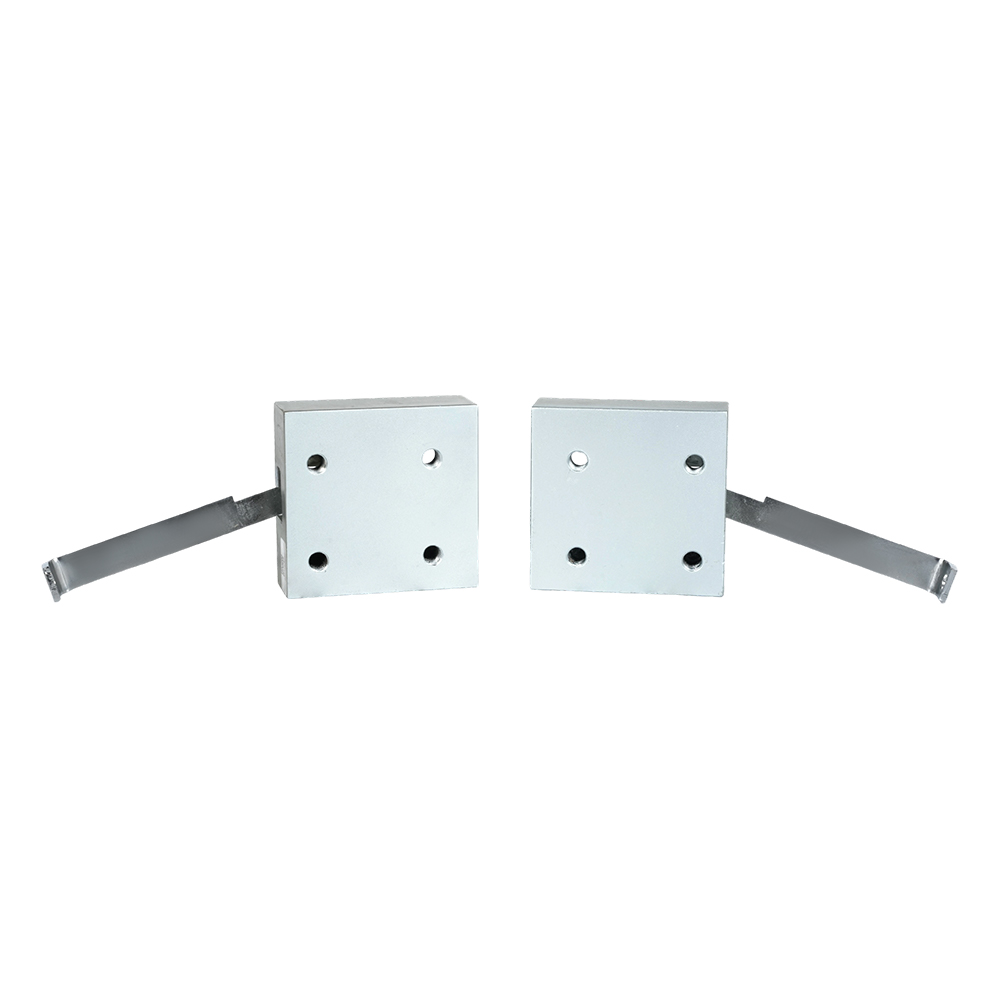
Instantaneous safety gear engages the guide rails and brings the car to a stop in a very short distance, without a controlled deceleration phase. Once triggered, the wedge or clamp mechanism locks onto the rail almost immediately, producing a rapid stop rather than a gradual one. This design is mechanically simpler than progressive safety gear and is generally limited to elevators operating at lower rated speeds, since the abrupt stopping force it generates would create excessive deceleration loads at higher speeds.
Simplified engagement principle: on activation, wedge blocks are forced against both guide rails, generating immediate stopping friction.
Progressive vs. Instantaneous Safety Gear
| Factor | Instantaneous Safety Gear | Progressive Safety Gear |
| Stopping behavior | Rapid stop with minimal travel after engagement | Gradual, controlled deceleration over a longer distance |
| Mechanical complexity | Simpler wedge or roller clamp design | Includes spring or energy-dissipating elements to control force |
| Typical rated speed range | Lower-speed elevators | Higher-speed elevators |
| Deceleration force on occupants | Higher, due to abrupt stop | Lower, due to controlled deceleration |
| Common application | Residential and light freight elevators | Passenger elevators with higher travel speeds |
What Type of Elevator Safeties Are Instantaneous?
Instantaneous safety gear is generally specified for elevators with lower rated speeds, since the stopping force it generates does not scale well to higher-speed applications. Many regional elevator codes define a speed threshold above which progressive safety gear is required instead, precisely because the deceleration forces produced by an instantaneous stop at higher speed would exceed acceptable limits for occupant safety and structural loading on the car and guide rails.
Technical Specifications and Key Performance Factors
| Specification | Typical Range or Consideration |
| Engagement mechanism | Wedge or roller clamp acting directly on guide rail surfaces |
| Trigger source | Overspeed governor rope or mechanical linkage |
| Applicable speed range | Generally limited to lower-speed elevator applications |
| Guide rail compatibility | Matched to specific rail profile and material |
| Reset method | Manual reset typically required after activation |
| Mounting location | Attached to the car frame, engaging both guide rails simultaneously |
Application Scenarios
- Residential elevators: Lower-speed installations where abrupt stopping forces remain within acceptable limits.
- Light freight elevators: Goods-carrying applications where occupant comfort during a stop is a lower priority than mechanical simplicity.
- Low-rise passenger elevators: Buildings with limited travel height where rated speeds remain within the range suited to instantaneous engagement.
- Retrofit and modernization projects: Replacement safety gear matched to existing car speed ratings during equipment upgrades.
Selection Considerations and Purchasing Factors
Choosing appropriate safety gear for an elevator installation depends on matching the device to the car's rated speed, guide rail profile, and applicable code requirements rather than selecting based on mechanical simplicity alone.
- Rated car speed: Confirm the elevator's rated speed falls within the range permitted for instantaneous engagement under the applicable code.
- Guide rail profile and material: The safety gear's clamping mechanism must match the specific rail dimensions used in the installation.
- Governor compatibility: The safety gear's trigger linkage must be compatible with the overspeed governor's rope size and tripping mechanism.
- Applicable code and inspection requirements: Local elevator codes define testing, certification, and periodic inspection requirements for safety gear.
Installation, Maintenance, and Operation Recommendations
Safety gear should be installed with the clamping mechanism aligned precisely to the guide rail surface, since misalignment can affect how evenly the wedge or roller engages during activation. Periodic inspection should confirm that linkage components move freely and that no corrosion or debris has accumulated on the guide rail surfaces where the mechanism engages. After any activation, whether during testing or an actual overspeed event, the safety gear should be reset and inspected before the elevator returns to service, since the clamping surfaces may show wear after engagement.
Common Mistakes and Overlooked Considerations
- Mismatched speed rating: Installing instantaneous safety gear on a car rated above its suited speed range can result in stopping forces beyond acceptable limits.
- Overlooking rail alignment tolerances: Guide rail misalignment can prevent even engagement of the clamping mechanism across both rails.
- Skipping post-activation inspection: Returning a car to service without inspecting the safety gear after activation can leave worn components in place.
- Assuming governor and safety gear are interchangeable across models: Linkage and rope compatibility must be verified rather than assumed.
Conclusion
Instantaneous safety gear provides a mechanically simple, rapid-stopping safeguard for lower-speed elevator applications, engaging the guide rails directly once triggered by the overspeed governor. Matching the device to the car's rated speed, guide rail profile, and applicable code requirements, along with regular inspection, supports reliable performance of this mechanical safety layer over the life of the installation.
Frequently Asked Questions
What are the four major types of safety devices in an elevator?
The overspeed governor, safety gear, buffers, and terminal or final limit switches work together as layered mechanical and electrical safeguards.
What is the purpose of safety gear?
It provides a mechanical backup that stops the car by gripping the guide rails if an overspeed condition is detected, independent of the elevator's electrical or hydraulic systems.
What is the safety gear in an elevator?
It is the mechanical assembly mounted to the car frame that engages the guide rails when triggered by the overspeed governor.
What is instantaneous safety gear in an elevator?
It is a type of safety gear that stops the car abruptly, with minimal travel after engagement, generally used on lower-speed elevators.
What type of elevator safeties are instantaneous?
Safeties rated for lower car speeds typically use instantaneous engagement, while higher-speed elevators generally require progressive safety gear instead.
How does progressive safety gear differ from instantaneous safety gear?
Progressive safety gear decelerates the car gradually using energy-dissipating elements, while instantaneous safety gear stops the car abruptly through direct clamping force.