
 English
 中文简体
中文简体 русский
 Español
 Deutsch


Progressive Safety Gear Elevator: Mechanism, Types & Selection
Content
- 1 What Is a Progressive Safety Gear?
- 2 How Progressive Safety Gear Works
- 3 Technical Specifications and Performance Factors
- 4 Types of Elevator Safety Gear
- 5 Progressive vs. Instantaneous Safety Gear: Key Differences
- 6 Application Scenarios
- 7 Selection Considerations
- 8 Installation, Testing, and Maintenance Recommendations
- 9 Common Mistakes and Overlooked Considerations
- 10 Who Uses Elevator Safety Gear, and When It Applies
- 11 Industry Trends and Future Outlook
- 12 Conclusion
- 13 Frequently Asked Questions
- 13.1 What is a progressive safety gear?
- 13.2 What is the safety gear on an elevator?
- 13.3 How many types of safety gear are there in an elevator?
- 13.4 What is the difference between instantaneous and progressive safety gear?
- 13.5 Who uses the elevator safety gear?
- 13.6 When should a progressive safety gear be used, and when not to?
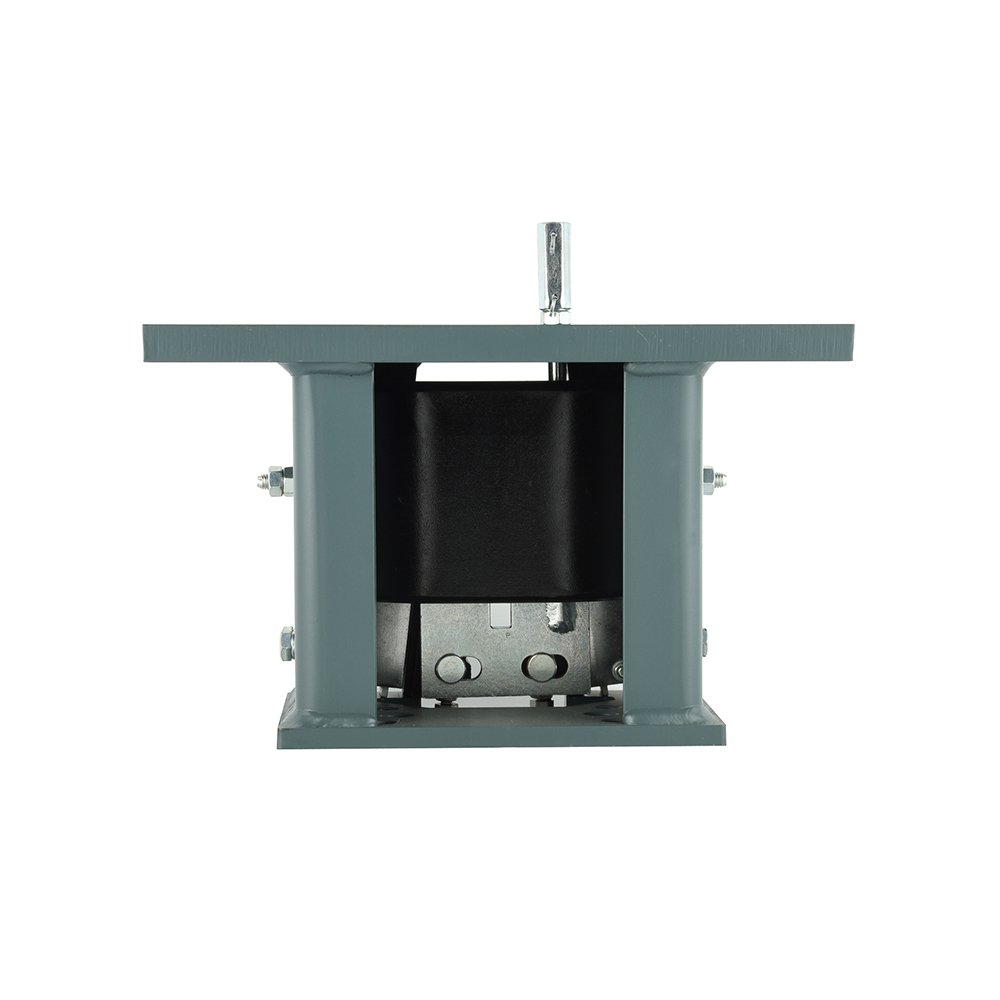
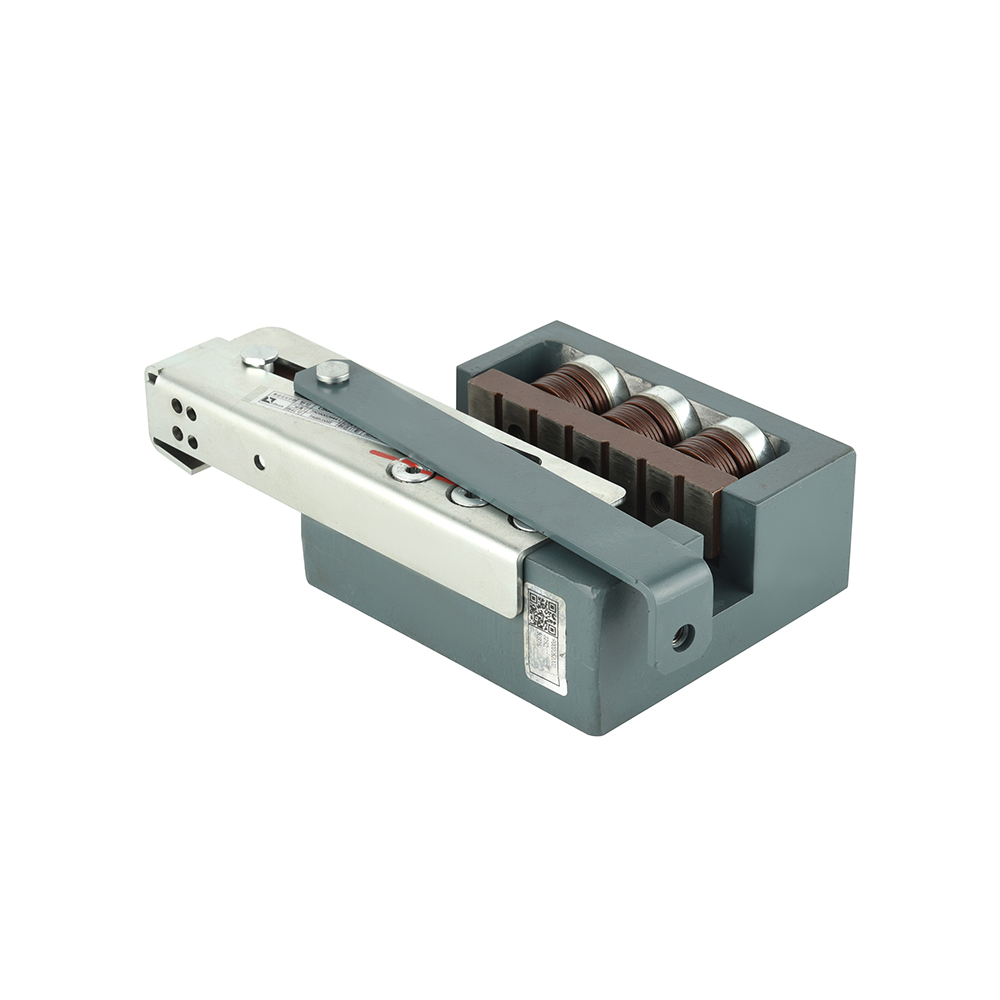
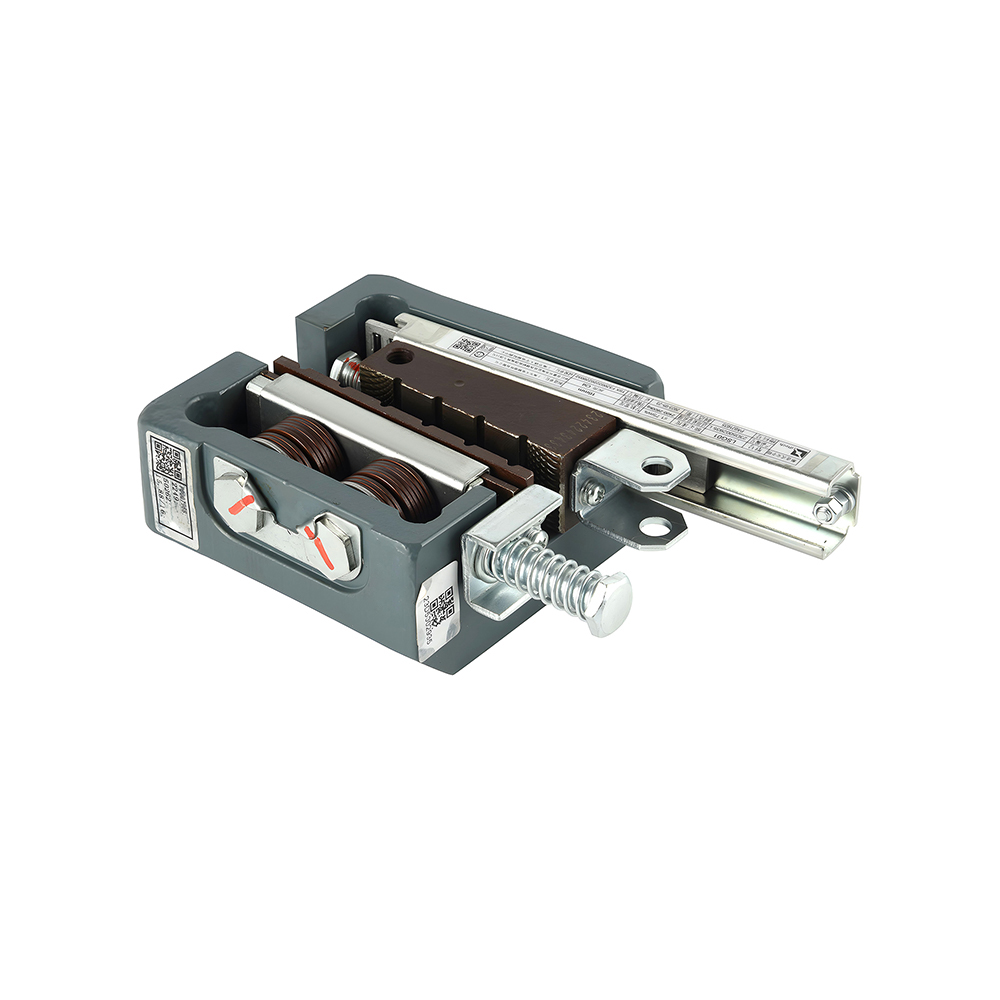
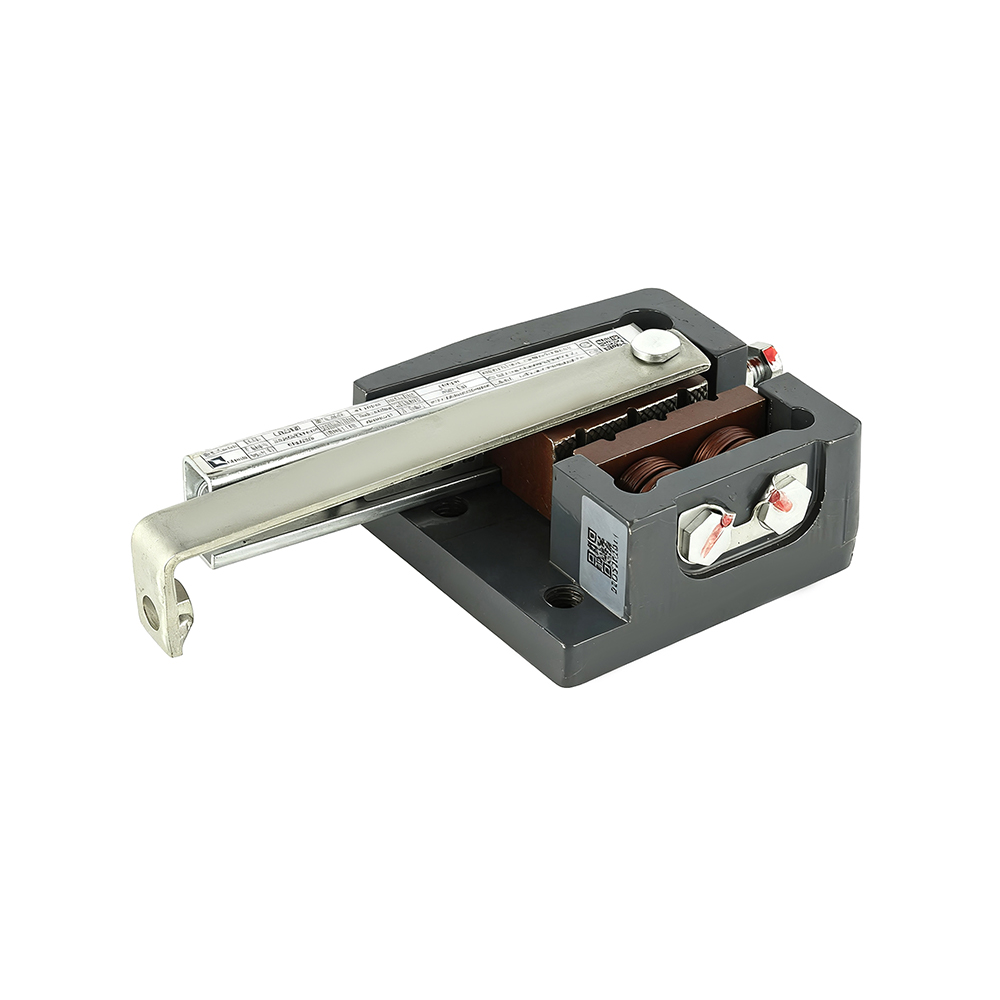
Progressive safety gear elevator systems are mechanical over-speed protection devices that bring a descending elevator car to a controlled stop by gradually clamping onto the guide rails, rather than stopping it abruptly. This gradual braking action distinguishes progressive safety gear from instantaneous designs and makes it the standard choice for higher-speed elevator installations where a sudden stop would place excessive mechanical stress on the car, ropes, and passengers.
What Is a Progressive Safety Gear?
A progressive safety gear is a mechanical braking device mounted beneath the elevator car that engages the guide rails when the car exceeds a predetermined over-speed threshold, typically during an uncontrolled descent. Unlike a fixed braking force that stops the car instantly, a progressive safety gear applies clamping force gradually, allowing a controlled deceleration over a defined stopping distance. This design limits the deceleration force experienced by passengers and reduces mechanical shock transmitted through the car frame, suspension ropes, and building structure.
Progressive safety gear is a required component in most elevator installations governed by modern safety codes, and its activation is directly linked to a separate device called the overspeed governor, which monitors car speed independently of the main drive system and triggers the safety gear mechanically if a set speed threshold is exceeded.
The distinction between progressive and other safety gear types is not simply a matter of design preference — it reflects a direct engineering relationship between car speed, deceleration force, and passenger safety. At higher operating speeds, the kinetic energy involved in an uncontrolled descent increases substantially, and stopping the car too abruptly at that point would subject the car frame, suspension system, and occupants to deceleration forces well beyond acceptable limits. Progressive safety gear addresses this by extending the stopping event over a longer, controlled distance, which spreads the same total energy dissipation across a longer time period and a correspondingly lower peak force.
How Progressive Safety Gear Works
Over-Speed Detection
The governor, connected to the car by a rope loop, rotates in proportion to car speed. When speed exceeds the rated threshold, the governor mechanism triggers.
Governor Rope Engagement
The triggered governor grips its rope, which is anchored to the safety gear linkage on the car, converting the car's downward motion into an activating force.
Wedge or Roller Actuation
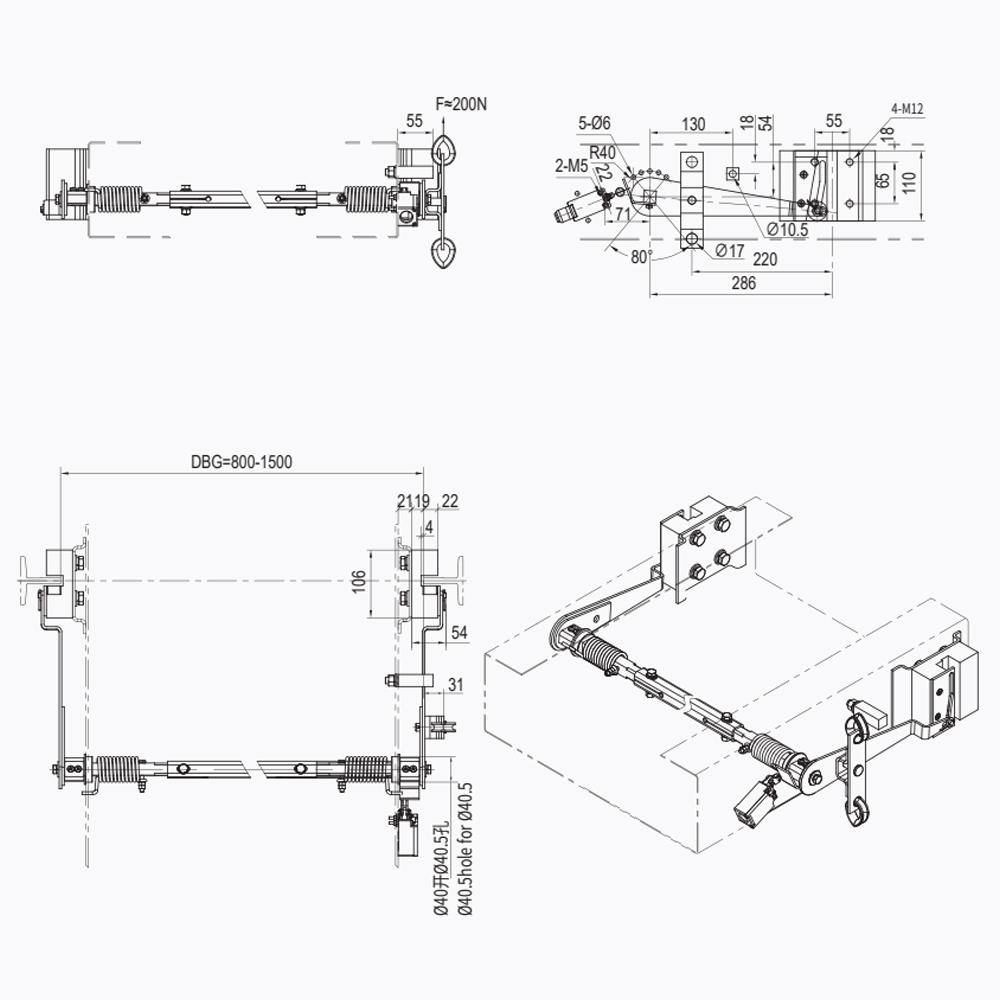
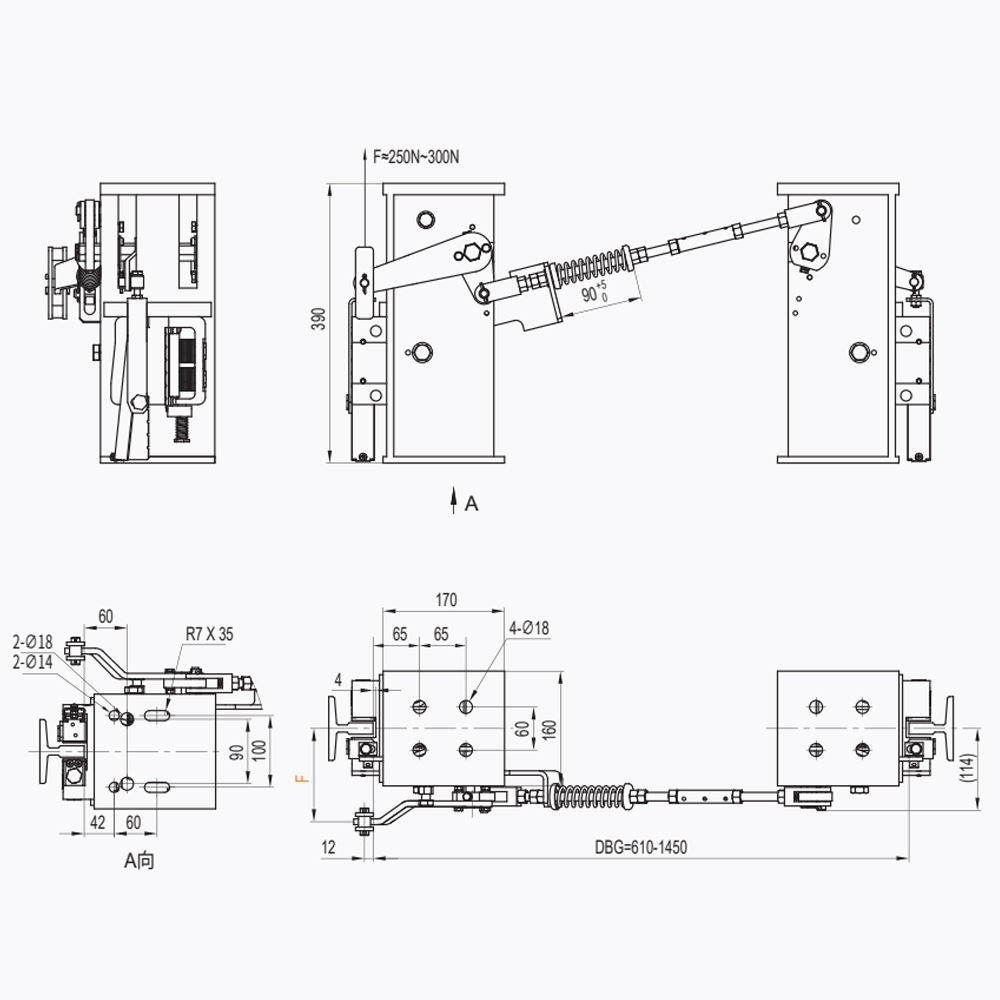
The activating force lifts or rotates the safety gear's wedge or roller elements, bringing them into contact with the guide rail surfaces on both sides of the car.
Progressive Clamping
Clamping force increases gradually rather than instantly, often through a spring-loaded or hydraulic damping element, producing controlled deceleration rather than a sudden halt.
Controlled Stop
The car decelerates smoothly to a full stop within the calculated stopping distance, after which maintenance personnel reset the mechanism before the elevator returns to service.
Reset requirement: A progressive safety gear activation is a protective event, not a routine occurrence. Once triggered, the elevator should remain out of service until the safety gear is reset and inspected by qualified maintenance personnel, and the cause of the over-speed condition should be identified before the unit returns to normal operation.
Resetting a progressive safety gear typically requires either raising the car slightly to release clamping pressure or, on some designs, manually retracting the wedge or roller mechanism using a dedicated reset procedure specified by the manufacturer. Attempting to move the car under drive power while the safety gear remains engaged can cause additional mechanical damage, which is why reset procedures consistently call for confirming full mechanism release before restoring normal operation.
Technical Specifications and Performance Factors
| Parameter | Typical Range | Relevance |
|---|---|---|
| Rated Elevator Speed | 1.0 – 7.0 m/s | Higher speeds generally require progressive rather than instantaneous safety gear |
| Activation Speed (Overspeed Trip) | 115% – 140% of rated speed | Set according to applicable elevator code and governor calibration |
| Braking Deceleration | 0.2g – 1.0g | Must remain within passenger comfort and structural safety limits |
| Guide Rail Compatibility | T-section steel guide rails, standard profile widths | Wedge and roller geometry must match the specific rail profile in use |
| Rated Load Capacity | Matched to car rated load plus safety margin | Safety gear must be sized for full rated load, not average operating load |
Deceleration rate is one of the more critical specifications to review during selection, since a rate that is too aggressive can cause structural stress or passenger injury, while a rate that is too gradual may not stop the car within the available shaft clearance below the lowest landing.
Construction materials also factor into overall performance and service life. Wedge and roller elements are typically manufactured from hardened steel or specialized friction alloys designed to maintain consistent clamping performance across repeated activations without excessive surface wear. The housing and linkage components are generally forged or machined steel, selected for structural rigidity under the substantial mechanical loads generated during an activation event. Spring or hydraulic damping elements, where used, require periodic inspection since their condition directly affects how smoothly clamping force is applied during a real activation.
Types of Elevator Safety Gear
Elevator codes generally recognize a small number of distinct safety gear categories, each suited to a different speed range and application.
| Type | Braking Action | Typical Speed Range |
|---|---|---|
| Instantaneous Safety Gear | Immediate, near-full clamping force applied at activation | Low-speed elevators, generally below 0.63 m/s |
| Instantaneous with Buffered Effect | Near-immediate clamping with a supplementary damping element to soften the stop | Moderate-speed elevators |
| Progressive Safety Gear | Gradually increasing clamping force over a controlled stopping distance | Higher-speed elevators, generally above 1.0 m/s |
In practice, most elevator codes tie the required safety gear type directly to rated car speed, which means the selection is often determined by the elevator's speed classification rather than by open preference during specification.
It is worth noting that some codes also distinguish between safety gear applied to the car itself and, in certain configurations, a separate counterweight safety gear. While the core clamping mechanism is similar in principle, counterweight safety gear is typically sized and calibrated independently, based on the counterweight's mass and travel characteristics rather than the car's rated load, and is specified as a distinct component within the overall elevator safety system.
Progressive vs. Instantaneous Safety Gear: Key Differences
Progressive Safety Gear
- Gradual, controlled deceleration
- Lower peak mechanical shock on car and ropes
- Suited to higher-speed elevators
- More complex mechanism with damping elements
- Typically requires more frequent calibration checks
Instantaneous Safety Gear
- Rapid, near-immediate stop
- Higher peak mechanical shock at activation
- Suited to low-speed elevators only
- Simpler mechanical construction
- Generally lower maintenance complexity
The core distinction comes down to how quickly clamping force is applied. Instantaneous designs are mechanically simpler and adequate for the lower deceleration forces involved at low car speeds, but the same abrupt stopping action becomes structurally and physically unsuitable once car speed increases, which is why progressive designs are specified for the majority of mid- to high-speed passenger and freight elevators.
It is also worth noting that the two categories are not simply interchangeable upgrades or downgrades of one another. A progressive safety gear is not simply an instantaneous unit with added damping — the internal mechanism, activation linkage, and calibration process differ in ways that are specific to each design. This means retrofitting an existing low-speed installation with progressive safety gear typically involves a broader compatibility review rather than a direct component swap, particularly where guide rail profile, governor calibration, and available pit clearance were originally specified around an instantaneous-type device.
Application Scenarios
- High-rise passenger elevators — where higher rated speeds make gradual deceleration necessary to maintain passenger comfort and structural safety margins.
- Freight and goods elevators — where variable and often heavier loads require a safety gear rated for full load conditions rather than average use.
- Observation and panoramic elevators — where smooth, controlled stopping is particularly important given the open visual exposure of the car interior.
- High-speed service and equipment elevators — used in commercial towers and industrial facilities where consistent higher-speed operation is standard.
Across each of these scenarios, the underlying requirement is the same: as rated speed and the resulting kinetic energy of the car increase, the need for a controlled, gradual stopping mechanism becomes more pronounced. Facilities with mixed elevator fleets — combining lower-speed service lifts with higher-speed passenger elevators, for example — often specify different safety gear types across the same building, matched individually to each car's rated speed rather than applying a single specification across the entire installation.
Selection Considerations
- Rated car speed — confirm whether the applicable elevator code requires progressive rather than instantaneous safety gear at the intended operating speed.
- Rated load — the safety gear must be sized for the car's full rated load, including any load margin required by the governing code.
- Guide rail profile — wedge or roller geometry must be compatible with the specific guide rail section installed in the hoistway.
- Governor calibration compatibility — the safety gear's activation threshold must be matched to the overspeed governor's trip speed setting for the specific installation.
- Available stopping distance — the calculated stopping distance under full load must fit within the shaft pit clearance available below the lowest landing.
These factors rarely operate independently. A change in rated load, for example, affects the required braking force, which in turn affects the calculated stopping distance and, potentially, the required pit clearance. For this reason, safety gear specification is generally handled as part of the overall elevator system design rather than as a standalone component decision made after the rest of the installation has already been finalized.
Installation, Testing, and Maintenance Recommendations
Progressive safety gear should be installed with precise alignment between the wedge or roller mechanism and the guide rail surfaces, since even minor misalignment can cause uneven clamping force distribution during activation. Initial commissioning typically includes a controlled overspeed test, performed under defined load and speed conditions, to confirm that the safety gear activates within the specified deceleration range before the elevator is placed into regular service.
Routine maintenance should include periodic inspection of the wedge or roller surfaces for wear, verification that the linkage mechanism moves freely without binding, and confirmation that the governor rope and its connection to the safety gear remain properly tensioned. Many jurisdictions require periodic overspeed testing at defined intervals throughout the elevator's service life, not only at initial installation, to confirm the safety gear continues to perform within its rated parameters as components wear over time.
Lubrication practices for the linkage and pivot points should follow the manufacturer's specified schedule and lubricant type, since over-lubrication can attract debris that interferes with mechanism movement, while under-lubrication accelerates wear at pivot surfaces. Maintenance records documenting inspection dates, test results, and any component replacement provide a useful history for identifying gradual performance drift that might not be apparent from a single inspection alone.
Following any safety gear activation, whether during testing or an actual over-speed event, the guide rail surfaces that contacted the wedge or roller elements should also be inspected for scoring or deformation, since damage to the rail surface can affect the performance of subsequent activations even if the safety gear mechanism itself tests within specification.
Common Mistakes and Overlooked Considerations
- Mismatching safety gear type to car speed — installing instantaneous safety gear on an elevator rated for a speed that requires progressive action creates a code compliance issue and a real safety risk.
- Overlooking guide rail profile compatibility — safety gear designed for one rail profile will not clamp correctly on a different profile, even if the nominal rail size appears similar.
- Assuming governor and safety gear calibration remain aligned indefinitely — mechanical wear over time can shift activation thresholds, making periodic recalibration checks necessary rather than optional.
- Underestimating required pit clearance — insufficient shaft pit depth for the calculated stopping distance can compromise the safety margin the system is designed to provide.
- Deferring post-activation inspection — returning an elevator to service after a safety gear activation without a full inspection of both the mechanism and the affected guide rail surfaces can mask developing issues that reduce performance during a future event.
Many of these issues share a common root cause: treating safety gear specification and maintenance as a standard mechanical component rather than as a system whose performance depends on the correct interaction between several separately specified parts, including the governor, the guide rails, and the safety gear mechanism itself. Reviewing these components together, both at initial specification and during ongoing maintenance, produces a more reliable outcome than evaluating each part in isolation.
Who Uses Elevator Safety Gear, and When It Applies
Elevator safety gear is specified by elevator manufacturers, installation contractors, and building engineers responsible for meeting applicable elevator safety codes, and it is a mandatory component on virtually all traction and many hydraulic passenger and freight elevator installations. Progressive safety gear specifically applies wherever rated car speed exceeds the threshold set by the governing code for instantaneous-type devices, which in most jurisdictions covers the majority of mid-rise and high-rise passenger elevators.
Progressive safety gear is not typically specified for very low-speed applications, such as small platform lifts operating well below the speed threshold requiring gradual deceleration, where instantaneous safety gear or alternative protective devices may be more appropriate and cost-effective. Determining which category applies to a specific installation depends on rated speed, car configuration, and the requirements of the applicable elevator safety code for the jurisdiction in question.
Building owners and facility managers, while not typically involved in the technical specification process directly, benefit from understanding the general role safety gear plays within an elevator system, particularly when evaluating modernization projects or reviewing maintenance contractor recommendations. Recognizing that a periodic overspeed test or a recommended component replacement relates directly to a core safety system, rather than a discretionary maintenance item, supports better-informed decisions when weighing maintenance and modernization budgets across a building's elevator portfolio.
Industry Trends and Future Outlook
Elevator safety codes continue to place greater emphasis on electronic monitoring integrated alongside mechanical safety gear, including sensors that track wear patterns and activation history to support predictive maintenance scheduling rather than relying solely on fixed inspection intervals. There is also continued refinement of damping technology within progressive safety gear mechanisms, aimed at further smoothing the deceleration curve to improve passenger comfort during activation without compromising stopping performance. As building heights and elevator speeds continue to increase in dense urban construction, demand for progressive safety gear rated for higher speed and load combinations is expected to remain a consistent factor in elevator component specification.
Material advances are also influencing safety gear design, with newer friction alloy formulations aimed at maintaining consistent clamping performance across a wider range of environmental conditions, including temperature and humidity variation that can otherwise affect friction coefficients at the wedge or roller contact surfaces. Combined with more precise governor calibration technology, these developments are gradually narrowing the tolerance range between required activation thresholds and actual field performance, supporting more consistent safety margins across large elevator installations and multi-building portfolios.
Conclusion
Progressive safety gear plays a defined and code-driven role in elevator safety systems, providing controlled, gradual deceleration for elevators operating at speeds where an instantaneous stop would introduce unacceptable mechanical and passenger risk. Understanding how the mechanism activates, how it differs from instantaneous designs, and which technical specifications govern its selection supports more accurate specification and safer long-term operation across passenger, freight, and specialty elevator installations.
Frequently Asked Questions
What is a progressive safety gear?
A progressive safety gear is a mechanical device mounted under an elevator car that gradually clamps onto the guide rails to bring the car to a controlled stop when it exceeds a set over-speed threshold, rather than stopping it abruptly.
What is the safety gear on an elevator?
The safety gear on an elevator is a braking mechanism, activated by an overspeed governor, that engages the guide rails to stop the car during an uncontrolled descent. It functions as a mechanical backup to the elevator's primary drive and braking systems.
How many types of safety gear are there in an elevator?
Elevator codes generally recognize three main categories: instantaneous safety gear, instantaneous safety gear with a buffered effect, and progressive safety gear, with the applicable type determined largely by the elevator's rated speed.
What is the difference between instantaneous and progressive safety gear?
Instantaneous safety gear applies near-full clamping force immediately upon activation, producing a rapid stop suited to low-speed elevators. Progressive safety gear applies clamping force gradually over a controlled stopping distance, producing a smoother deceleration suited to higher-speed elevators.
Who uses the elevator safety gear?
Elevator safety gear is specified and installed by elevator manufacturers and contractors in accordance with applicable safety codes, and it is present on virtually all traction passenger and freight elevators operating above the low-speed threshold covered by instantaneous devices.
When should a progressive safety gear be used, and when not to?
Progressive safety gear should be used on elevators with rated speeds above the threshold specified by the applicable code for instantaneous-type devices, typically covering most mid- and high-speed passenger and freight elevators. It is generally not required on very low-speed applications, such as small platform lifts, where instantaneous safety gear may be sufficient and more cost-effective.