
 English
 中文简体
中文简体 русский
 Español
 Deutsch


Oil Buffers for Elevators: Complete Guide for Safety and Compliance
Content
A complete technical guide to oil buffers for elevators — safety, performance, and compliance.
Oil Buffers for Elevators
Oil buffers for elevators are critical safety devices installed at the bottom of elevator hoistways to absorb the kinetic energy of a descending car during emergency stops or over-travel events. They provide a controlled deceleration, protecting passengers, equipment, and the building structure from impact forces.
Safety standards
Load capacity
Buffer types
What Are Oil Buffers for Elevators
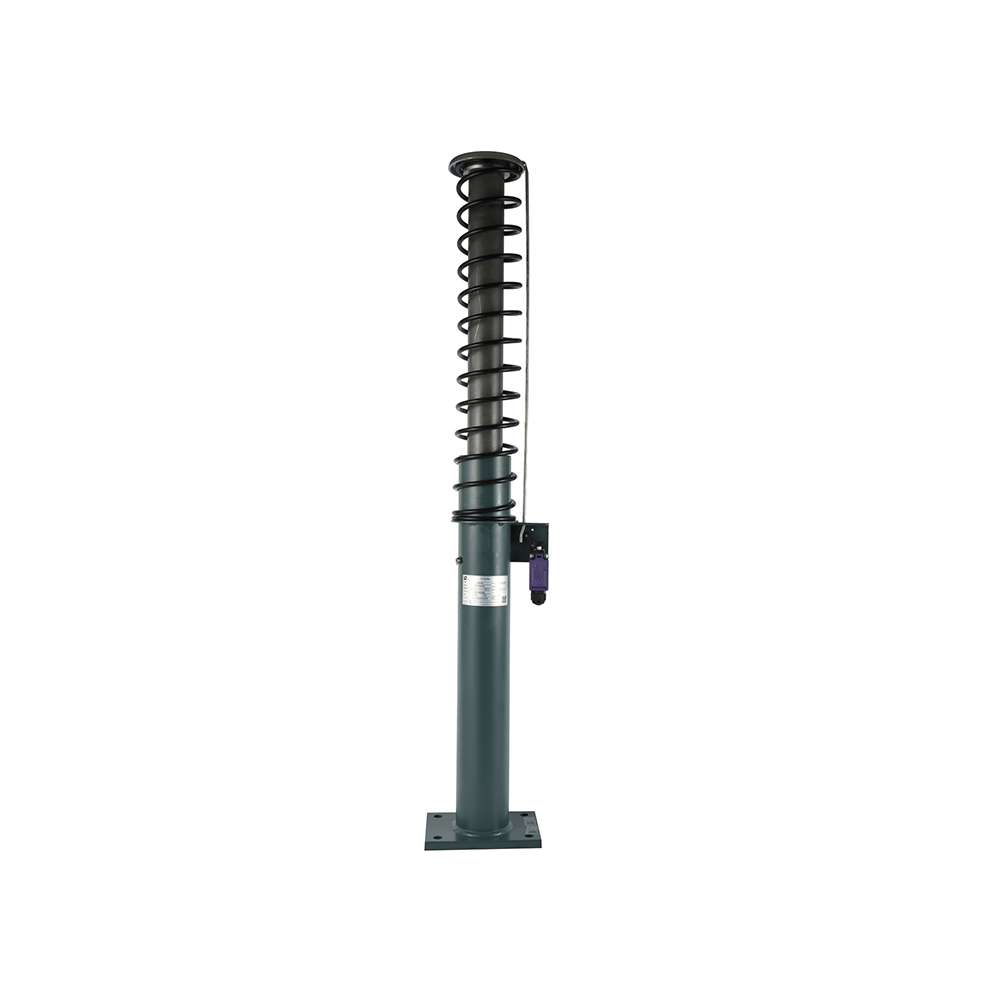
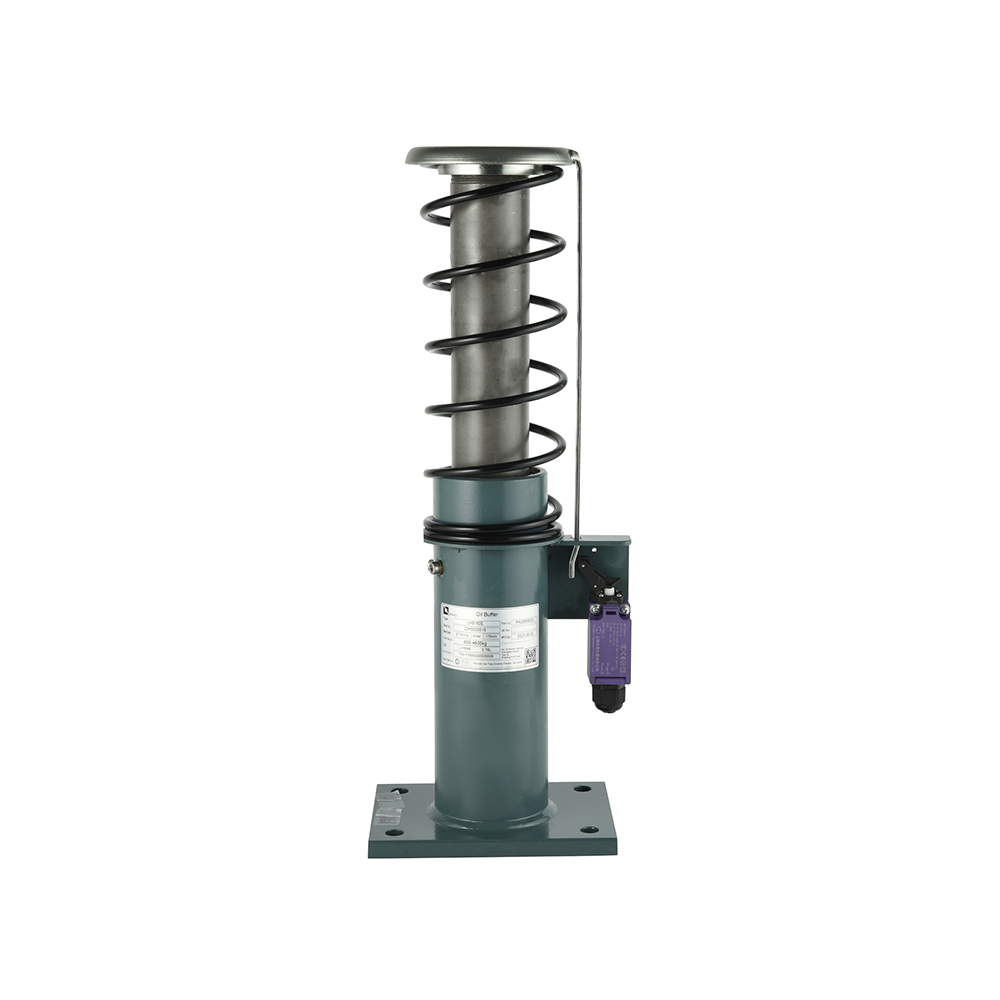
Oil buffers for elevators are passive safety devices installed at the bottom of elevator hoistways to stop an elevator car safely during emergency situations or unintended over-travel. They are designed to absorb the kinetic energy of a descending car by converting it into heat through the compression of oil, providing a controlled, progressive deceleration that minimizes impact forces.
Oil buffers are required by elevator safety codes worldwide, including EN 81 and ASME A17.1, for elevators with speeds exceeding 1 m/s. For slower elevators, spring buffers may be used, but oil buffers are the preferred choice for modern, high-speed systems due to their superior energy absorption characteristics and smooth deceleration profile.
The principle of operation is based on fluid dynamics — when the elevator car contacts the buffer plunger, oil is forced through restricted orifices, creating a damping force that decelerates the car. The design of the orifice system determines the deceleration profile, ensuring that the car comes to a smooth stop without exceeding the maximum permitted deceleration rate.
Oil buffers are the last line of defense in elevator safety — they must work every time, without fail.
How Oil Buffers Work
The operation of an oil buffer for elevators is based on the principle of hydraulic damping. When the elevator car descends and contacts the buffer plunger, the plunger is forced into the oil-filled cylinder, displacing oil through a system of orifices.
The oil flows through the orifices from the high-pressure chamber to the low-pressure chamber, creating a resistance force that decelerates the car. The size and shape of the orifices determine the deceleration profile — progressive orifices provide a constant deceleration rate, while other designs may provide different profiles.
The key components of an oil buffer include:
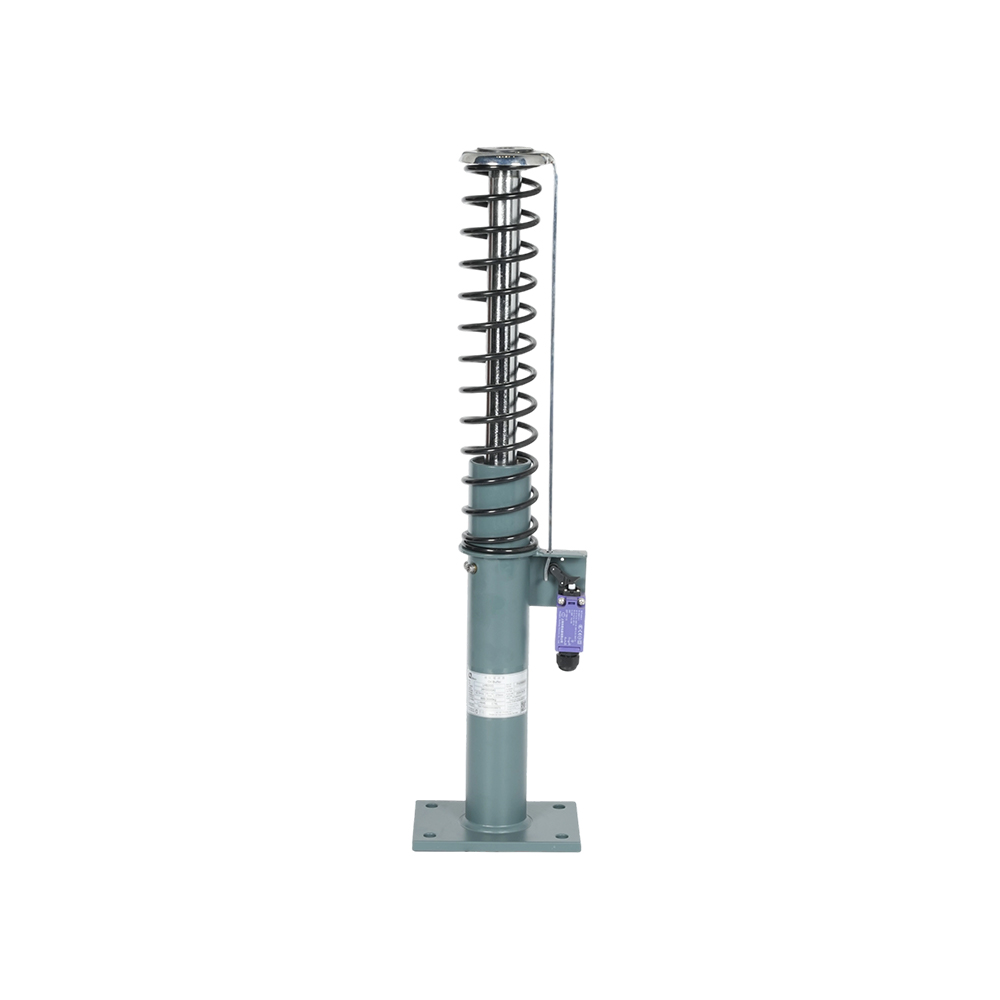
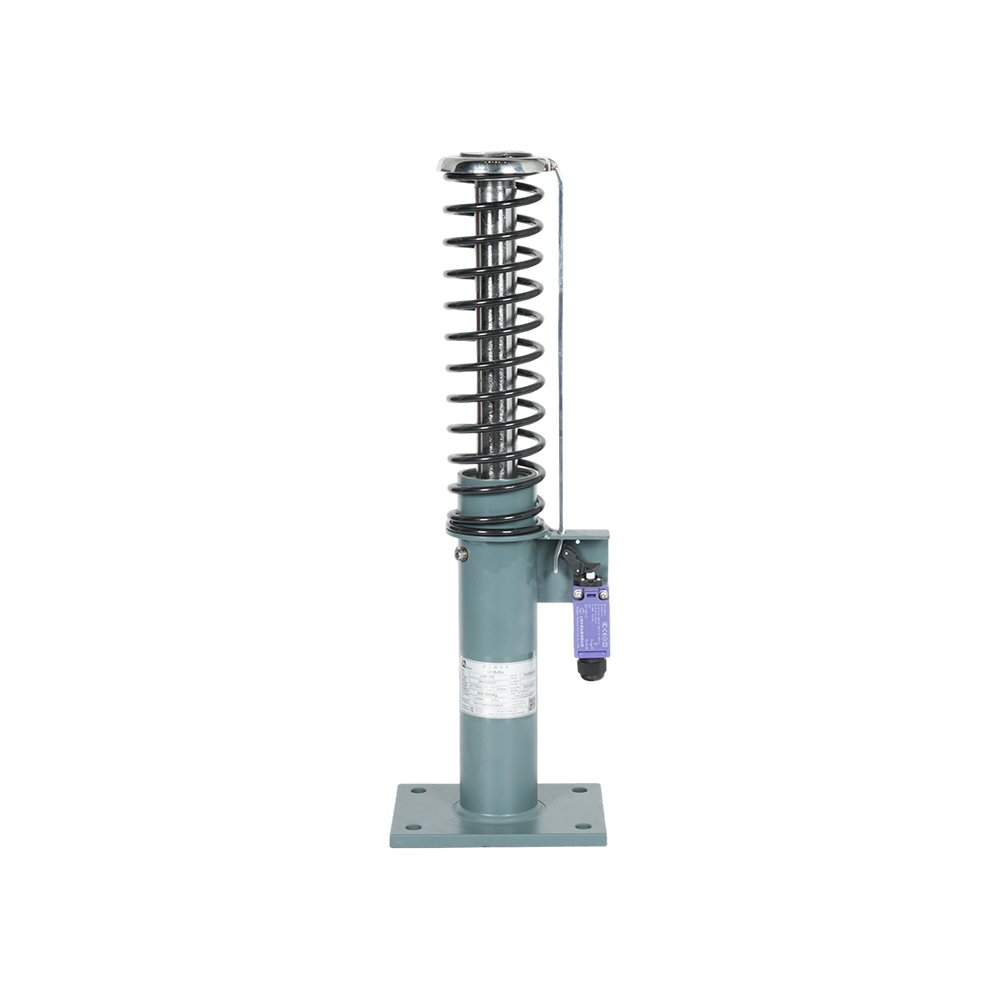
- Cylinder — The main housing that contains the oil and guides the plunger movement. Typically made from steel with precision-machined internal surfaces.
- Plunger — The moving part that is contacted by the elevator car. It is forced into the cylinder during buffer operation.
- Orifice System — Precision-drilled holes or adjustable valves that control the oil flow and determine the deceleration characteristics.
- Oil — Special hydraulic oil with specific viscosity and thermal properties that ensure consistent performance across a wide temperature range.
- Return Spring — A spring that returns the plunger to its extended position after the car has been removed from the buffer.
Oil buffers are self-contained devices that require no external power source. They are designed to be maintenance-free for long periods, with the oil providing both the damping medium and the lubrication for moving parts.
Types of Oil Buffers
Oil buffers for elevators are available in several configurations, each designed to meet specific performance requirements and installation conditions.
The most common type, featuring progressive orifice design that provides a constant deceleration rate throughout the stroke. Suitable for most elevator applications.
Designed to provide a constant deceleration force independent of the car speed. Used in specialized applications where consistent deceleration is critical.
Features adjustable orifices that allow the deceleration characteristics to be tuned for specific applications. Used in custom installations and for testing purposes.
The choice of buffer type depends on factors such as car speed, load capacity, and the required deceleration profile. Progressive buffers are suitable for most applications, while constant force buffers may be specified for high-speed or heavy-load installations.
Applications and Installations
Oil buffers for elevators are essential safety components in virtually all modern elevator installations. They are installed at the bottom of the hoistway and are designed to engage the elevator car in the event of emergency stops, overspeed conditions, or unintended over-travel.
High-speed passenger elevators in commercial and residential buildings require reliable oil buffers for passenger safety.
Industrial and warehouse applications where heavy loads require robust buffer solutions.
Patient transport elevators requiring smooth, reliable stopping to ensure patient comfort and safety.
Elevators in tall buildings with speeds exceeding 2 m/s require specialized high-performance oil buffers.
The installation of oil buffers requires careful consideration of the hoistway dimensions, car weight, and maximum speed. Proper installation ensures that the buffer engages correctly and provides the required stopping distance without exceeding the permissible deceleration limits.
Safety Standards and Compliance
Oil buffers for elevators must comply with international safety standards that define performance requirements, testing procedures, and installation guidelines.
European standard for elevator safety. Specifies buffer requirements including stroke length, deceleration limits, and testing procedures.
American standard for elevator safety. Includes requirements for buffer capacity, deceleration, and periodic testing.
European standard for elevator construction and installation. Covers buffer design and installation requirements.
Compliance with these standards is mandatory in most jurisdictions. Oil buffers must be type-tested by approved bodies and certified for use in elevator installations. Regular inspections and testing are required to maintain compliance and ensure ongoing safety.
Selection Guide
Selecting the right oil buffer for an elevator requires careful consideration of several key parameters. The following guide provides a structured approach to buffer selection:
Calculate the total weight of the car, passengers, and counterweight to determine the required buffer capacity.
Specify the maximum speed of the elevator to ensure the buffer can safely stop the car from that speed.
Use the car weight and speed to calculate the kinetic energy that the buffer must absorb.
Choose between progressive, constant force, or adjustable buffers based on the application requirements.
Ensure the buffer stroke is sufficient to stop the car without exceeding the available clearance.
Verify that the selected buffer meets EN 81 or ASME A17.1 requirements for the specific installation.
Working with an experienced elevator engineer ensures the correct selection and installation of oil buffers for your specific application.
Frequently Asked Questions