
 English
 中文简体
中文简体 русский
 Español
 Deutsch


Precision Overspeed Governor: Complete Guide for Elevator Safety
Content
Precision Overspeed Governor
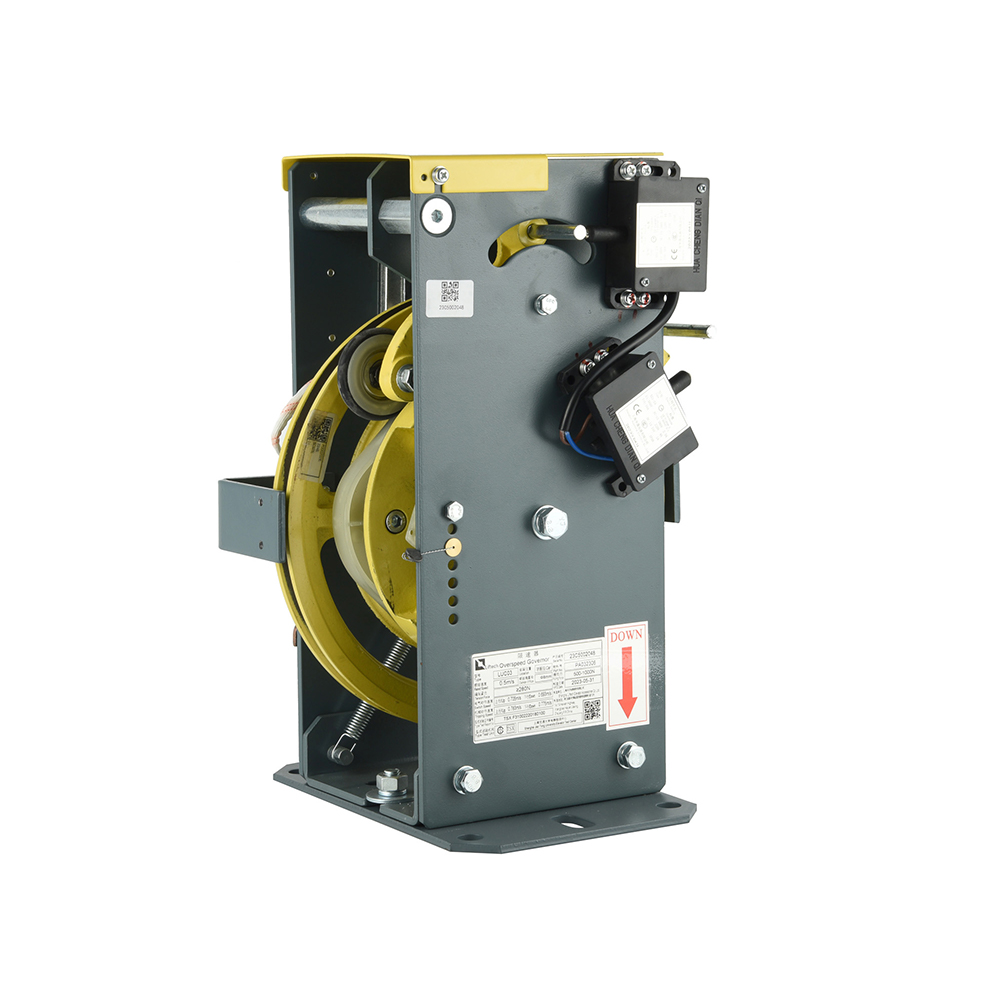
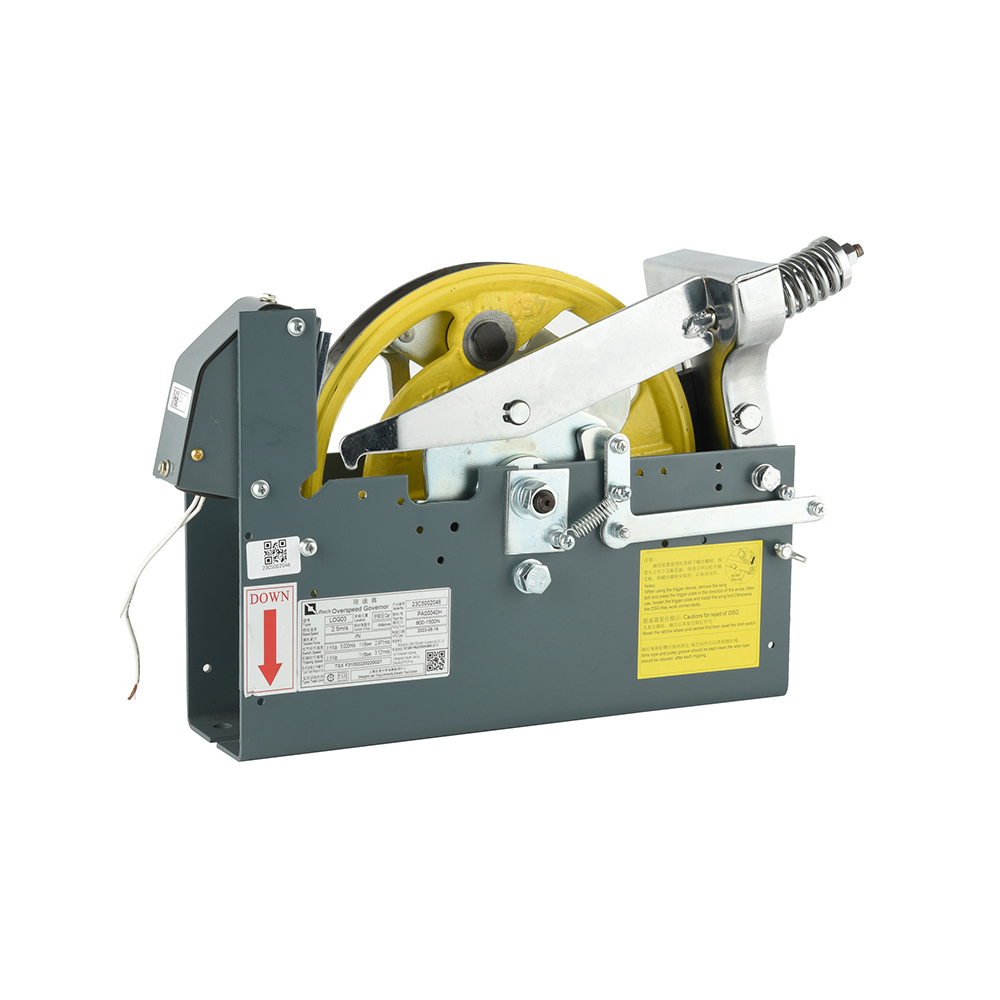
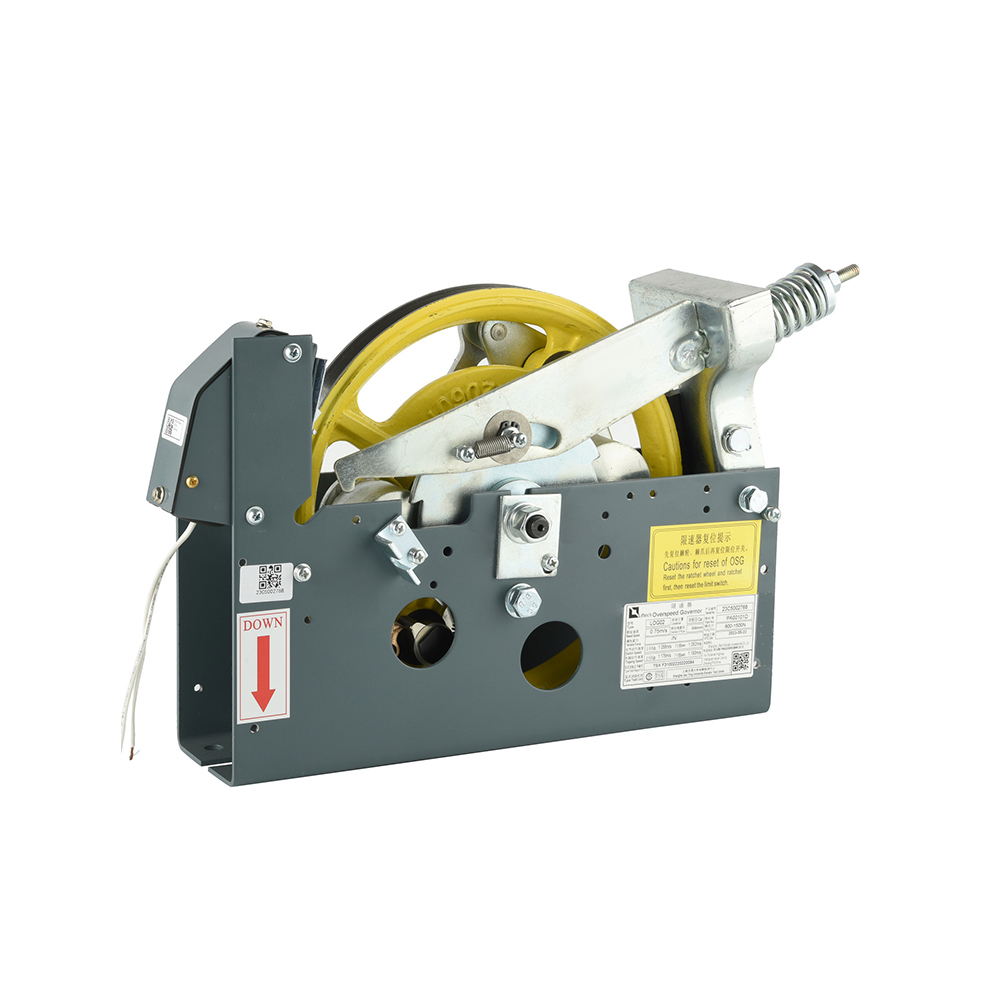
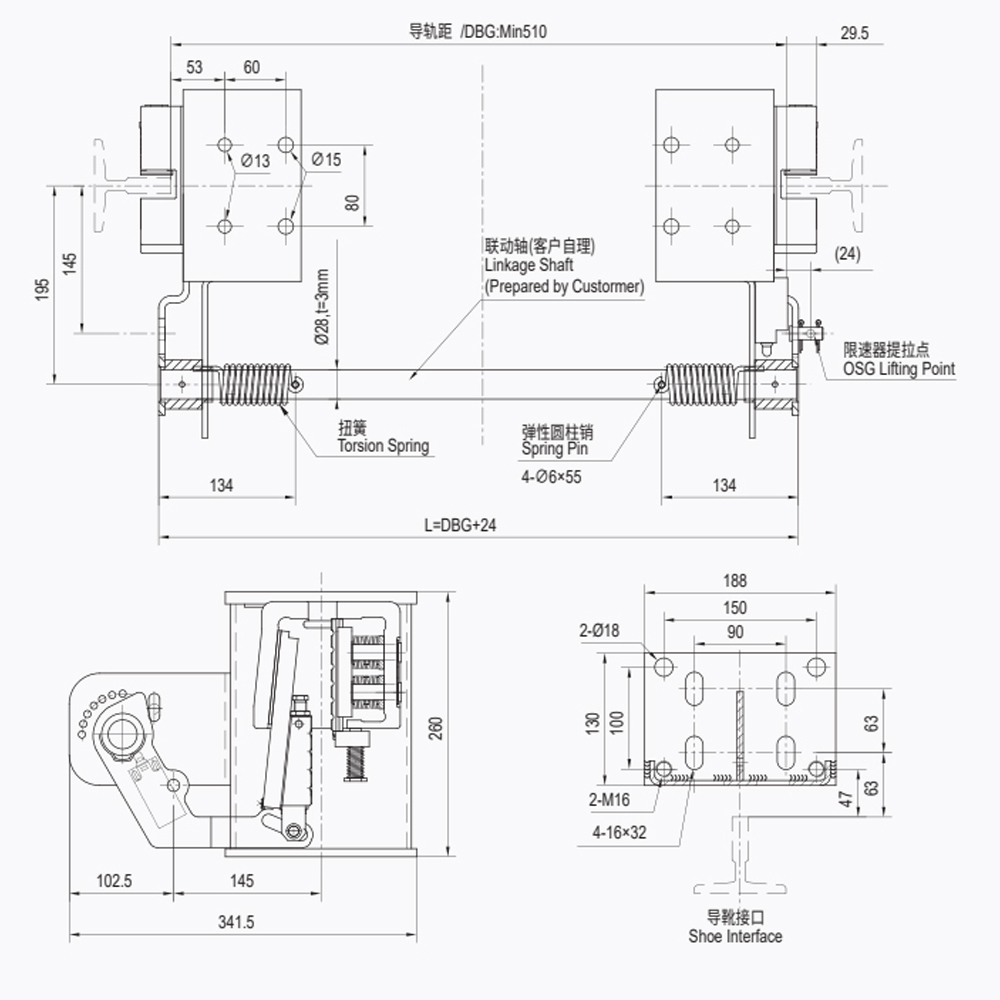
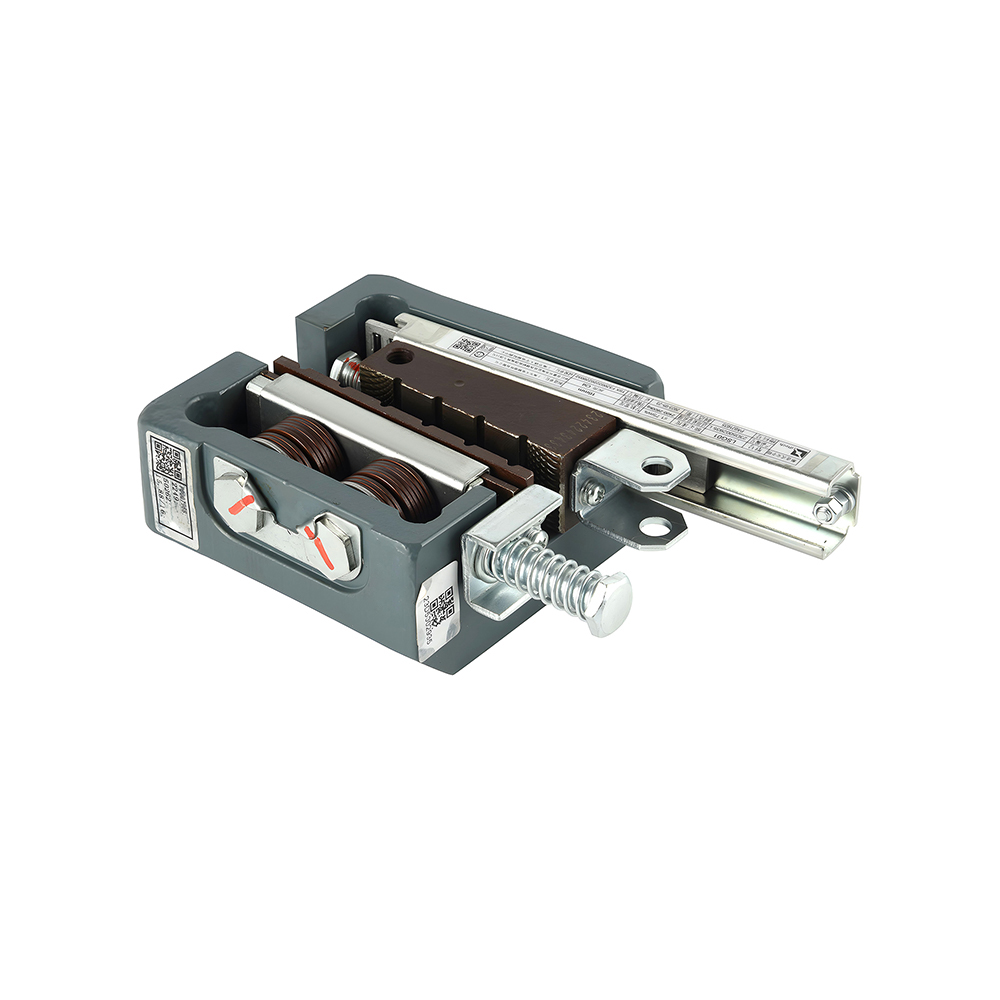
A precision overspeed governor is a critical safety device used in elevators and lifting systems to detect and respond to overspeed conditions. When the elevator car exceeds its designated speed, the governor activates mechanical and electrical safety mechanisms to stop the car and prevent accidents.
Engineered with high-precision components and reliable centrifugal or electronic sensing systems, overspeed governors ensure passenger safety and compliance with international elevator safety standards including EN 81 and ASME A17.1.
What Is a Precision Overspeed Governor
A precision overspeed governor is a mechanical or electromechanical device that continuously monitors the speed of an elevator car. If the car speed exceeds a preset threshold, the governor triggers a safety circuit and activates the car's braking system to bring the elevator to a safe stop.
Overspeed governors are mandatory safety components in modern elevator systems. They are typically installed in the machine room or on the car itself, connected to the car by a tensioned steel rope. Their precision and reliability are essential for protecting passengers and property in both commercial and residential buildings.
How a Precision Overspeed Governor Works
A precision overspeed governor operates through a carefully calibrated sequence of detection and response:
The governor continuously measures the rotational speed of its sheave, which is driven by the elevator car's movement through a tensioned rope. Mechanical flyweights or electronic sensors detect any deviation from the normal operating speed.
When the car speed reaches the overspeed set point, the governor's sensing mechanism activates. In mechanical governors, centrifugal force causes flyweights to extend and engage a triggering mechanism. Electronic governors use speed sensors and controllers to detect the condition.
The governor sends an electrical signal to the elevator control system, cutting power to the motor and activating the emergency braking sequence. This immediate response prevents the car from accelerating further.
If the car continues to overspeed, the governor mechanically trips the car's safety gear, applying wedge or roller brakes to the guide rails. The combination of electrical and mechanical braking brings the car to a safe, controlled stop.
Key Features and Benefits
Precision overspeed governors offer several advantages for elevator safety and reliability:
Advanced sensing technology ensures accurate speed monitoring, minimizing false triggers while providing immediate response to genuine overspeed events.
Both electrical and mechanical activation systems work in parallel, ensuring that the safety circuit is triggered even if one system fails.
Precision bearings, hardened steel components, and corrosion-resistant coatings ensure long service life in demanding elevator environments.
Sealed bearings and self-lubricating components reduce routine maintenance requirements while ensuring consistent performance.
Designed and tested to meet EN 81 and ASME A17.1 safety standards, providing assurance of quality and reliability.
Available in configurations for speeds from 0.5 m/s to 5 m/s, suitable for low-rise, mid-rise, and high-rise elevator applications.
Types of Overspeed Governors
- Uses rotating flyweights and spring tension
- Simple, reliable, proven technology
- Mechanical triggering mechanism
- No external power required
- Ideal for standard elevator applications
- Uses speed sensors and microprocessor control
- Programmable set points and parameters
- Self-diagnostic capabilities
- Requires power supply
- Ideal for high-speed and advanced systems
Applications and Installations
Precision overspeed governors are essential in various elevator and lifting applications:
Commercial and residential buildings requiring reliable overspeed protection for passenger safety.
Industrial and warehouse applications where heavy loads require robust safety equipment.
High-speed elevators in tall buildings requiring precise overspeed detection and rapid response.
Patient transport elevators requiring exceptional reliability and smooth operation.
Frequently Asked Questions
An overspeed governor monitors elevator speed and activates safety mechanisms if the car exceeds its designated speed, preventing accidents and protecting passengers.
Mechanical governors use centrifugal force acting on rotating flyweights. When the car speed exceeds the set point, the flyweights extend outward, triggering a mechanical latch that activates the safety circuit and braking system.
Mechanical governors use centrifugal force and mechanical linkages for speed detection and activation. Electronic governors use sensors and microprocessors, offering programmable set points, self-diagnostic capabilities, and more precise control.
Overspeed governors must comply with international standards including EN 81 and ASME A17.1, which specify design, testing, and performance requirements for elevator safety components.
Regular inspection is required as part of elevator maintenance schedules. Typically, governors should be inspected annually, with load testing and calibration checks performed according to manufacturer recommendations.
Yes, overspeed governors can be retrofitted to existing elevator systems, provided the new governor is compatible with the car weight, speed, and existing safety equipment.
Selecting a precision overspeed governor is essential for elevator safety and code compliance.
Understanding speed requirements, load capacities, and applicable standards ensures the right selection for your elevator application.