
 English
 中文简体
中文简体 русский
 Español
 Deutsch


Elevator Safety Gear Guide | Types, Working Principle, Standards & Maintenance
Content
- 1 What Is Elevator Safety Gear?
- 2 How Elevator Safety Gear Works (Step-by-Step)
- 3 Key Components of Elevator Safety Gear
- 4 Types of Elevator Safety Gear
- 5 Technical Specifications Explained
- 6 Progressive vs. Instantaneous Safety Gear
- 7 The Role of the Overspeed Governor
- 8 Real-World Applications and Scenarios
- 9 Common Misconceptions and Interesting Facts
- 10 Maintenance and Inspection
- 11 Why Elevator Safety Gear Matters
- 12 Key Takeaway
- 13 Frequently Asked Questions
Every day, billions of people step into elevators without a second thought about what keeps them safe. But beneath the smooth ride and automatic doors lies a critical mechanical device known as elevator safety gear — the emergency braking system designed to stop a falling elevator car. This guide explains what elevator safety gear is, how it works, the different types available, and why it is one of the most important innovations in vertical transportation.
What Is Elevator Safety Gear?
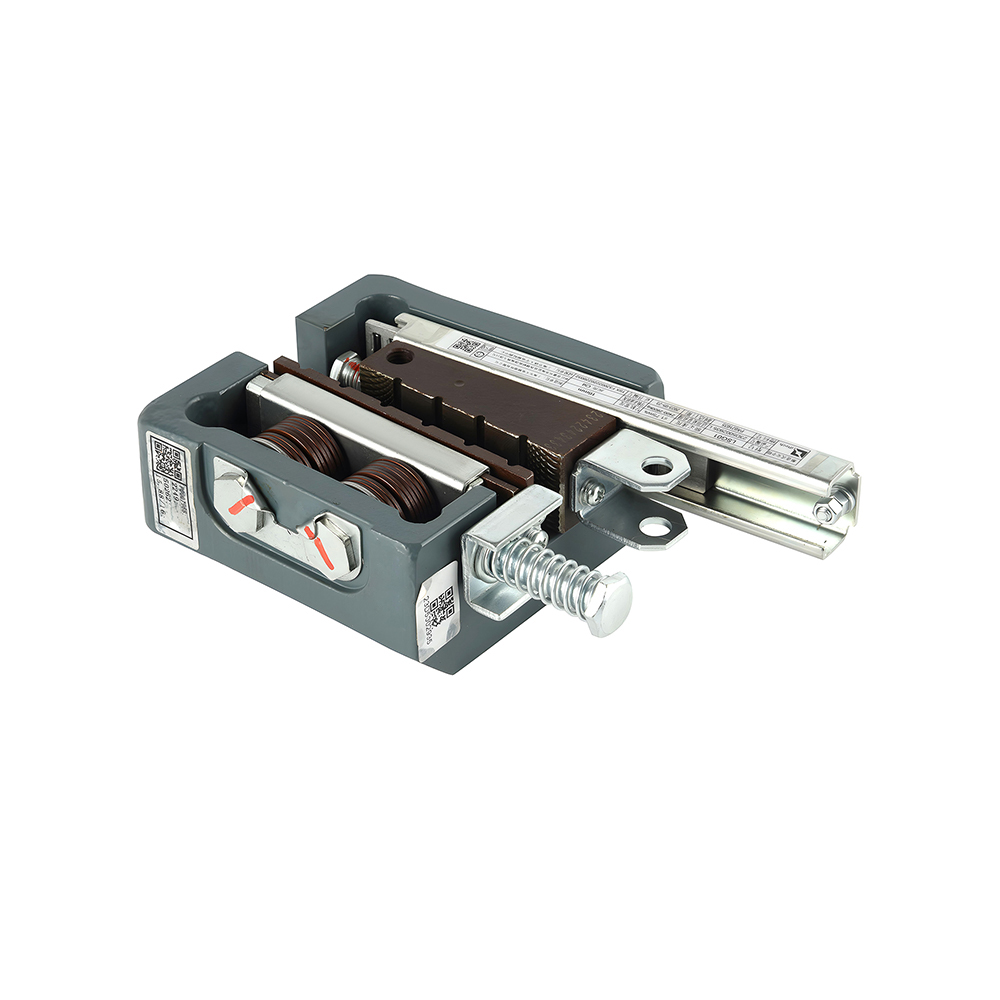
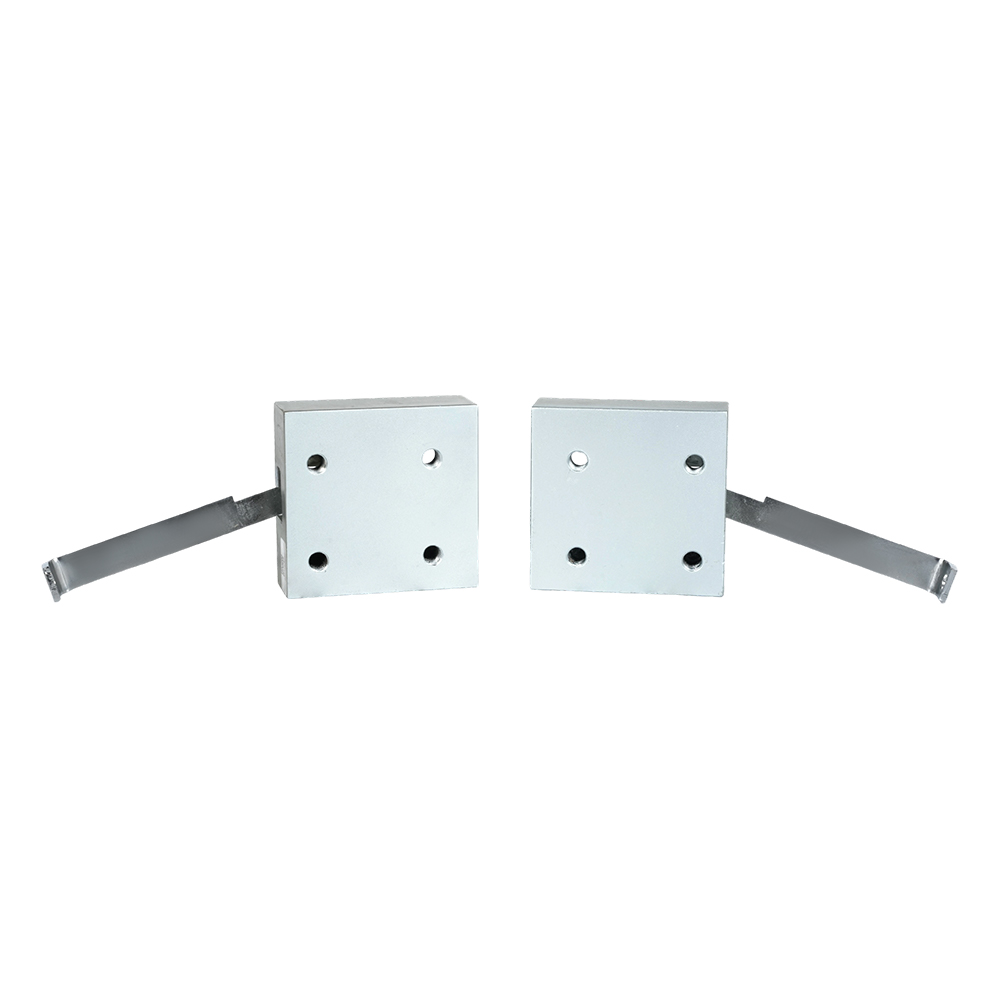
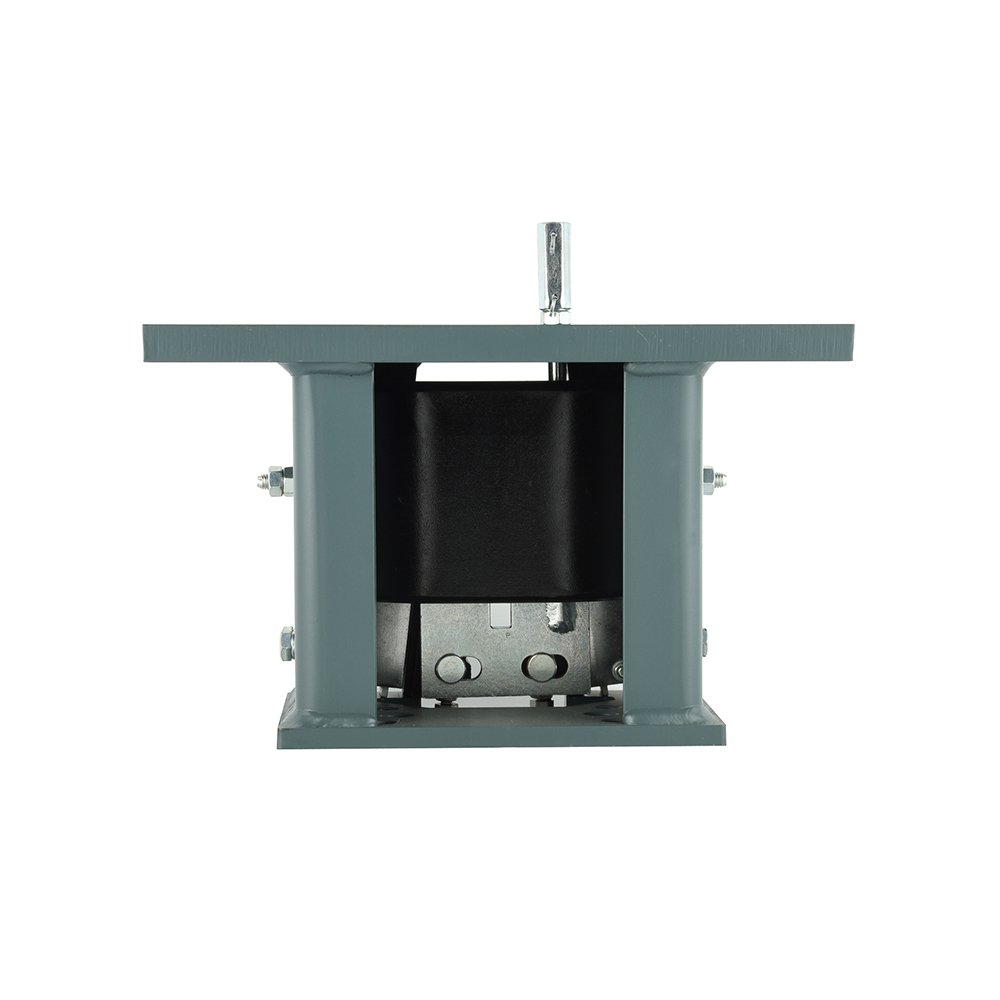
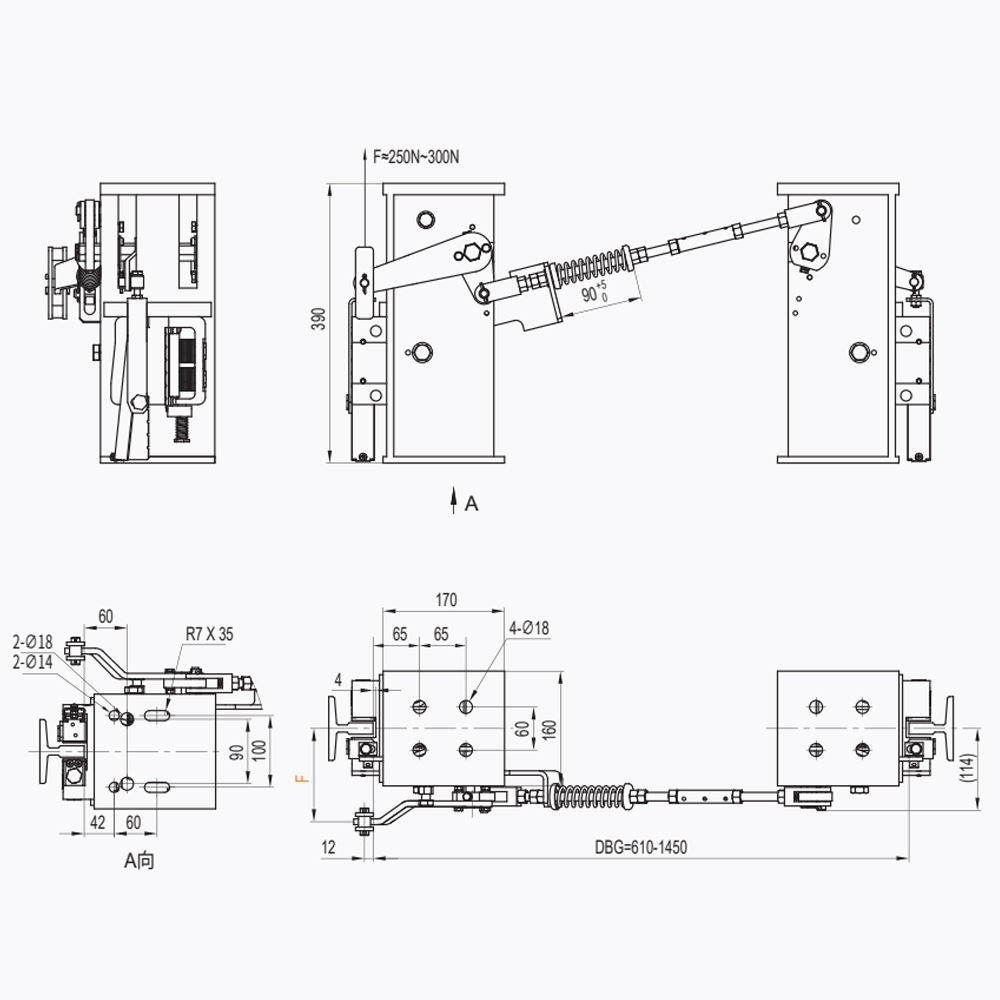
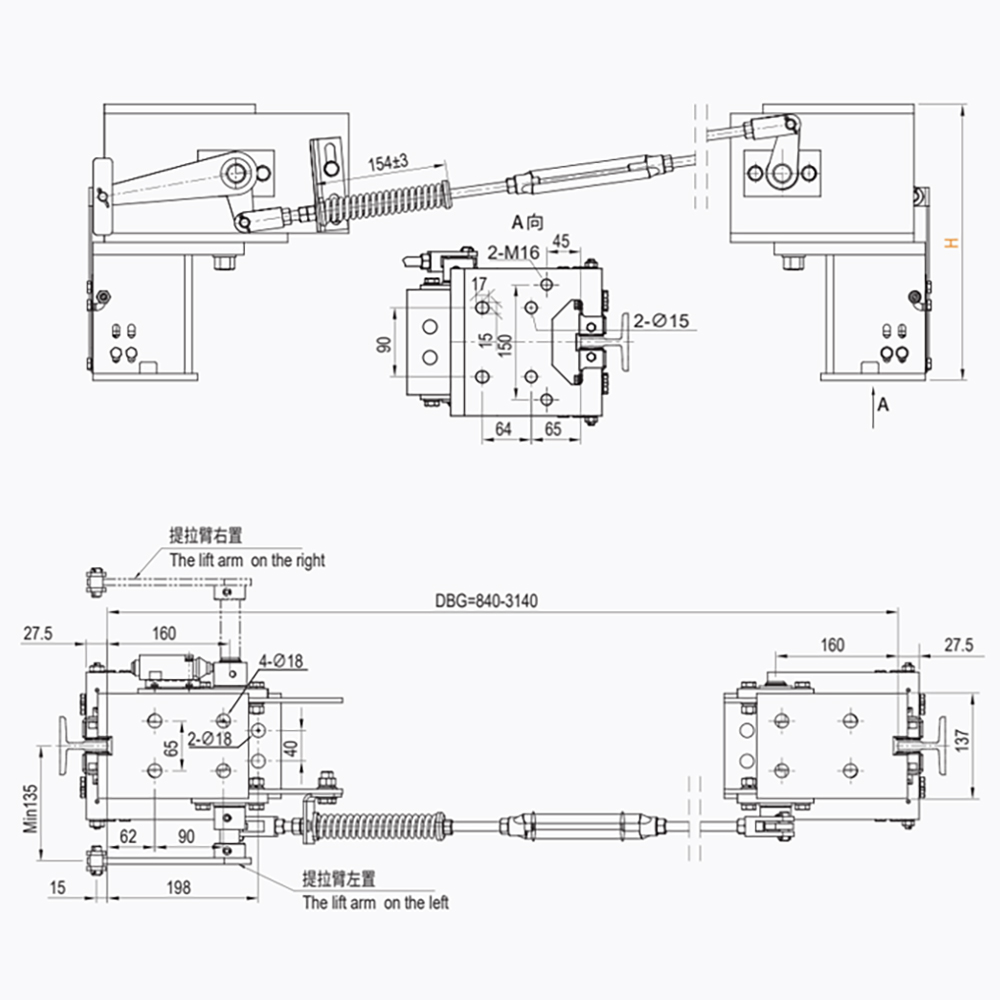
Elevator safety gear is a mechanical braking device mounted on an elevator car. Its primary function is to stop and hold the car in place if it moves faster than its rated speed — typically during a free-fall or overspeed event. The safety gear is often described as the "emergency brake" of an elevator system, and it is a mandatory safety component in virtually all modern passenger and freight elevators elevator safety gear.
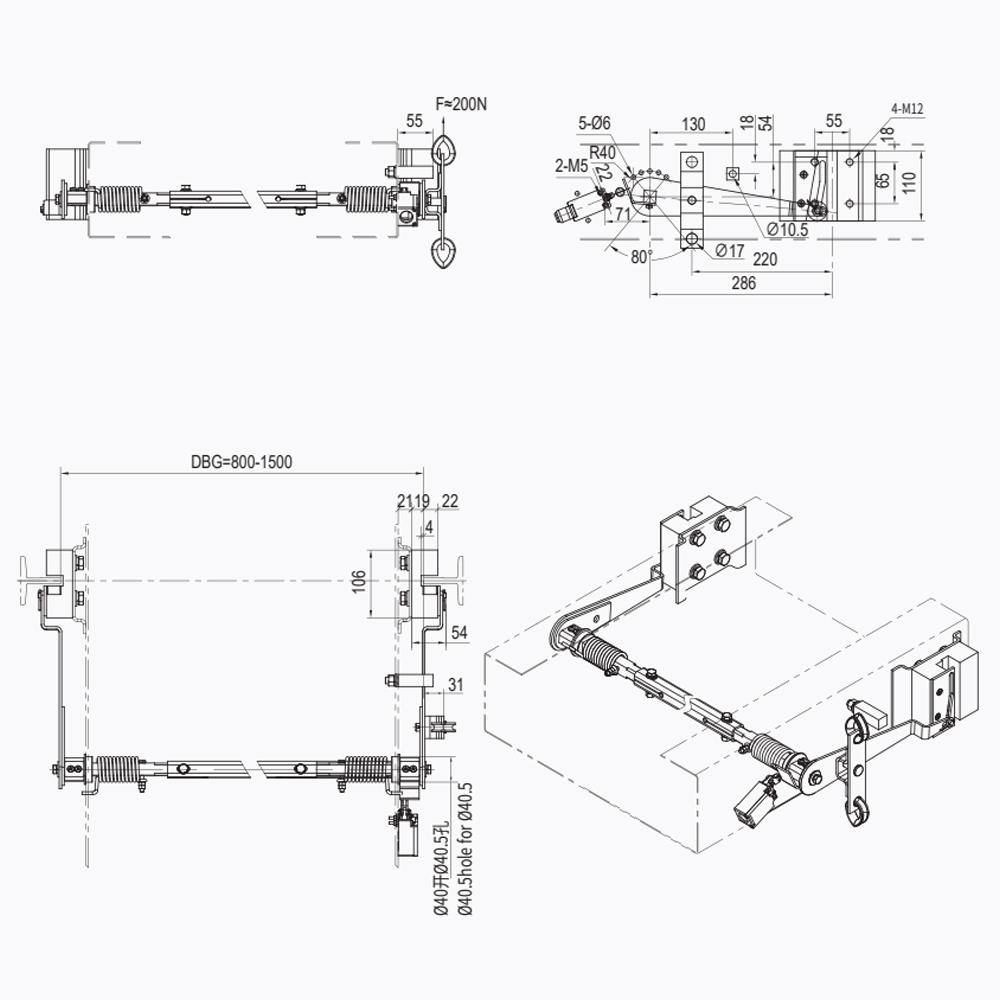
The safety gear works in conjunction with the overspeed governor, a separate device that monitors the car's speed. If the governor detects excessive speed, it activates the safety gear, which then grips the elevator guide rails to bring the car to a controlled stop.
How Elevator Safety Gear Works (Step-by-Step)
The operation of elevator safety gear can be broken down into a clear sequence of events:
- Normal Operation: During normal elevator travel, the safety gear remains disengaged. The car moves smoothly along the guide rails, and the governor rotates at a speed proportional to the car's movement.
- Overspeed Detection: If the car accelerates beyond its rated speed — due to cable failure, control system malfunction, or counterweight imbalance — the governor's centrifugal mechanism triggers. At a predetermined overspeed threshold, the governor locks and activates the safety gear linkage.
- Activation: The governor's action pulls a lever that forces the safety gear's wedges or cams against the guide rails. The wedges are designed to wedge themselves between the car's frame and the rails, creating immense friction.
- Braking and Stopping: The friction generated by the wedges gradually decelerates the car. The braking force is carefully calibrated to stop the car within a safe distance, avoiding sudden deceleration that could injure passengers. The car comes to a complete halt and remains locked in place.
- Manual Release: After the safety gear has been activated, trained technicians must manually disengage it and reset the governor before the elevator can resume normal operation elevator safety gear.
Key Components of Elevator Safety Gear
Understanding the components helps demystify how this life-saving device functions:
| Component | Function in Plain Language |
|---|---|
| Safety Wedges or Cams | These are the gripping elements that make contact with the guide rails. They are forced outward when the safety gear is triggered, creating friction. |
| Safety Gear Frame | The rigid housing that holds all components together and attaches to the elevator car frame. |
| Actuation Mechanism | A system of levers and linkages that connects the safety gear to the overspeed governor. When triggered, it forces the wedges against the rails. |
| Governor Rope | A rope that connects the governor on the car to the governor sheave in the machine room. It transmits the car's motion to the governor. |
| Return Springs | These ensure the safety gear disengages when the car is lifted off the wedges during resetting. |
Types of Elevator Safety Gear
There are two primary types of elevator safety gear, each designed for different speed and load applications:
| Type | Characteristics | Ideal For |
|---|---|---|
| Progressive (Roller) Safety Gear | Applies braking force gradually, stopping the car smoothly over a distance. Uses roller or wedge designs with controlled friction. | Passenger elevators, high-speed installations, and applications where passenger comfort is a priority. |
| Instantaneous Safety Gear | Applies full braking force immediately. Stops the car almost instantly but with a sharper deceleration. | Freight elevators, low-speed elevators, and applications where stopping distance is less critical. |
Technical Specifications Explained
When evaluating elevator safety gear, these specifications are key:
| Specification | Plain-Language Meaning |
|---|---|
| Rated Speed (m/s) | The normal operating speed of the elevator. Safety gear is designed to activate at a specific percentage above this (usually around 115-130%). |
| Triggering Speed (m/s) | The speed at which the governor activates the safety gear. This is set slightly above the rated speed. |
| Stopping Distance (mm) | The distance the car travels after the safety gear engages. For progressive safety gear, this is typically 0.8 to 1.5 meters depending on speed and load. |
| Load Capacity (kg) | The maximum weight the safety gear can safely stop. This must match or exceed the elevator's maximum load rating. |
| Guide Rail Compatibility | Safety gear must be designed for specific rail widths (typically T-shaped rails) and rail surface conditions. |
Progressive vs. Instantaneous Safety Gear
Choosing between progressive and instantaneous safety gear depends on the elevator's application. Here is a closer comparison:
| Aspect | Progressive Safety Gear | Instantaneous Safety Gear |
|---|---|---|
| Braking Curve | Gradual, controlled deceleration | Immediate, sharp deceleration |
| Passenger Comfort | High — passengers experience a gentle stop | Low — jerky and potentially uncomfortable |
| Typical Speed Range | 1.0 m/s and above | Below 1.0 m/s |
| Stopping Distance | Longer (designed to absorb energy gradually) | Shorter (stops almost immediately) |
| Application | Passenger elevators, hospitals, hotels | Freight elevators, service elevators, warehouses |
The Role of the Overspeed Governor
The elevator safety gear cannot function without its partner: the overspeed governor. The governor is a mechanical or electronic device that constantly monitors the car's speed. It typically consists of:
- Sheave: A grooved wheel mounted in the machine room that the governor rope passes over.
- Centrifugal Mechanism: A set of flyweights that spread outward as speed increases.
- Trigger Mechanism: When the flyweights reach a critical position, they activate a switch that stops the motor and mechanically trips the safety gear linkage.
The governor is essentially the "sensor" that tells the safety gear when to act. Without a properly functioning governor, the safety gear would remain idle even during a dangerous overspeed condition elevator safety gear.
Real-World Applications and Scenarios
Elevator safety gear is used in virtually every type of elevator installation:
Passenger Elevators in High-Rise Buildings
In skyscrapers and office towers, high-speed passenger elevators rely on progressive safety gear to ensure passenger safety without compromising comfort. The gradual braking characteristic is essential when cars are traveling at speeds of 3 to 5 meters per second or more.
Freight and Service Elevators
Industrial and warehouse elevators often use instantaneous safety gear. These elevators carry heavy loads and operate at lower speeds, so rapid stopping is acceptable and may even be preferred in some contexts.
Hospital and Healthcare Elevators
Patient elevators require exceptionally smooth braking. Progressive safety gear is almost always used to prevent sudden movements that could harm sensitive patients or medical equipment.
Retrofitting and Modernization
Older elevators are often retrofitted with modern safety gear as part of building upgrades. This improves safety and ensures compliance with current codes.
Common Misconceptions and Interesting Facts
Misconception 1: Elevator safety gear is the same as an emergency brake on a car.
Reality: While both are braking devices, they work differently. A car's emergency brake applies friction to the wheels or axle. Elevator safety gear grips the guide rails directly using wedges, with the force amplified by the car's own weight.
Misconception 2: Safety gear is only for "free fall" scenarios.
Reality: Safety gear can activate in any overspeed situation, not just full cable failure. This includes governor failure, control system faults, or even severe power loss that allows the car to overspeed in the down direction.
Interesting Fact: The safety gear was invented in the 1850s.
Elisha Graves Otis famously demonstrated the first elevator safety device in 1854 at the Crystal Palace in New York. He stood on an open elevator platform and cut the hoist rope with an axe — the safety gear caught the platform instantly, preventing him from falling.
Interesting Fact: Modern safety gear is extremely reliable.
When properly maintained, elevator safety gear has a failure rate of less than one in a million activations. This reliability is a testament to rigorous engineering, materials science, and regular inspection protocols.
Maintenance and Inspection
Regular maintenance and inspection of elevator safety gear are not just best practices — they are legal requirements in most jurisdictions. Typical maintenance activities include:
- Visual Inspection: Checking for wear, corrosion, or damage to wedges, springs, and linkages.
- Function Test: Simulating an overspeed condition at low speed to verify the governor and safety gear actuate correctly.
- Governor Calibration: Ensuring the governor triggers at the correct speed. Over time, springs and mechanisms can drift out of calibration.
- Rail Surface Cleaning: The guide rails must be free of grease, debris, or rust to ensure reliable braking friction.
- Record Keeping: Detailed logs of inspections and tests help track wear patterns and predict replacement intervals.
Most authorities require a full safety gear test at least once a year, often during the elevator's annual inspection.
Why Elevator Safety Gear Matters
Elevator safety gear is not just another component — it is a fundamental pillar of passenger safety. Before its invention, elevator travel was a risky proposition. The safety gear transformed the elevator from a novelty into a practical, dependable mode of transportation that supports modern urban life.
Today, safety gear continues to evolve. Electronic governors, advanced materials, and intelligent monitoring systems are making safety gear even more reliable. Yet the core mechanical principle — using friction to stop a moving car — remains unchanged. This blend of proven mechanical design and modern innovation ensures that every elevator ride begins and ends safely.
Key Takeaway
Elevator safety gear is a critical mechanical braking system that protects passengers by stopping an elevator car during overspeed emergencies. Whether progressive or instantaneous, this device works in concert with the overspeed governor to deliver reliable, life-saving performance. Understanding how it works, the types available, and the importance of regular maintenance helps ensure that this quiet guardian continues to protect millions of riders worldwide.
Frequently Asked Questions
What does elevator safety gear do?
Elevator safety gear is an emergency braking device mounted on the elevator car. It grips the guide rails to stop the car if it moves at an unsafe speed, preventing a dangerous fall.
What is the difference between progressive and instantaneous safety gear?
Progressive safety gear applies braking force gradually, stopping the car smoothly over a distance. Instantaneous safety gear applies full braking force immediately, stopping the car almost instantly. Progressive is used for passenger comfort; instantaneous is typically for freight elevators.
What triggers elevator safety gear to activate?
The safety gear is triggered by the overspeed governor, which monitors the car's speed. If the car exceeds a safe speed (usually 115-130% of rated speed), the governor activates the safety gear's mechanical linkage.
Can elevator safety gear fail?
Like any mechanical system, safety gear can fail if not properly maintained. Common issues include worn wedges, sticky linkages, or contaminated guide rails. Regular inspection and testing mitigate these risks.
How often is elevator safety gear tested?
Most regulations require a functional test of the safety gear and governor at least annually, often as part of the elevator's full safety inspection. More frequent visual inspections are recommended.
Is elevator safety gear required by law?
Yes. Virtually all elevator codes (such as ASME A17.1, EN 81, and other national standards) mandate the installation of safety gear on passenger and freight elevators.
What is the role of the overspeed governor?
The overspeed governor is the sensor that detects excessive speed. It triggers the safety gear by activating its mechanical linkage when the car exceeds its rated speed.