
 English
 中文简体
中文简体 русский
 Español
 Deutsch


Heavy-Duty Elevator Wire Rope Brakes: Clamping Force, Selection & Standards
Content
- 1 What Makes an Elevator Wire Rope Brake Heavy-Duty
- 2 How a Heavy-Duty Rope Brake Stops the Car
- 3 Selecting a Rope Brake for Heavy-Duty Elevator Duty
- 4 Pairing a Rope Brake with a Heavy-Duty Safety Gear
- 5 Installation, Testing and Maintenance
- 6 What to Verify Before Buying a Heavy-Duty Rope Brake
- 7 Conclusion
When a freight elevator carrying a five-tonne pallet load loses drive torque at a landing, the car keeps moving. At that mass, rope tension spikes, and uncontrolled motion can drive the car through the door zone or into the buffers at excessive speed. A heavy-duty elevator wire rope brake is the component that stops that sequence: it clamps directly onto the hoist ropes and holds the car mechanically. This article explains what makes a rope brake heavy-duty, how the clamping action works, which parameters matter when selecting one, and what to verify before buying.
What Makes an Elevator Wire Rope Brake Heavy-Duty
A rope brake for a heavy-duty elevator is not a standard passenger-lift brake with thicker plates. The engineering changes in four areas, and each one directly affects whether the brake will hold when it is needed.
- Clamping force. The brake must generate enough friction on the ropes to hold the car plus its rated load after an emergency or unintended movement event. Freight and industrial cars create significantly higher rope tension than passenger cars, so the required clamping force is higher by a large margin.
- Rope diameter and rope count. Heavy-duty elevators commonly use larger hoist ropes, or more ropes in parallel, because the static and dynamic loads are higher. The wedge geometry and the gripping width of the brake must match the exact rope diameter and construction; a brake built for an 8 mm passenger rope cannot grip a 13 mm cargo rope correctly.
- Energy absorption. At the same tripping speed, a heavier car releases more kinetic energy. The brake body, wedges, and mounting interface absorb that energy during the stop. A unit designed for light duty can deform or lose clamping force after repeated heavy stops.
- Duty cycle and service life. Freight and industrial elevators often log more emergency stops and test stops per year than passenger lifts. Wedges and friction surfaces wear, and the inspection and replacement schedule must reflect that heavier duty.
| Characteristic | Standard passenger-lift rope brake | Heavy-duty freight/industrial rope brake |
|---|---|---|
| Typical car mass range | Passenger lift ranges, often up to about 2,500 kg | Freight and industrial ranges, typically above 3,000 kg |
| Typical hoist rope diameter | 8–10 mm | 10–13 mm and above |
| Clamping force demand | Moderate, proportional to passenger-load rope tension | High, proportional to freight-load rope tension |
| Expected emergency stop frequency | Low, occasional | Higher, includes test and real events |
| Wedge wear and inspection | Standard intervals | Shorter intervals, wear parts replaced earlier |
How a Heavy-Duty Rope Brake Stops the Car
The operating principle is straightforward: convert the kinetic energy of the moving car into friction force on the ropes, and hold the ropes until the brake is manually released. The sequence happens in a few tenths of a second.
- Speed or movement detection. An overspeed governor or a UCMP (unintended car movement protection) system recognises that the car speed has passed the tripping threshold.
- Trigger. The release mechanism is activated mechanically or electrically. A good heavy-duty rope brake is spring-applied and mechanically held; it does not depend on continuous electrical supply to remain closed.
- Clamping. A spring drives wedges against the ropes. The wedges are shaped so that any tendency of the rope to slip pulls the wedges tighter, creating a self-locking effect.
- Deceleration. Friction between the wedges and the rope decelerates the car. The effective deceleration depends on rope elasticity, the number of clamped ropes, and the friction coefficient of the wedge material.
- Reset. After the cause is identified and inspected, the brake is re-cocked manually and the wedges are lifted off the ropes.
This is why the question of how elevator rope brakes prevent falls is answered by mechanics, not marketing: the brake acts on the rope itself, directly from the car, with no dependence on the drive or the control system.
For heavy-duty applications, the decisive design detail is that clamping force must stay constant under dynamic conditions. When the car bounces or the rope vibrates during the stop, the wedge angle can either increase or reduce the grip. The rope brake clamping force guide explains the relationship between force, wedge angle, and rope condition in practical terms.
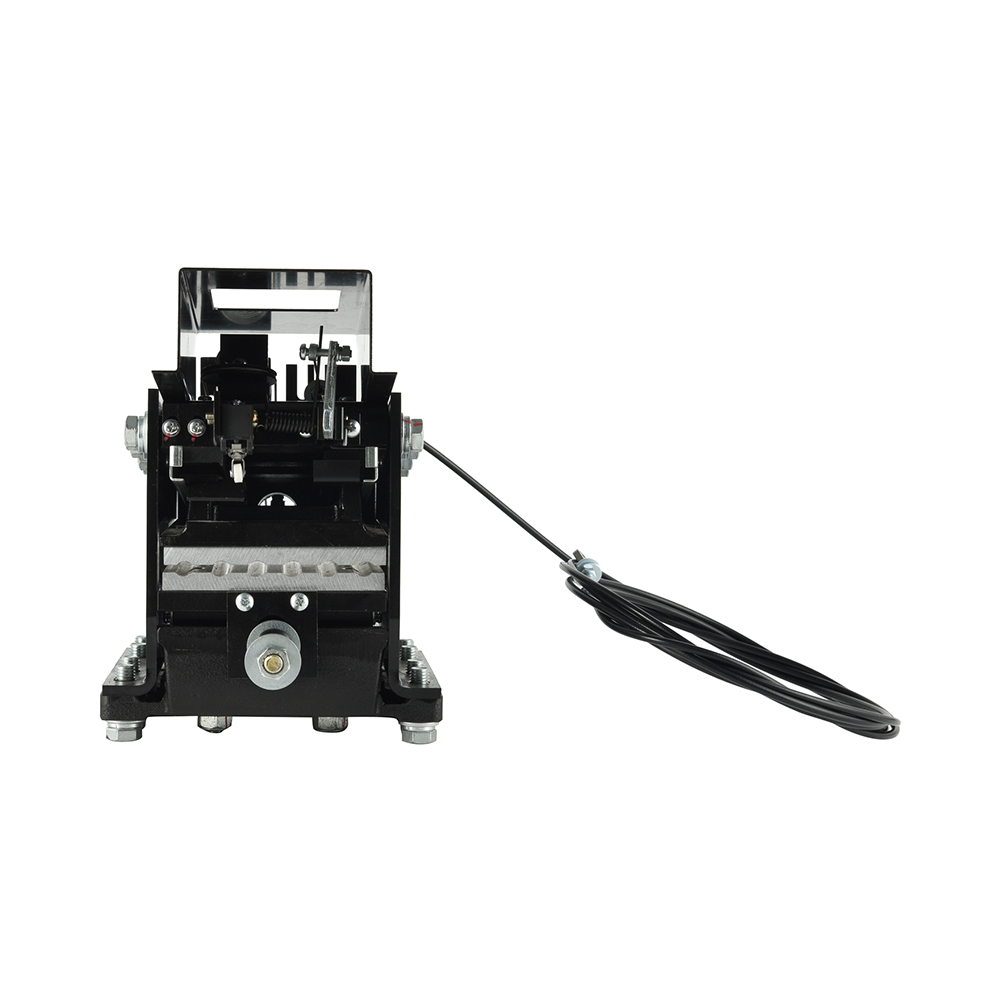
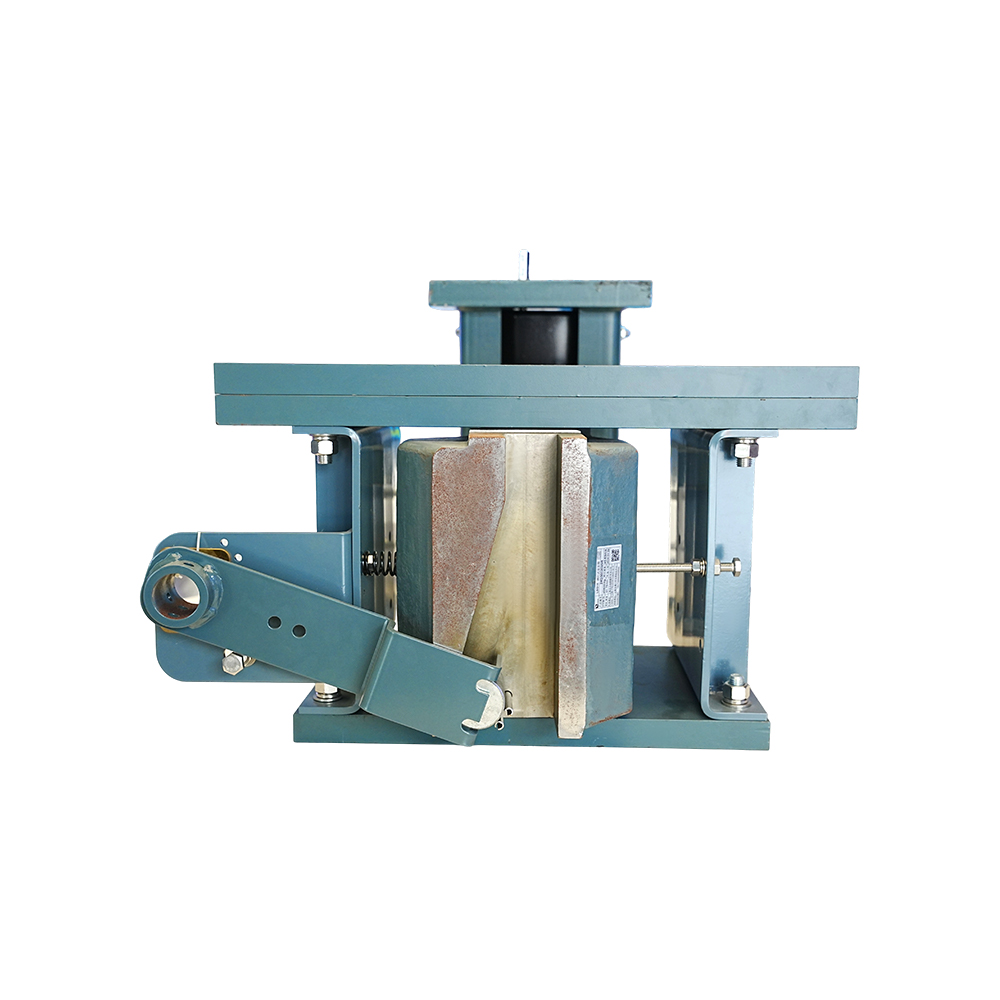
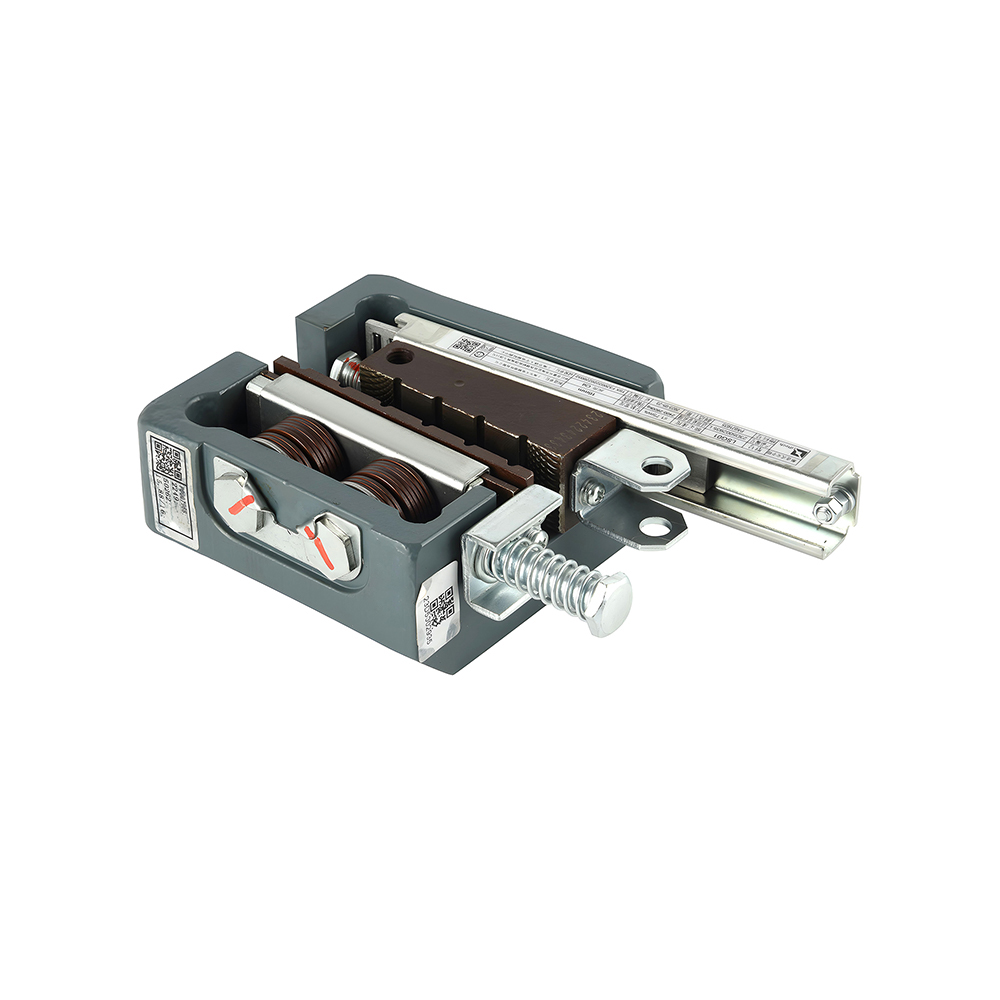
For freight and industrial elevators, the LRB02 heavy-duty elevator rope brake is designed to clamp the hoist rope directly and to work with both governor-triggered and UCMP protection schemes. Its wedge and body geometry is sized for the higher clamping forces that heavy cars demand.
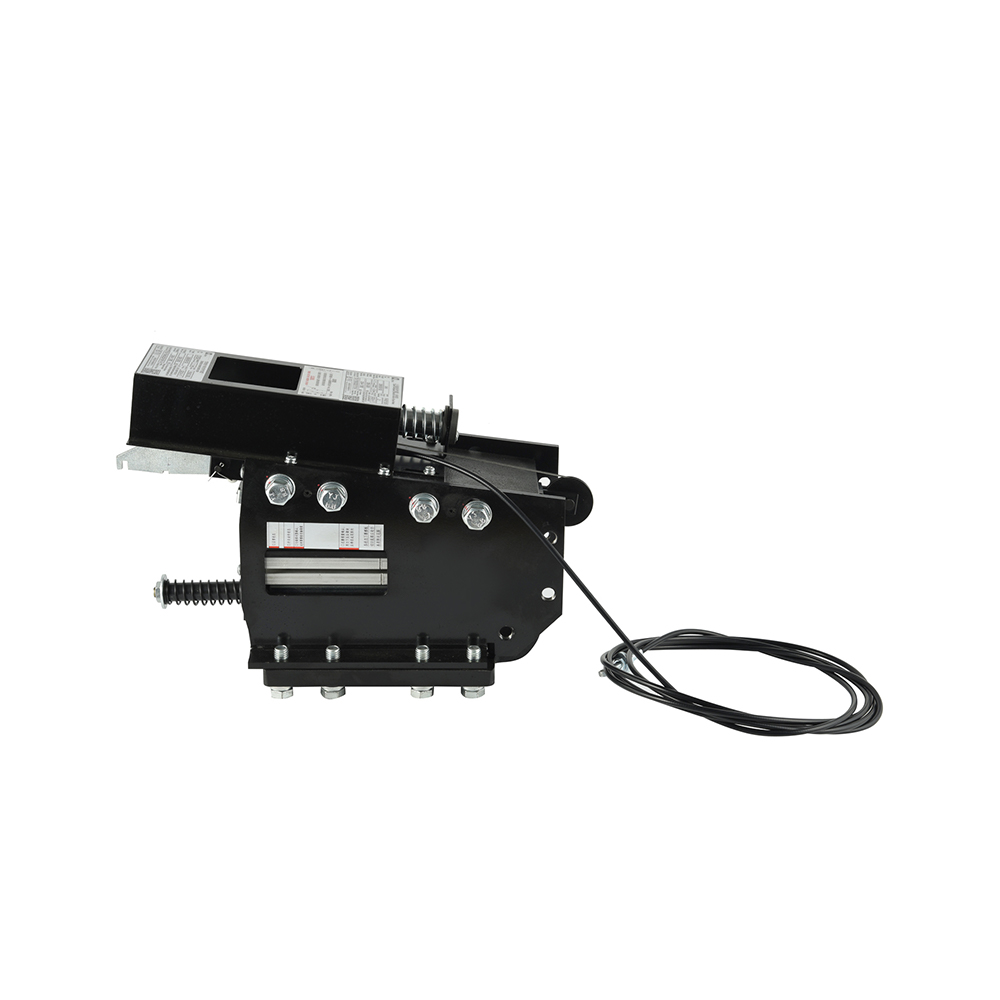 Wholesale LRB02 Elevator Rope Brake Lift Rope Gripper Rope Clamp Suppliers, ManuShanghai Liftech Elevator Accessories Co., Ltd is China Wholesale OEM LRB02 Elevator Rope Brake Lift Rope Gripper Rope Clamp Suppliers an...View Product →
Selecting a Rope Brake for Heavy-Duty Elevator Duty
Selection is not a catalogue lookup. It starts with the system parameters and ends with a type test report.
Speed, Mass, and Rope Parameters
The first things to fix are the number of hoist ropes, the rope diameter, the rated load, the car mass, and the tripping speed of the governor. The rope brake must be matched to the rope set, not to the size of the elevator. The braking force needed is derived from the maximum rope tension during an emergency stop, and that tension grows with car mass and with the governor's overspeed threshold.
Standards Compliance
Heavy-duty elevators are regulated by the same family of standards as other elevators: EN 81-20 with EN 81-50 in Europe, GB 7588 in China, ASME A17.1/CSA B44 in North America, and local codes derived from them. Rope brakes used for overspeed protection or UCMP require type testing and regular on-site testing. The supplier should provide type test reports, the declared clamping force, the response time, and the applicable rope diameter range for the exact model.
Integration with the Protection Chain
A rope brake is a parallel safety path, not a replacement for the safety gear. The governor triggers both the rope brake and the safety-gear linkage. The rope brake catches the ropes; the safety gear catches the guide rails. When both paths are present, a single failure, such as a contaminated wedge surface or a damaged rope splice, does not leave the car without braking.
Pairing a Rope Brake with a Heavy-Duty Safety Gear
For high-load elevators, the braking architecture should cover both the rope path and the rail path. The governor or UCMP system triggers the safety linkage, and the linkage applies the rope brake and the safety gear together. This dual-braking design is common in heavy freight and industrial installations where a single braking point is considered insufficient.
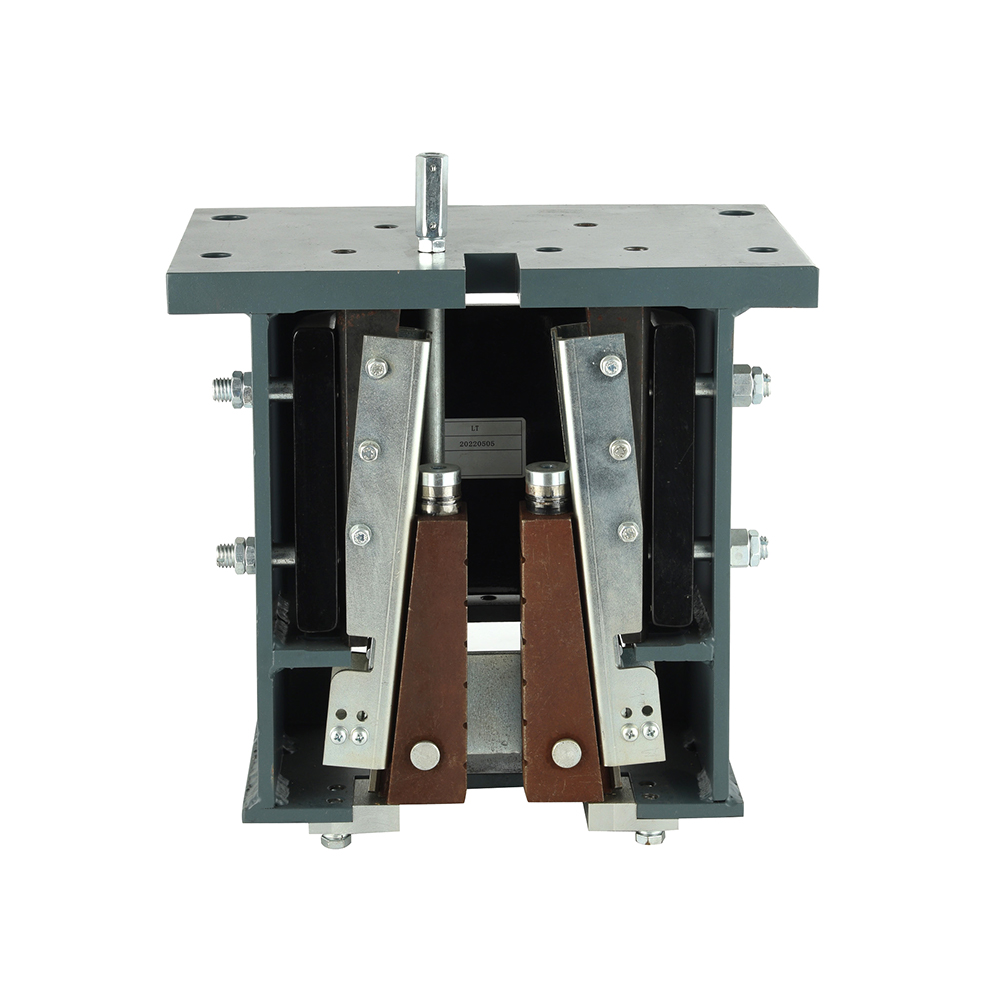
For the rail side of that chain, the LSG17 heavy-duty freight elevator safety gear is designed for cargo and goods elevators with heavy loads, and it can be coordinated with the LRB02 rope brake in one governor-triggered system. The combination covers both the ropes and the guide rails with matched response logic.
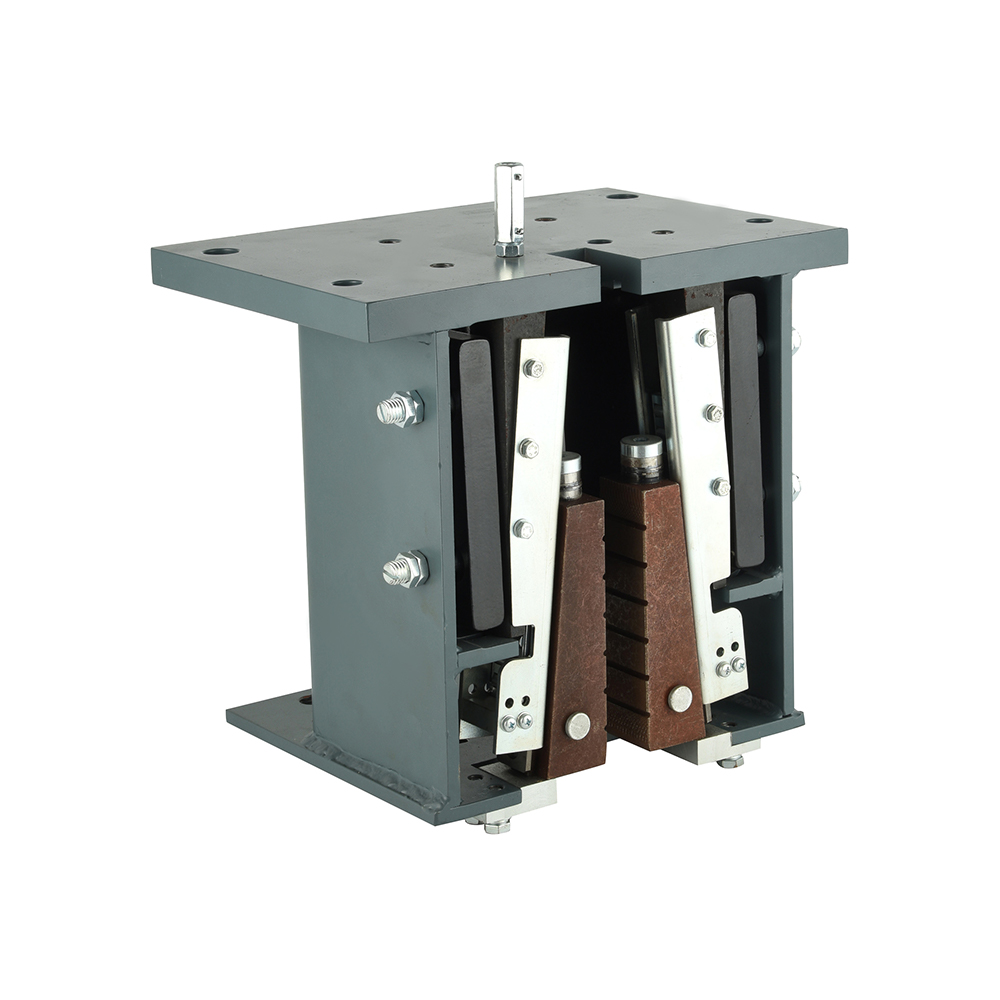 Wholesale LSG17 Heavy-duty Freight Elevator Safety Gear Goods lift safety devicShanghai Liftech Elevator Accessories Co., Ltd is China Wholesale OEM LSG17 Heavy-duty Freight Elevator Safety Gear Goods lift safety de...View Product →
Installation, Testing and Maintenance
Installation
Mount the brake rigidly to the car frame or the intended support; any flexibility in the mounting reduces the effective clamping force under shock loads. Align the ropes so they enter the brake straight, and leave enough access for the re-cocking handle and for visual inspection of the wedges.
Function Testing
Conduct a full-function test at the tripping speed with the car empty, and repeat it periodically at the interval required by the applicable standard, for example EN 81-20/50 or GB 7588 as your market requires. Record the stopping behaviour, the rope marking, and the deceleration characteristics after every test.
Maintenance
Inspect wedges and friction surfaces for wear after every test and after every real emergency stop. Check the hoist ropes for broken wires, flattening, or contamination; a dirty or damaged rope reduces the friction coefficient and changes clamping behaviour. Verify that the release mechanism moves freely without corrosion or dirt build-up, and replace worn wedges as a set rather than individually. After an emergency stop, reset the brake only after the cause has been identified and the ropes have been inspected for damage.
What to Verify Before Buying a Heavy-Duty Rope Brake
At OEM and project level, price is rarely the deciding factor after an emergency stop. Verify these items before you commit to a supplier:
- Type test documentation covering the exact model, rope diameter, and tripping speed you plan to use.
- Declared clamping force and response time, and the method used to measure them.
- The reset and re-cocking design; a brake that is difficult to re-engage increases downtime after every test.
- Wear part availability; wedges and release components should be available as spares from day one.
- Engineering support; heavy-duty integration often requires adapting the linkage or mounting, and the supplier should be able to review the interface and provide installation guidance.
These points explain why choosing a reliable elevator wire rope brake matters more in heavy-duty installations than in low-load applications: the cost of one uncontrolled movement of a five-tonne car is far higher than the price of a well-documented brake.
Conclusion
A heavy-duty elevator wire rope brake is a mechanical safety device, but its performance depends on engineering decisions made long before the emergency: the correct rope match, sufficient clamping force, tested response behaviour, and a maintenance schedule that respects the duty cycle. For freight and industrial elevators, the rope brake should be treated as part of a complete safety chain with the governor and the safety gear, not as a stand-alone accessory. Specify the parameters, ask for the test evidence, and maintain the wedges and ropes rigorously; that is how a heavy-duty brake earns its role as the last line of defence.