

 English
 中文简体
中文简体 русский
 Español
 Deutsch


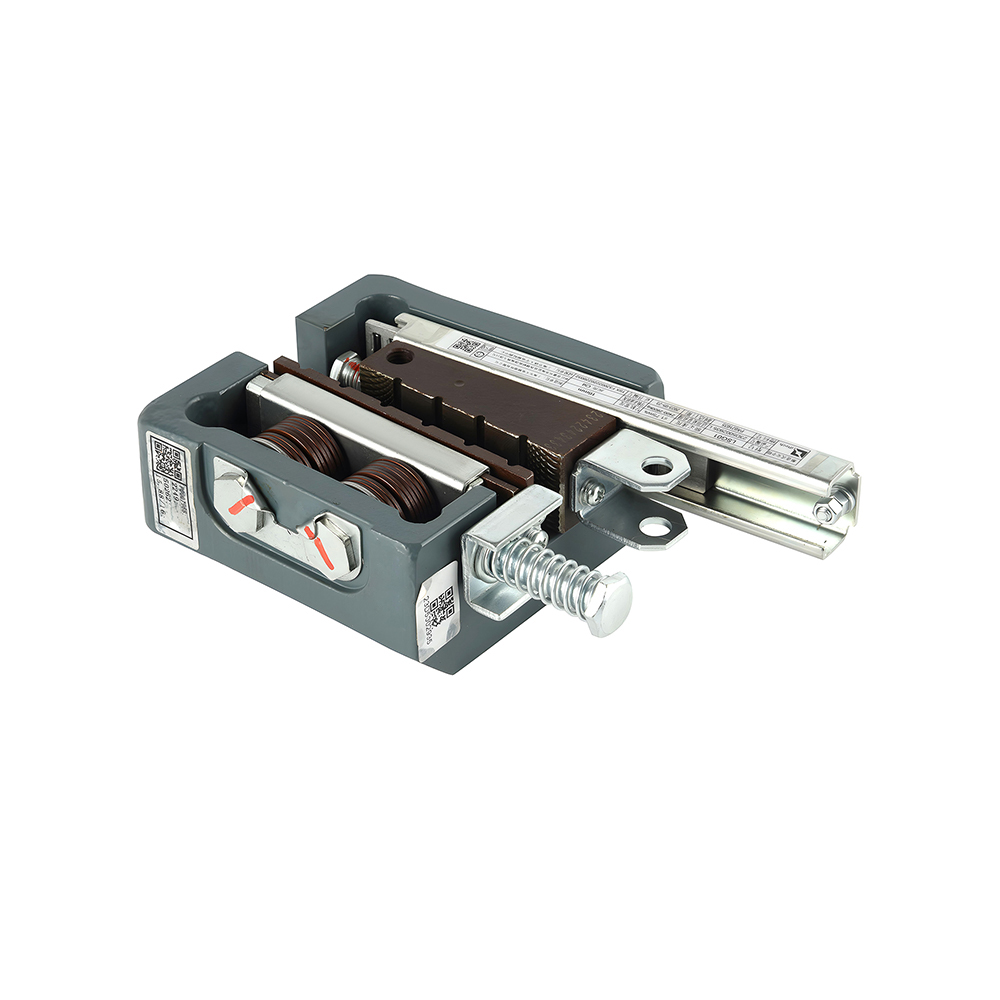
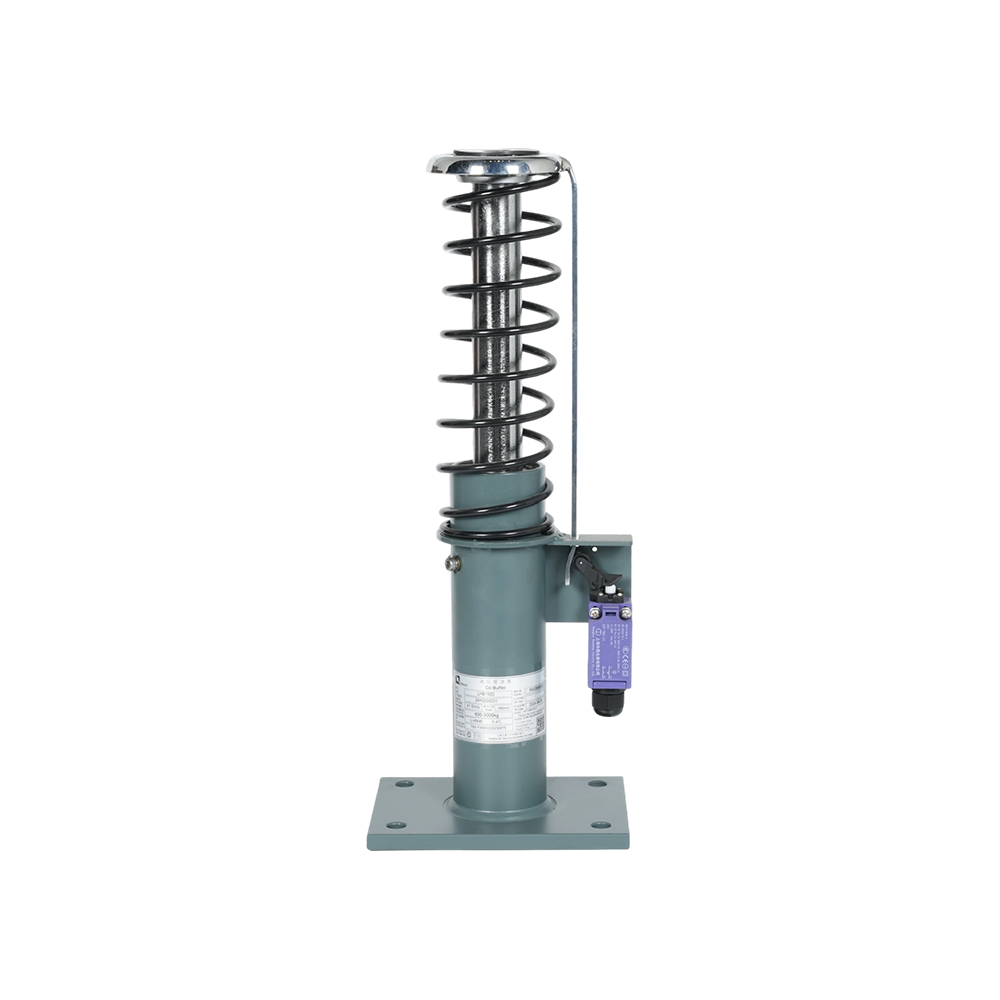
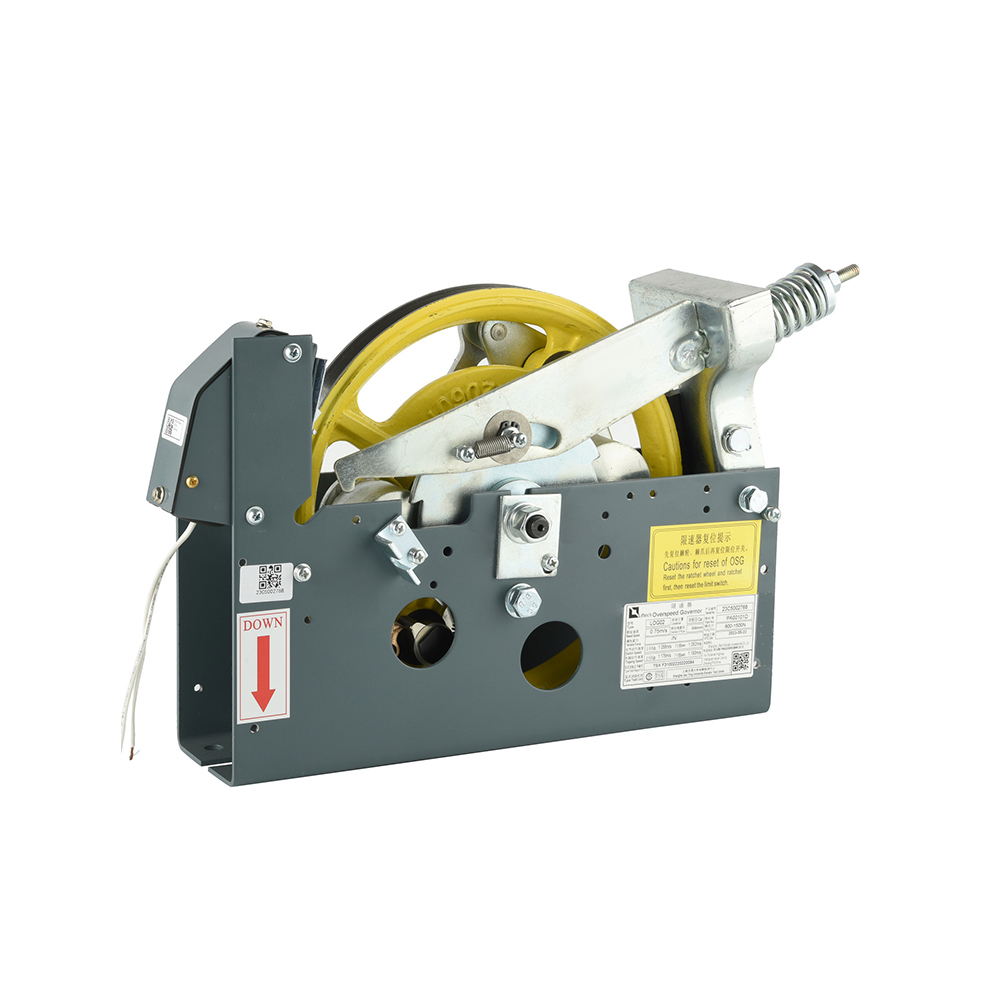
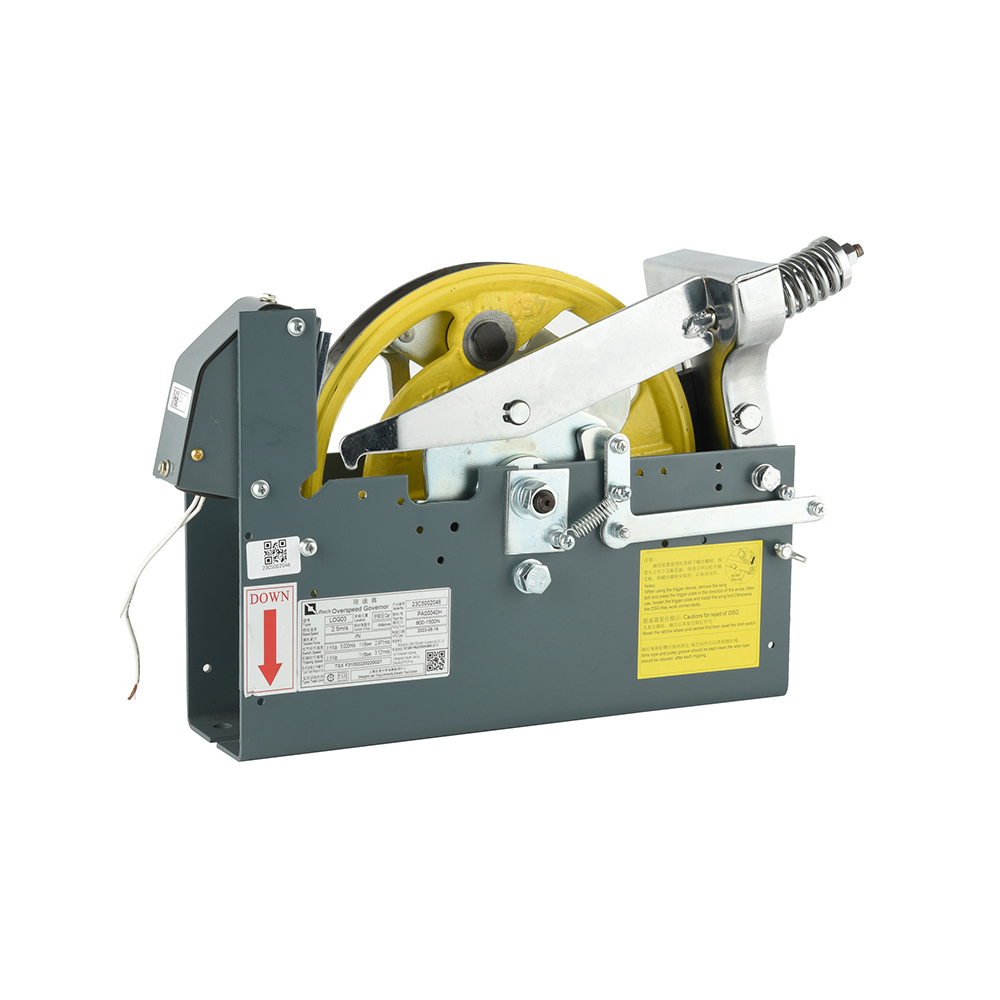
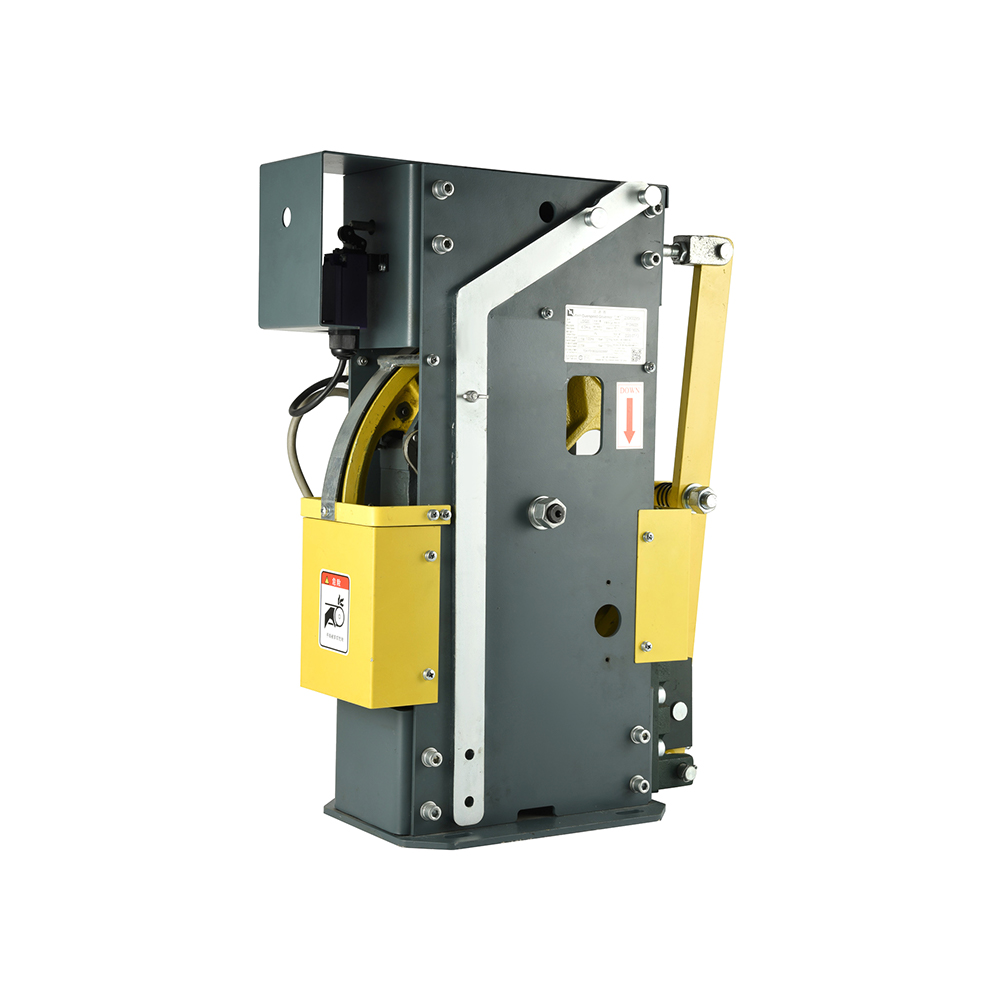
Conventional safety systems rely on a kinematic chain (governor rope, linkage) and are primarily designed for overspeed conditions. They may not be suitable or code-compliant for all elevator types, such as those with non-standard drive systems. Furthermore, in events like earthquakes, the primary safety gear may not address the risk of the car jumping off or violently oscillating on its rails. There is also a need for a positive, fail-safe means to immobilize an elevator for extended maintenance periods beyond the holding capability of the machine brake. Guide rail brakes solve these distinct problems by providing a direct, rail-centric stopping force that is independent of the car's drive and primary safety systems. They address the need for static holding (parking), seismic restraint (preventing derailment), and alternative emergency arrestment in specialized architectures, filling critical gaps in the overall safety strategy for complex or high-risk installations.
Elevator Guide Rail Brakes and Grippers
-- Steady & Reliable Manufacturer --
Elevator guide rail brakes and grippers constitute a specialized category of safety devices that function by directly and forcibly clamping onto the elevator's vertical guide rails, independent of the primary car safety gear system. While traditional safety gears are integral to the car frame and activated by an overspeed governor, guide rail brakes are often deployed as auxiliary or emergency stopping devices for specific scenarios. These include: acting as an emergency brake for elevators without a traditional traction machine (e.g., some hydraulic or rack-and-pinion lifts), serving as an additional restraint for elevators in seismic zones to prevent derailment during an earthquake, functioning as a parking brake to hold the car securely during maintenance, or providing a redundant arresting means in systems requiring ultra-high reliability, such as in critical industrial or military applications. The operational principle involves one or more pairs of friction pads or profiled jaws, hydraulically, pneumatically, or spring-actuated, which are forced against the rail's web or flange with substantial force, generating enough friction to halt and hold the elevator car or counterweight. Their design prioritizes immense clamping force, robust construction to withstand shock loads, and precise alignment to avoid damaging the guide rail during engagement. This makes them a versatile and powerful solution for non-standard stopping requirements where conventional safety gears may be insufficient or inappropriate.
Recommended Products
The Key Problem We Solve
Typical Applications
- Hydraulic elevators requiring a code-compliant emergency braking system independent of the hydraulic circuit.
- Rack-and-pinion elevators and construction hoists, where the pinion drive may disengage.
- Elevators installed in seismic zones (e.g., California, Japan, Chile) as part of seismic risk mitigation packages.
- Industrial lifts and special purpose elevators in factories, where a positive parking brake is required for safe loading/unloading.
- Stage and orchestra lifts in theaters, where precise holding position and emergency stop are critical.
- Elevators in critical facilities (nuclear plants, data centers) requiring layered, diverse safety systems.
- Maintenance lockdown systems to protect technicians working in the pit or on top of the car.
Product Advantages
| Actuation Method | Spring-applied, hydraulic-release; Hydraulic-applied; Pneumatic-applied; Electromagnetic. |
| Clamping Force | Ranges from 20 kN to over 200 kN per brake unit, depending on application (holding vs. emergency stopping). |
| Brake Lining Material | Sintered metal, non-asbestos organic (NAO) composites, or specialized high-friction polymers. |
| Guide Rail Compatibility | Designed for specific rail profiles (T-type, Guillotine-type) and sizes (T89, T127, T140, etc.). |
| Response Time | Engagement typically within 100-300 milliseconds of receiving trip signal. |
| Standards | May need to comply with EN 81-77 (seismic), EN 81-20/50 for auxiliary brakes, or ASME A17.1 sections on emergency brakes and seismic. |
| Mounting | Directly to the car frame or counterweight frame, or to dedicated structural brackets in the hoistway. |
Selection & Compliance Considerations
Selection is highly application-specific. For emergency stopping, calculate the required energy dissipation and deceleration force to stop the fully loaded car from rated speed; the brake must provide sufficient friction and heat capacity. For seismic restraint, the design is based on expected seismic forces per local building codes (e.g., IBC, ASCE 7); the brake must prevent derailment but not necessarily induce a full stop. For parking/holding, the static friction must exceed the imbalance force (e.g., 125% of rated load). The actuation system must be fail-safe: loss of power/pressure should cause engagement. Compatibility with the guide rail's material and condition is critical; hardened rails may require specific liners. The system often requires integration with the elevator's control and monitoring system.
FAQ
- Q: What's the difference between a guide rail brake and a regular safety gear? A> Activation: Safety gear is triggered by governor rope pull via overspeed. Guide rail brake is triggered by an electrical signal (e.g., from a control system, seismic sensor, or manual switch). Function: Safety gear is for overspeed arrestment. Guide rail brake can be for emergency stop, static holding, or seismic restraint. Mounting: Safety gear is part of the car frame's safety plank. Guide rail brakes can be mounted elsewhere on the frame or in the hoistway.
- Q: Can a guide rail brake be used as the sole safety device on an elevator? A> Only in specific code-defined cases, such as for hydraulic elevators where it may serve as the required emergency brake. For traction elevators, it is almost always an auxiliary device, with the governor/safety gear pair remaining the primary and mandated overspeed protection system.
- Q: How do you test a guide rail brake without causing an emergency stop? A> Functional testing involves simulating the trigger signal with the car stationary and unloaded, and verifying that the brake pads move to lightly contact the rail (a "kiss test") or by measuring the clamp force with a calibrated tool. Full dynamic testing is a major undertaking usually done during type-testing at a certified facility, not on-site.
- Q: Do guide rail brakes damage the guide rails? A> Properly designed and aligned brakes should not cause significant damage. The friction material is specifically chosen to provide high friction while being softer than the rail steel, so wear occurs primarily on the replaceable brake pads. However, repeated or severe engagements can score or polish the rails, which should be inspected afterward.
About Us
Shanghai Liftech Elevator Accessories Co., Ltd.
Founded in 2004, Shanghai Liftech Elevator Accessories Co., Ltd. is a specialized enterprise dedicated to the R&D, manufacturing, testing, and sales of elevator safety components. With over two decades of sustained development, Liftech has established itself as a leading manufacturer in China's elevator safety sector, providing high-quality products and solutions to a wide range of major elevator brands and engineering clients across domestic and international markets. We are ,China Wholesale Elevator Guide Rail Brakes and Grippers Suppliers and Elevator Guide Rail Brakes and Grippers OEM/ODM Manufacturers
For over 20 years, LIFTECH (est. 2004) has been a trusted force in the R&D, manufacturing, and full lifecycle support of premium elevator safety components.
Material Selection Guide
| Component | Material & Design for High Clamping Duty |
| Brake Caliper / Housing | Material: High-strength cast iron (GGG50/60) or fabricated steel plate (S355) for rigidity and vibration damping. Design: Monobloc or split design with massive cross-sections to resist bending under extreme clamping forces. Includes precise guide channels for piston/pad movement. |
| Actuation Piston(s) | Material: Stainless steel (1.4301/304) or hard-chrome plated carbon steel for corrosion resistance and smooth operation. Seals: High-pressure, temperature-resistant seals (e.g., HNBR, FKM) compatible with hydraulic fluid or air. |
| Friction Pads / Jaws | Backing Plate: Steel, often bonded to the friction material. Friction Material: Sintered metal (copper/iron based) for high energy absorption and temperature tolerance; or non-asbestos organic (NAO) composites for lower noise and better cold performance. Material is selected based on required friction coefficient (μ), wear rate, and compatibility with rail steel. |
| Spring Set (for spring-applied type) | Springs: Multiple disc springs (Belleville washers) or a large coil spring, made from chrome-silicon or similar high-grade spring steel for consistent force over millions of cycles and temperature ranges. |

