

 English
 中文简体
中文简体 русский
 Español
 Deutsch


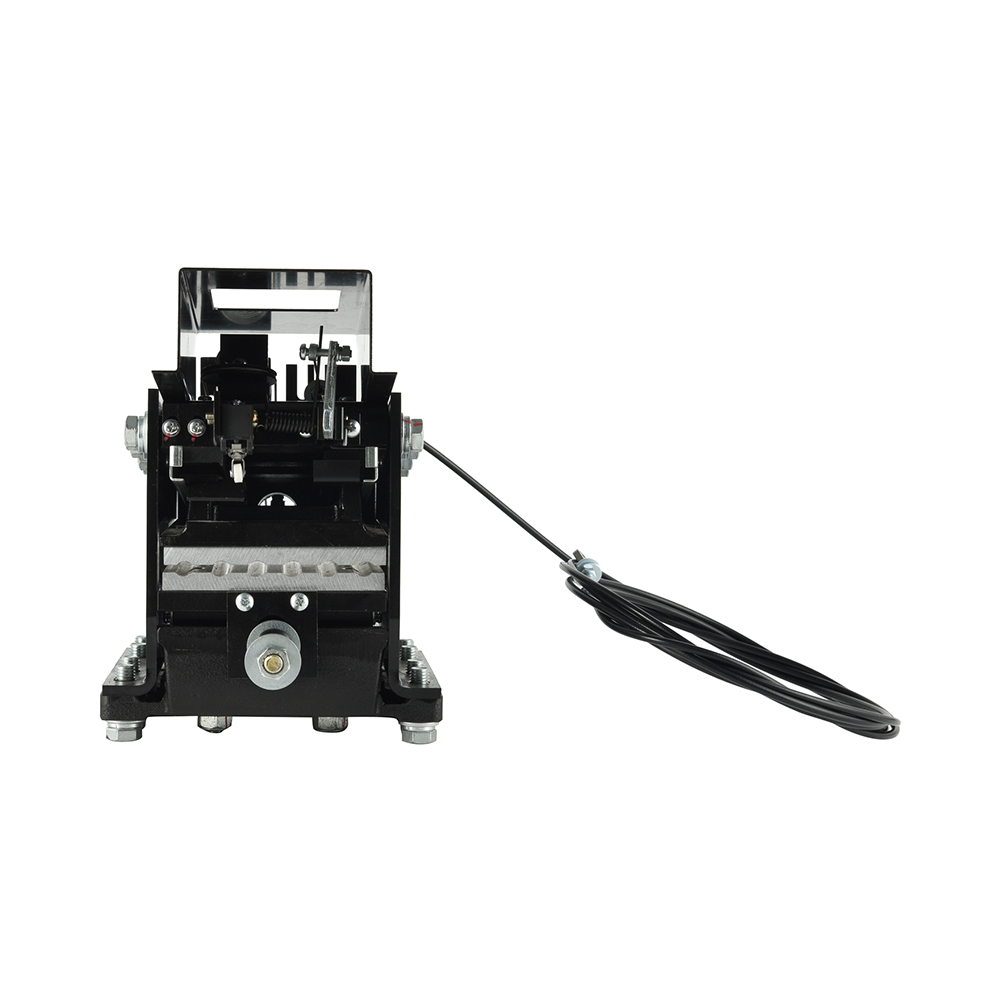
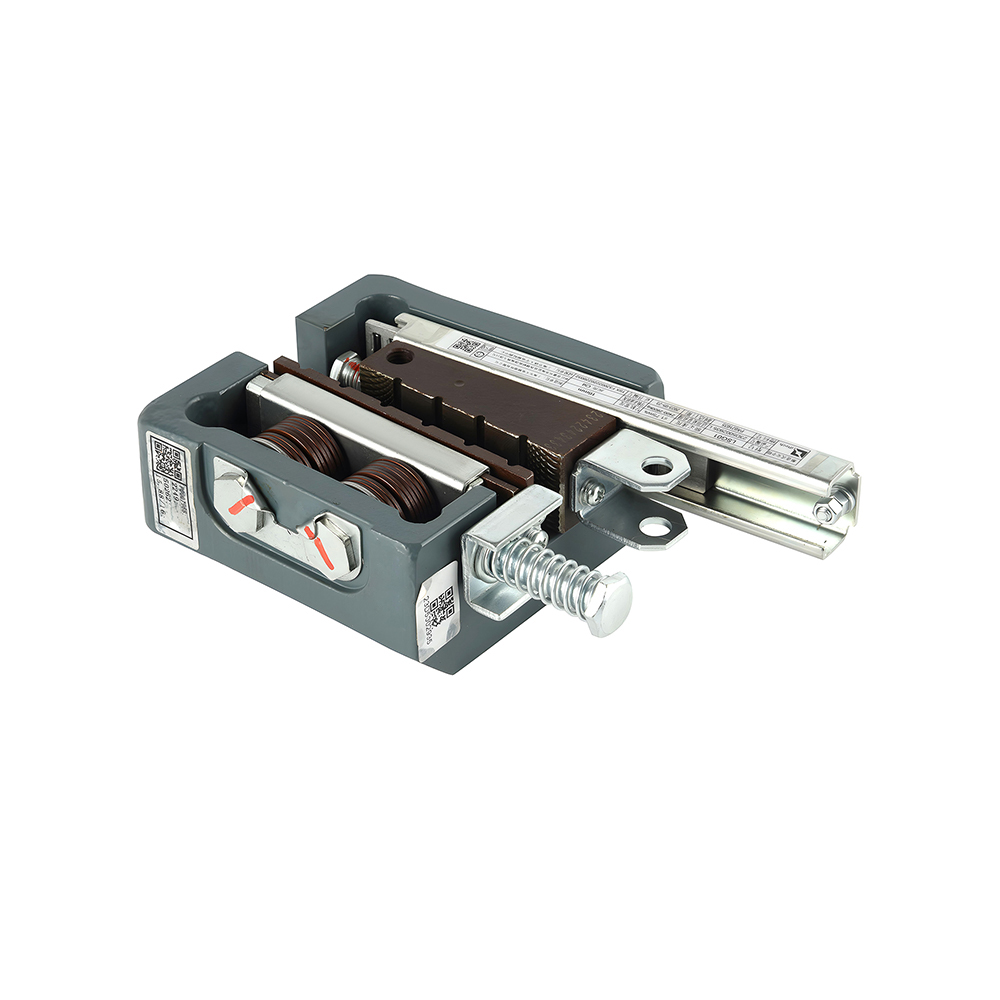
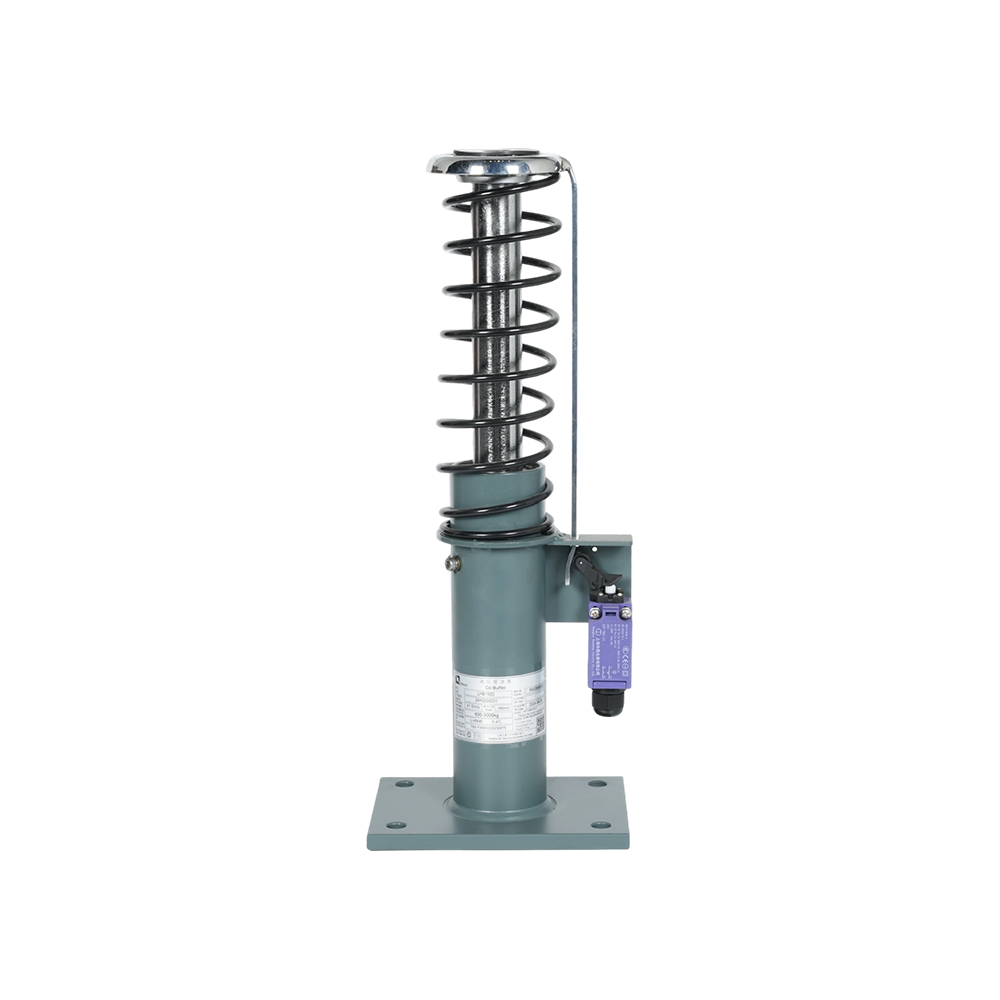
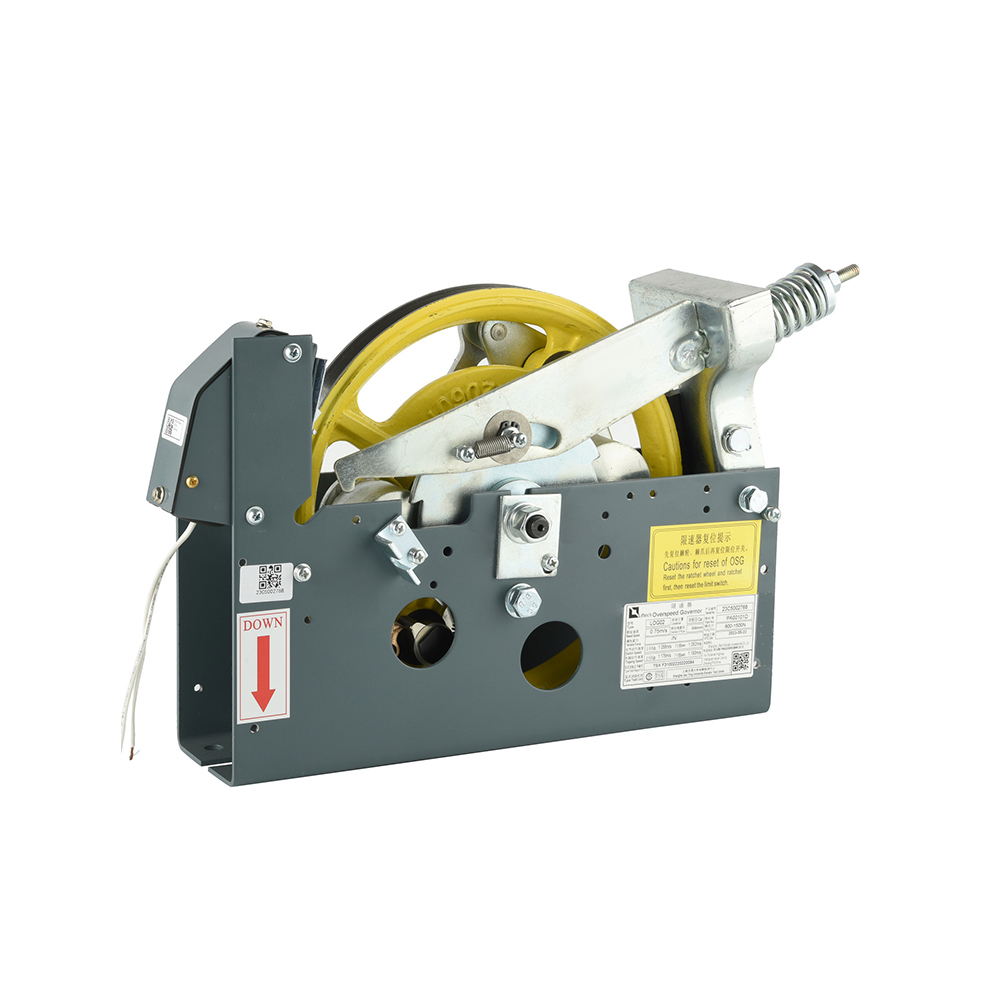
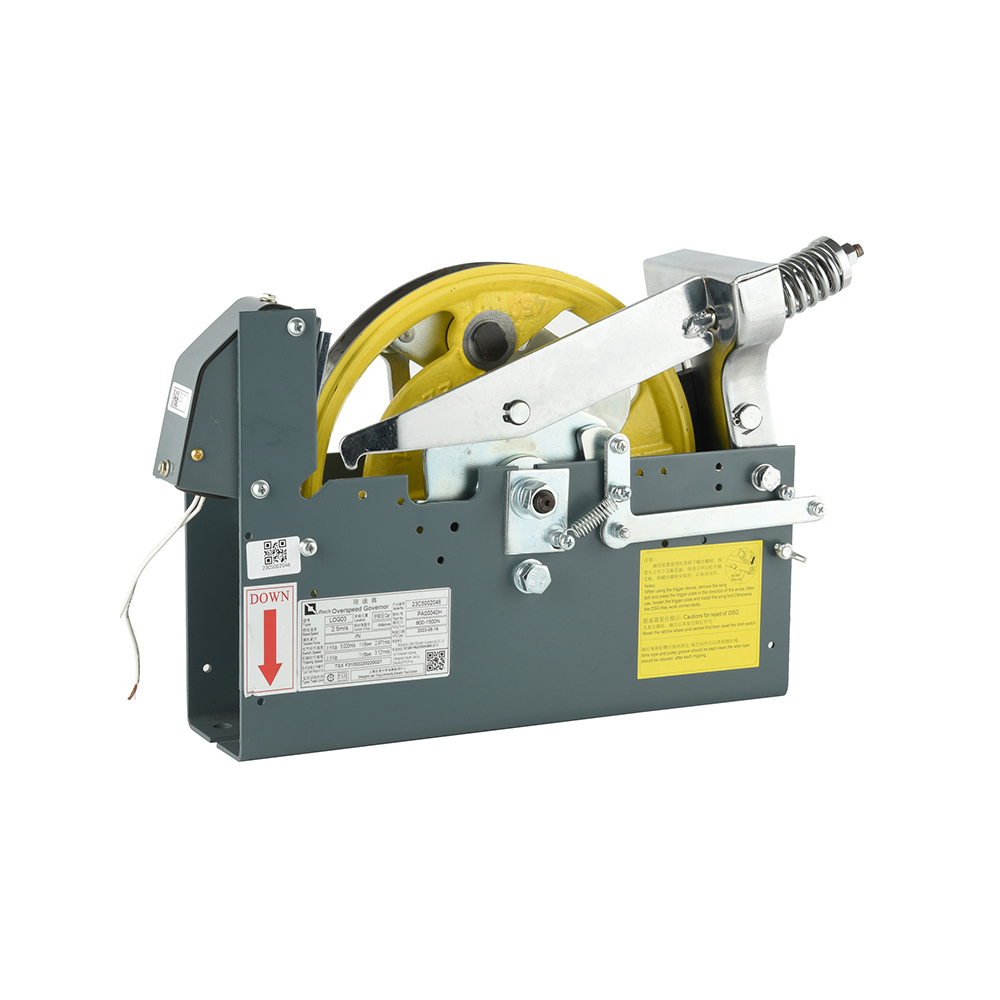
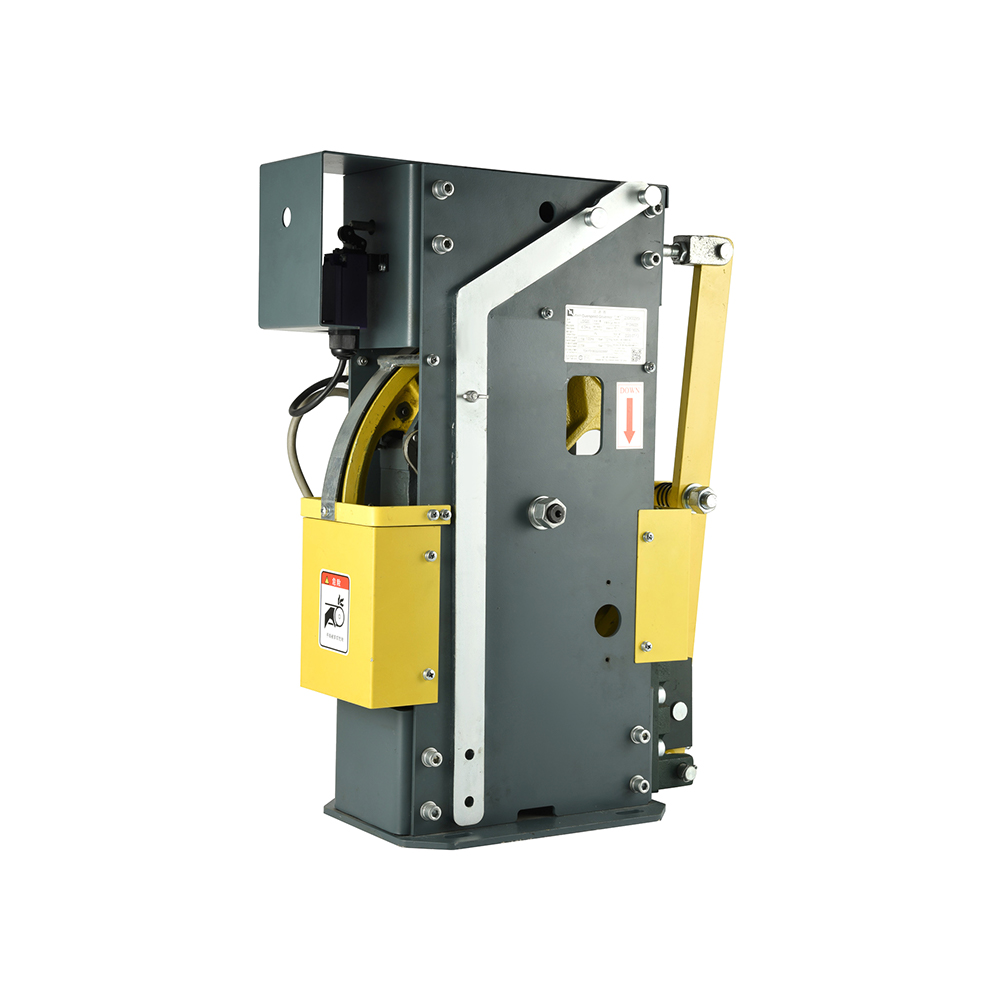
Traditional safety gear acts on the guide rails. However, in scenarios where guide rails are not present (e.g., some hydraulic lifts), are of non-standard type, or where an additional, independent backup is required for critical systems, a direct means of arresting the ropes is necessary. Rope brakes solve this by providing a reliable clamping force directly on the steel cables, ensuring the elevator can be secured even if other systems fail.
Elevator Rope Brakes and Wire Rope Clamping Devices
-- Steady & Reliable Manufacturer --
Elevator rope brakes are independent mechanical safety devices designed to directly grip and hold the suspension ropes (or governor rope) in the event of an emergency, such as overspeed, uncontrolled movement, or failure of the primary braking system. They provide a redundant means of stopping or holding the elevator car, often used in conjunction with or as an alternative to rail-mounted safety gear in specific applications.
Recommended Products
The Key Problem We Solve
Typical Applications
- Hydraulic elevators lacking conventional guide rail systems.
- Mining elevators and other industrial hoists with unique guidance systems.
- As a secondary, independent safety device for high-rise or critical service elevators.
- Elevators with UCMP (Unintended Car Movement Protection) systems, where a rope brake can act as the final holding device after detection.
- Modernization of older elevators where installing modern rail safety gear is impractical.
- Stage lifts and special purpose lifts where space constraints limit the use of standard safety gear.
Product Advantages
| Activation Method | Spring-loaded, solenoid release, or centrifugal force (for governor ropes). |
| Clamping Force | Configurable, from a few kN to over 50 kN per rope. |
| Rope Diameter Compatibility | Typically 8 mm to 20 mm (suspension ropes); 6 mm to 10 mm (governor ropes). |
| Number of Ropes Held | Single, dual, or multiple rope configurations. |
| Release Mechanism | Manual reset (with tools) or powered reset. |
| Response Time | Instantaneous upon signal or mechanical trigger. |
| Key Standards | EN 81-20/50 (for specific applications), ASME A17.1, Machinery Directive 2006/42/EC. |
Selection & Compliance Considerations
Rope Type & Condition: The brake must be compatible with the rope's construction (e.g., 8x19 Seale, stranded, coated) and diameter tolerance. Rope lubrication can affect the coefficient of friction and must be considered in the design calculation.
Required Holding Force: This is calculated based on the total car weight plus rated load. A safety factor of at least 1.5 to 2 is typically applied. The brake must generate enough normal force to create sufficient frictional force on the rope.
Space and Mounting: Rope brakes require adequate space on the car top or in the machine room for installation and maintenance. Mounting structure must be robust enough to withstand the high reaction forces during clamping.
FAQ
- Q: Does a rope brake damage the suspension ropes when it engages?
- A: Properly designed rope brakes use specially profiled jaws or liners that distribute the clamping pressure evenly to minimize localized stress and plastic deformation of the rope wires. While some marking may occur, it should not compromise the rope's integrity if the brake is correctly sized and adjusted. Post-engagement rope inspection is mandatory.
- Q: Can a rope brake be used as the sole safety device?
- A: This depends on local regulations and the elevator code applied. For some types of lifts (e.g., certain hydraulic elevators or rack-and-pinion lifts), a rope brake may be an approved primary safety device. For traction elevators, they are typically used as a secondary or backup device alongside primary rail safety gear. Always consult the applicable safety standard.
- Q: How is the braking force adjusted and tested?
- A: The force is usually adjusted via pre-compression of the main spring or hydraulic pressure setting. Factory testing involves applying the brake to a test rope connected to a load cell to verify the actual clamping force. On-site, a functional test (without full load) checks operation, while a static load test may be required for commissioning.
About Us
Shanghai Liftech Elevator Accessories Co., Ltd.
Founded in 2004, Shanghai Liftech Elevator Accessories Co., Ltd. is a specialized enterprise dedicated to the R&D, manufacturing, testing, and sales of elevator safety components. With over two decades of sustained development, Liftech has established itself as a leading manufacturer in China's elevator safety sector, providing high-quality products and solutions to a wide range of major elevator brands and engineering clients across domestic and international markets. We are ,China Wholesale Elevator Rope Brakes and Wire Rope Clamping Devices Suppliers and Elevator Rope Brakes and Wire Rope Clamping Devices OEM/ODM Manufacturers
For over 20 years, LIFTECH (est. 2004) has been a trusted force in the R&D, manufacturing, and full lifecycle support of premium elevator safety components.
Material Selection Guide
| Component | Standard Duty | High Holding Force / Frequent Use | Marine/Corrosive Environment |
| Brake Jaws / Liners | Malleable Cast Iron or Steel, serrated surface. | Forged Steel, heat-treated, with replaceable hardened steel inserts. | Stainless Steel (316) jaws or steel with nickel-plating; composite non-metallic liners. |
| Clamping Spring | Helical Compression Spring, music wire. | Disc Spring (Belleville washer) stack for consistent force and compact size. | Stainless Steel Springs (302/316). |
| Actuation Solenoid/Mechanism | Standard industrial solenoid. | Redundant coil solenoid or fail-safe spring-applied design. | Enclosed or potted solenoid with high IP rating; corrosion-resistant linkages. |
| Frame & Housing | Carbon Steel, painted. | Welded steel plate construction. | Hot-dip galvanized or epoxy-coated steel; aluminum housing. |
| Guide Rollers/Bushings | Steel rollers, plain bearings. | Needle roller bearings for smooth, low-friction operation. | Stainless steel rollers with sealed bearings. |

