

 English
 中文简体
中文简体 русский
 Español
 Deutsch


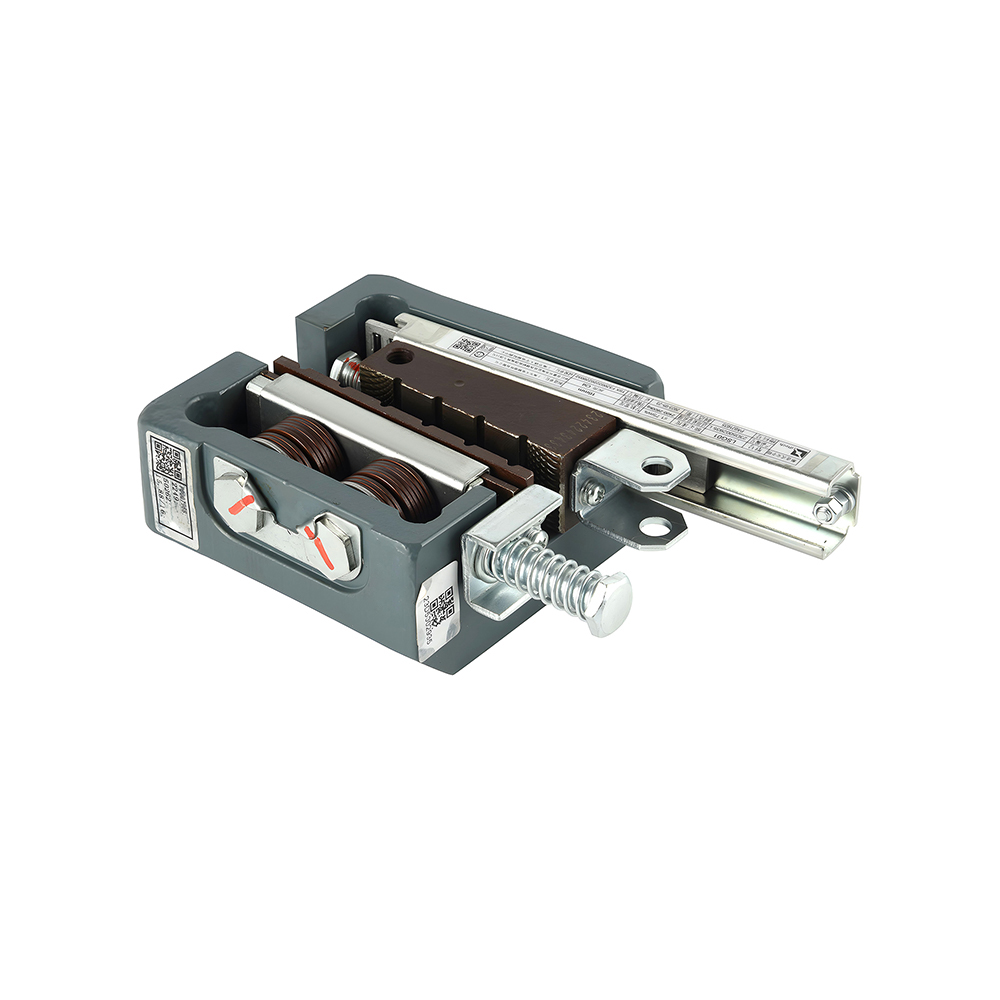
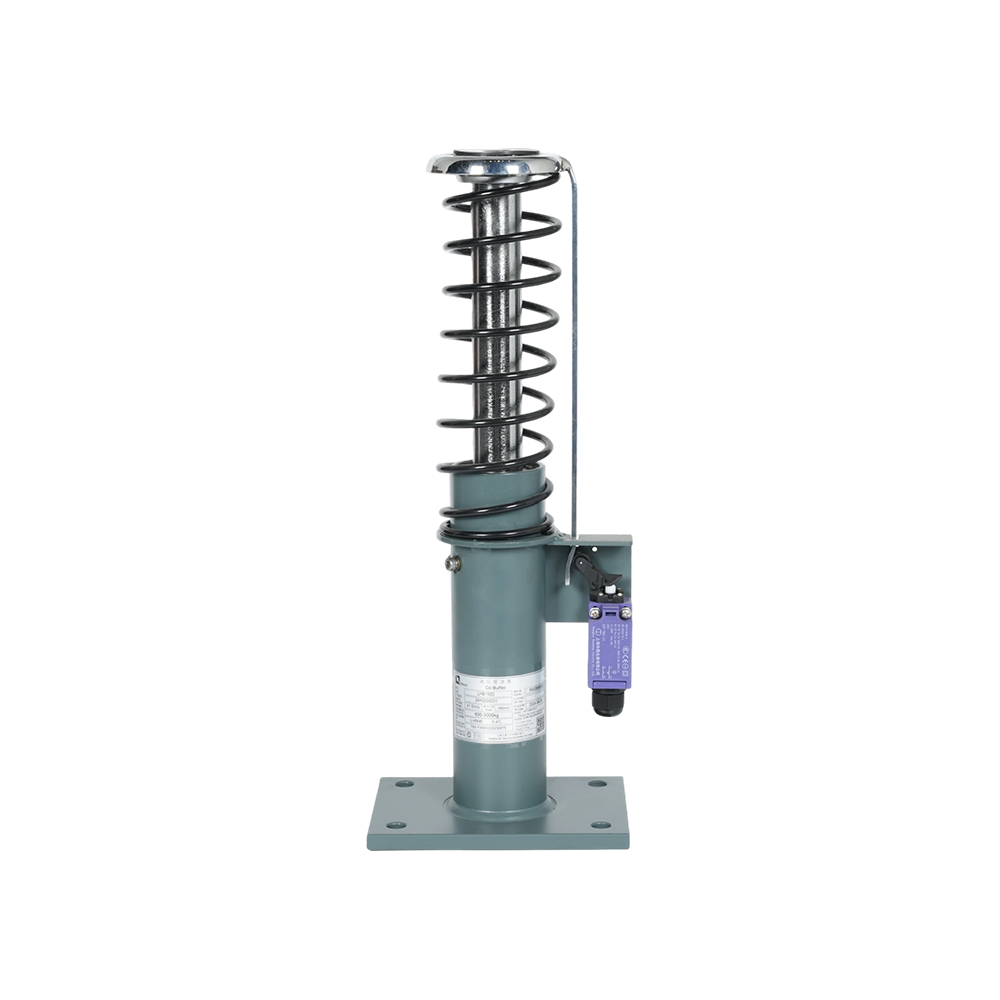
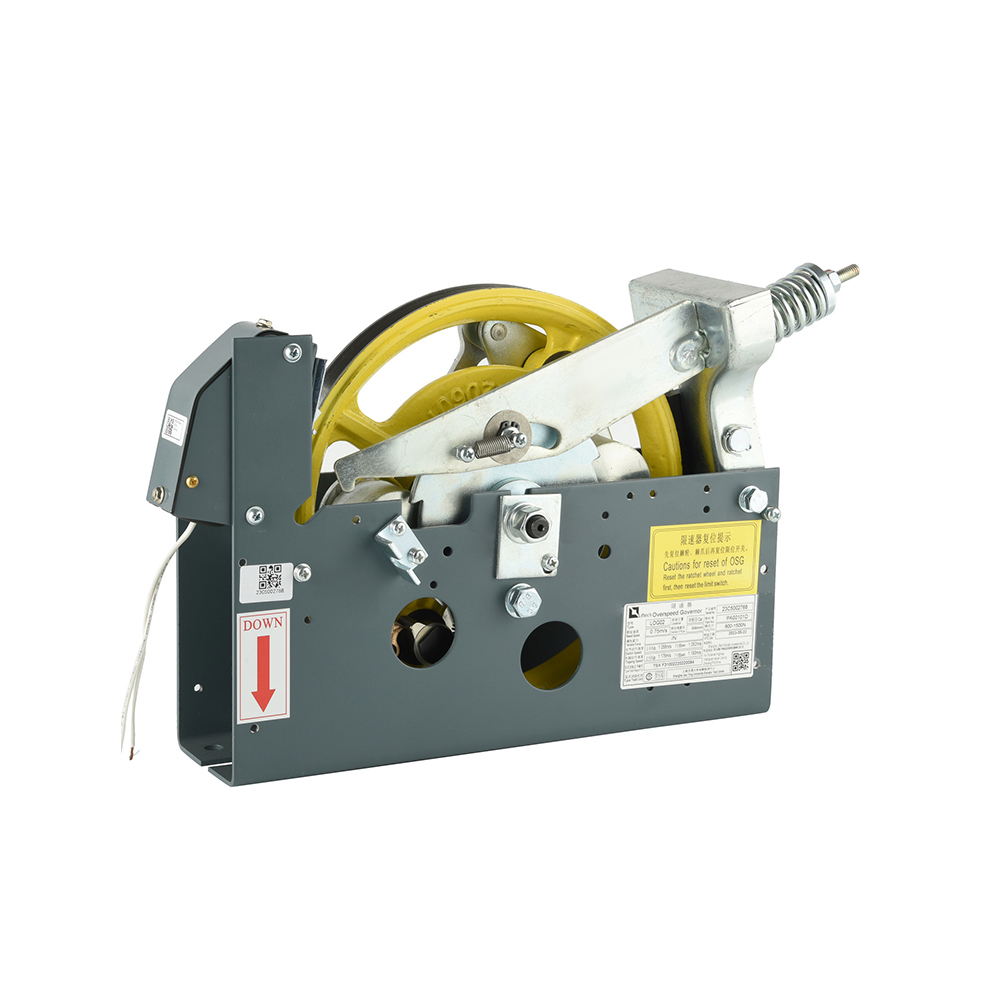
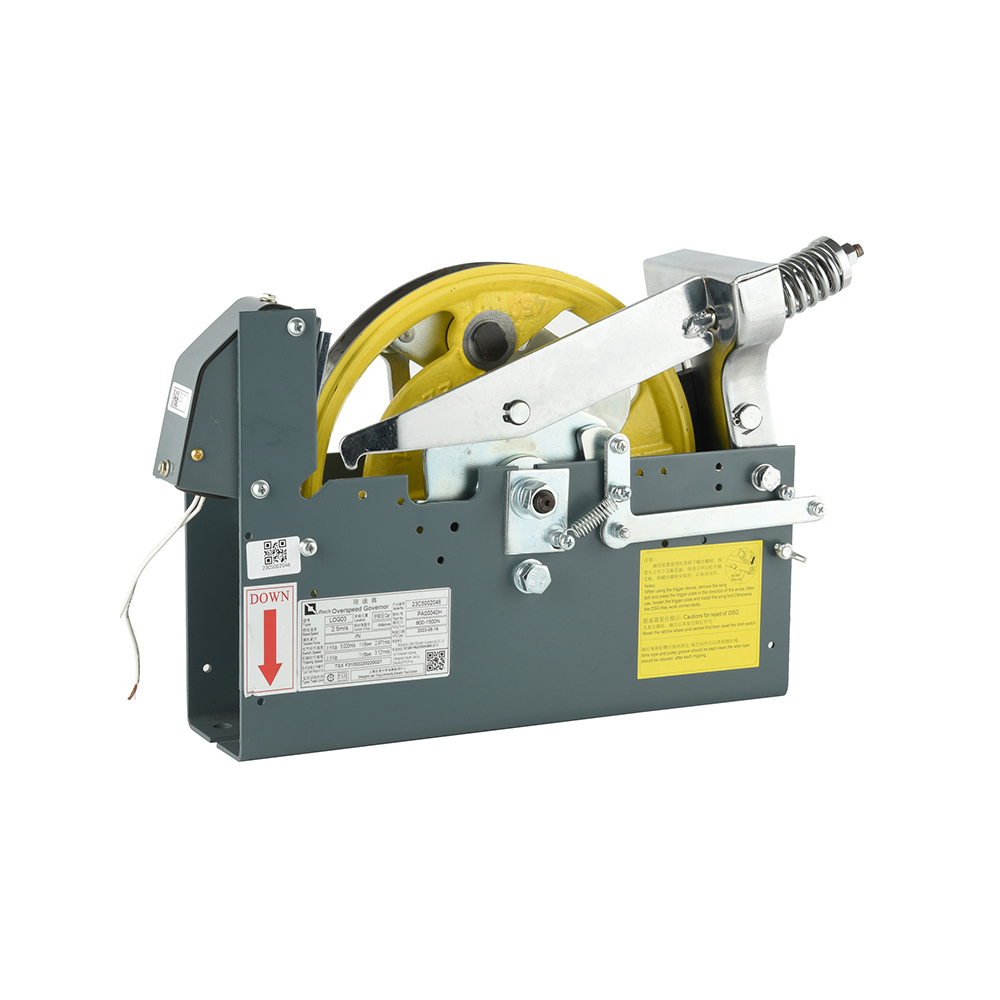
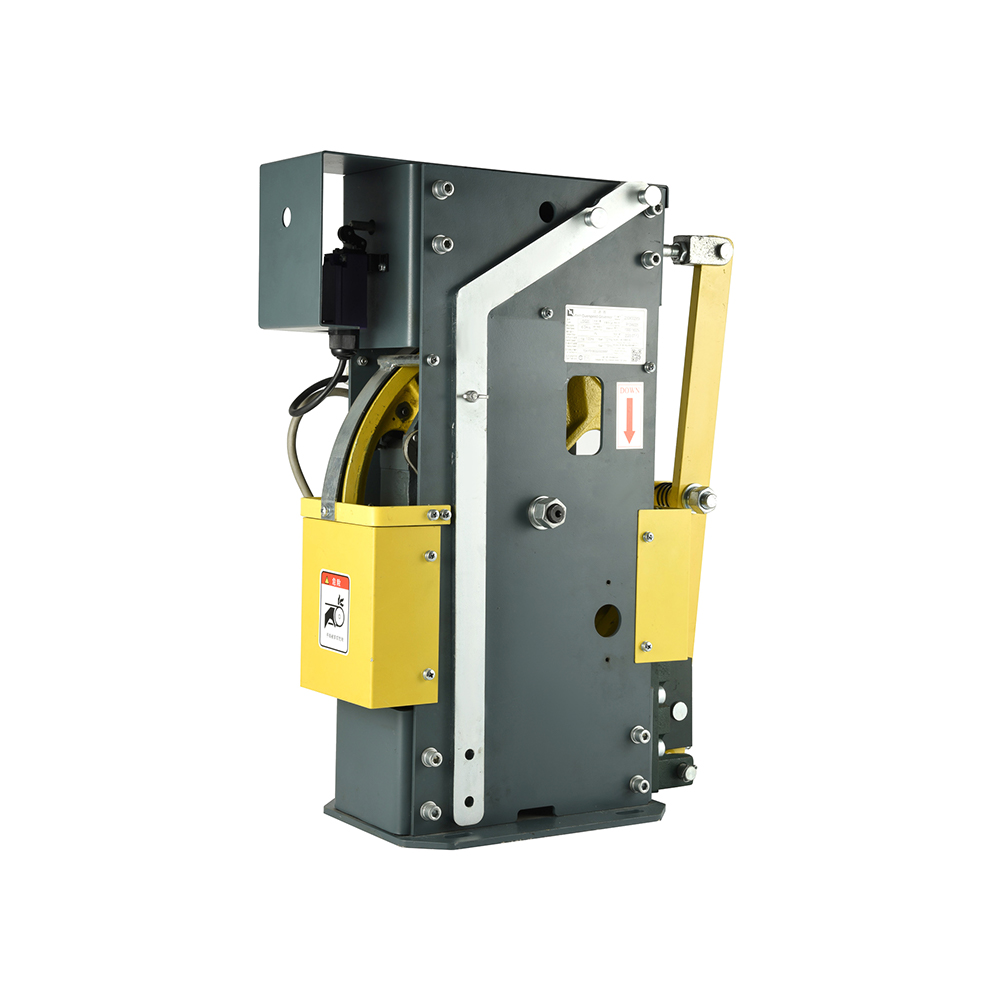
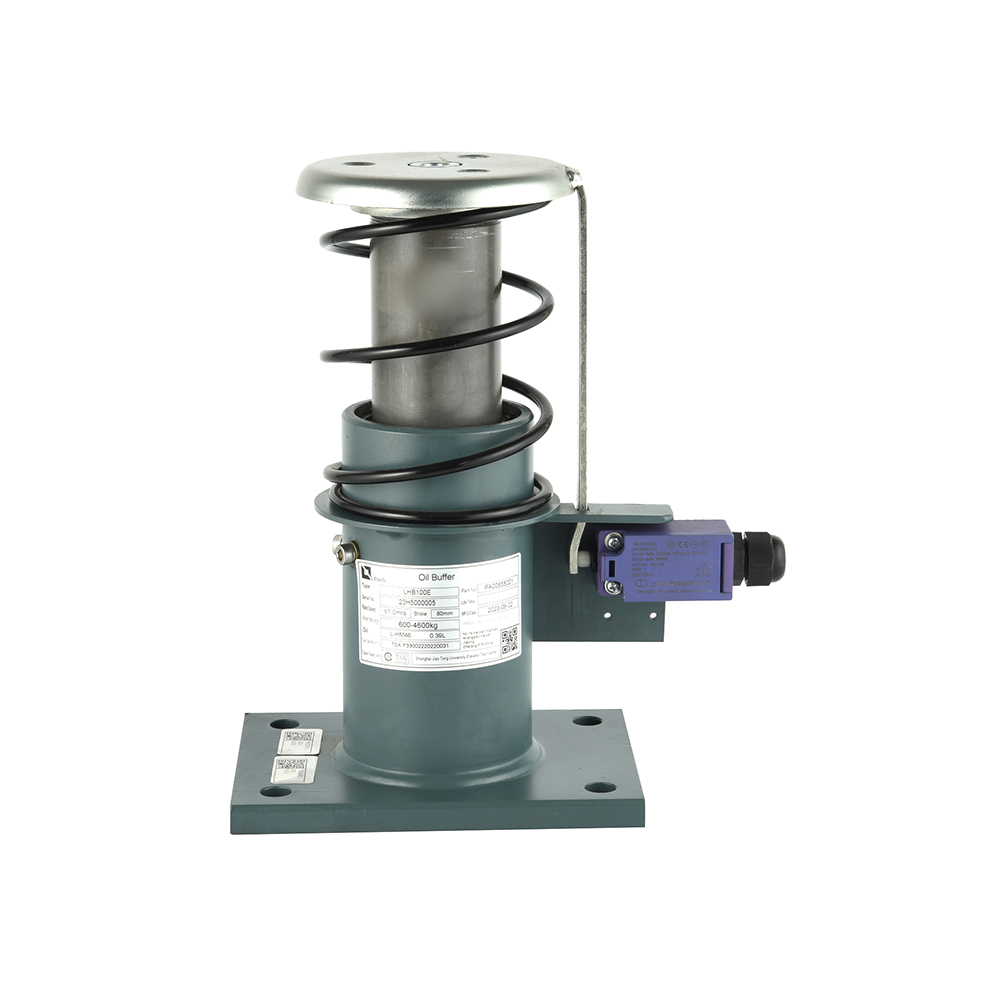
The fundamental problem addressed by fall protection and backup braking is the limitation of probability in safety engineering. While primary safety systems are designed to be extremely reliable, the concept of "single-point failure" persists. The combined probability of a primary safety gear failure coinciding with a drive system failure is infinitesimally small, but not zero. In applications where human life, critical infrastructure, or extremely high value is at stake, this residual risk may be deemed too great. Furthermore, some special elevator designs (e.g., rack-and-pinion, lifting platforms with unique guidance) may not have a traditional guide rail for standard safety gear to act upon, necessitating an alternative arrestment method. The challenge is to create a system that is truly independent, highly reliable, and capable of arresting the elevator under the most severe conditions without causing additional hazards (like derailment or structural collapse). Our solutions in this category solve these problems by offering engineered backup systems based on different physical principles. For instance, a rope brake acts directly on the suspension ropes, independent of the guide rails. An emergency guide rail clamp may use a completely different engagement geometry than the primary safety gear. The triggering is also diversified: instead of overspeed, it might be triggered by slack rope, loss of encoder signal, or a dedicated overspeed sensor independent of the main governor. These systems are designed with a focus on fail-safe activation (spring-applied, electrically or pneumatically released) and are subjected to rigorous analysis and testing specific to their intended catastrophic failure scenario. They provide building owners, insurers, and regulators with quantifiable evidence that risks have been reduced to a level "As Low As Reasonably Practicable" (ALARP), especially in flagship or high-risk installations.
Elevator Fall Protection and Backup Braking
-- Steady & Reliable Manufacturer --
Elevator fall protection and backup braking systems constitute a category of safety engineering focused on mitigating the consequences of catastrophic failures beyond the scope of the primary overspeed safety chain. While the standard safety gear activated by the governor is designed for controlled overspeed conditions, these additional systems address more severe, though statistically rare, scenarios such as the simultaneous failure of multiple suspension ropes, catastrophic loss of traction, or failure of both the service brake and the primary safety gear. This category includes devices like secondary rope brakes (also called parachute devices), emergency arrestors, and backup clamping systems that engage on guide rails or other structural members. The design philosophy here is one of redundancy and diversity: providing a separate mechanical or electromechanical means of stopping or holding the elevator that is independent in both its triggering mechanism and its actuation method from the primary system. For example, a system might use a slack-rope detector to sense rope failure and trigger a spring-applied caliper that grips the guide rails. These systems are often required by specific regulations for certain elevator types (e.g., elevators in seismic zones, lifts with unique risks) or are installed in high-criticality applications like skyscrapers, nuclear facilities, or stage lifts based on a formal risk assessment. The engineering involves calculating extreme dynamic loads, selecting materials that can withstand impact without brittle fracture, and designing trigger mechanisms that are fail-safe (i.e., they engage upon loss of power or signal). Implementing such systems adds a significant layer of safety complexity but can be justified where the potential consequences of a free-fall or uncontrolled movement are deemed unacceptable.
Recommended Products
The Key Problem We Solve
Typical Applications
- Elevators in super high-rise buildings (skyscrapers) where evacuation and rescue are extremely complex.
- Stage lifts, orchestra pits, and theatrical machinery where performers are at risk.
- Industrial lifts and material handling systems with unique failure modes (e.g., in mining).
- Elevators in critical facilities: nuclear power plants, data centers, military installations.
- Rack-and-pinion elevators on construction sites or facades.
- Modernizations of older elevators where adding a secondary system is specified by a new risk assessment.
- Applications mandated by local codes for seismic or other exceptional loading conditions.
Product Advantages
| System Types | Secondary rope brakes, emergency guide rail clamps, pyrotechnic/pneumatic arrestors, backup overspeed detection with independent brake. |
| Activation Trigger | Slack rope detection, independent overspeed sensor, loss of position signal, manual emergency signal. |
| Arresting Mechanism | Clamping on ropes, clamping on guide rails or a dedicated arrestor rail, friction braking on a drum or sheave. |
| Energy Absorption Capacity | Designed for worst-case kinetic energy (e.g., free-fall from highest position, or maximum load/speed). |
| Fail-Safe Principle | Typically spring-applied, electrically/pneumatically released. Loss of control signal causes engagement. |
| Standards & Approval | Often project-specific engineering; may follow Machinery Directive (2006/42/EC), ISO 12100 (risk assessment), or specific performance-based codes. |
Selection & Compliance Considerations
Selecting and implementing a fall protection or backup braking system is a specialized engineering undertaking, not a standard catalog purchase. The process must begin with a formal risk assessment (per ISO 12100 or similar) to identify all credible hazardous scenarios and determine if existing safeguards are sufficient. If a backup system is justified, the performance requirements must be defined: What is the mass to be arrested? From what maximum possible speed? Within what stopping distance? What are the allowable G-forces? The triggering criteria must be carefully chosen to avoid nuisance activations while ensuring response to real failures. Integration with the existing control system is critical; the backup system should monitor independent parameters and have its own safe-state logic. Physical integration is equally important: the system requires robust mounting points on the car structure capable of withstanding enormous reaction forces. Certification path must be established early; these systems often require validation by a third-party notified body or classification society. Maintenance and testing procedures must be developed, as functional testing of a catastrophic arrest system is hazardous and may require specialized equipment. Finally, consider the system reset procedure after a (test) activation, which can be complex. Engaging a supplier with experience in these specialized systems from the project's conceptual phase is essential for a successful outcome.
FAQ
- Q: Is a secondary braking system required by elevator codes like EN 81 or ASME A17.1?
- A: Generally, no. Mainstream elevator codes like EN 81-20 and ASME A17.1 do not mandate a secondary system beyond the primary safety gear activated by the governor. They consider the redundancy of multiple suspension ropes and the reliability of the primary safety chain to be sufficient. Secondary systems are typically installed based on a project-specific risk assessment, owner/insurer requirements, or for special elevator types not fully covered by standard codes (e.g., certain industrial lifts). Some national codes for seismic regions may require additional restraining devices, which fall into this category.
- Q: How is a secondary system tested without destroying the elevator?
- A> Full-scale dynamic testing to arrest a free-fall is impractical. Therefore, validation relies on a combination of methods: 1) Component Testing: Individual parts (brake calipers, springs, sensors) are tested to their rated forces and cycles. 2) Static Load Testing: The installed system may be subjected to a gradual pull test to verify it can hold the required load without slipping. 3) Functional Testing: The triggering mechanism (e.g., slack rope switch) is tested to ensure it sends the correct signal, and the brake is verified to release and apply correctly. 4) Analysis: Extensive engineering calculations and Finite Element Analysis (FEA) simulate the dynamic engagement and verify structural integrity. A notified body reviews this entire validation package.
- Q: What happens after a backup braking system engages? Can the elevator be used again?
- A: Engagement of a catastrophic arrest system is a major event. The elevator will be out of service for an extended period. Recovery involves: 1) Safely securing the car. 2) Mechanically resetting the arrestor device, which may require specialized tools and procedures. 3) Conducting a thorough inspection of the arrestor, all related components (ropes, guides, car structure), and the primary safety system. 4) Replacing any consumed or damaged parts (e.g., friction liners, pyrotechnic cartridges). 5) Re-certification of the entire system by a competent person. It is not a simple reset, and costs/downtime are significant, underscoring that these are truly last-resort systems.
About Us
Shanghai Liftech Elevator Accessories Co., Ltd.
Founded in 2004, Shanghai Liftech Elevator Accessories Co., Ltd. is a specialized enterprise dedicated to the R&D, manufacturing, testing, and sales of elevator safety components. With over two decades of sustained development, Liftech has established itself as a leading manufacturer in China's elevator safety sector, providing high-quality products and solutions to a wide range of major elevator brands and engineering clients across domestic and international markets. We are ,China Wholesale Elevator Fall Protection and Backup Braking Suppliers and Elevator Fall Protection and Backup Braking OEM/ODM Manufacturers
For over 20 years, LIFTECH (est. 2004) has been a trusted force in the R&D, manufacturing, and full lifecycle support of premium elevator safety components.
Material Selection Guide
| System Type | Key Arresting Component Materials | Trigger Sensor Materials | Secondary Rope Brake | Brake jaws: Forged steel with replaceable hardened inserts or non-sparking bronze. Frame: Welded steel. | Slack rope detector: Stainless steel lever, high-cycle spring. Proximity sensor: Stainless housing. |
| Emergency Guide Rail Clamp | Clamping wedges: High-toughness alloy steel (e.g., 4340). Reaction structure: Heavy box-section steel. | Independent overspeed sensor: Sealed magnetic pickup. Control electronics: Industrial-grade PLC. | |||
| Pyrotechnic Arrestor | Piston & cylinder: High-strength alloy steel. Friction elements: Specialized composite cartridges. | Electronic trigger unit: MIL-spec or safety-rated components. |

