

 English
 中文简体
中文简体 русский
 Español
 Deutsch


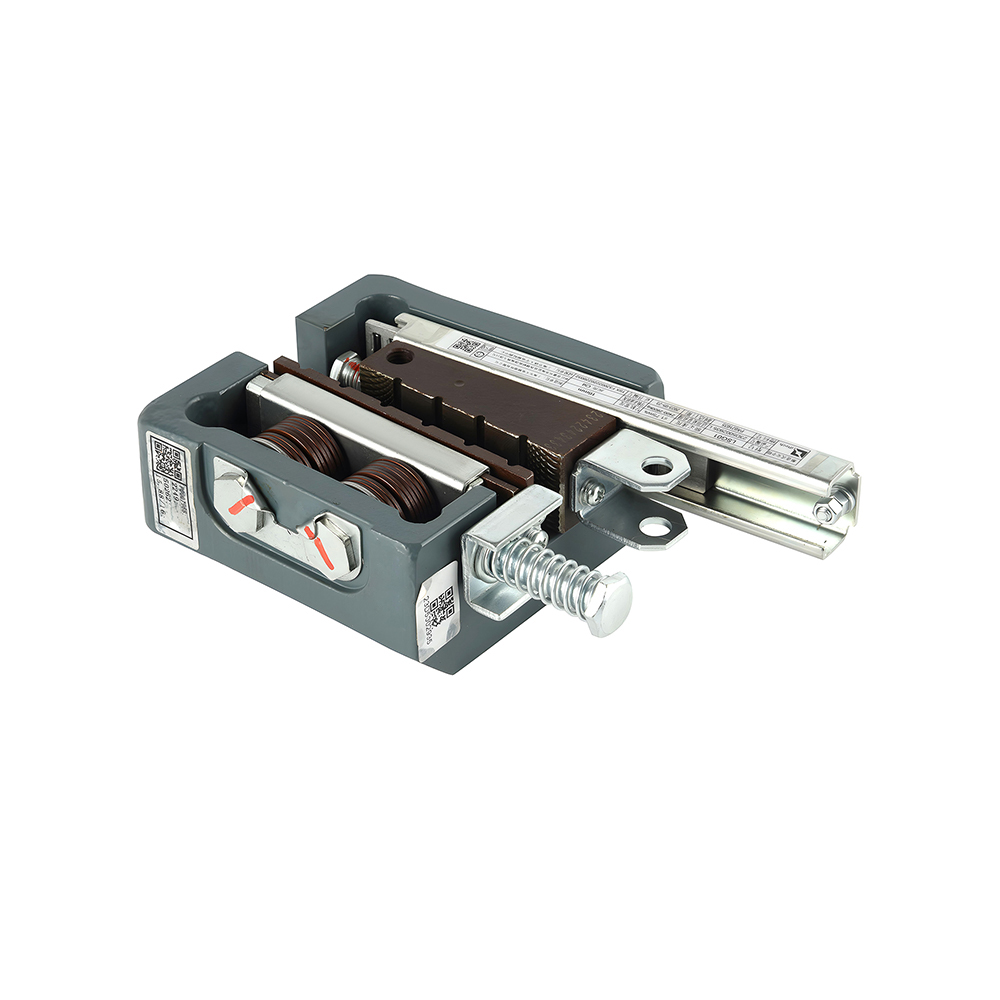
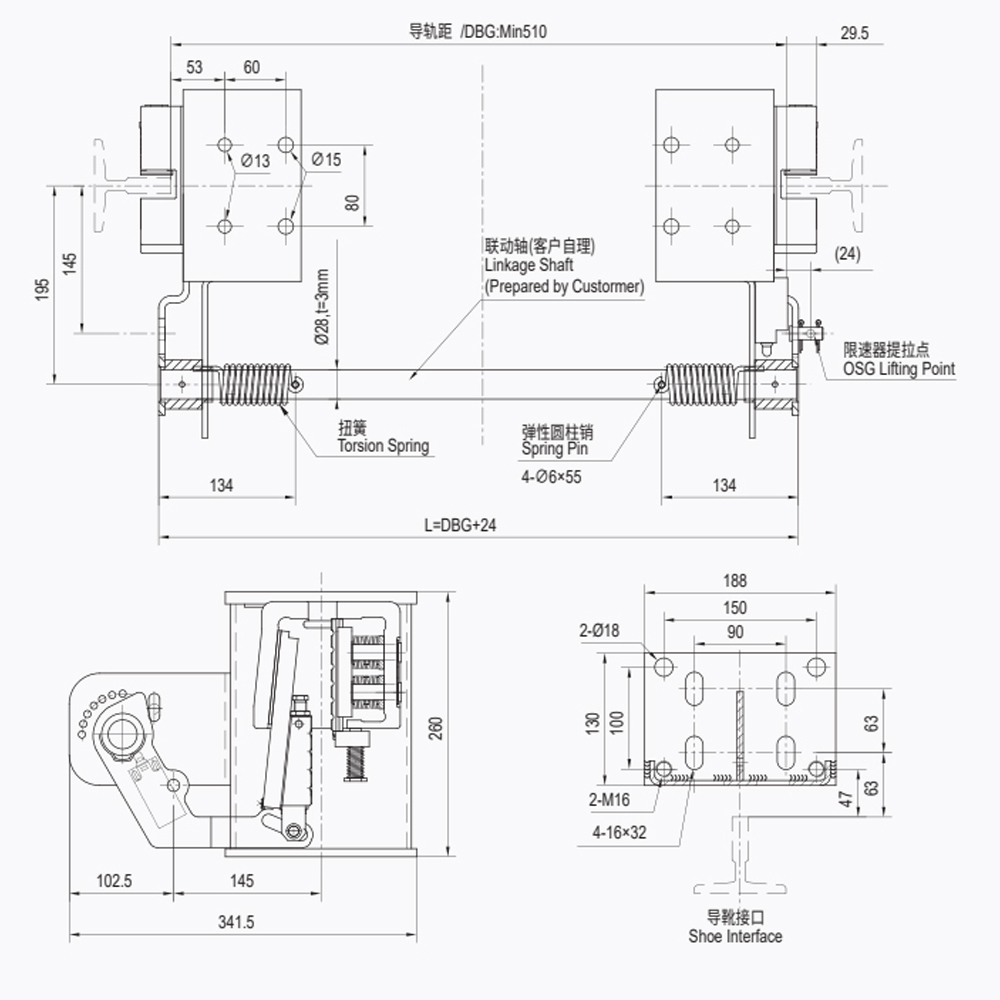
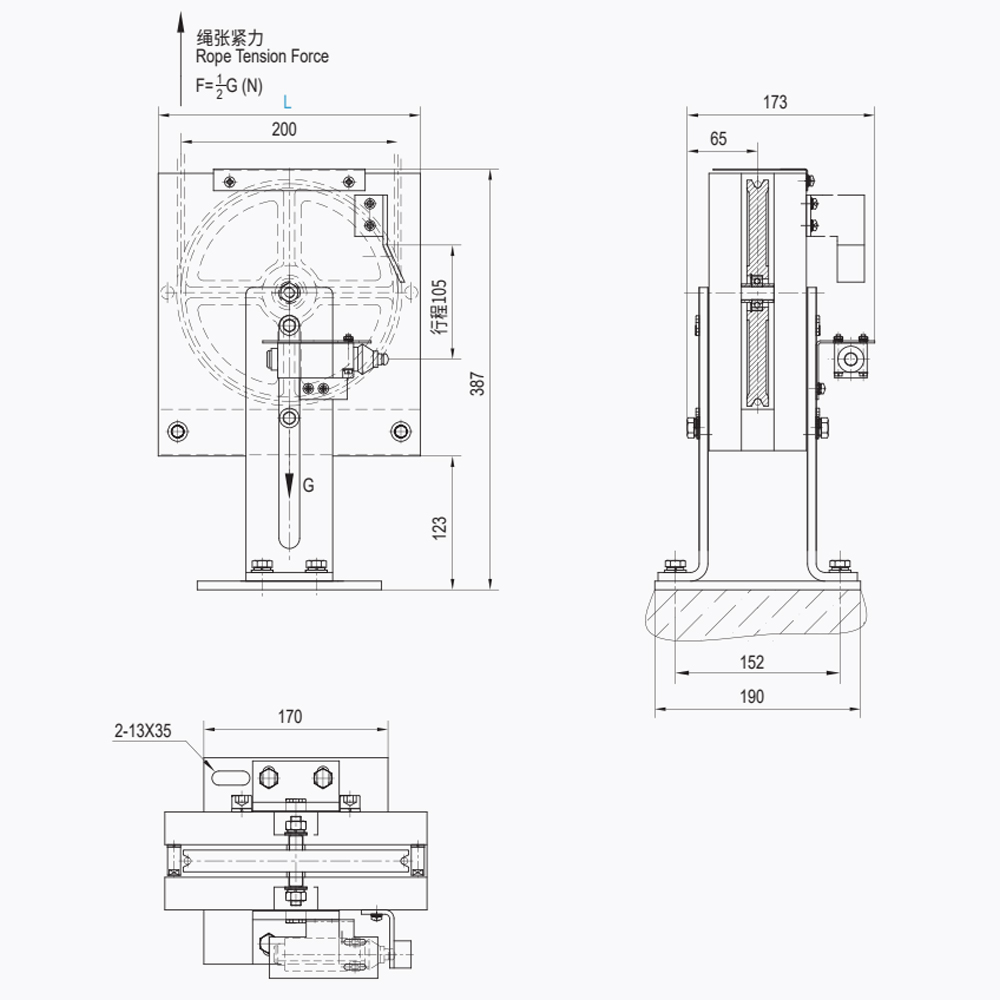
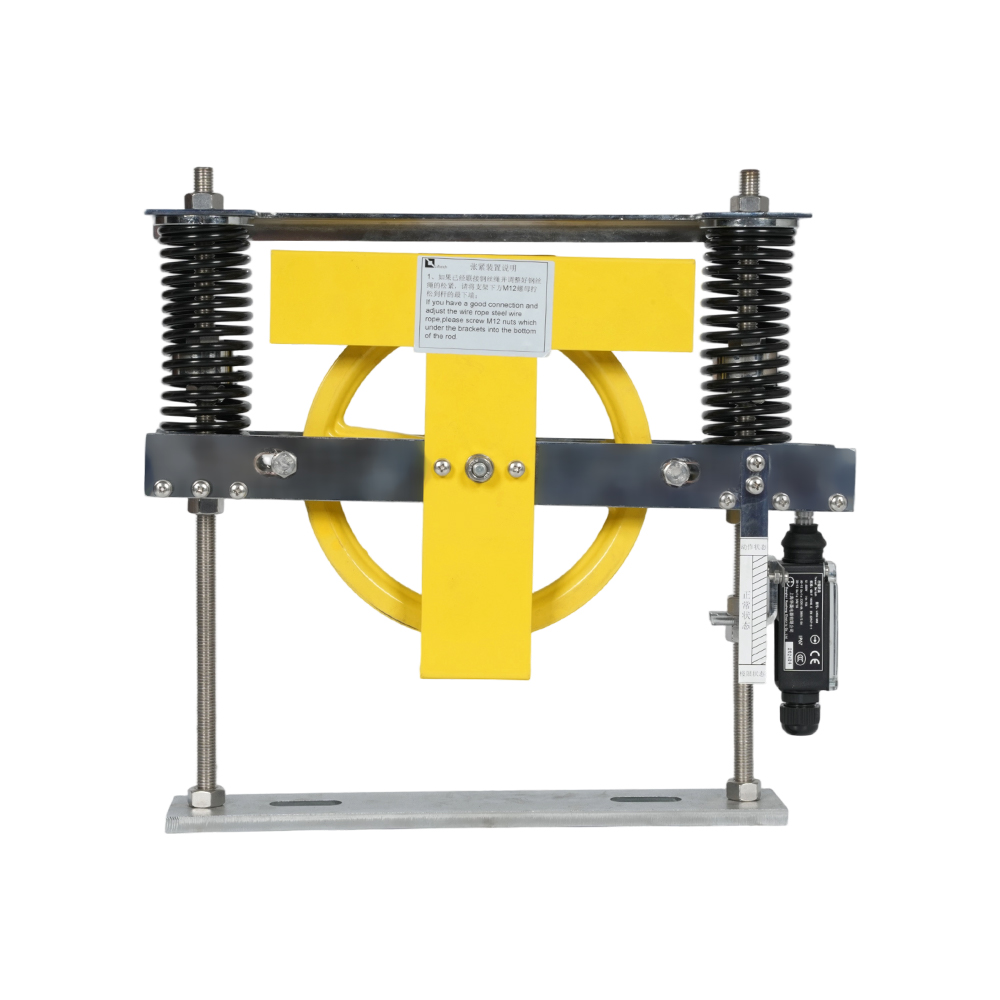
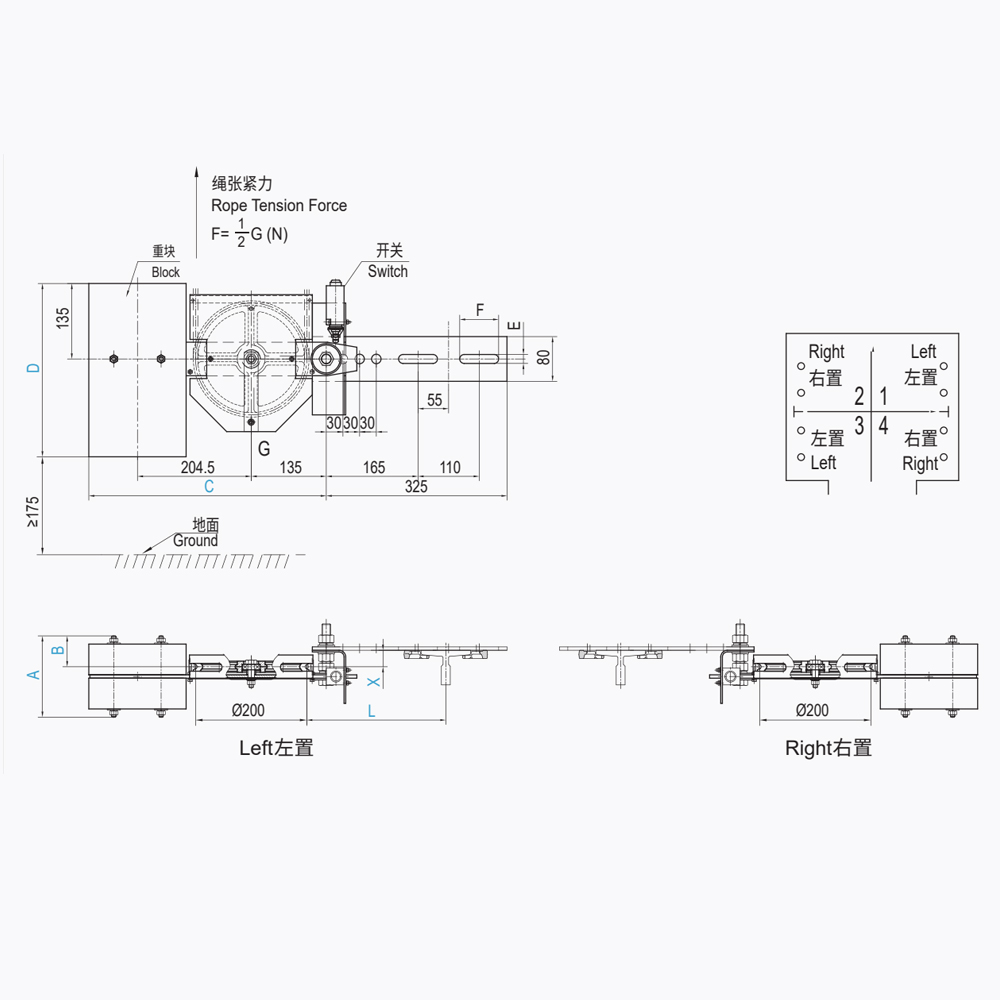
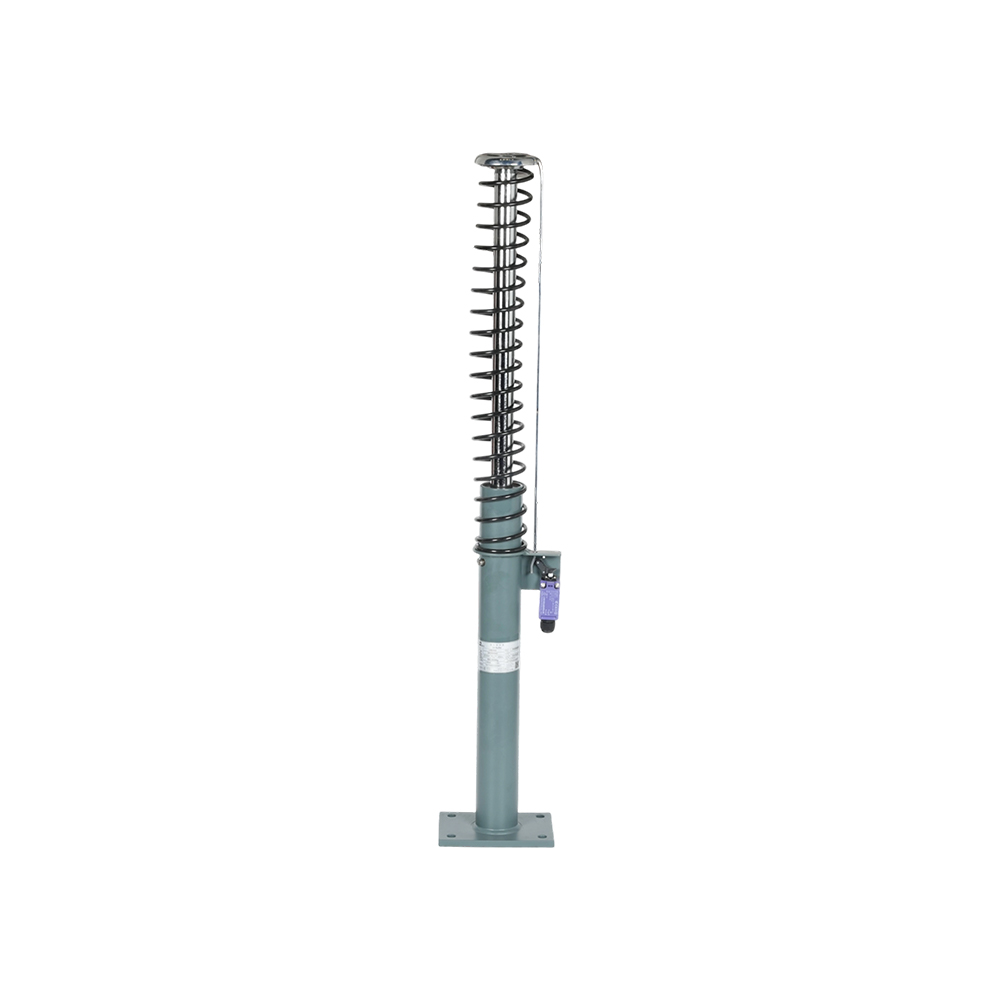
Without a robust door safety system, the gap between the moving car and the stationary hoistway presents a severe hazard. People, especially children, can be crushed by closing doors or fall down the shaft if a hoistway door is inadvertently left open or can be forced open while the car is not present. Traditional simple mechanical latches can be defeated, and reliance on only electrical switches for verification is unsafe, as a switch can fail in a "closed" state. The problem is creating a physical and logical barrier that is virtually impossible to compromise, ensuring absolute safety during passenger entry, exit, and car movement. Door safety and interlock mechanisms solve this by implementing a multi-layered, redundant, and mechanically positive safety chain. They prevent movement unless all doors are proven closed and locked, and they prevent access to the hazardous hoistway unless the protective car enclosure is present. This addresses the most frequent point of passenger interaction with the elevator, turning it from a potential danger zone into a safe, predictable interface.
Elevator Door Safety and Interlock Mechanisms
-- Steady & Reliable Manufacturer --
Elevator door safety and interlock mechanisms are a critical subsystem separate from the car arresting safety gear, designed to prevent the most common cause of elevator accidents: passengers or objects being struck by or caught in moving doors, or falling into the hoistway through an open door. This system encompasses several key components working in concert: Door Operators with torque and kinetic energy limits to ensure gentle closing force; Safety Edges (flexible rubber or optical beams) on the leading edge of car doors that, when obstructed, cause the doors to reopen; Hoistway Door Locks (interlocks) that mechanically and electrically verify that every hoistway (shaft) door is securely closed and locked before the elevator car is allowed to move away from that floor; Car Door Locks that ensure the car door is closed before travel; and Door Re-opening Devices (e.g., light curtains or time-delay sensors) that detect a passenger crossing the threshold during closing. The interlock is the cornerstone of this system—it is a fail-safe mechanical lock that positively prevents the hoistway door from being opened from the landing side unless the car is present and correctly aligned at that floor. This intricate system, governed by strict codes (EN 81-20/50 §5.3, ASME A17.1 §2.13), creates a protected enclosure, ensuring that an open hoistway door and a moving elevator car are mutually exclusive states, thereby eliminating the risk of falls and impacts.
Recommended Products
The Key Problem We Solve
Typical Applications
- All passenger elevators in commercial, residential, and public buildings.
- Hospital and bed elevators where stretchers and equipment frequently cross the threshold.
- Freight elevator doors, which are larger and heavier, requiring robust interlocks and sensing.
- Modernization projects upgrading older, non-compliant door systems to current safety standards.
- Elevators in regions with stringent accessibility codes requiring specific door reopening times and sensitivities.
Product Advantages
| Interlock Type | Mechanical latch with integral electrical safety contacts (positively driven switches). |
| Door Operator Force Limit | Closing kinetic energy limited to ≤ 10 Joules (per EN 81-20). Closing force typically limited to ≤ 150 N. |
| Safety Edge/Sensor | Actuation force for mechanical edges ≤ 25 N; optical sensor beam height and detection field as per code. |
| Door Lock Strength | Hoistway door lock must withstand a static force of ≥ 1000 N applied to the most unfavorable point on the door. |
| Electrical Circuit | All safety contacts are in a series-wired, monitored safety circuit (door monitoring circuit - DMC). |
| Compliance | EN 81-20/50 §5.3, ASME A17.1 §2.13, including type-testing for interlocks and door operators. |
Selection & Compliance Considerations
Selection must be compatible with the door type (center-opening, single slide, two-speed, etc.) and material (steel, glass, stainless). The interlock must be matched to the door's weight and configuration. For glass doors, specialized interlocks and fittings are required. Ensure the door operator's control is sophisticated enough to manage the force limits, re-open sequences, and nudging functions compliantly. The entire door safety circuit, including all locks and car door contacts, must be designed as a "safety chain" with a monitored voltage. For modernizations, a survey of existing door hangers and frames is necessary to ensure new interlocks can be properly fitted. Regular testing and maintenance of all door safety functions are crucial.
FAQ
- Q: What's the difference between an interlock and a door lock? A> An interlock is a specific type of door lock used on hoistway doors. It has two key features: (1) a mechanical latch that physically prevents the door from opening, and (2) positively opened contacts—electrical switches that are physically forced open by the mechanism when the door is unlocked. A simple door lock might just be a mechanical catch. The interlock's integrated, forced-open contacts are what make it a code-mandated safety device, ensuring an electrical signal cannot falsely indicate the door is locked.
- Q: How does the "safety edge" work? A> A mechanical safety edge is a flexible rubber profile running down the leading edge of the car door. Inside it, a pressure-sensitive switch runs its length. When the door closes and the edge is compressed (by a person or object), the switch activates, signaling the door operator to stop and reverse. An optical safety edge uses an infrared beam across the door gap; breaking the beam triggers reopening.
- Q> Can doors be manually opened in an emergency? A> Yes, codes require a means to unlock hoistway doors from the landing side for emergency access by firefighters or technicians. This is usually done with a specialized triangular or square key that operates a release mechanism on the interlock. From inside the car, doors can usually be manually parted if the car is stopped within the unlocking zone of a floor.
- Q: Why do elevator doors sometimes "nudge" closed? A> If the door is held open by the safety edge or re-open device for an extended period (e.g., 20 seconds as per some codes), the control may initiate a "nudging" function. The doors attempt to close at a reduced speed and force, often with an audible signal, to encourage obstruction clearance while maintaining a safety priority. The force during nudging is still within regulated limits.
About Us
Shanghai Liftech Elevator Accessories Co., Ltd.
Founded in 2004, Shanghai Liftech Elevator Accessories Co., Ltd. is a specialized enterprise dedicated to the R&D, manufacturing, testing, and sales of elevator safety components. With over two decades of sustained development, Liftech has established itself as a leading manufacturer in China's elevator safety sector, providing high-quality products and solutions to a wide range of major elevator brands and engineering clients across domestic and international markets. We are ,China Wholesale Elevator Door Safety and Interlock Mechanisms Suppliers and Elevator Door Safety and Interlock Mechanisms OEM/ODM Manufacturers
For over 20 years, LIFTECH (est. 2004) has been a trusted force in the R&D, manufacturing, and full lifecycle support of premium elevator safety components.
Material Selection Guide
| Component | Material & Construction for Reliable Operation |
| Interlock Latch & Strike Plate | Latch: Forged or machined steel, often case-hardened for wear resistance. Strike Plate: Hardened steel, securely mounted to the door frame to absorb locking forces. |
| Door Hangers & Tracks | Hangers: Steel or aluminum alloy with sealed ball-bearing rollers. Track: Precision steel track, often with a nylon or plastic insert for quiet operation. |
| Safety Edge Profile | Outer Shell: Flexible, durable PVC or rubber that remains pliable across temperature ranges. Internal Switch: Low-pressure air tube or conductive rubber strip connected to a sensitive pressure sensor. |
| Electrical Contacts (in Interlock) | Contacts: Silver or silver-alloy contacts for low resistance and long life. Actuator: A cam or lever that physically forces the contacts apart when the door is unlocked, ensuring a "positive break." |

