

 English
 中文简体
中文简体 русский
 Español
 Deutsch


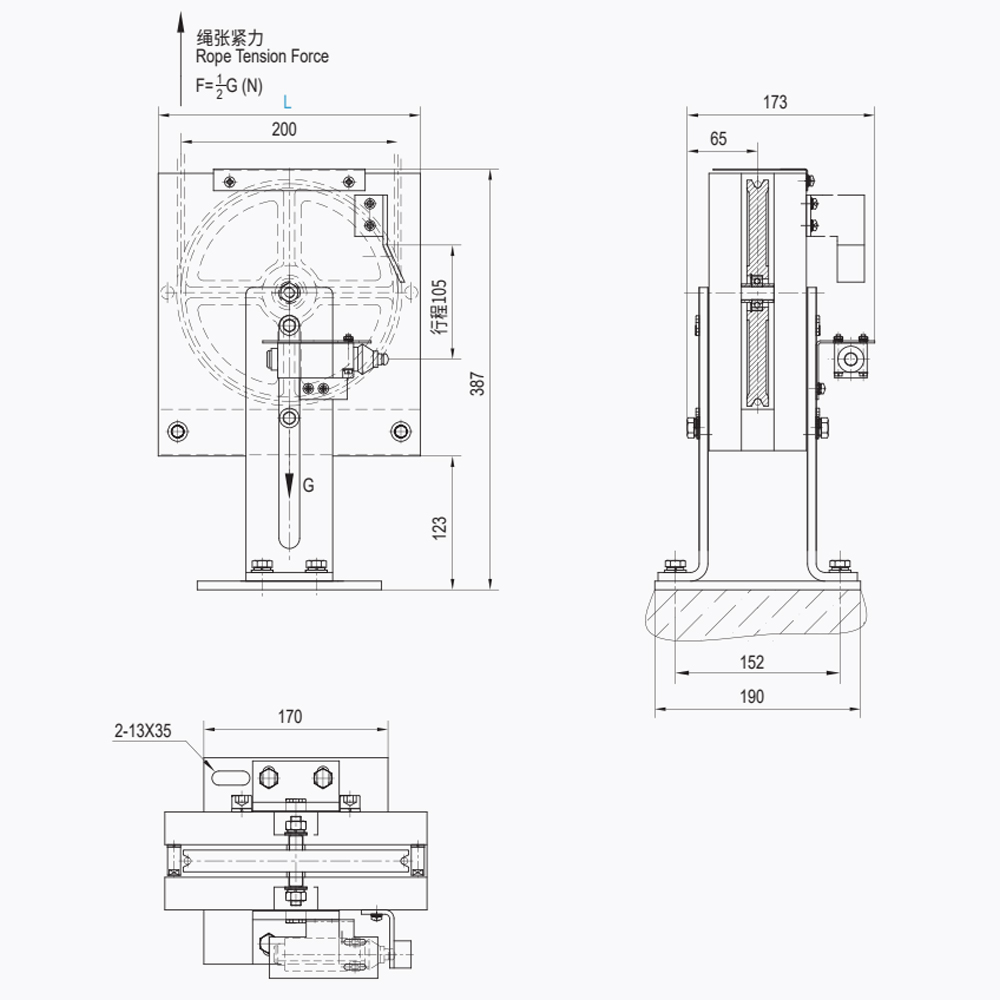
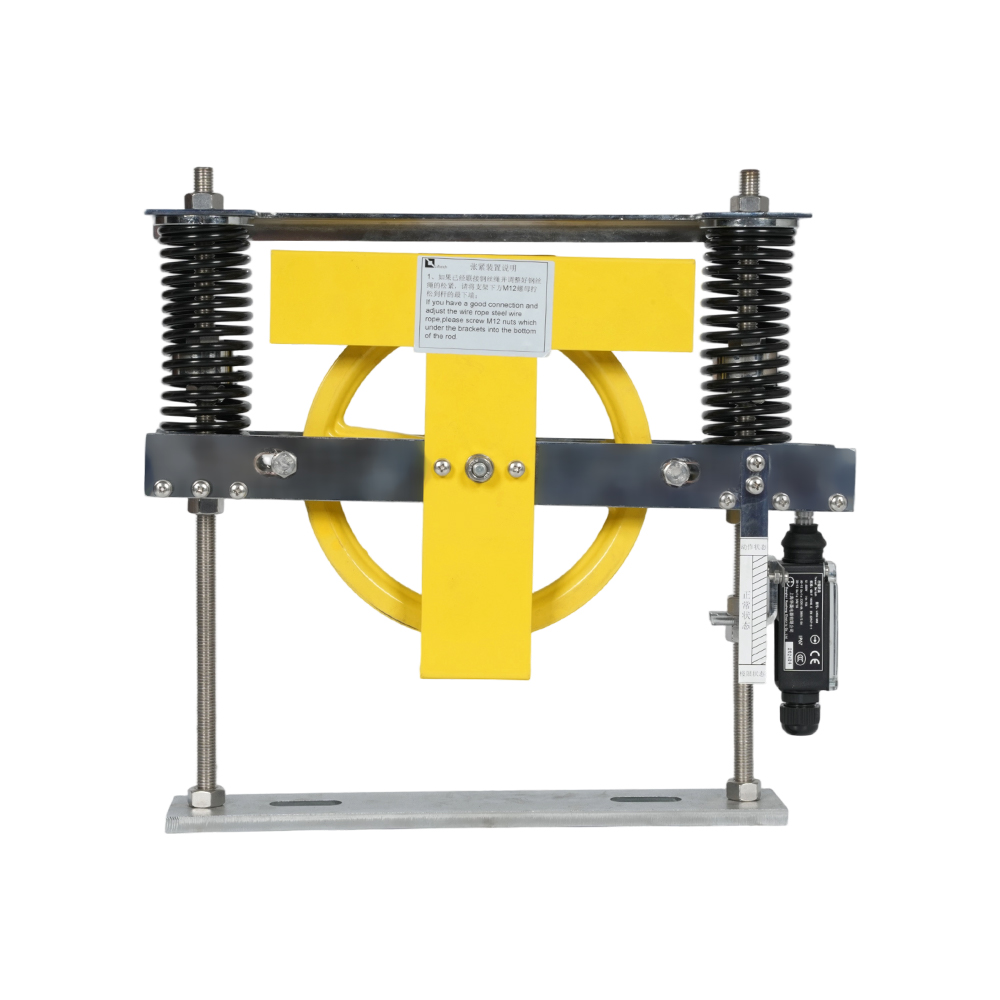
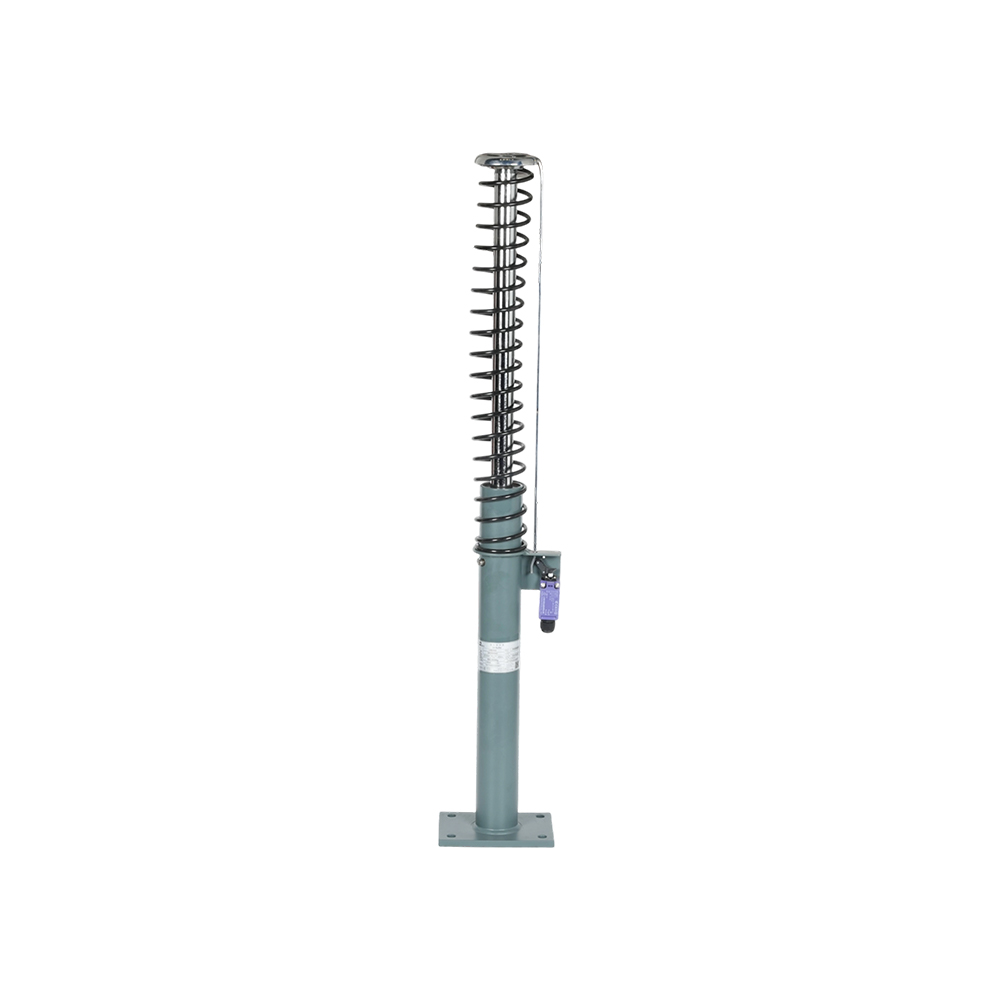
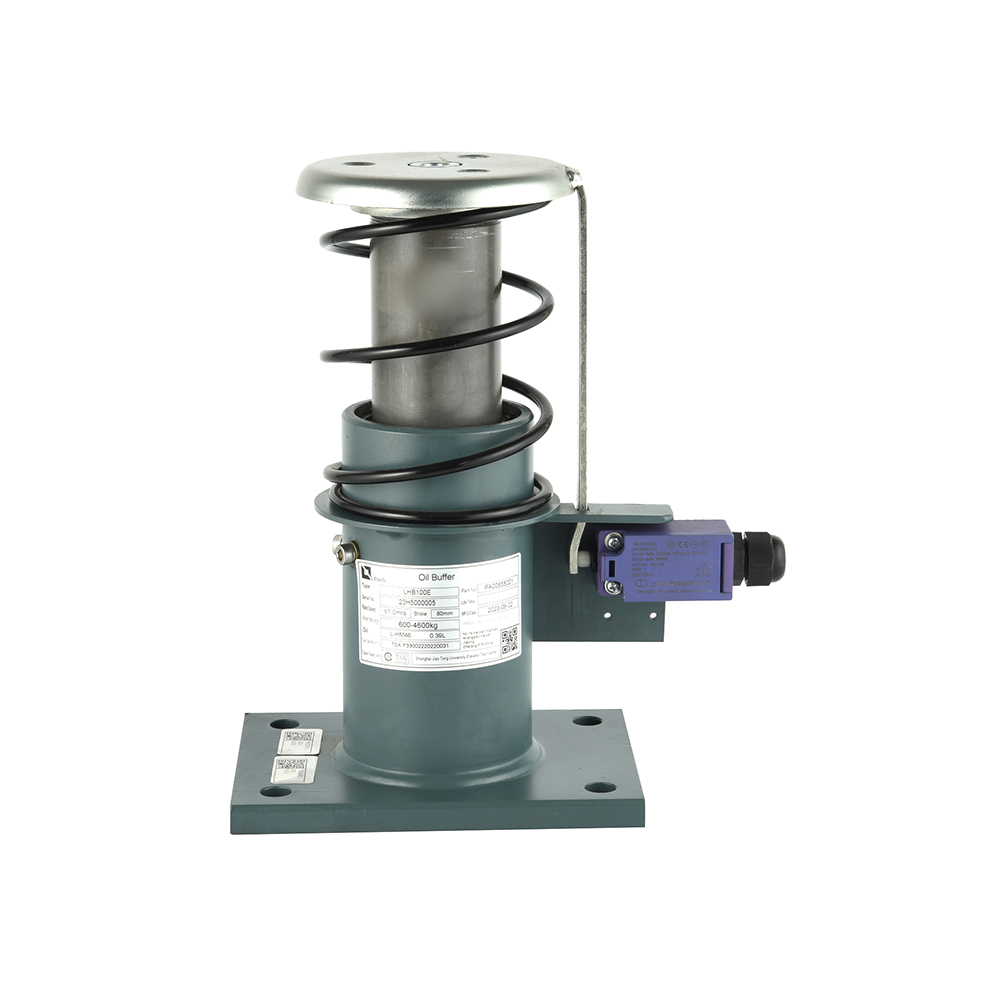
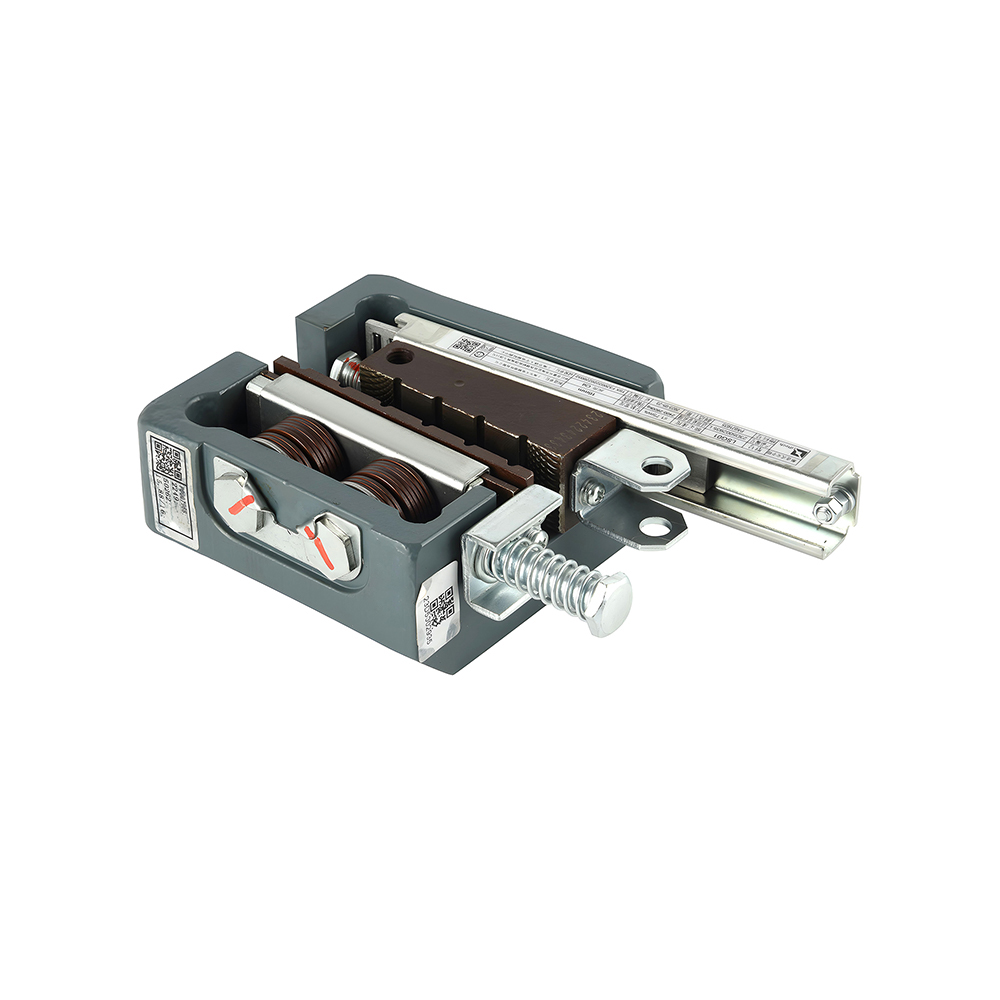
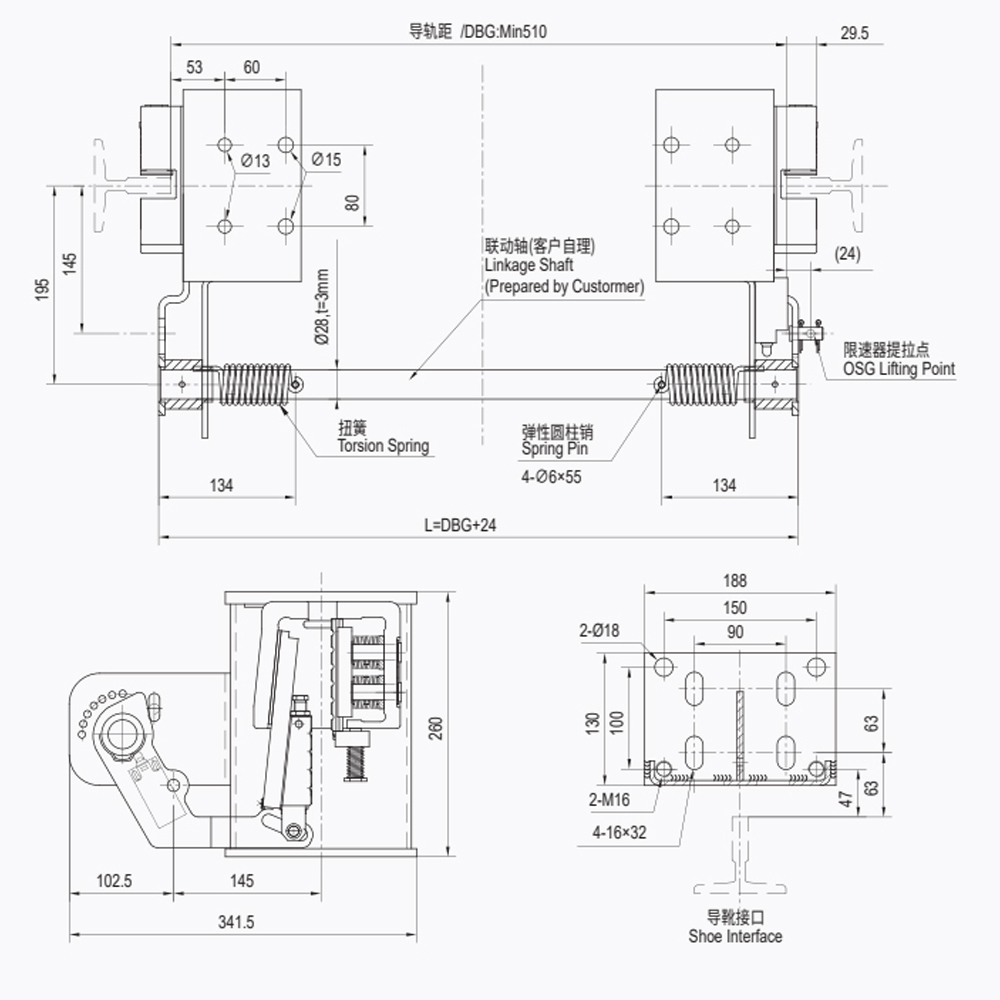
The global marketplace for elevator components is vast, with varying levels of quality and regulatory oversight. The core problem is the risk and uncertainty introduced by sourcing safety-critical parts without verified certification. Using a non-certified safety gear, governor, or buffer creates multiple layers of vulnerability. Legally, it violates construction and product safety laws, potentially voiding the elevator's overall operating permit and exposing all parties in the supply chain to fines and legal action. Technically, the performance of the component is unverified; it may fail to meet key parameters like clamping force, tripping speed accuracy, or energy absorption capacity. Commercially, it can invalidate building insurance policies and become a major liability in the event of an incident. For building owners and project managers, the consequence of this uncertainty is a hidden but enormous potential cost—far exceeding any upfront savings from cheaper, non-certified parts. Our provision of fully certified and tested components solves this problem by delivering certainty. We solve the legal compliance issue by supplying components with the correct, valid certification marks for your target market, accompanied by the legally required documentation. We solve the performance uncertainty by providing test reports from accredited labs that quantify the component's capabilities, giving engineers hard data for their system calculations. We solve the supply chain risk by maintaining traceability from raw material to finished product, backed by a quality management system (like ISO 9001) that is itself audited. This allows you to specify and procure with confidence, knowing that the safety foundation of your elevator project is built on verified, documented, and legally compliant products, thereby protecting your project, your clients, and ultimately, the elevator users.
Elevator Safety Certifications and Tested Components
-- Steady & Reliable Manufacturer --
In the highly regulated world of vertical transportation, elevator safety certifications and tested components represent the formal, documented proof that a product meets the stringent health, safety, and performance requirements mandated by law in a specific market. This is far more than a manufacturer's claim; it is the outcome of a rigorous conformity assessment process defined by directives like the EU's Lift Directive 2014/33/EU or standards like ASME A17.1 in North America. For safety components listed in these regulations (e.g., safety gears, buffers, overspeed governors, door locks), certification is not optional—it is a legal prerequisite for placing the product on the market. The process typically involves several key stages: the manufacturer must design the component according to harmonized standards, have its design examined and type-tested by an accredited third-party organization (a Notified Body in the EU, a recognized testing laboratory elsewhere), implement a quality assurance system for ongoing production, and finally affix the mandated mark (CE, CSA, etc.) and provide a Declaration of Conformity. "Tested components" refers to the physical evidence of this process: units that have undergone destructive and non-destructive tests to verify strength, durability, and performance under simulated emergency conditions. The resulting documentation—the technical file, test reports, and certificates—provides traceability and is the foundation for the elevator system's overall certification. For engineers, specifiers, and buyers, insisting on properly certified and tested components is the primary mechanism to manage legal liability, ensure insurance coverage, and, most importantly, have objective confidence that the safety devices will function as intended in a crisis. This category underscores the critical link between engineering excellence and regulatory compliance in delivering verifiably safe elevator systems.
Recommended Products
The Key Problem We Solve
Typical Applications
- All new elevator installations in regulated markets (European Union, North America, Australia, etc.).
- Major modernization and retrofit projects where updated compliance is required.
- Export of elevator systems or components to countries with strict import certification requirements.
- Procurement by government agencies, hospitals, and institutions with mandatory certified supplier policies.
- Projects where evidence of due diligence and product safety is required for insurance or financing.
- Replacement parts for existing certified systems, where like-for-like certified parts are needed to maintain the original certification.
Product Advantages
| Common Certification Marks | CE (EU), UKCA (UK), ASME A17.1 / CSA B44 (North America), EAC (Eurasian Customs Union), CCC (China). |
| Applicable Directives/Standards | Lift Directive 2014/33/EU (EU), Machinery Directive 2006/42/EC, ASME A17.1-2019/CSA B44-19. |
| Key Documentation | EU Declaration of Conformity (DoC) or Certificate of Compliance, Technical File/Test Reports, Installation Instructions. |
| Notified Body / Lab Involvement | Mandatory for safety components under Lift Directive (Annex I). Provides 4-digit identification number (e.g., 0123). |
| Ongoing Requirements | Manufacturer must maintain a Quality Assurance system (e.g., ISO 9001) and undergo periodic surveillance audits. |
Selection & Compliance Considerations
Navigating safety certifications requires a methodical approach. First, identify the target market and the specific certification mark(s) required for legal installation. Do not assume a CE mark is sufficient for North America, or vice-versa. Second, for the EU market, verify the Notified Body number on the CE mark and cross-reference it with the Declaration of Conformity (DoC). The DoC is a legal document; request a copy before purchase. It should clearly list the product, the manufacturer, the applied directives, and the harmonized standards. Third, review the scope of certification. Does the certificate cover the exact model and specification (e.g., load rating, speed range) you are ordering? Fourth, understand the difference between a component certificate and a test report. A certificate (like a CE DoC) attests to full compliance. A test report is a supporting document showing how specific tests were passed; it is part of the technical file but not a standalone certification. Fifth, for replacement parts, ensure the new part is certified as equivalent to the original. Using a non-certified part in a certified system may void the system's overall certification. Finally, keep all documentation for the lifetime of the elevator. Authorities and insurers may request it during audits or after an incident. Consider certification not as a bureaucratic hurdle, but as the essential due diligence that validates the safety performance you are paying for.
FAQ
- Q: What is the difference between a "CE Mark" and a "Certificate of Conformity"?
- A: The CE Mark is the physical symbol affixed to the product or its nameplate, indicating the manufacturer's declaration that the product meets all applicable EU legislation. The EU Declaration of Conformity (DoC) is the legal document that underpins the CE Mark. It is a signed statement containing details of the product, the manufacturer, the referenced standards, and the applicable directives. You must receive the DoC with the product. A "Certificate of Conformity" might be a similar document for other markets (like ASME), but in the EU context, the specific "EU Declaration of Conformity" is the mandatory document. The CE mark without the supporting DoC is not compliant.
- Q: Can a component have multiple certifications (e.g., both CE and ASME)?
- A: Yes, many manufacturers seek multiple certifications to sell the same product in different global markets. A component can be CE marked for Europe and also comply with ASME A17.1 for North America, provided it meets all the requirements of both standards. The manufacturer will have a DoC for the EU and a separate Certificate of Compliance or listing for ASME. The product may bear multiple marks, or different versions of the product may be produced for different markets. Always specify the certification required for your project location.
- Q: Who is legally responsible if a non-certified safety component fails?
- A: Legal responsibility is layered but severe. The manufacturer who placed a non-compliant product on the market is primarily liable. The importer (if manufactured outside the region) shares this liability. The installer/system integrator (elevator company) is responsible for installing compliant components; using non-certified parts is a breach of their professional duty and likely of the contract. The building owner/manager may be held responsible for operating an uncertified, unsafe installation. In the event of an accident, all parties in the chain could face criminal charges, civil lawsuits, and voided insurance. The regulatory authorities can also order the elevator out of service. The legal and financial risks overwhelmingly justify the use of certified components.
About Us
Shanghai Liftech Elevator Accessories Co., Ltd.
Founded in 2004, Shanghai Liftech Elevator Accessories Co., Ltd. is a specialized enterprise dedicated to the R&D, manufacturing, testing, and sales of elevator safety components. With over two decades of sustained development, Liftech has established itself as a leading manufacturer in China's elevator safety sector, providing high-quality products and solutions to a wide range of major elevator brands and engineering clients across domestic and international markets. We are ,China Wholesale Elevator Safety Certifications and Tested Components Suppliers and Elevator Safety Certifications and Tested Components OEM/ODM Manufacturers
For over 20 years, LIFTECH (est. 2004) has been a trusted force in the R&D, manufacturing, and full lifecycle support of premium elevator safety components.
Material Selection Guide
| Document Type | Purpose & Legal Status | Key Information it Contains | EU Declaration of Conformity (DoC) | The manufacturer's legally binding declaration of compliance with EU law. Must accompany the product. | Product identification, manufacturer/importer details, referenced harmonized standards, applicable directives, place & date of issue, authorized signature. |
| Technical Construction File (TCF) | Confidential file held by the manufacturer proving how compliance was achieved. Must be presented to authorities upon request. | Design drawings, calculations, material certs, test reports, list of components, risk assessment, instructions. | |||
| Test Report (from Accredited Lab) | Evidence that the product passed specific type tests defined in the standard. | Test laboratory details, product ID, test standards used, test setup description, measured data (forces, speeds, distances), pass/fail conclusion. | |||
| Certificate of Compliance (e.g., for ASME) | Document stating the product complies with a specific standard like ASME A17.1. | Product details, standard edition, manufacturer, statement of compliance, issuing authority (e.g., NBIC). |

