

 English
 中文简体
中文简体 русский
 Español
 Deutsch


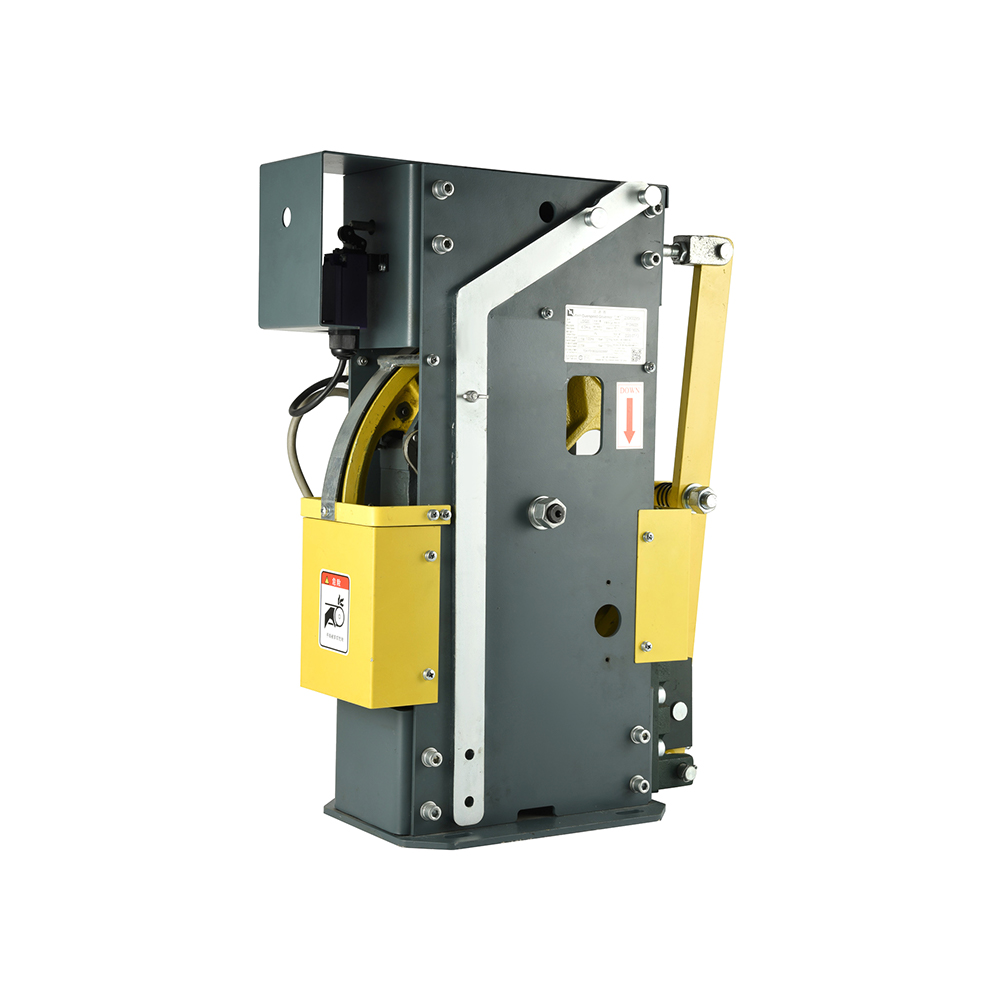
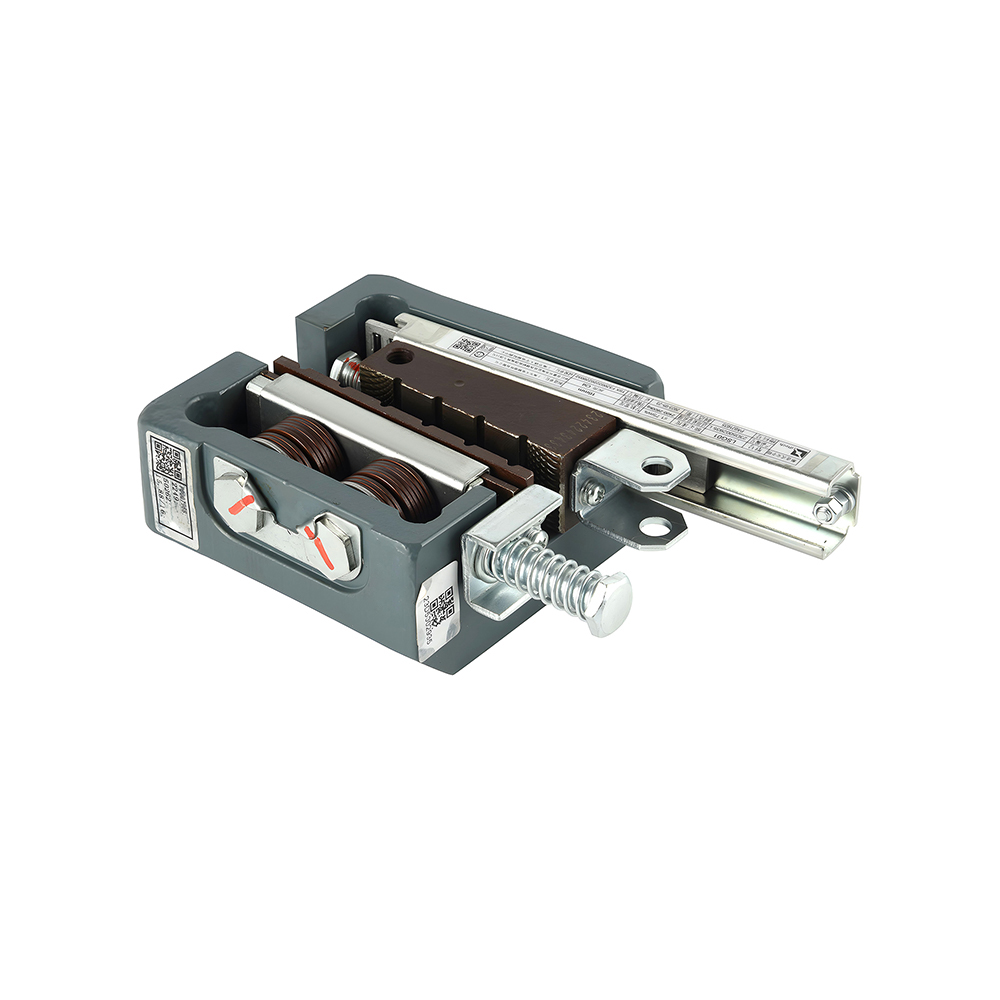
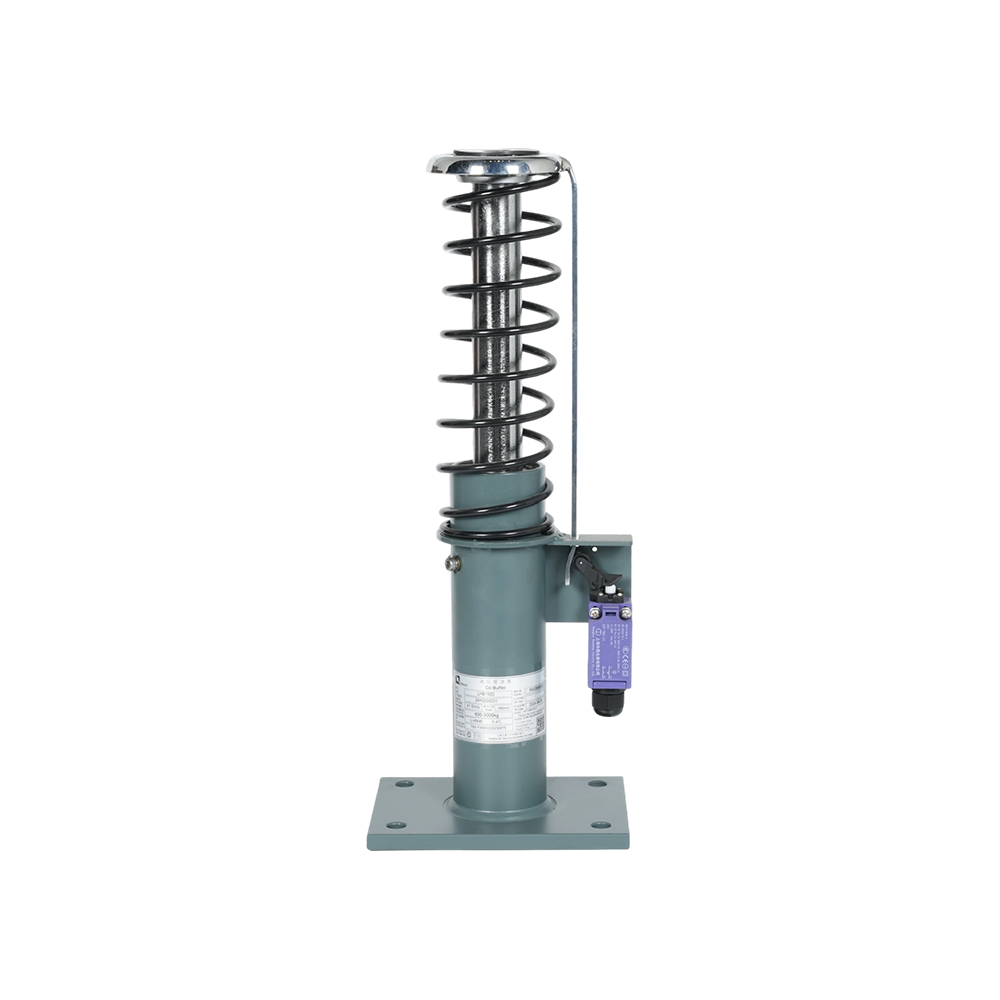
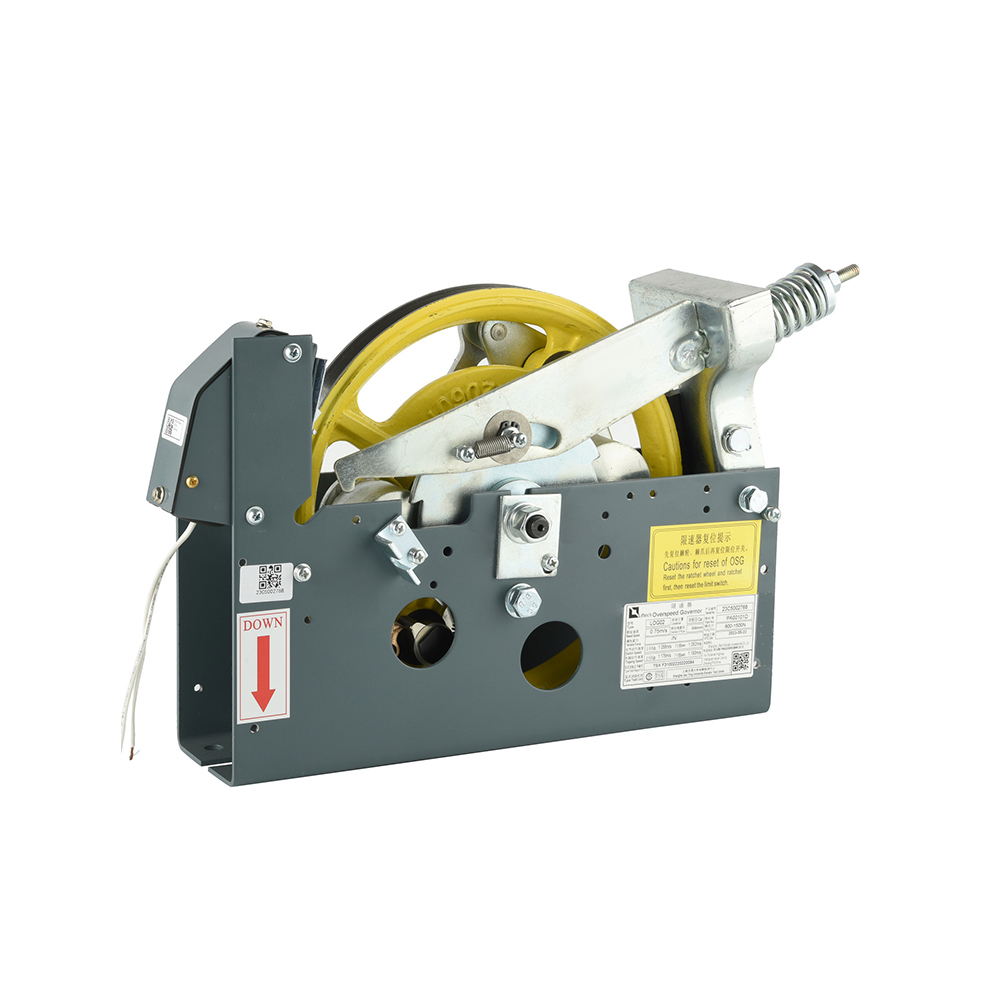
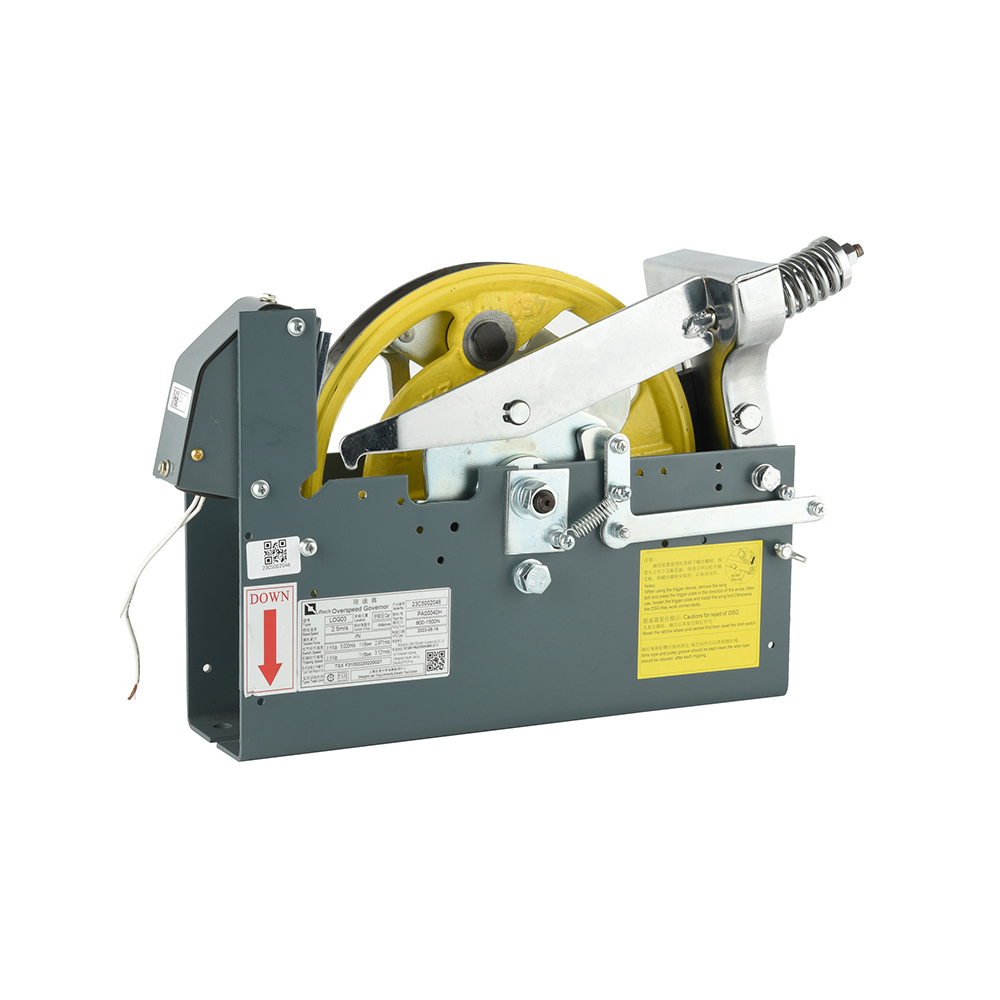
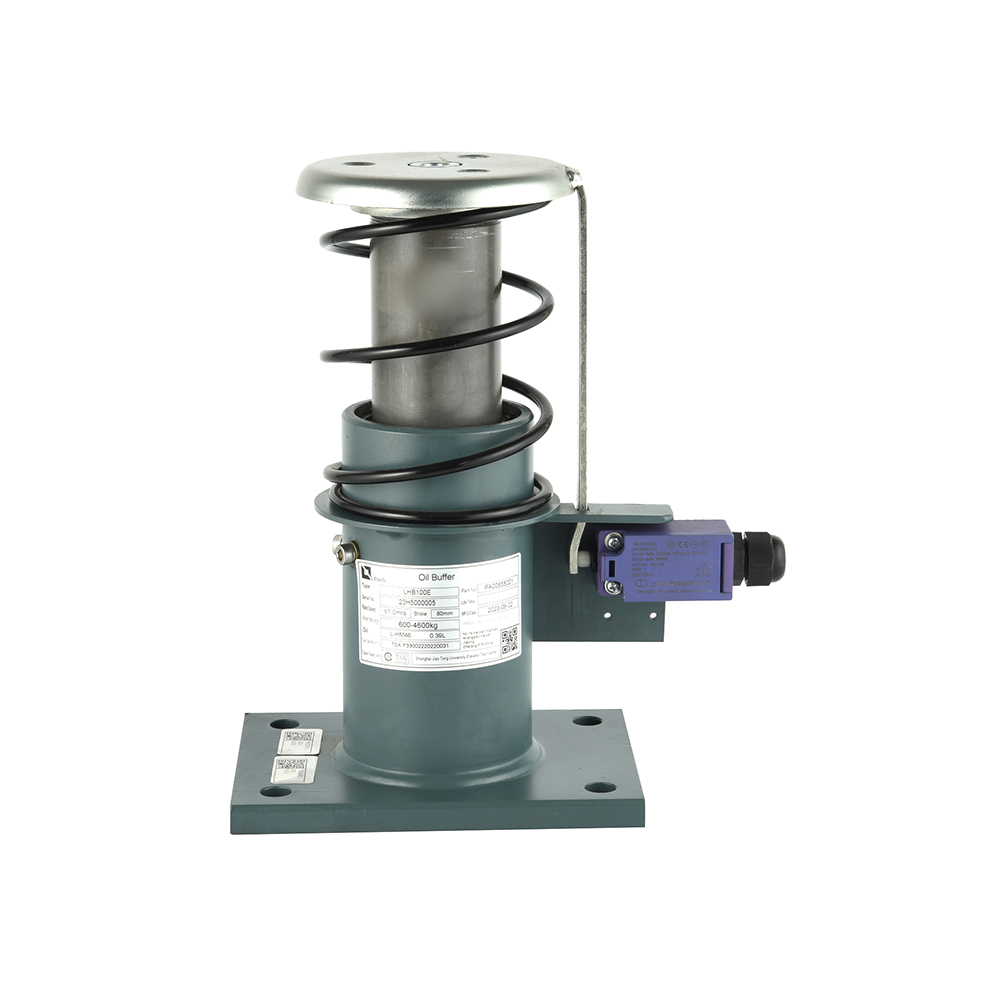
Purchasers, specifiers, and authorities face the challenge of assessing the true performance and reliability of a safety-critical component based solely on manufacturer claims or datasheets. Without independent verification, there is a significant risk of procuring a governor that may not trip at the correct speed, may wear out prematurely, or may fail under extreme conditions, thereby rendering the entire elevator safety system ineffective. Relying on uncertified components introduces legal liability, risks project approval, and compromises passenger safety. The type-testing and certification process solves this problem by introducing an objective, authoritative layer of scrutiny. It shifts the burden of proof from the buyer's due diligence to the manufacturer's obligation to demonstrate compliance through externally validated evidence. This provides all stakeholders—from the consulting engineer to the building inspector—with the confidence that the governor will perform as intended throughout its service life, forming a reliable foundation for the elevator's primary safety chain.
Tested and Certified Elevator Speed Governors
-- Steady & Reliable Manufacturer --
A tested and certified elevator speed governor is a device that has undergone a rigorous, formalized evaluation process by an independent, accredited testing laboratory or Notified Body to verify its compliance with the performance and safety requirements of relevant international or national elevator standards. This process, known as type-testing or type-examination, is far more comprehensive than routine factory quality checks. It involves subjecting sample governors from a production batch to a battery of destructive and non-destructive tests that simulate extreme operating conditions and verify design limits. Critical tests include: overspeed trip accuracy and repeatability across a range of temperatures; durability testing through thousands of actuation cycles; verification of the tripping force and travel; assessment of materials and corrosion resistance; and evaluation of any integrated electrical switches. Upon successful completion, the testing body issues a formal Type-Examination Certificate, which is the definitive document attesting that the governor's design meets the stipulated standards. This certification is a mandatory legal requirement for placing governors on the market in many regions (e.g., under the EU Lift Directive with CE marking) and is a cornerstone of professional procurement specifications globally. It provides an objective, third-party guarantee of performance, reliability, and safety, separating professionally manufactured components from uncertified or self-declared products.
Recommended Products
The Key Problem We Solve
Typical Applications
- New elevator installations requiring CE marking or other regional market approvals (e.g., CCC, KC, EAC).
- Elevator modernization projects where replacing the governor is part of the safety upgrade.
- Procurement by elevator OEMs for integration into their certified elevator models.
- Specifications by engineering consultants and architects for public and private tenders.
- Replacement part supply for maintenance companies serving buildings with insurance or warranty requirements for certified components.
- Export to markets where certification from an internationally recognized lab (e.g., TÜV, LIFTINSTITUT, Intertek) is a de facto requirement.
Product Advantages
| Certification Standard | EN 81-20/50 (Europe & International), ASME A17.1/CSA B44 (North America), GB 7588 (China), or other nationally recognized standards. |
| Testing Laboratory / Notified Body | Accredited body issuing the certificate (e.g., TÜV, DEKRA, LIFTINSTITUT, UL, Intertek). The 4-digit NB number is critical for CE marking. |
| Type-Test Scope | Overspeed tripping characteristics (accuracy, repeatability), mechanical strength, endurance (actuation cycles), temperature influence, corrosion test (salt spray), function of electrical safety devices. |
| Certificate Validity | Typically valid for 10 years for the certified design, assuming ongoing factory production control (FPC) audits are passed. |
| Documentation | Type-Examination Certificate, Test Report Summary, Installation & Maintenance Manuals forming part of the technical file. |
| Marking | The governor nameplate must display the type-test certificate number, standard complied with, and for CE, the mark and NB number. |
Selection & Compliance Considerations
When procuring a certified governor, the first step is to confirm the applicable standard for the project location. Then, verify the certificate's authenticity and scope. This means checking the issuing body's website to confirm the certificate is valid and that it covers the exact governor model and speed range you are ordering. The certificate should explicitly reference the standard (e.g., EN 81-20/50:2014). Ensure the governor's nameplate information matches the certificate. For CE marking, confirm the presence of the CE mark and the correct 4-digit Notified Body number. It is also prudent to request a copy of the test report summary, which provides detailed data on trip speed tolerances and test results. Do not accept "designed to meet" or "tested to" claims without a valid type-examination certificate.
FAQ
- Q: What's the difference between a "test report" and a "type-examination certificate"? A> A test report is a document from a laboratory detailing the results of specific tests on a sample. It is evidence but not a formal approval. A Type-Examination Certificate is an official document issued by a Notified Body or certification body stating that the product's design has been assessed and meets the requirements of the directive/standard. The certificate is the legal proof of conformity for series production.
- Q: Can a governor be certified for both EN and ASME standards? A> Yes, it is possible for a governor design to undergo type-testing against both EN 81-20/50 and ASME A17.1 standards and receive two separate certificates. This is common for manufacturers supplying global markets. The governor would need to meet the specific requirements of each standard, which, while similar, have differences in test procedures and acceptance criteria.
- Q: If a governor is modified (e.g., different sheave size), does it need re-certification? A> Any modification that could affect the safety function or performance (sheave diameter, spring, flyweight mass, housing material) constitutes a design change and requires a re-assessment by the Notified Body. This may involve a partial or full re-test. A new certificate or an addendum to the existing certificate would be issued for the modified variant. Using an uncertified modification invalidates the original certification.
- Q: Does certification guarantee the governor will never fail? A> No certification guarantees zero failure. What it guarantees is that the design has been proven to meet the safety and performance requirements of the standard under defined test conditions, and that the manufacturer has a quality system to produce consistent products. Proper installation, maintenance, and periodic testing remain essential for ensuring ongoing reliability in the field.
About Us
Shanghai Liftech Elevator Accessories Co., Ltd.
Founded in 2004, Shanghai Liftech Elevator Accessories Co., Ltd. is a specialized enterprise dedicated to the R&D, manufacturing, testing, and sales of elevator safety components. With over two decades of sustained development, Liftech has established itself as a leading manufacturer in China's elevator safety sector, providing high-quality products and solutions to a wide range of major elevator brands and engineering clients across domestic and international markets. We are ,China Wholesale Tested and Certified Elevator Speed Governors Suppliers and Tested and Certified Elevator Speed Governors OEM/ODM Manufacturers
For over 20 years, LIFTECH (est. 2004) has been a trusted force in the R&D, manufacturing, and full lifecycle support of premium elevator safety components.
Material Selection Guide
| Certification Test | Material & Construction Implications |
| Overspeed Trip Accuracy & Repeatability | Demands extremely consistent material properties for the centrifugal spring (special alloy steel with tight-tolerance heat treatment) and precision machining of flyweight pivots (hardened steel with minimal friction bearings). |
| Endurance Test (e.g., 10,000 actuations) | Requires all wearing parts (pivot pins, sheave groove, latch surfaces) to be made from wear-resistant materials (case-hardened steel, bronze bushings) or have replaceable wear inserts. |
| Temperature Influence Test (-5°C to +40°C) | Mandates the use of spring materials with a low temperature coefficient (e.g., certain stainless steels or Inconel) or a design that compensates for thermal expansion of components. |
| Corrosion Test (e.g., 96-hour salt spray) | Forces the selection of corrosion-resistant materials (stainless steel components, aluminum housings with proper coating) or the application of certified corrosion protection systems (e.g., zinc-nickel plating) on carbon steel parts. |
| Mechanical Strength Test (Shock, Drop) | Dictates robust housing design (thick-walled castings or fabricated steel) and secure fastening methods to ensure the mechanism survives handling and operational shocks without losing calibration. |

