

 English
 中文简体
中文简体 русский
 Español
 Deutsch


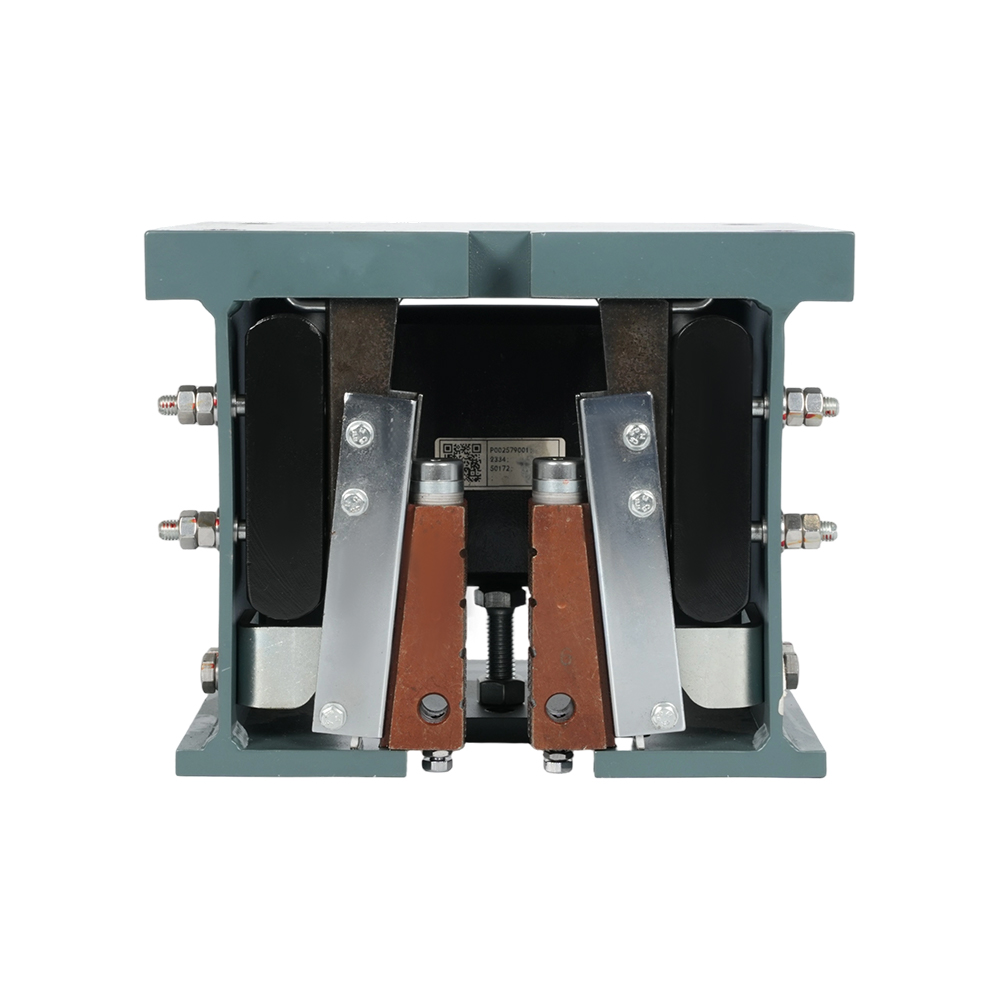
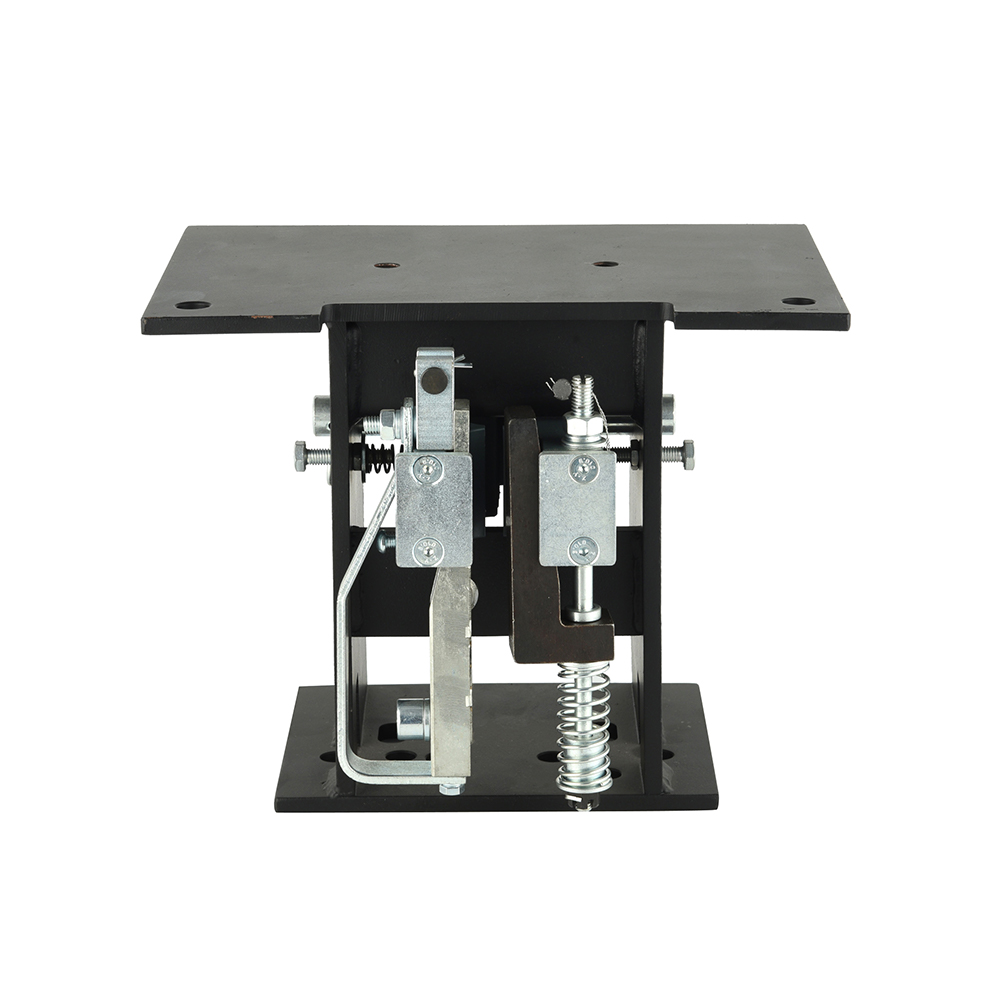
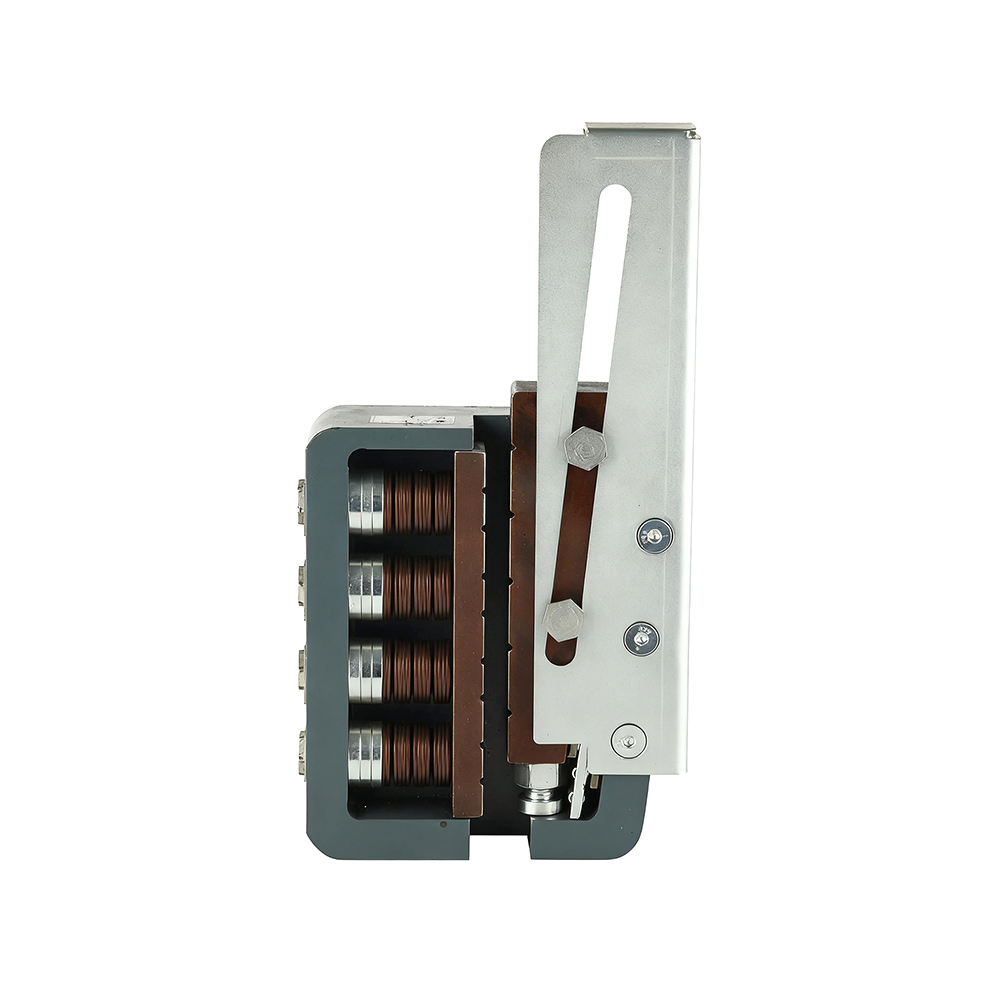
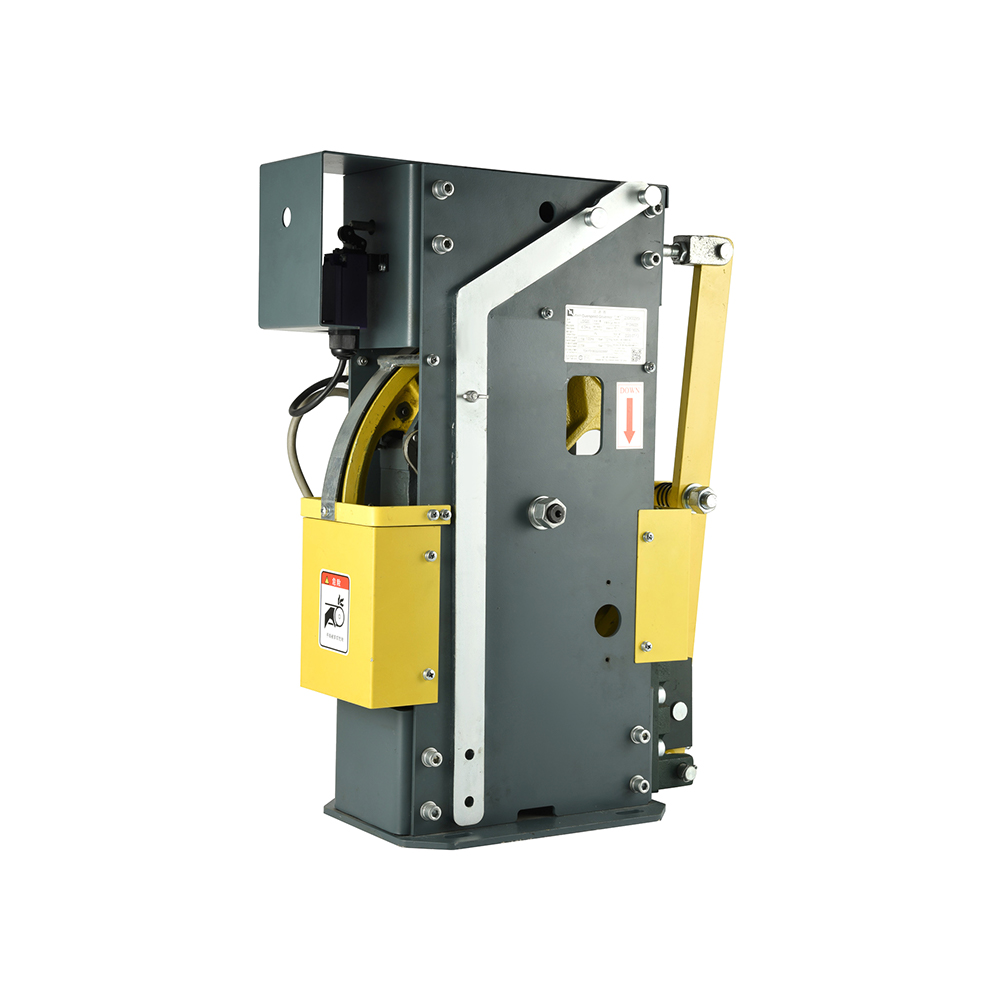
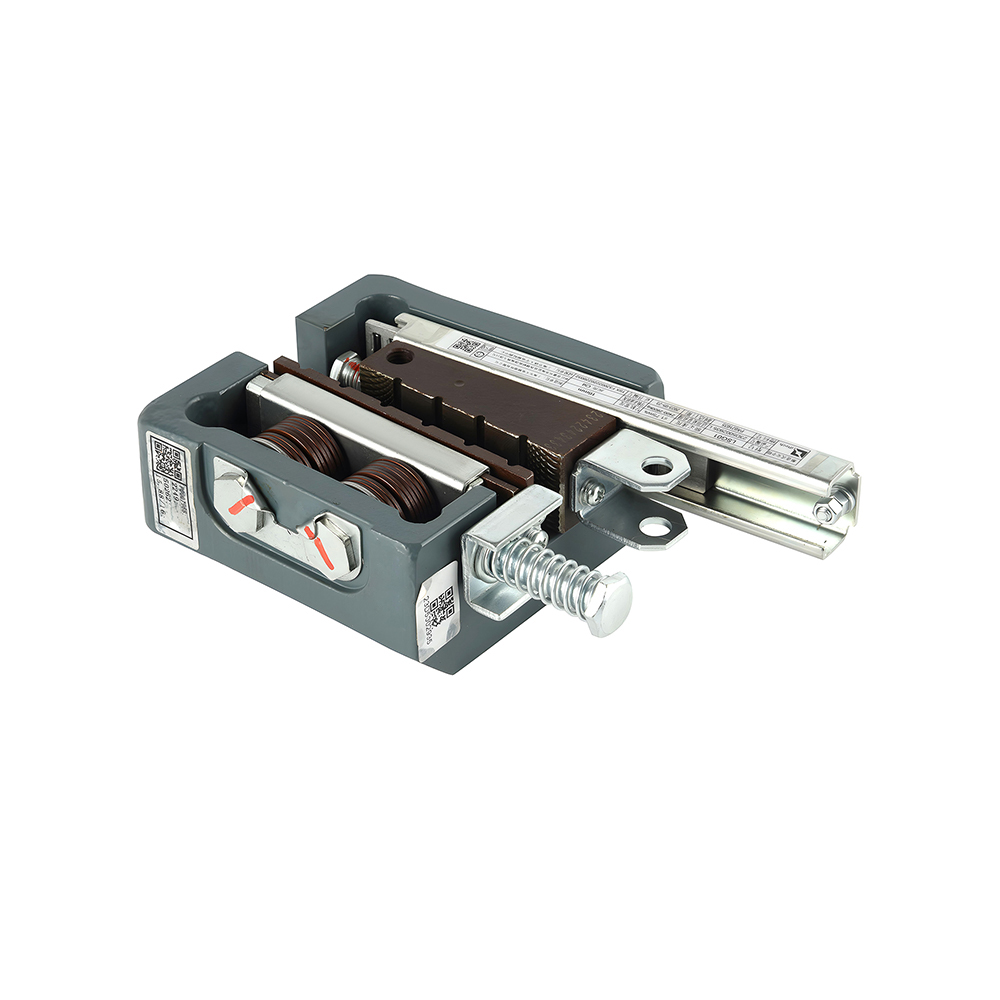
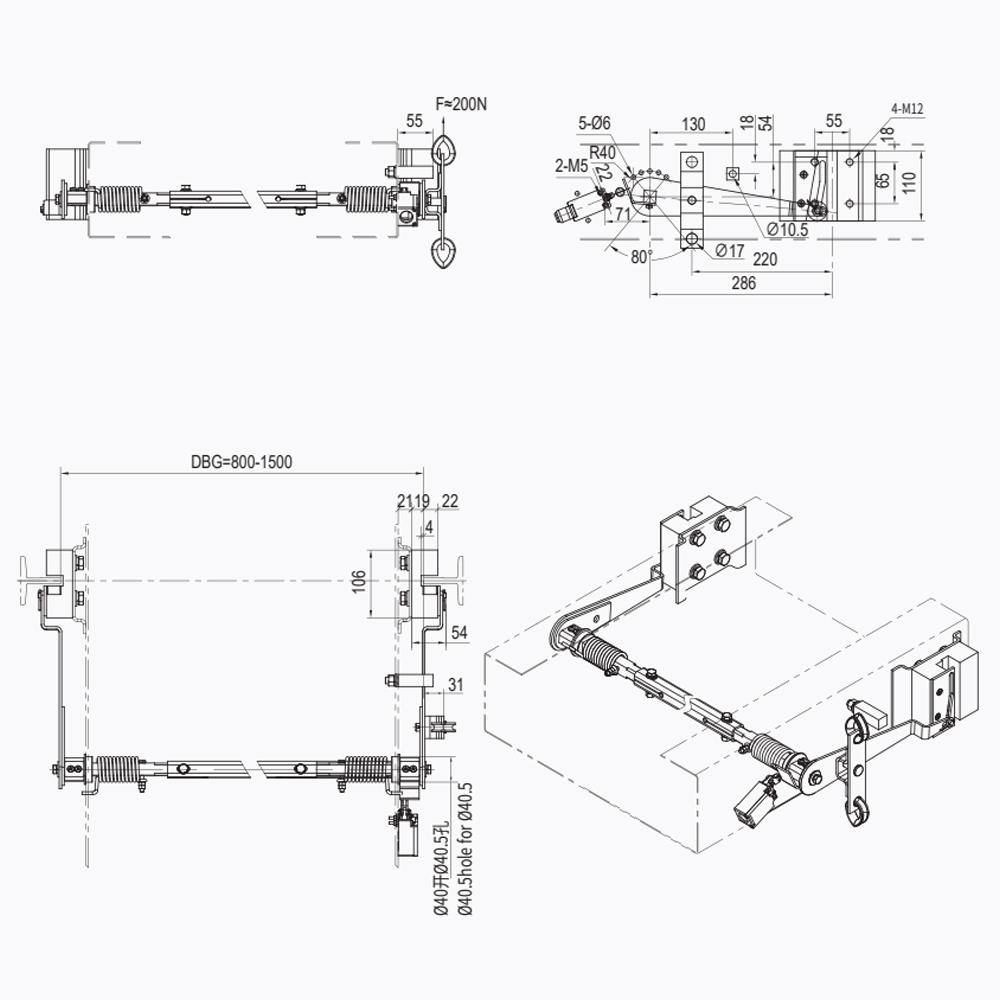
At high velocities, the energy that must be safely dissipated during an emergency stop increases with the square of the speed. Standard safety components may not have the capacity, precision, or durability to handle these forces, potentially leading to catastrophic failure, excessive deceleration G-forces harmful to passengers, or damage to guide rails and building structure. High-speed safety systems solve this critical problem by incorporating advanced materials, refined kinematics, and system-level dynamic simulation to ensure that an overspeed event results in a predictable, controlled, and survivable stop within strict deceleration limits, protecting both passengers and the building's infrastructure.
High-Speed Elevator Safety and Arrestor Systems
-- Steady & Reliable Manufacturer --
High-speed elevator safety systems represent the pinnacle of elevator safety engineering, designed for elevators operating at speeds typically exceeding 2.5 m/s and up to 10 m/s or more in super high-rise buildings. These systems must manage vastly greater kinetic energies and require precision-engineered components that respond with extreme reliability and controlled deceleration. The focus is on progressive safety gears with optimized sliding friction characteristics, overspeed governors with high-precision calibration and minimal response time, and energy-absorbing buffers capable of dissipating immense forces smoothly. The entire system is subject to more rigorous design analysis, testing, and certification protocols.
Recommended Products
The Key Problem We Solve
Typical Applications
- Skyscrapers and high-rise commercial office towers
- Luxury hotels and premium residential complexes with express elevator zones
- Landmark buildings and observation deck access elevators
- High-performance elevator systems in transportation hubs (e.g., airports, metro stations)
- Advanced laboratory and research facilities requiring rapid vertical transport
Product Advantages
| Speed Range | Designed for rated speeds from 2.5 m/s up to 10.0 m/s and beyond. |
| Safety Gear Type | Advanced progressive safety gear with forced lubrication systems or special alloy sliding surfaces. |
| Deceleration Control | Guaranteed average deceleration between 0.2g and 1.0g (per EN 81-20), with peak limits. |
| Governor Precision | Ultra-precise centrifugal mechanisms with temperature compensation, often with dual independent tripping systems. |
| Buffer Technology | Large-capacity, constant retardation oil buffers with extended stroke and cooling systems. |
| Certification Level | Requires full-scale type-testing on a test tower at the actual design speed and load. |
| System Monitoring | Integrated sensors for wear monitoring, temperature, and performance feedback to the elevator control system. |
Selection & Compliance Considerations
Selection is a highly specialized engineering task. The core parameters are the elevator's rated speed, load, total travel, and the desired stopping distance. System dynamics must be modeled, including car and counterweight masses, rope stretch, and guide rail flexibility. Compliance with stringent standards like EN 81-20 for high-speed applications is mandatory. The choice between single vs. multiple safety gears per rail, and the need for bi-directional governors (for UCMP at high speeds) must be evaluated. The supplier must provide not just components, but a complete dynamic calculation dossier and evidence of successful type-testing at the relevant speed.
FAQ
- Q: Why can't standard progressive safety gears be used for high-speed applications? A> The energy and heat generated during a high-speed slide are orders of magnitude higher. Standard materials may overheat and lose friction (fade) or weld to the rail. High-speed safety gears use special alloys, forced lubrication, or composite materials to maintain a stable friction coefficient and manage thermal energy throughout the stop.
- Q: How is the governor's response time critical at high speeds? A> At 10 m/s, the car travels 1 meter in 0.1 seconds. A governor with even a slight delay or overshoot in tripping could result in the car traveling an unacceptable extra distance before the safety gear engages, affecting the total stopping distance and buffer impact speed. Precision is paramount.
- Q: Are there special requirements for buffers in high-speed systems? A> Yes. The energy capacity must match the high kinetic energy. More importantly, to maintain constant deceleration, the hydraulic damping must be precisely engineered to avoid "dig-in" at high impact speeds. Buffers may feature multiple-stage orifice systems or pressure relief valves to ensure smooth retardation across the entire stroke.
About Us
Shanghai Liftech Elevator Accessories Co., Ltd.
Founded in 2004, Shanghai Liftech Elevator Accessories Co., Ltd. is a specialized enterprise dedicated to the R&D, manufacturing, testing, and sales of elevator safety components. With over two decades of sustained development, Liftech has established itself as a leading manufacturer in China's elevator safety sector, providing high-quality products and solutions to a wide range of major elevator brands and engineering clients across domestic and international markets. We are ,China Wholesale High-Speed Elevator Safety and Arrestor Systems Suppliers and High-Speed Elevator Safety and Arrestor Systems OEM/ODM Manufacturers
For over 20 years, LIFTECH (est. 2004) has been a trusted force in the R&D, manufacturing, and full lifecycle support of premium elevator safety components.
Material Selection Guide
| Component | High-Speed Specific Material & Technology |
| Safety Gear Sliding Surfaces | High-Temp Alloys: Nickel-chromium alloys or special tool steels that retain strength and friction properties at elevated temperatures.
 Your Trusted Partner in Elevator Components
More than Precision, Safety, and Reliability.
We are the guardians of modern vertical mobility.
Recommended LINKS Explore Our Best Solutions
Copyright © Shanghai Liftech Elevator Accessories Co., Ltd. All rights reserved.
China Wholesale High-Speed Elevator Safety and Arrestor Systems Suppliers

|