

 English
 中文简体
中文简体 русский
 Español
 Deutsch


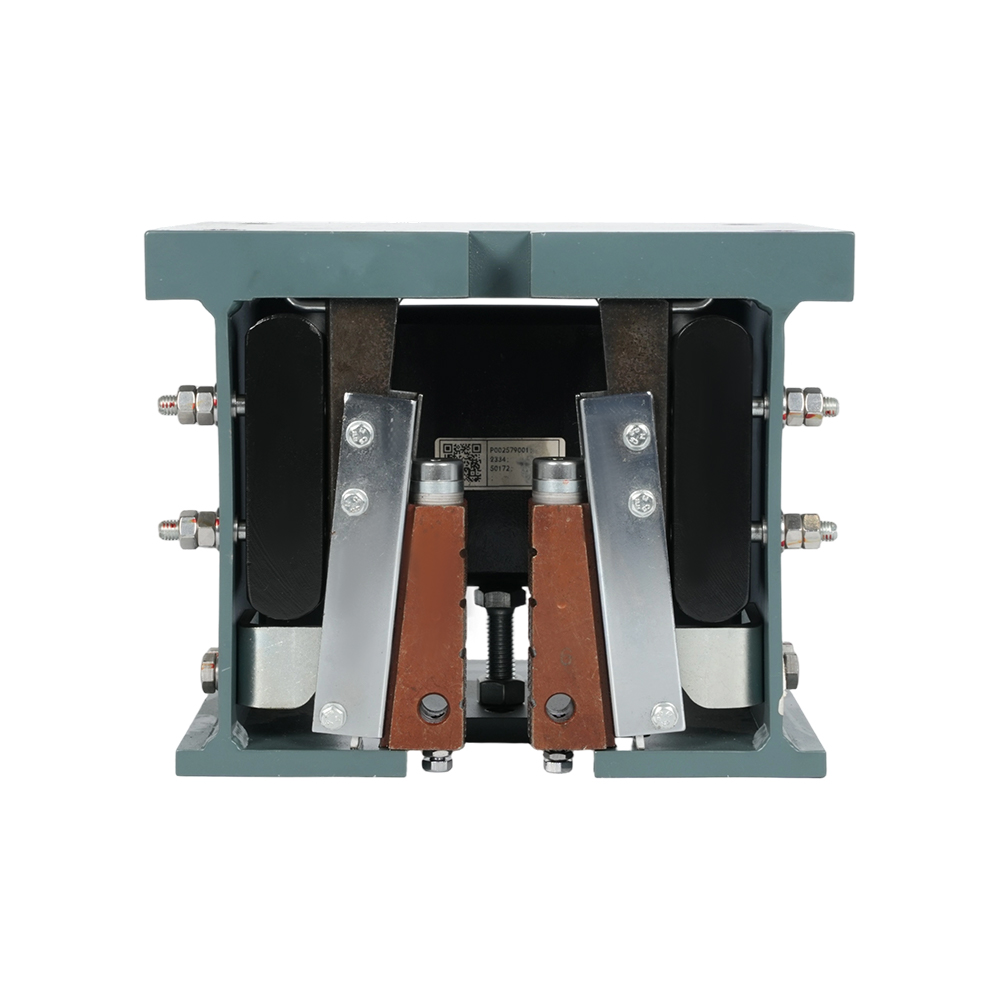
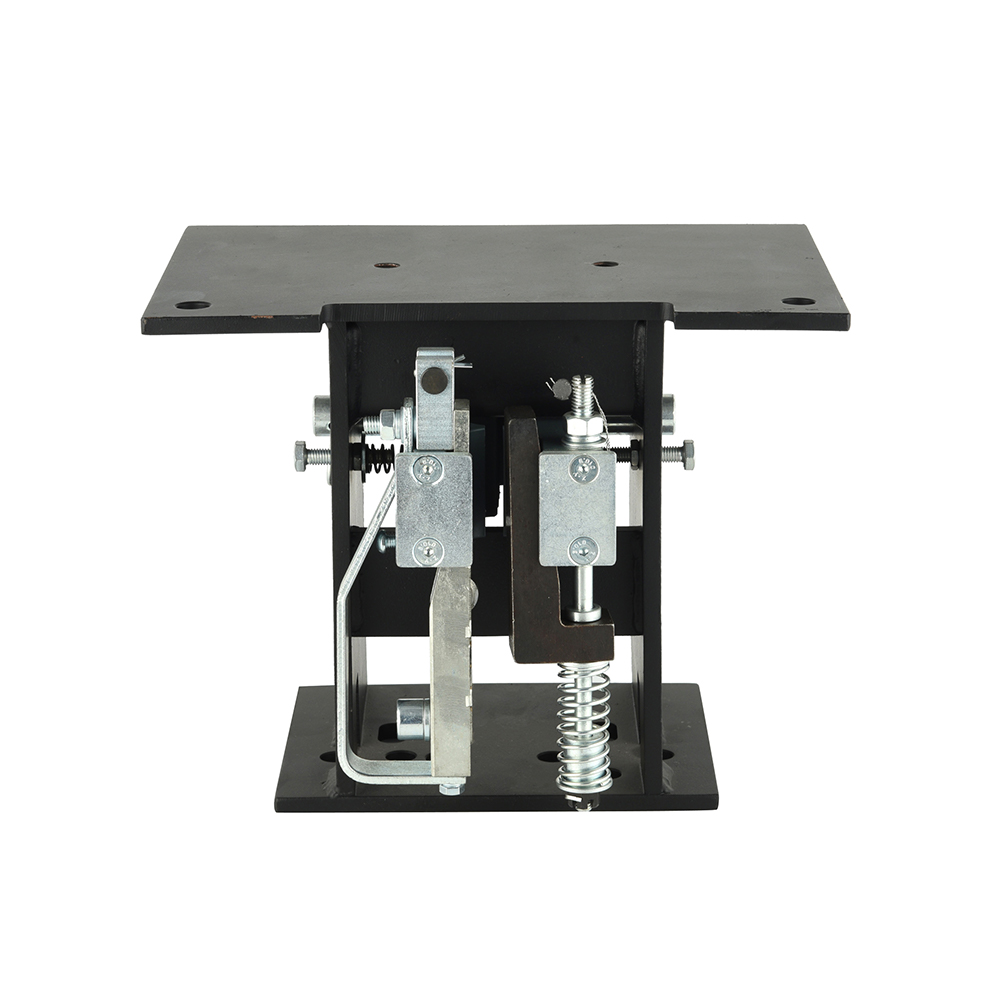
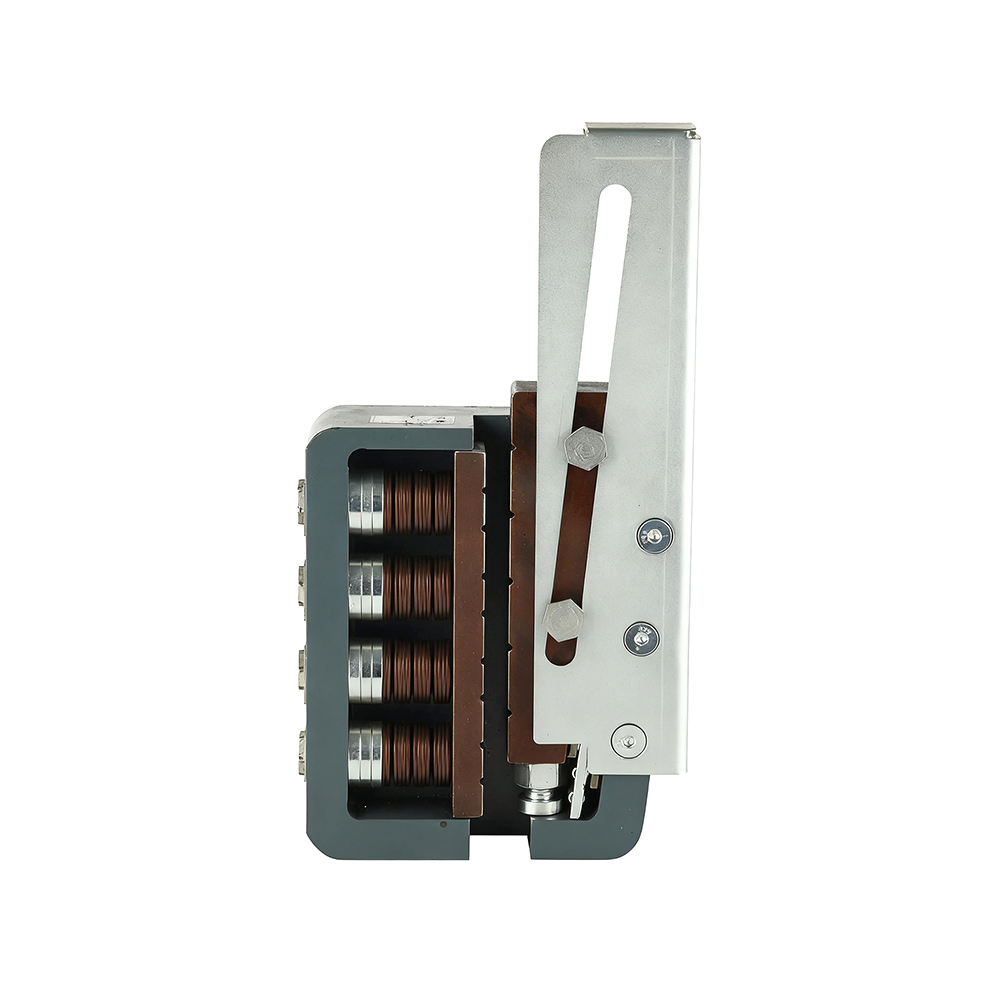
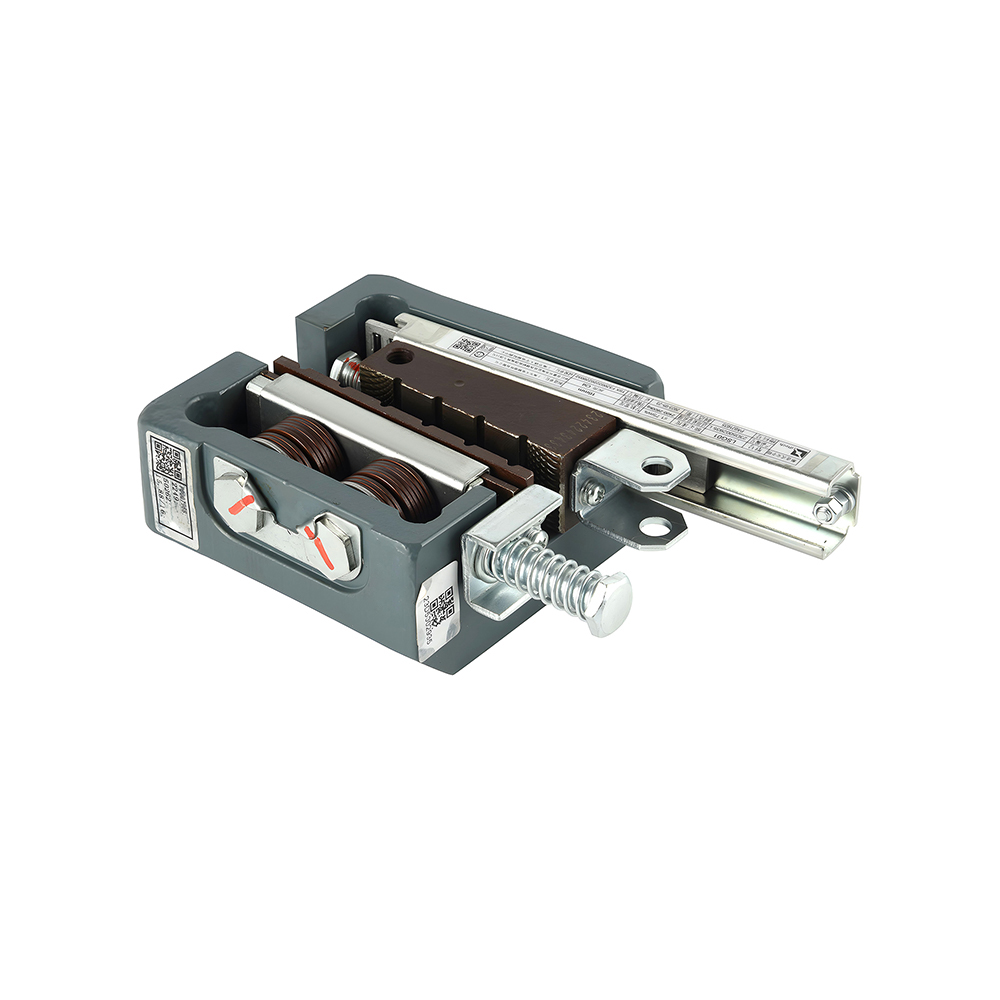
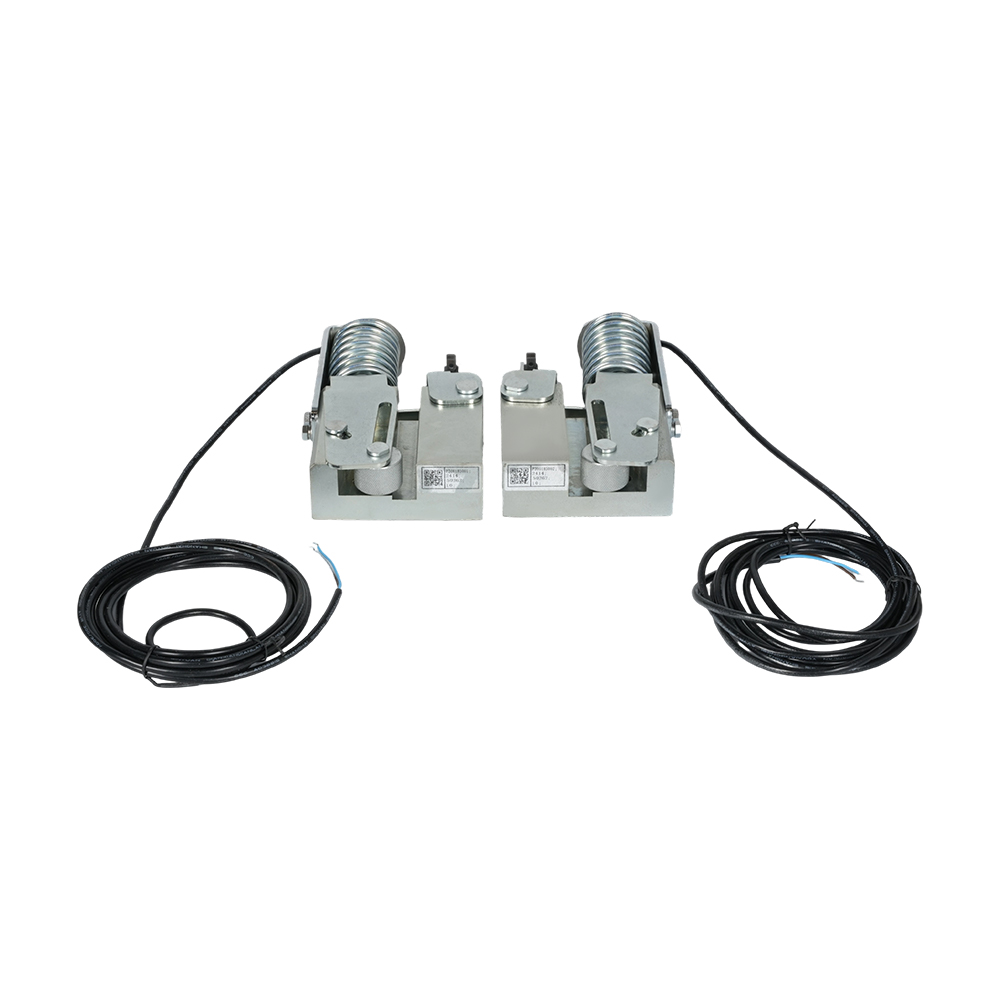
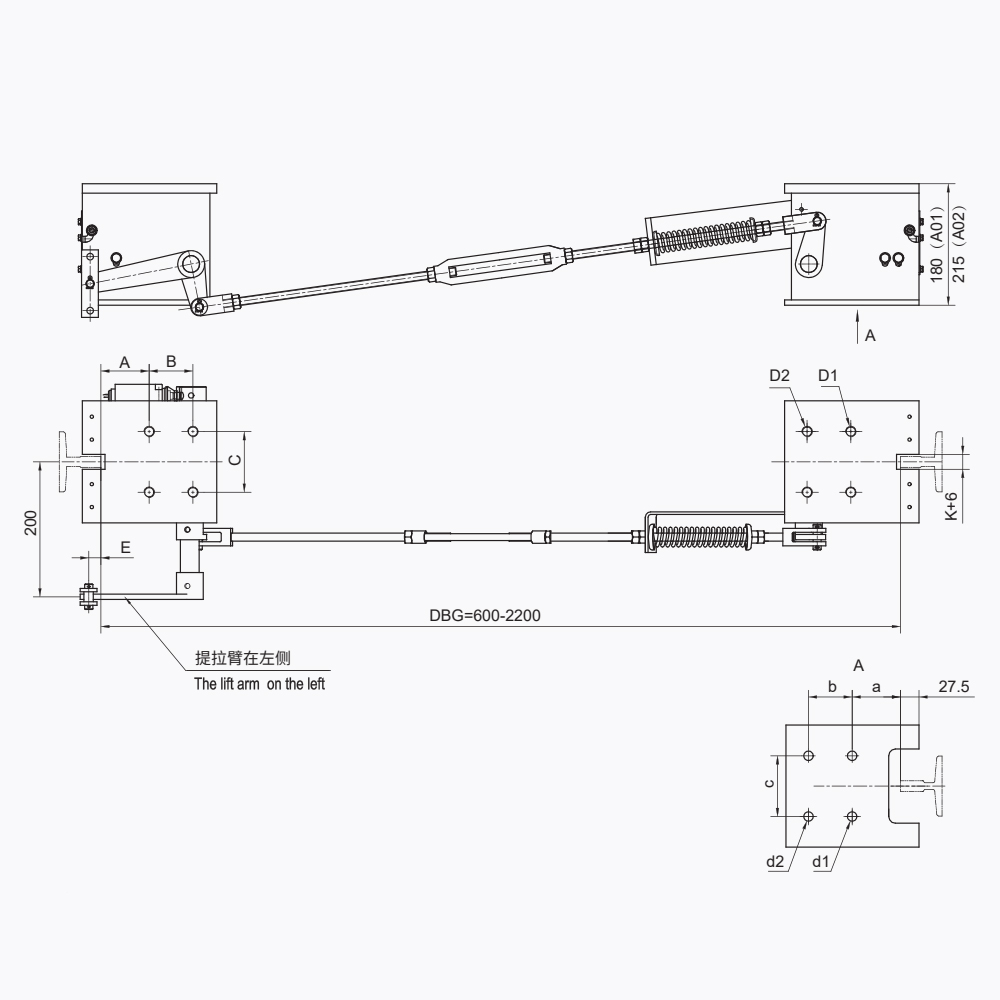
The primary problem addressed by high-velocity safety gears is "Thermal Brake Failure." When an elevator traveling at 8 m/s needs to stop, the friction between the steel wedge and the rail generates temperatures exceeding 500 in seconds. Standard steel wedges can soften or "gall" (weld to the rail) under these conditions. Our systems solve this by using advanced metallurgical coatings and heat-resistant alloys that maintain a stable friction coefficient regardless of the temperature spike. Another critical issue is "Aerodynamic Nuisance Tripping." In high-speed shafts, the piston effect of the moving car creates intense air pressure pulses that can shake traditional safety linkages, causing accidental engagement. We solve this through pre-tensioned, vibration-damped actuators that require a specific, sustained force from the governor to trigger. We also address "Rail Scarring" at high speeds. A violent engagement can gouge expensive high-speed guide rails; our floating wedge technology ensures uniform pressure distribution, stopping the car effectively while minimizing permanent rail deformation. Furthermore, for ultra-deep shafts, the weight of the governor rope itself can cause drag on the safety gear; our mechanisms include compensation springs that neutralize the rope weight, ensuring the trigger force remains consistent at the top or bottom of the hoistway. Finally, we solve the "Response Lag" problem. At 10 m/s, every millisecond of delay equals 10mm of travel; our high-speed series features a "Rapid-Engagement Geometry" that reduces the time from governor trip to full braking force by 35% compared to standard progressive gears.
High-Velocity Safety Gear Systems
-- Steady & Reliable Manufacturer --
High-velocity safety gear systems represent the pinnacle of mechanical deceleration technology, specifically designed for elevators operating at speeds of 2.5 m/s to 10.0 m/s. Unlike traditional safety gears, high-velocity units must manage extreme thermal energy generated during a friction-based stop. The architecture centers on a progressive clamping mechanism that utilizes a floating wedge design. This allows the gear to maintain constant contact with the guide rail even during high-speed car sway or seismic vibrations. The braking force is modulated by calibrated disc spring nests that provide a linear deceleration curve, ensuring that the G-forces experienced by passengers stay within the strict 0.2g to 1.0g safety envelope. These systems are typically constructed from forged alloy steel housings to resist the immense outward pressure exerted during engagement. Modern high-velocity gears also feature integrated thermal dissipation fins and specialized ceramic-metallic linings that prevent "friction fade" at high temperatures. As elevators push higher into the skyline, the reliance on these precision-engineered clamping systems becomes the definitive factor in passenger safety, providing a fail-safe mechanical lock that functions independently of all electrical and software-based control systems.
Recommended Products
The Key Problem We Solve
Typical Applications
- Super-tall skyscraper express elevators
- High-speed test towers for elevator R&D
- Luxury high-rise residential shuttles
- Data center maintenance lifts with high-velocity requirements
- Government and institutional express passenger lifts
Product Advantages
| Speed Range (m/s) | Max Total Mass (kg) | Rail Width (mm) | Braking Type | Housing Material |
| 2.5 - 10.0 m/s | 600 - 15,000 kg | 15.88 / 16 / 19 / 28.6 | Progressive Floating Wedge | 42CrMo Forged Alloy Steel |
| Thermal Resistant | Variable Load Sensing | Hardened Surface Rail Only | Disc Spring Calibrated | Machined High-Precision |
Selection & Compliance Considerations
Selection must be based on the maximum rated speed and the specific rail hardness (HRC) used in the project. High-velocity gears require machined T-section rails with tight vertical alignment tolerances. Compliance with the latest EN 81-20/50 standards is mandatory, and site-specific deceleration calculations should be verified by a structural engineer to ensure the car frame can withstand the impact torque at the rated capacity.
FAQ
- How many times can it trip before replacement? We recommend a full metallurgical inspection after any trip exceeding 4.0 m/s.
- Does it work on oiled rails? Yes, the serrated patterns are designed to displace oil and achieve full friction contact.
- What is the reset procedure? Typically requires hoisting the car and a manual reset of the wedge carrier.
- Are bi-directional models available? Yes, we offer models for both ascending and descending overspeed protection.
About Us
Shanghai Liftech Elevator Accessories Co., Ltd.
Founded in 2004, Shanghai Liftech Elevator Accessories Co., Ltd. is a specialized enterprise dedicated to the R&D, manufacturing, testing, and sales of elevator safety components. With over two decades of sustained development, Liftech has established itself as a leading manufacturer in China's elevator safety sector, providing high-quality products and solutions to a wide range of major elevator brands and engineering clients across domestic and international markets. We are ,China Wholesale High-Velocity Safety Gear Systems Suppliers and High-Velocity Safety Gear Systems OEM/ODM Manufacturers
For over 20 years, LIFTECH (est. 2004) has been a trusted force in the R&D, manufacturing, and full lifecycle support of premium elevator safety components.
Material Selection Guide
| Component | Standard Duty (Office/General Use) | Heavy Duty (Hotel/Frequent Use) | High-Speed / Premium Duty | Industrial / Extreme Duty |
| Safety Gear Wedge Material | Alloy Steel (e.g., 4140), quenched & tempered. | Alloy Steel with surface hardening (nitriding). | Tool Steel (e.g., H13), vacuum hardened. | Sintered Cerametallic or Tungsten Carbide inserts. |
| Guide Rail Liner | Replaceable hardened steel strip. | Hardened steel or composite liner. | Engineered composite with high thermal stability. | Graphite-impregnated bronze or ceramic. |
| Governor Flyweights & Bearings | Steel weights, standard bearings. | Balanced steel weights, high-life bearings. | Tungsten alloy weights, precision ceramic hybrids. | Stainless steel weights, sealed IP69K bearings. |
| Buffer Cylinder & Fluid | Steel tube, standard hydraulic oil. | Thick-walled steel, high-VI hydraulic oil. | Forged steel cylinder, synthetic high-temp fluid. | Corrosion-resistant alloy, fire-resistant fluid. |
| Mounting Hardware & Linkage | Grade 8.8 bolts, steel linkage. | Grade 10.9 or 12.9 bolts, reinforced linkage. | Alloy steel bolts, machined minimal-play linkage. | Stainless A4-80 bolts, reinforced vibration-proof linkage. |

