

 English
 中文简体
中文简体 русский
 Español
 Deutsch


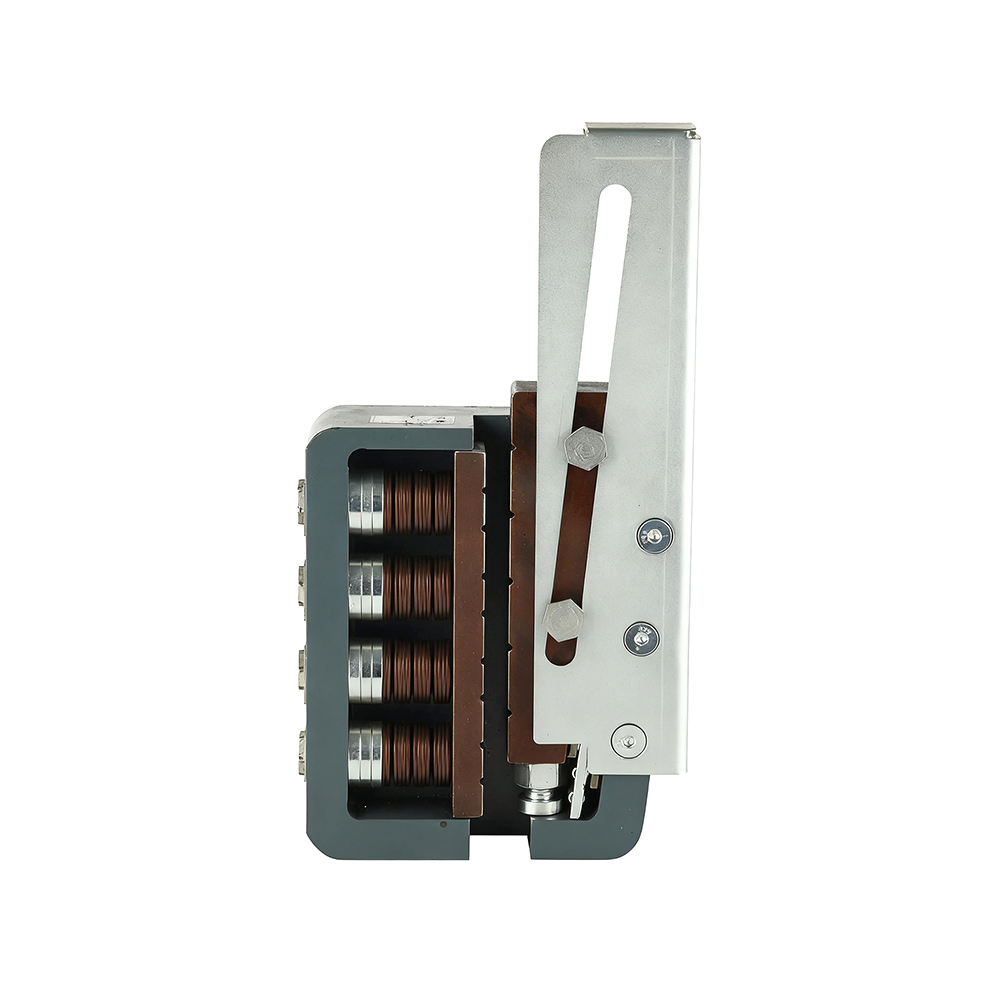
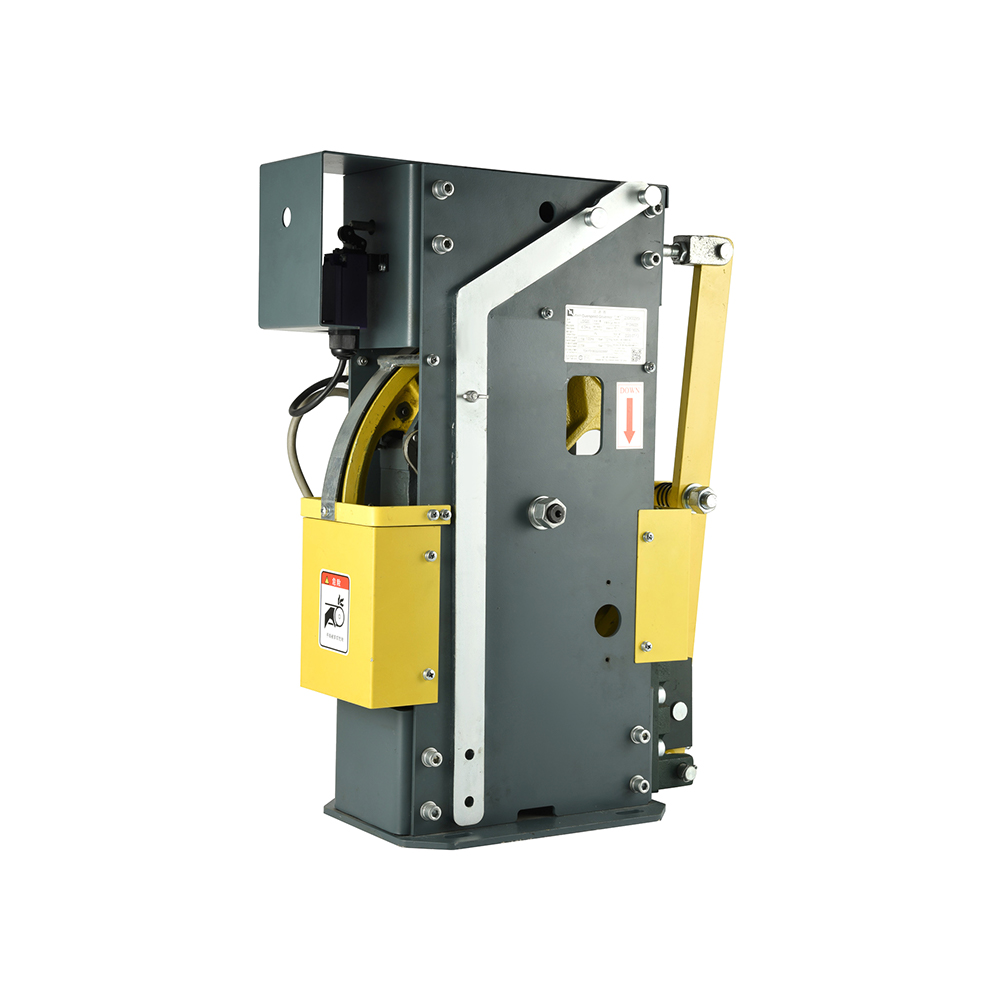
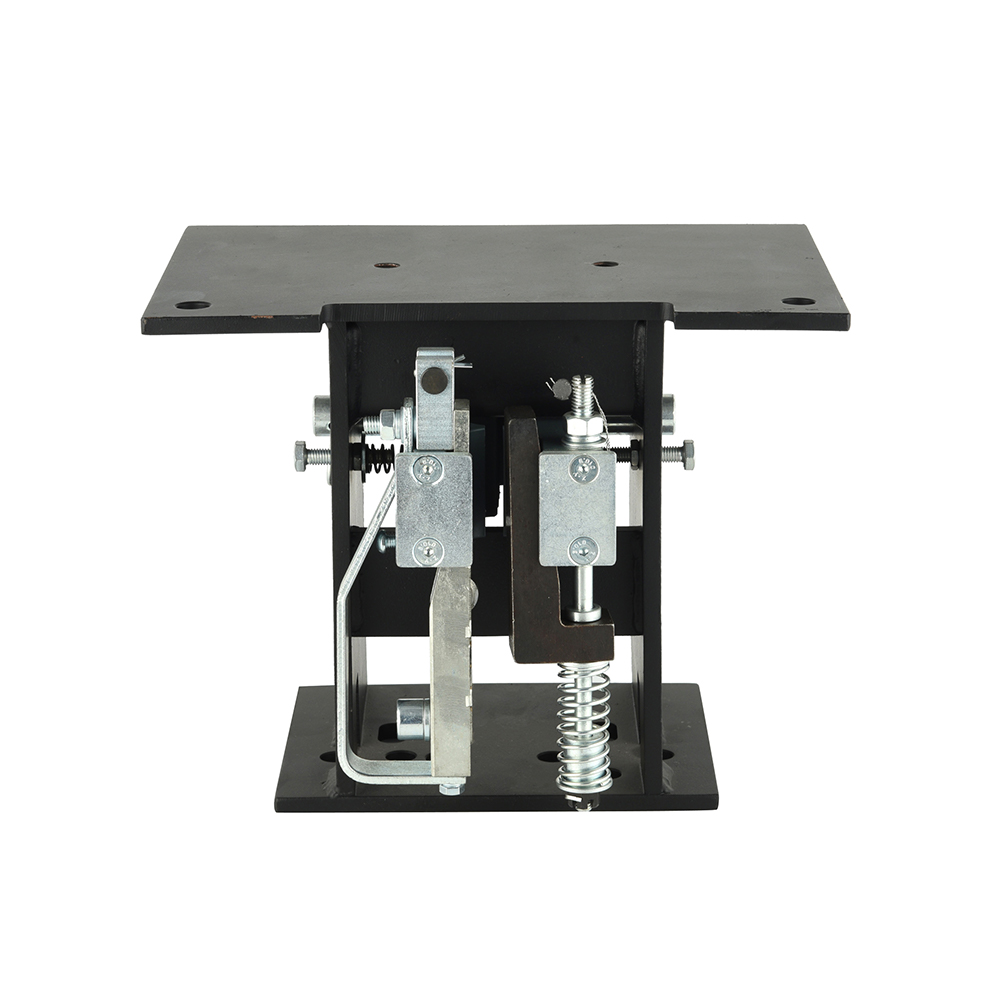
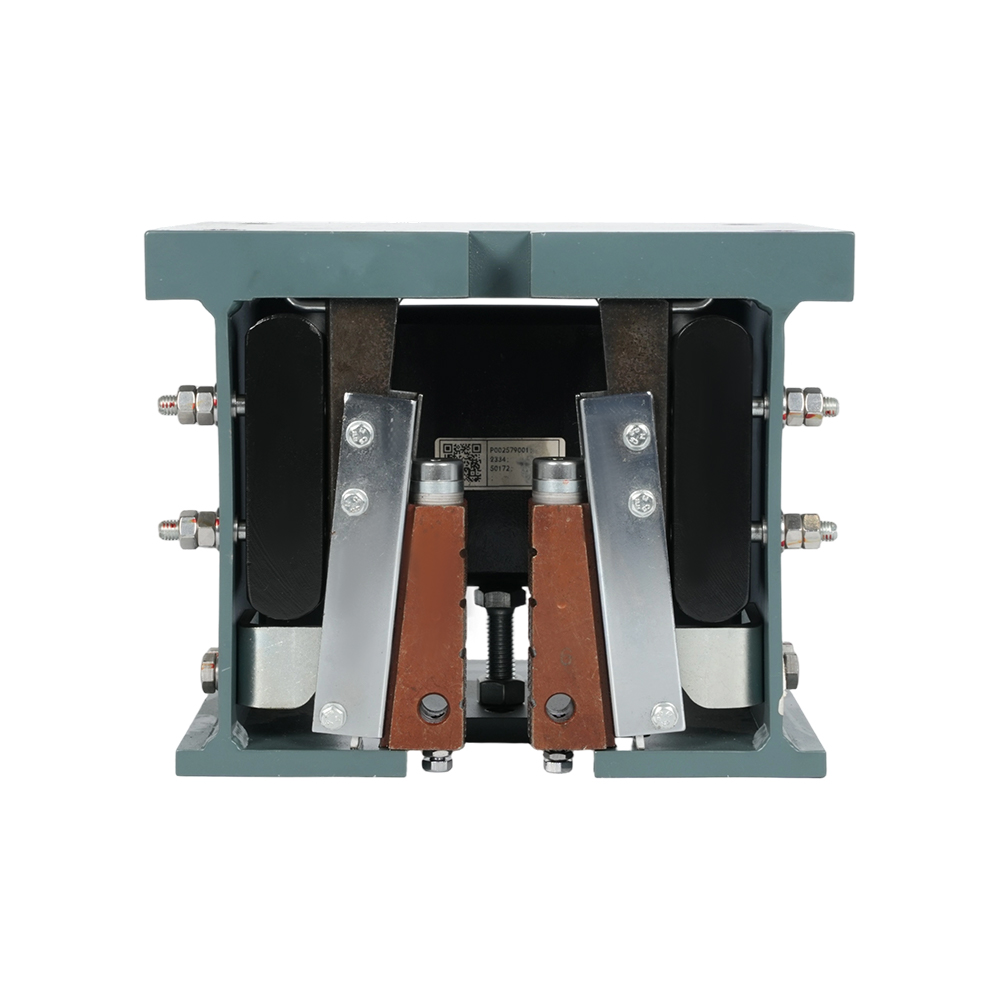
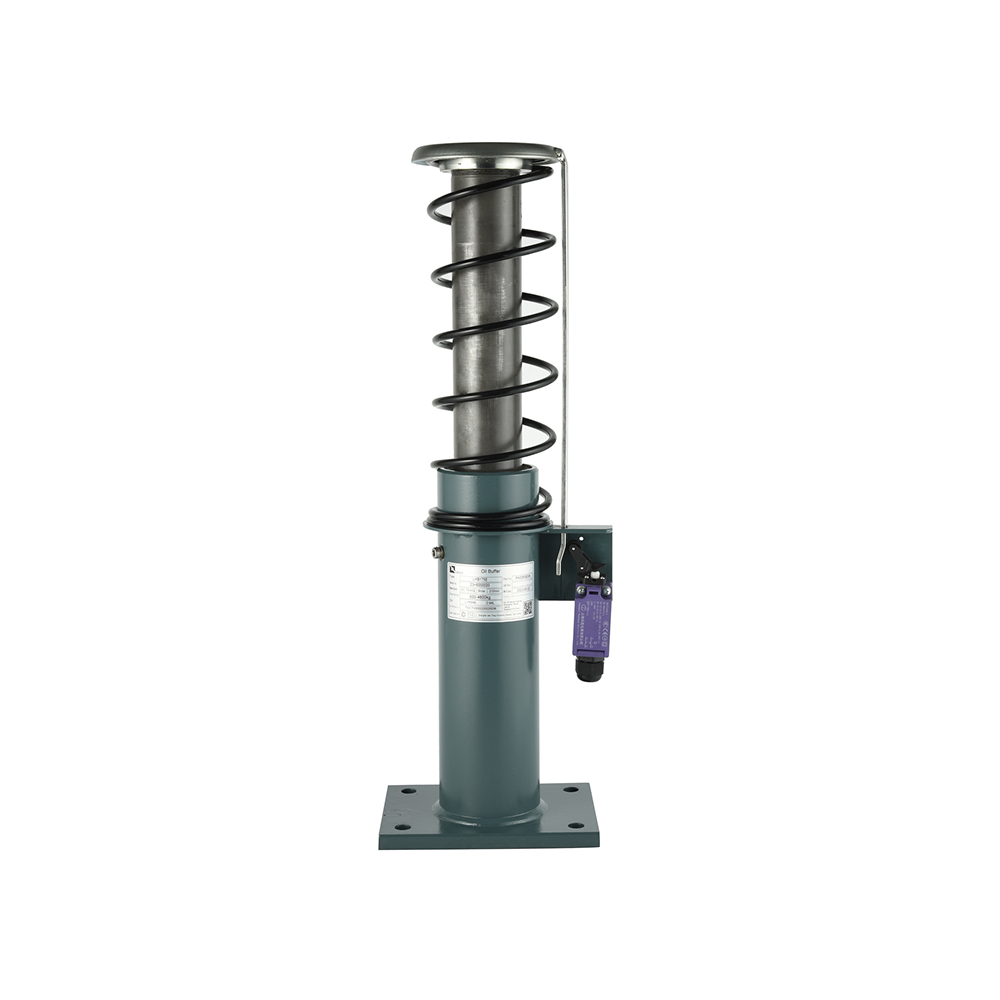
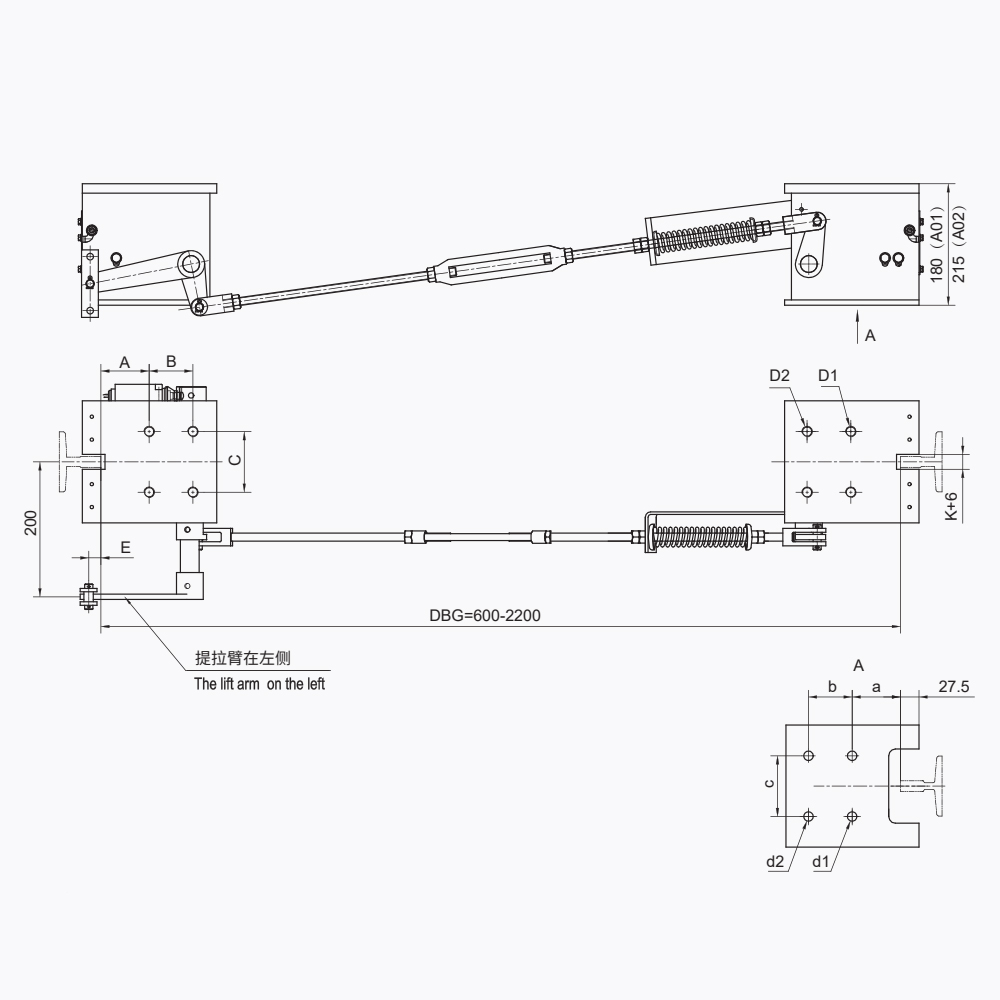
The core problem solved by high-speed safety clamps is the management of "thermal fade" during emergency stops. In high-speed elevators, the friction between the safety gear and the guide rail generates immense heat. Standard safety gears can experience a drop in friction as the temperature rises, leading to an uncontrolled slide or even a "welding" of the gear to the rail. Our high-speed mechanisms solve this by using heat-resistant alloy linings that maintain a stable friction coefficient even at temperatures exceeding 500°C. Another major issue is "rail scarring." At high speeds, a sudden engagement can gouge the guide rails, requiring expensive and time-consuming rail replacement. Our floating-wedge design ensures a uniform pressure distribution that minimizes rail damage while still providing maximum stopping power. Additionally, high-speed elevators often suffer from "air pressure pulses" in the shaft that can shake the safety linkages. We address this by using a pre-tensioned, vibration-damped linkage system that prevents accidental engagement while maintaining a lightning-fast response time when a real overspeed event occurs. Finally, the problem of space in high-speed car frames is addressed through our compact, high-energy-density spring design, allowing for massive stopping power within a relatively small mechanical footprint.
High-Speed Safety Clamping Mechanisms
-- Steady & Reliable Manufacturer --
High-speed safety clamping mechanisms are specifically engineered for elevators operating at velocities exceeding 2.5 m/s, reaching up to 10 m/s in ultra-high-rise environments. At these speeds, the physics of stopping a car changes drastically; the heat generated by friction can reach levels that would melt standard steel components. Therefore, these clamping devices utilize advanced ceramic-metallic friction linings and sophisticated heat-dissipation fins. The mechanical architecture is centered around a "floating" wedge system that allows the clamp to center itself on the guide rail even if the car is vibrating or swaying due to high-speed travel. These devices are meticulously balanced to prevent "nuisance tripping" caused by the aerodynamic buffeting of the car. The activation force is provided by heavy-duty spring stacks that are pre-compressed and held by a high-speed linkage. When the governor trips, the linkage releases these springs, driving the wedges into the rail with a force that is carefully modulated to provide a constant deceleration curve. This constant-force braking is essential for passenger safety, as it prevents the "spiking" of G-forces during the initial contact phase. The housing of these clamps is made from forged alloy steel, providing the extreme rigidity required to contain the lateral forces generated during a high-speed stop. Every component is subjected to non-destructive testing (NDT) to ensure there are no microscopic flaws that could lead to a fracture under stress. These mechanisms represent the pinnacle of elevator safety engineering, combining high-load capacity with the precision of a fine-tuned instrument.
Recommended Products
The Key Problem We Solve
Typical Applications
- Ultra-high-rise passenger elevators
- Super-fast express shuttle lifts
- High-speed test towers for elevator R&D
- Luxury skyscraper residential elevators
Product Advantages
| Max Rated Speed | Up to 10.0 m/s |
| Heat Resistance | Up to 600°C |
| Dynamic Load Capacity | 6000kg to 15000kg |
| Engagement Time | < 80ms |
Selection & Compliance Considerations
When specifying high-speed clamps, the most critical factor is the guide rail surface condition and material. High-speed stops require high-quality, cold-drawn or machined rails with precise alignment. Compliance with IATF 16949-level quality standards for the internal springs and friction pads is highly recommended to ensure long-term reliability.
FAQ
- Do these require special guide rails? Yes, high-speed rails (e.g., T127 or T140) with high surface hardness are required.
- How many times can it trip before replacement? We recommend a full overhaul after any high-speed engagement.
- Are they bi-directional? We offer both uni-directional and bi-directional high-speed models.
- What is the lead time? Due to the precision machining and NDT testing, lead times are 6-8 weeks.
About Us
Shanghai Liftech Elevator Accessories Co., Ltd.
Founded in 2004, Shanghai Liftech Elevator Accessories Co., Ltd. is a specialized enterprise dedicated to the R&D, manufacturing, testing, and sales of elevator safety components. With over two decades of sustained development, Liftech has established itself as a leading manufacturer in China's elevator safety sector, providing high-quality products and solutions to a wide range of major elevator brands and engineering clients across domestic and international markets. We are ,China Wholesale High-Speed Safety Clamping Mechanisms Suppliers and High-Speed Safety Clamping Mechanisms OEM/ODM Manufacturers
For over 20 years, LIFTECH (est. 2004) has been a trusted force in the R&D, manufacturing, and full lifecycle support of premium elevator safety components.
Material Selection Guide
| Element | Material Specification |
| Friction Pad | Sintered Cerametallic Composite |
| Body Housing | 42CrMo Forged Alloy Steel |

