

 English
 中文简体
中文简体 русский
 Español
 Deutsch


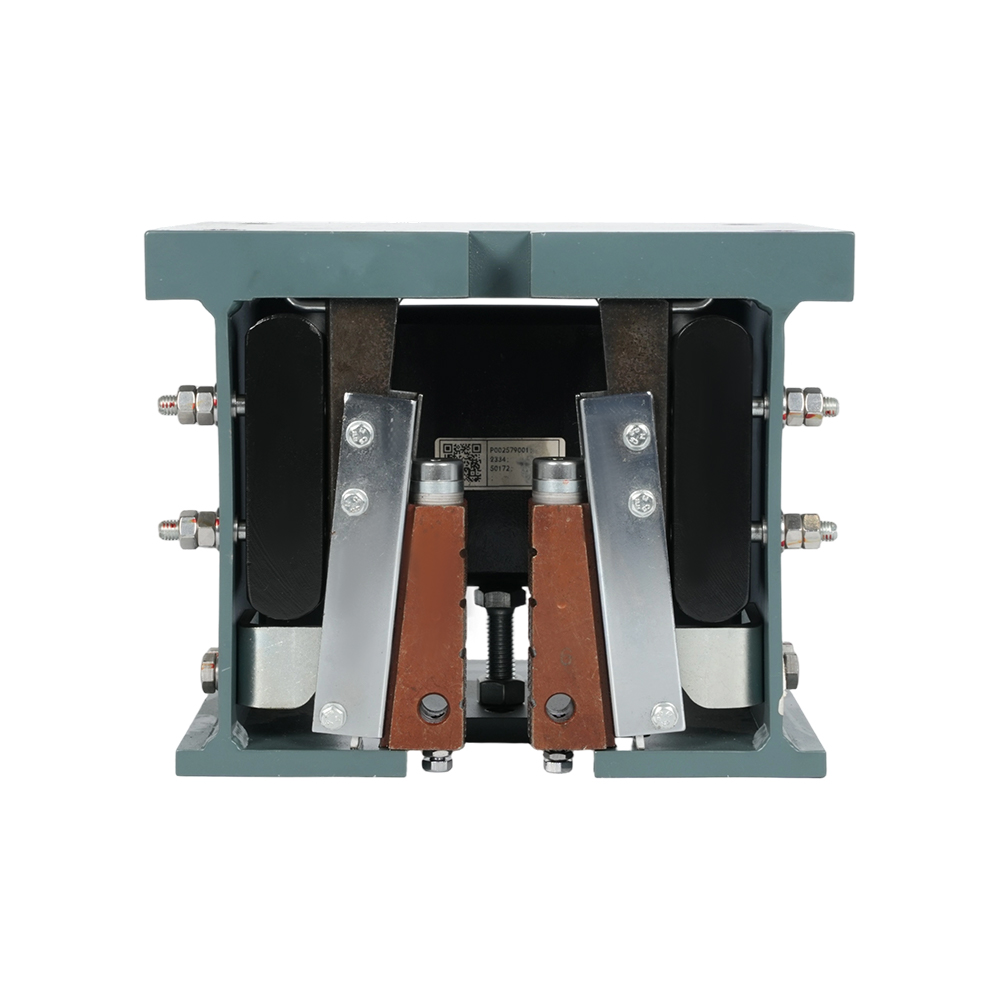
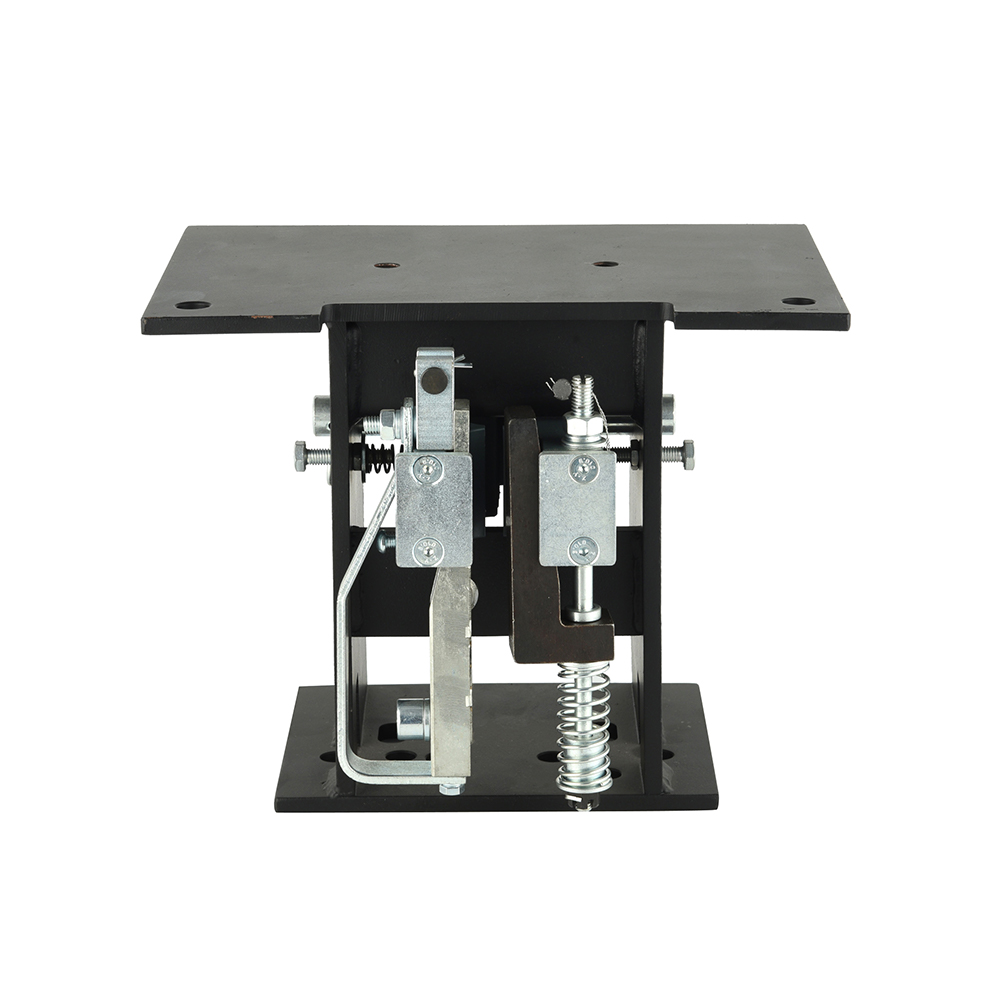
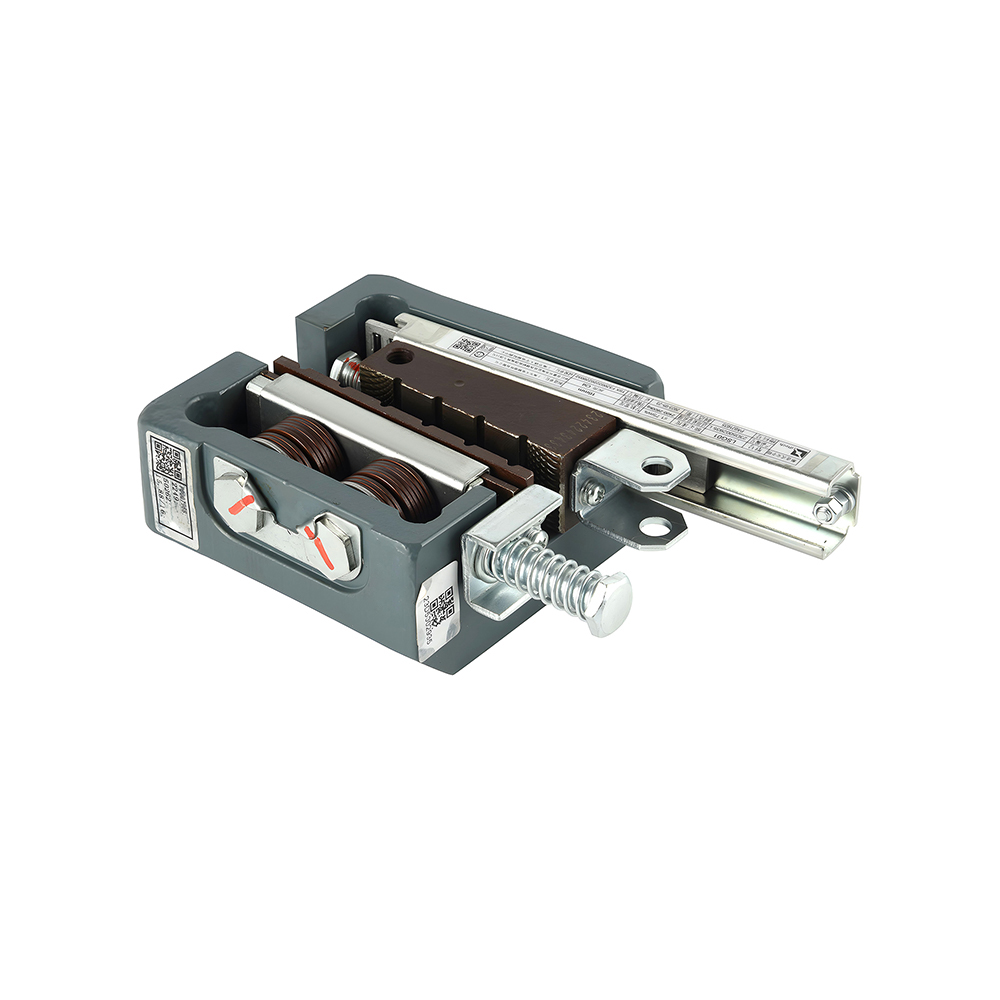
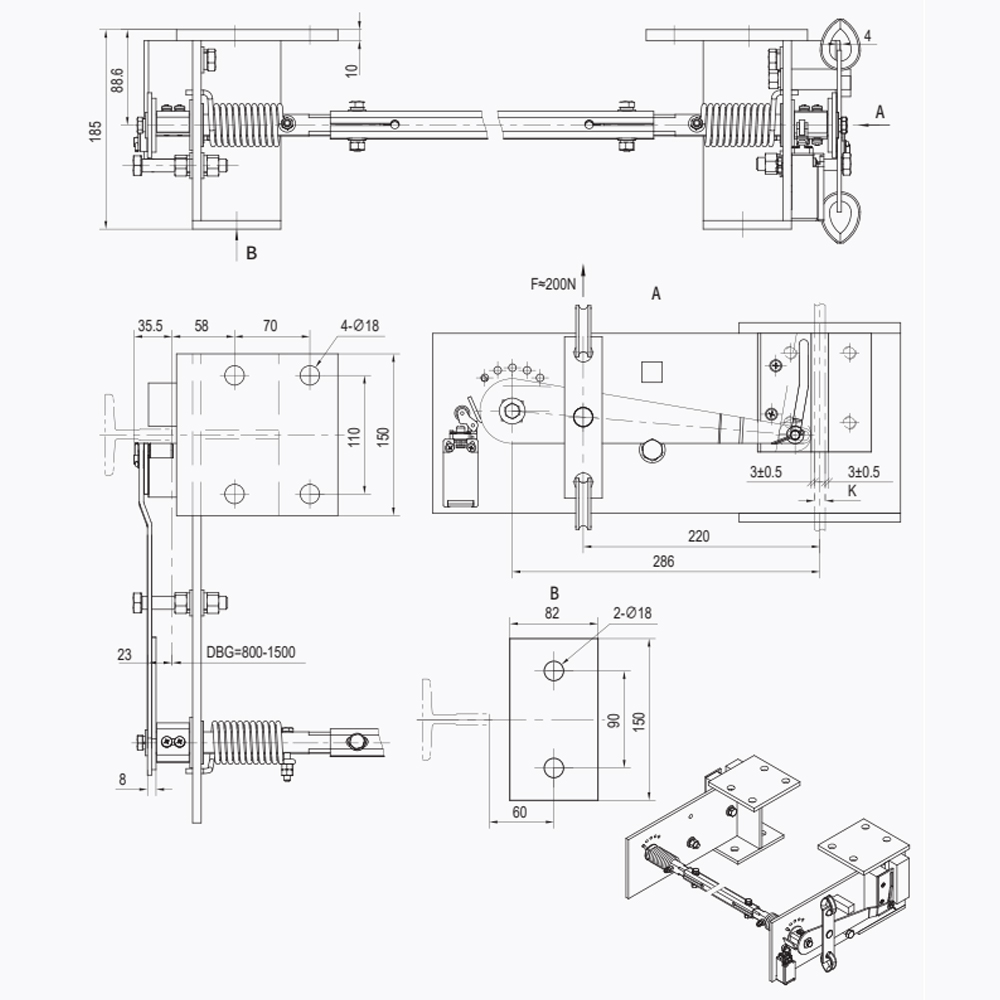
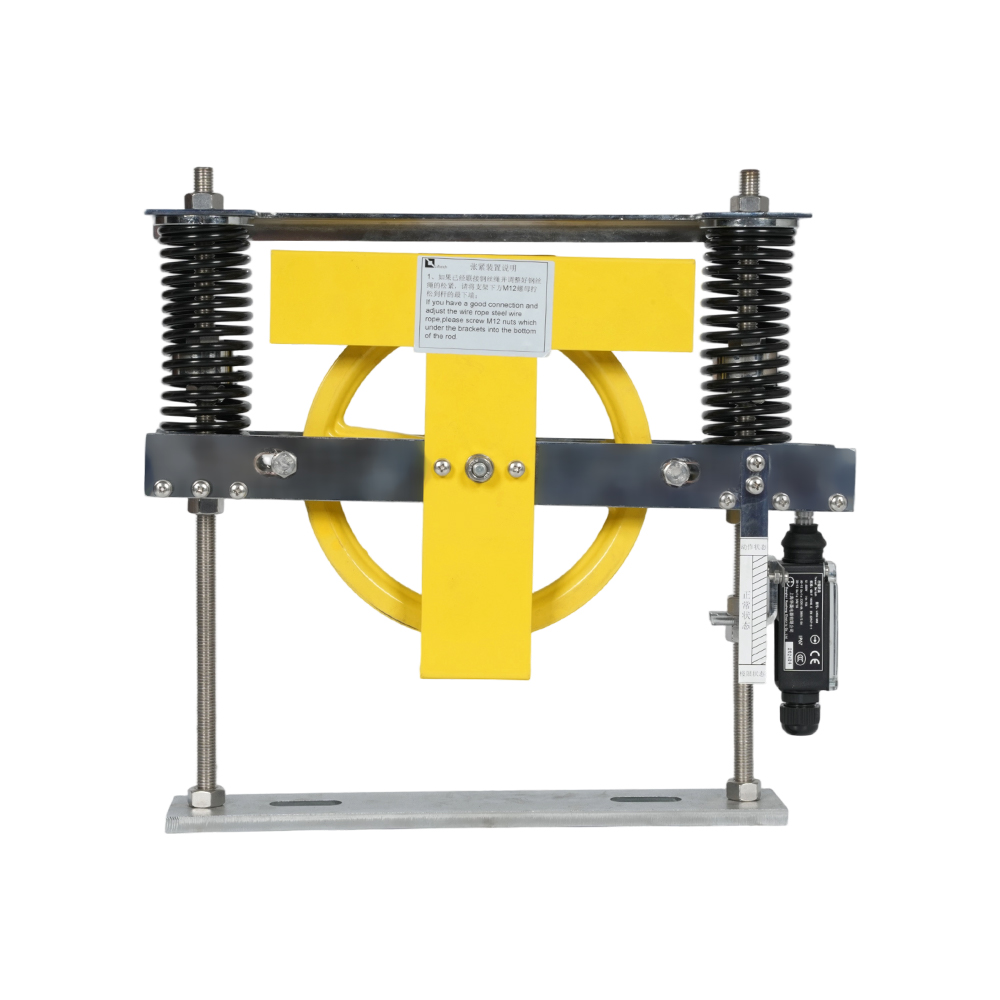
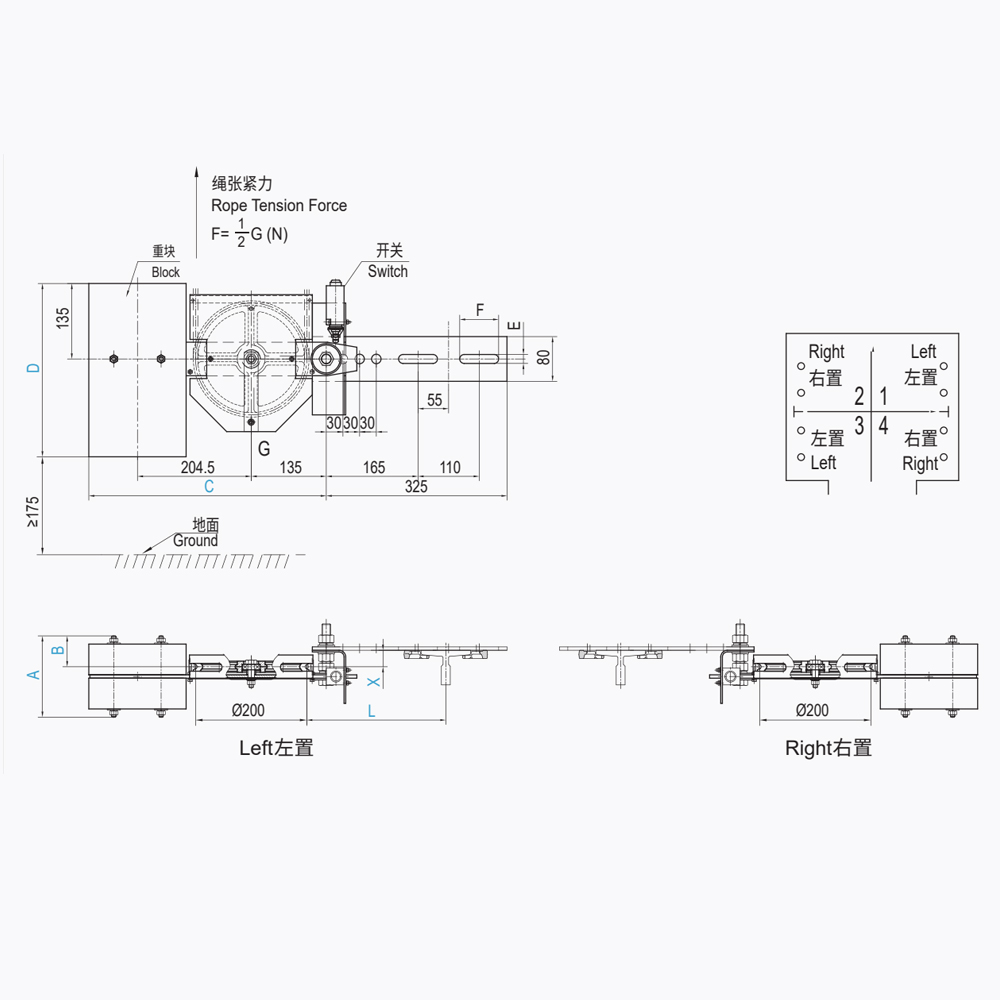
Standard elevator components are typically rated for ambient temperatures up to 40°C. In high-temperature environments, common issues include: lubricants drying out or carbonizing, elastomer seals hardening and cracking, springs losing tension (spring relaxation), and metals undergoing accelerated creep or oxidation. This can lead to seized mechanisms, loss of braking force, seal failure in buffers, and overall safety system degradation. High-temperature rated equipment solves this by using heat-resistant materials and designs.
High-Temperature Rated Lift Safety Equipment
-- Steady & Reliable Manufacturer --
Elevators installed in environments with elevated ambient temperatures, or where components are exposed to localized heat sources (e.g., near furnaces, in boiler rooms, on certain industrial processes), require safety devices designed to function reliably under thermal stress. This category encompasses safety gears, governors, buffers, and seals made from materials and lubricants that retain their mechanical properties, dimensional stability, and functional integrity at temperatures significantly above standard room temperature (e.g., 70°C to 150°C+).
Recommended Products
The Key Problem We Solve
Typical Applications
- Elevators in industrial plants near heat sources (foundries, glass works, kilns).
- Machine roomless (MRL) elevators where the machine is in the hoistway, potentially exposed to building heat gain.
- Elevators in geothermal power plants or other hot industrial environments.
- Parking garage elevators in hot climates where rooftop machine rooms can exceed 60°C.
- Special applications like furnace charging elevators or lifts in commercial kitchens.
Product Advantages
| Temperature Range | Components rated for continuous operation at 70°C, 100°C, or up to 150°C ambient. |
| Critical Material Upgrades | High-temperature lubricants (synthetic), fluoroelastomer seals (FKM/Viton), heat-treated springs (stress-relieved), specialized steels/alloys. |
| Design Considerations | Allowance for thermal expansion, heat dissipation paths, protection of sensitive sub-components. |
| Testing | Components may be subjected to heat aging tests and functional tests at elevated temperatures. |
Selection & Compliance Considerations
Seal Material Selection: Standard Nitrile (NBR) rubber seals harden and crack. For temperatures above 100°C, Fluoroelastomer (FKM/Viton) is standard. For above 150°C, perfluoroelastomer (FFKM) or specialized silicone may be required. Confirm compatibility with any lubricants used.
Consider Thermal Expansion: Different materials expand at different rates. Design must allow for this to prevent binding. For example, clearances in safety gear wedge assemblies or governor bearings may need to be increased to account for expansion at operating temperature.
FAQ
- Q: Can a standard elevator safety component be "upgraded" for high temperature use?
- A: To a limited extent. The most impactful upgrades are replacing standard lubricants with high-temperature ones and swapping NBR seals for FKM seals. However, this does not address potential issues with spring relaxation, paint degradation, or plastic component deformation. For reliable long-term operation in severe conditions, components designed and certified from the outset for high temperatures are recommended.
- Q: How does high temperature affect buffer performance?
- A: It significantly affects oil buffers. High temperature reduces oil viscosity, which can change the deceleration profile (making it softer) and increase internal leakage past seals. It also accelerates seal degradation. High-temperature buffers use special high-VI synthetic oils and FKM seals. Spring buffers are less affected by temperature but their springs can relax over time under heat.
- Q: Are there specific standards for high-temperature elevator components?
- A: There is no single elevator standard dedicated to high temperature. Compliance is demonstrated by showing the component meets all its normal performance requirements (EN 81, etc.) after being conditioned and tested at the specified elevated temperature. This is often part of a project-specific type testing protocol agreed with a notified body.
About Us
Shanghai Liftech Elevator Accessories Co., Ltd.
Founded in 2004, Shanghai Liftech Elevator Accessories Co., Ltd. is a specialized enterprise dedicated to the R&D, manufacturing, testing, and sales of elevator safety components. With over two decades of sustained development, Liftech has established itself as a leading manufacturer in China's elevator safety sector, providing high-quality products and solutions to a wide range of major elevator brands and engineering clients across domestic and international markets. We are ,China Wholesale High-Temperature Rated Lift Safety Equipment Suppliers and High-Temperature Rated Lift Safety Equipment OEM/ODM Manufacturers
For over 20 years, LIFTECH (est. 2004) has been a trusted force in the R&D, manufacturing, and full lifecycle support of premium elevator safety components.
Material Selection Guide
| Component & Standard Material | High-Temperature Risk | High-Temperature Rated Solution | Safety Gear Lubricant | Standard grease dries out, causing increased friction and wear. | Synthetic PFPE-based grease with upper temp limit of 250°C+. |
| Buffer Seals & Fluid | NBR seals harden; mineral oil viscosity drops. | FKM seals; synthetic ester-based hydraulic fluid with high viscosity index. | |||
| Springs (in gear, linkage, governors) | Music wire springs lose tension (spring relaxation). | Springs made from Inconel or other high-temperature alloys, or standard springs stress-relieved for the specific temperature. | |||
| Electrical Insulation (solenoids, sensors) | Standard Class B/F insulation fails. | Class H (180°C) or higher insulation on coils; high-temp rated cables. | |||
| Paint/Powder Coat | Standard epoxy paint may discolor or degrade. | Silicone-based or other high-temperature resistant coatings. |

