

 English
 中文简体
 русский
 Español
 Deutsch


A 1,600 kg freight elevator order sat idle for six weeks because the safety gear had been quoted against a 10 mm guide rail blade while the shaft was built with 16 mm rail. Nothing was defective. Th...
READ MOREHome / Products / Elevator Tension Device / Spring Tension Device / LTD07 Lift Tension Device Elevator Safety Components
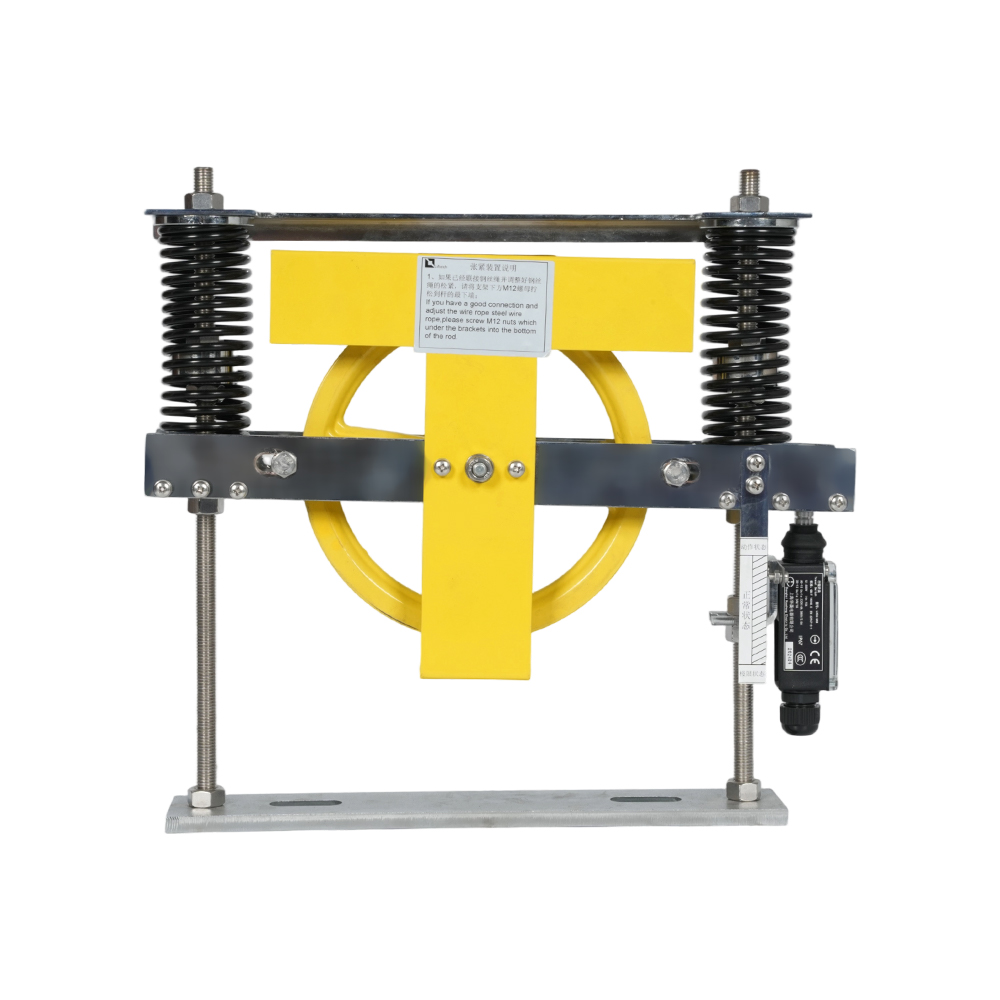
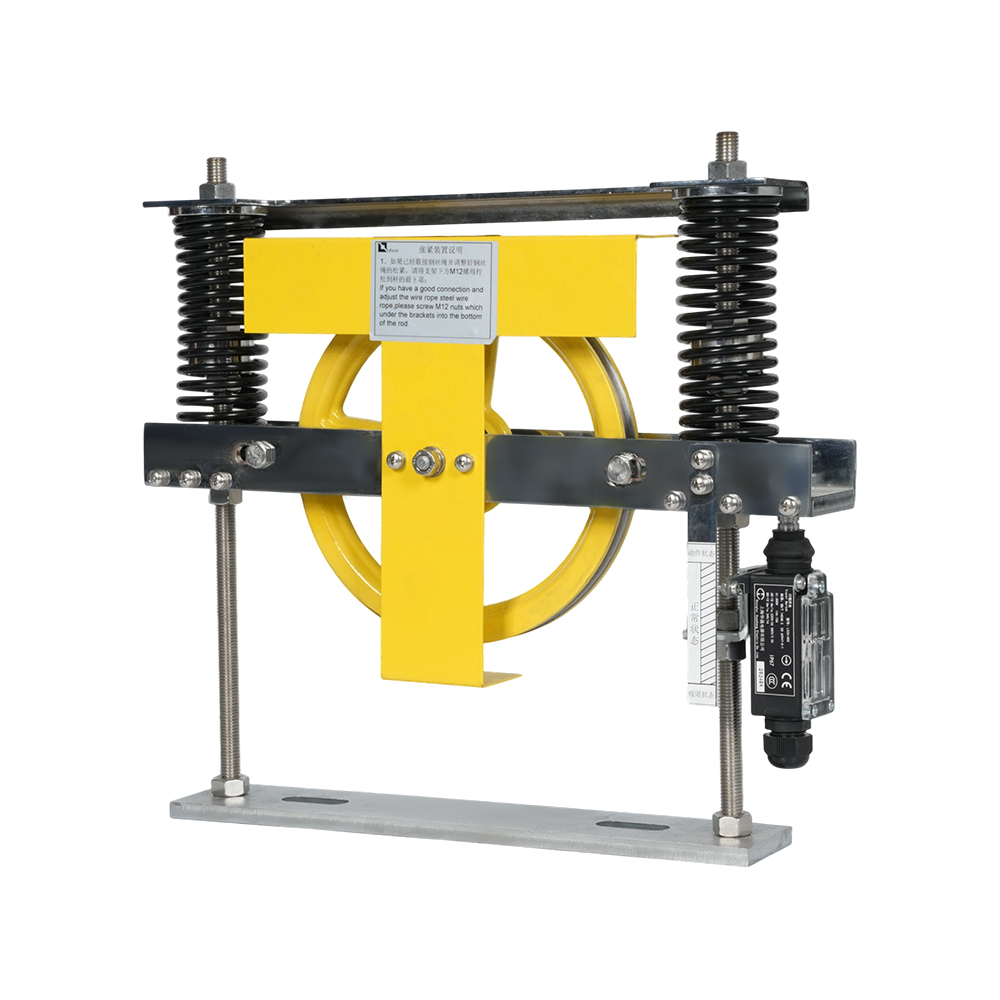
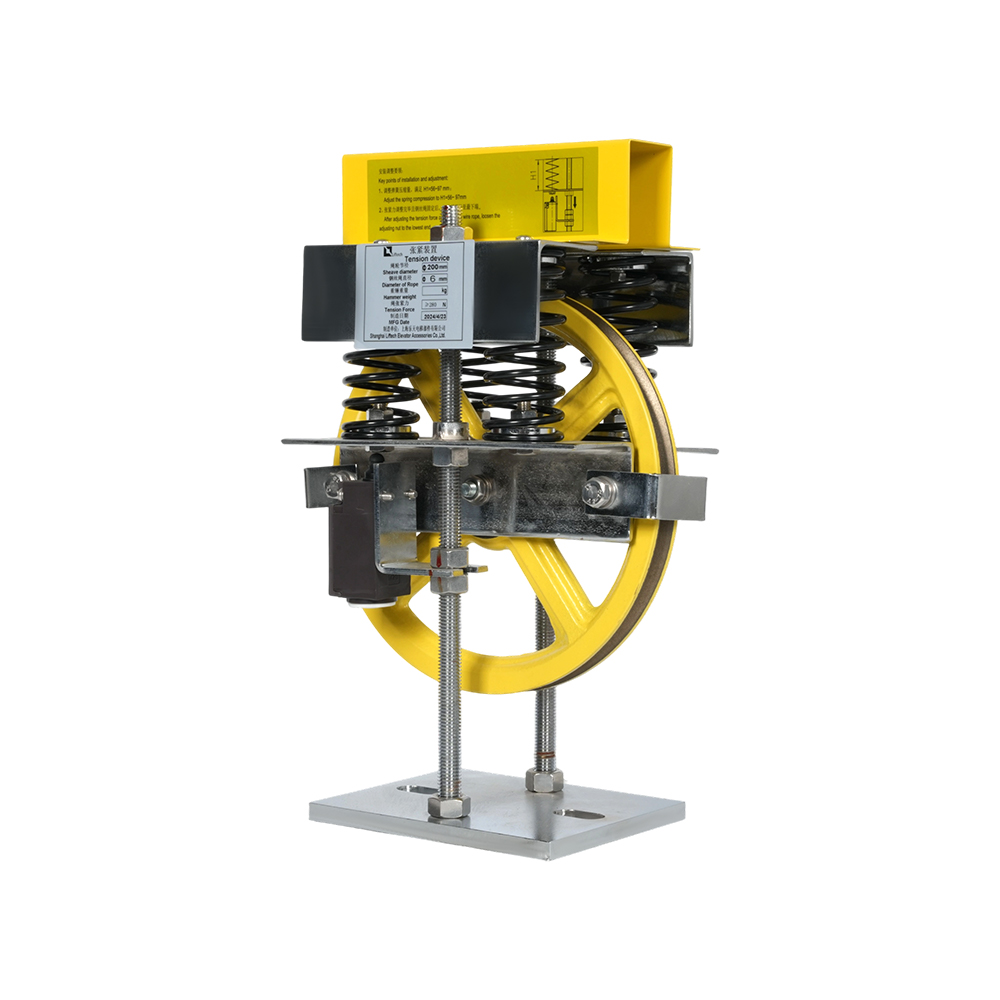
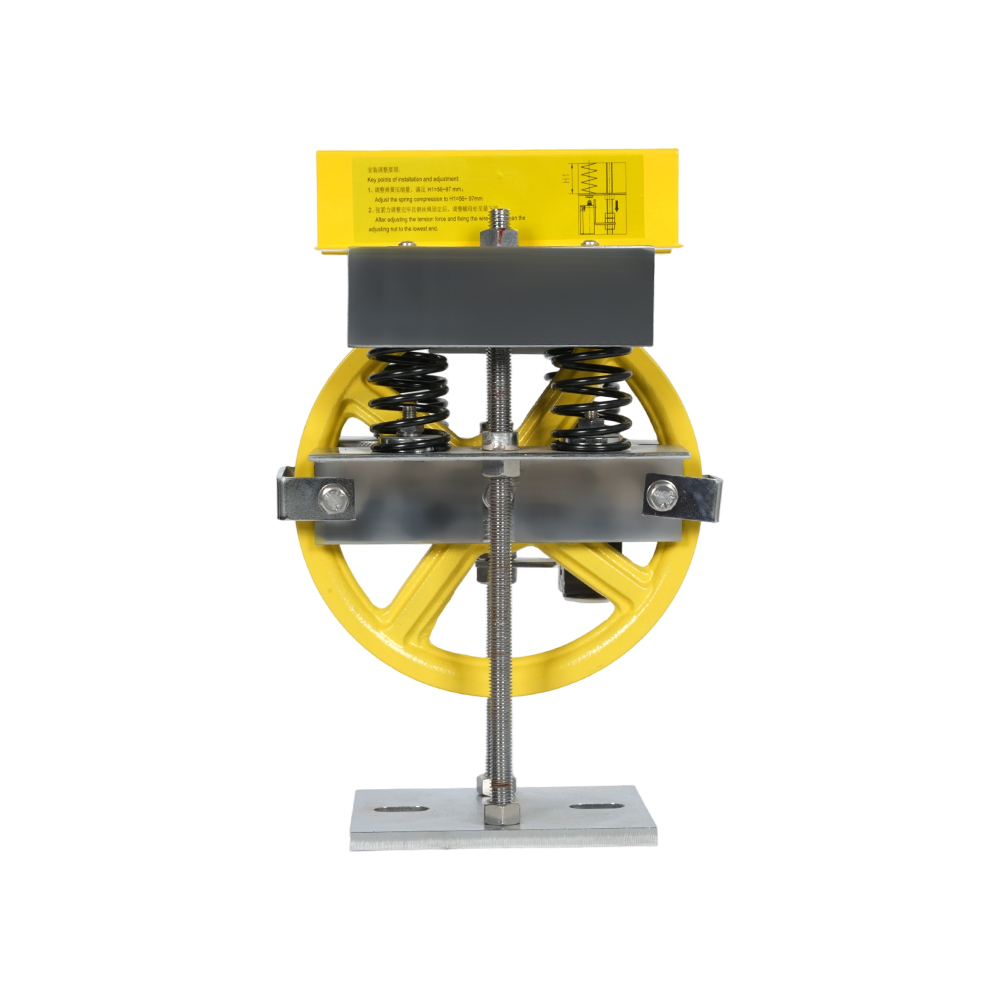
LTD07 Lift Tension Device Elevator Safety Components
Product Features
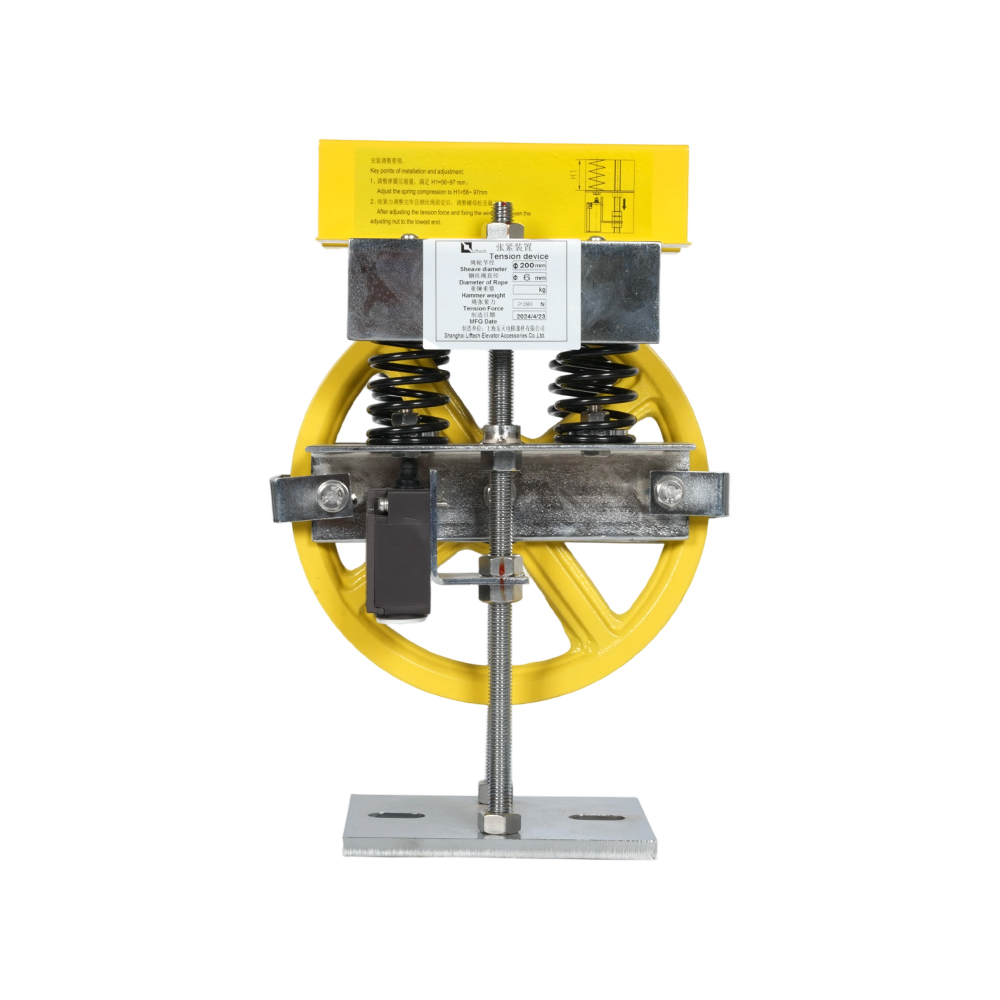
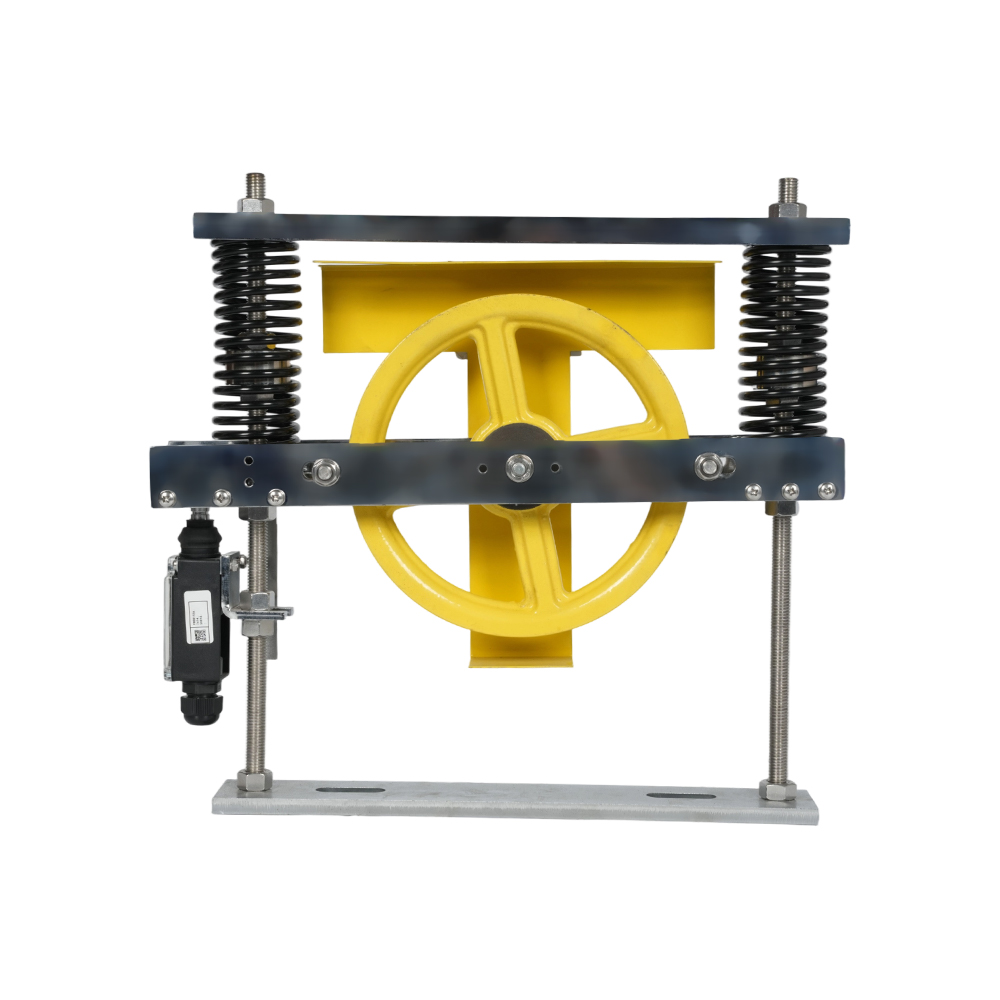
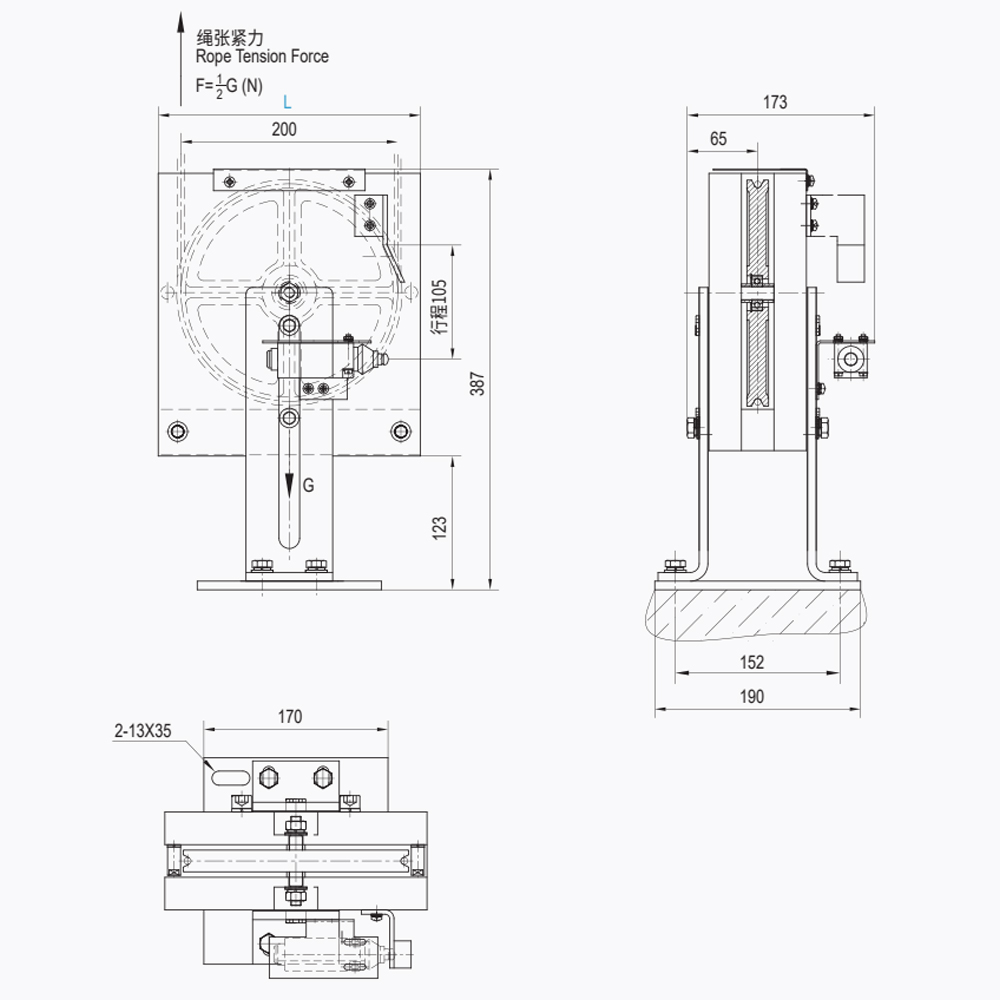
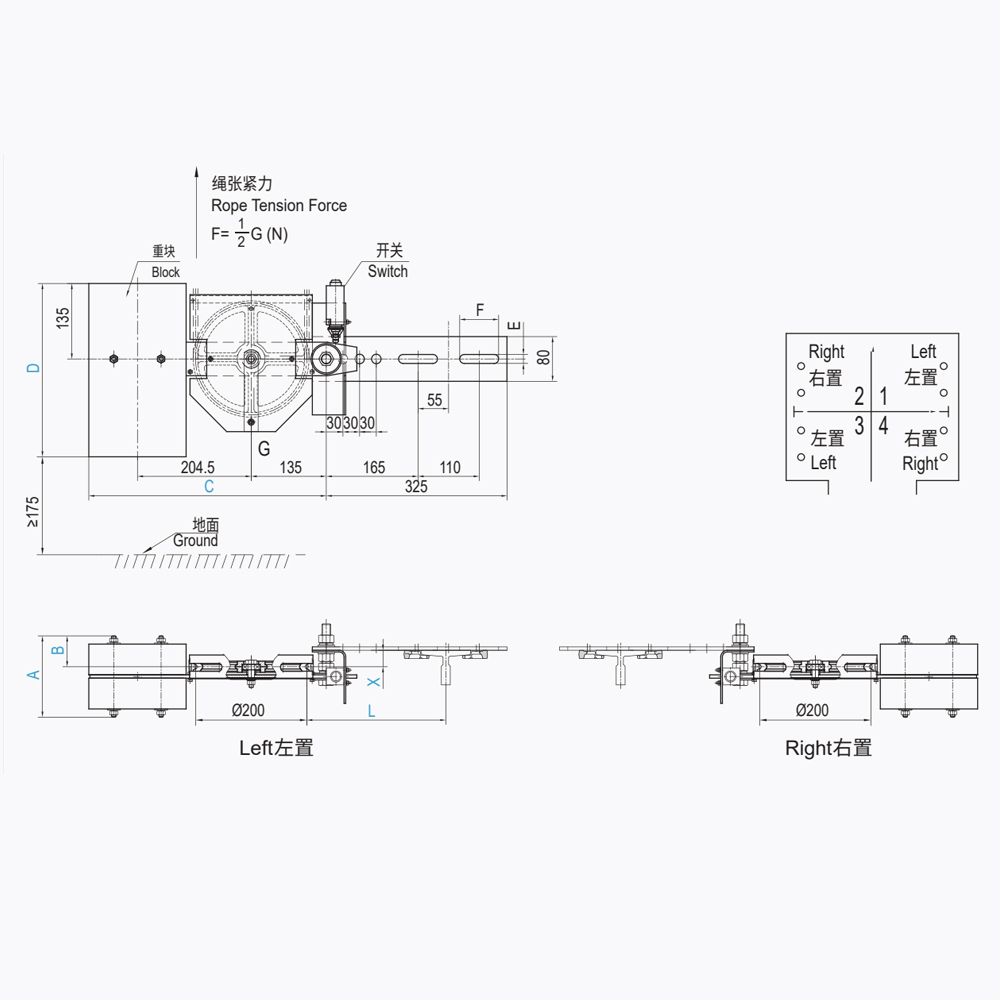
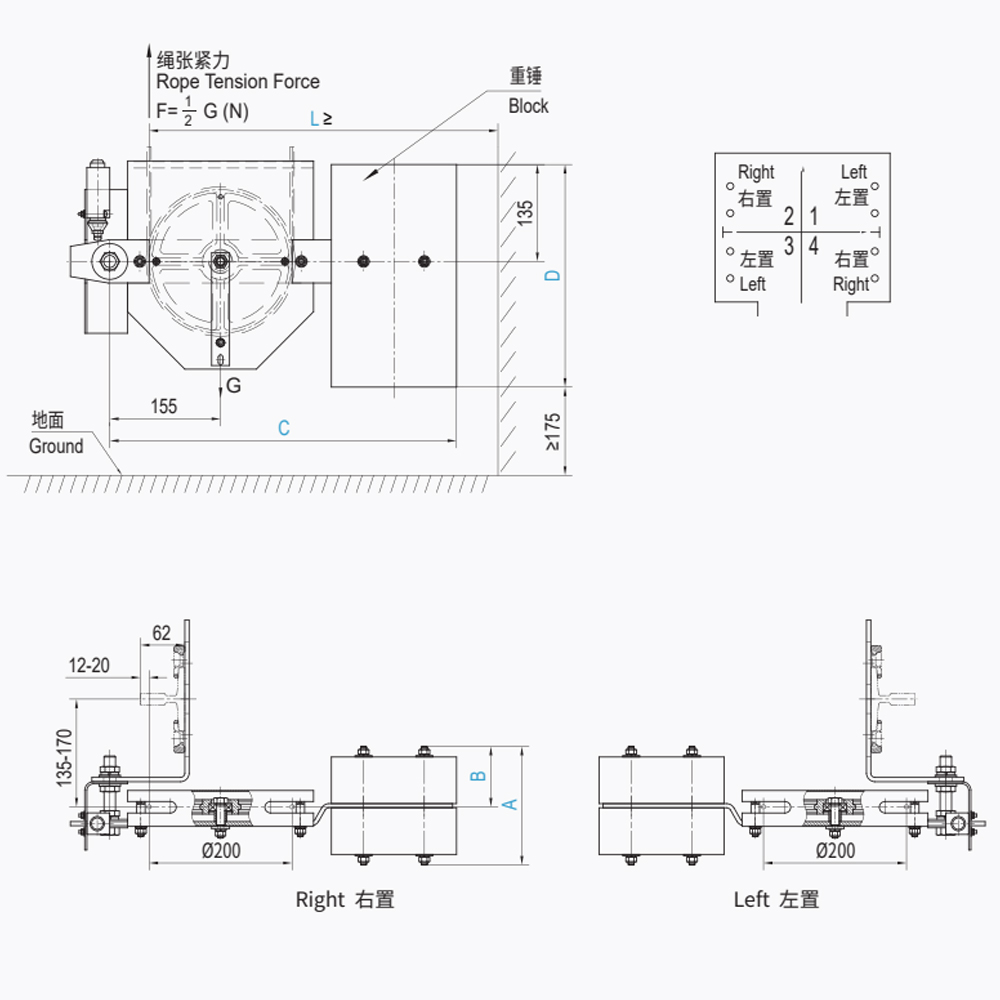
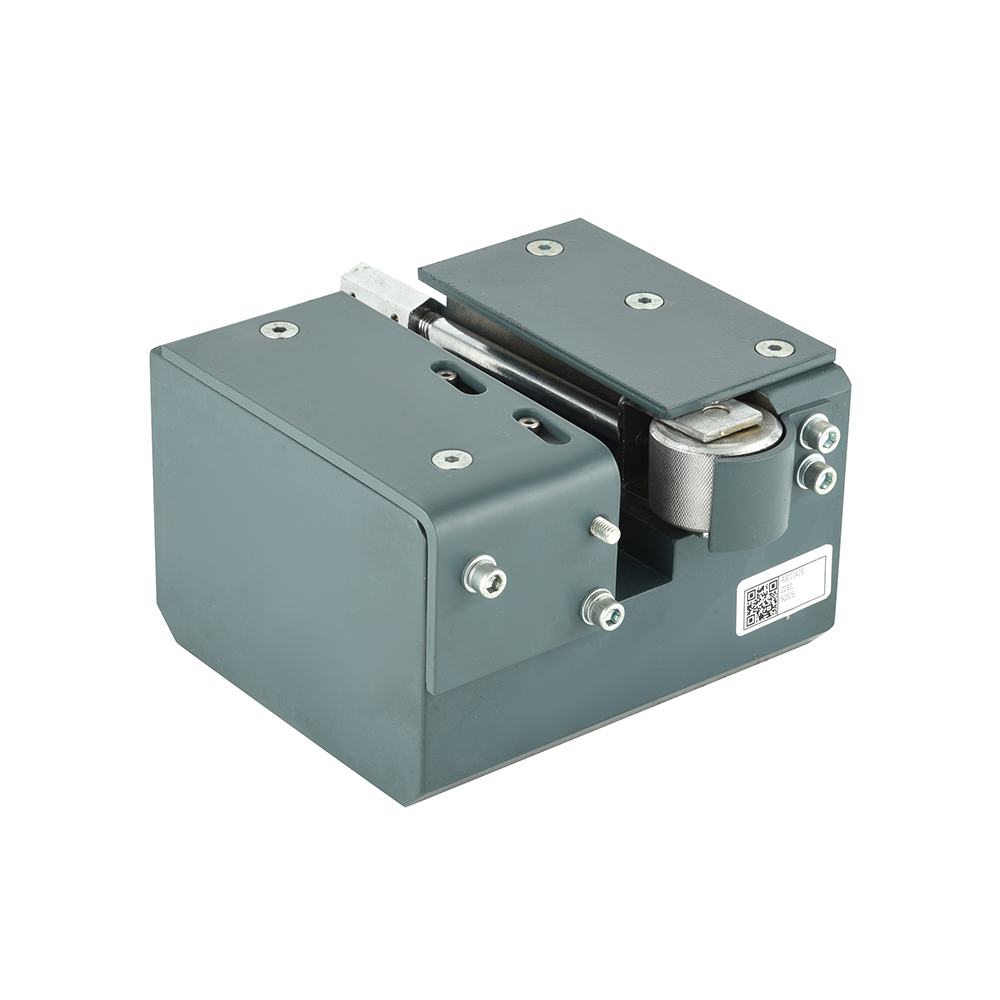
LTD07 lift tension device elevator safety component is a high-performance safety device designed specifically for elevator systems. It ensures operational stability by monitoring and adjusting wire rope tension in real time. Its core components include a mounting frame, a support frame, a tensioning assembly (including a fixing rod, a tensioning pulley, and a protective plate with a wire trough), and a spring compression assembly (including a guide shaft, an extrusion plate, a compression spring, a safety switch, and a lever). This device utilizes spring elasticity to quickly respond to wire rope slack, effectively maintaining tension during starting, stopping, and emergency braking. Complying with the "Safety Code for Elevator Manufacturing and Installation," the device utilizes spring compression technology and a dust-proof design. It features a compact structure, easy installation, and a combination of cushioning performance and broad compatibility, making it suitable for a variety of elevator systems and significantly improving safety and reliability.
Our Strengths, Your Competence
Cooperate with LIFTECH to provide you with reliable, high-quality, innovative, and sustainable elevator component solutions.
We understand that privacy protection is crucial for our clients, and we take it seriously. We are committed to protecting your privacy and ensuring your personal information and business details are kept confidential.
Rest assured that your personal information and business details will never be shared with any third party without your express consent. We will use your information solely for the purpose of providing you with our services and fulfilling our contractual obligations to you.
About Us
Shanghai Liftech Elevator Accessories Co., Ltd.
Founded in 2004, Shanghai Liftech Elevator Accessories Co., Ltd. is a specialized enterprise dedicated to the R&D, manufacturing, testing, and sales of elevator safety components. With over two decades of sustained development, Liftech has established itself as a leading manufacturer in China's elevator safety sector, providing high-quality products and solutions to a wide range of major elevator brands and engineering clients across domestic and international markets. We are China Wholesale LTD07 Lift Tension Device Elevator Safety Components Suppliers and OEM LTD07 Lift Tension Device Elevator Safety Components Manufacturers, For over 20 years, LIFTECH (est. 2004) has been a trusted force in the R&D, manufacturing, and full lifecycle support of premium elevator safety components.
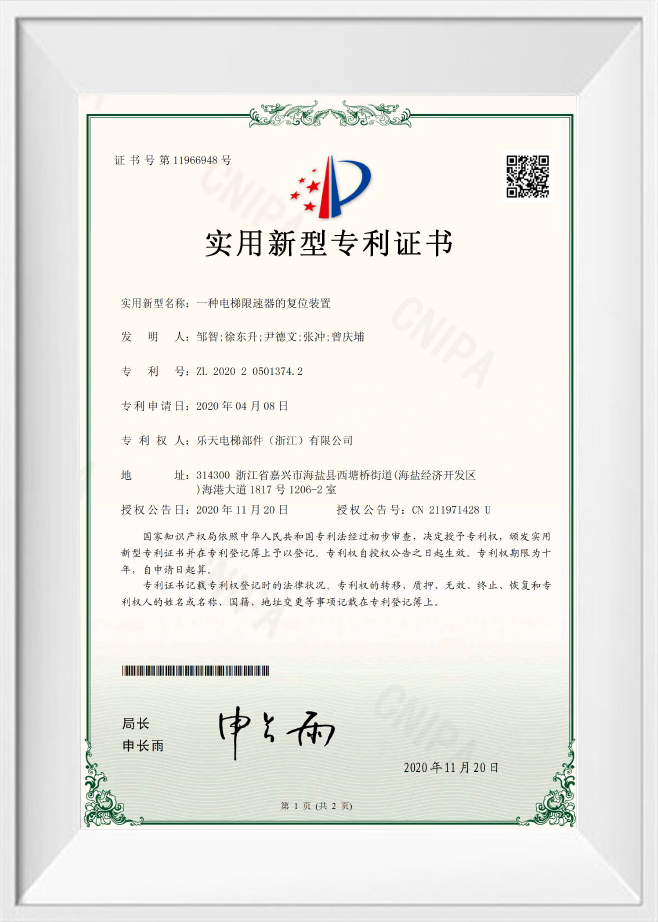
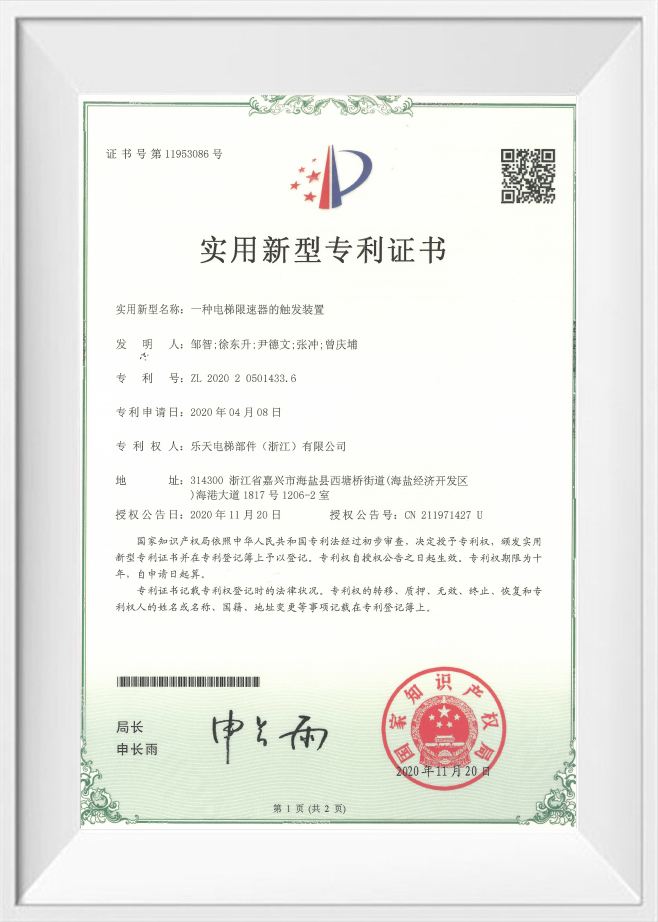
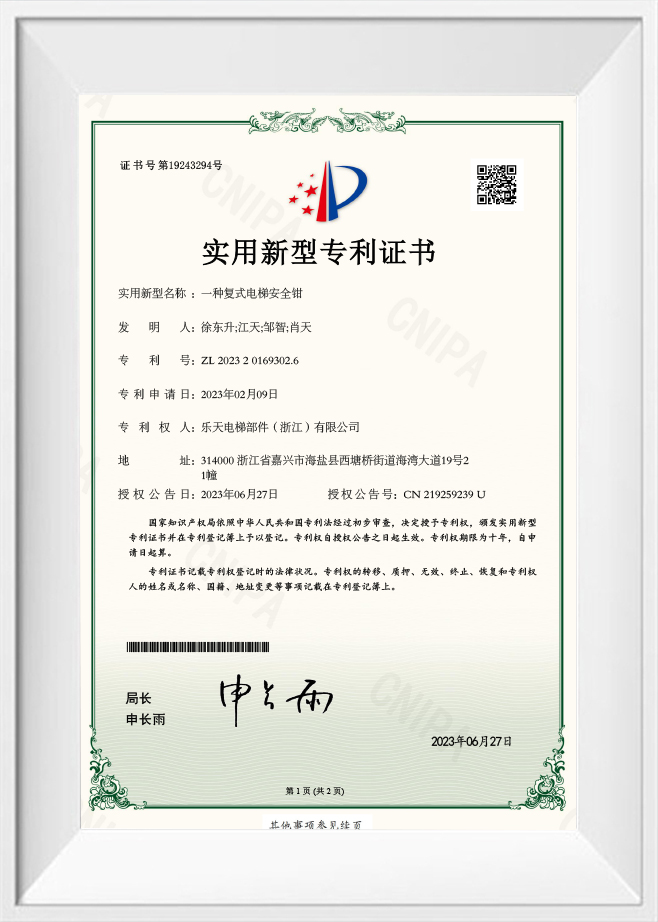
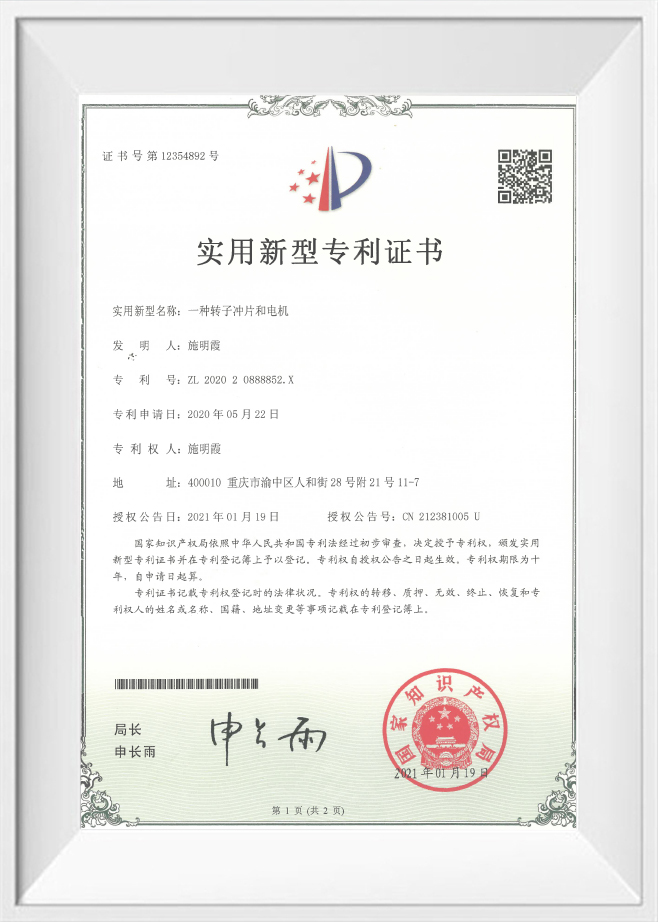
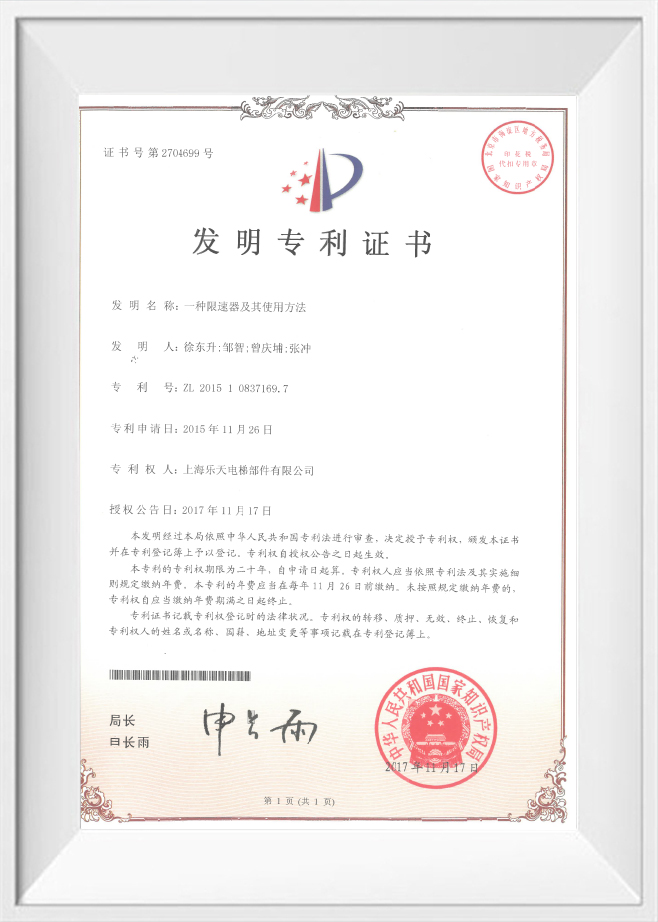
Certificate Of Honor
News
-
-
A 4,000 kg freight car suspended on six 13 mm ropes is not held by a brake that was quoted against rated load alone. Rope brakes fail at the specification stage far more often than they fail in serv...
READ MORE -
A progressive safety gear has to hold car deceleration between 0.2 g and 1.0 g, the band fixed by EN 81-20:2014 clause 5.6.2.3.2. That band is only reachable when both wedges touch the guide rails w...
READ MORE -
On a 1.6 m/s machine-room-less lift with five 8x19S traction ropes, a rope brake either holds 125 percent of rated load or it slips, and which of the two happens is decided in the clamping force cal...
READ MORE
Recommended Products

Copyright © Shanghai Liftech Elevator Accessories Co., Ltd. All rights reserved. China Wholesale LTD07 Lift Tension Device Elevator Safety Components Suppliers
