
 English
 中文简体
 русский
 Español
 Deutsch



Custom Elevator Safety Gear Suppliers: Specifying, Auditing and Qualifying
Content
- 1 Rail Geometry Sets the Customisation Scope, Not Rated Load
- 2 Progressive or Instantaneous Action Follows the Speed Band
- 3 The Safety Gear Is Only One Link in a Five-Part Chain
- 4 Retrofit and UCMP Orders Rewrite the Chain
- 5 Read the Certificate Scope Before the Price
- 6 Qualify a Custom Supplier in Four Steps
- 7 Catalogue Depth Shows How Much Customisation Is Real
- 8 Questions Buyers Ask Before Releasing a Purchase Order
Definition. Custom safety gear supply means a supplier adapts a standard safety gear platform to a named guide rail, rated load and tripping speed. Wedge geometry, spring rate, linkage stroke, synchronisation bar and reset mechanism all move with those inputs, and the finished unit is documented against EN 81-20, GB 7588 or ASME A17.1 before it ships.
A catalogue model number is the start of the conversation, not the answer. What separates one custom elevator safety gear supplier from another is how far it will move from that model, how quickly it can document the change, and whether the type-examination certificate still covers the modified unit.
Rail Geometry Sets the Customisation Scope, Not Rated Load
Guide rail blade thickness and head width decide more custom safety gear orders than car capacity does. A gear built for a 10 mm blade will not seat on a 16 mm rail, and no amount of load headroom corrects the mismatch.
Cold-drawn rail and machined rail also differ in surface hardness and corner radius. Safety gear wedges rely on a predictable friction pair, so a supplier that receives only the rail designation, such as T75, T89 or T114, is guessing. Ask for the rail drawing with blade thickness, head width and material grade attached to the enquiry.
| Specification input | Typical range | What it changes in the design |
| Rated load per car | 320 kg to 5,000 kg | Wedge block size, spring rate, number of gear units per car frame |
| Rated speed | 0.4 m/s to 6.0 m/s | Progressive or instantaneous action, governor trip speed setting |
| Guide rail blade thickness | 10 mm on T75 class, 16 mm on T89 class and heavier | Jaw opening, wedge clearance, guide shoe alignment |
| Car sling and guide shoe interface | OEM specific | Mounting bracket, linkage rod length, synchronisation bar position |
| Trigger method | Governor rope, rope brake, UCMP | Linkage stroke, reset mechanism, electrical switch contacts |
Send the same package to every supplier you are comparing. Quotes built on different inputs cannot be compared on price, and the lowest one usually turns out to be the one that assumed the most.
Progressive or Instantaneous Action Follows the Speed Band
EN 81-20 keeps instantaneous safety gear inside a rated speed ceiling of 0.63 m/s. Above that ceiling, progressive action is required, with average deceleration held between 0.2 gn and 1.0 gn and the overspeed governor tripping at no less than 115 percent of rated speed.
- Rated speed above 0.63 m/s
- Wedge slides with controlled slip instead of locking instantly
- Deceleration window of 0.2 gn to 1.0 gn
- Standard choice for passenger, high-speed and heavy freight lifts
- Manual reset after tripping, with a defined release stroke
- Rated speed at or below 0.63 m/s
- Wedge locks the rail in a single action
- Shorter stopping distance, higher peak deceleration
- Common on villa, home and light goods lifts
- Fewer moving parts, simpler inspection routine
Duty cycle decides the rest. A villa lift running 40 trips a day and a freight lift running 400 trips a day are not the same problem, even at identical rated speed. Freight and industrial units wear the wedge faces faster, so the friction pair and the spring preload need a wider service margin than a passenger specification would suggest.
Heavy freight work is where the margin shows up first. A 2,000 kg car at 1.0 m/s loads each gear unit harder than a 1,000 kg passenger car at 1.75 m/s, and the wedge casting has to be sized for that load rather than for the speed alone.
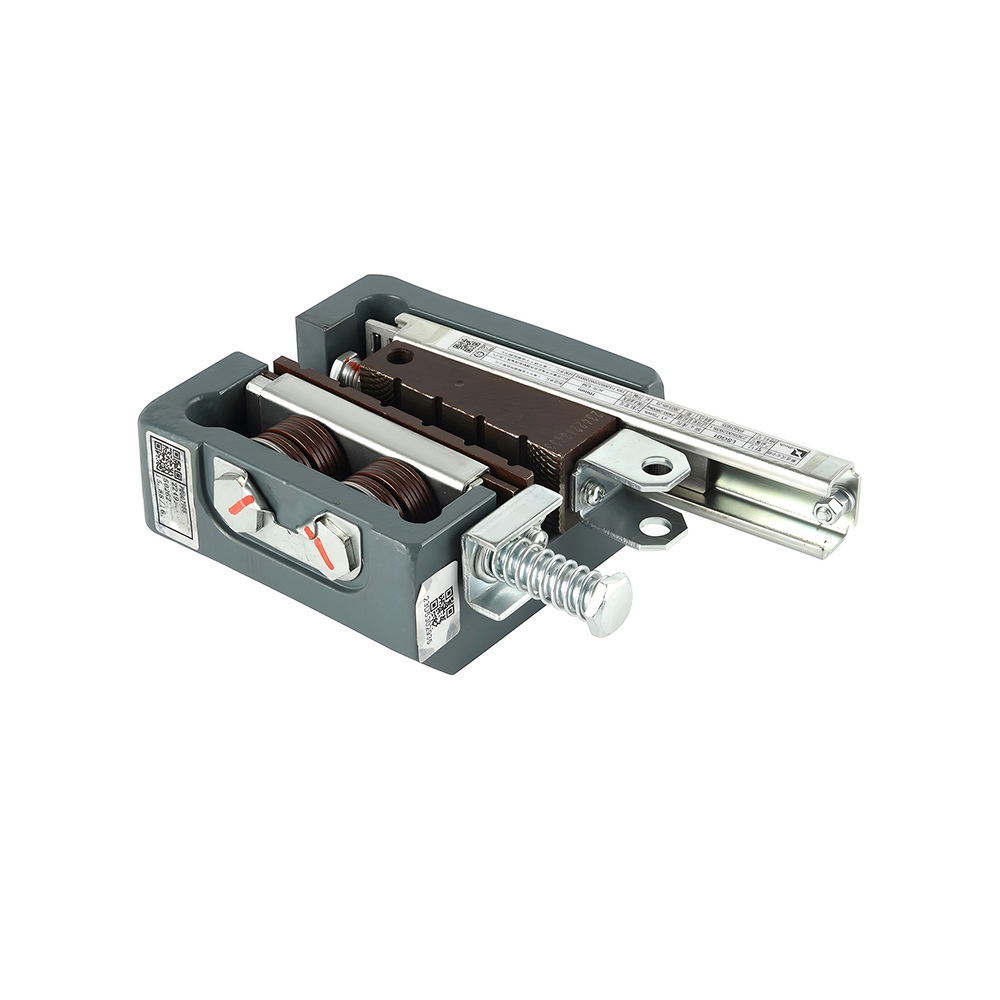
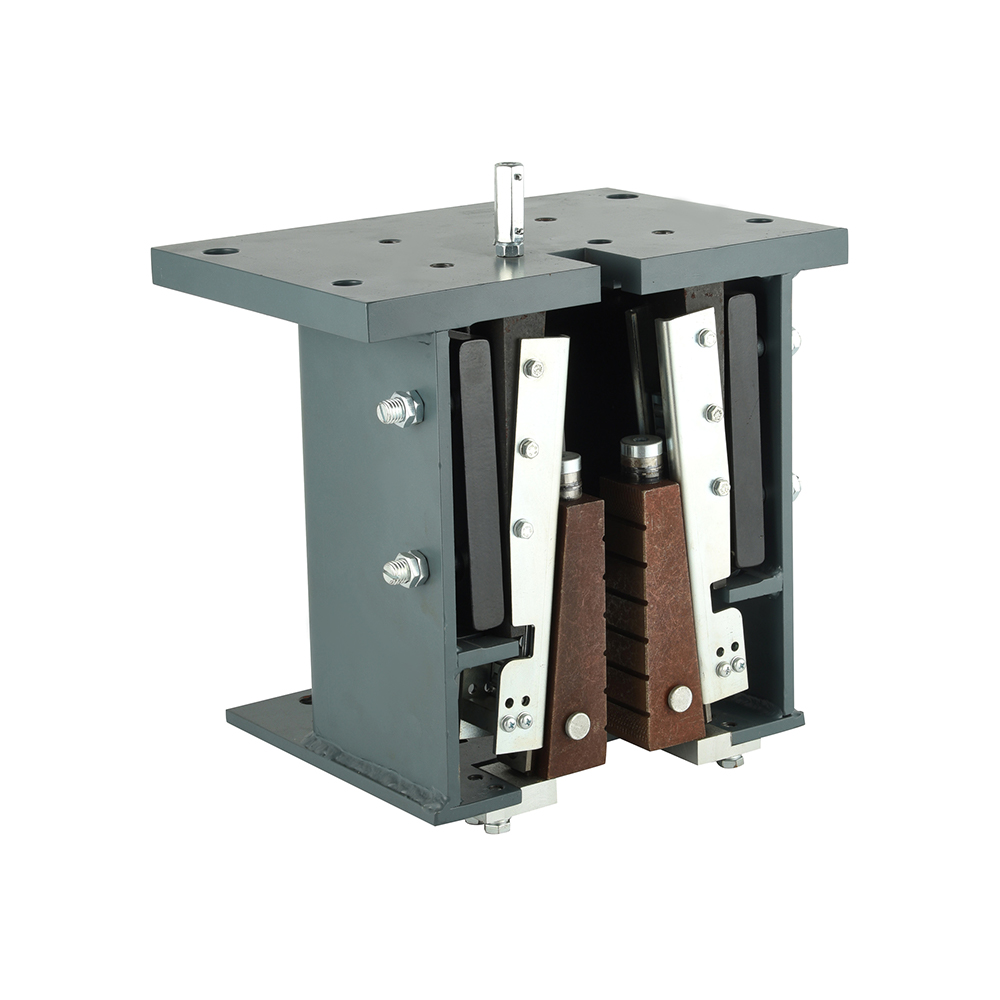 LSG17 Heavy-Duty Freight Elevator Safety GearFor heavy freight systems where the safety gear must be sized for load, this progressive unit supports up to 30 t and 2 m/s.View Product →
The Safety Gear Is Only One Link in a Five-Part Chain
A safety gear performs exactly as well as the governor, linkage, tension device and buffer around it. The five parts must be specified as one loop, tested as one loop, and replaced as one loop.
- The overspeed governor detects the speed threshold and releases its rope.
- The governor rope transmits the pull down to the linkage, held taut by the tension device.
- The safety gear linkage converts rope travel into wedge lift on both sides of the car.
- The safety gear clamps the guide rails and brings the car to a controlled stop.
- The oil buffer absorbs the remaining energy if the car or counterweight reaches the pit.
A linkage that delivers 25 mm of stroke to a gear that needs 40 mm will pass a static inspection and fail a dynamic drop test. Stroke synchronisation between the two sides of the car is the most common cause of a failed first article.
Governor rope tension belongs in the same conversation. A slack rope delays the trip by a fraction of a second, and at 1.75 m/s a 0.3 second delay adds about 0.5 m of travel before the wedges touch the rail. That margin is the difference between a controlled stop and a hard one.
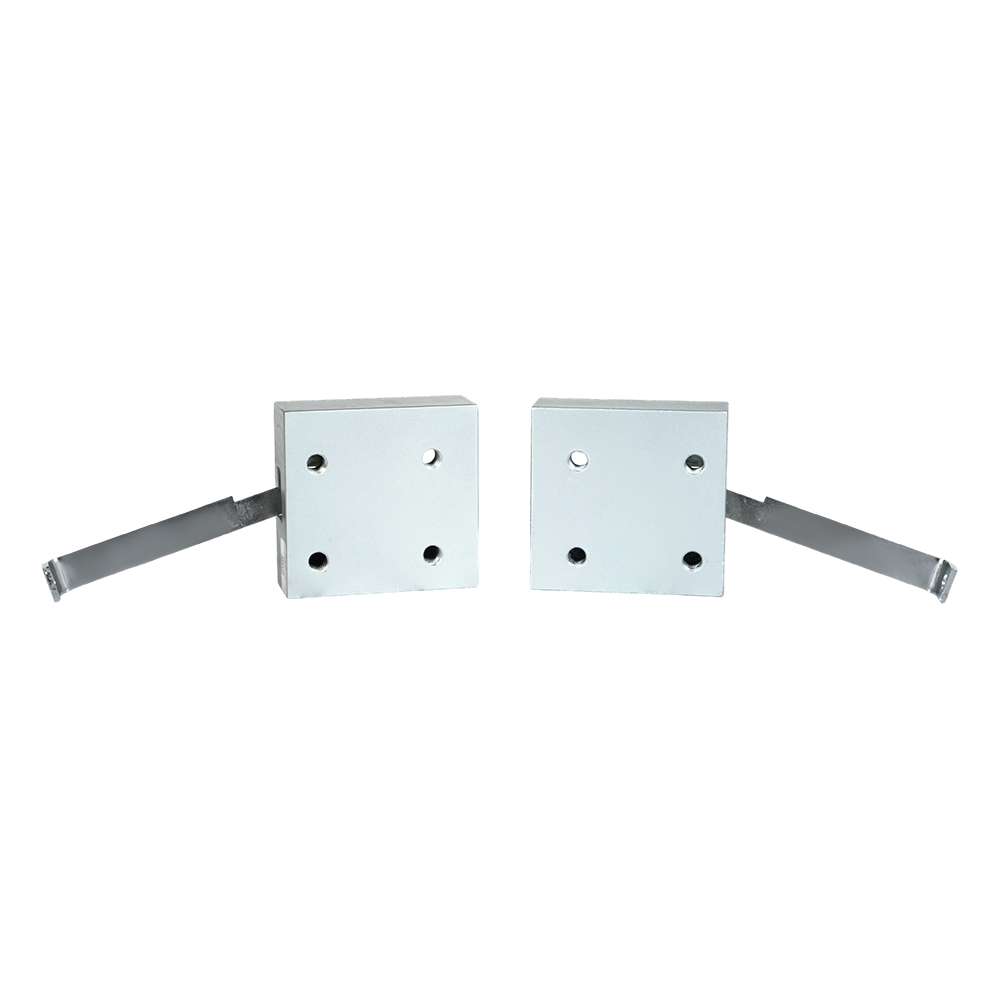
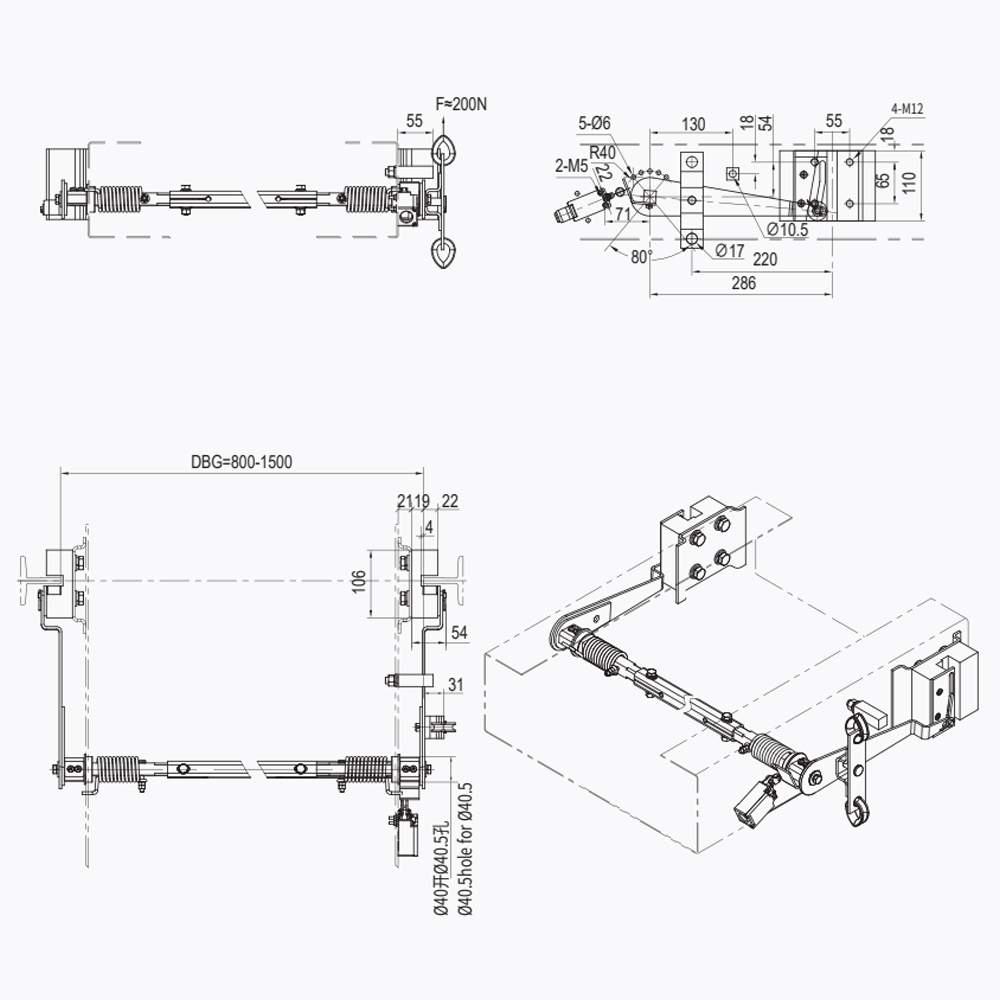
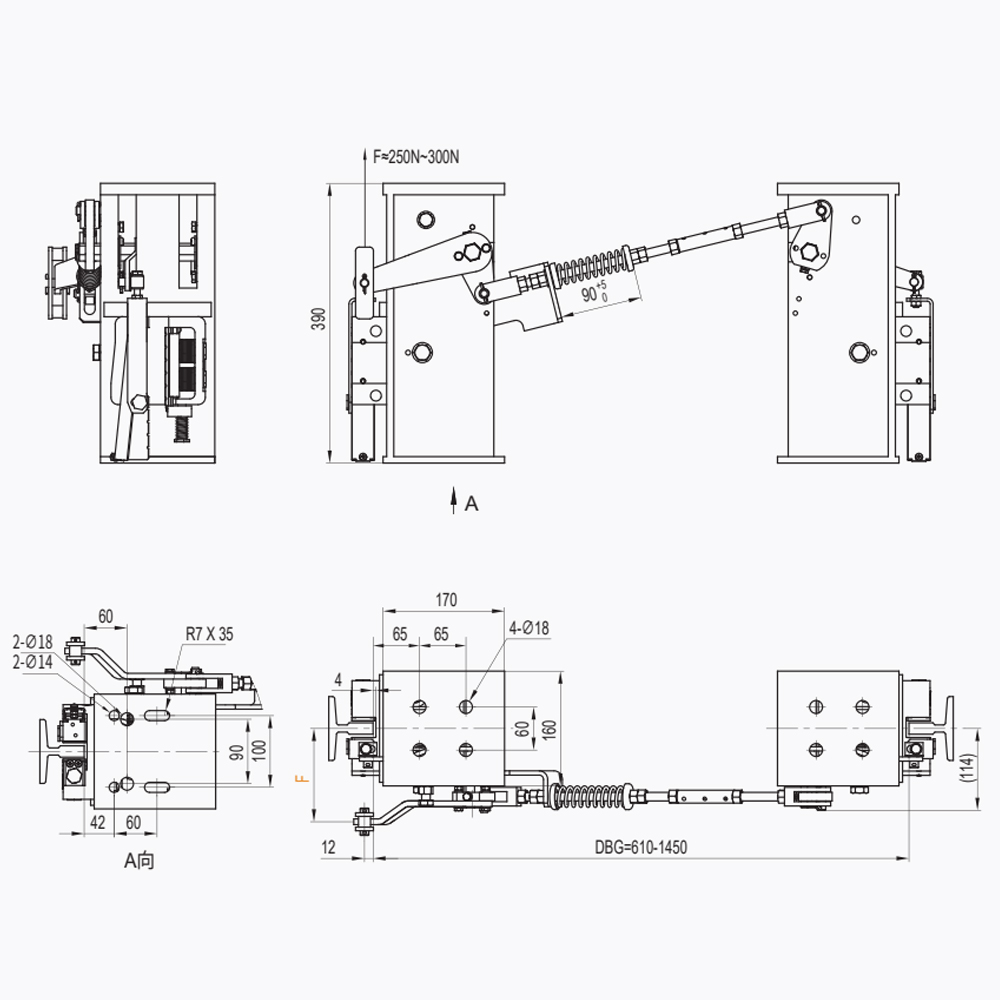
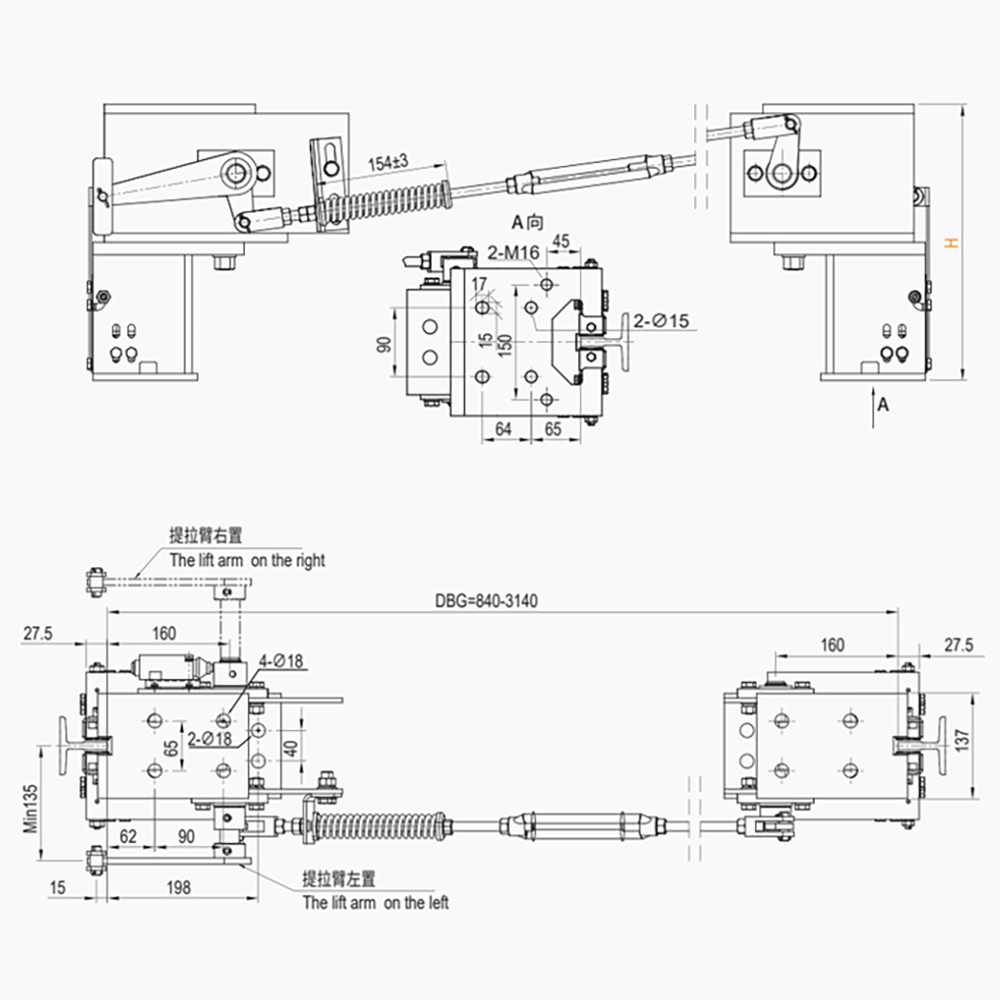
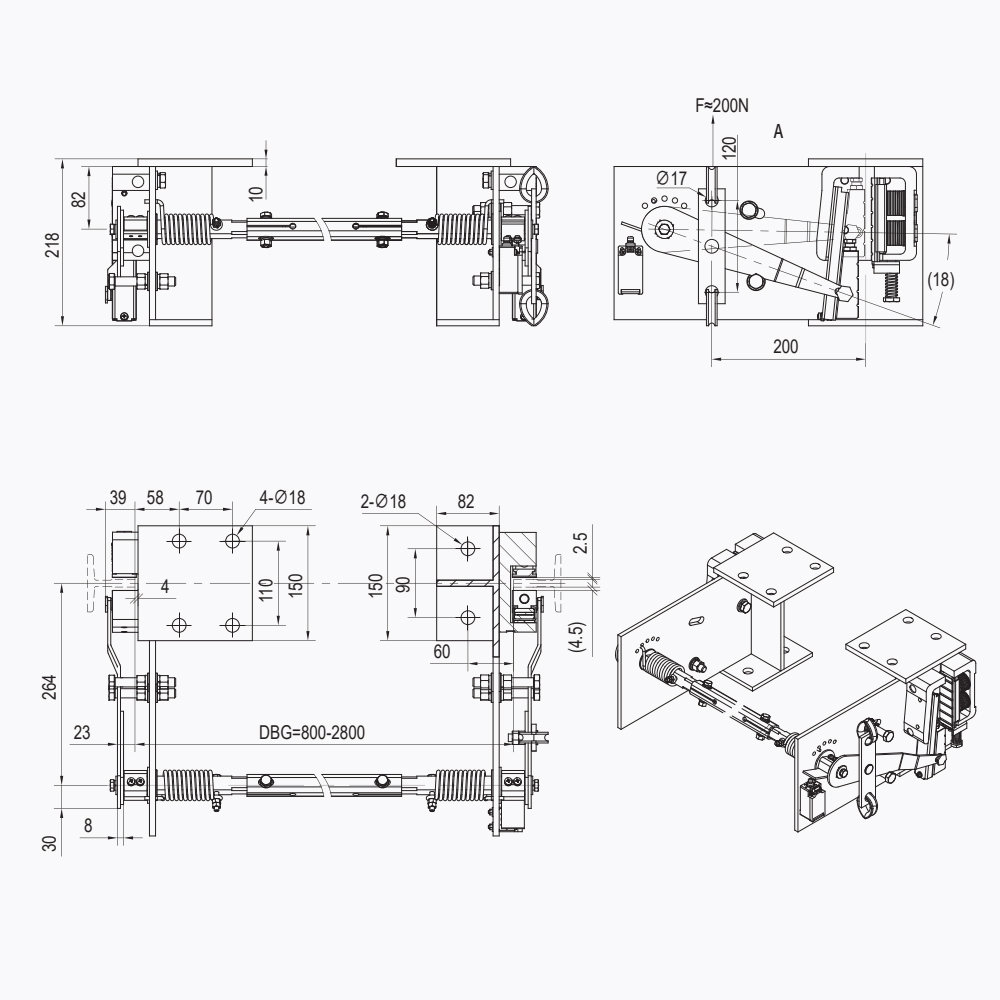 LSD07 Governor-Triggered Safety Gear SystemDual-link safety system for overspeed protection, with LSG06 and LSG06B variants, linkage option, and GB/CE-certified speed and load ranges.View Product →
Retrofit and UCMP Orders Rewrite the Chain
Unintended car movement protection entered EN 81-20 in 2014 and became mandatory for new lifts in the EU from 2017, and it is now the fastest route into custom safety work on existing installations.
A UCMP package adds a governor with a dedicated switch, a rope brake or an additional brake on the traction sheave, and a control interface that proves the car is stationary with the doors open. On a 15-year-old lift the mechanical space is already fixed, so the rope brake has to clamp an existing rope diameter at a defined clamping force rather than the other way around. That is a measuring job, not a catalogue job.
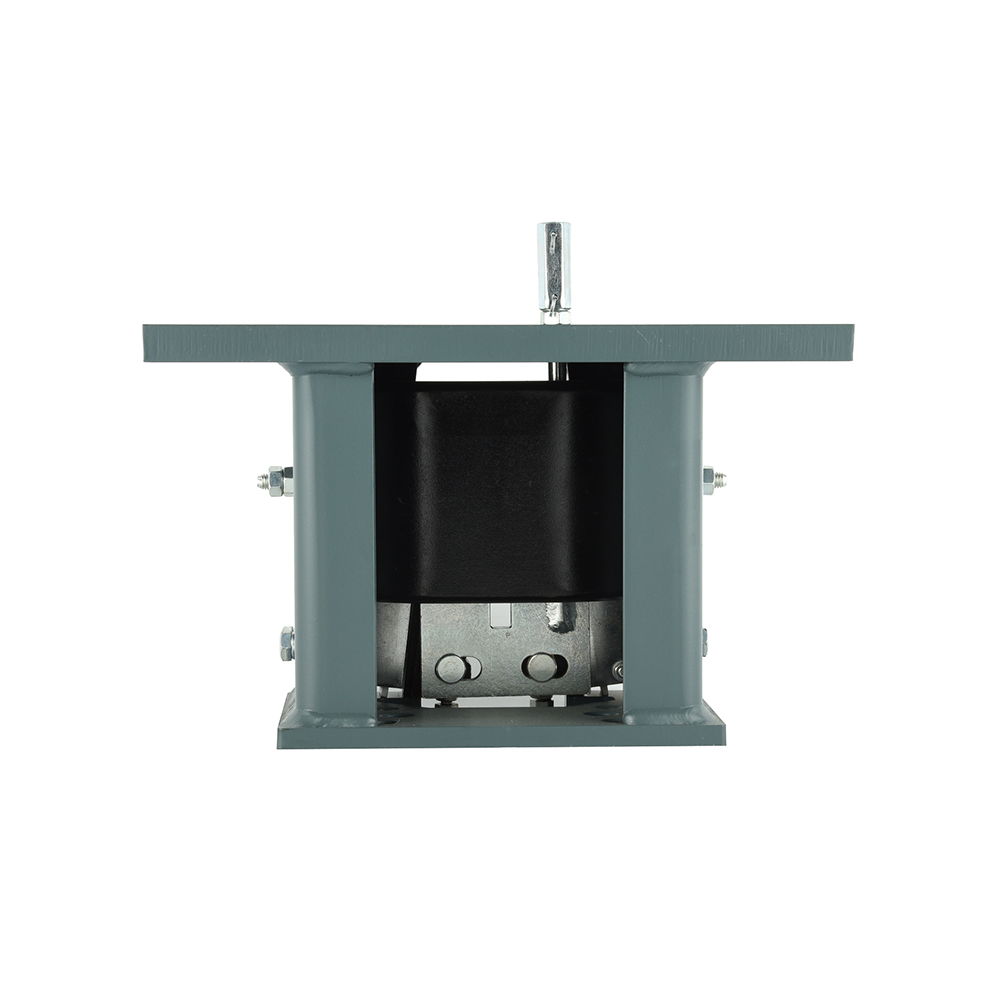
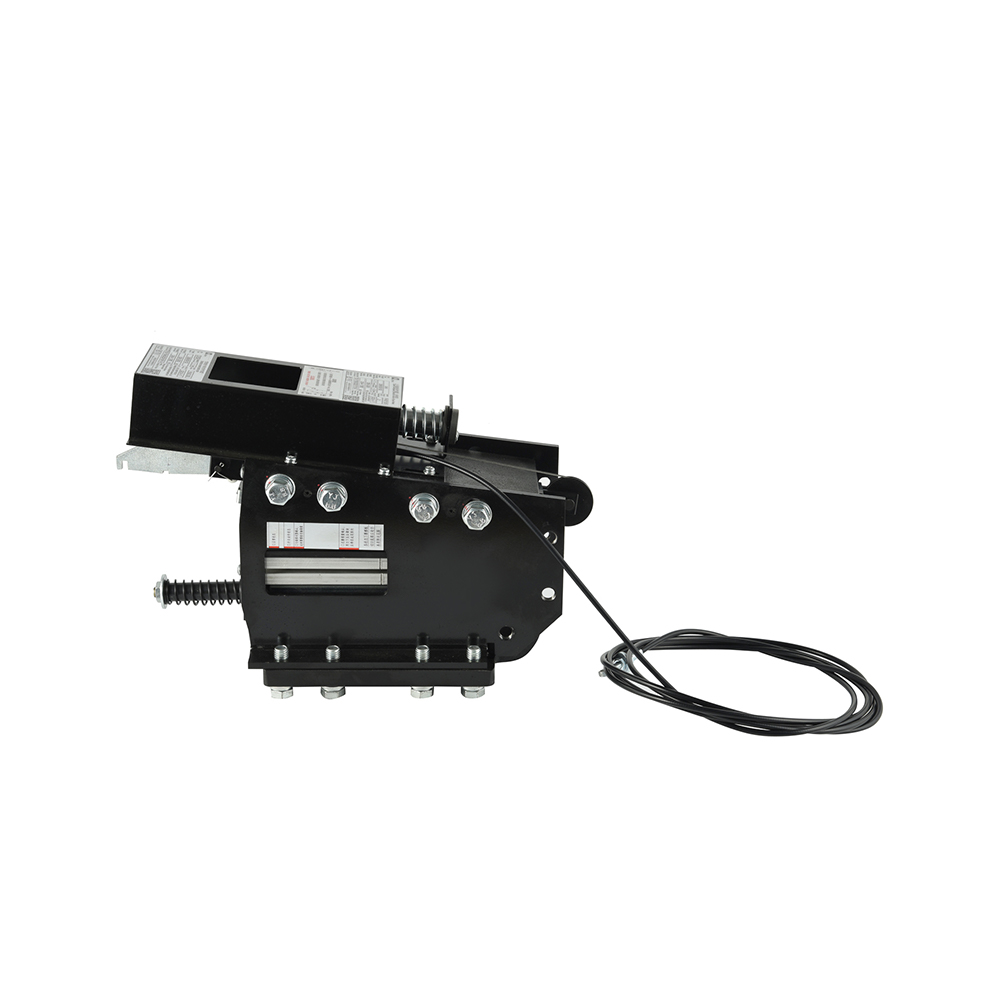 LRB02 Elevator Rope Brake and Rope GripperFor unintended movement protection, this rope clamp quickly clamps the wire rope and comes in upright, inverted, widened and extra-wide configurations.View Product →
Read the Certificate Scope Before the Price
A safety gear certificate that names the rail width, the rated speed band and the load range is usable. One that lists only a model number is not.
- Type-examination certificate issued against EN 81-50, GB 7588 or ASME A17.1, with the issuing body named
- A scope paragraph covering the exact rail thickness and speed band you are buying
- Governor, linkage and gear tested as a system, not as three separate components
- Drop test report with a recorded deceleration trace and the test mass stated
- Material certificates for the wedge, the spring and the guide rail contact faces
The scope paragraph is where custom orders fail. A certificate covering 6 mm to 10 mm rail does not cover a 16 mm variant, even when the wedge is the same casting.
Qualify a Custom Supplier in Four Steps
Four checks separate a supplier that can deliver a custom unit from one that can only quote one, and they take about three weeks to complete.
- Send the rail drawing, load data and sling interface drawing instead of a model number. Suppliers who ask for the drawing in return are the ones who will build to it.
- Ask for the variant list and the certificate that covers the variant you need. A supplier with a mapped model family answers this within a day.
- Review or witness a drop test at the factory, and check that the test rail matches the rail on your drawing.
- Lock the interface drawing, the reset stroke and the switch contact arrangement into the purchase order as controlled documents.
The third step is the one buyers skip. A factory review that shows the test rig, the rail samples and the deceleration recorder tells you more about consistency than any brochure.
Catalogue Depth Shows How Much Customisation Is Real
A supplier with 15 safety gear variants across villa, freight, high-speed and industrial duty can absorb a non-standard request without redesigning from zero. A supplier with three cannot.
Model count per safety component family in a full supplier catalogue, grouped by product series.
Depth also shortens lead time. When the wedge family already exists, a custom order usually means a new bracket and a new linkage rod rather than a new casting, which removes tooling from the critical path. Shanghai Liftech Elevator Accessories Co., Ltd., trading as Liftech, built its catalogue this way: the four core families of safety gear, governor, oil buffer and rope brake were complete by 2015, and the variant list has grown since.
Questions Buyers Ask Before Releasing a Purchase Order
Does a custom safety gear need a new type-examination certificate?
It depends on whether the change touches braking performance. A new bracket or a longer linkage rod that leaves wedge geometry, spring rate and rail contact unchanged normally sits outside the certificate scope. A new wedge, a different spring or a different rail thickness always requires the certificate to be extended under EN 81-50 before the unit can be marked.
Can a gear certified to GB 7588 be supplied into an EN 81-20 project?
No. GB 7588-2003 was aligned with EN 81-1:1998, while EN 81-20:2014 changed buffer, UCMP and stopping distance requirements. A GB certificate is not transferable to an EN 81-20 installation, and a supplier that offers one for the other is a supplier to walk away from.
What is the minimum information needed for an accurate quotation?
Five items: the guide rail drawing with blade thickness and head width, rated load, rated speed, the car sling and guide shoe interface drawing, and the trigger method. Any quote issued without those five inputs is an estimate dressed up as a price.
How does rail thickness affect the stopping distance?
A thicker blade changes the wedge contact angle and the effective friction pair, which shifts the deceleration curve. A unit tuned for a 10 mm rail and installed on a 16 mm rail can exceed the 1.0 gn deceleration ceiling, which fails the drop test even though the gear itself is undamaged.
Custom safety gear work rewards the buyer who sends drawings rather than model numbers and reads the certificate scope before the price sheet. Start with the rail, specify the chain as a system, and confirm the paperwork covers the exact variant you are ordering. If you are evaluating a supplier for a specific project, send the rail and load data through the contact page and ask for the certificate scope in the first reply.