

 English
 中文简体
中文简体 русский
 Español
 Deutsch


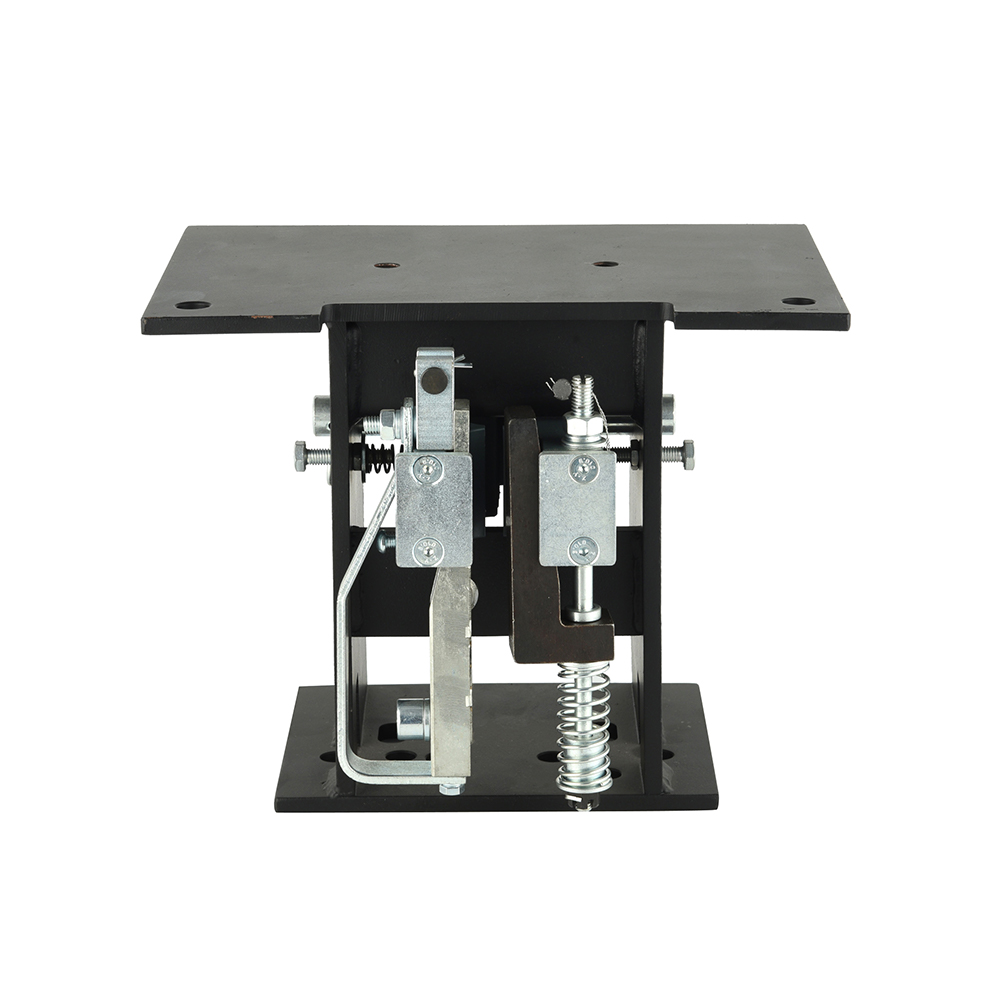
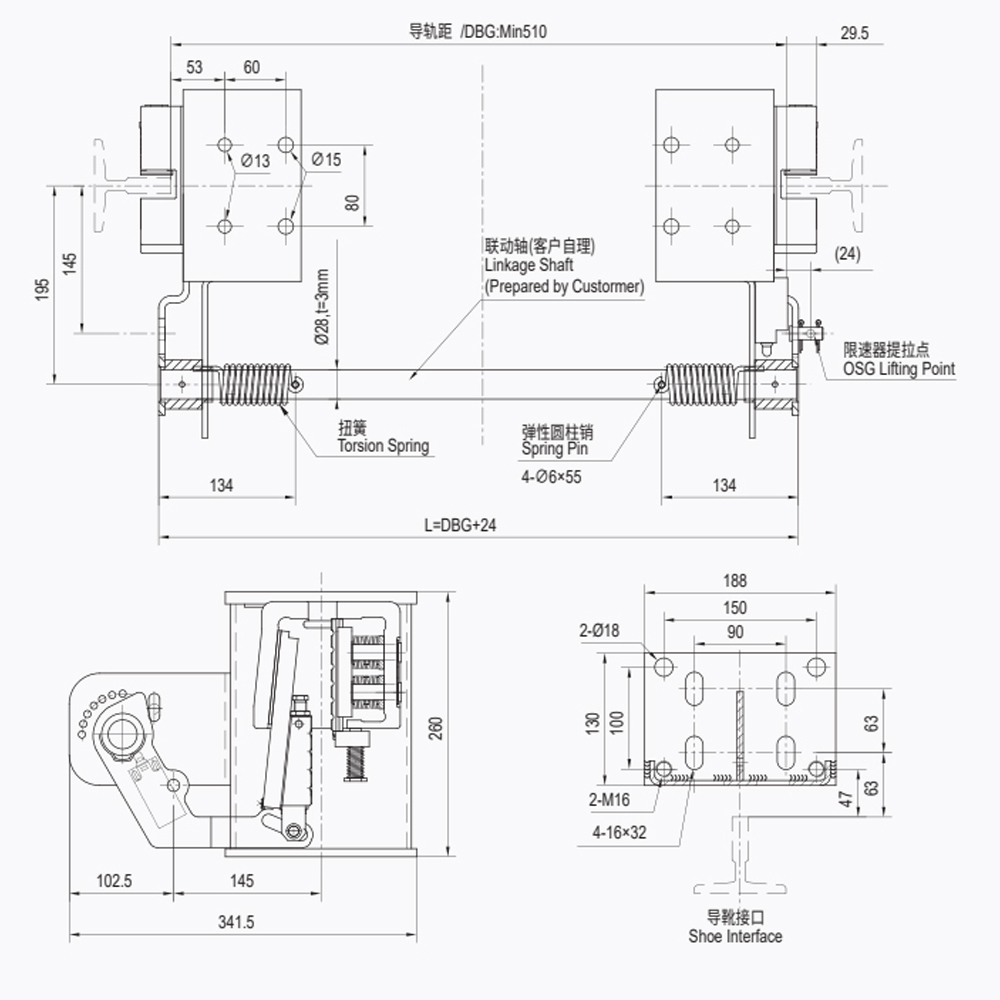
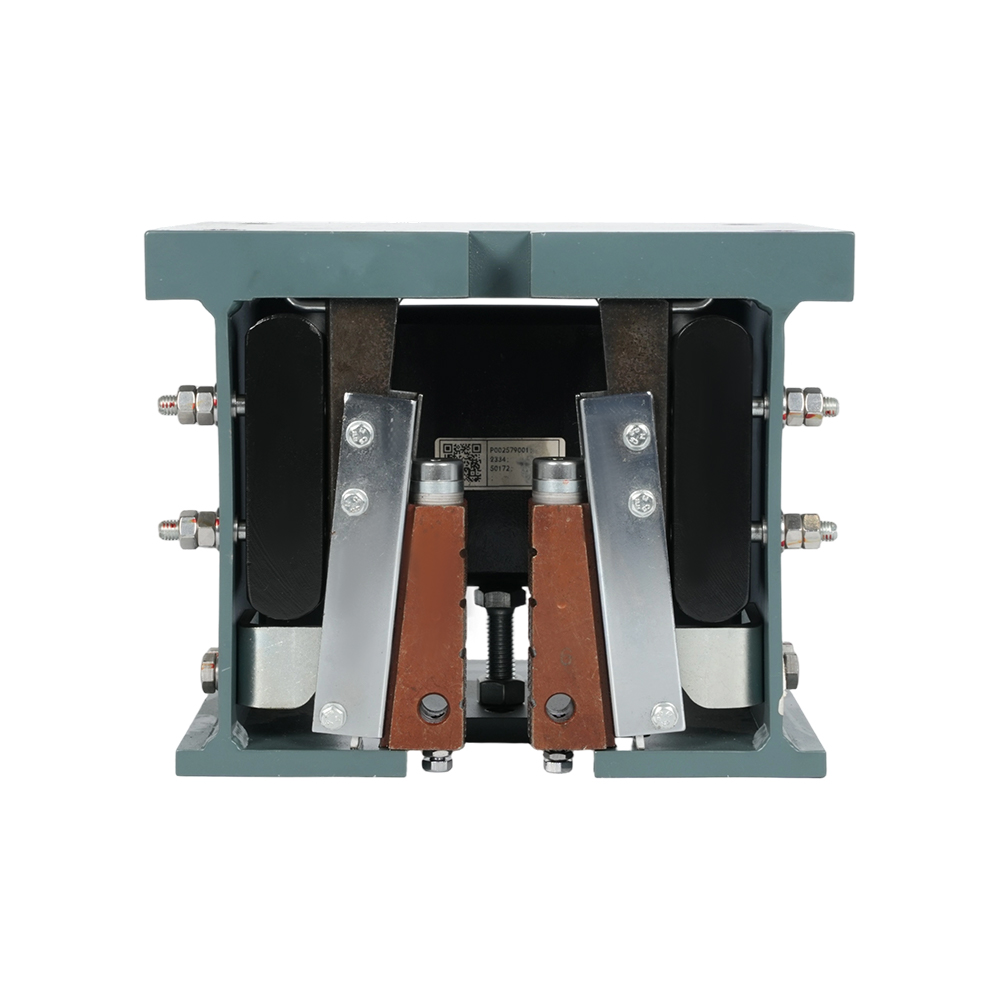
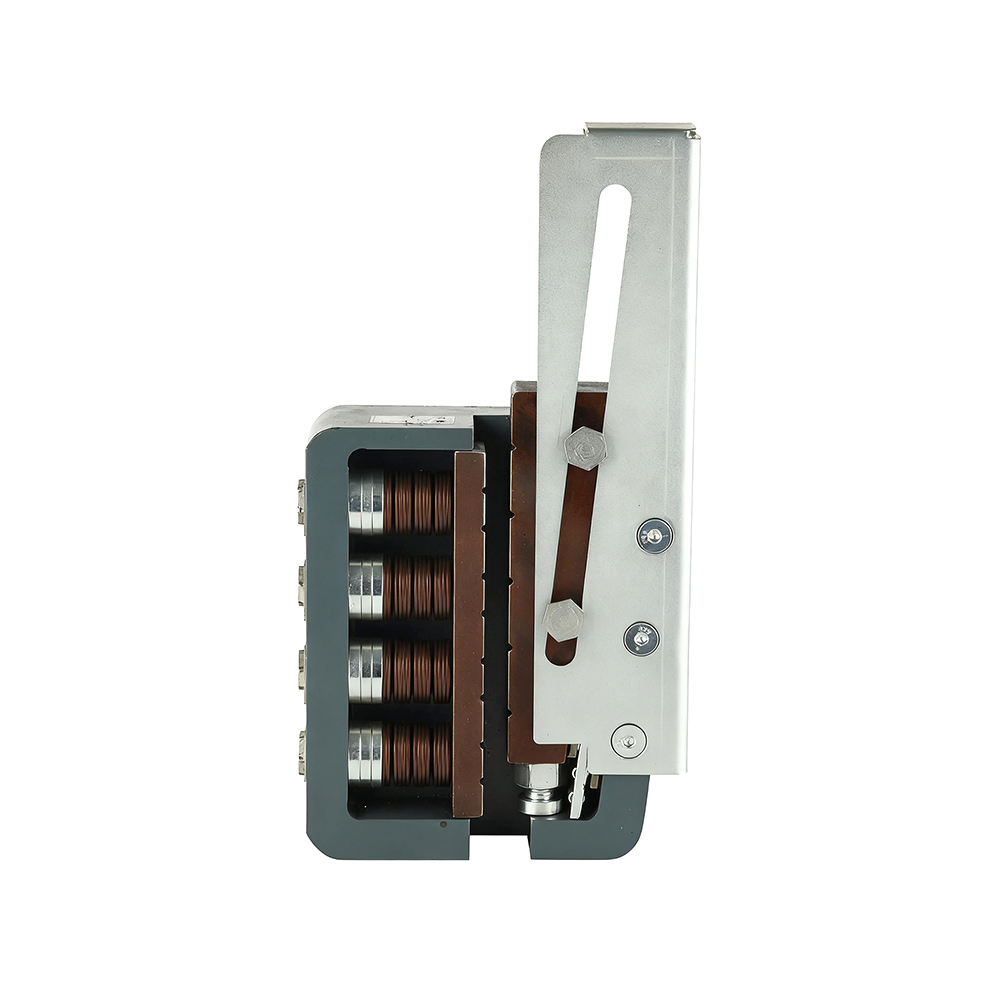
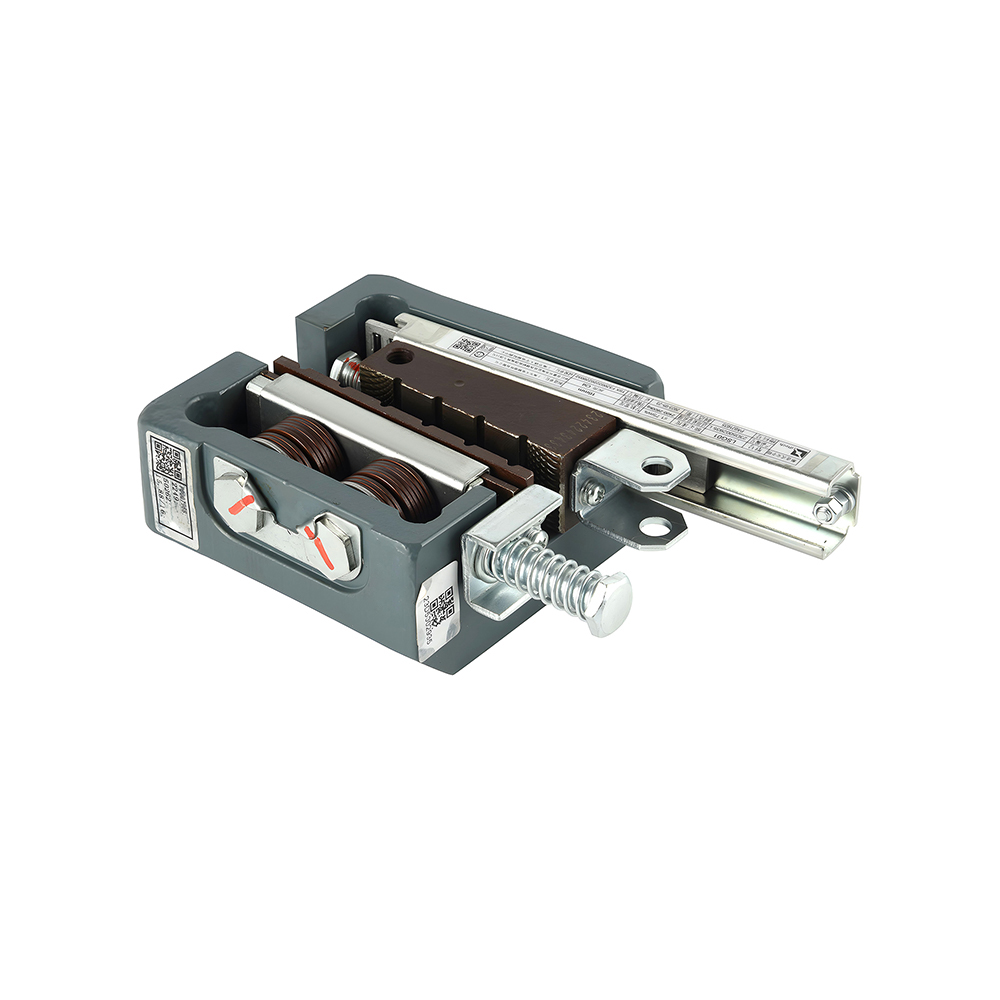
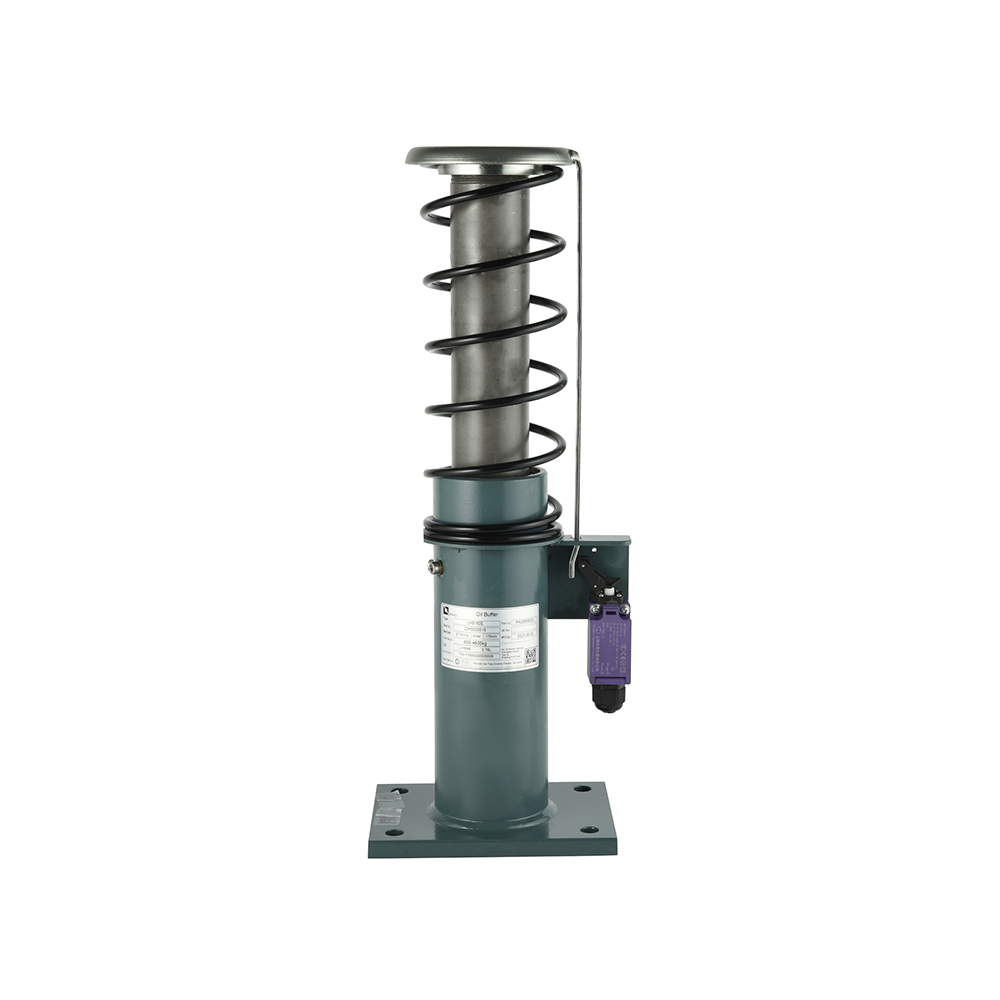
Elevator safety components experience significant and varying forces: static weight, vibration during travel, and immense shock loads during a safety engagement. Standard or under-specified fasteners in these assemblies can stretch, shear, or—most insidiously—loosen over time due to vibration. A loose bolt on a safety gear mounting bracket can alter the alignment of the jaws, preventing proper engagement. A sheared pivot pin in the governor linkage can sever the connection between the governor and the safety gear entirely. The problem is ensuring that the "glue" holding the safety system together is as reliable as the components themselves. High-strength, properly specified, and correctly installed fasteners solve this problem by providing a guaranteed, calculable clamping force that maintains joint integrity under all operating conditions. They are the essential, yet often overlooked, elements that translate engineered safety design into a physically robust and durable assembly, ensuring that the primary safety components remain fixed in their correct operational positions for the lifetime of the elevator.
High-Strength Fasteners for Safety Assemblies
-- Steady & Reliable Manufacturer --
High-strength fasteners for elevator safety assemblies are specialized bolts, nuts, washers, pins, and rivets engineered to provide the critical clamping force and shear strength necessary to maintain the structural integrity of life-saving devices under extreme dynamic loads. These are not standard hardware store fasteners; they are manufactured to precise international standards (such as ISO 898-1 for property classes 8.8, 10.9, and 12.9, or ASTM A325/A490) with controlled material composition, heat treatment, and rigorous testing. In safety systems, they are used to secure safety gear housings to the car frame, attach governor assemblies to machine beams, fasten linkage pivot points, and mount buffer foundations. Their failure under load could lead to the detachment or misalignment of a safety component, rendering it ineffective. Key characteristics include high tensile and yield strength, excellent fatigue resistance to withstand vibration, and appropriate toughness to avoid brittle fracture. Additionally, they often feature specific corrosion protection coatings (e.g., zinc-flake, hot-dip galvanizing, or dacromet) suitable for the operating environment, and they are used in conjunction with proper locking mechanisms (lock washers, prevailing torque nuts, thread-locking adhesive) to prevent self-loosening from vibration—a critical concern in elevator applications. The selection and proper installation torque of these fasteners are as much a part of the safety engineering as the major components they hold together.
Recommended Products
The Key Problem We Solve
Typical Applications
- Mounting of overspeed governors (LOG series, LOG20, etc.) to machine beams or hoistway walls.
- Attachment of safety gear assemblies (LSG series, LSE series) to the car safety plank or frame.
- Connecting linkage rods and levers within the safety gear and to the governor rope hitch.
- Securing buffer units (LHB series) to the pit floor.
- Fastening guide rail brackets and braces, especially in seismic applications.
- Assembly of any welded or fabricated sub-frame that is part of the safety system.
Product Advantages
| Property Class / Grade | Commonly Class 8.8 (medium strength), 10.9 (high strength), and 12.9 (alloy steel, very high strength). ASTM Grades 5 and 8 are equivalents. |
| Material | Medium carbon steel, alloy steel (e.g., chromium-molybdenum), sometimes stainless steel (A2-70, A4-80) for corrosion resistance. |
| Corrosion Protection | Zinc plating (yellow or blue chromate), Hot-dip galvanizing, Dacromet/Geomet, Mechanical zinc plating. |
| Locking Features | Nylon insert locknuts (nyloc), all-metal prevailing torque locknuts, serrated flange nuts, external tooth lock washers (used with caution), thread-locking adhesive. |
| Torque Specification | Critical. Each size and grade has a specified torque value to achieve the correct pre-load (clamping force) without over-stressing the fastener. |
Selection & Compliance Considerations
Selection is based on engineering calculations considering the maximum tensile and shear loads the joint will experience, including dynamic amplification factors. The fastener grade must be chosen accordingly. The corrosion protection must be compatible with the environment (e.g., hot-dip galvanizing for outdoor or harsh indoor, zinc-flake for high corrosion resistance without hydrogen embrittlement risk). For critical joints, consider using fasteners with built-in locking features or applying a measured amount of thread-locker. Never substitute a lower-grade fastener. Always use a calibrated torque wrench to achieve the specified torque, and follow the correct sequence if tightening multiple bolts on a flange. Re-torquing after a short period of operation is sometimes recommended.
FAQ
on engineering calculations considering the maximum tensile and shear loads the joint will experience, including dynamic amplification factors. The fastener grade must be chosen accordingly. The corrosion protection must be compatible with the environment (e.g., hot-dip galvanizing for outdoor or harsh indoor, zinc-flake for high corrosion resistance without hydrogen embrittlement risk). For critical joints, consider using fasteners with built-in locking features or applying a measured amount of thread-locker. Never substitute a lower-grade fastener. Always use a calibrated torque wrench to achieve the specified torque, and follow the correct sequence if tightening multiple bolts on a flange. Re-torquing after a short period of operation is sometimes recommended.
- Q: Why can't we use stainless steel fasteners for everything? They don't rust. A> While stainless steel (e.g., A4-80) offers excellent corrosion resistance, its strength, while good, is generally lower than that of a high-grade alloy steel like 10.9 or 12.9. More importantly, some stainless grades are susceptible to stress corrosion cracking in certain environments (e.g., with chlorides). Also, stainless steel can gall (cold-weld) when tightened, making disassembly difficult. It is used where corrosion is the primary concern and strength requirements allow.
- Q: What is hydrogen embrittlement and how do we avoid it? A> Hydrogen embrittlement is a condition where hydrogen atoms diffuse into high-strength steel (typically grades 10.9 and above), making it brittle and prone to sudden fracture. It can be introduced during electroplating processes (like standard zinc plating). To avoid it, specify coatings that are processed to minimize hydrogen ingress, such as mechanical zinc plating or coatings like Dacromet. Post-plating baking is also a standard treatment to drive out hydrogen.
- Q: How important is using a torque wrench? A> It is absolutely critical. The clamping force that holds the joint together is directly proportional to the torque applied. Under-torquing leads to a weak joint that can loosen. Over-torquing can stretch the bolt beyond its yield point, permanently weakening it or causing it to break. A calibrated torque wrench is the only tool that ensures the engineered pre-load is achieved consistently and safely.
- Q: Should we apply lubricant to the threads before tightening? A> This depends entirely on the torque specification provided. Torque values are typically given for dry (unlubricated) threads or occasionally for lubricated threads (with a specified oil). Lubricating a thread that has a dry torque spec will result in significantly higher clamping force for the same applied torque, potentially over-stressing the bolt. Always follow the manufacturer's or engineering specification. If in doubt, assume dry unless stated otherwise.
About Us
Shanghai Liftech Elevator Accessories Co., Ltd.
Founded in 2004, Shanghai Liftech Elevator Accessories Co., Ltd. is a specialized enterprise dedicated to the R&D, manufacturing, testing, and sales of elevator safety components. With over two decades of sustained development, Liftech has established itself as a leading manufacturer in China's elevator safety sector, providing high-quality products and solutions to a wide range of major elevator brands and engineering clients across domestic and international markets. We are ,China Wholesale High-Strength Fasteners for Safety Assemblies Suppliers and High-Strength Fasteners for Safety Assemblies OEM/ODM Manufacturers
For over 20 years, LIFTECH (est. 2004) has been a trusted force in the R&D, manufacturing, and full lifecycle support of premium elevator safety components.
Material Selection Guide
| Fastener Type & Application | Recommended Specification |
| Safety Gear & Governor Mounting Bolts | Grade: 10.9 or 12.9 for high dynamic loads. Coatings: Zinc-flake (e.g., Delta Protekt, Geomet) or hot-dip galvanized for superior corrosion protection without hydrogen embrittlement risk. Locking: Flange nuts with integrated serrations or use with split lock washers and thread-locker. |
| Linkage Pivot Pins & Clevis Pins | Material: Case-hardened steel (e.g., 16MnCr5) for a hard wear surface and tough core. Finish: Often black oxide or phosphate coating for corrosion resistance and oil retention. Retention: Secured with cotter pins (split pins) or R-clips that allow for articulation. |
| Buffer Foundation Anchor Bolts | Grade: 8.8 or higher, depending on load. Material: Often hot-dip galvanized due to exposure to potential moisture in the pit. Type: May be chemical anchors or sleeved anchors embedded in concrete, selected based on the substrate strength. |
| General Assembly Bolts in Corrosive Environments (e.g., coastal, pool) | Material: Stainless Steel A4-80 (316). Note: Ensure strength is adequate for the application. Use anti-seize compound on threads to prevent galling. |

