

 English
 中文简体
中文简体 русский
 Español
 Deutsch


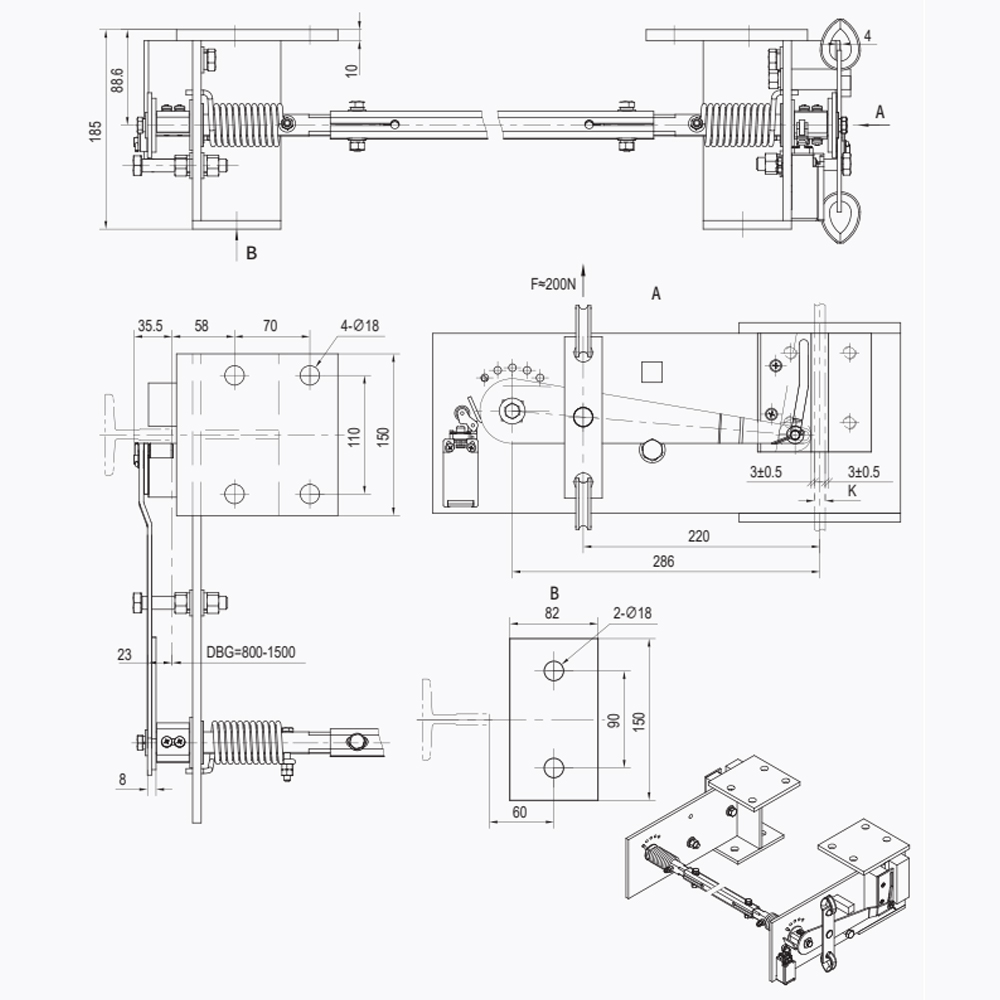
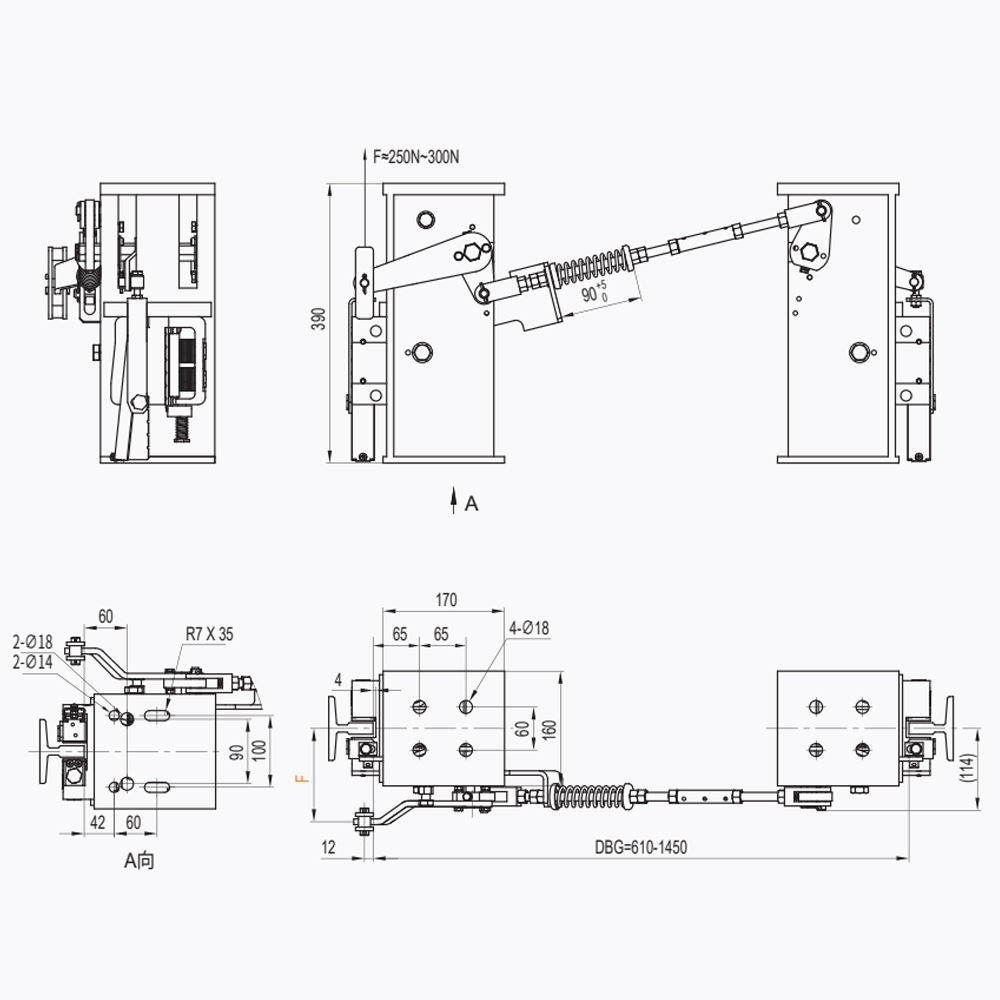
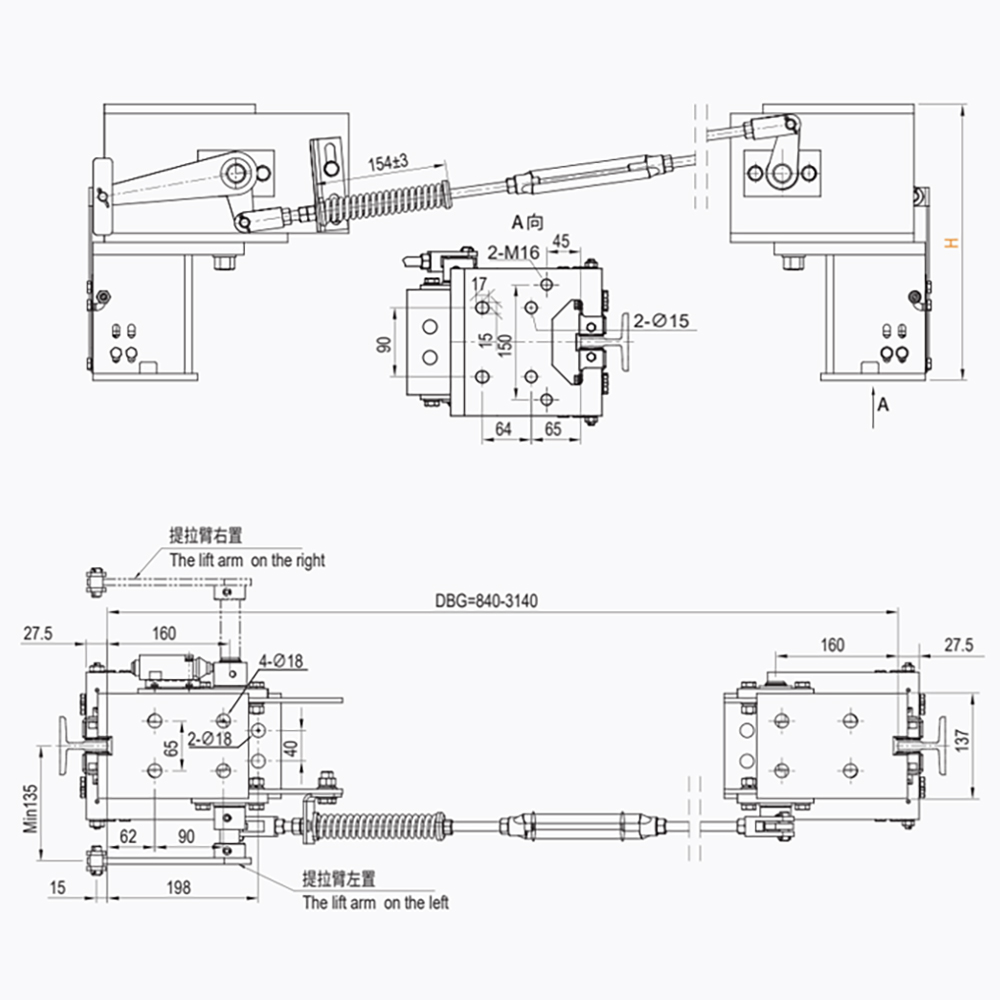
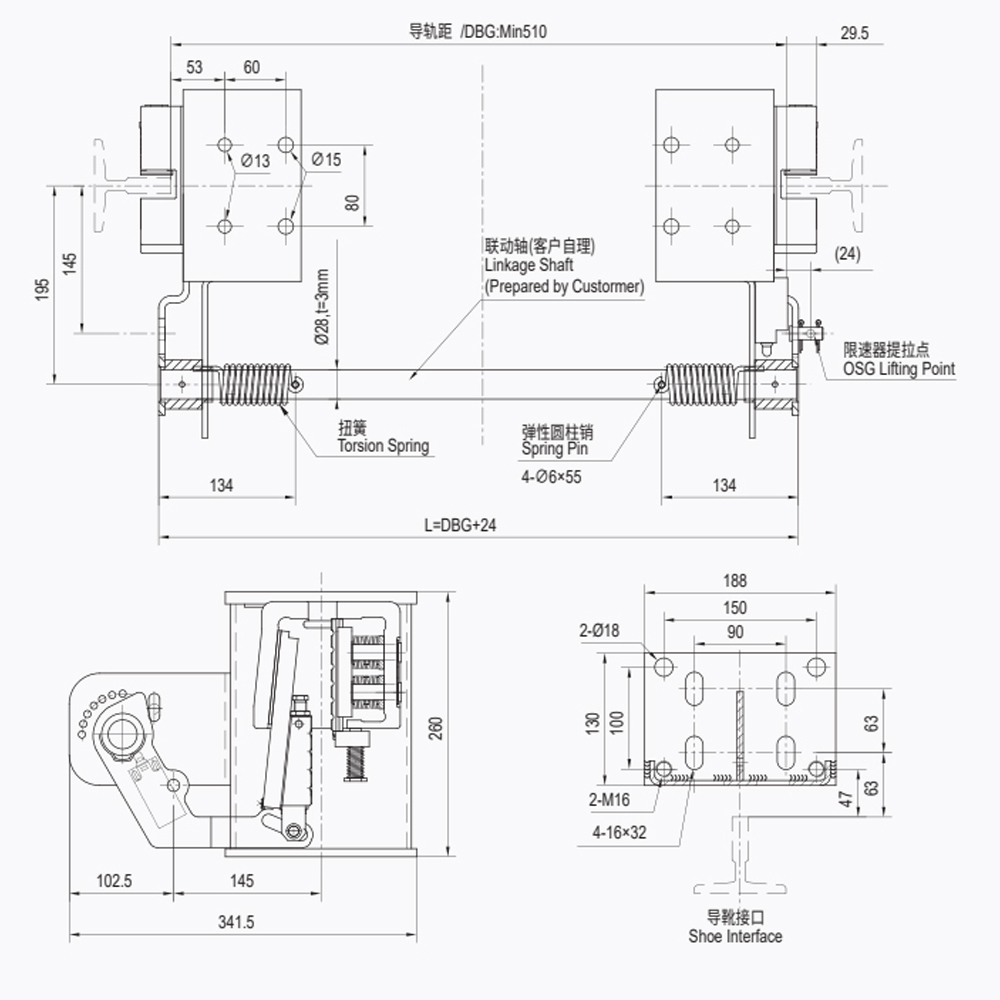
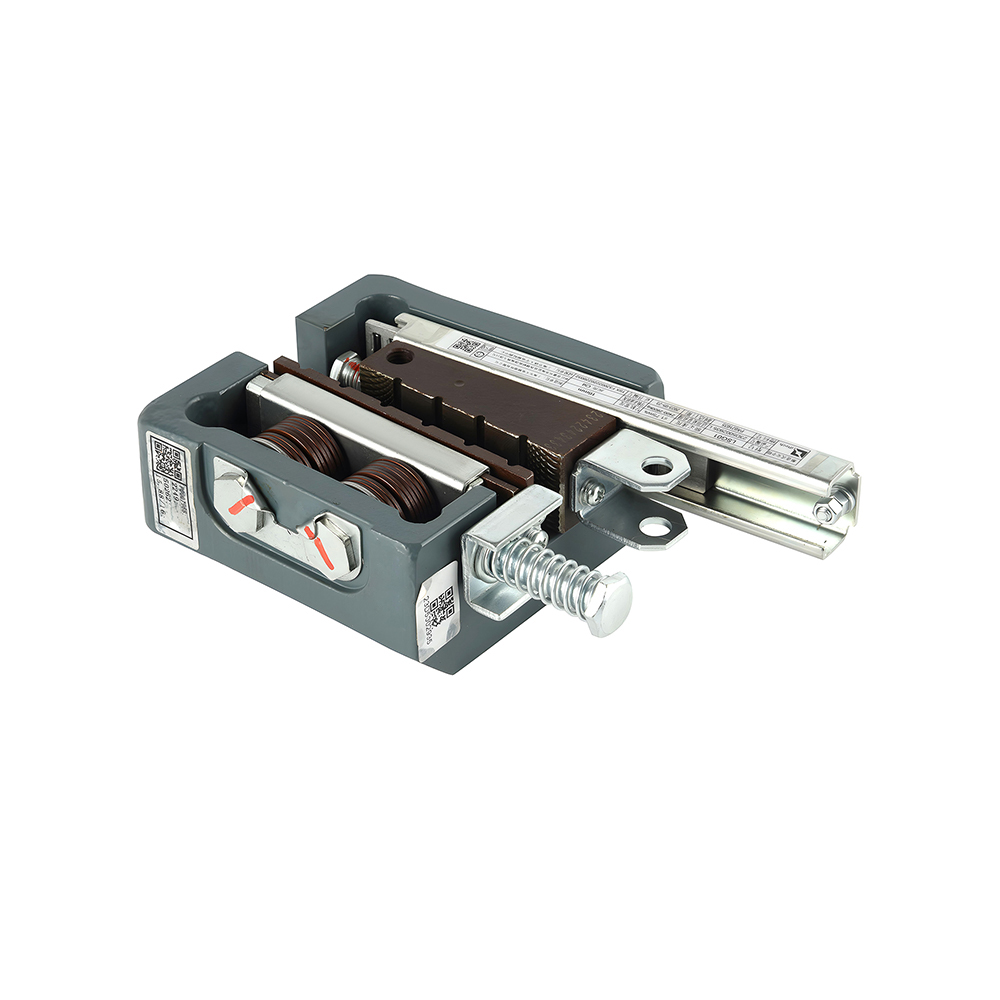
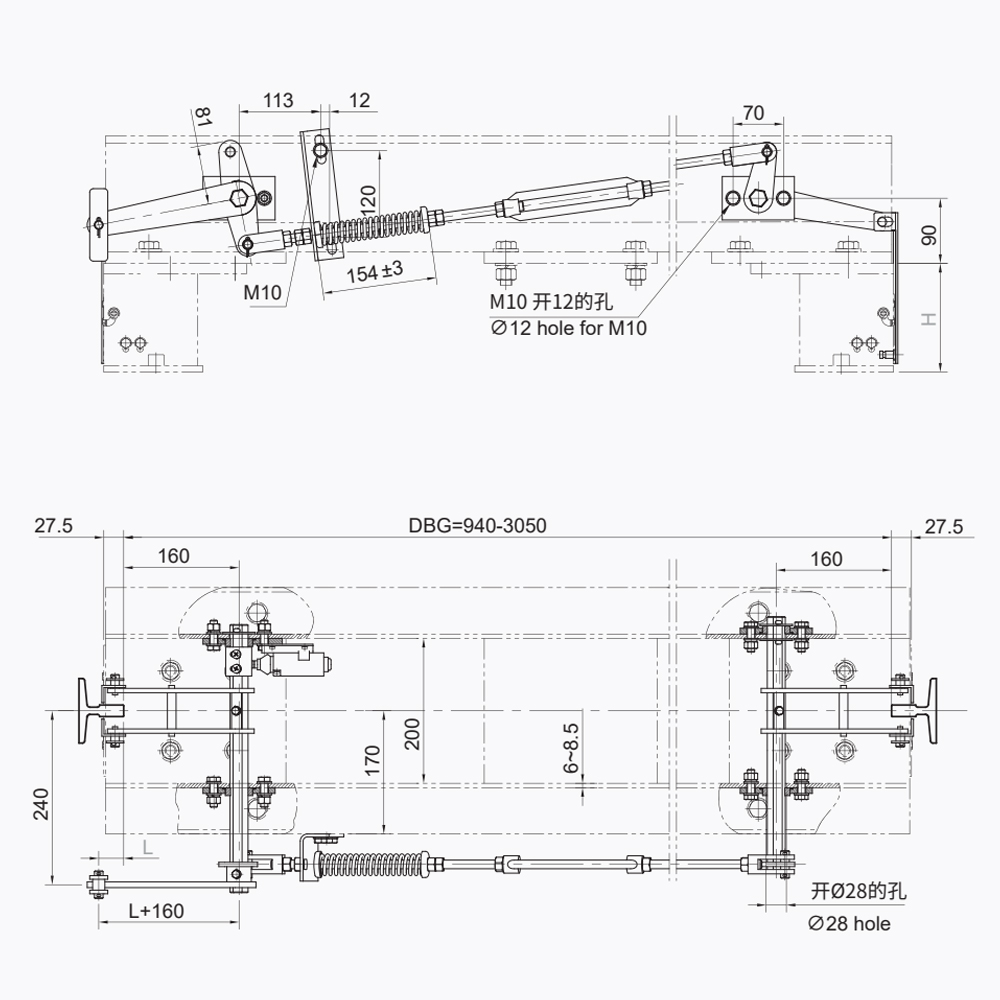
The overspeed governor and the safety gear are often designed and manufactured as separate subsystems. The fundamental problem is ensuring that these two independently certified components work together flawlessly in the field. The governor produces a specific force-over-travel characteristic, and the safety gear requires a different specific force-over-travel input to release. A mismatch, whether due to improper component selection, incorrect field adjustment, or wear in the linkage itself, can prevent the safety gear from engaging even if the governor trips correctly. Furthermore, environmental factors like corrosion, dirt, or lack of lubrication can seize linkage pivots, adding friction that the governor's force cannot overcome. The safety linkage assembly solves this problem by being the engineered interface that guarantees compatibility. When designed as part of a matched system or carefully calculated for a specific pairing, it ensures the governor's output is perfectly transformed into the safety gear's required input. It also provides points for field adjustment and inspection, allowing technicians to verify and maintain the kinematic integrity of this vital connection throughout the elevator's life.
Safety Linkage and Leverage Assemblies
-- Steady & Reliable Manufacturer --
Safety linkage and leverage assemblies are the critical mechanical interface that translates the relatively small pulling force and travel from the overspeed governor rope into the powerful, precise motion required to release and engage the safety gear jaws. This assembly is the "translator" between detection and action, and its design is paramount to the reliability and performance of the entire safety system. Typically consisting of levers, connecting rods, clevis pins, adjustment nuts, and mounting brackets, the linkage performs several key functions: Mechanical Advantage (Leverage), amplifying the governor's trip force to overcome the pre-load springs and friction within the safety gear; Direction Change, re-orienting the vertical pull of the governor rope into the horizontal or angled motion needed to retract the safety gear's release latch; Travel Multiplication/Reduction, ensuring the safety gear jaws receive the exact amount of travel needed for full and immediate engagement; and Alignment Compensation, accommodating minor misalignments between the governor rope centerline and the safety gear's input point. The geometry, pivot point locations, and material strength of every component in this assembly are meticulously calculated. A robust and precisely adjusted linkage ensures instantaneous and positive safety gear engagement with minimal lost motion, while a poorly designed or worn linkage can cause delayed engagement, partial engagement, or even failure to engage, rendering the entire overspeed protection system ineffective. Its importance cannot be overstated—it is the definitive mechanical connection that brings the safety system to life.
Recommended Products
The Key Problem We Solve
Typical Applications
- All traction elevator installations utilizing a governor and safety gear pair.
- Modernization projects where a new governor or safety gear is being fitted to an existing system, requiring a new or modified linkage.
- Freight and heavy-duty elevators where linkage forces are exceptionally high.
- Custom elevator applications with non-standard layouts requiring unique linkage geometry.
- As a critical spare part for maintenance and repair operations.
Product Advantages
| Function | Transmits and converts governor rope pull into safety gear release motion. |
| Key Components | Main lever, connecting rods, clevis pins, bushings/bearings, adjustment turnbuckles, mounting brackets. |
| Mechanical Advantage | Lever ratio typically between 2:1 to 5:1, depending on the force requirements of the safety gear. |
| Material Strength | Components designed to withstand forces well above the maximum governor trip force with a significant safety factor. |
| Adjustability | Incorporates threaded rods or turnbuckles for precise adjustment of initial tension and engagement point. |
| Wear Points | Pivot pins and bushings are designed as replaceable wear items. |
Selection & Compliance Considerations
Linkage selection is intrinsically tied to the specific governor and safety gear models. The ideal scenario is to use a linkage supplied or designed by the safety gear manufacturer as a matched set. If designing a custom linkage, a force-travel diagram analysis is mandatory: superimposing the governor's output curve over the safety gear's input requirement, with the linkage kinematics applied, to verify full engagement is achievable. The linkage must be mounted rigidly to the car frame to prevent deflection. All pivot points must be fitted with proper bushings (bronze, polymer) and be accessible for lubrication. Adjustment points must be secured with locknuts after setting to prevent vibration from changing the critical adjustment. Regular inspection for wear, especially at pin/bushing interfaces, is a vital part of maintenance.
FAQ
- Q: Why can't we just connect the governor rope directly to the safety gear lever? A> In some very simple designs, a direct or near-direct connection is used. However, a dedicated linkage assembly provides crucial benefits: (1) Leverage to multiply force, allowing the use of a governor with a lower trip force. (2) Alignment to route the rope pull around obstructions on the car frame. (3) Adjustability to fine-tune the point of engagement. (4) Standardization allowing one safety gear model to be used with different governors via different linkage kits.
- Q: How do you adjust the safety linkage? A> Adjustment is a precise procedure outlined in the installation manual. It typically involves setting an initial tension (pre-load) on the governor rope and then adjusting the linkage turnbuckle so that the safety gear release mechanism is on the very brink of activation. A small amount of "lost motion" or free play is often specified before engagement begins. This adjustment is critical and must be done by a certified technician, often verified during the annual safety test.
- Q: What are the signs of a worn or faulty linkage? A> Visible wear or elongation of pin holes, excessive free play or "slop" in the linkages, corrosion that hinders movement, loose locknuts, bent rods, or any signs of rubbing or binding. Unusual noises during normal operation or during the safety test can also indicate linkage issues. Any observed wear should be addressed immediately, as it directly compromises the reliability of the safety system.
- Q: Can linkage components be sourced generically, or must they be OEM? A> For critical safety function, it is strongly recommended to use OEM or manufacturer-approved linkage components. The pins, rods, and levers are load-critical parts with specific material and strength requirements. Using generic hardware store bolts or rods is extremely dangerous and would invalidate the safety system certification. Replacement wear parts like bushings may be sourced from quality industrial suppliers if dimensions and material specifications are exactly matched.
About Us
Shanghai Liftech Elevator Accessories Co., Ltd.
Founded in 2004, Shanghai Liftech Elevator Accessories Co., Ltd. is a specialized enterprise dedicated to the R&D, manufacturing, testing, and sales of elevator safety components. With over two decades of sustained development, Liftech has established itself as a leading manufacturer in China's elevator safety sector, providing high-quality products and solutions to a wide range of major elevator brands and engineering clients across domestic and international markets. We are ,China Wholesale Safety Linkage and Leverage Assemblies Suppliers and Safety Linkage and Leverage Assemblies OEM/ODM Manufacturers
For over 20 years, LIFTECH (est. 2004) has been a trusted force in the R&D, manufacturing, and full lifecycle support of premium elevator safety components.
Material Selection Guide
| Linkage Component | Material & Specification for Reliable Force Transmission |
| Levers & Brackets | Material: Fabricated from steel plate (S235 or S355) or high-strength ductile iron. Levers are often laser or plasma cut for precision. Pivot Holes: Machined or reamed to a precise diameter for a tight fit with bushings. Often reinforced with welded sleeves. |
| Connecting Rods | Material: Cold-drawn steel rod (e.g., C45), often zinc-plated or coated for corrosion resistance. Ends: Threaded with right-hand and left-hand threads to form a turnbuckle, or fitted with forged clevis ends and drilled for pins. |
| Pivot Pins & Clevis Pins | Material: Case-hardened steel (e.g., 16MnCr5) for a hard, wear-resistant surface over a tough core. Finish: Often zinc-plated or black-oxidized. Retention: Secured by split pins (cotter pins) or R-clips that allow for easy disassembly. |
| Bushings & Bearings | Material: Oil-impregnated sintered bronze, PTFE-lined bronze, or engineered polymer (e.g., iglide) for low friction and long wear without frequent lubrication. |

