

 English
 中文简体
中文简体 русский
 Español
 Deutsch


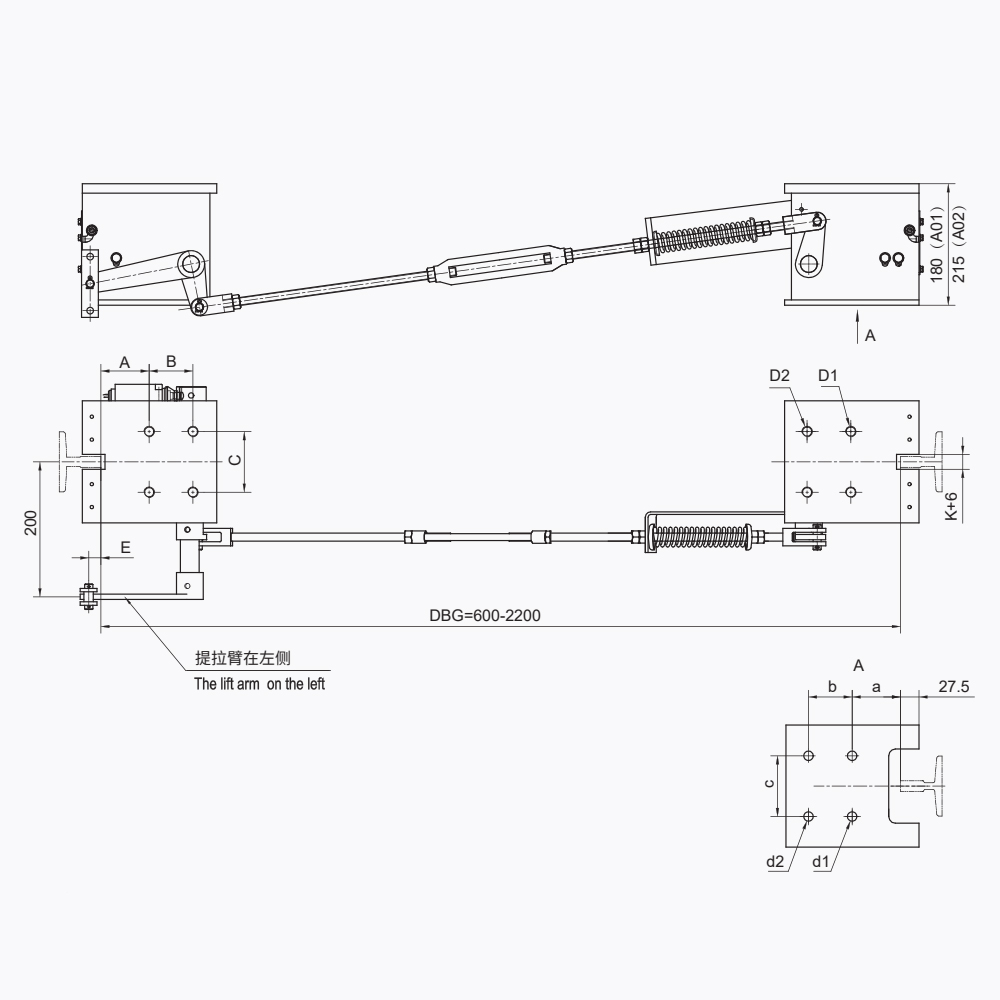
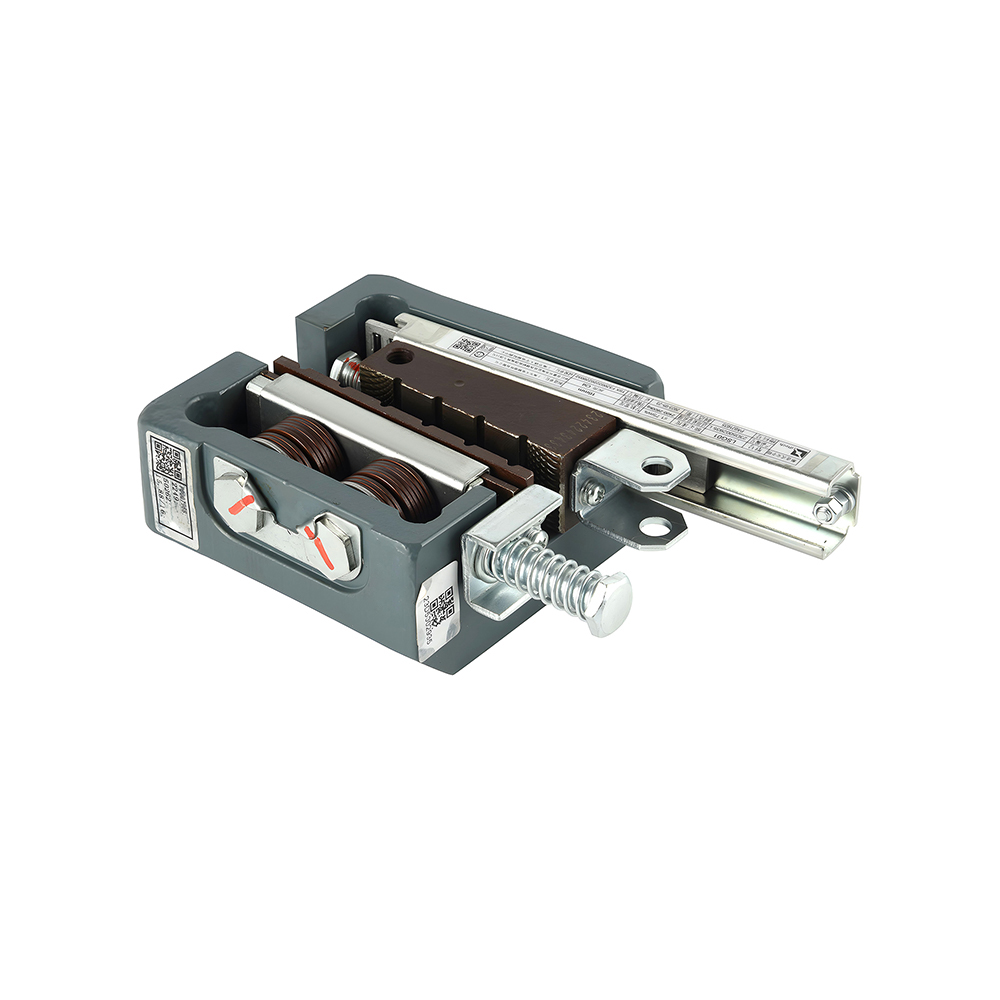
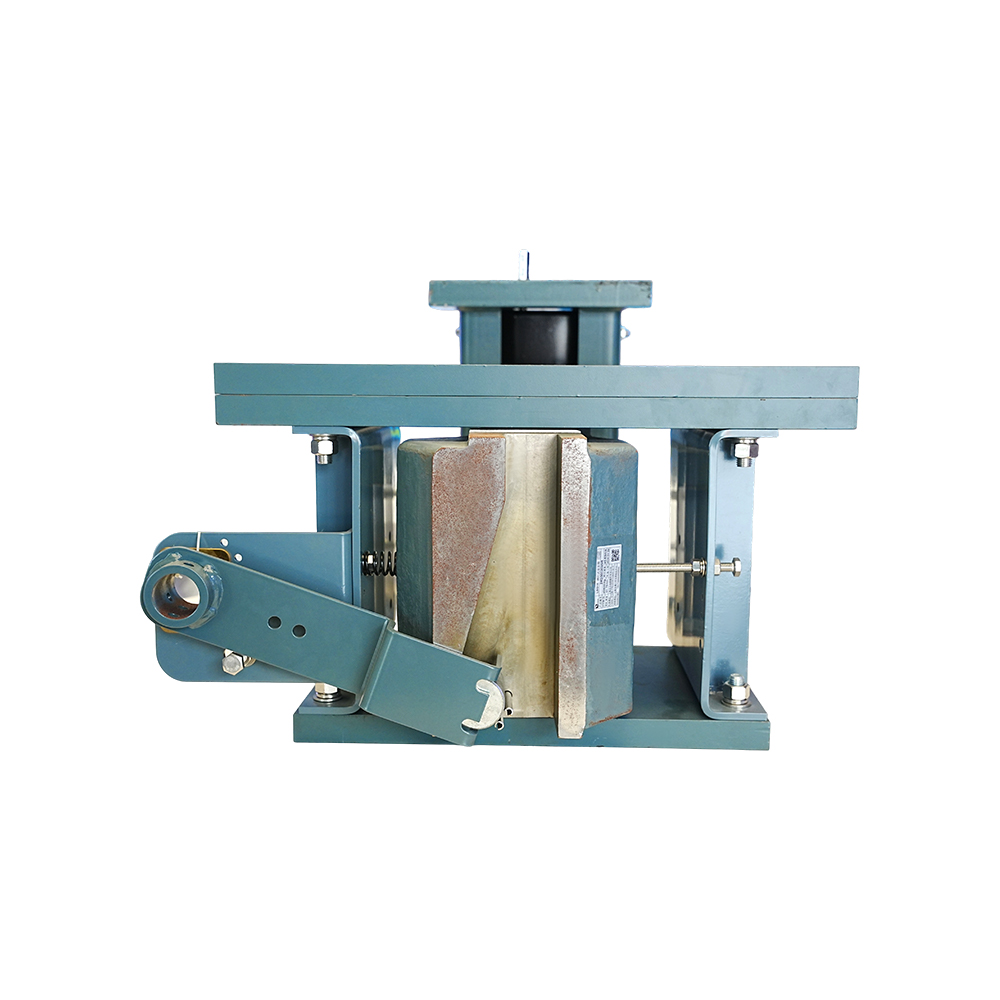
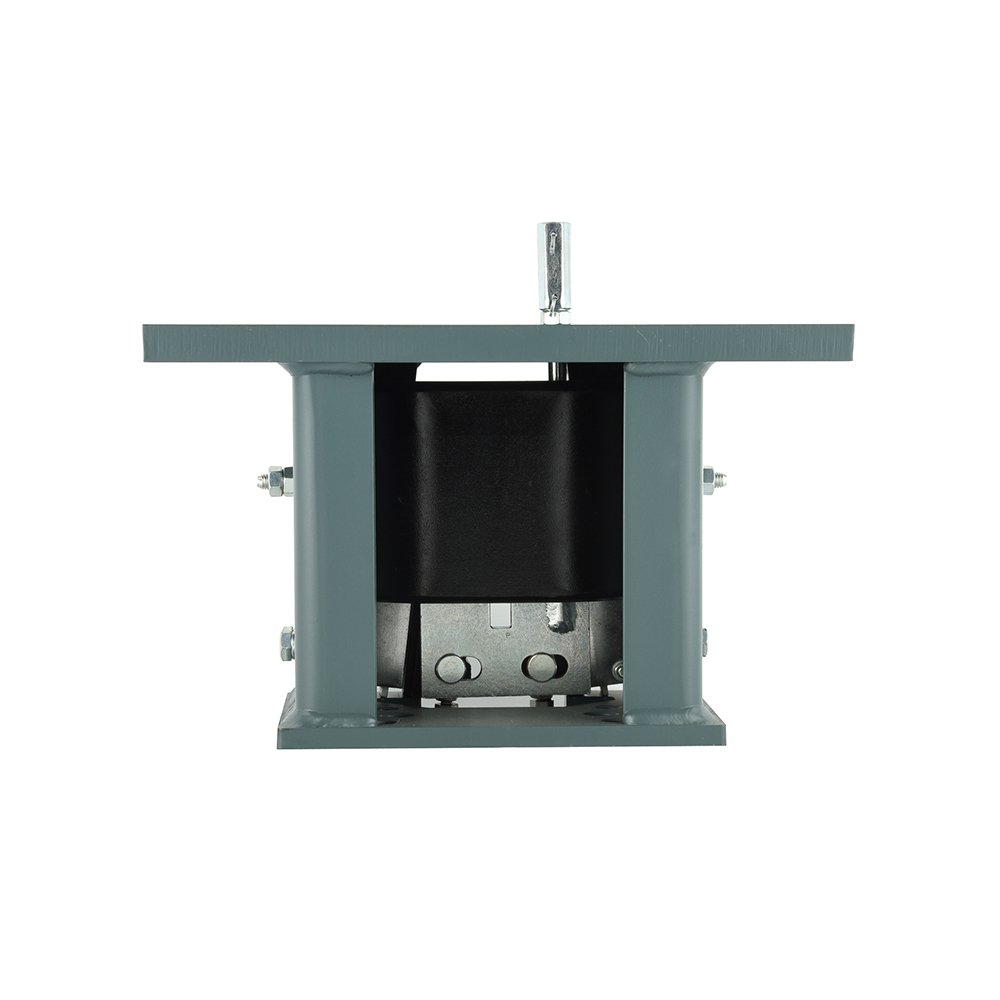
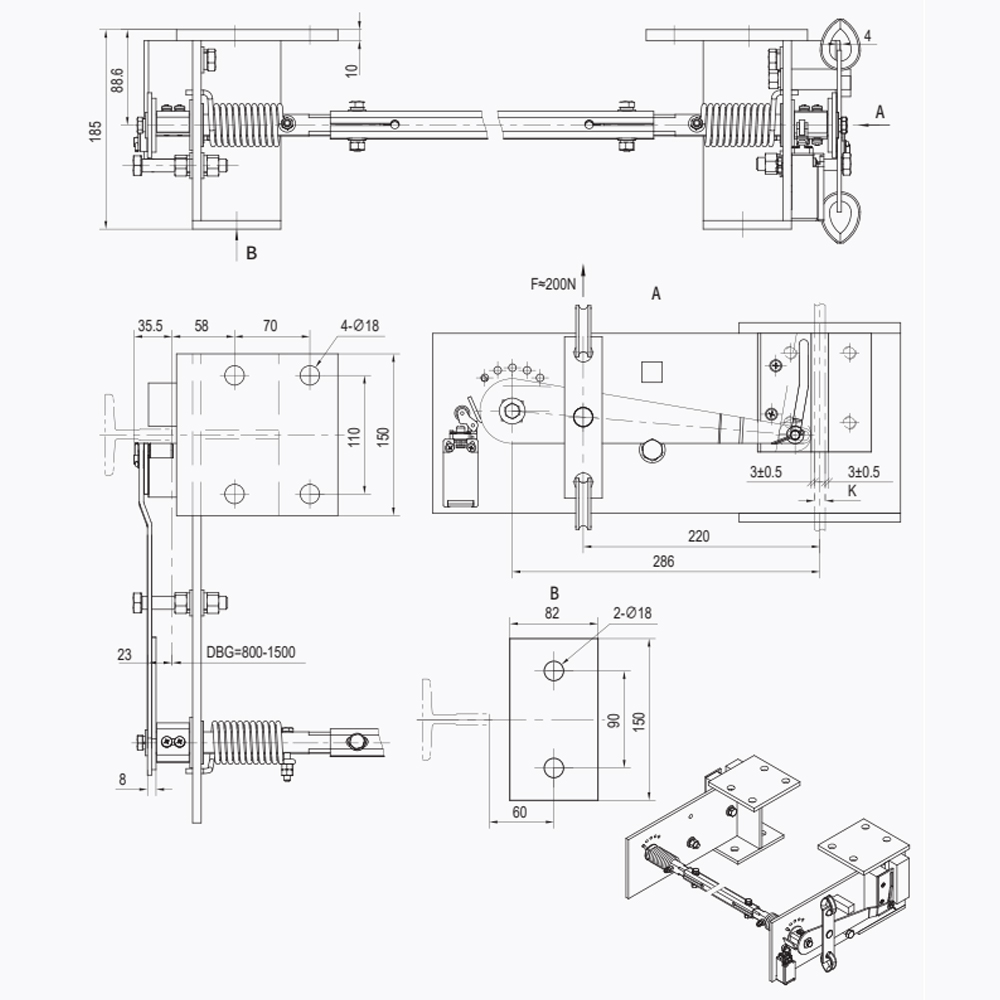
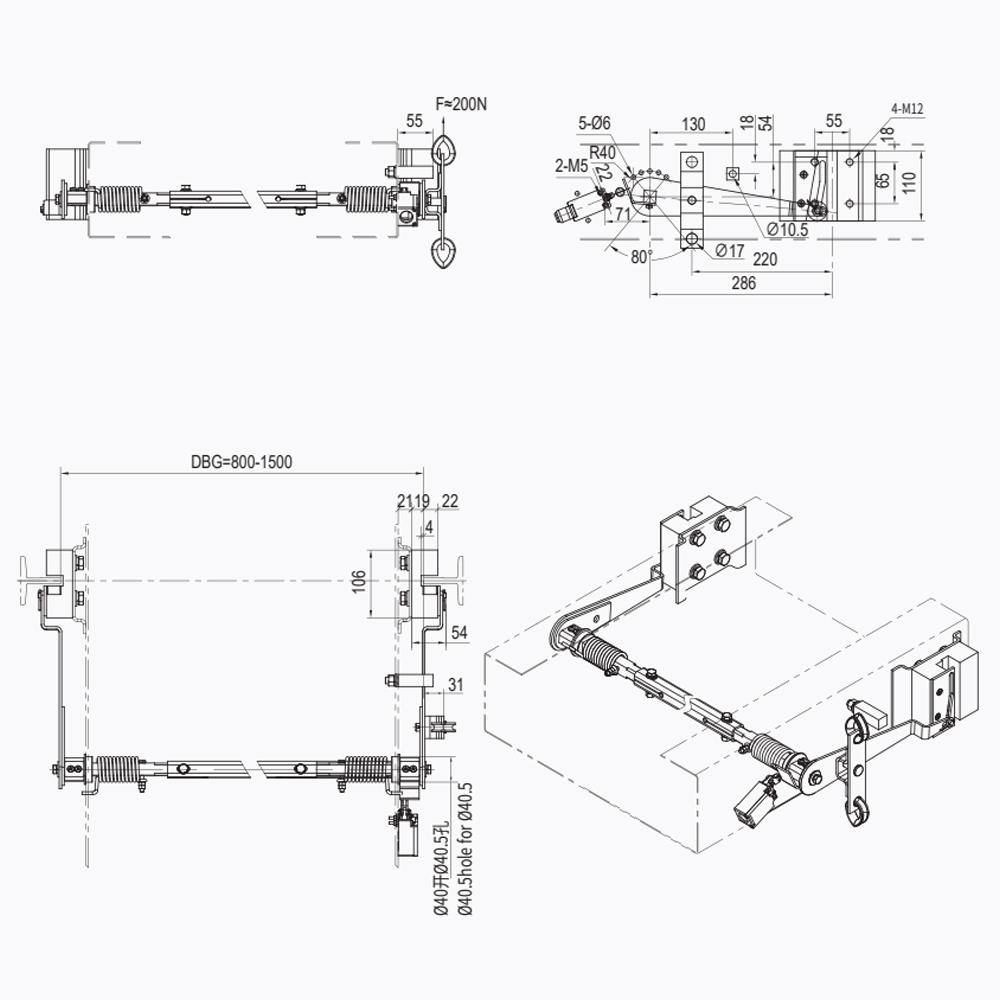
A perfectly calibrated governor and a brand-new safety gear are rendered useless if the connecting actuator system fails to transmit the trip signal effectively. Common problems in this subsystem include: increased friction at pivot points due to lack of lubrication or corrosion, leading to a higher-than-required governor pull force; wear in rod end joints or lever holes causing lost motion (slack), which delays or reduces the effective travel to the safety gear; incorrect adjustment of the tension spring, which can either cause false triggering from normal vibration or create excessive slack; and misalignment of the linkage geometry, which can bind or apply force at an incorrect angle. In a dual safety gear setup, asymmetrical linkage can cause one side to engage before the other, leading to uneven loading and potential car frame twist. These issues are often subtle and may not be detected until a failure occurs. Our focus on safety gear actuators and release mechanisms solves these problems through precision engineering and design for maintainability. We supply linkage components manufactured to tight tolerances to minimize play. We use durable materials for pivots—such as hardened steel pins running in oil-impregnated bronze or sealed needle roller bearings—to ensure consistent, low-friction operation over time. Our designs incorporate clear, calibrated adjustment points (like turnbuckles with locknuts) so that correct pre-tension and geometry can be set and maintained. For critical applications, we offer complete pre-assembled and pre-adjusted linkage kits that eliminate on-site guesswork. By providing a robust and reliable transmission system, we ensure that the vital "GO" signal from the governor reliably reaches the safety gear, closing the last potential gap in the mechanical safety chain and guaranteeing that the system functions as an integrated whole when called upon.
Safety Gear Actuators and Release Mechanisms
-- Steady & Reliable Manufacturer --
Safety gear actuators and release mechanisms constitute the critical linkage and control interface between the detection system (the overspeed governor) and the braking device (the safety gear jaws). This subsystem is responsible for transmitting the mechanical force from the governor rope to the safety gear with the correct magnitude, direction, and timing. It is not merely a set of rods and levers; it is a precisely engineered assembly that converts a relatively small pulling force (typically 300-800 Newtons) into the substantial mechanical movement required to initiate wedge or cam engagement. The assembly typically includes lever arms, connecting rods, turnbuckles for adjustment, tension springs to maintain linkage tautness, and pivot points with bushings or bearings. The design must achieve a specific mechanical advantage (leverage ratio) to ensure the governor's trip force is sufficient to overcome friction and spring pre-loads within the safety gear itself. Furthermore, the geometry must ensure full and synchronous travel of both sides of a dual safety gear setup. Release mechanisms, often overlooked, are equally important. After an emergency stop, the safety gear must be mechanically reset to release its grip on the guide rails. This usually involves manually operating a lever or using a special tool to retract the wedges, a process that must be designed to be safe and achievable for a technician. The reliability of the entire safety chain hinges on this actuator system. Wear at pivot points, corrosion of springs, or misadjustment of turnbuckles can lead to increased friction, preventing activation, or causing uneven engagement. Therefore, these components require regular inspection, lubrication, and adjustment as part of preventative maintenance programs.
Recommended Products
The Key Problem We Solve
Typical Applications
- Installation of new elevator safety systems where linkage must be fitted to a specific car frame design.
- Replacement of worn or corroded linkage components during preventive maintenance overhauls.
- Retrofit projects where new safety gear requires a different linkage geometry than the old system.
- Adjustment and correction of safety system performance issues traced to the actuator mechanism.
- Supply of spare parts (rods, levers, pins, springs, bushings) for maintenance inventories.
Product Advantages
| Core Function | Transmit governor rope pull force to safety gear; provide adjustment and reset capability. |
| Key Components | Lifting levers, connecting rods, turnbuckles, tension springs, pivot pins, bushings/bearings, reset levers. |
| Mechanical Advantage (Leverage Ratio) | Typically between 4:1 and 10:1, designed to match governor force to safety gear activation requirement. |
| Adjustability Features | Turnbuckles for length/tension adjustment, slotted holes for geometry fine-tuning. |
| Materials (Typical) | Levers/Rods: Mild steel. Pins: Case-hardened steel. Bushings: Bronze or sintered metal. Springs: Music wire or stainless steel. |
Selection & Compliance Considerations
Selecting and maintaining the actuator system requires careful attention to detail. First, ensure compatibility with both the specific safety gear model and the governor mounting location. The linkage must be designed for the car frame's specific dimensions; using a generic kit may result in incorrect angles or insufficient travel. The mechanical advantage is predetermined by the lever arm lengths; do not modify these. Adjustment is critical: the tension spring should be set to remove slack from the governor rope but not so tight that it approaches the governor's tripping force. Turnbuckles should be adjusted to achieve the correct geometry, then locked with locknuts. Lubrication of all pivot points is essential but must use the correct type of grease specified by the manufacturer; over-greasing can attract dirt. During inspections, check for wear: look for elongated holes in levers, wear grooves on pins, and corrosion on springs. Measure the free play in the system; excessive play indicates worn components. For dual safety gear setups, ensure linkage is symmetrical and adjusted so both sides move simultaneously; a slight misadjustment can be checked by observing lever movement during a manual functional test. Always refer to the safety gear manufacturer's specific installation and maintenance manual for torque values, adjustment procedures, and wear limits for the linkage components.
FAQ
- Q: How often should the safety gear linkage be inspected and lubricated?
- A: Inspection should be part of routine monthly maintenance. Visually check for corrosion, verify that all fasteners are tight, and ensure springs are not broken or corroded. Check for free movement by observing the linkage while another person slowly pulls the governor rope (with elevator powered off and secured). Lubrication intervals depend on the environment and bearing type. Grease points on plain bushings might need attention every 6-12 months. Sealed bearings or self-lubricating bushings may require less frequent service. Always follow the intervals specified in the manufacturer's maintenance manual. Any time the safety gear is activated, the entire linkage must be thoroughly inspected for damage or deformation before resetting.
- Q: What is the purpose of the tension spring in the linkage?
- A: The tension spring serves two main purposes: 1) To take up slack: It keeps the governor rope and linkage taut, preventing false triggers from rope vibration or car movement. 2) To provide a defined pre-load: It applies a known, adjustable force that the governor must overcome to begin moving the safety gear. This pre-load is part of the system's design calculation. If the spring is missing, broken, or incorrectly adjusted, the linkage may be loose (causing delay in engagement) or too tight (increasing the force required to trip, potentially beyond the governor's capability).
- Q: Can we fabricate replacement linkage parts ourselves if they are worn?
- A: It is strongly discouraged. Linkage components are critical safety parts. Their strength (to handle shock loads), dimensions (which define the leverage ratio and travel), and material properties are carefully engineered. Fabricating replacement parts without proper engineering analysis, material certification, and heat treatment can create a weak point in the safety chain. A failed homemade rod or lever could prevent the safety gear from engaging. Always use OEM (Original Equipment Manufacturer) or manufacturer-approved replacement parts to maintain the system's certification and intended performance.
About Us
Shanghai Liftech Elevator Accessories Co., Ltd.
Founded in 2004, Shanghai Liftech Elevator Accessories Co., Ltd. is a specialized enterprise dedicated to the R&D, manufacturing, testing, and sales of elevator safety components. With over two decades of sustained development, Liftech has established itself as a leading manufacturer in China's elevator safety sector, providing high-quality products and solutions to a wide range of major elevator brands and engineering clients across domestic and international markets. We are ,China Wholesale Safety Gear Actuators and Release Mechanisms Suppliers and Safety Gear Actuators and Release Mechanisms OEM/ODM Manufacturers
For over 20 years, LIFTECH (est. 2004) has been a trusted force in the R&D, manufacturing, and full lifecycle support of premium elevator safety components.
Material Selection Guide
| Component | Standard Duty | Heavy Duty / High Reliability | Corrosion-Resistant Environment | Connecting Rods | Mild steel rod, threaded ends. | High-tensile steel rod, with machined ends and precision threads. | Stainless steel (304) or hot-dip galvanized steel rods. |
| Pivot Pins | Case-hardened carbon steel. | Through-hardened alloy steel (e.g., 4140). | Stainless steel (420) pins. | ||||
| Bushings / Bearings | Oil-impregnated sintered bronze. | Needle roller bearings for lowest friction and high load capacity. | Stainless steel bushings with PTFE lining or sealed polymer bearings. | ||||
| Tension Springs | Music wire (standard). | Shot-peened chrome silicon wire for fatigue resistance. | Stainless steel wire (302/316). | ||||
| Levers & Brackets | Fabricated from mild steel plate. | Forged or CNC-machined levers for strength and precise hole location. | Hot-dip galvanized or powder-coated components. |

