

 English
 中文简体
中文简体 русский
 Español
 Deutsch


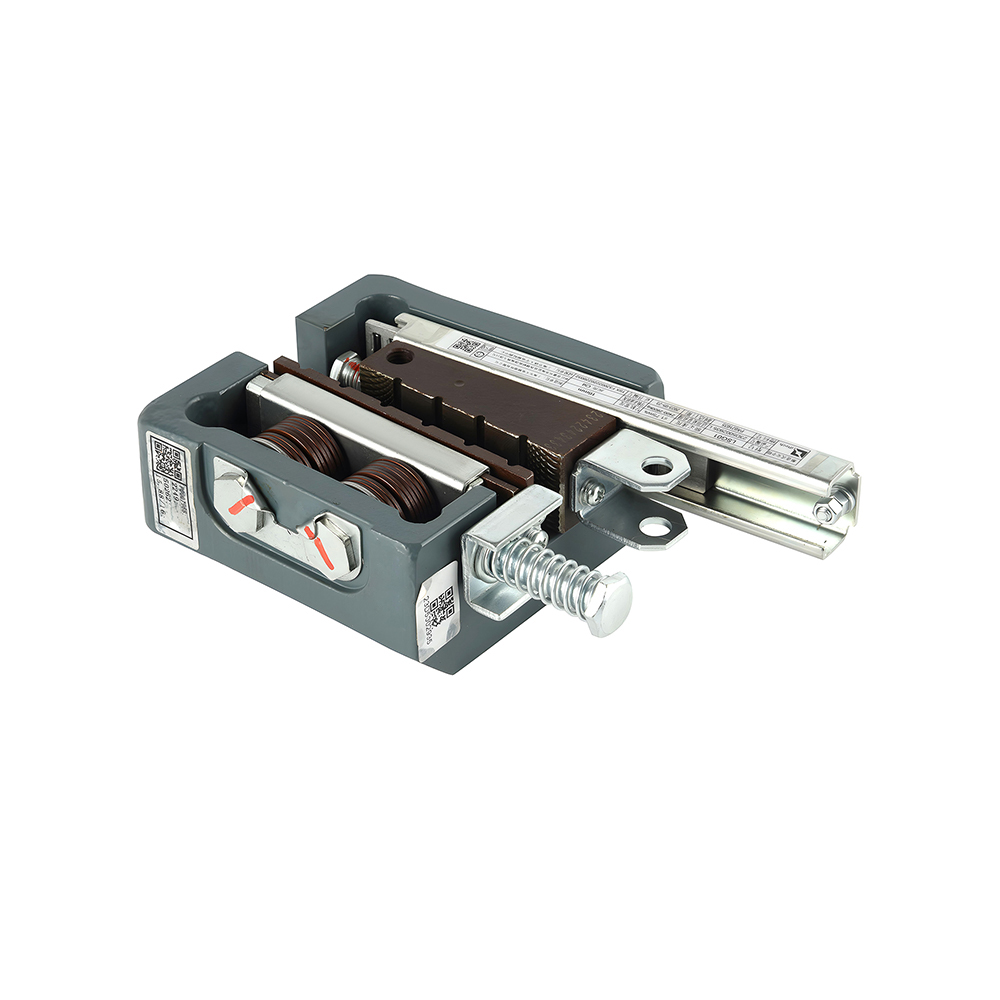
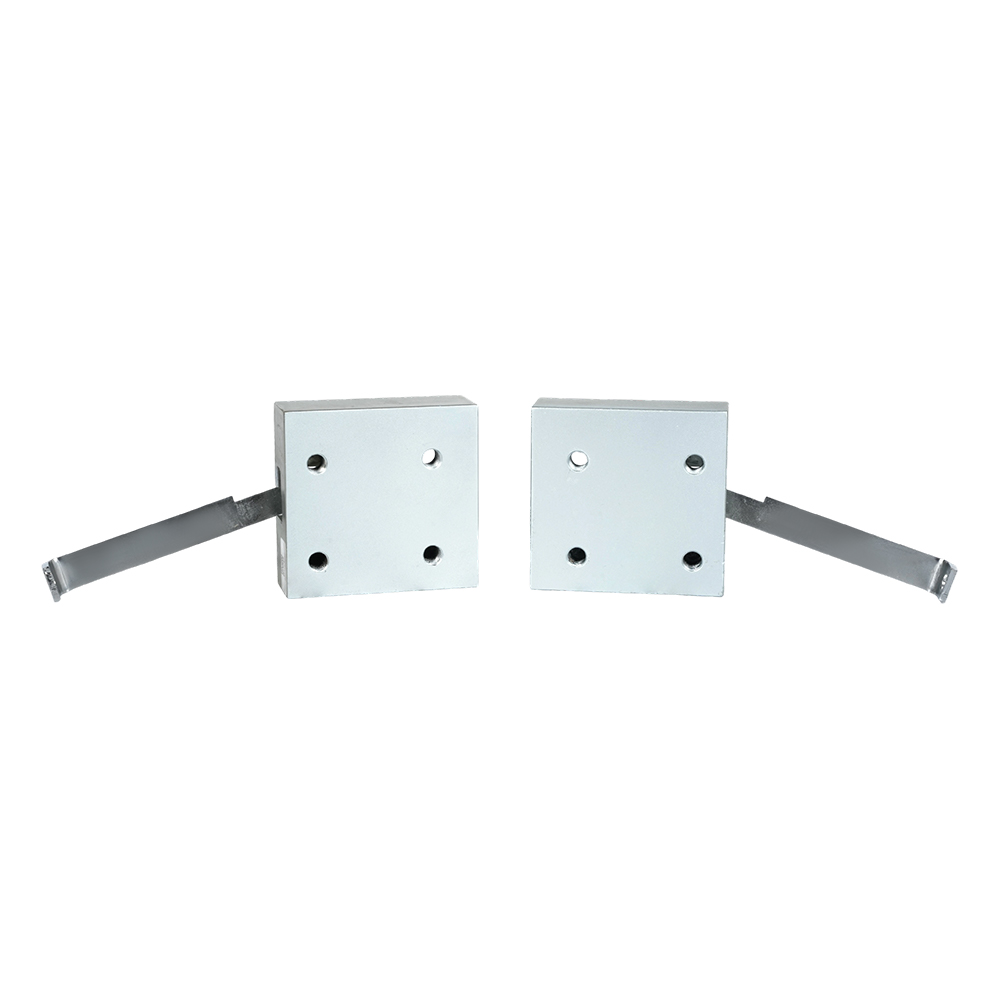
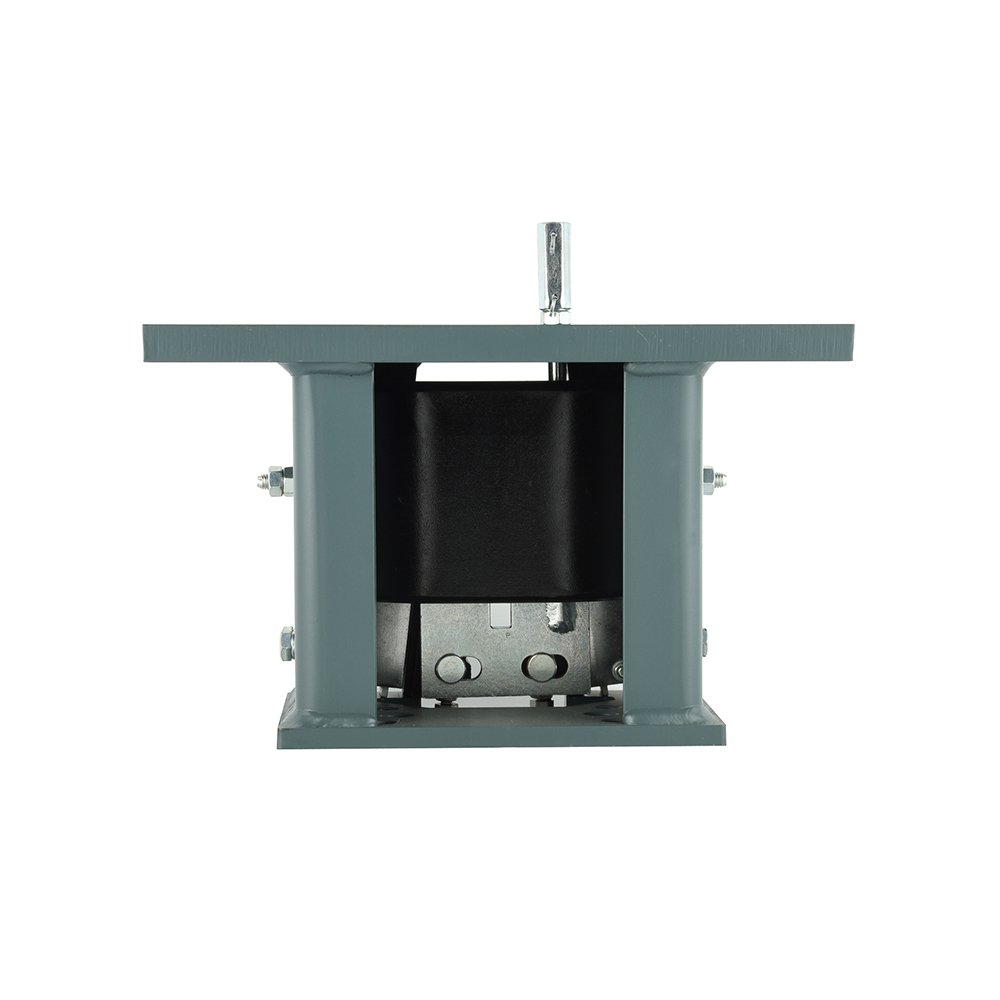
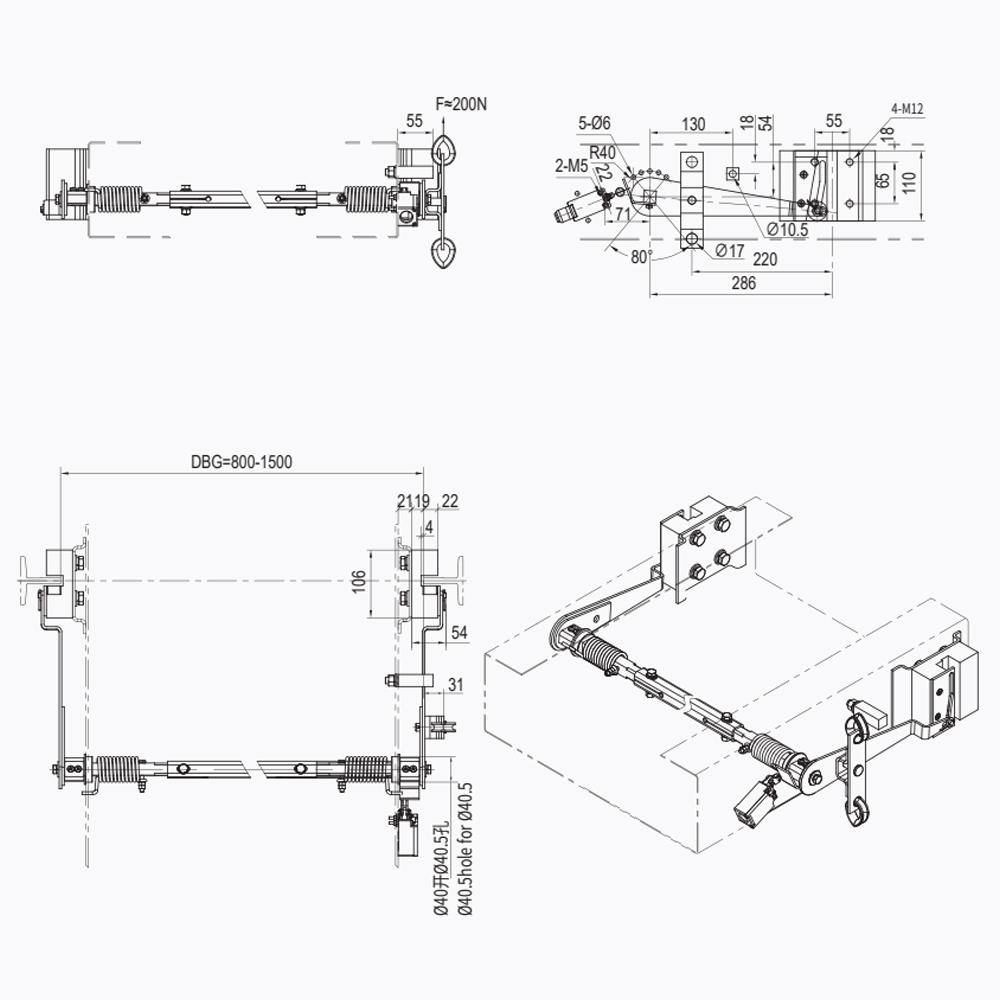
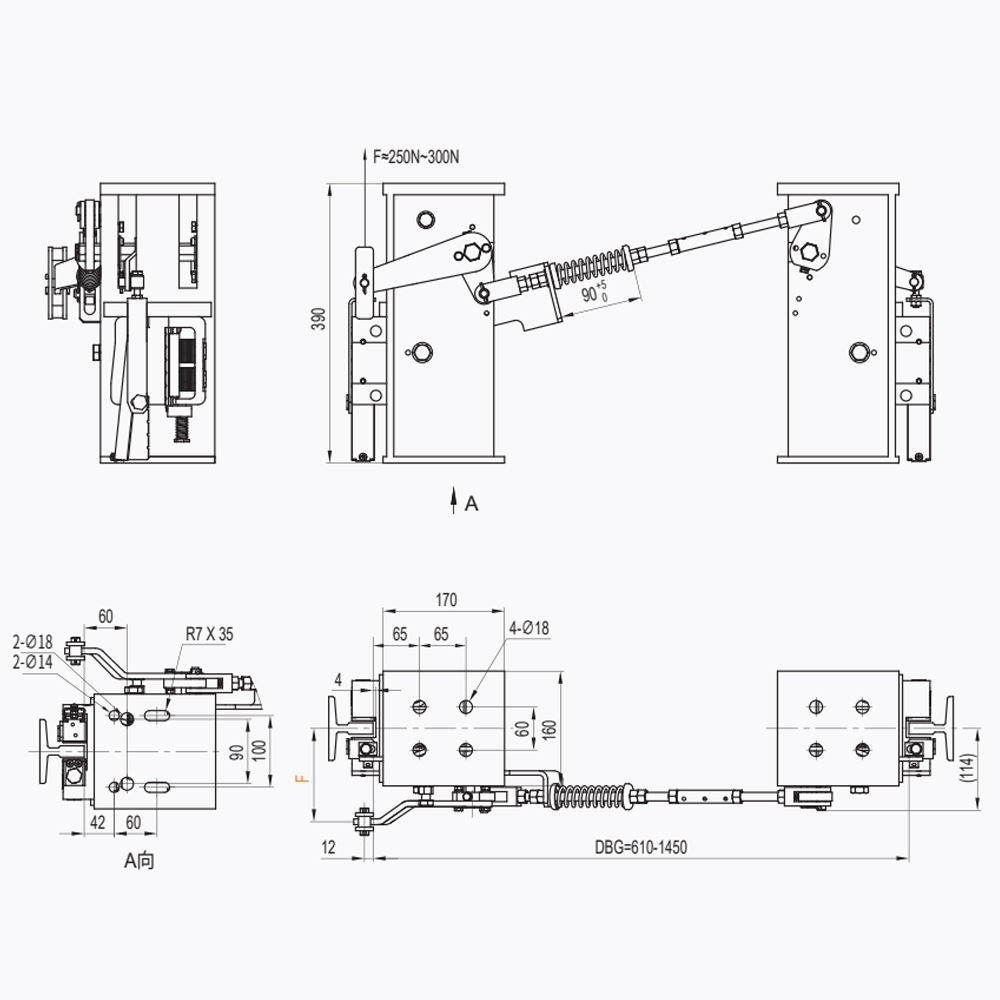
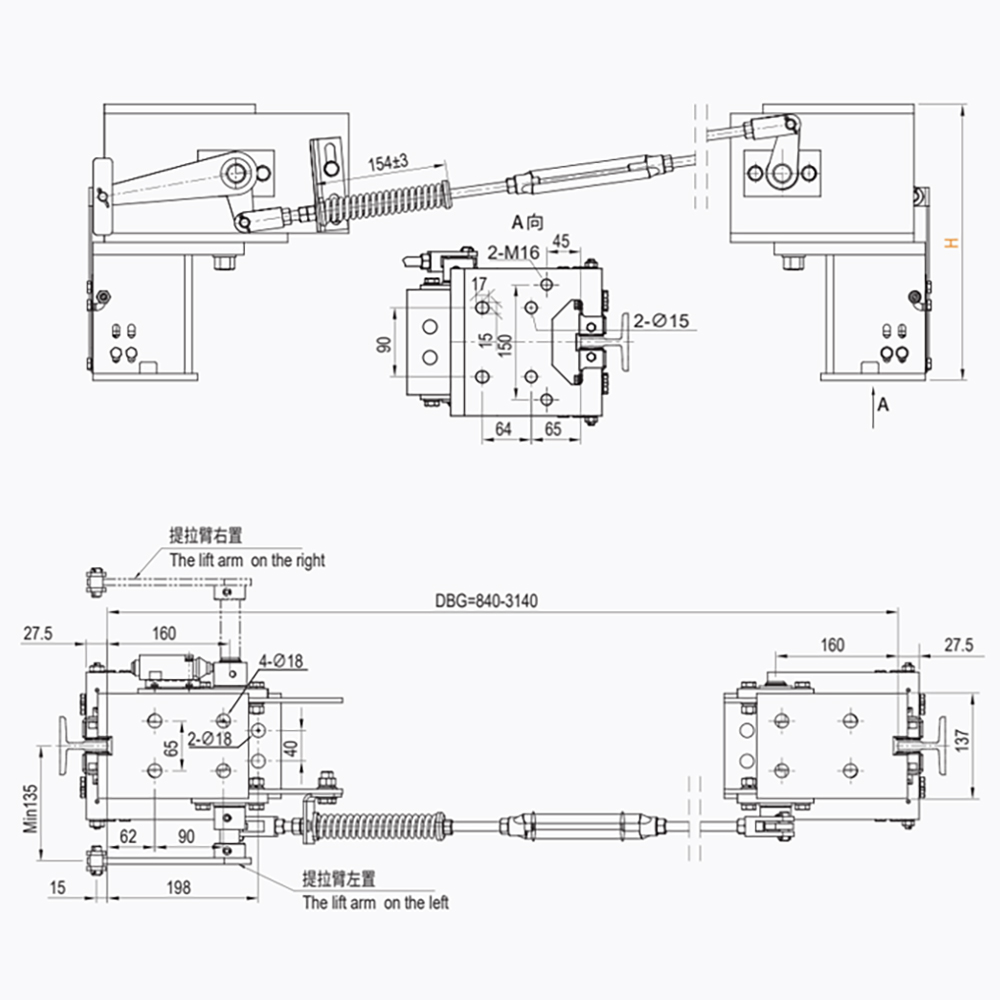
Traditional safety components can be significant sources of noise in elevator systems, especially in residential buildings, hotels, hospitals, and high-end commercial spaces. Clunks, squeaks, and hydraulic hisses from buffers can be transmitted through the structure, causing occupant disturbance. Noise often indicates friction, impact, or vibration that can also correlate with increased wear. Low-noise components solve this by integrating sound-dampening materials and smooth-action designs, enhancing passenger comfort and building quality while maintaining full safety performance.
Low Noise Elevator Buffers and Safety Gear
-- Steady & Reliable Manufacturer --
This category focuses on elevator safety components specifically engineered to minimize acoustic emissions during both normal operation and safety engagement. Noise can originate from metal-on-metal contact in safety gear linkages, fluid dynamics in buffers, or impact during engagement. Low-noise designs employ strategies such as polymer composite wear surfaces, damped linkages, optimized fluid flow paths, and special sealing technologies to reduce sound generation and transmission, contributing to a quieter building environment.
Recommended Products
The Key Problem We Solve
Typical Applications
- Residential apartments, condominiums, and hotels where quiet operation is paramount.
- Hospitals, libraries, and museums requiring low ambient noise levels.
- Luxury office buildings and high-end retail spaces.
- Modernization projects aimed at reducing the audible footprint of an existing elevator.
- Elevators located adjacent to noise-sensitive spaces (bedrooms, conference rooms).
Product Advantages
| Noise Reduction Strategies | Polymer/composite wear pads, damped linkages, optimized buffer porting, sound-absorbing housings. |
| Measurement Metric | Sound pressure level (dB(A)) measured at a standard distance during operation/engagement. |
| Material Innovations | Use of engineered thermoplastics, specialized urethanes, and vibration-damping alloys. |
| Performance Trade-off | Must not compromise deceleration performance, holding force, or reliability. |
| Testing | Functional testing coupled with acoustic measurement in semi-anechoic chamber or on test tower. |
Selection & Compliance Considerations
Consider the Transmission Path: Noise travels through structure and air. Components can be isolated from the car frame using rubber mounts or pads to reduce structure-borne noise. Ensure any isolation does not affect the rigidity required for proper safety function.
Long-Term Performance of Damping Materials: Polymer and composite materials used for noise reduction can age, harden, or wear differently than metals. Inquire about the expected lifespan of these components under normal operating conditions and their replacement procedure.
System-Level Approach: For the quietest possible installation, combine low-noise safety components with other quiet system elements: coated guide rails, roller guides, and a well-maintained machine. A single noisy component can negate the benefits of others.
FAQ
- Q: Do low-noise safety components require different maintenance?
- A: They may require specific attention to the non-metallic wear parts. Inspection should check for cracking, hardening, or excessive wear of polymer liners or dampers. Lubrication points might be different (some polymer composites are self-lubricating). Always follow the manufacturer's specific maintenance instructions for the low-noise model.
- Q: Are low-noise buffers as effective in an emergency stop?
- A: Yes. The noise reduction in buffers is achieved by optimizing the internal fluid flow path (smoother, multi-stage deceleration) and using precision-machined components to reduce turbulence and cavitation—the main sources of hydraulic noise. The energy absorption capacity and deceleration profile remain unchanged and compliant with standards.
- Q: Can I retrofit low-noise parts to an existing noisy elevator?
- A: Often yes. Replacing standard safety gear liners with composite low-noise liners is a common retrofit. Upgrading to a low-noise buffer is also possible if the pit depth and energy rating are compatible. It's an effective way to reduce operational noise without a full elevator modernization.
About Us
Shanghai Liftech Elevator Accessories Co., Ltd.
Founded in 2004, Shanghai Liftech Elevator Accessories Co., Ltd. is a specialized enterprise dedicated to the R&D, manufacturing, testing, and sales of elevator safety components. With over two decades of sustained development, Liftech has established itself as a leading manufacturer in China's elevator safety sector, providing high-quality products and solutions to a wide range of major elevator brands and engineering clients across domestic and international markets. We are ,China Wholesale Low Noise Elevator Buffers and Safety Gear Suppliers and Low Noise Elevator Buffers and Safety Gear OEM/ODM Manufacturers
For over 20 years, LIFTECH (est. 2004) has been a trusted force in the R&D, manufacturing, and full lifecycle support of premium elevator safety components.
Material Selection Guide
| Component | Standard Design (Noise Source) | Low-Noise Design Solution |
| Safety Gear Rail Contact | Hardened steel liner on steel rail (metal scraping). | Replaceable composite polymer liner (e.g., PTFE/nylon blend) for quiet sliding. |
| Linkage Pivots | Steel pin in bronze bushing (can squeak if dry). | Pivot with integrated rubber damping sleeve or sealed needle roller bearing with grease reservoir. |
| Oil Buffer | Single orifice causing turbulent, noisy fluid flow. | Multi-stage progressive orifice or porous media insert for smooth, quiet deceleration. |
| Buffer Return Spring | Metal coil spring (can "twang"). | Spring housed in a sound-dampening sleeve or use of hydraulic return. |
| Housings & Covers | Thin sheet metal (can resonate). | Damped composite covers or thicker, ribbed castings. |

