

 English
 中文简体
中文简体 русский
 Español
 Deutsch


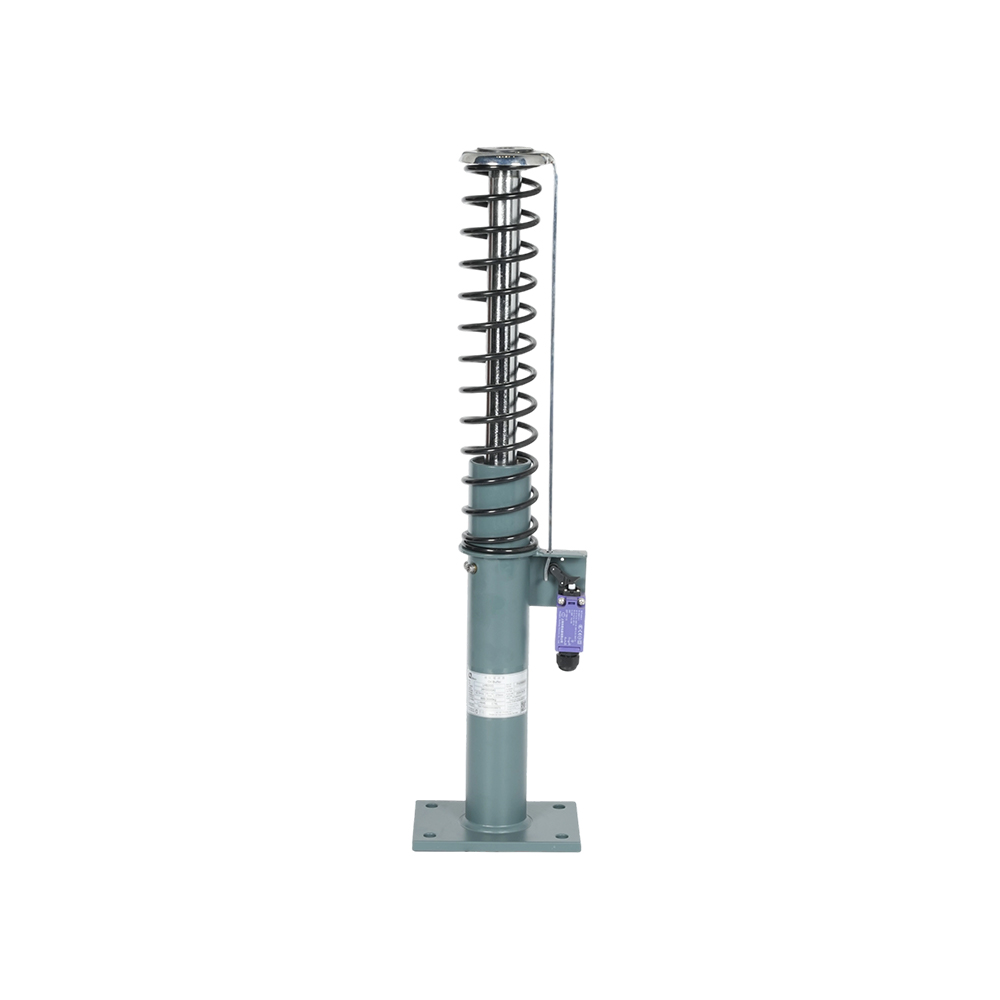
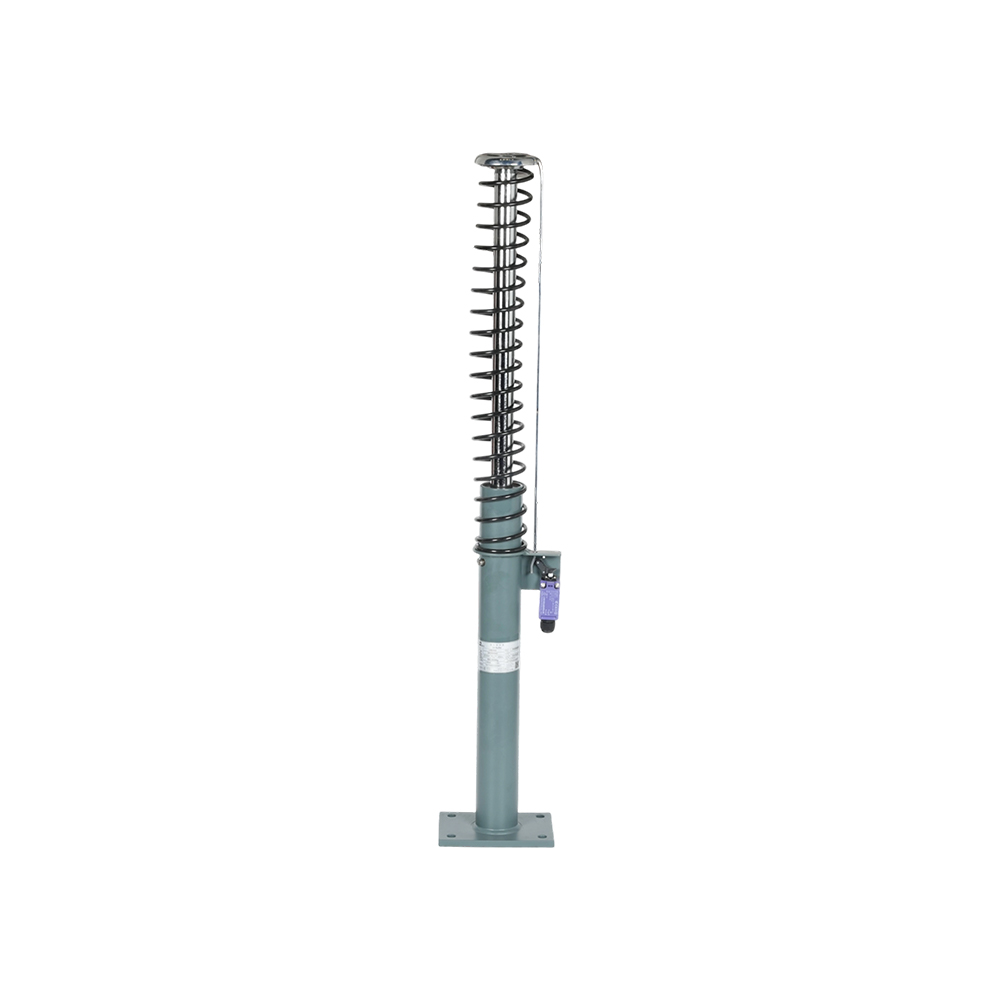
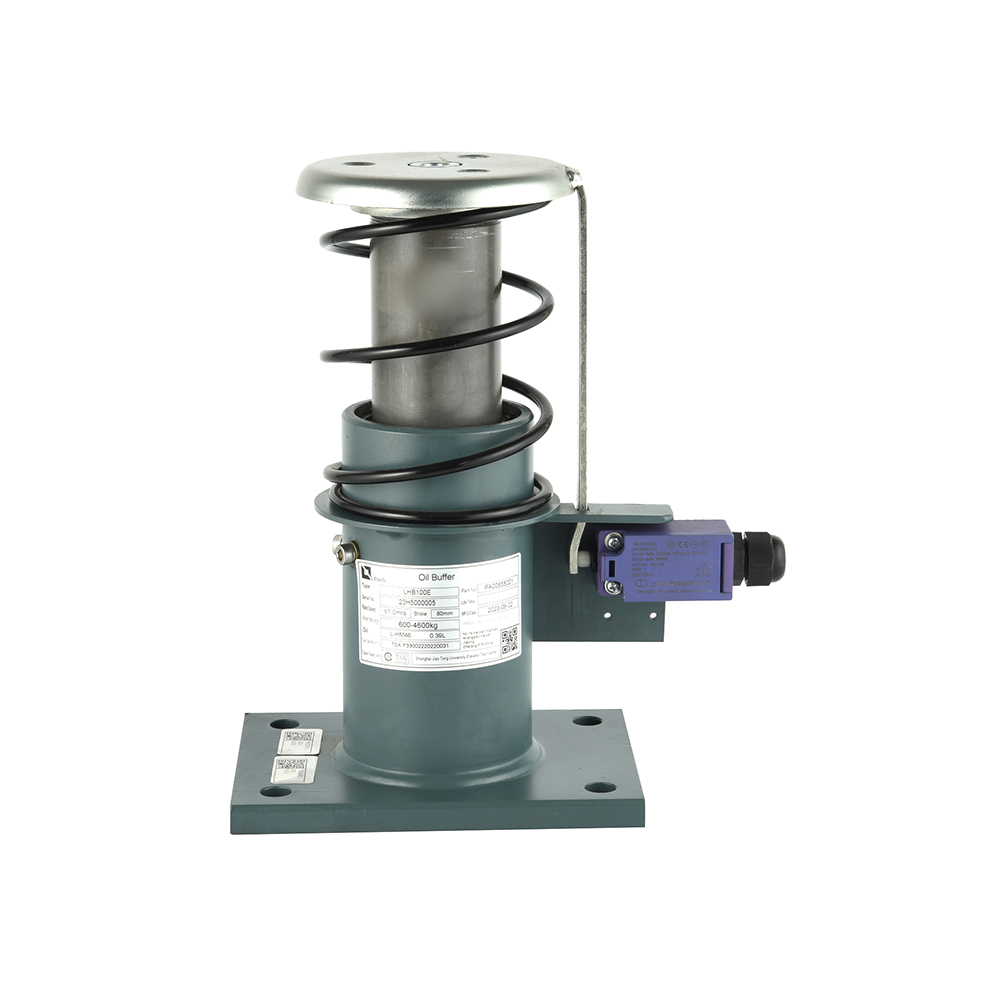
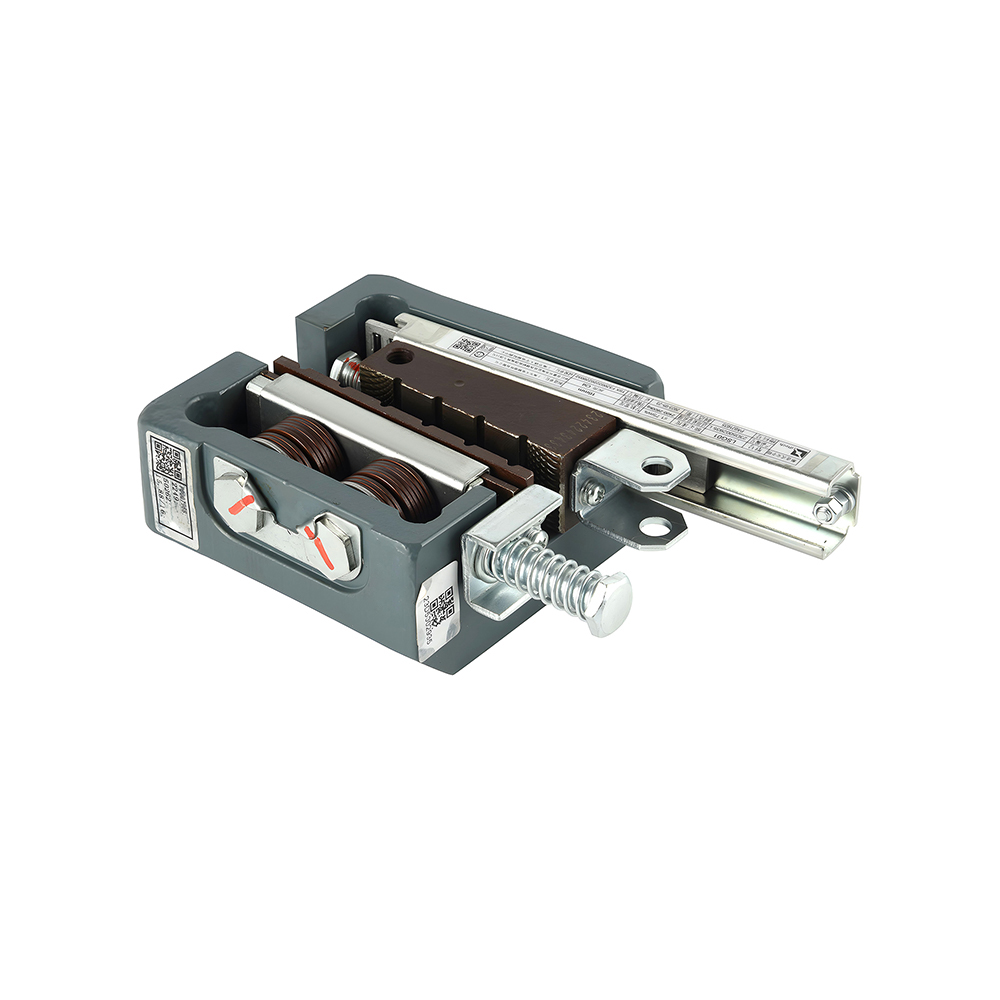
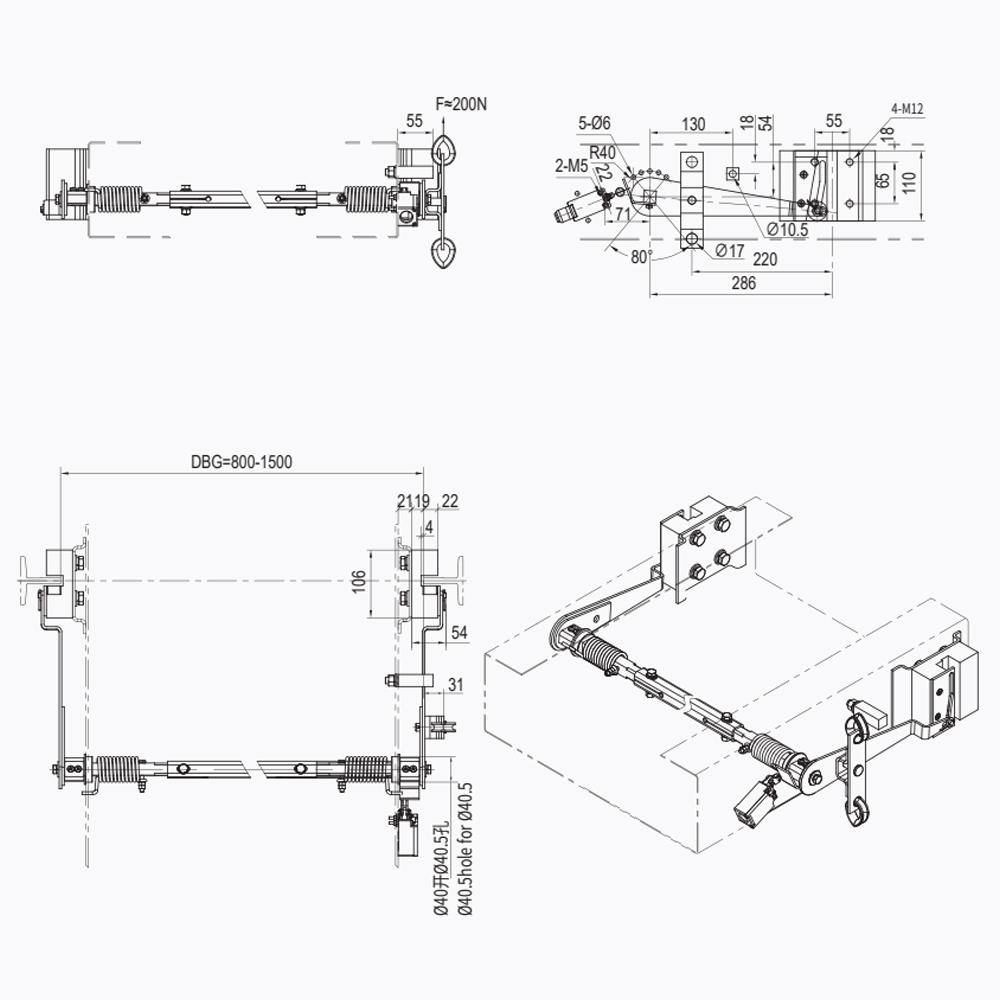
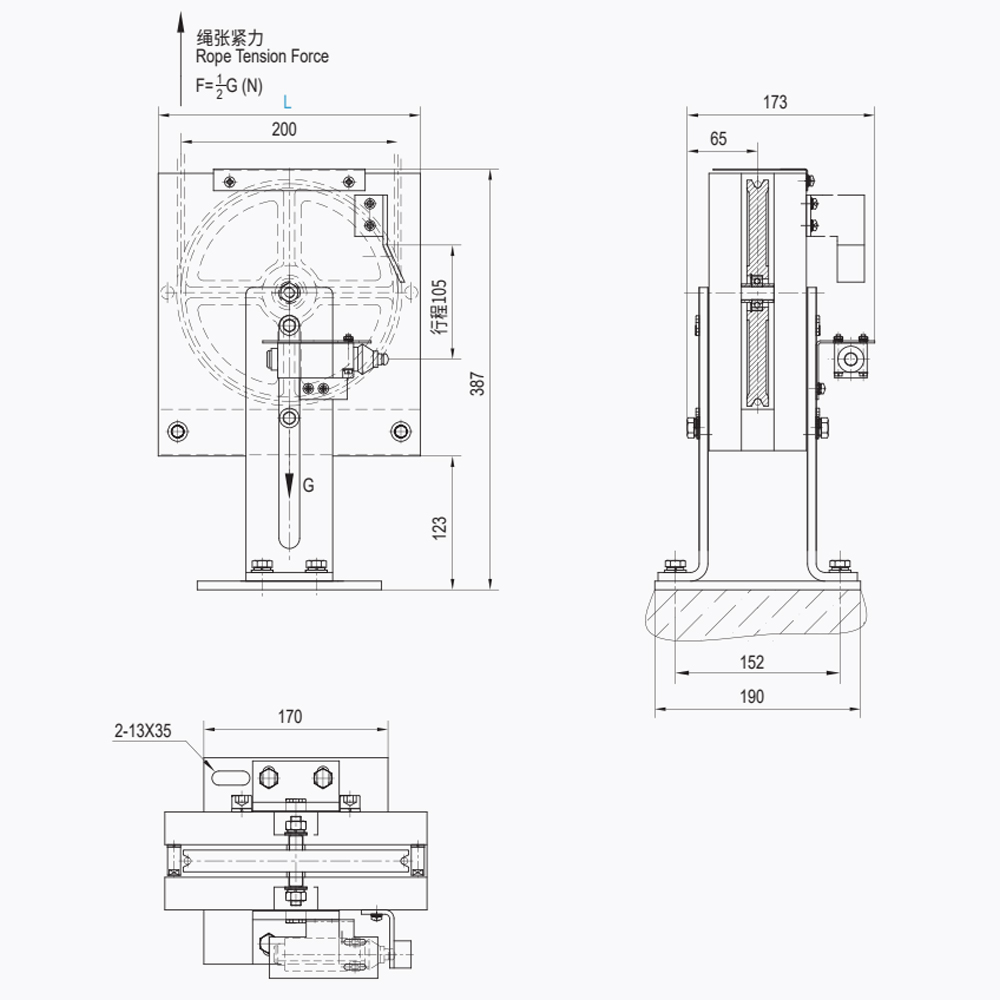
In premium building projects, the audible presence of elevator machinery and safety components is often deemed unacceptable, conflicting with goals for occupant comfort, privacy, and perceived quality. Standard safety components, while functionally sound, can generate startling noises during mandatory monthly or annual tests, disturbing tenants and guests. The persistent whine of a governor or the reverberation of a buffer impact through the building structure can also be a source of complaints. This creates a conflict between regulatory safety requirements (which mandate functional testing) and occupant satisfaction. Low-noise safety systems solve this problem by fundamentally redesigning the noise generation points. They mitigate the shock impulses, dampen vibrations, and streamline airflows that cause noise, allowing safety tests to be conducted with minimal acoustic disturbance and ensuring that the normal background noise from the elevator system is reduced to imperceptible levels, thereby preserving the acoustic integrity of the building environment without compromising an iota of safety performance.
Low-Noise Elevator Safety and Buffer Systems
-- Steady & Reliable Manufacturer --
Low-noise elevator safety and buffer systems are engineered to minimize the acoustic emissions associated with the operation, testing, and potential activation of these critical safety components. Noise in traditional systems arises from multiple sources: the metallic "clunk" or "bang" of a safety gear engaging during a test, the whirring or humming of an overspeed governor sheave during normal travel, the impact sound of the car on buffers, and the transmission of structural vibrations into the building. This acoustic profile can be disruptive in noise-sensitive environments such as luxury residences, hotels, hospitals, libraries, and high-end office spaces. Low-noise designs employ a multi-faceted approach: utilizing elastomeric damping elements within safety gear linkages to absorb shock and prevent metal-on-metal impact sounds; incorporating precision-balanced governor sheaves with low-noise bearings or polymer composite materials to reduce aerodynamic and mechanical hum; designing buffers with internal flow restrictions that minimize hydraulic "hiss" and using external enclosures with sound-absorbing materials; and applying specialized friction materials in safety gears that provide consistent braking without squeal or chatter. The goal is to ensure that these essential safety devices perform their life-saving functions with maximum reliability while contributing to a tranquil and premium vertical transportation experience, aligning with the acoustic comfort standards expected in modern, high-quality buildings.
Recommended Products
The Key Problem We Solve
Typical Applications
- Luxury residential apartments, condominiums, and penthouses.
- Five-star hotels, boutique hotels, and high-end resorts.
- Private hospitals, wellness clinics, and recovery centers where quiet is therapeutic.
- Corporate headquarters and executive office suites of noise-sensitive companies (e.g., recording studios, design firms).
- Libraries, museums, concert halls, and performing arts centers.
- Historic building renovations where modern noise intrusion is particularly jarring.
- Residential elevators within single-family homes.
Product Advantages
| Safety Gear Noise Rating | Measured sound pressure level during engagement test (e.g., < 70 dB(A) at 1 meter distance vs. >85 dB(A) for standard). |
| Governor Noise Level | Specified maximum operating noise (e.g., < 50 dB(A)) achieved via balancing, bearing selection, and housing design. |
| Buffer Noise Mitigation | Use of "silent" orifice designs in oil buffers; polyurethane buffers for inherently quieter impact; external sound-dampening shrouds. |
| Vibration Isolation | Integration of rubber-metal elements (e.g., Silentblocs) in mounting points for safety gears and governors to decouple vibrations from the building structure. |
| Friction Material | Specialized composite or polymer-based liners in safety gears that engage smoothly without metallic squeal or chatter. |
| Standard Compliance | Meets all functional requirements of EN 81-20/50, ASME A17.1 while achieving lower acoustic emissions, often verified per ISO 3744/ISO 11200 series. |
Selection & Compliance Considerations
Specifying low-noise systems requires early integration into the building's acoustic design plan. Key considerations include: establishing acceptable noise level targets (in dB(A)) for different building zones and times (day/night). Selecting components that are part of a matched, tested low-noise system is more effective than mixing individual quiet parts. Evaluate the transmission paths: noise through air (direct) and structure-borne vibration. Solutions must address both. For the governor, consider its location relative to sensitive occupied spaces. For buffers, the pit design (e.g., acoustic lining) can be part of the solution. Verify that noise-reduction features do not hinder inspection, testing, or maintenance access. It is advisable to request acoustic test reports from the manufacturer for the specific components under simulated operating conditions.
FAQ
- Q: Does making a safety gear "low-noise" make it less effective or slower to engage? A> No. The noise reduction is achieved through damping and material science, not by altering the fundamental kinematics or reducing the force. The engagement speed and braking performance remain fully compliant with safety standards. For example, elastomeric dampers absorb the high-frequency shock of metal parts snapping into place but do not delay the initial movement.
- Q: How is governor noise measured and guaranteed? A> Noise is typically measured in a semi-anechoic chamber with the governor mounted on a test rig, running at its rated speed. A sound level meter records the A-weighted sound pressure level at a standard distance (e.g., 1 meter). Reputable manufacturers provide test reports from accredited laboratories to substantiate their noise claims. Field noise will be higher due to reverberation and structure-borne sound.
- Q: Are low-noise buffers different in how they stop the elevator? A> Their primary energy absorption function is identical. The difference is in the internal details. A low-noise oil buffer may have a series of small, precisely shaped orifices instead of one large one, creating less turbulent, quieter fluid flow. A polyurethane buffer deforms with a muffled "thud" compared to the metallic "clang" of a spring buffer. The deceleration profile and capacity are engineered to meet the same code requirements.
- Q: Is there a significant cost premium for low-noise safety systems? A> Yes, there is a premium due to the use of specialized materials (composites, damping alloys), additional components (dampers, shrouds), and more meticulous manufacturing and balancing processes. However, for projects where acoustic comfort is a key selling point or requirement, this cost is justified as part of the overall premium finish and is often negligible compared to the total building or modernization budget.
About Us
Shanghai Liftech Elevator Accessories Co., Ltd.
Founded in 2004, Shanghai Liftech Elevator Accessories Co., Ltd. is a specialized enterprise dedicated to the R&D, manufacturing, testing, and sales of elevator safety components. With over two decades of sustained development, Liftech has established itself as a leading manufacturer in China's elevator safety sector, providing high-quality products and solutions to a wide range of major elevator brands and engineering clients across domestic and international markets. We are ,China Wholesale Low-Noise Elevator Safety and Buffer Systems Suppliers and Low-Noise Elevator Safety and Buffer Systems OEM/ODM Manufacturers
For over 20 years, LIFTECH (est. 2004) has been a trusted force in the R&D, manufacturing, and full lifecycle support of premium elevator safety components.
Material Selection Guide
| Noise Source & Component | Low-Noise Material & Engineering Solution |
| Safety Gear Impact & Chatter | Linkage Dampers: Polyurethane or rubber bumpers installed at the travel limits of levers to cushion metal-to-metal contact. Friction Liners: Non-metallic composite materials (e.g., aramid fiber reinforced polymers) that provide stable friction without the high-frequency vibration that causes squeal. Jaw Design: Jaws may be coated with a thin damping layer or use a multi-part construction to break up sound waves. |
| Governor Mechanical & Aerodynamic Noise | Sheave Material: Polymer composite (e.g., glass-filled nylon) sheaves are inherently quieter than metal and are precisely balanced. Bearings: Low-noise, sealed deep-groove ball bearings or ceramic hybrid bearings. Housing: Laminated housing with sound-absorbing foam or mass-loaded vinyl inserts to dampen internal vibrations. |
| Buffer Impact & Fluid Noise | Oil Buffer Internals: Multi-stage, laser-cut orifice plates and internal flow guides to reduce cavitation and turbulent noise. External Treatment: Polyurethane foam jacket or a perforated metal shroud with acoustic absorption material around the buffer cylinder. Polyurethane Material: Specific elastomer formulas tuned for energy absorption with a dull, non-resonant impact sound. |
| Structure-Borne Vibration | Isolation Mounts: All mounting points for safety gear and governor use anti-vibration mounts made from steel-rubber sandwiches or wire rope isolators. |

