

 English
 中文简体
中文简体 русский
 Español
 Deutsch


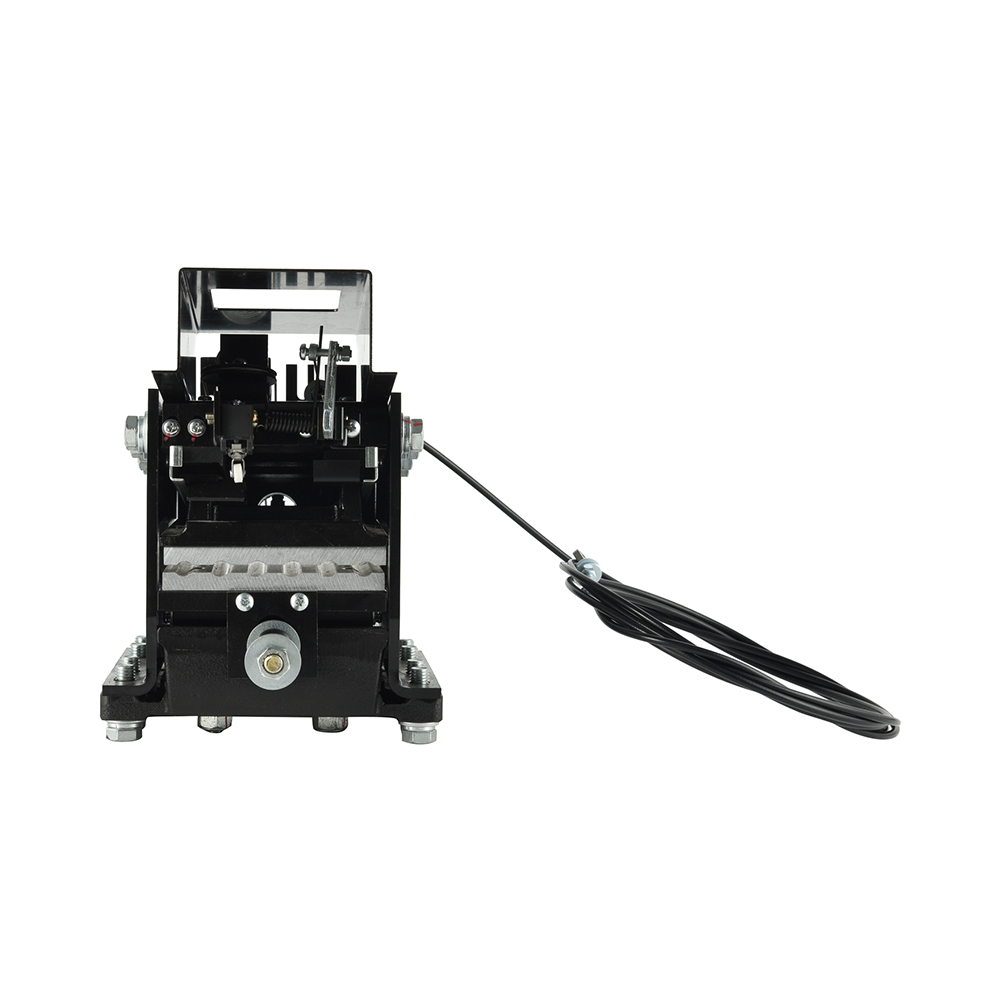
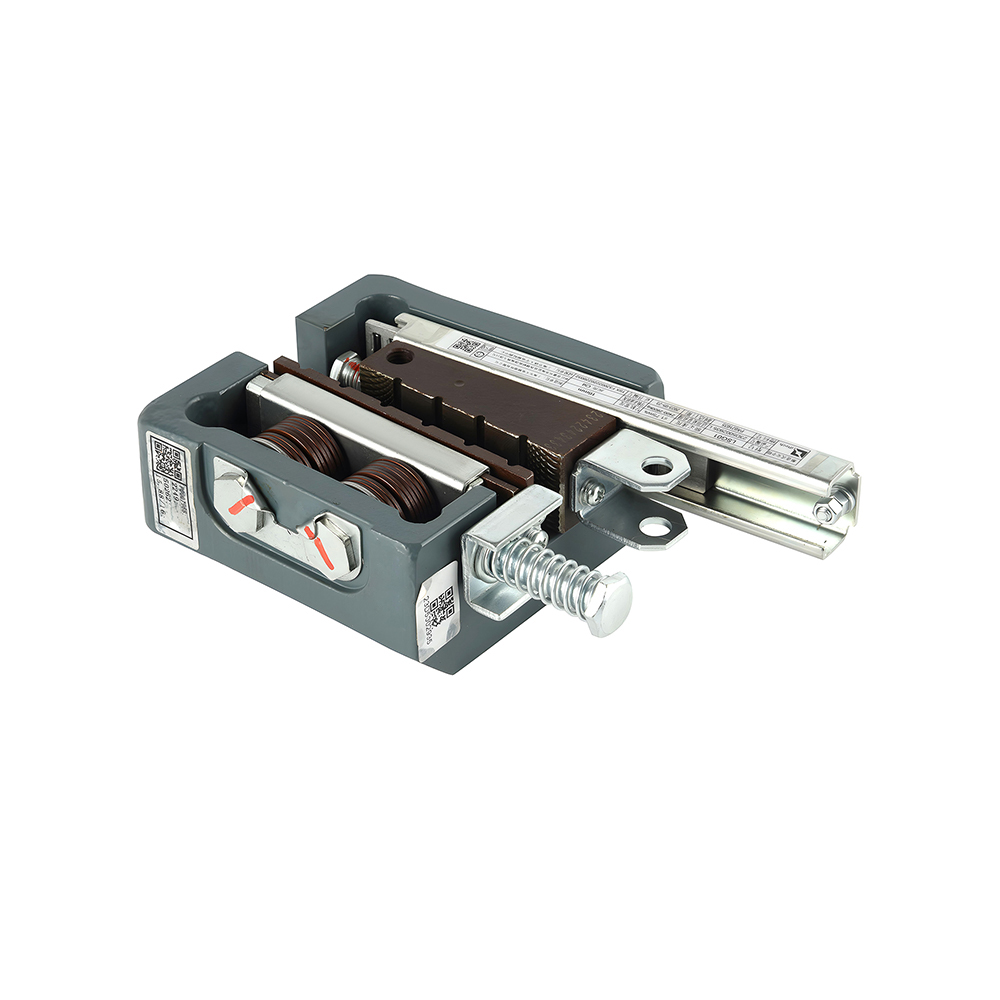
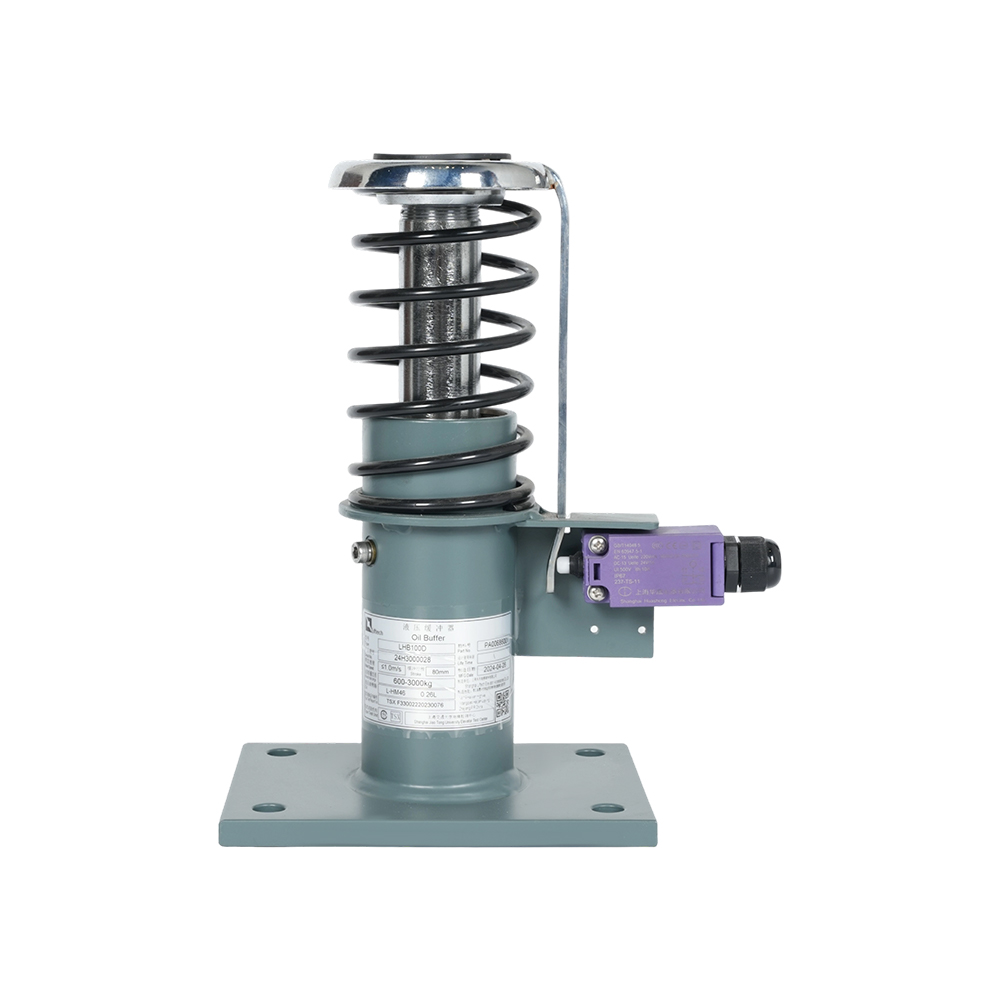
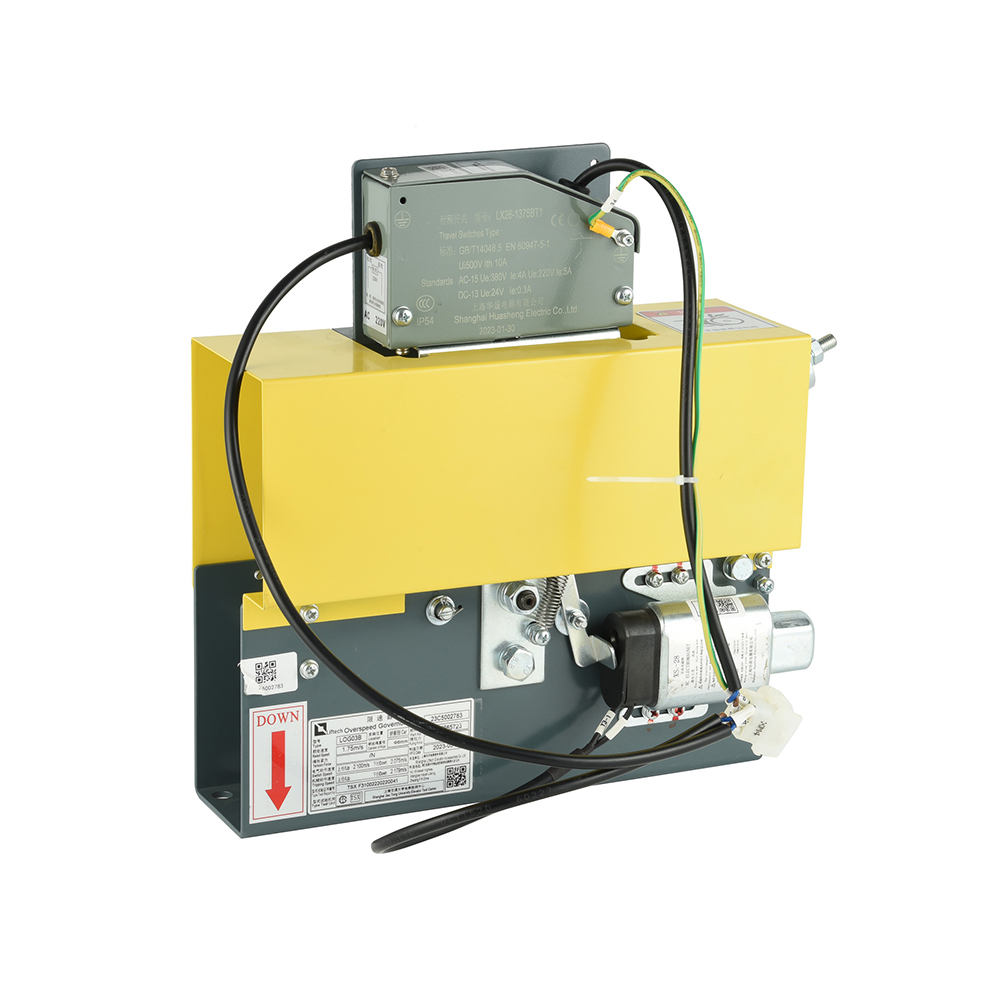
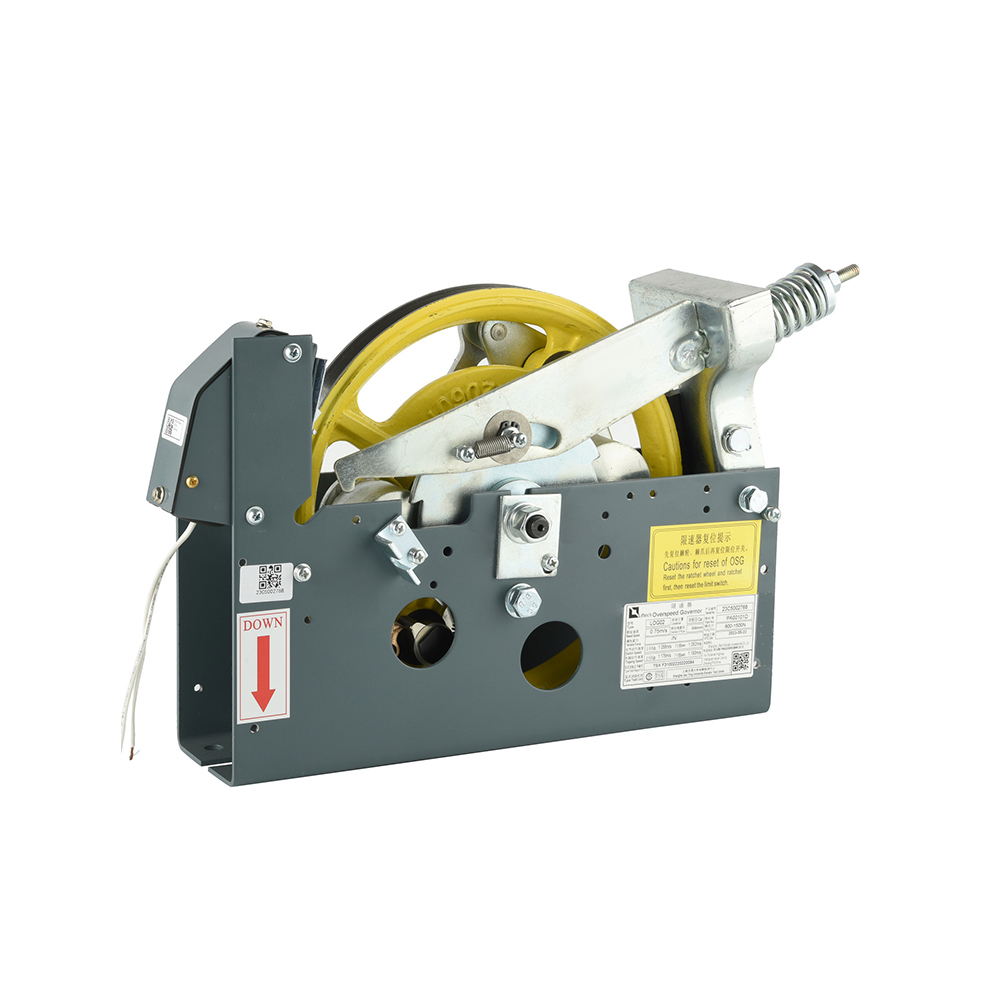
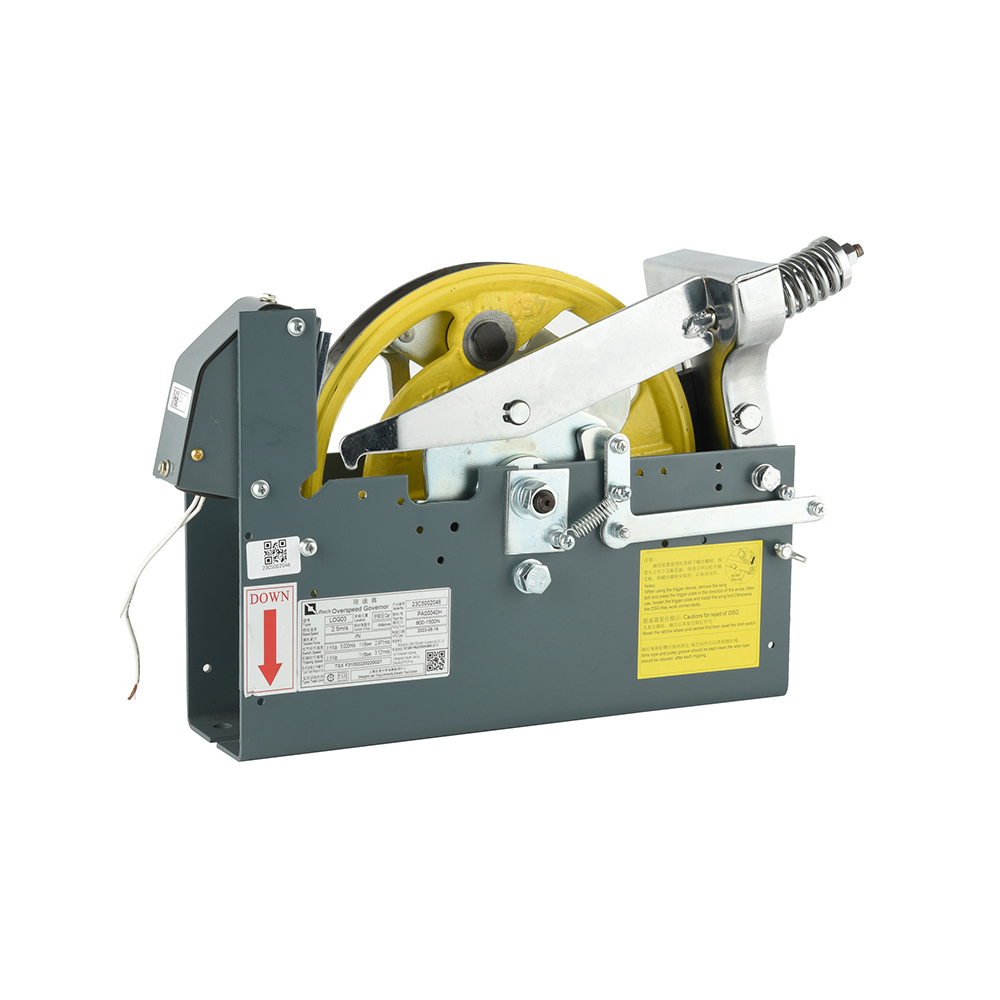
Standard elevator safety systems are designed for common failure modes in traction elevators. However, special elevator types (e.g., rack-and-pinion, hydraulic with a rupture valve failure, or lifts in unique industrial settings) or the need for ultra-high reliability in critical installations may require a more robust or differently configured arresting system. Our expertise solves this by engineering and supplying tailored emergency brake systems that address these specific risks and compliance requirements.
Elevator Emergency Brake and Arresting Systems
-- Steady & Reliable Manufacturer --
This category refers to comprehensive, sometimes integrated systems designed to bring a malfunctioning elevator to a controlled stop. It goes beyond individual components like safety gear, encompassing the entire chain from detection (overspeed, slack rope, loss of power) to activation and final arrest. This can include a combination of governors, safety gear, rope brakes, and secondary braking units, often with a focus on systems for special applications like lifts without counterweights or with unique risks.
Recommended Products
The Key Problem We Solve
Typical Applications
- Rack-and-pinion construction elevators and hoists.
- Marine elevators on ships and offshore platforms.
- Critical service elevators in power plants, nuclear facilities, and data centers.
- Elevators transporting hazardous materials.
- Stage lifts, vehicle lifts, and other special purpose lifting devices governed by machinery safety standards.
- Backup braking systems for elevators where the primary safety system is considered insufficient for a specific risk assessment.
Product Advantages
| System Type | Mechanical, electro-mechanical, or hydraulically actuated. |
| Detection Sensors | Overspeed switches, slack rope detectors, pressure sensors, encoder deviation monitors. |
| Actuation Redundancy | Often includes dual-channel detection and/or dual-path actuation. |
| Arresting Means | Direct rail clamping, pinion locking, rope braking, or a combination. |
| Fail-Safe Principle | Typically "fail-safe," meaning loss of power or signal causes brake application. |
| Certification Level | May require third-party certification (e.g., TÜV, Lloyd's Register) for specific industries. |
Selection & Compliance Considerations
Risk Assessment & System Classification: The design of an emergency brake system must start with a formal risk assessment (per ISO 12100) to identify all foreseeable hazards. The system's performance level (PL) or Safety Integrity Level (SIL) must be determined according to standards like ISO 13849 or IEC 62061.
Environmental & Operational Extremes: Systems for marine or outdoor use must account for salt spray, wide temperature ranges, and constant vibration. Industrial systems may need to withstand explosive atmospheres (ATEX certification) or high levels of dust and moisture.
Integration with Main Controls: The interface between the emergency brake system and the elevator's primary controller is critical. Clear signaling, fault monitoring, and defined states (e.g., "brake applied," "system healthy") must be established.
Testing & Validation Protocol: Unlike standard components, a custom arresting system requires a defined test plan to validate its function under all design conditions, including degraded modes. This plan should be agreed upon before manufacturing.
FAQ
- Q: What standards apply to emergency brake systems for non-standard lifts?
- A: While elevator-specific standards (EN 81, ASME A17.1) cover traditional designs, special lifts often fall under the Machinery Directive 2006/42/EC in Europe or equivalent local machinery safety regulations. These require compliance with harmonized standards like EN ISO 12100 (risk assessment) and specific product standards (e.g., EN 1808 for mobile elevating work platforms). Third-party notified body assessment is common.
- Q: How is the required braking performance calculated for a custom system?
- A: It is based on the worst-case kinetic energy that must be dissipated, considering maximum load, maximum possible speed (including free-fall scenarios), and the available stopping distance. Deceleration rates are limited by the safe human tolerance or cargo integrity requirements. Factors like system inertia and friction are included in dynamic simulations.
- Q: Can you provide a "plug-and-play" emergency brake system?
- A: For well-defined applications (e.g., a specific model of rack-and-pinion lift), we can supply a pre-engineered system kit. For highly custom projects, we provide a system comprising selected components from our portfolio (governors, brakes, sensors) along with detailed interface drawings, wiring diagrams, and a functional description. The final integration and commissioning typically require collaboration with the lift manufacturer or a systems integrator.
About Us
Shanghai Liftech Elevator Accessories Co., Ltd.
Founded in 2004, Shanghai Liftech Elevator Accessories Co., Ltd. is a specialized enterprise dedicated to the R&D, manufacturing, testing, and sales of elevator safety components. With over two decades of sustained development, Liftech has established itself as a leading manufacturer in China's elevator safety sector, providing high-quality products and solutions to a wide range of major elevator brands and engineering clients across domestic and international markets. We are ,China Wholesale Elevator Emergency Brake and Arresting Systems Suppliers and Elevator Emergency Brake and Arresting Systems OEM/ODM Manufacturers
For over 20 years, LIFTECH (est. 2004) has been a trusted force in the R&D, manufacturing, and full lifecycle support of premium elevator safety components.
Material Selection Guide
| Subsystem | General Industrial Environment | Marine/Offshore Environment | Explosive Atmosphere (ATEX Zone 2) |
| Sensor Housing (e.g., overspeed switch) | Cast Aluminum (IP65). | Stainless Steel (316L) housing (IP66/IP67). | Cast Aluminum with Ex e increased safety or Ex d flameproof enclosure. |
| Actuator (Solenoid, Hydraulic Valve) | Standard industrial grade. | Marine-grade with protective coating; solenoid with high salt-spray resistance. | ATEX-certified solenoid coil (Ex m or Ex e) or pneumatic actuator. |
| Brake Unit (Mechanical) | Carbon steel, painted. | Hot-dip galvanized or AISI 316 stainless steel construction. | Non-sparking materials for wear parts (e.g., aluminum bronze, Monel). |
| Control Electronics | Industrial PLC or safety relay in IP20 cabinet. | Sealed PLC or dedicated safety controller in IP66 cabinet. | Intrinsically safe (Ex i) barriers or certified safety PLC in appropriate enclosure. |
| Cabling & Connectors | Standard PVC/PUR cable. | Shipboard cable (CY, CHCY types) with brass or stainless connectors. | Ex-certified cable glands and connectors. |

