

 English
 中文简体
 русский
 Español
 Deutsch


A 1,600 kg freight elevator order sat idle for six weeks because the safety gear had been quoted against a 10 mm guide rail blade while the shaft was built with 16 mm rail. Nothing was defective. Th...
READ MORELHB100D Elevator safety Oil buffer
Product Features
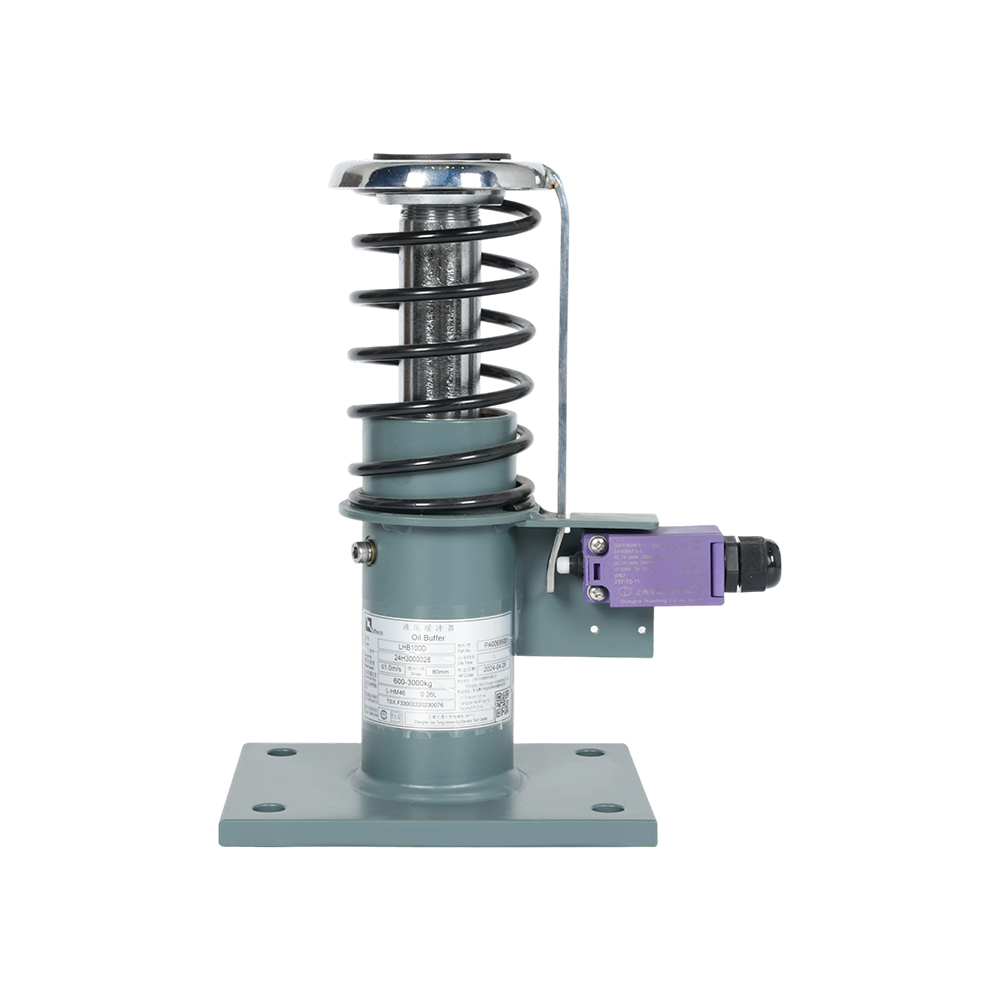
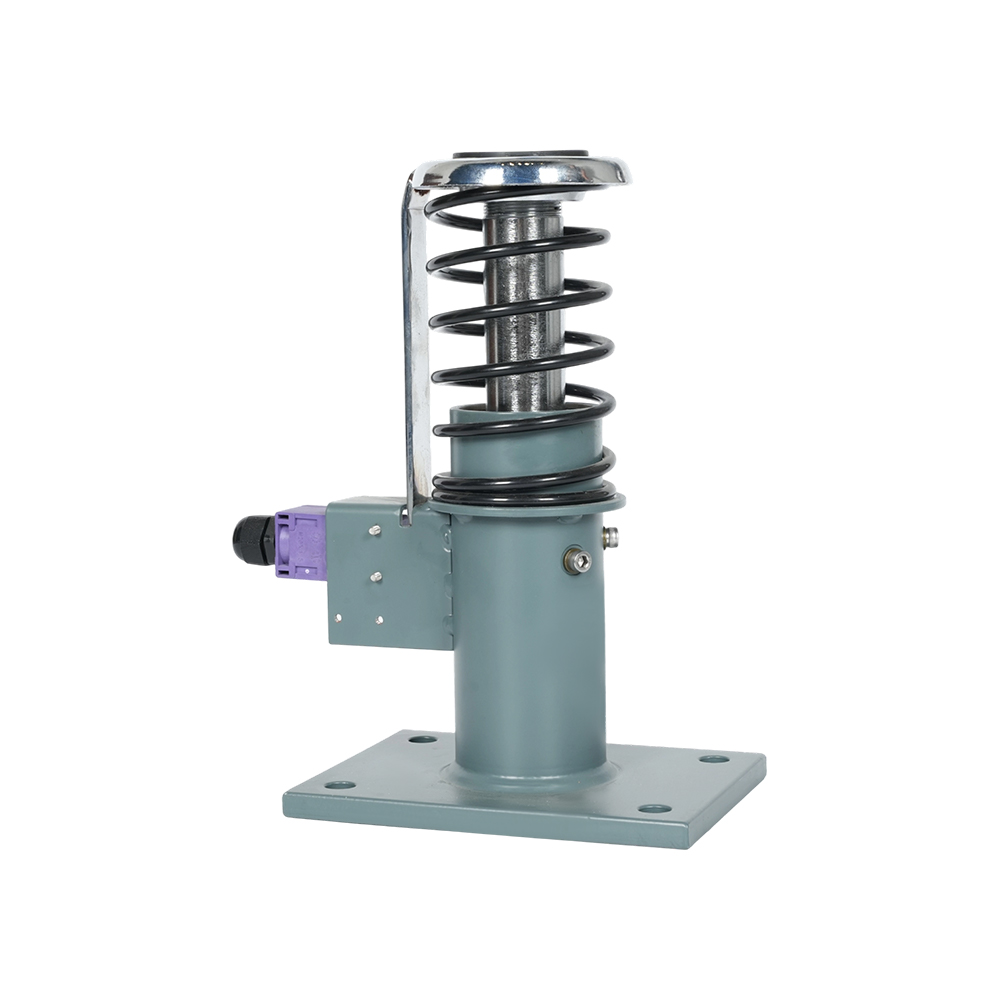
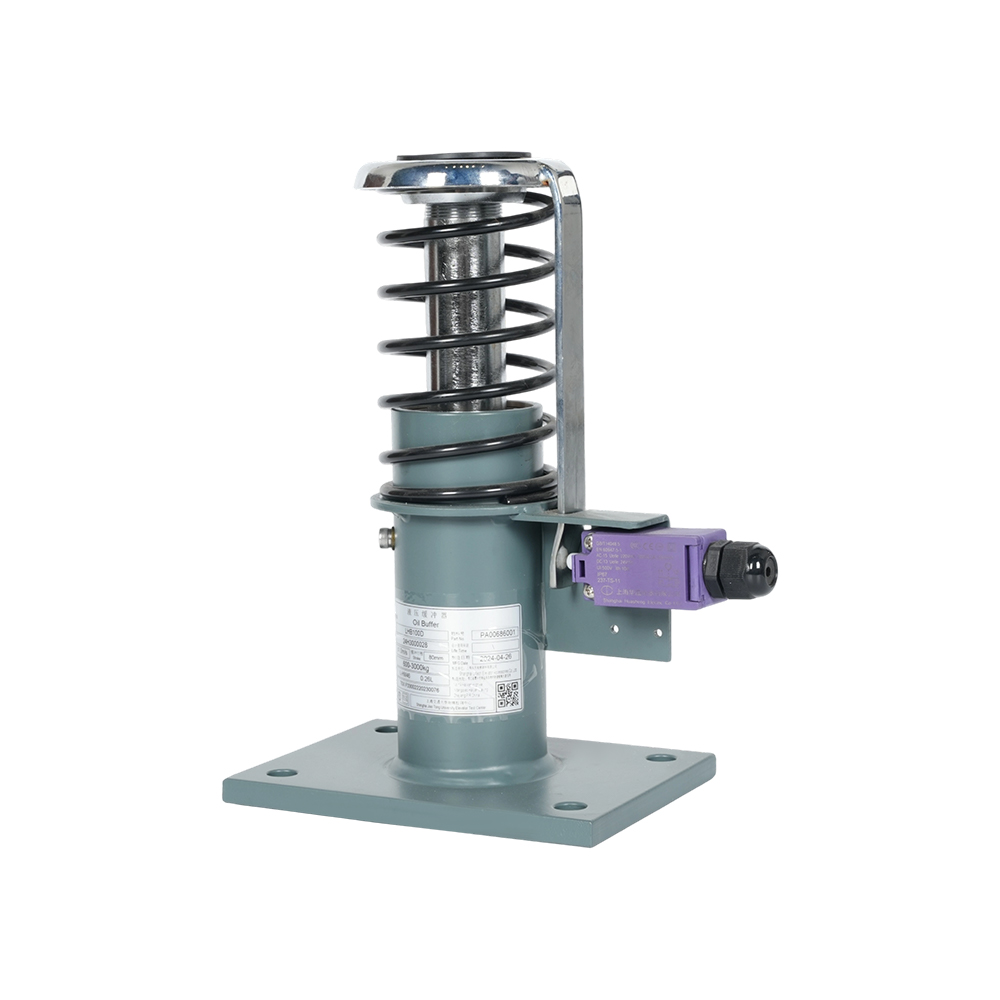
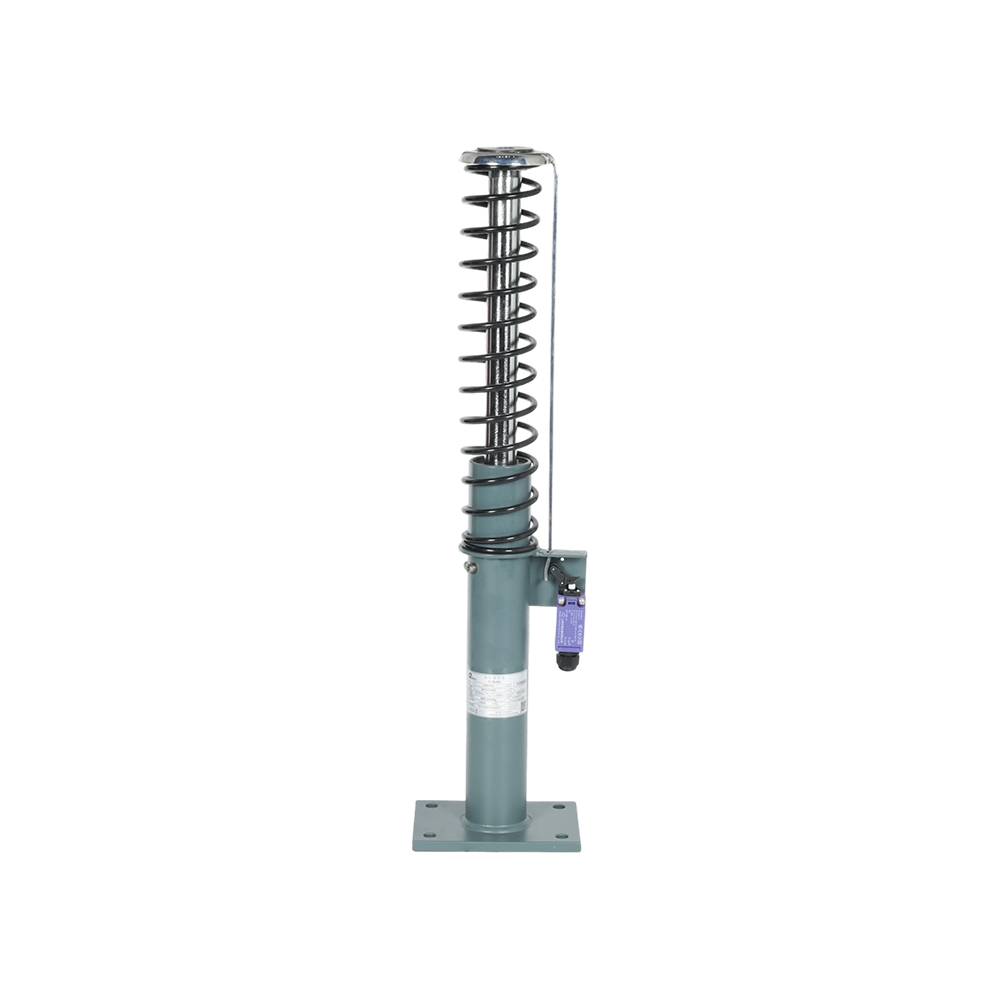
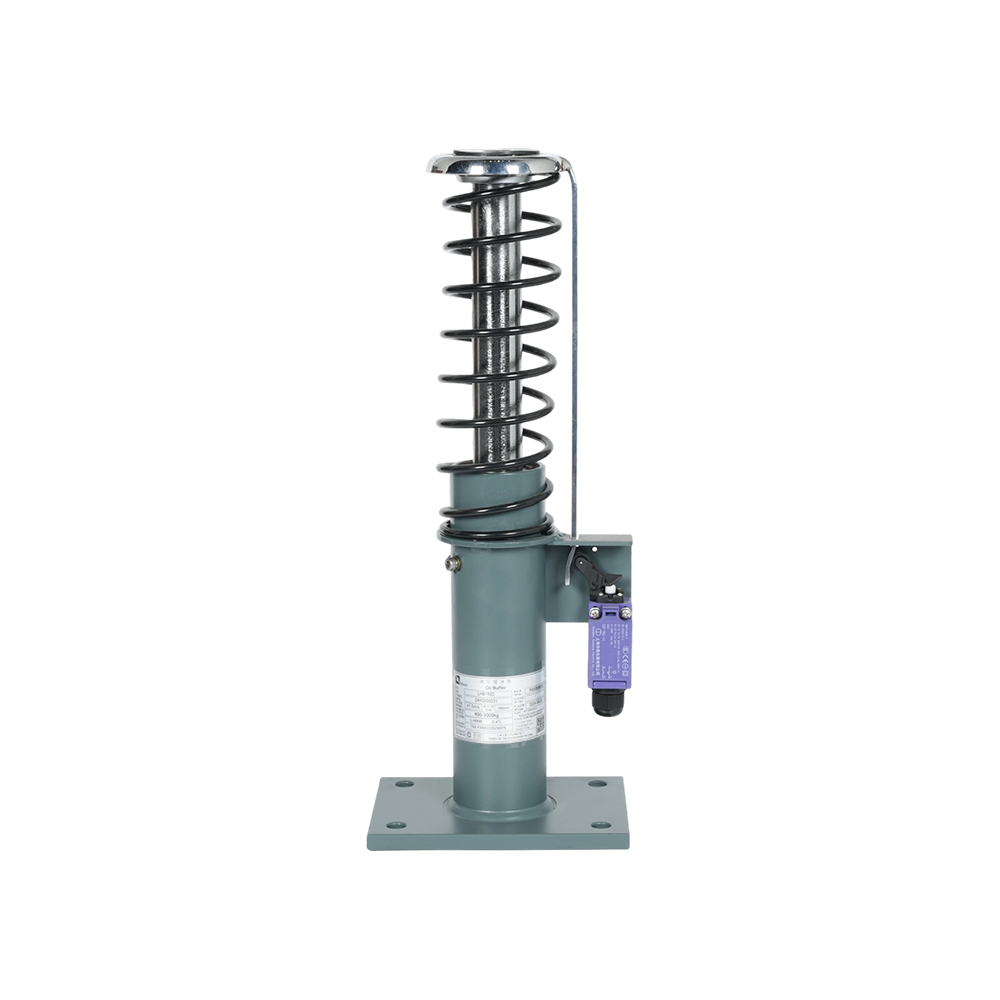
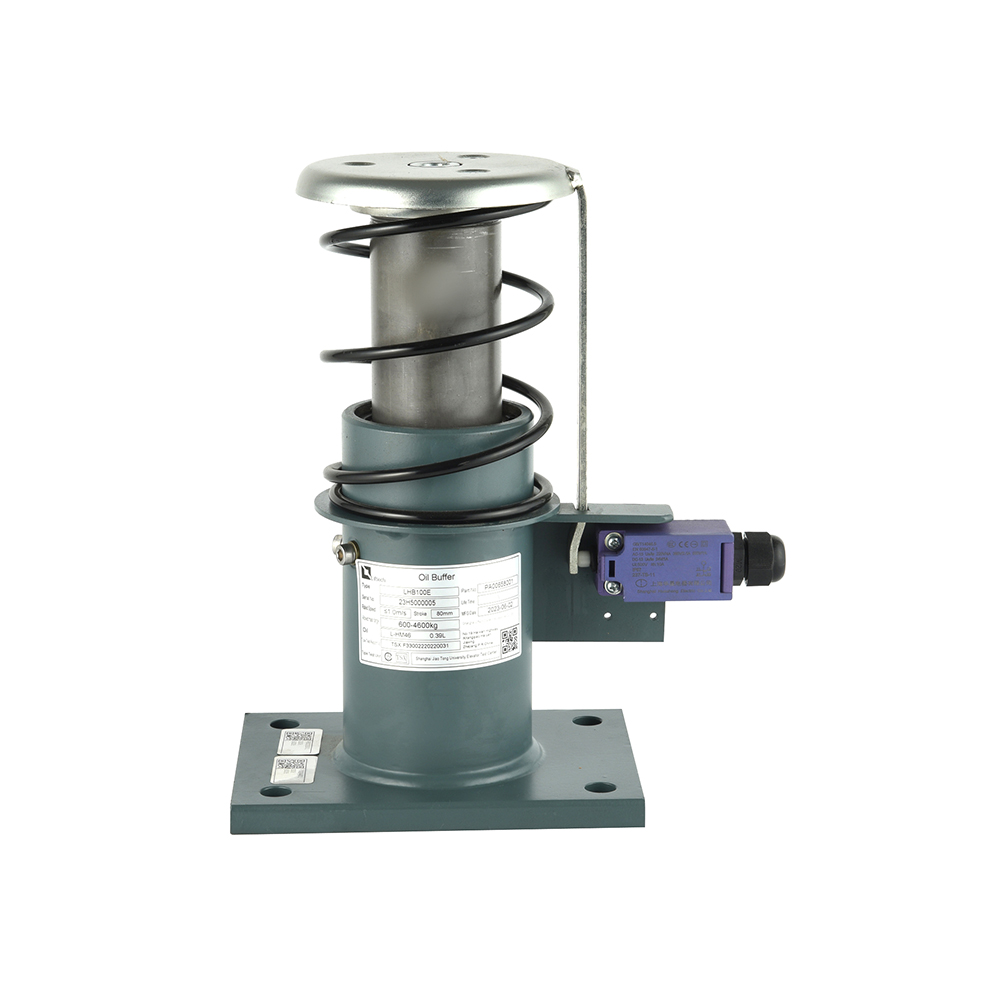
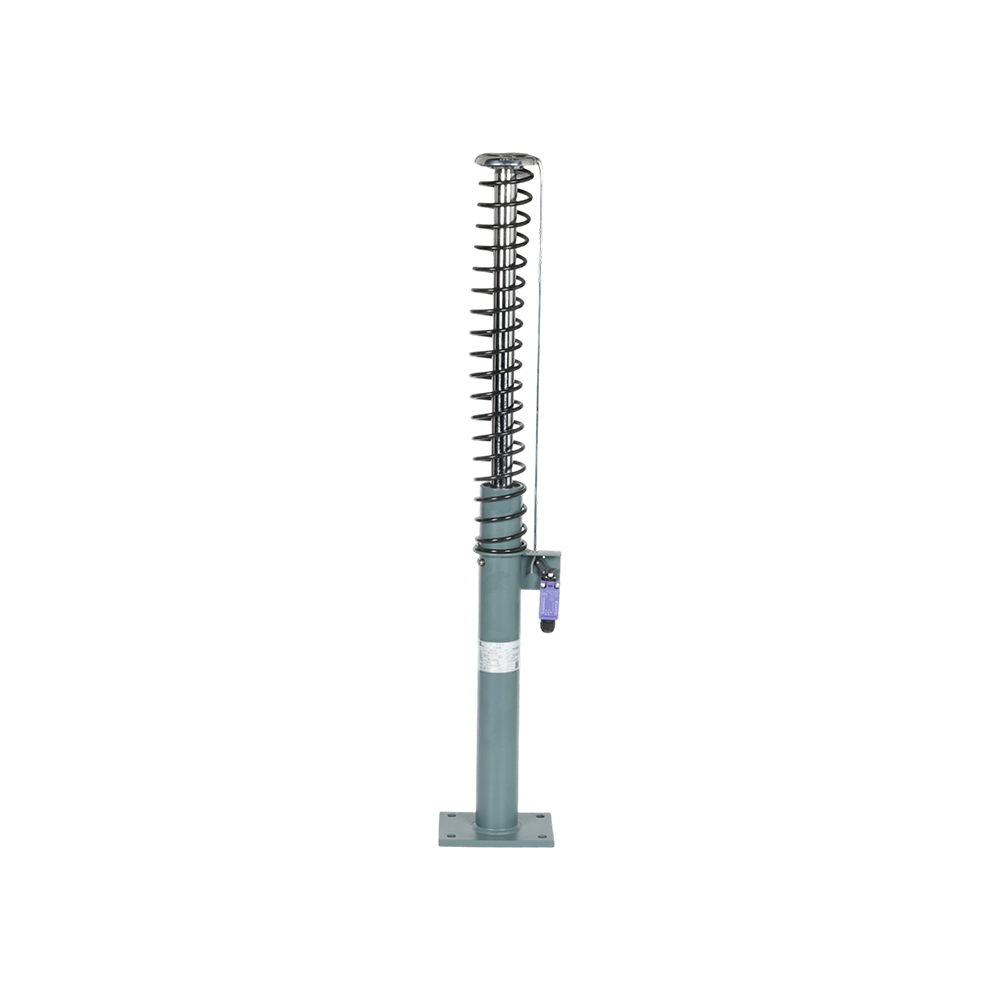
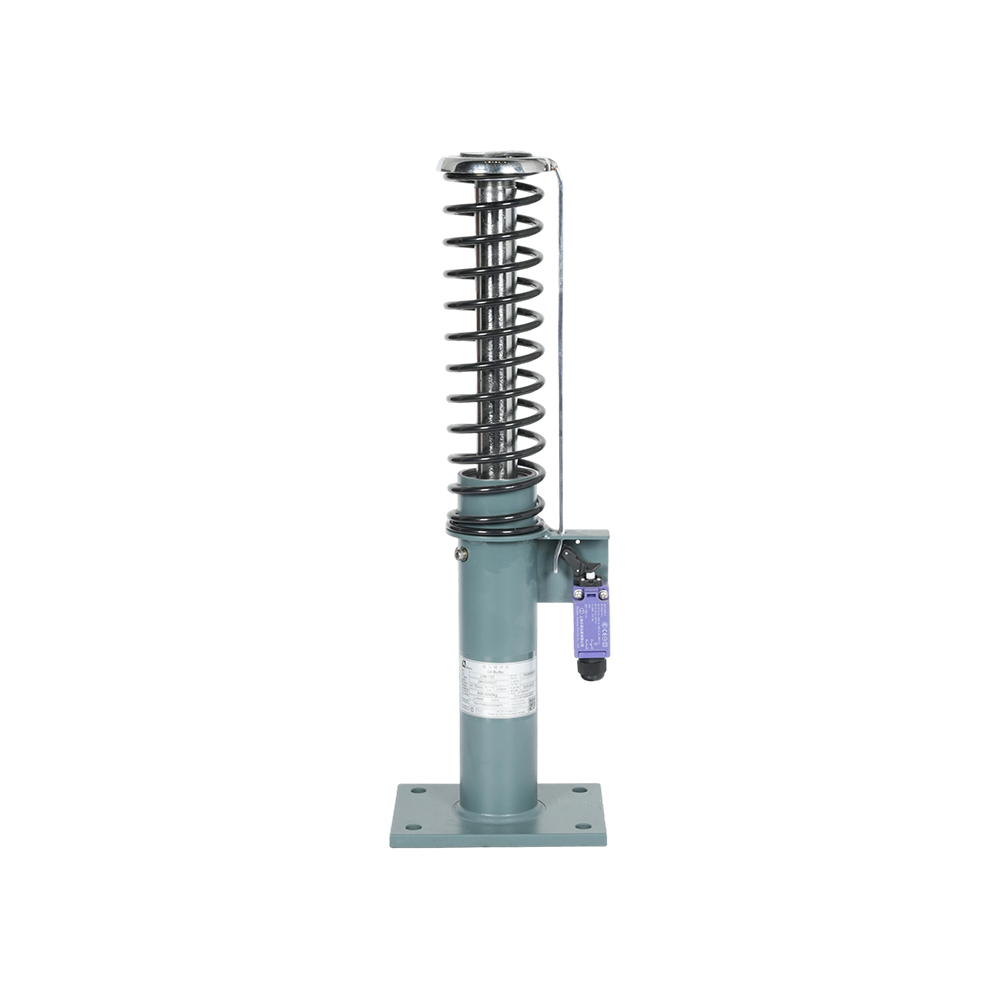
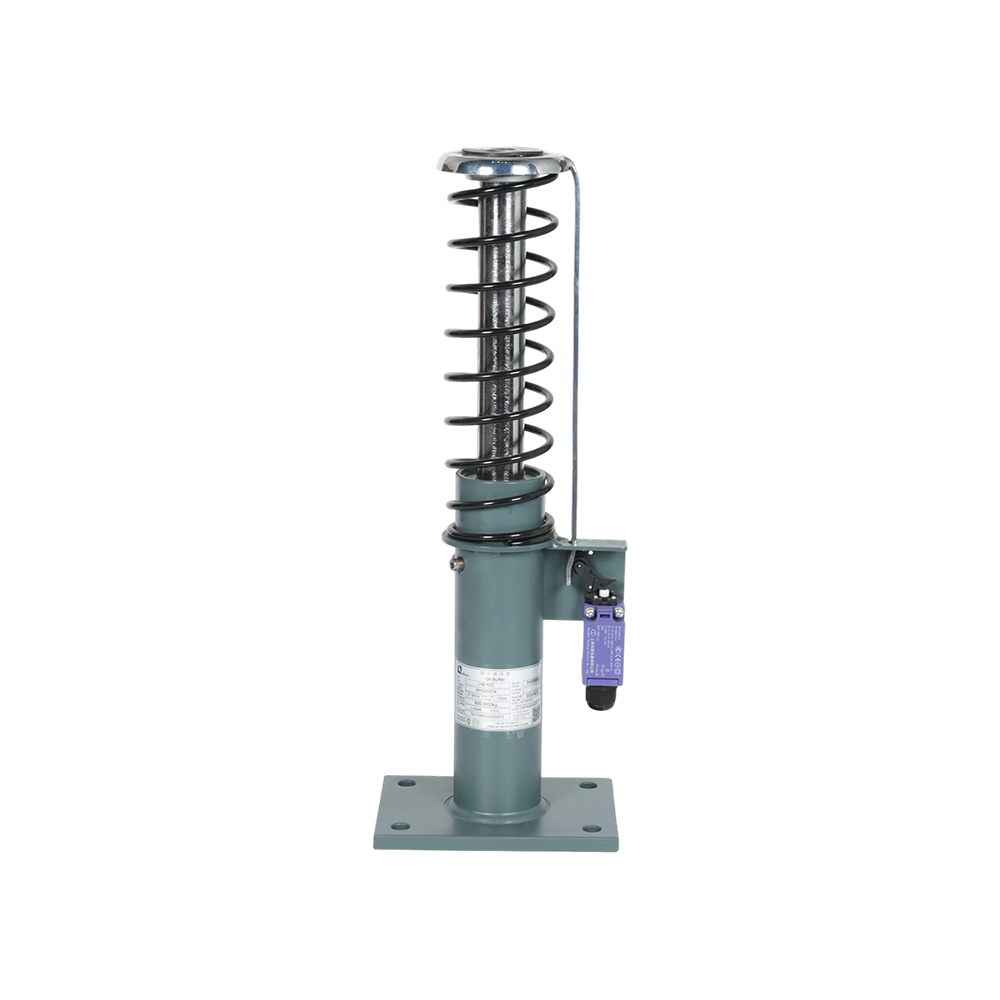
LHB100D elevator safety oil buffer combines a dual buffering mechanism of springs and hydraulic oil, which can effectively absorb the impact energy when the elevator car or counterweight device descends uncontrollably, reducing damage to the elevator structure and passengers. LHB100D elevator safety oil buffers are typically installed at the bottom of the elevator shaft to ensure they are ready to operate in the event of an elevator loss of control. During installation, ensure the buffers are securely fixed and avoid significant tilting to avoid safety hazards caused by improper installation. The hydraulic oil level in the buffers should be checked regularly to ensure they are functioning properly. LHB100D elevator safety oil buffers are widely used in residential elevators, small commercial elevators, and as retrofits in older buildings. Their compact design and efficient buffering performance make them an ideal choice for low-speed elevators. In these applications, buffers not only protect passengers but also extend the life of the elevator and reduce maintenance costs.
Our Strengths, Your Competence
Cooperate with LIFTECH to provide you with reliable, high-quality, innovative, and sustainable elevator component solutions.
We understand that privacy protection is crucial for our clients, and we take it seriously. We are committed to protecting your privacy and ensuring your personal information and business details are kept confidential.
Rest assured that your personal information and business details will never be shared with any third party without your express consent. We will use your information solely for the purpose of providing you with our services and fulfilling our contractual obligations to you.
About Us
Shanghai Liftech Elevator Accessories Co., Ltd.
Founded in 2004, Shanghai Liftech Elevator Accessories Co., Ltd. is a specialized enterprise dedicated to the R&D, manufacturing, testing, and sales of elevator safety components. With over two decades of sustained development, Liftech has established itself as a leading manufacturer in China's elevator safety sector, providing high-quality products and solutions to a wide range of major elevator brands and engineering clients across domestic and international markets. We are China Wholesale LHB100D Elevator safety Oil buffer Suppliers and OEM LHB100D Elevator safety Oil buffer Manufacturers, For over 20 years, LIFTECH (est. 2004) has been a trusted force in the R&D, manufacturing, and full lifecycle support of premium elevator safety components.
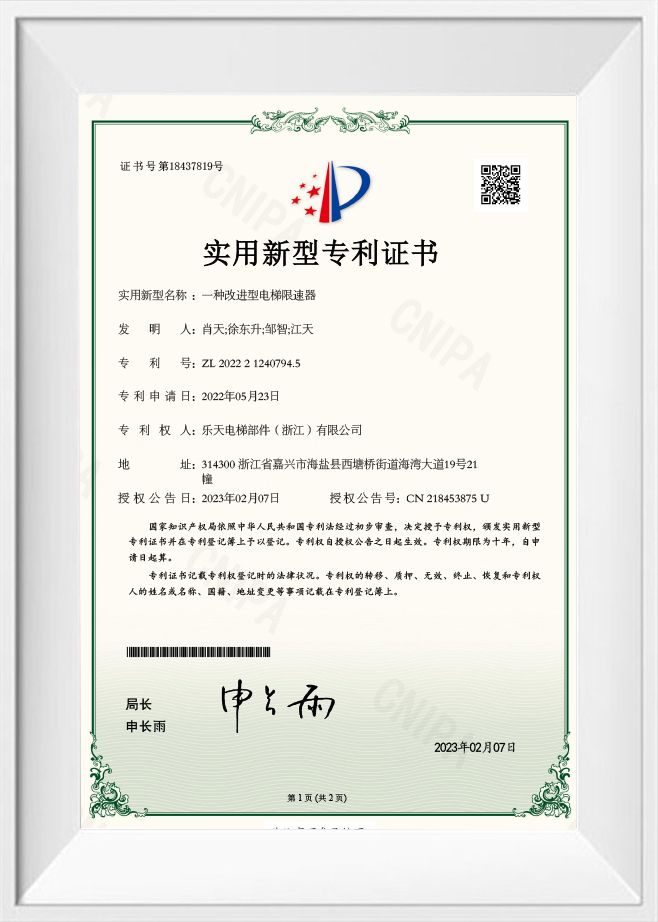
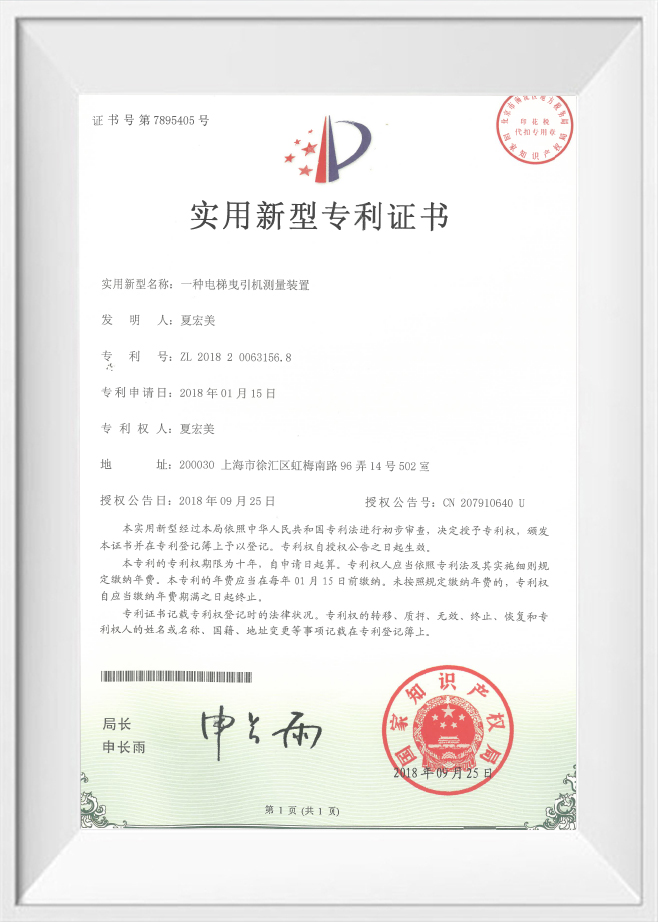
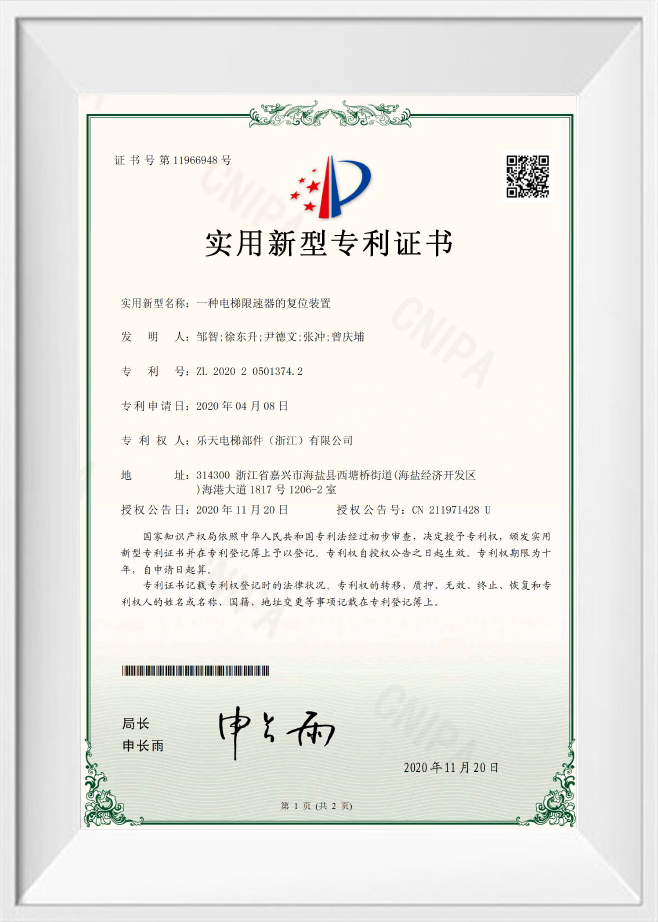
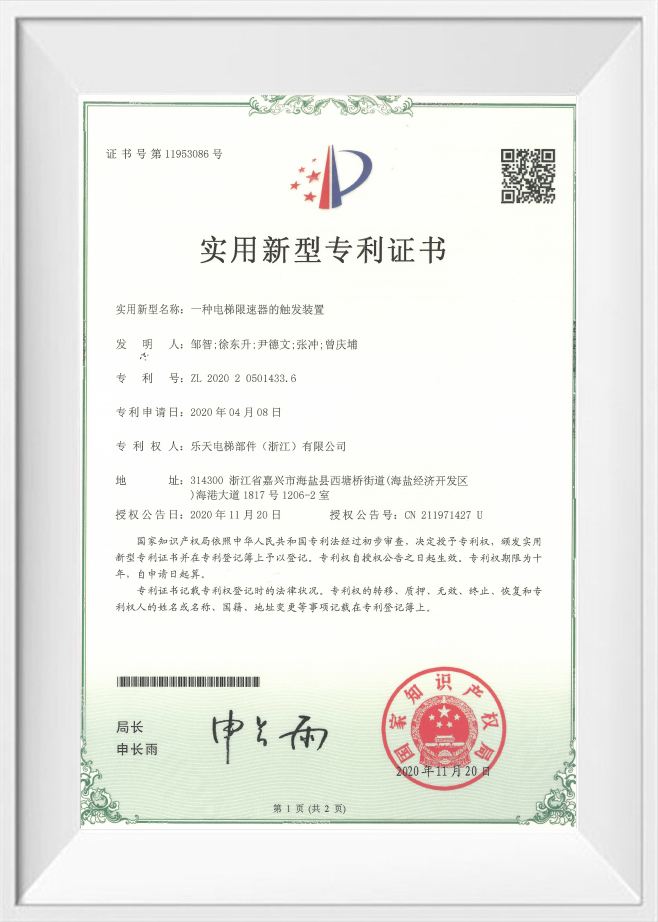
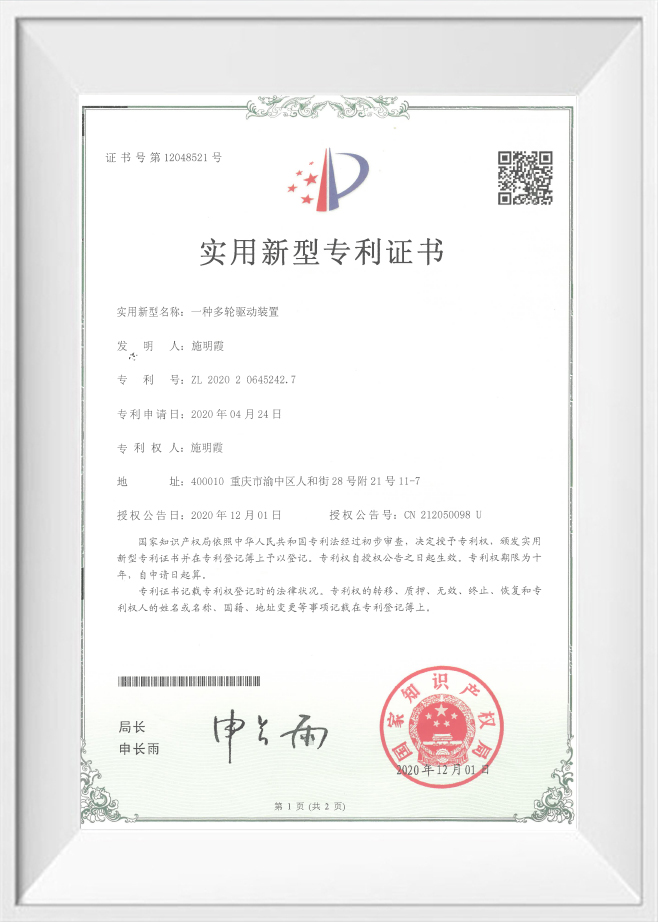
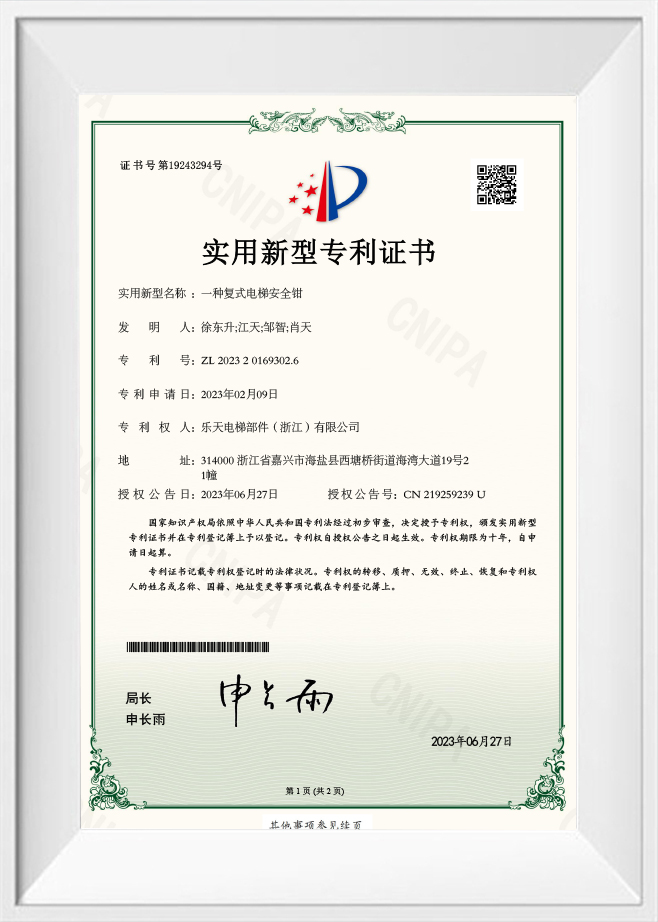
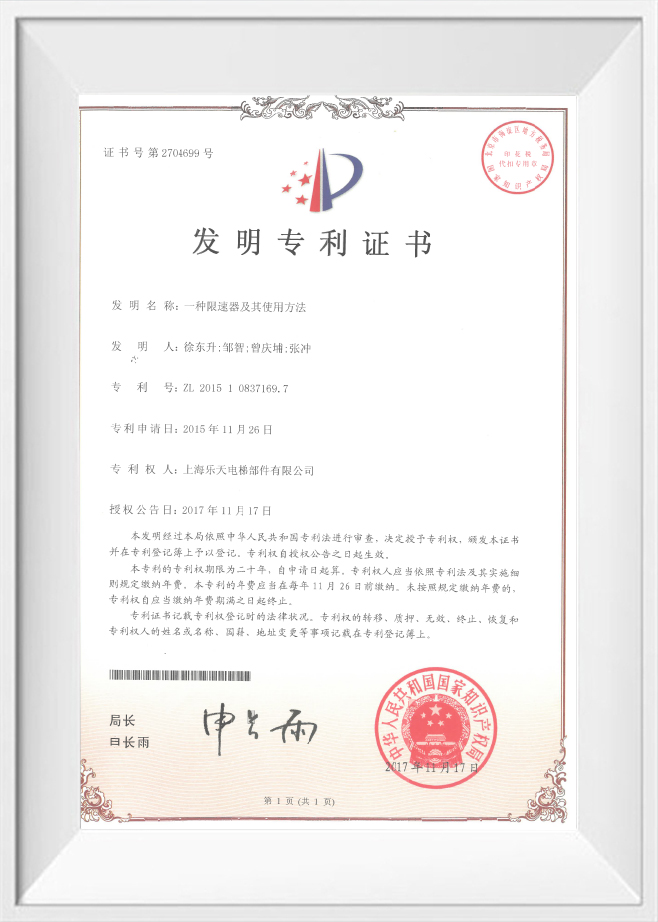
Certificate Of Honor
News
-
-
A 4,000 kg freight car suspended on six 13 mm ropes is not held by a brake that was quoted against rated load alone. Rope brakes fail at the specification stage far more often than they fail in serv...
READ MORE -
A progressive safety gear has to hold car deceleration between 0.2 g and 1.0 g, the band fixed by EN 81-20:2014 clause 5.6.2.3.2. That band is only reachable when both wedges touch the guide rails w...
READ MORE -
On a 1.6 m/s machine-room-less lift with five 8x19S traction ropes, a rope brake either holds 125 percent of rated load or it slips, and which of the two happens is decided in the clamping force cal...
READ MORE

Copyright © Shanghai Liftech Elevator Accessories Co., Ltd. All rights reserved. China Wholesale LHB100D Elevator safety Oil buffer Suppliers
