

 English
 中文简体
中文简体 русский
 Español
 Deutsch


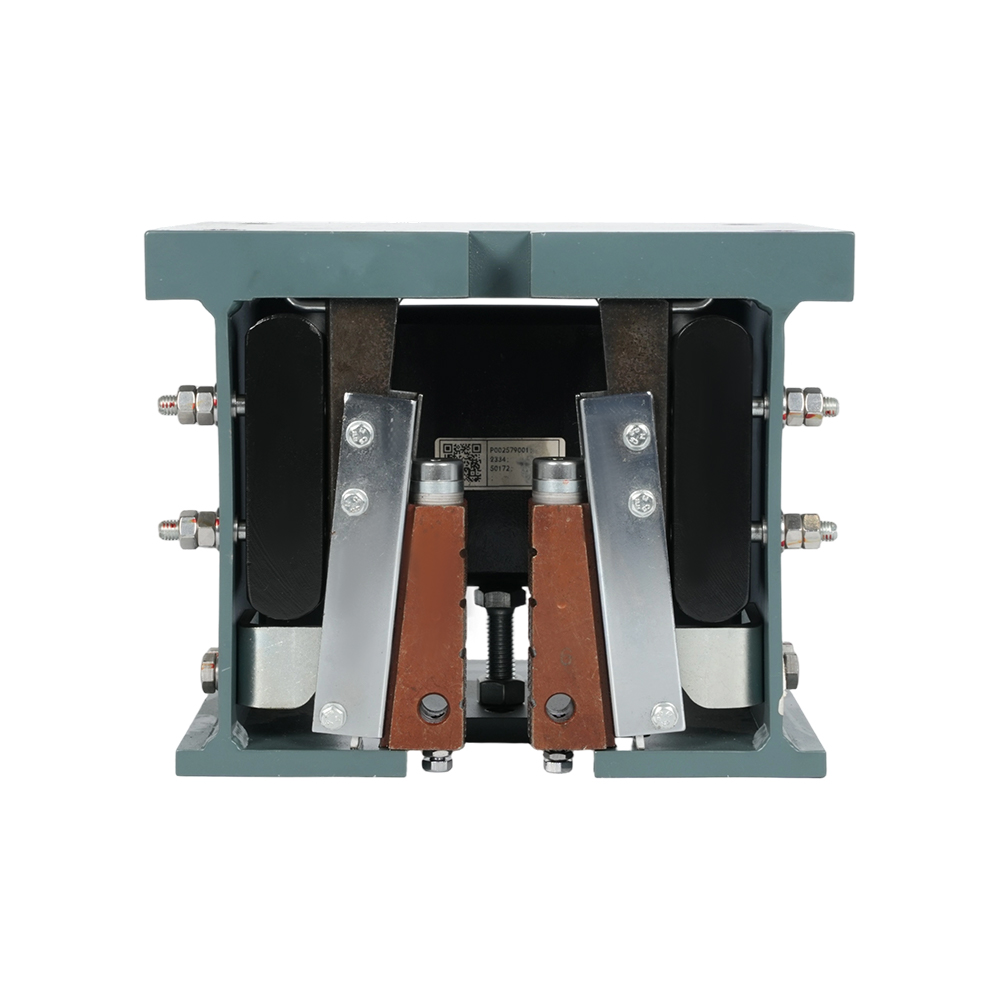
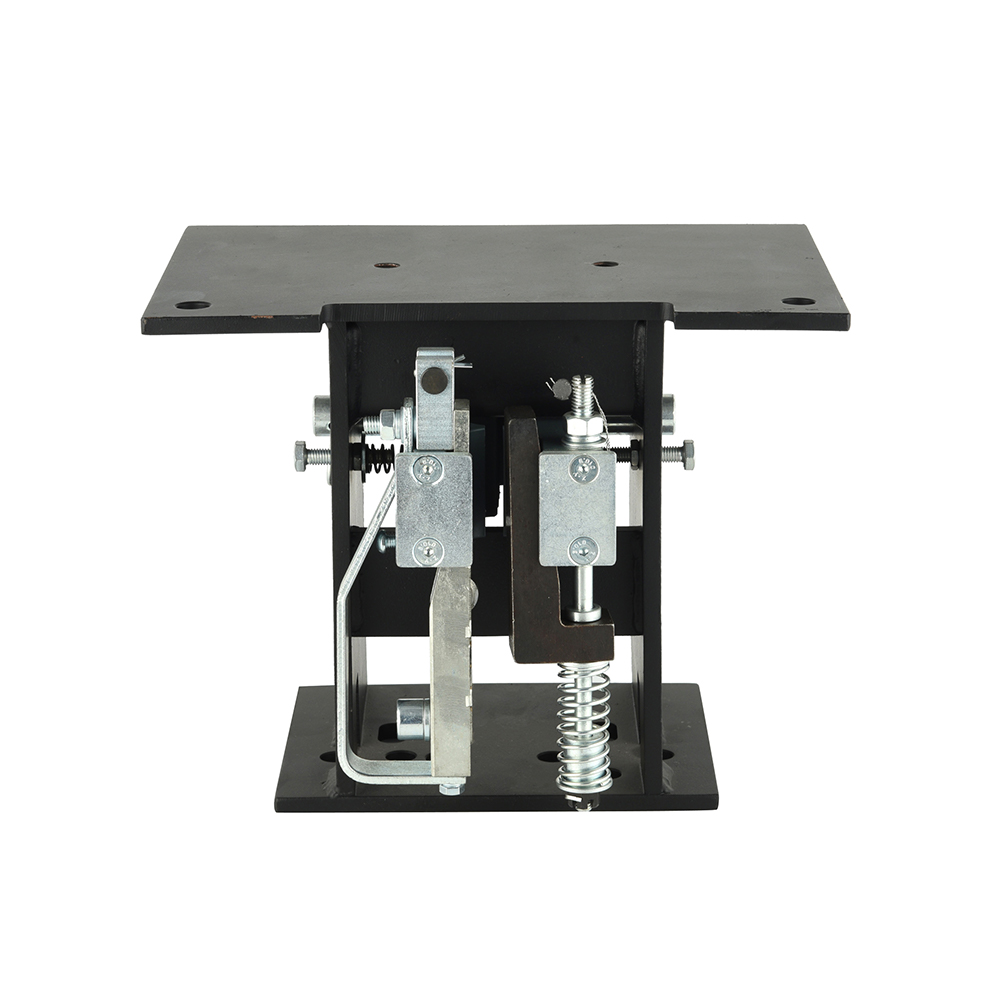
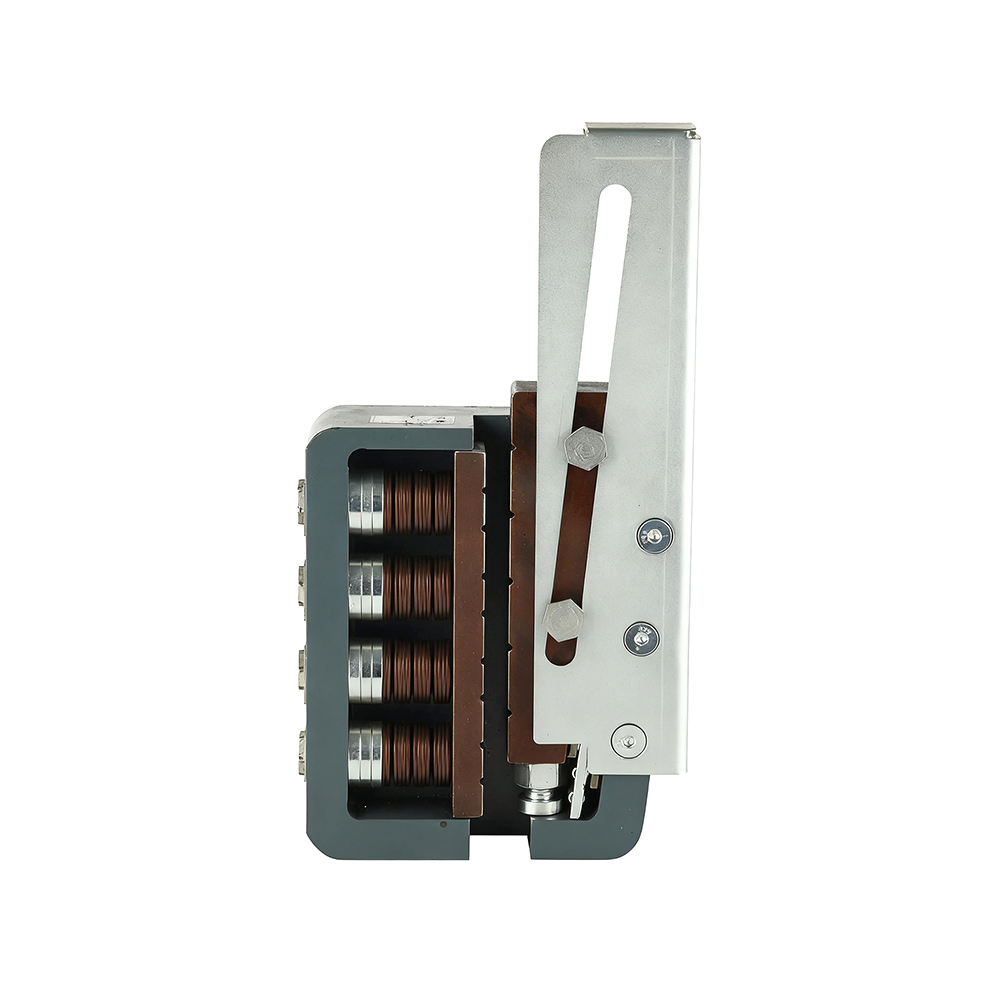
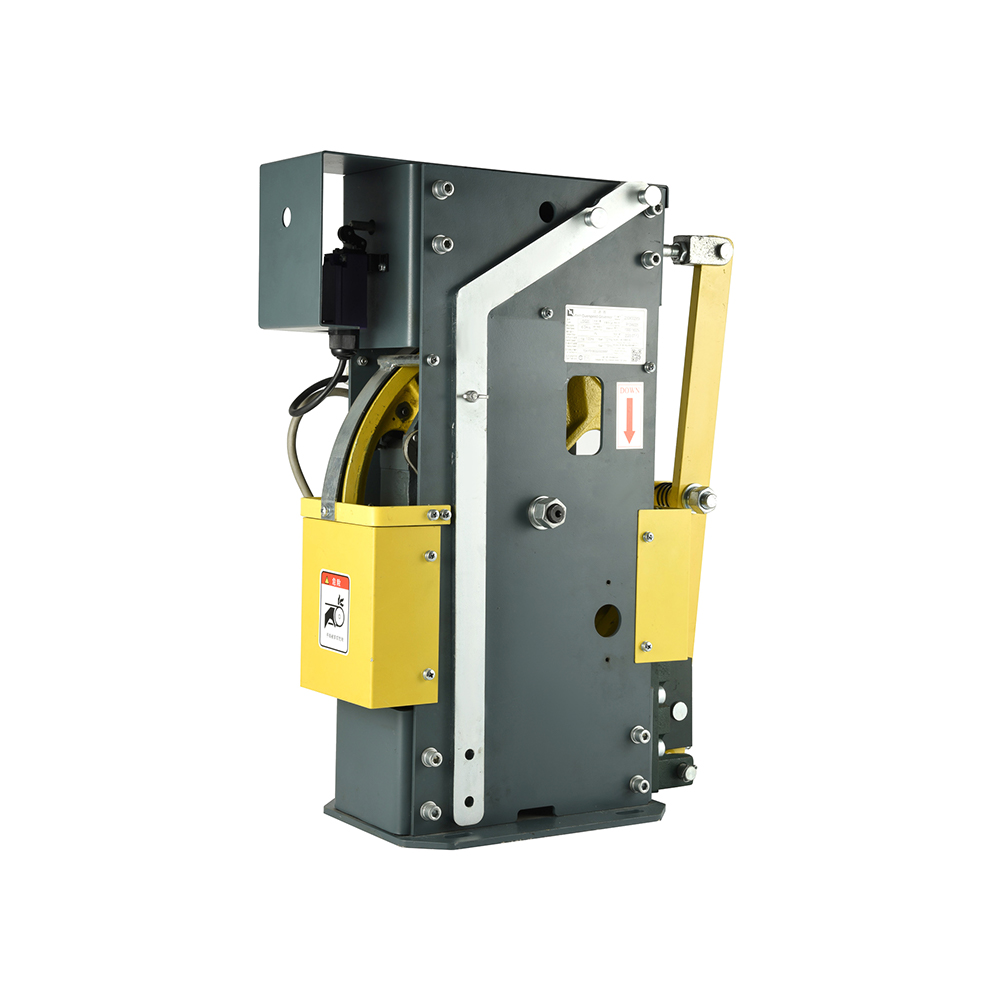
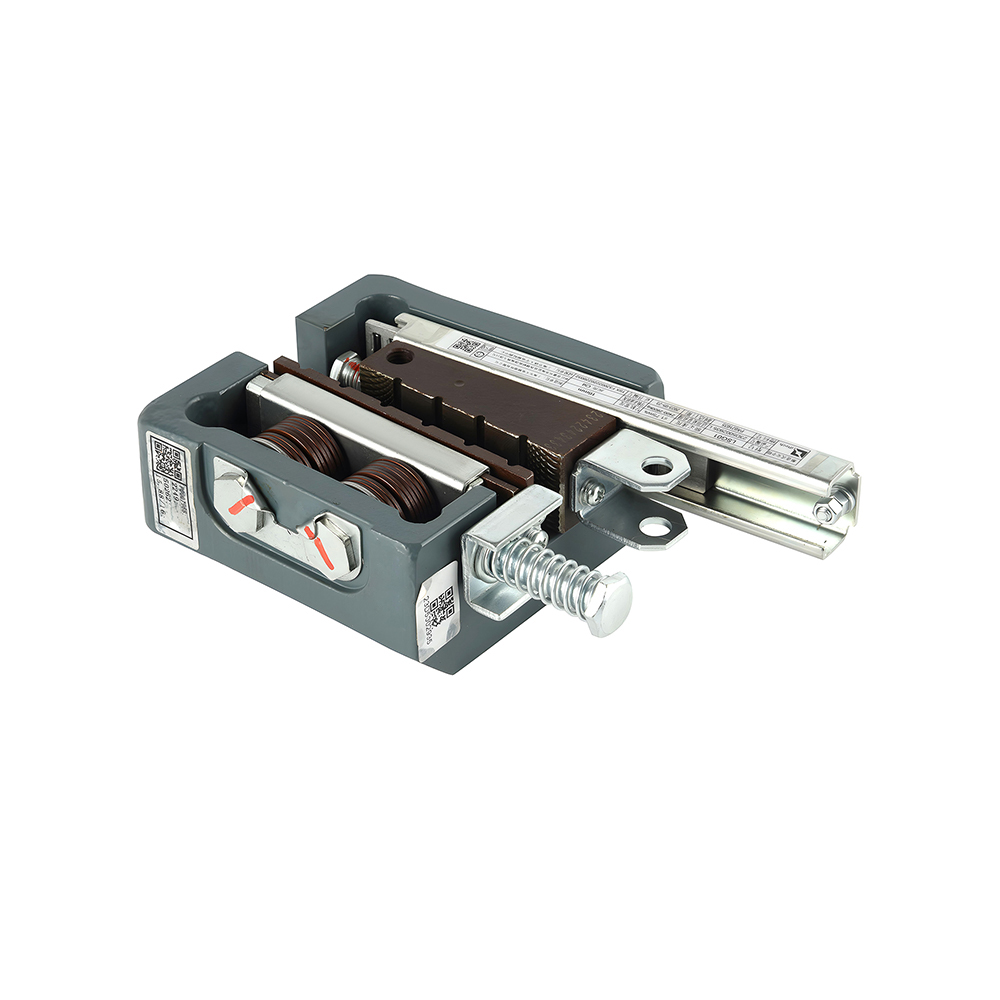
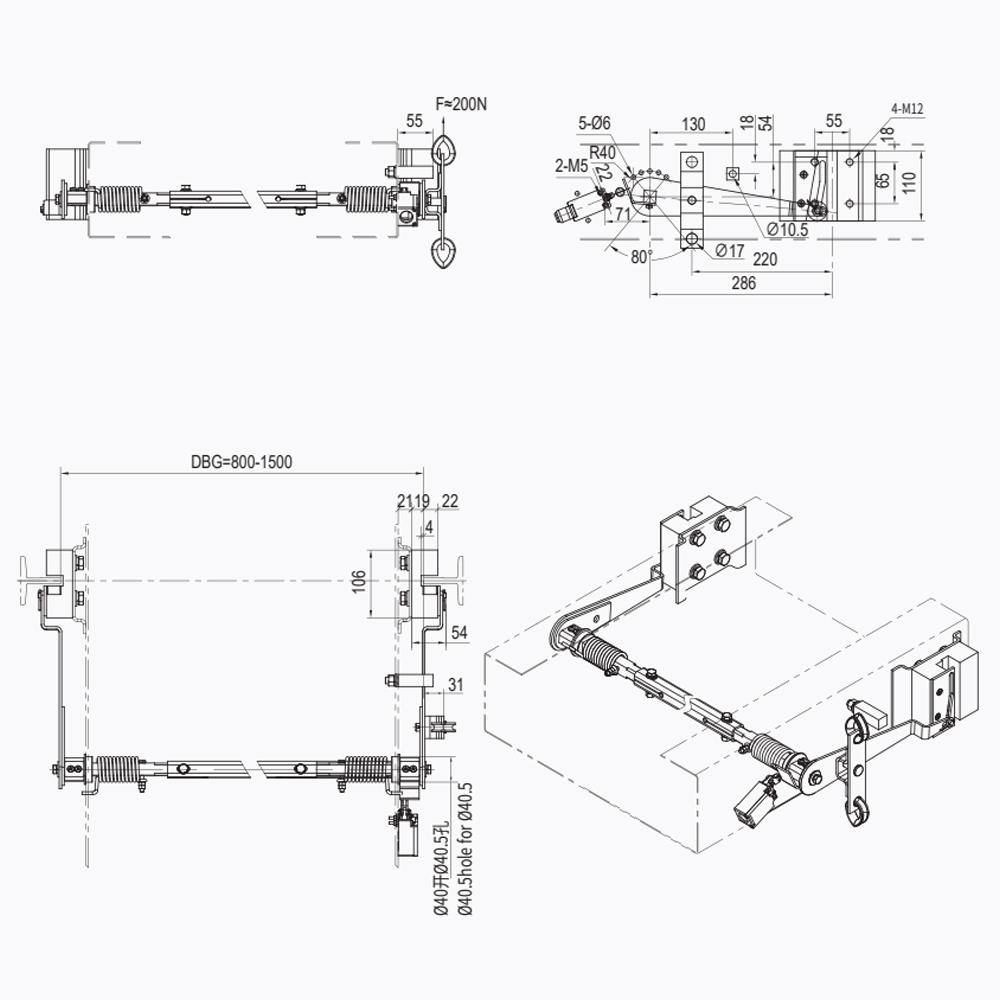
Standard safety components may not perform optimally at speeds exceeding 2.5 m/s or in buildings over 30 stories. Challenges include managing the massive kinetic energy that must be dissipated safely, ensuring prompt and accurate overspeed detection despite system inertia, and maintaining precise alignment and triggering over long guide rail runs where deflection can occur.
High-Rise and High-Speed Elevator Safety Systems
-- Steady & Reliable Manufacturer --
High-rise and high-speed elevators present unique safety challenges due to greater kinetic energy, longer travel distances, increased rope stretch, and higher precision requirements. This category encompasses a coordinated system of components—including specialized safety gears, governors, buffers, and sometimes rope tension monitoring devices—designed to function reliably under these demanding conditions.
Recommended Products
The Key Problem We Solve
Typical Applications
- Skyscrapers and tall commercial/residential buildings.
- High-speed passenger elevators in airports, hotels, and corporate towers.
- Express elevator shafts serving specific building zones.
- Modern elevator systems with rated speeds from 2.5 m/s up to 10 m/s or more.
- Projects where ride comfort during a safety stop is a critical design parameter.
Product Advantages
| Typical Speed Range | 2.5 m/s to 10.0 m/s+ |
| Safety Gear Type | Progressive Safety Gear (predominant), with precision machining. |
| Governor Requirement | High-precision, often with dual detection systems or electronic verification. |
| Buffer Energy Capacity | Extremely high (e.g., 50,000 to 300,000+ Joules per buffer). |
| System Reaction Time | Minimized through low-inertia governor design and optimized linkage. |
| Testing Standard | Rigorous dynamic testing at rated load and speed, often witnessed by third parties. |
| Key Standards | EN 81-20/50, ASME A17.1 (High-Speed Addenda), local tall building codes. |
Selection & Compliance Considerations
Energy Management Strategy: The entire safety chain must be designed cohesively. The governor must trip early enough to engage the safety gear with sufficient stopping distance remaining, and the buffer must have the capacity for the residual energy, considering rope elasticity.
Dynamic System Modeling: For super high-speed projects, computer simulations of the entire elevator dynamics (car, ropes, safety gear engagement, buffer impact) are often conducted to verify performance and ensure passenger G-forces remain within acceptable limits (e.g., < 1g).
Redundancy and Monitoring: Systems may incorporate redundant governor switches, electronic overspeed detectors that work in tandem with the mechanical governor, and sensors to monitor safety gear pre-tension and alignment.
Thermal Management: The immense heat generated in buffers and safety gear during an arrest must be dissipated without causing component failure or fire risk. Materials and designs must account for this.
FAQ
- Q: Why is progressive safety gear almost always used for high-speed elevators?
- A: Progressive safety gear provides a controlled, nearly constant deceleration. At high speeds, an instantaneous engagement would generate extremely high G-forces, posing a risk to passengers and imposing excessive stress on the car structure and guide rails. The smooth stop of progressive gear is essential for safety and comfort.
- Q: How is the governor tripping speed set for a very high-speed elevator?
- A: It is meticulously calculated based on the elevator's rated speed, total travel, available stopping distance, and the performance curve of the safety gear. The setting is extremely precise (often within ±2%) and is verified using high-accuracy calibration equipment. Redundant tripping mechanisms may be employed.
- Q: Are there special requirements for buffers in high-rise buildings?
- A: Yes. The kinetic energy is proportional to the square of the speed. Buffers must have enormous energy capacity, which often means large strokes and diameters. They may also require special cooling fins or designs to handle the heat load. Their placement and foundation in the pit must be engineered to withstand the tremendous forces involved.
About Us
Shanghai Liftech Elevator Accessories Co., Ltd.
Founded in 2004, Shanghai Liftech Elevator Accessories Co., Ltd. is a specialized enterprise dedicated to the R&D, manufacturing, testing, and sales of elevator safety components. With over two decades of sustained development, Liftech has established itself as a leading manufacturer in China's elevator safety sector, providing high-quality products and solutions to a wide range of major elevator brands and engineering clients across domestic and international markets. We are ,China Wholesale High-Rise and High-Speed Elevator Safety Systems Suppliers and High-Rise and High-Speed Elevator Safety Systems OEM/ODM Manufacturers
For over 20 years, LIFTECH (est. 2004) has been a trusted force in the R&D, manufacturing, and full lifecycle support of premium elevator safety components.
Material Selection Guide
| Component | Standard High-Speed (e.g., 4-6 m/s) | Ultra High-Speed / Premium (e.g., 8-10 m/s+) |
| Safety Gear Wedge | High-Grade Alloy Steel, Vacuum Hardened, precision ground. | Specialized tool steel or super-alloy, with advanced surface treatments (e.g., PVD coating) to reduce friction and wear. |
| Guide Rail Contact | Replaceable, hardened steel liners with low-friction coating. | Composite material pads (e.g., carbon composite) designed for stable friction coefficient across a wide temperature range. |
| Linkage Mechanism | Forged steel links with needle roller bearings. | Machined from solid alloy steel blocks, with aerospace-grade spherical bearings for zero backlash. |
| Governor Flyweights | Precision balanced steel. | Tungsten alloy weights for higher centrifugal force with smaller size, reducing inertia. |
| Buffer Cylinder | Thick-walled honed steel. | Forged steel cylinder with internal honing and special porting for ultra-smooth fluid flow at high speeds. |

