

 English
 中文简体
中文简体 русский
 Español
 Deutsch


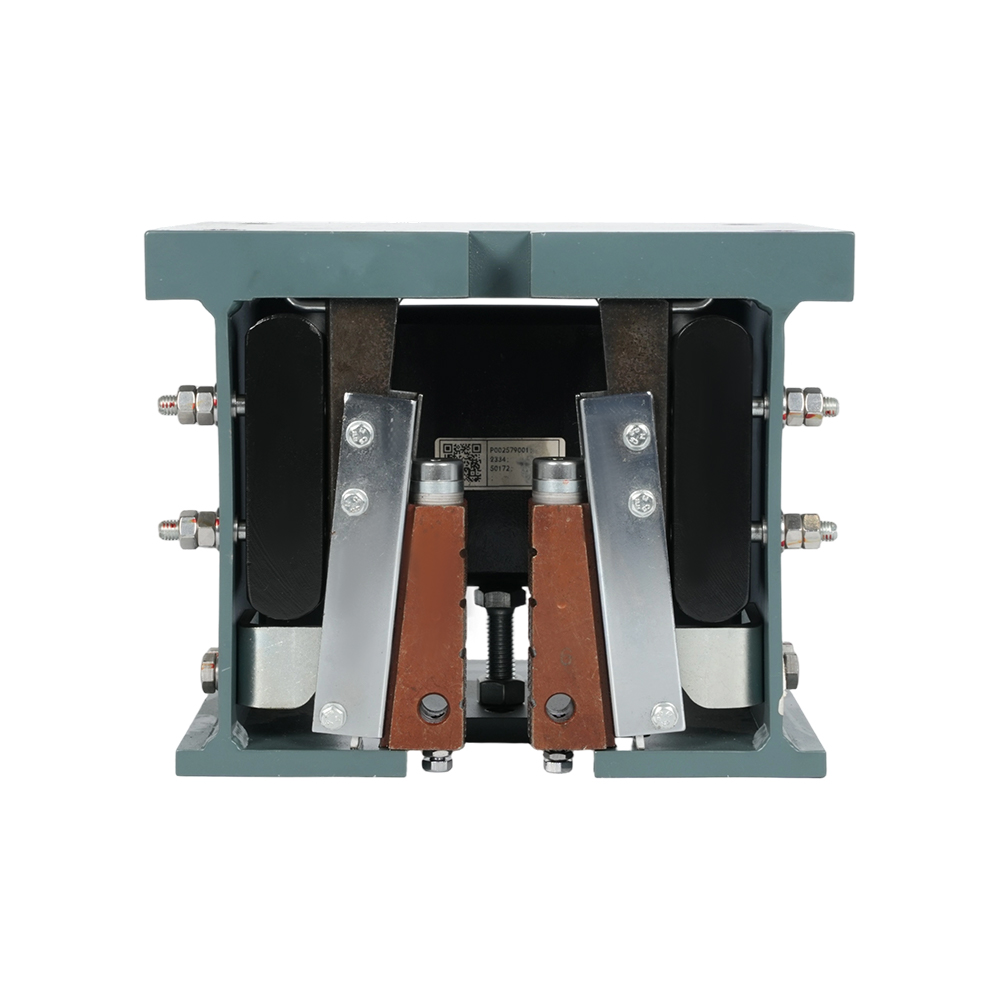
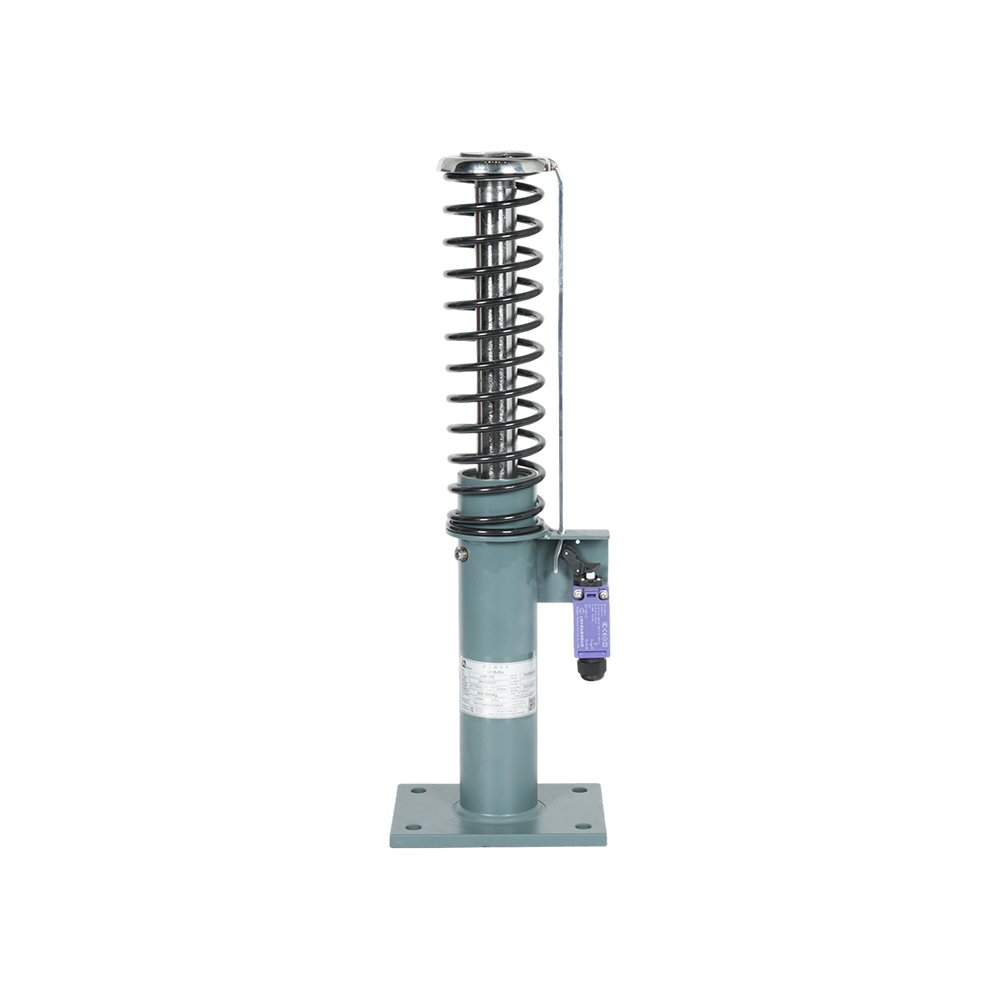
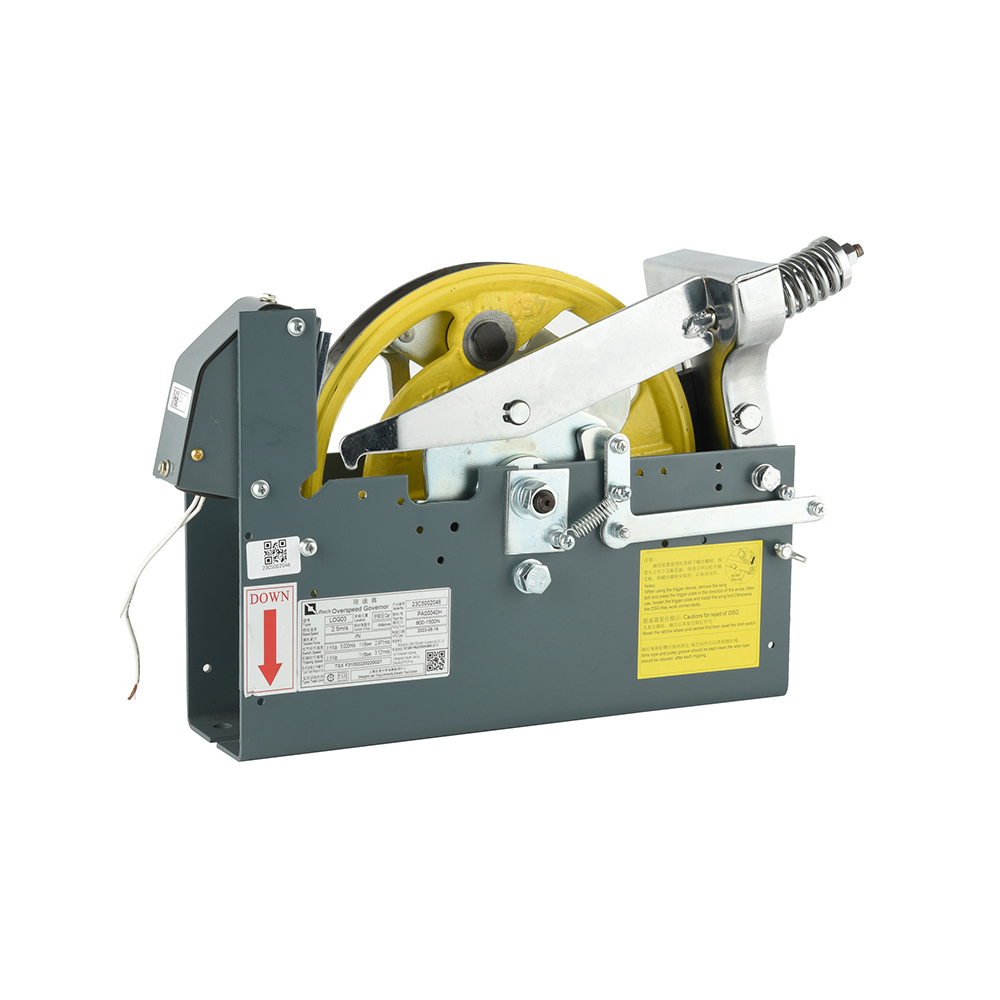
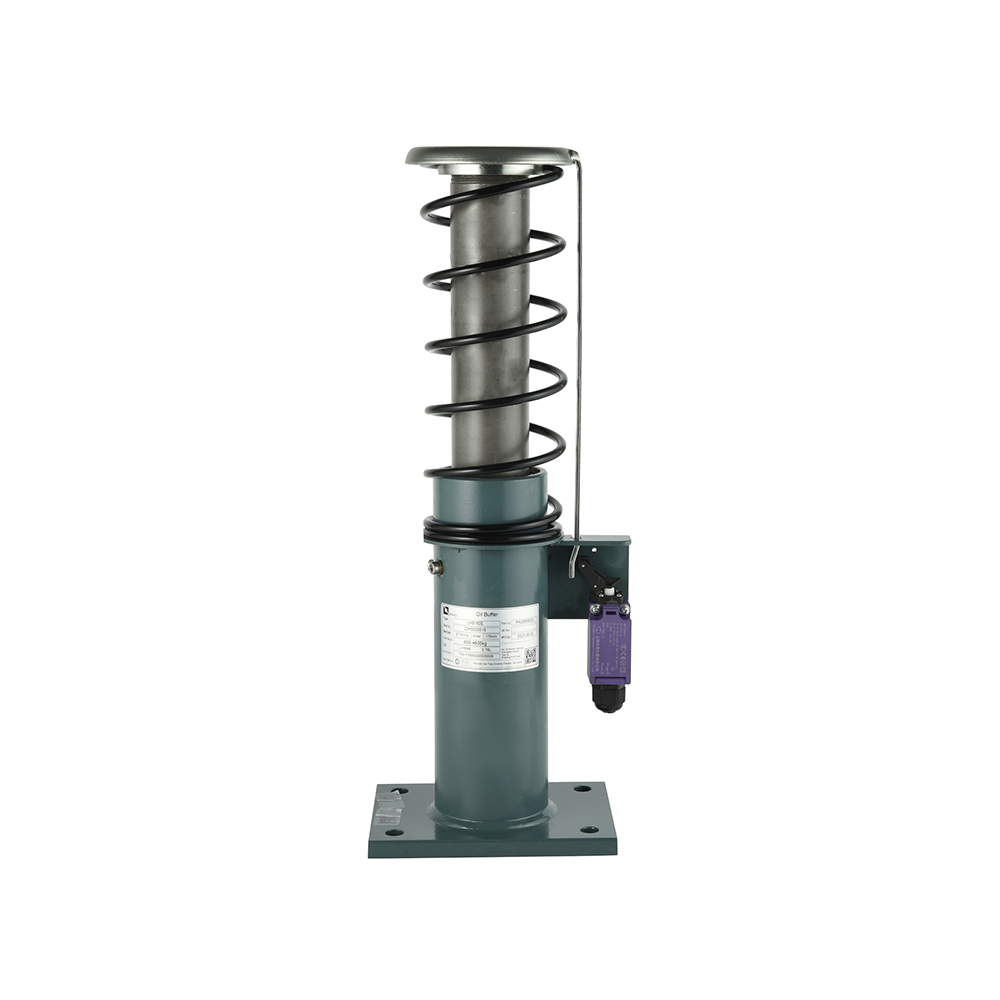
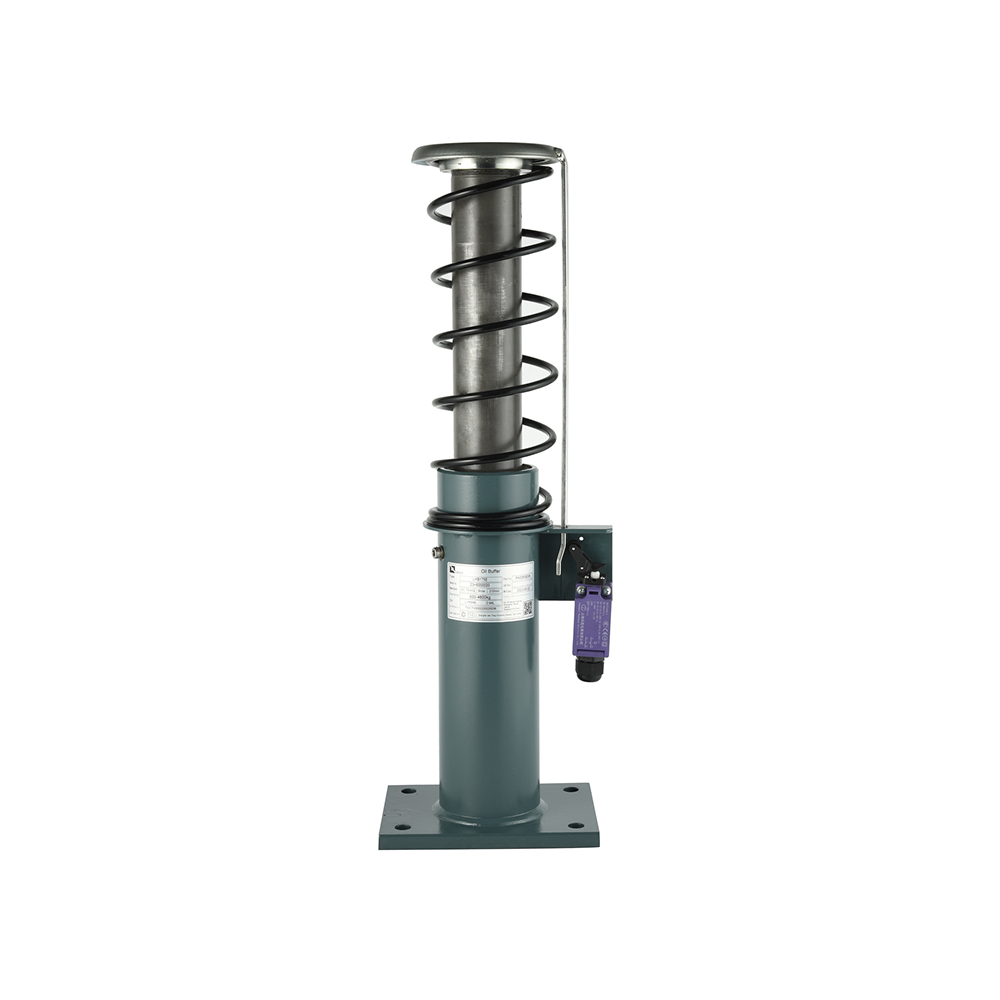
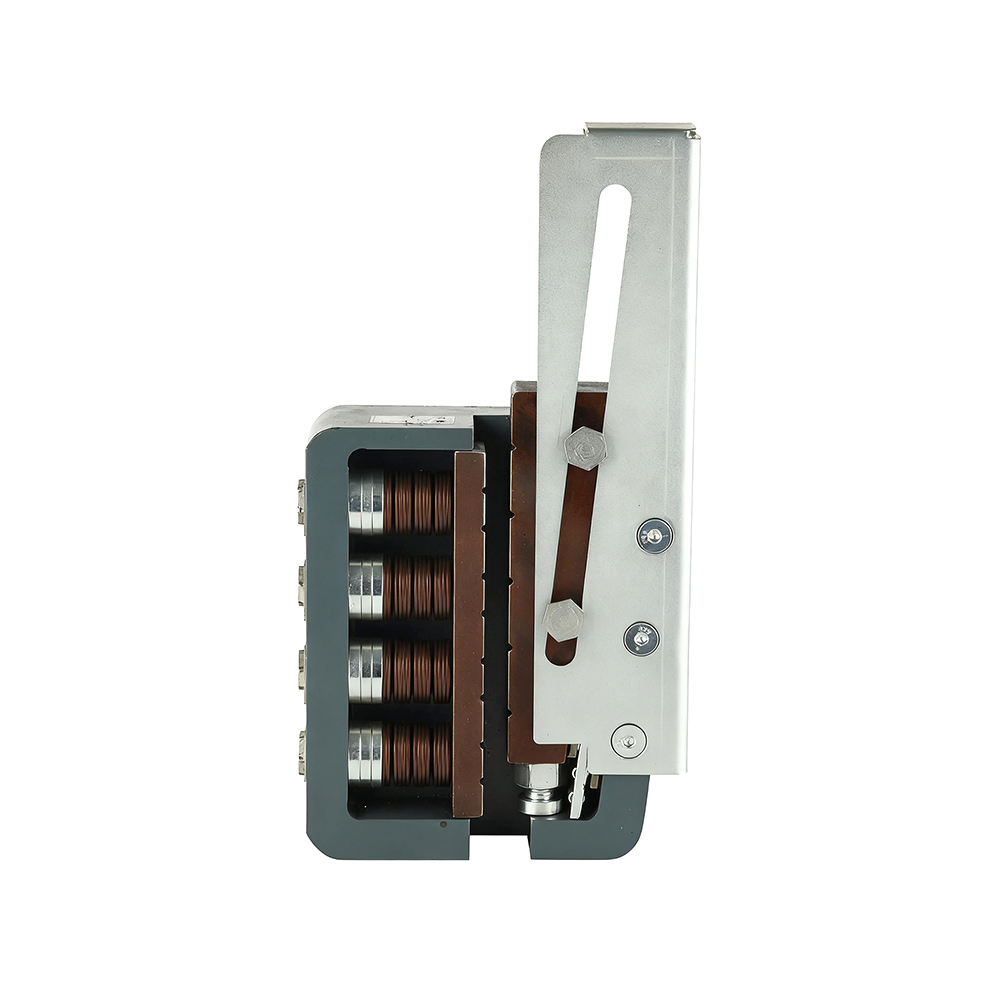
Standard elevator safety components are validated for a typical ambient range of -5°C to +40°C. In high-heat environments, these components fail in predictable but dangerous ways: lubricants evaporate or decompose, leading to seizure; elastomeric seals harden and crack, causing leaks in buffers; metal components may anneal (lose temper), reducing strength; and differential expansion can jam moving parts. Perhaps most critically, the calibration of overspeed governors and the friction characteristics of safety gears can drift outside safe tolerances. The problem is that the elevator's last-resort safety system becomes potentially inoperative at the very time and place where machinery stress and the need for reliable safety might be greatest. High-temperature rated parts solve this by using a thermally robust material science approach. They ensure that every aspect of the component—from its structural core to its smallest seal—is selected and tested to perform its specific function at the elevated temperature, guaranteeing that the safety system will engage and function as designed, regardless of the oppressive heat in the machine room, hoistway, or industrial plant.
High-Temperature Rated Lift Safety Parts
-- Steady & Reliable Manufacturer --
High-temperature rated lift safety parts are engineered to maintain structural integrity, mechanical function, and calibrated performance in environments where ambient temperatures routinely exceed standard industrial limits (typically >50°C) or where components are subject to intense internal heat generation. This is critical for elevators serving industrial processes like foundries, glass manufacturing, baking facilities, power plant boiler rooms, or in geographical regions with extreme climates. The challenge extends beyond ambient heat to include frictional heat generated within safety gears during a prolonged slide stop. High-temperature design involves selecting materials that retain strength and do not undergo phase changes or excessive creep; using high-temperature stable lubricants (synthetic, graphite-based, or solid film) that do not burn off or carbonize; specifying heat-resistant seals and gaskets (e.g., fluorocarbon, silicone, ceramic fiber) for hydraulic buffers; and ensuring thermal expansion compatibility between mating parts to prevent binding or loss of clearance. For safety gears, this may involve using special alloy steel jaws and liners with stable friction coefficients at elevated temperatures. For governors, it requires springs with low thermal coefficient and bearings with high-temperature grease. These components undergo rigorous testing and validation to certify their operation across the specified temperature spectrum, ensuring that the elevator's final safety defense remains reliable even when the surrounding environment or its own operation pushes thermal boundaries.
Recommended Products
The Key Problem We Solve
Typical Applications
- Elevators in steel mills, foundries, and metal processing plants near furnaces or hot rolling lines.
- Service lifts in commercial bakeries, brick kilns, and ceramic factories.
- Elevators in power generation facilities, especially near turbines or boiler rooms.
- Industrial lifts in chemical plants with exothermic processes.
- Elevators in desert or tropical regions where rooftop machine rooms can exceed 60°C.
- Any application where the safety gear itself may be subjected to high frictional heat during an extended progressive stop.
Product Advantages
| Operating Temperature Range | Rated for continuous operation from -10°C up to +80°C, +120°C, or even +150°C for specific components. |
| Material Heat Treatment | Use of tempering processes that ensure strength (hardness) is maintained at high temperature (e.g., secondary tempering). |
| Lubrication | High-temperature synthetic grease (e.g., polyurea, PFPE), graphite, or molybdenum disulfide (MoS2) based dry lubricants. |
| Seal & Gasket Materials | FKM (Viton), FFKM (Kalrez), Silicone (VMQ), or compressed asbestos-free fiber (CAF) gaskets. |
| Thermal Compensation | Design allowances for differential expansion between parts (e.g., larger clearances, use of similar expansion coefficient materials). |
| Testing & Certification | Components may be type-tested at elevated temperatures to verify trip speed stability and mechanical function. |
Selection & Compliance Considerations
The first step is accurately defining the maximum ambient temperature and whether it is constant or cyclical. Also consider radiant heat from nearby equipment. Select components from a manufacturer's high-temperature product line and verify the specific temperature rating for each part (governor, gear, buffer). Special attention must be paid to the buffer's hydraulic fluid and seals—standard oil will rapidly degrade. Specify buffers with synthetic high-temperature fluid and appropriate seals. For safety gears, inquire about the performance of friction liners at high temperature to avoid fade. Ensure all lubricants specified for assembly and maintenance are of the high-temperature type. Installation in such environments may also require heat shielding or ventilation for the components.
FAQ
- Q: Can a standard safety gear be used in a high-temperature environment if we just use high-temp grease? A> No. Grease is only one part of the system. The base metal's mechanical properties, the friction material's performance, the spring's temper, and the seals' integrity are all temperature-sensitive. Using high-temp grease on a standard gear might prevent seizure temporarily, but the core components could still fail (e.g., a spring losing its set, a liner disintegrating) under load at high temperature. A fully rated system is required.
- Q: How does heat affect the overspeed governor's calibration? A> Heat causes metal to expand and can change the modulus of elasticity of the governor's centrifuge spring. This alters the balance point between centrifugal force and spring force, changing the trip speed. A high-temperature governor uses spring materials (like Inconel or certain stainless steels) with a very low temperature coefficient and is calibrated/tested to ensure trip speed remains within tolerance across the full temperature range.
- Q: What about electrical components in governors or switches? A> Any electrical safety switches in the system must also be high-temperature rated. Standard switches can fail or their contacts can oxidize rapidly. High-temperature switches use special contact materials, high-grade insulation, and are often potted with high-temperature epoxy. For extreme environments, consider using purely mechanical governors without electrical switches for the critical trip function.
- Q: Are there special considerations for buffers in hot locations? A> Yes. High ambient temperature increases the internal pressure of a sealed oil buffer. It can also accelerate seal degradation and cause standard hydraulic oil to thin excessively, affecting the damping characteristic. High-temperature buffers use synthetic fluids with high viscosity indices and high flash points, along with seals rated for the temperature. They may also include a larger gas compensation chamber to handle fluid expansion.
About Us
Shanghai Liftech Elevator Accessories Co., Ltd.
Founded in 2004, Shanghai Liftech Elevator Accessories Co., Ltd. is a specialized enterprise dedicated to the R&D, manufacturing, testing, and sales of elevator safety components. With over two decades of sustained development, Liftech has established itself as a leading manufacturer in China's elevator safety sector, providing high-quality products and solutions to a wide range of major elevator brands and engineering clients across domestic and international markets. We are ,China Wholesale High-Temperature Rated Lift Safety Parts Suppliers and High-Temperature Rated Lift Safety Parts OEM/ODM Manufacturers
For over 20 years, LIFTECH (est. 2004) has been a trusted force in the R&D, manufacturing, and full lifecycle support of premium elevator safety components.
Material Selection Guide
| Component & Requirement | High-Temperature Material & Engineering Solution |
| Safety Gear Jaws & Liners (Frictional Heat) | Jaw Material: Hot-work tool steel (e.g., H13) or high-nickel alloy that retains hardness at elevated temperature. Liner Material: Sintered metallic liners (copper/iron based) or specialized ceramic composites that maintain a stable, high friction coefficient without fading or decomposing. |
| Governor Spring & Mechanism | Spring Material: Inconel X-750 or similar nickel-chromium superalloy with minimal change in spring rate across temperature. Bearings: High-temperature, solid-lubricated bearings (e.g., with graphite cages) or ceramic bearings. |
| Buffer Hydraulic System | Fluid: Synthetic ester-based or silicone-based hydraulic fluid with high flash point (>250°C) and high viscosity index. Seals: Perfluoroelastomer (FFKM) or high-grade FKM compounds specified for continuous high-temperature service. |
| General Structural Parts & Fasteners | Steel: Use of alloy steels with good high-temperature strength (e.g., 4140 heat-treated). Fasteners: Grade 8.8 or higher, with coatings like black oxide or zinc-nickel that are stable at high temperature (avoid standard zinc plating). |

