

 English
 中文简体
中文简体 русский
 Español
 Deutsch

Order a governor by rated speed alone and you will pay for it at the test tower. A 1.6 m/s passenger lift, a 1.6 m/s goods lift and a 1.6 m/s machine-room-less unit can each need a different governo...
READ MOREHome / Products / Oil Buffer / LHB-E Series Oil Buffer / LHB 175E hydraulic Buffer Lift Safety Parts
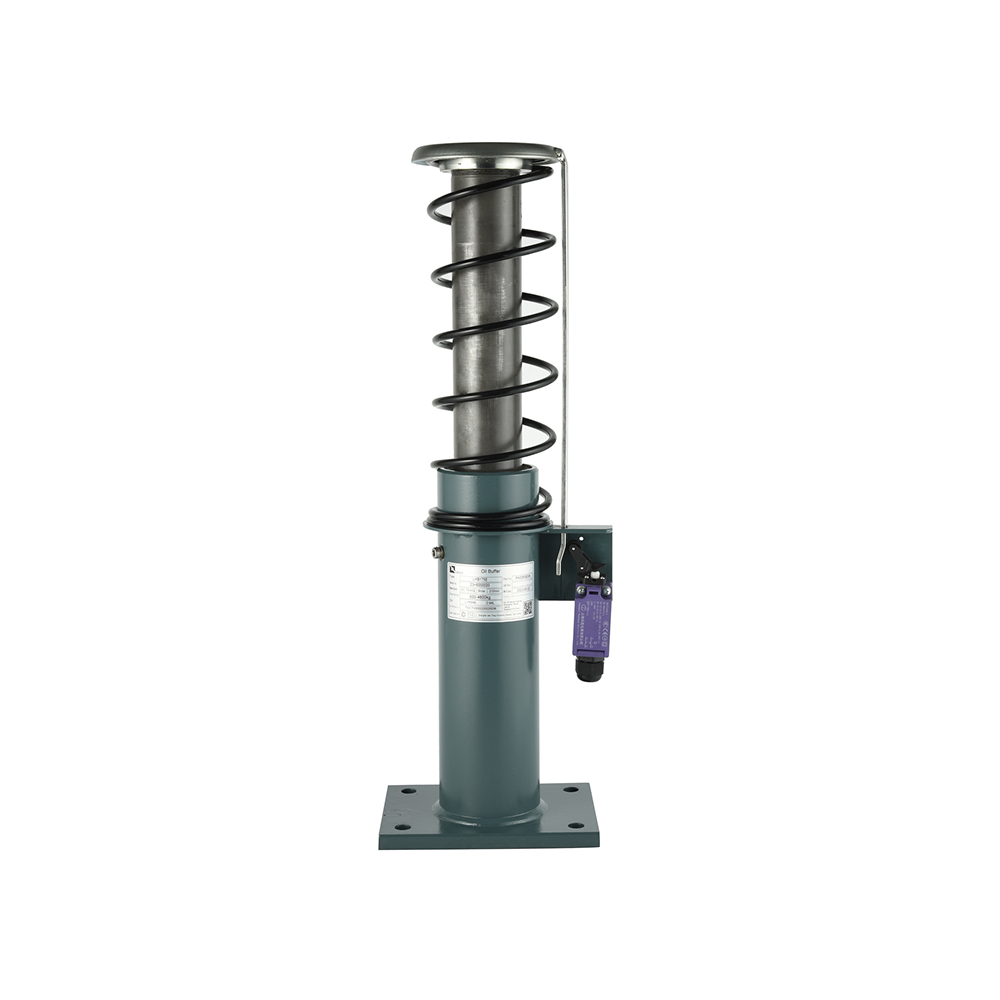
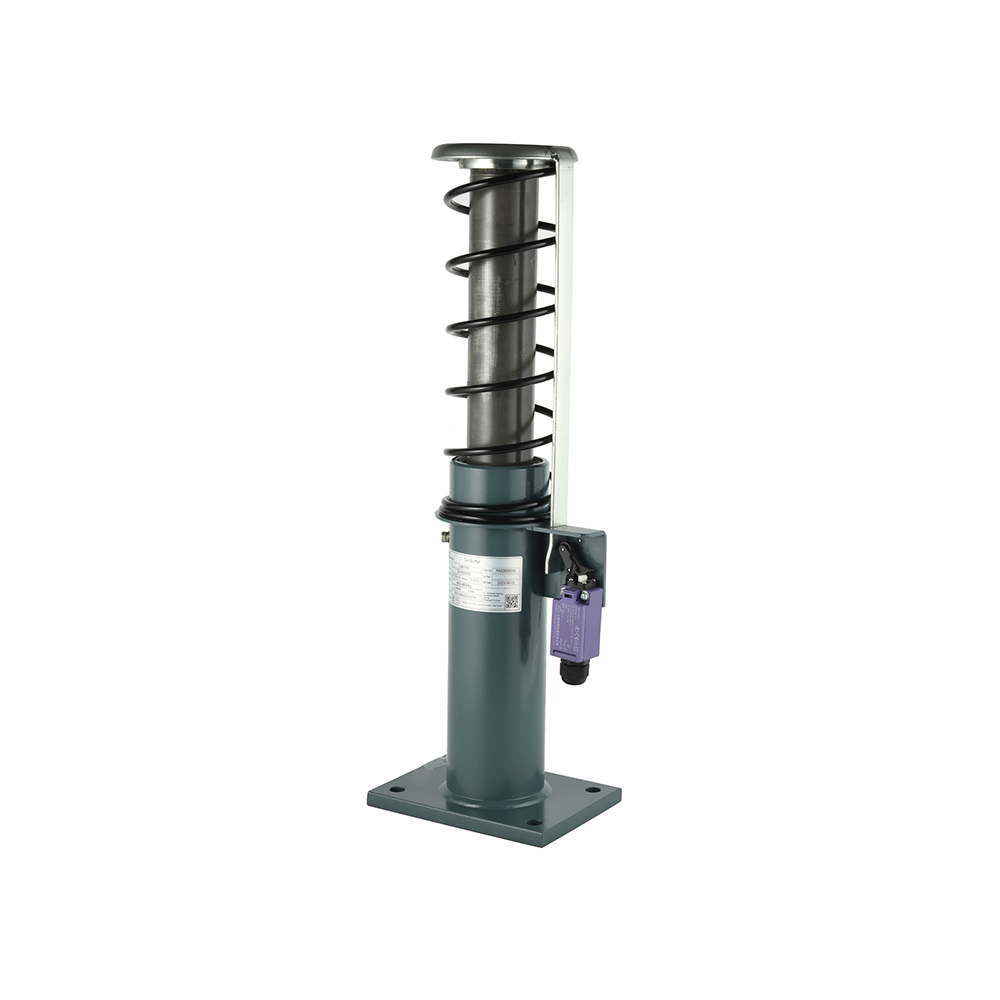
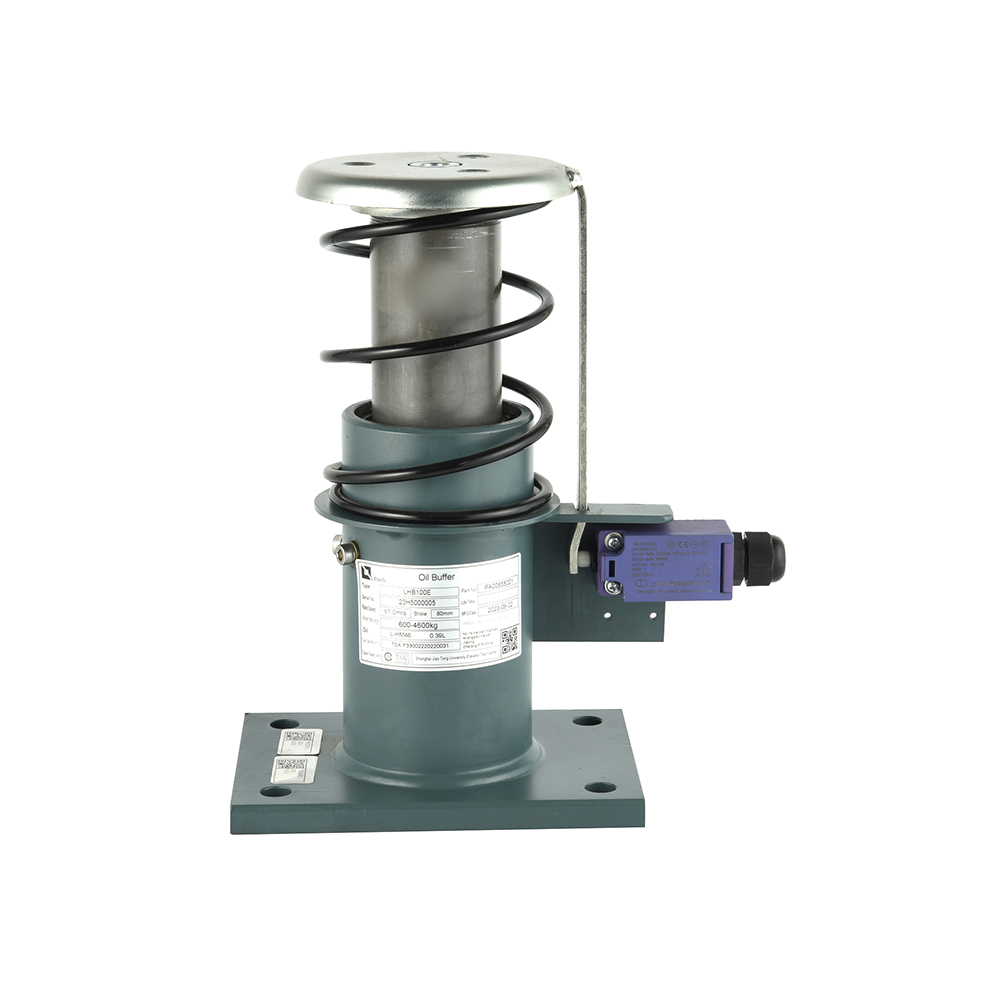
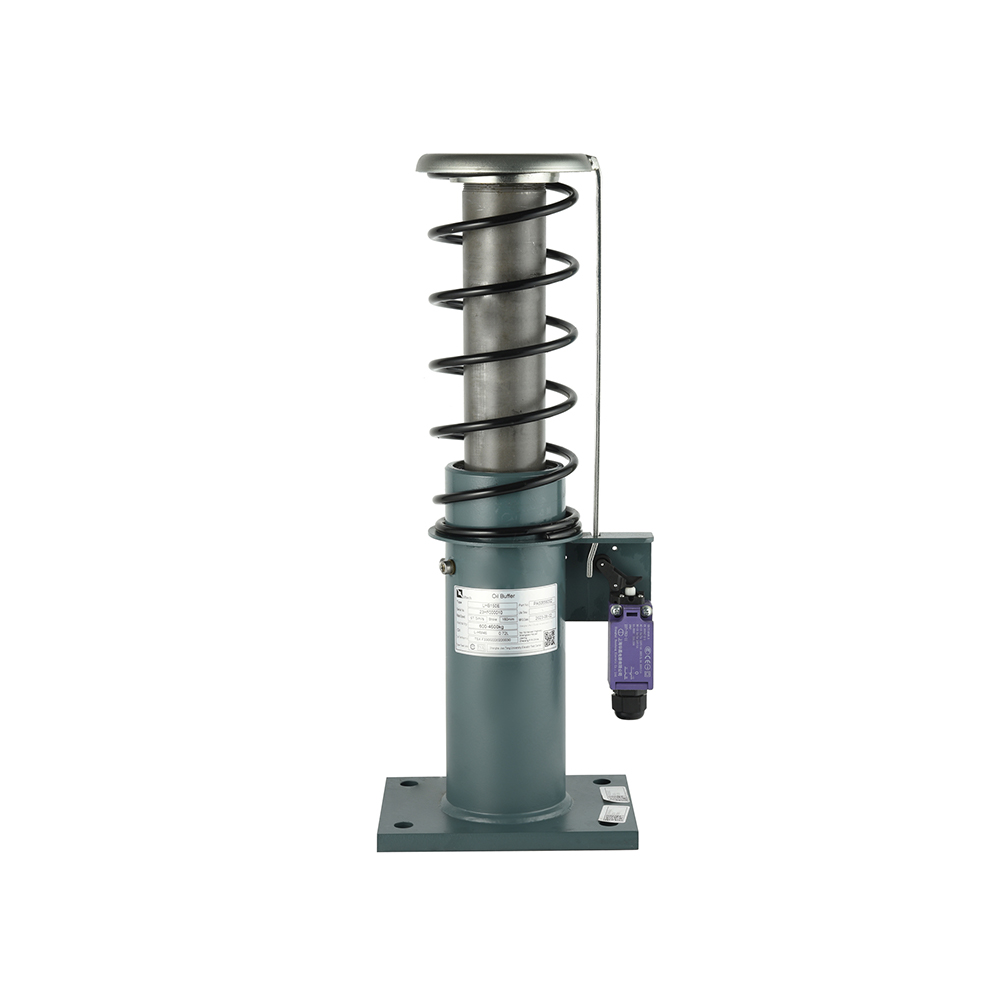
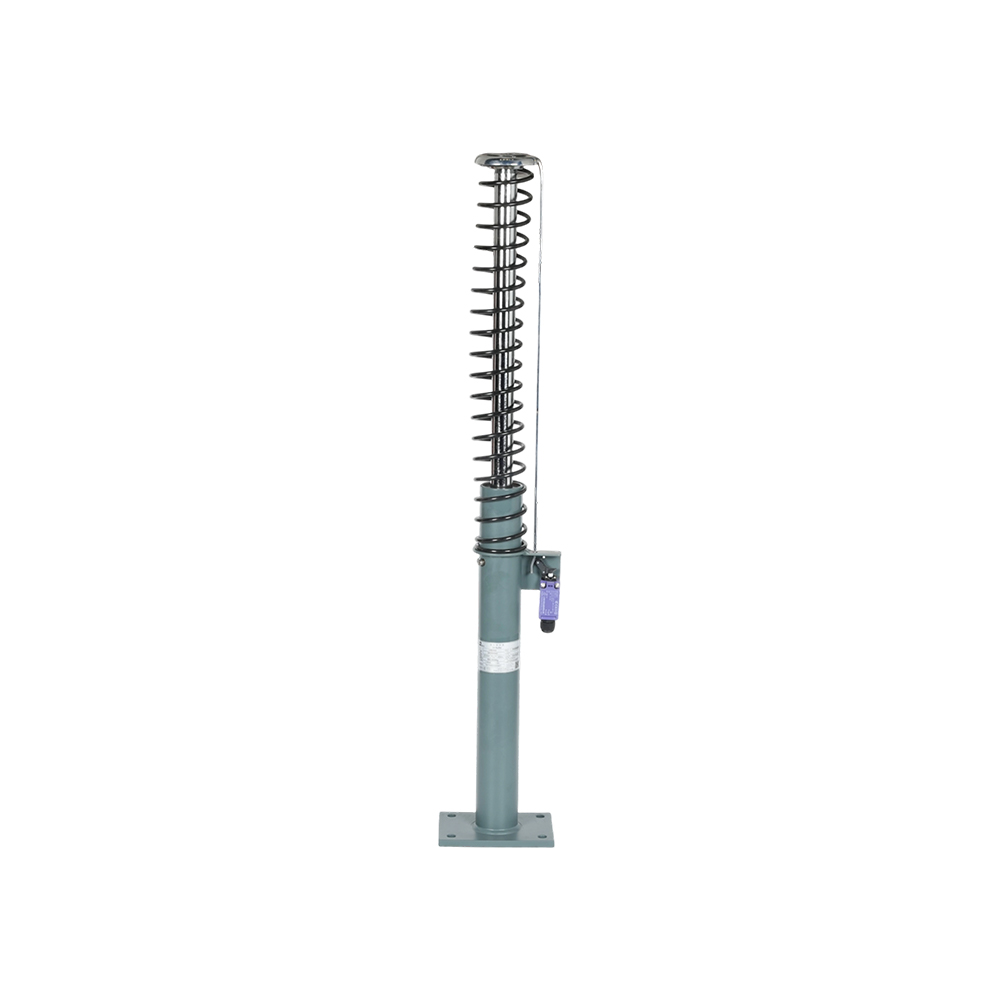
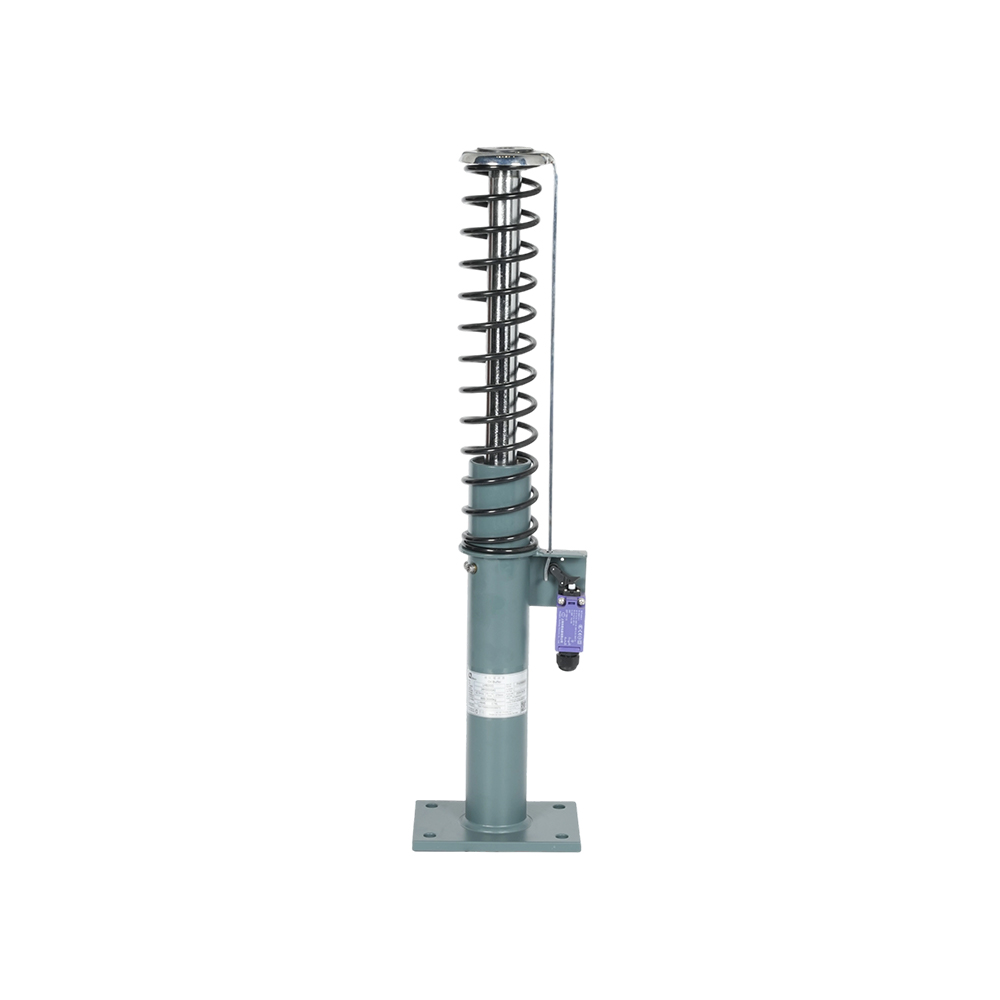
LHB 175E hydraulic Buffer Lift Safety Parts
Product Features
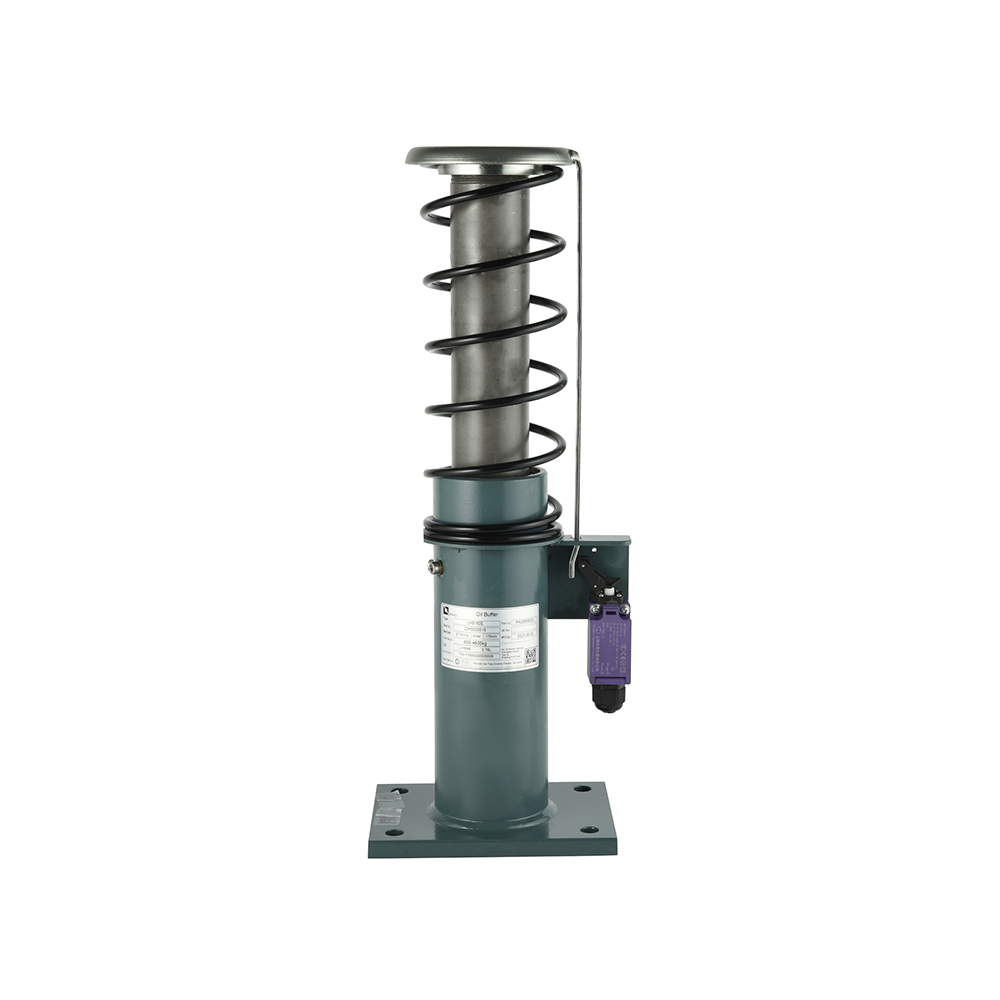
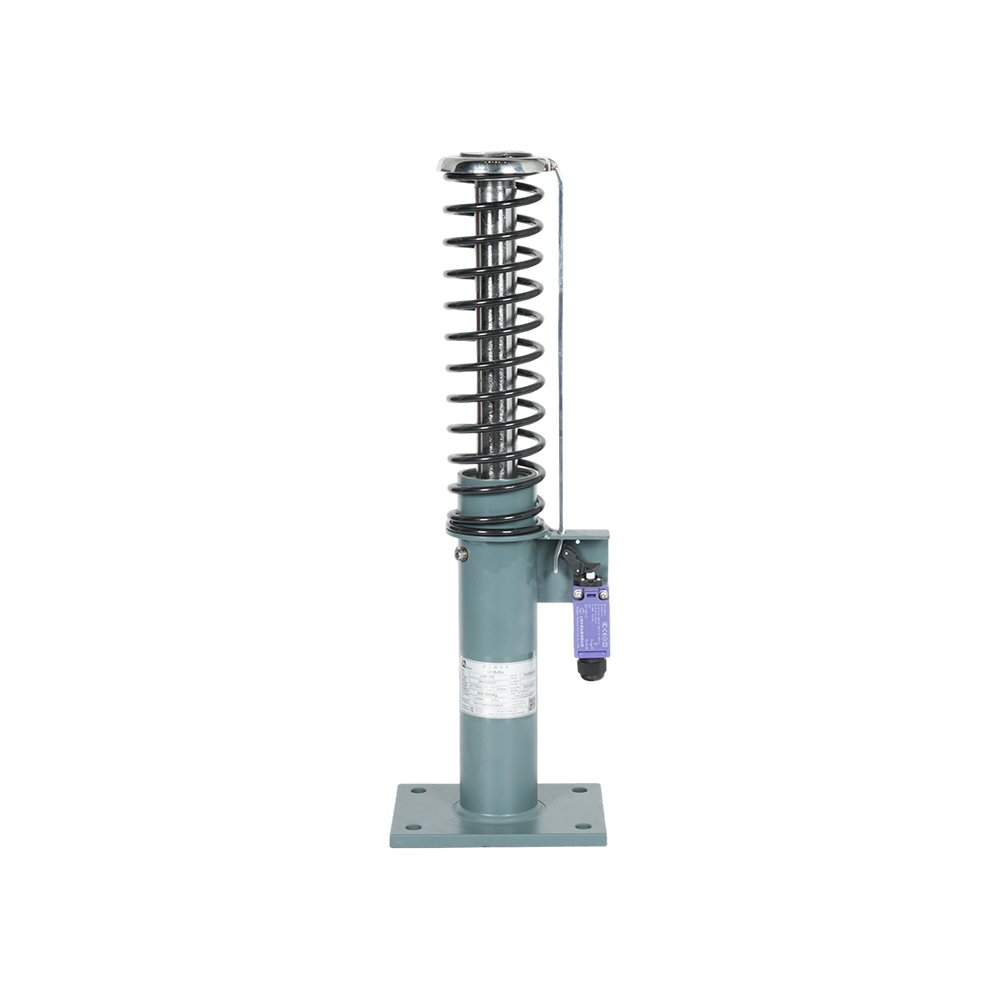
LHB 175E hydraulic buffer lift safety parts operate based on the damping effect of fluid flow. When an elevator malfunctions or experiences a loss of control and rapidly plunges, the car impacts the buffer, forcing the piston rod into the cylinder. This compresses the hydraulic fluid within, which then flows out through a specially designed orifice, creating eddy currents and generating friction. This converts kinetic energy into heat, achieving linear deceleration and bringing the elevator to a smooth stop. This design not only effectively reduces impact force but also prevents rebound, ensuring passenger safety in emergencies.
Our Strengths, Your Competence
Cooperate with LIFTECH to provide you with reliable, high-quality, innovative, and sustainable elevator component solutions.
We understand that privacy protection is crucial for our clients, and we take it seriously. We are committed to protecting your privacy and ensuring your personal information and business details are kept confidential.
Rest assured that your personal information and business details will never be shared with any third party without your express consent. We will use your information solely for the purpose of providing you with our services and fulfilling our contractual obligations to you.
Rest assured that your personal information and business details will never be shared with any third party without your express consent. We will use your information solely for the purpose of providing you with our services and fulfilling our contractual obligations to you.
About Us
Shanghai Liftech Elevator Accessories Co., Ltd.
Founded in 2004, Shanghai Liftech Elevator Accessories Co., Ltd. is a specialized enterprise dedicated to the R&D, manufacturing, testing, and sales of elevator safety components. With over two decades of sustained development, Liftech has established itself as a leading manufacturer in China's elevator safety sector, providing high-quality products and solutions to a wide range of major elevator brands and engineering clients across domestic and international markets. We are China Wholesale LHB 175E hydraulic Buffer Lift Safety Parts Suppliers and OEM LHB 175E hydraulic Buffer Lift Safety Parts Manufacturers, For over 20 years, LIFTECH (est. 2004) has been a trusted force in the R&D, manufacturing, and full lifecycle support of premium elevator safety components.
Certificate Of Honor
News
-
-
An oil buffer that passed type approval at 1.0 m/s with a 1,000 kg gross load can still log a peak deceleration above 2.5 g once it is fitted to a 1.6 m/s machine in a real shaft. That gap between t...
READ MORE -
A lift car that exceeds its rated speed by 15 percent is already in a potentially dangerous condition. The elevator overspeed governor is the device specifically designed to detect that condition an...
READ MORE -
A 3,000 kg freight elevator overspeeds three floors above the pit, and the car has less than half a second before something must physically stop it. The first device to act is the overspeed governor...
READ MORE

Copyright © Shanghai Liftech Elevator Accessories Co., Ltd. All rights reserved. China Wholesale LHB 175E hydraulic Buffer Lift Safety Parts Suppliers
