

 English
 中文简体
中文简体 русский
 Español
 Deutsch


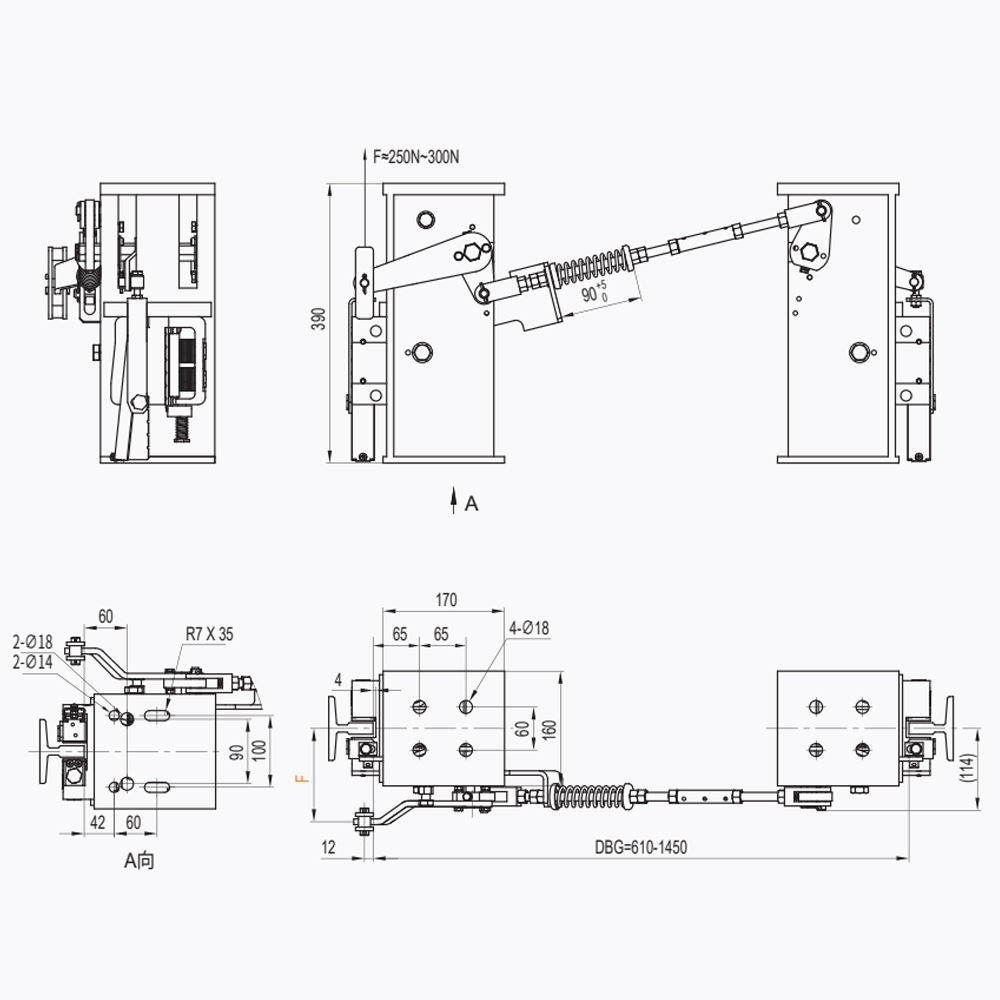
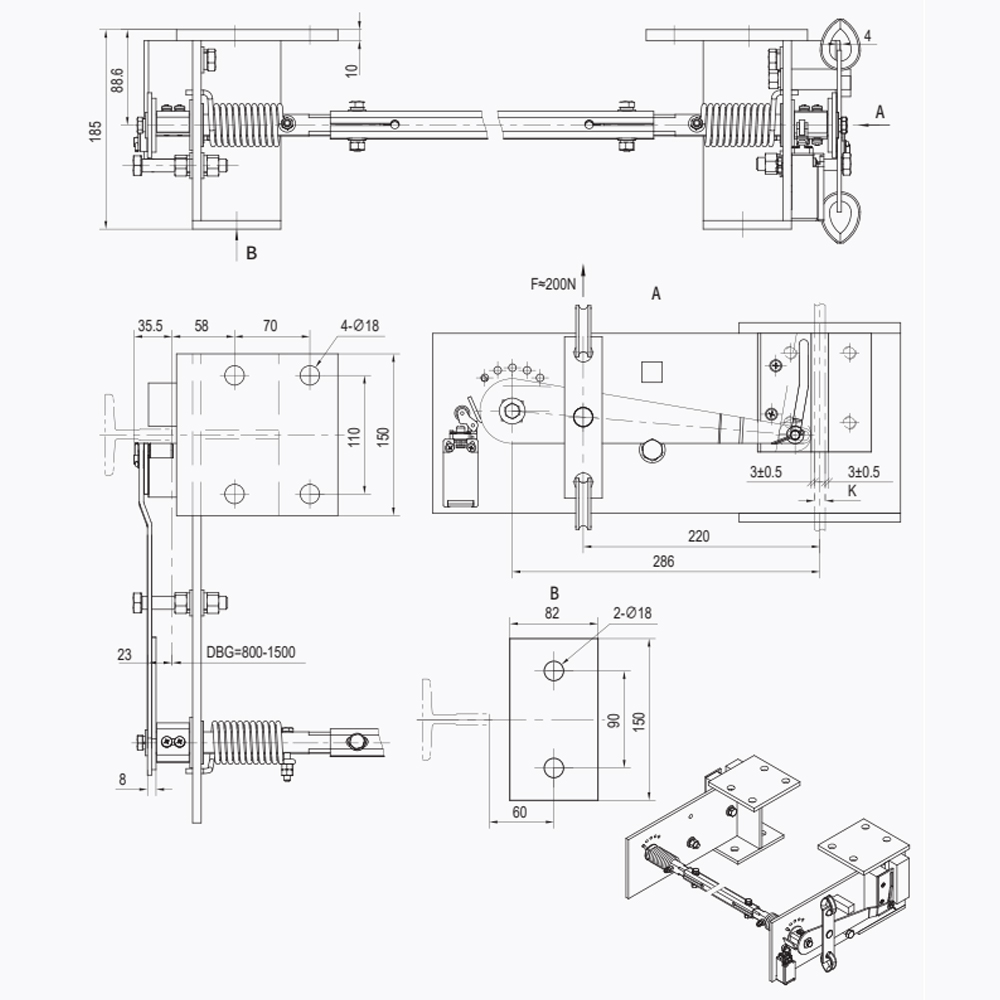
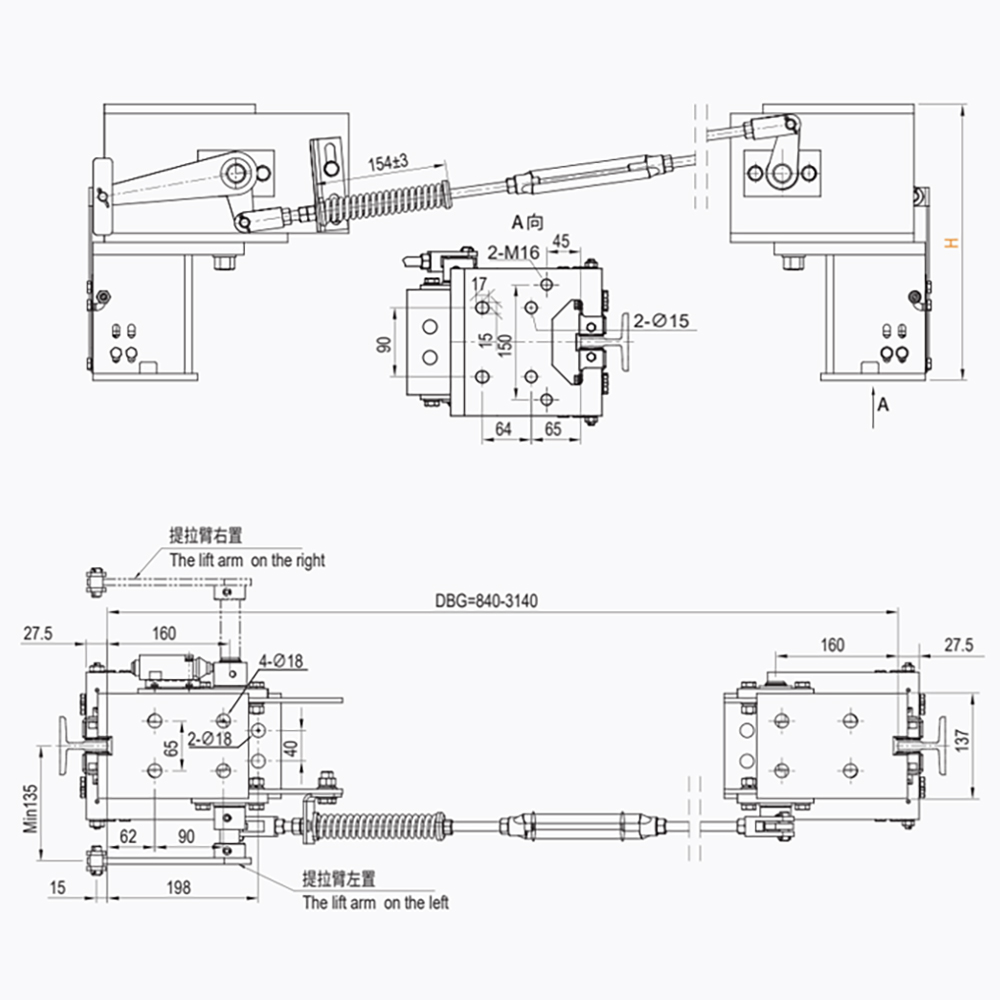
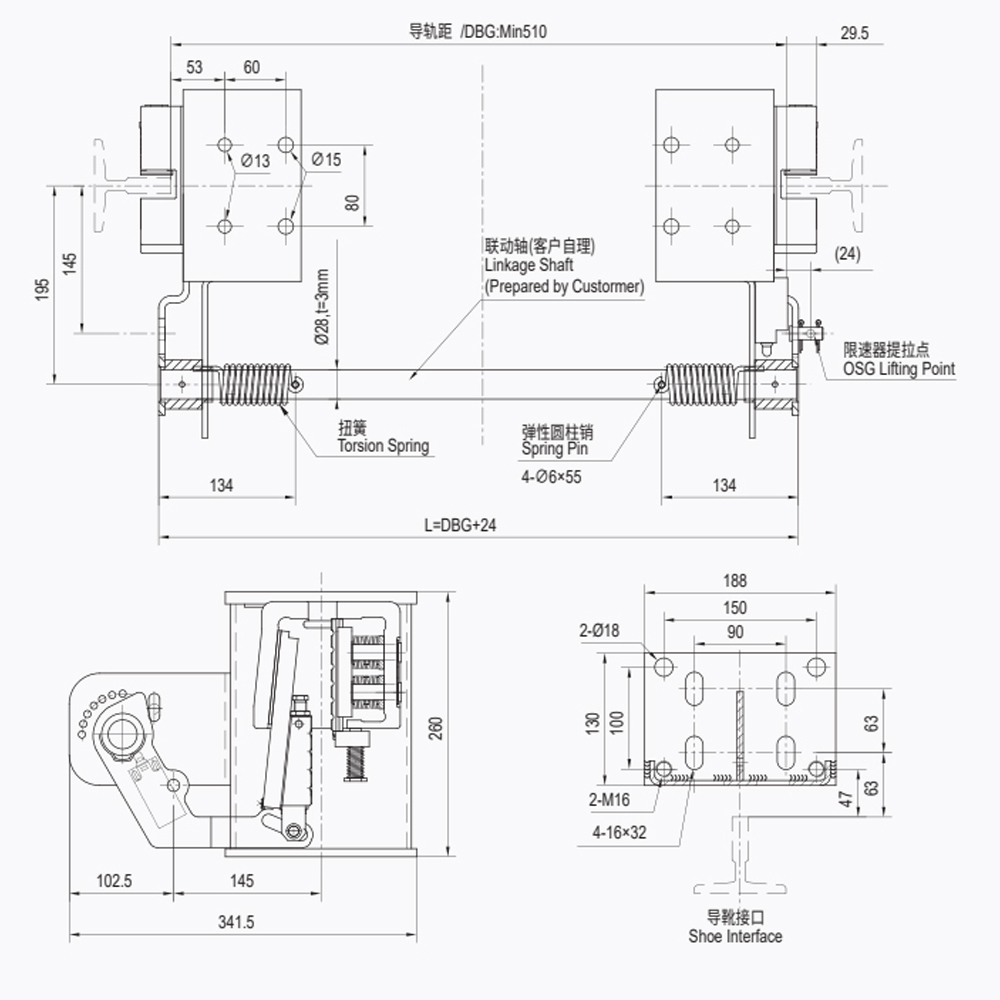
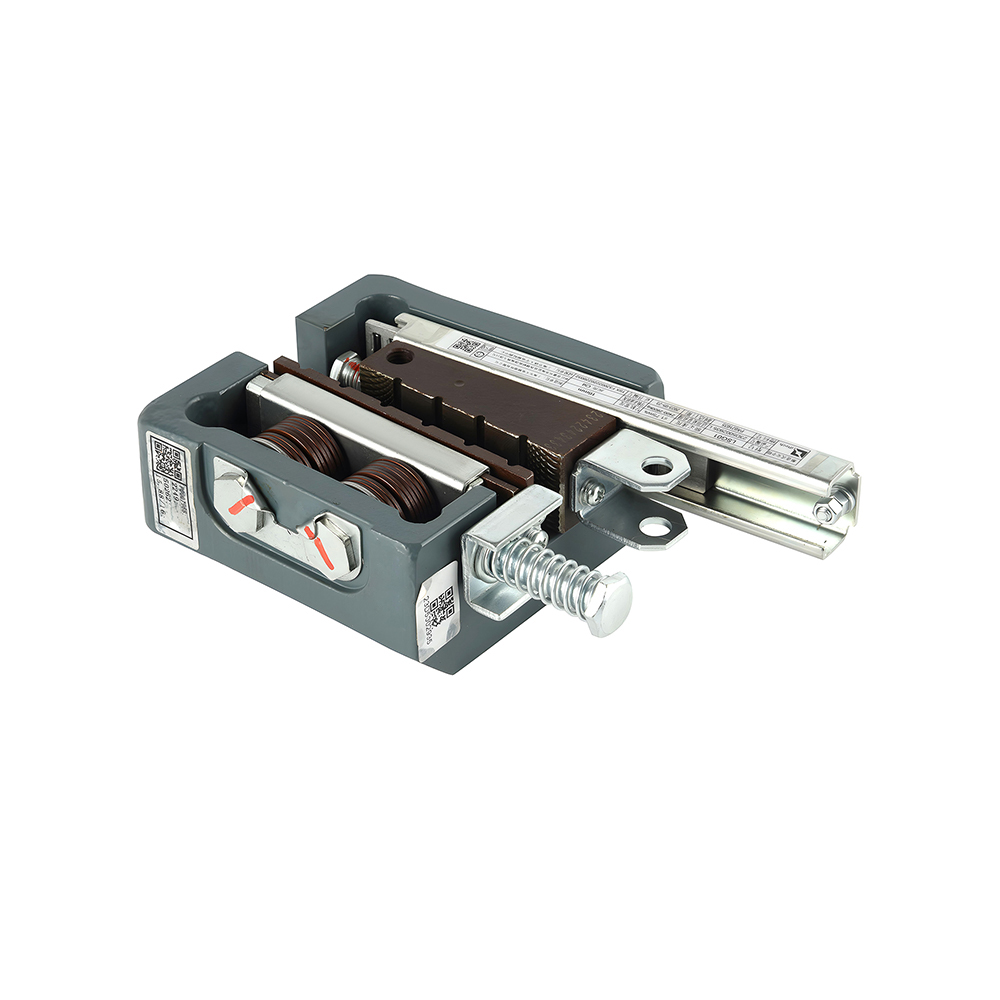
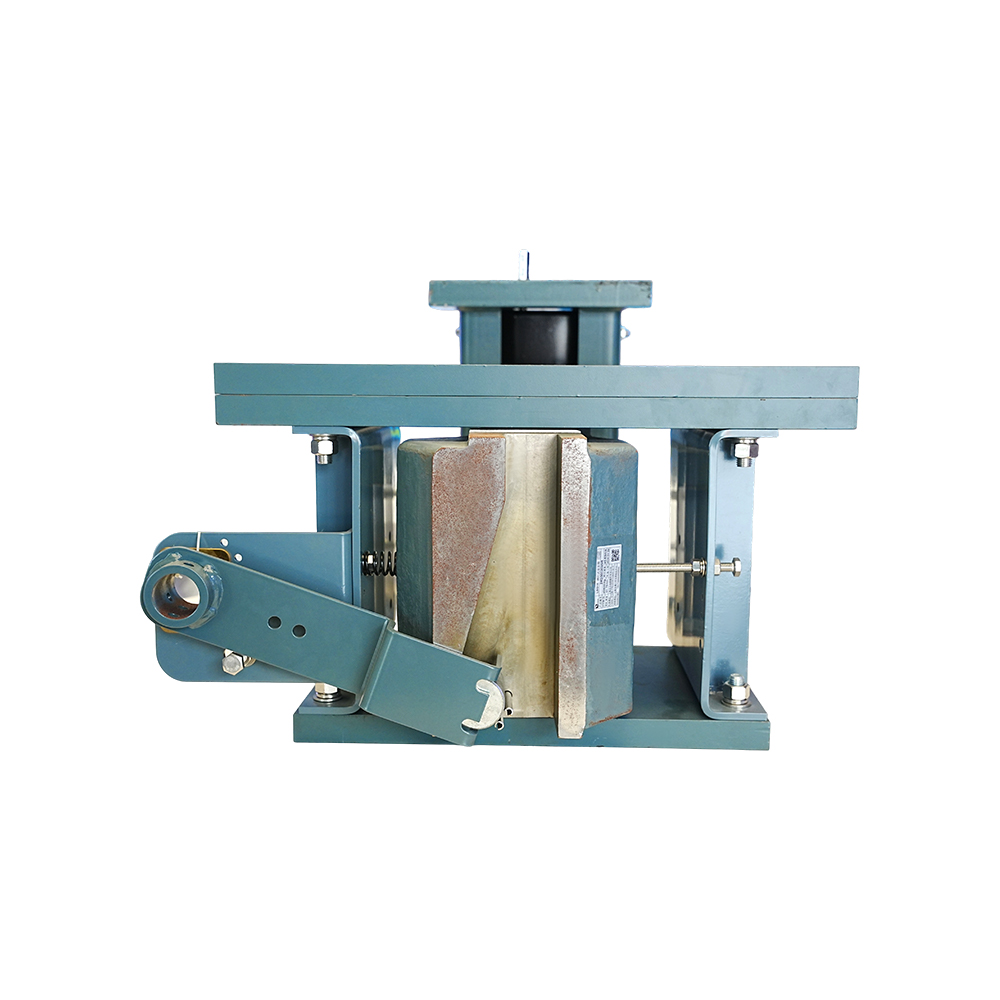
The most pervasive problem solved by our linkage mechanisms is "Mechanical Synchronization Failure." In wide-platform freight elevators, a standard linkage can flex, causing a delay in the second safety gear's engagement. This delay results in a "Car Rack" where the platform twists, potentially damaging the guide rails and trapping passengers. Our linkages solve this by using "Oversized Torsion Shafts" that provide zero-flex performance across spans of up to 5 meters. Another critical issue is "Linkage Dead-Zone," where mechanical play in the joints requires the governor rope to pull several centimeters before any action occurs. In a falling elevator, these centimeters represent vital milliseconds; we solve this through "Pre-Tensioned Spherical Rod-Ends" that eliminate all backlash, ensuring that the first millimeter of governor pull translates directly into wedge movement. We also address the problem of "Installation Errors" in the field. Many safety systems fail because the linkage was improperly adjusted during installation; we solve this by providing "Indexed Adjustment Rods" with clear visual scales, allowing technicians to set the perfect synchronization without guesswork. Furthermore, for elevators in humid or unconditioned shafts, "Pivot Seizing" due to rust is a major safety hazard. We address this by using "Maintenance-Free" composite bushings and 100% galvanized or stainless steel components that cannot rust together. Finally, for Machine-Roomless (MRL) elevators where every millimeter of space is critical, traditional linkage systems often interfere with door operators or counterweights. Our "Low-Profile Offset" linkages solve this spatial conflict by re-routing the transmission path through compact, high-strength crank arms that stay within the car frame's shadow, allowing for safer and more compact shaft designs.
Emergency Safety Gear Linkage Mechanisms
-- Steady & Reliable Manufacturer --
Emergency safety gear linkage mechanisms are the critical "nervous system" of an elevator car's safety structure, providing the physical connection required to activate the braking wedges in response to a governor's command. These mechanisms are not merely rods; they are precision-balanced assemblies designed to convert a single-point vertical pull from the governor rope into a perfectly synchronized lateral movement for both safety gears. The architecture of a modern linkage includes a primary actuator arm, a high-torque cross-shaft, and adjustable secondary rods equipped with spherical joints. The cross-shaft is the anchor of the system, typically manufactured from heavy-walled seamless steel tubing to maximize torsional rigidity while minimizing rotational inertia. This ensures that the safety gear on the "far side" of the car engages at exactly the same moment as the one on the "near side." The linkages are designed to be "under-slung" or "top-mounted," integrating seamlessly with the car frame's structural beams. Every pivot point is a potential failure node; thus, we utilize high-precision bushings and anti-vibration locking nuts to ensure the mechanism remains tight and responsive over millions of travel cycles. The inclusion of a safety-circuit breaker switch is an integral part of the linkage design, ensuring that the elevator's electrical drive is disabled the moment the safety gear is engaged. By maintaining a strict mechanical link between the detection system and the braking units, these mechanisms ensure that the elevator remains a "fail-safe" environment, capable of stopping several tons of mass with absolute mechanical certainty even in a total power failure.
Recommended Products
The Key Problem We Solve
Typical Applications
- New elevator car frame assemblies (Passenger & Freight)
- Replacement of rusted or seized linkages in old buildings
- MRL elevators with tight car-to-rail clearances
- High-load vehicle elevators requiring dual-shaft synchronization
- Custom lifting platforms for theater or industrial stages
Product Advantages
| Shaft Torque Rating (Nm) | DBG Span (mm) | Rod Adjustment Range | Switch Protection | Operating Temp |
| Up to 500 Nm | 800 - 5000 mm | +/- 75 mm | IP65 Dustproof | -20°C to +70°C |
| Torsion-Resistant | Custom Lengths | Fine-Threaded | Dual-Contact | Lubricated/Dry |
Selection & Compliance Considerations
Selection of a linkage mechanism must be based on the "Distance Between Guide Rails" (DBG) and the "Force Profile" of the safety gear being used (Progressive gears usually require more pull-force than Instantaneous gears). It is essential that the linkage's mechanical advantage is calculated to ensure the governor rope's tension is sufficient to overcome the safety gear's internal return springs. Compliance with the "Synchronous Engagement" clause of EN 81-50 is a primary legal requirement.
FAQ
- How do I know if the linkage is synced? We provide a "Touch-Test" procedure in our manual to verify simultaneous contact.
- Can the linkage be mounted on top of the car? Yes, we offer "Top-Mount" and "Under-Plank" versions for all car types.
- Do the spherical joints need greasing? Our premium series uses self-lubricating PTFE liners that require zero grease for their entire lifespan.
- What is the response time? From governor trip to full linkage stroke, the response is typically under 40ms.
About Us
Shanghai Liftech Elevator Accessories Co., Ltd.
Founded in 2004, Shanghai Liftech Elevator Accessories Co., Ltd. is a specialized enterprise dedicated to the R&D, manufacturing, testing, and sales of elevator safety components. With over two decades of sustained development, Liftech has established itself as a leading manufacturer in China's elevator safety sector, providing high-quality products and solutions to a wide range of major elevator brands and engineering clients across domestic and international markets. We are ,China Wholesale Emergency Safety Gear Linkage Mechanisms Suppliers and Emergency Safety Gear Linkage Mechanisms OEM/ODM Manufacturers
For over 20 years, LIFTECH (est. 2004) has been a trusted force in the R&D, manufacturing, and full lifecycle support of premium elevator safety components.
Material Selection Guide
| Component | Material Specification | Tolerance | Coating | Function |
| Cross-Shaft | High-Tensile ST52-3 | +/- 0.2mm | Yellow Zinc Plating | Torque Transfer |
| Linkage Rods | 45# Carbon Steel | Fine Thread (M12) | Electro-Galvanized | Force Transmission |
| Pivot Joints | Hardened Steel / PTFE | Zero-Play Fit | Hard Chrome | Frictionless Motion |

