

 English
 中文简体
中文简体 русский
 Español
 Deutsch


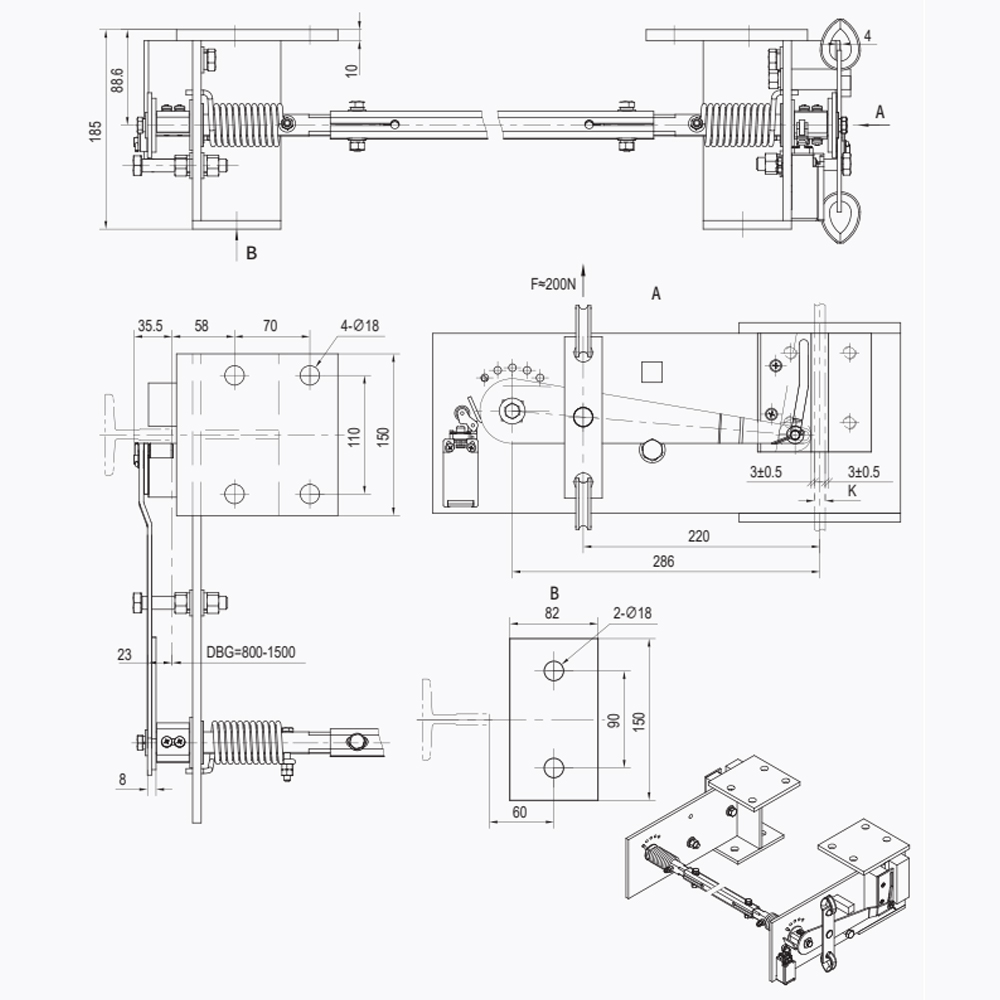
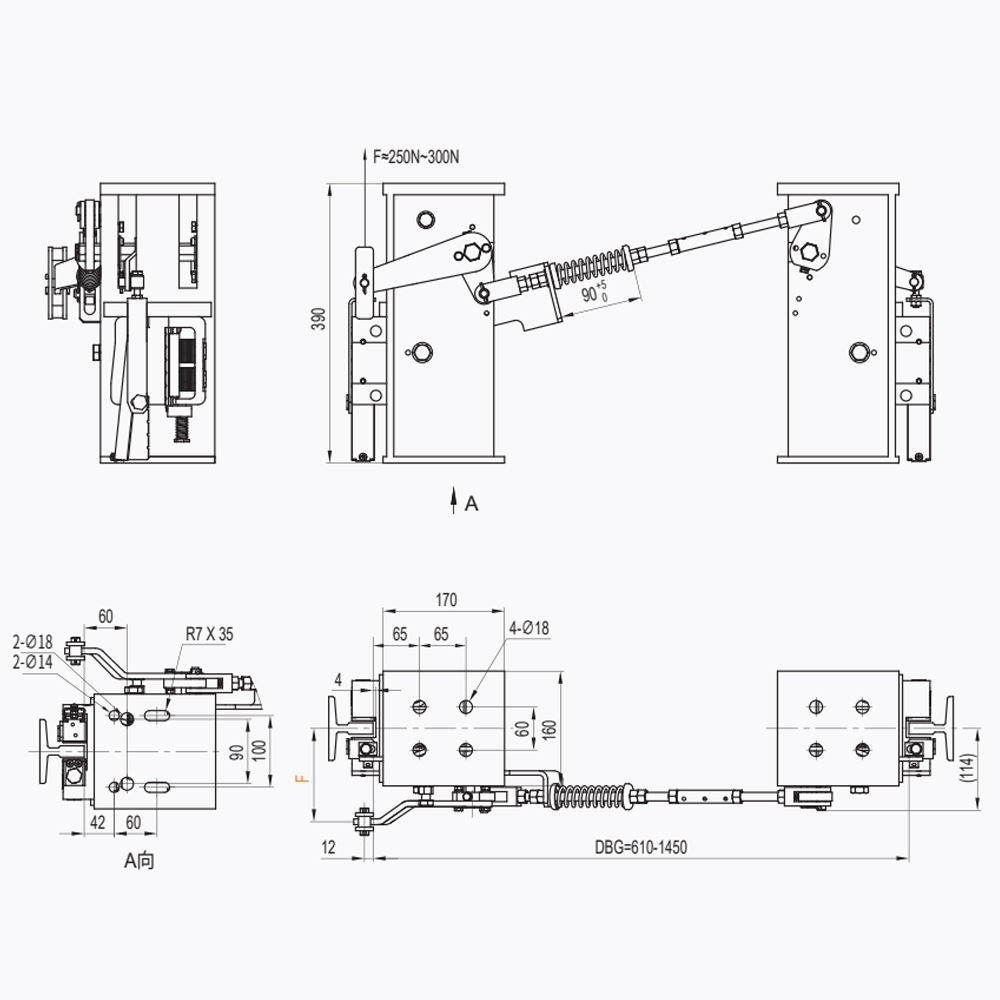
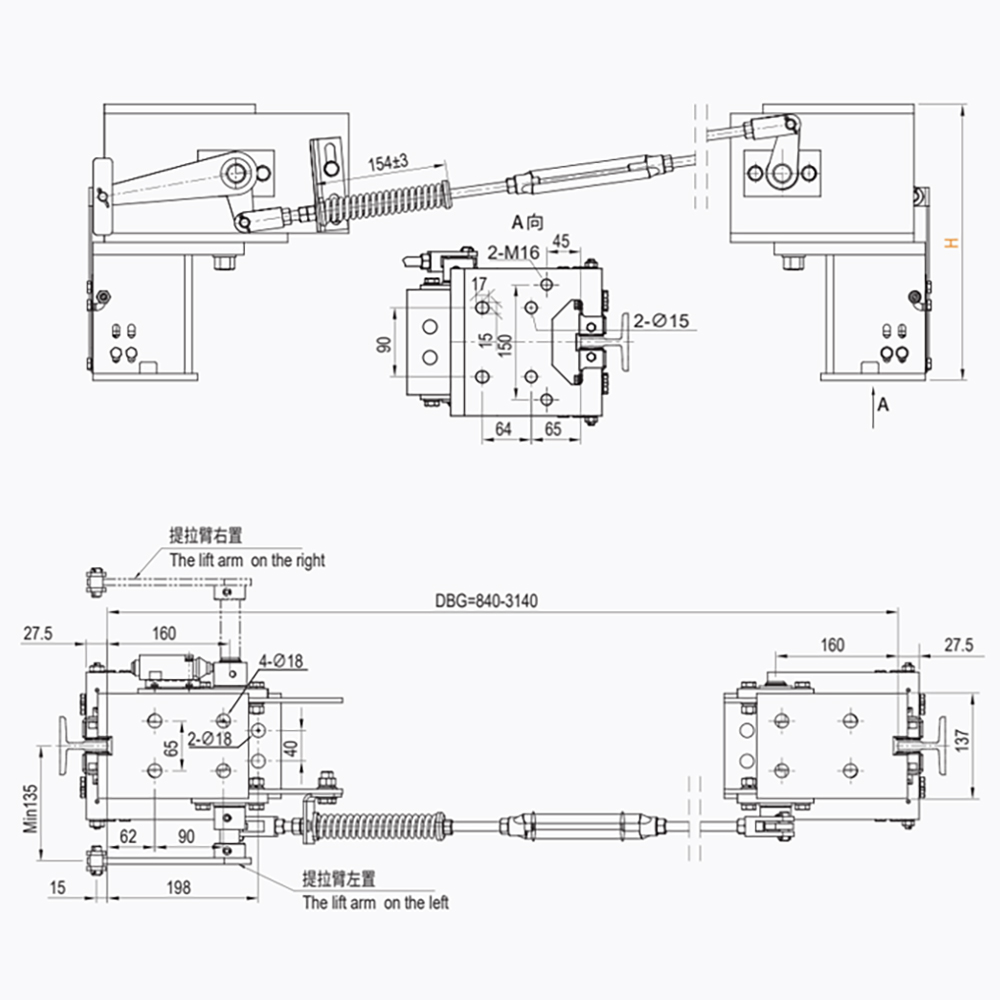
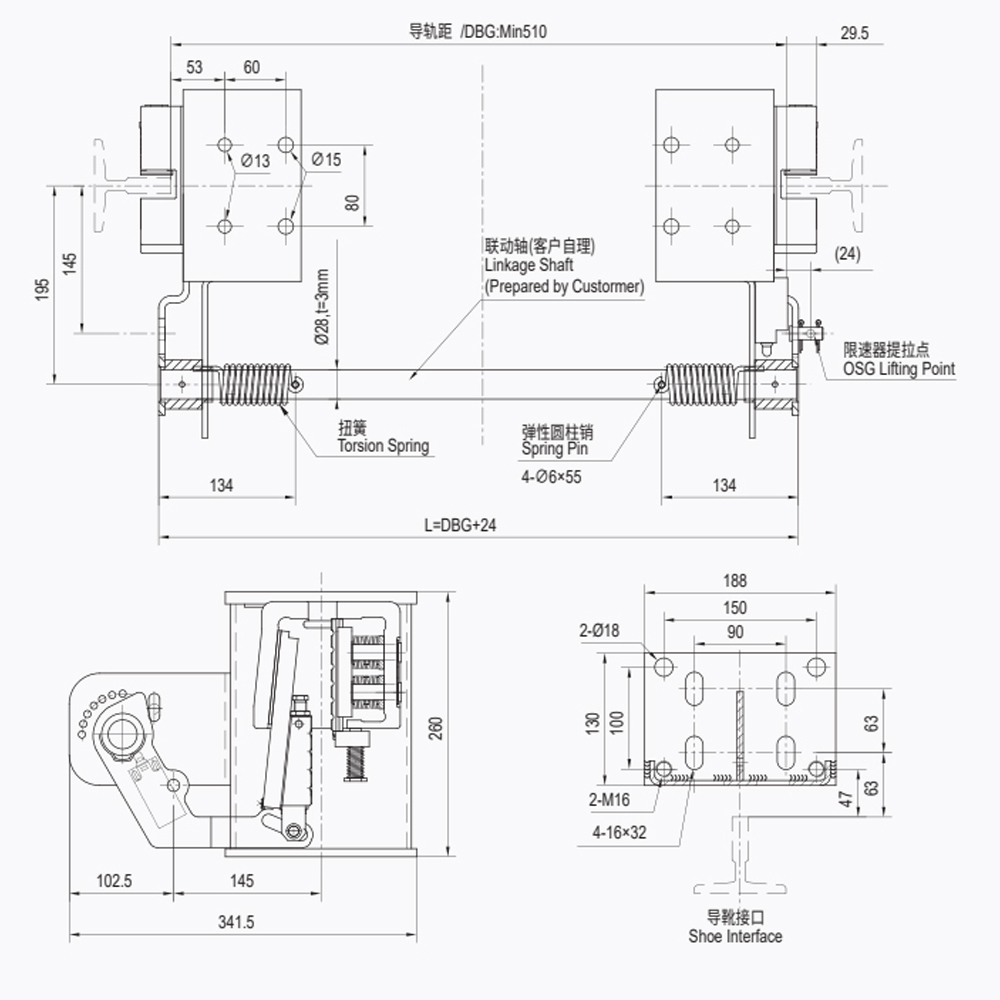
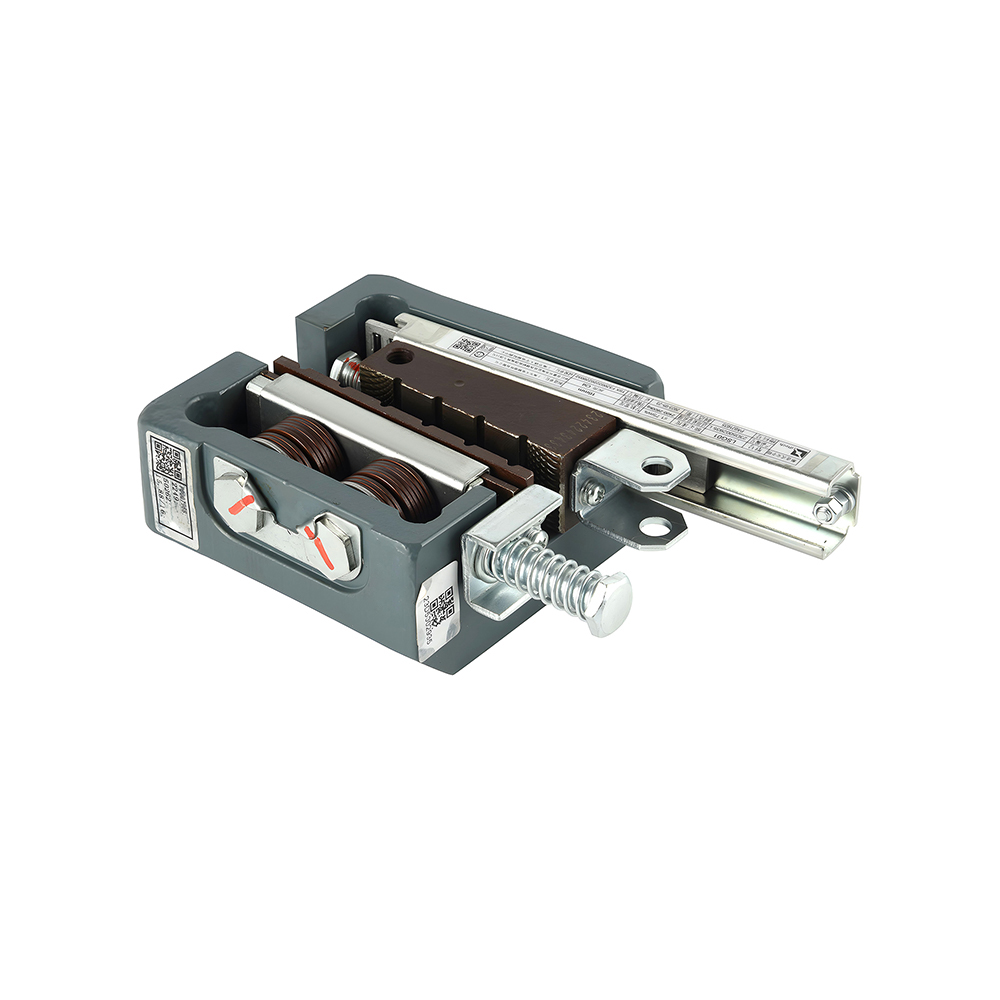
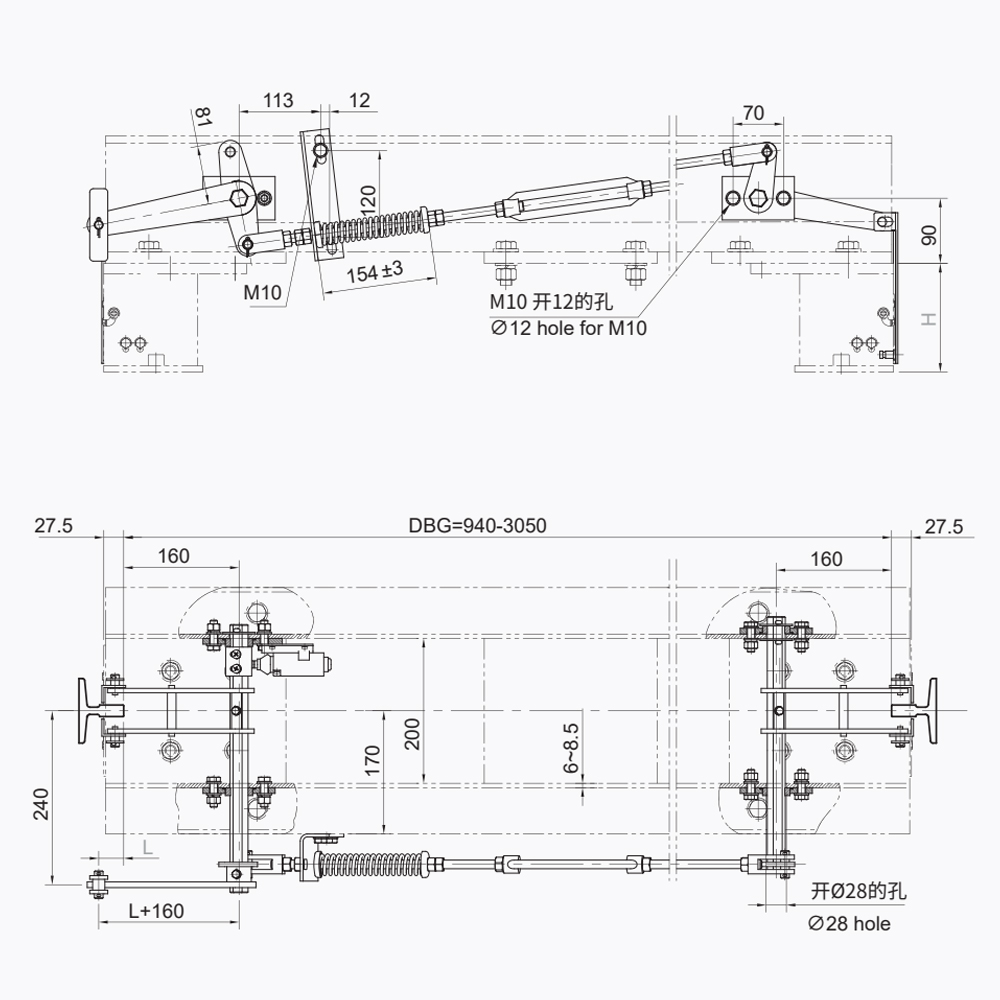
A failure in the linkage—due to wear, corrosion, misalignment, or improper adjustment—can prevent the safety gear from engaging even if the governor trips correctly. This creates a single point of failure in the safety chain. Our components solve this by providing robust, precisely engineered linkages with minimal friction, clear adjustment points, and durable materials to ensure consistent force transmission over the lifespan of the elevator.
Safety Linkage Mechanisms and Lever Assemblies
-- Steady & Reliable Manufacturer --
The safety linkage mechanism is the critical transmission system that connects the overspeed governor rope (or an electrical trigger) to the safety gear jaws. It converts the relatively small pulling force from the governor rope into the substantial mechanical movement required to actuate the safety gear. This assembly typically includes levers, rods, pins, bushings, and tension springs, and its precise geometry and reliability are paramount for the entire safety system to function as intended.
Recommended Products
The Key Problem We Solve
Typical Applications
- All traction elevator installations utilizing mechanical safety gear.
- Retrofit and modernization projects where existing linkages are worn or incompatible with new safety gear.
- Custom elevator designs with non-standard car frame layouts requiring tailored linkage geometry.
- Elevators operating in environments that accelerate wear (high humidity, dust, temperature swings).
- High-speed elevators where linkage inertia and response time are critical design factors.
Product Advantages
| Mechanical Advantage (Ratio) | Typically 4:1 to 10:1, converting governor rope pull to wedge movement. |
| Linkage Type | Lever-and-rod, bell crank, or a combination thereof. |
| Adjustment Features | Turnbuckles, slotted holes, or eccentric bushings for precise tension and alignment. |
| Pivot Points | Steel pins with bronze bushings, needle roller bearings, or self-lubricating polymer bearings. |
| Force Transmission | Designed to operate within a specific governor rope pull force range (e.g., 300N - 800N). |
| Key Standards | Designed to comply with the force and movement requirements of EN 81-20/50, ASME A17.1. |
Selection & Compliance Considerations
Geometry Compatibility: The linkage must be designed for the specific car frame, safety gear model, and governor mounting location. Incorrect geometry can lead to binding, insufficient travel, or excessive force required for activation.
Friction Management: Every pivot point introduces friction. The design must minimize this through proper bearing selection, lubrication, and alignment to ensure the governor's tripping force is sufficient to overcome it.
Pre-Tension Adjustment: The linkage often includes a tension spring to keep it taut and take up slack, preventing false triggers from rope vibration. This spring's pre-load must be adjustable and set according to the manufacturer's specification.
Environmental Sealing: In harsh environments, pivot points should be protected with boots, seals, or lubricated-for-life bearings to prevent contamination and corrosion that could lead to seizing.
FAQ
- Q: How often should the safety linkage be inspected and lubricated?
- A: Visual inspection for corrosion, wear on pins/bushings, and integrity of springs should be part of routine monthly maintenance. Lubrication intervals depend on the bearing type: grease points may need attention every 6-12 months, while sealed or self-lubricating bearings may require less frequent service. Always follow the safety gear manufacturer's maintenance manual.
- Q: What are the signs of a worn or faulty linkage?
- A: Excessive free play or slack in the linkage, visible wear grooves on pins or bushings, corrosion that hinders movement, cracked or deformed levers, and a tension spring that has lost its set or is corroded. Any binding or rough movement during a manual functional test is a clear indicator of a problem.
- Q: Can we fabricate our own linkage parts during a repair?
- A: It is strongly discouraged. Linkage components are critical safety parts. Their strength, geometry, and material properties are precisely calculated. Using non-original or improvised parts can alter the system's performance, potentially causing failure to engage or unintended activation, and will void the system's certification. Always use OEM or approved replacement parts.
About Us
Shanghai Liftech Elevator Accessories Co., Ltd.
Founded in 2004, Shanghai Liftech Elevator Accessories Co., Ltd. is a specialized enterprise dedicated to the R&D, manufacturing, testing, and sales of elevator safety components. With over two decades of sustained development, Liftech has established itself as a leading manufacturer in China's elevator safety sector, providing high-quality products and solutions to a wide range of major elevator brands and engineering clients across domestic and international markets. We are ,China Wholesale Safety Linkage Mechanisms and Lever Assemblies Suppliers and Safety Linkage Mechanisms and Lever Assemblies OEM/ODM Manufacturers
For over 20 years, LIFTECH (est. 2004) has been a trusted force in the R&D, manufacturing, and full lifecycle support of premium elevator safety components.
Material Selection Guide
| Component | Standard Duty | High Reliability / Low Maintenance | Corrosive Environment |
| Levers & Rods | Mild Steel (ST37), machined and painted. | Forged Steel for levers; stainless steel rods for corrosion resistance at key points. | Hot-dip galvanized steel or AISI 304 stainless steel. |
| Pivot Pins | Case Hardened Carbon Steel. | Through-hardened alloy steel (4140) for maximum shear strength. | Stainless Steel (420) pins. |
| Bushings / Bearings | Oil-impregnated sintered bronze. | Needle roller bearings (for high load, low friction) or PTFE-lined bushings. | Stainless steel bushings with self-lubricating composite sleeves. |
| Component | Standard Duty | High Reliability / Low Maintenance | Corrosive Environment |
| Levers & Rods | Mild Steel (ST37), machined and painted. | Forged Steel for levers; stainless steel rods for corrosion resistance at key points. | Hot-dip galvanized steel or AISI 304 stainless steel. |
| Pivot Pins | Case Hardened Carbon Steel. | Through-hardened alloy steel (4140) for maximum shear strength. | Stainless Steel (420) pins. |
| Bushings / Bearings | Oil-impregnated sintered bronze. | Needle roller bearings (for high load, low friction) or PTFE-lined bushings. | Stainless steel bushings with self-lubricating composite sleeves. |
| Tension Springs | Music Wire (DIN 17223). | Stainless Steel Wire (302) for consistent performance. | Stainless Steel Wire (316) for maximum corrosion resistance. |
| Turnbuckles & Adjusters | Steel, zinc plated. | Stainless steel turnbuckles with locknuts. | Stainless steel (304) throughout. |

