

 English
 中文简体
中文简体 русский
 Español
 Deutsch


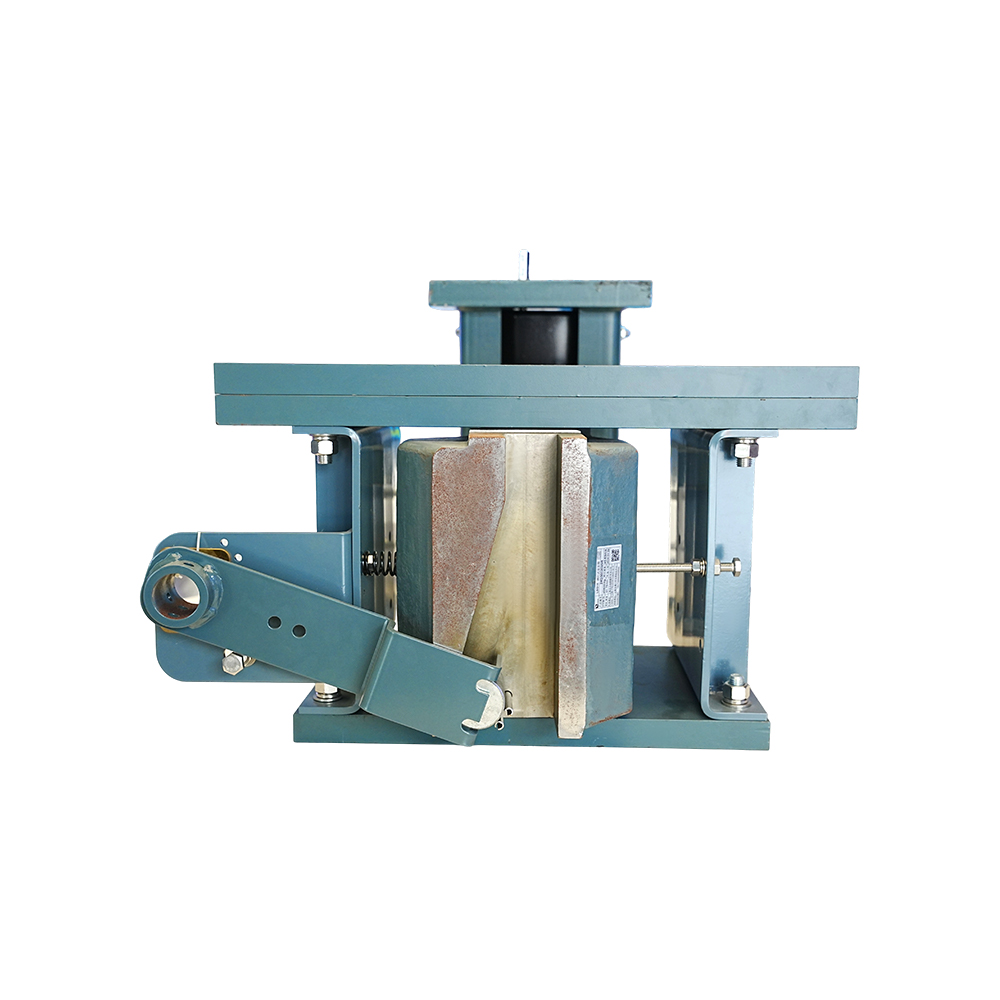
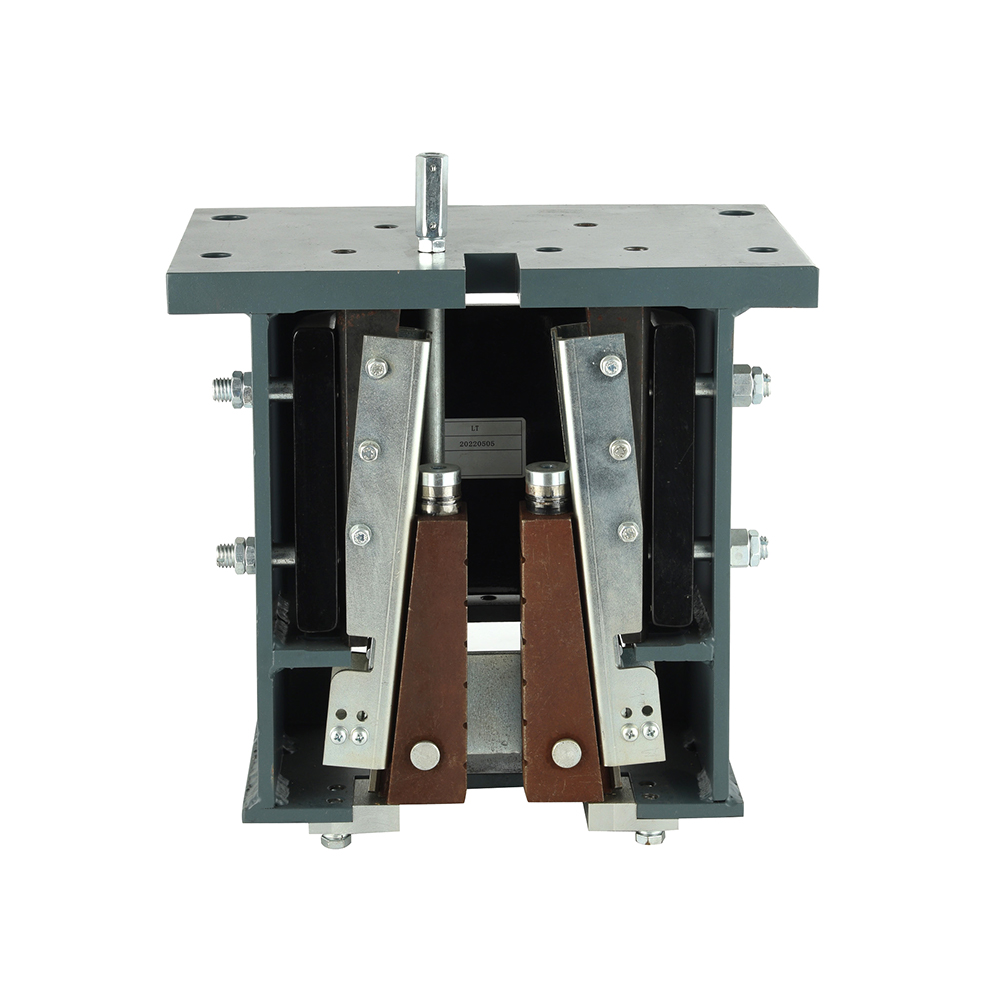
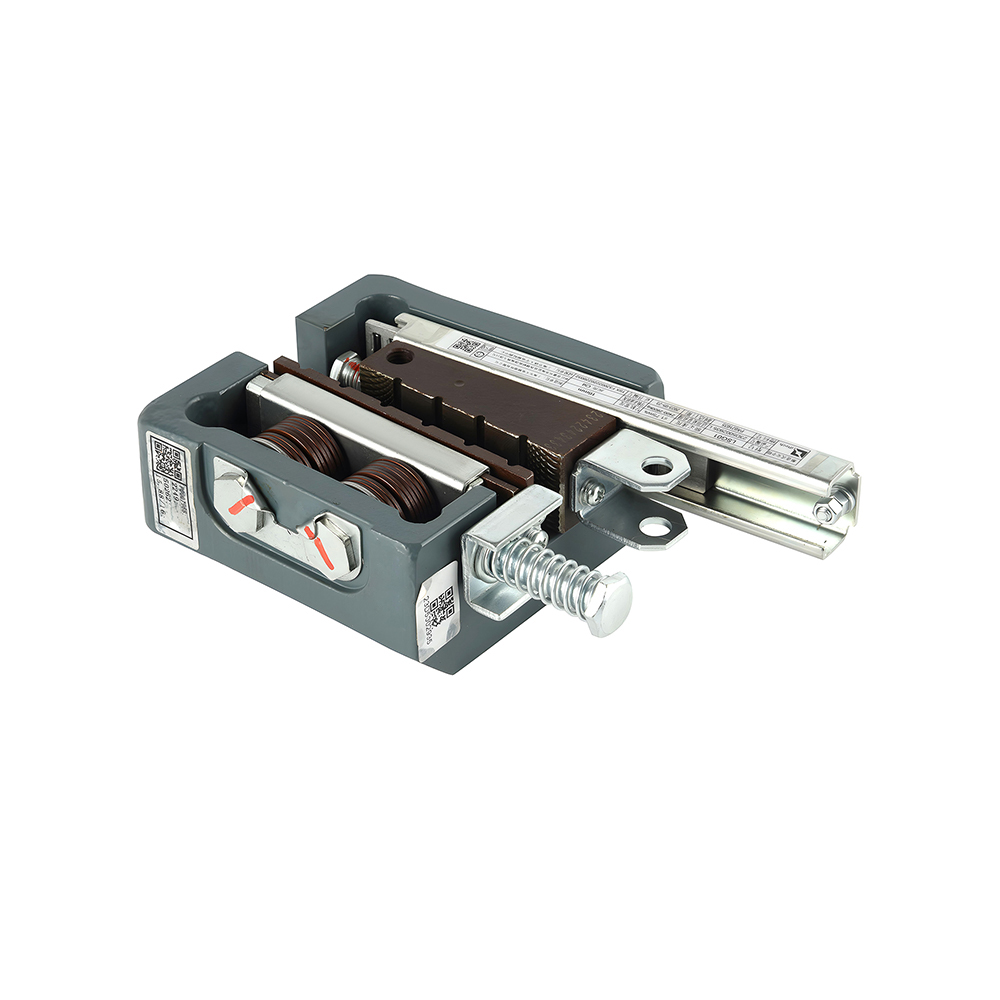
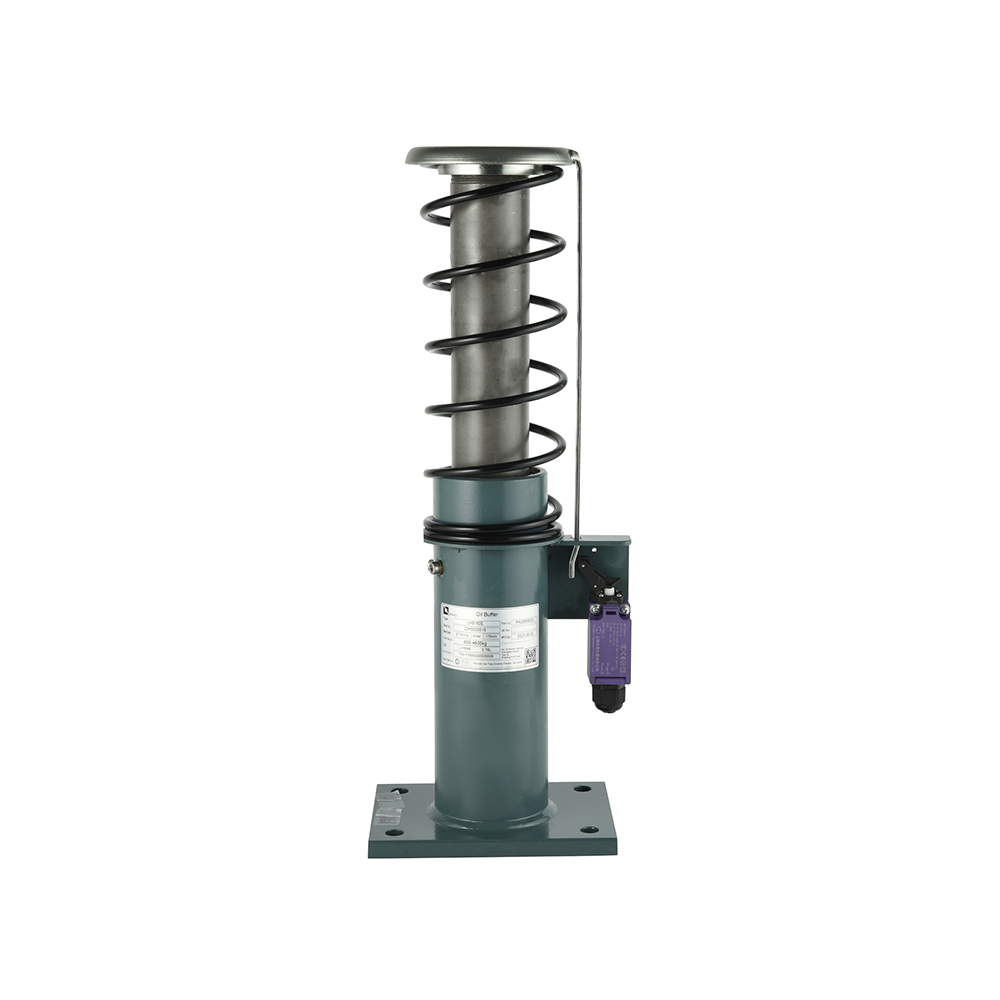
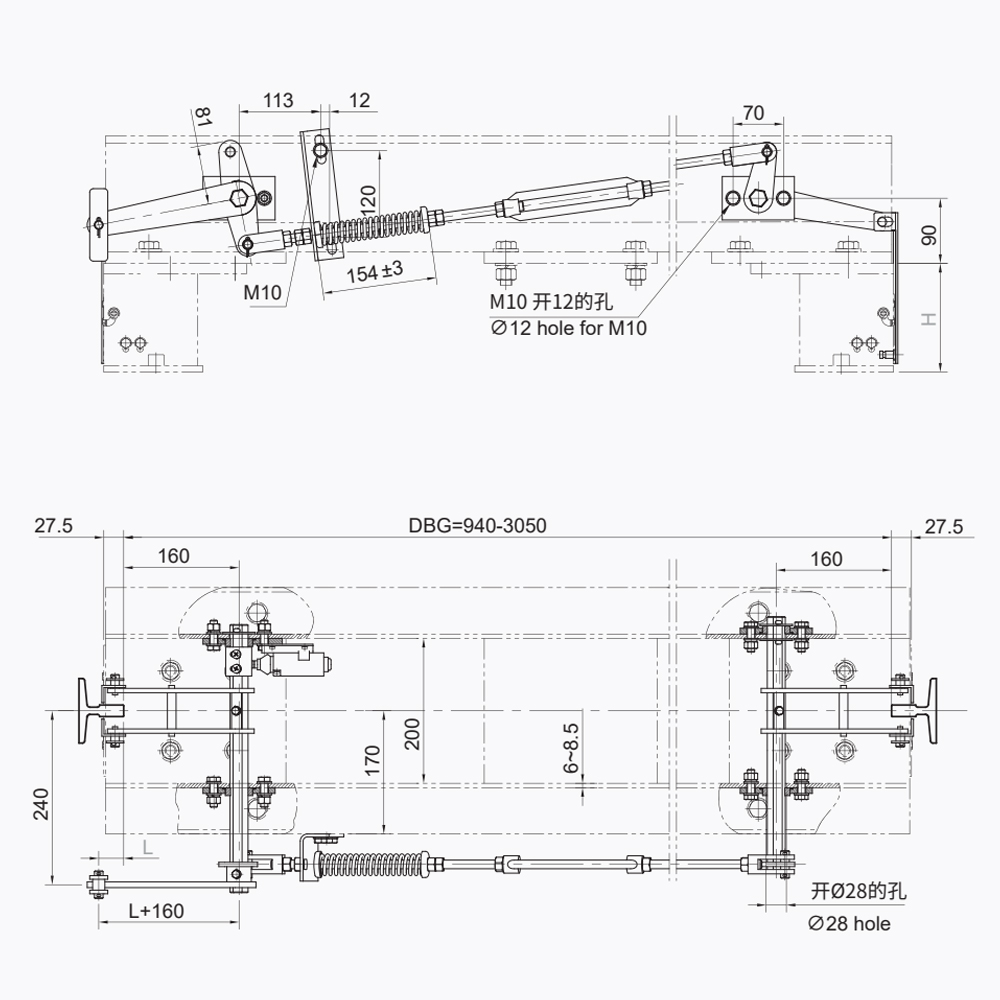
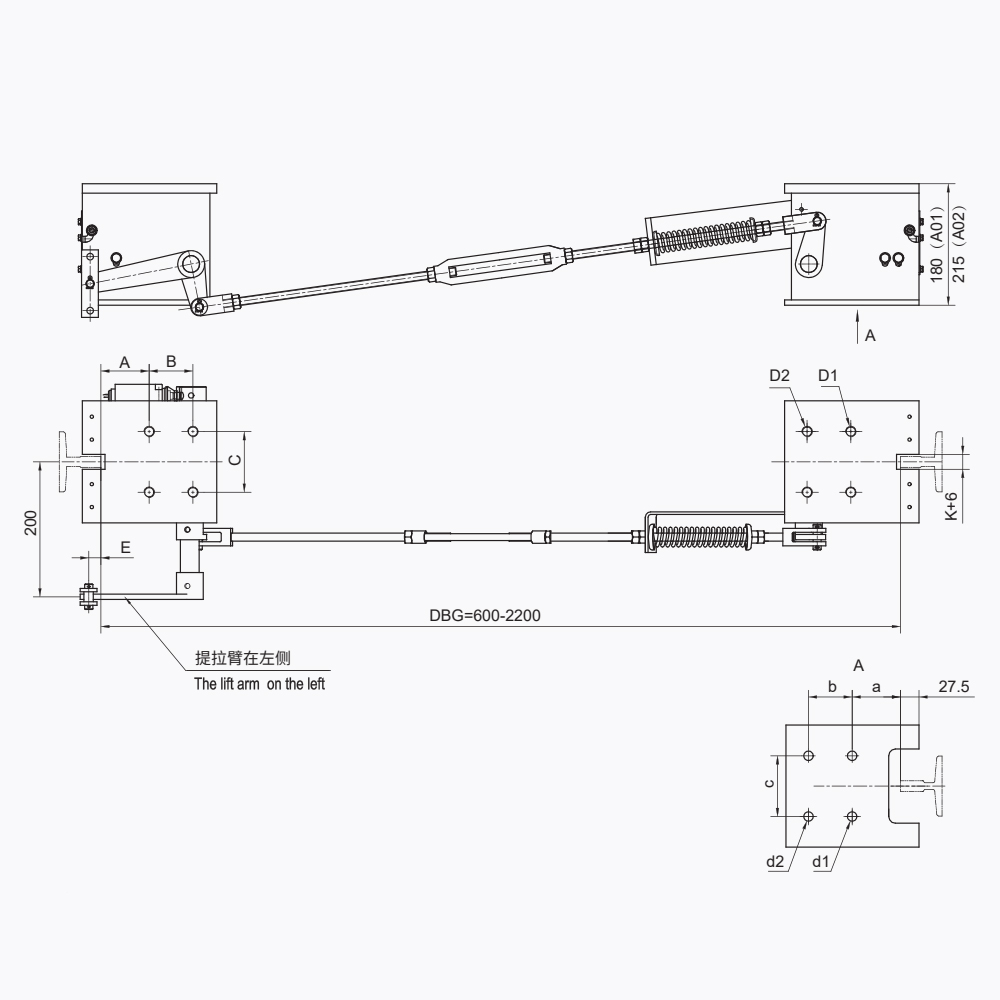
Standard wedges and clamps can deform, crack, or experience excessive wear under the extreme loads of heavy-duty operations, leading to inconsistent braking performance, potential failure to engage fully, or damage to the guide rails. Our heavy-duty assemblies solve this by utilizing advanced metallurgy, precise heat treatment, and optimized designs to maintain structural integrity and provide consistent frictional properties, even after multiple engagements.
Heavy-Duty Safety Clamps and Wedge Assemblies
-- Steady & Reliable Manufacturer --
This category focuses on the core wear components of elevator safety gear: the clamps, wedges, and jaws that directly interface with and grip the guide rail during an emergency stop. These are high-stress components subjected to immense pressure and friction. Heavy-duty versions are engineered from superior materials and with enhanced geometries to withstand the extreme forces encountered in freight, high-capacity, and high-speed applications, ensuring reliable engagement and extended service life.
Recommended Products
The Key Problem We Solve
Typical Applications
- Freight elevators and industrial hoists with capacities over 2000 kg.
- High-speed elevator safety gear where energy dissipation is high.
- Mining elevators and other severe-duty lifting equipment.
- Safety gear subjected to frequent testing or harsh environmental conditions.
- Retrofit projects aiming to upgrade the durability of an existing safety system.
- Elevators in regions with stringent safety inspection regimes requiring demonstrated component robustness.
Product Advantages
| Primary Material | Alloy Steels (e.g., 4140, 4340), Tool Steels, or specialty forged steels. |
| Hardness Profile | Through-hardened to HRC 45-55 or case-hardened with deep case depth (>2mm). |
| Surface Finish | Precision ground on contact surfaces to ensure flatness and consistent friction. |
| Wedge Angle | Optimized for specific application (progressive vs. instantaneous). |
| Replaceable Wear Parts | Often designed with bolt-on hardened liners or inserts. |
| Testing | Sample parts undergo destructive testing (tensile, impact) and wear simulation. |
Selection & Compliance Considerations
Material Traceability: For critical applications, request material certificates (Mill Certs) that verify the chemical composition and mechanical properties of the steel used, ensuring it meets the specified grade.
Heat Treatment Process Control: The specific quenching and tempering cycle is crucial for achieving the right balance of hardness and toughness. Inquire about the manufacturer's process control and whether parts are batch-tested for hardness.
Compatibility with Rail Steel: The hardness of the wedge should be significantly higher than that of the guide rail to minimize rail damage. However, overly hard and brittle wedges can chip. The selection is a balance to protect the more expensive and difficult-to-replace guide rails.
Friction Coefficient Consistency: The ground surface finish and potential use of friction-modifying coatings or inserts are key to achieving a predictable and stable deceleration force during engagement.
FAQ
- Q: What is the difference between through-hardening and case-hardening for wedges?
- A: Through-hardening treats the entire part to a uniform hardness, providing good overall toughness. Case-hardening creates a very hard, wear-resistant surface layer (the "case") over a softer, tougher core. Case-hardening is often preferred for wedges as it combines a hard, durable contact surface with a core that can absorb impact without cracking.
- Q: When should replaceable liners be used?
- A: Replaceable liners are recommended for high-wear applications or where post-engagement refurbishment is desired. Instead of replacing the entire (expensive) wedge body, only the worn liner is swapped out, reducing downtime and long-term cost. They are standard on many progressive safety gears.
- Q: How do I know if a wedge is worn beyond its service limit?
- A: Critical wear dimensions are specified by the manufacturer. Common checks include: measuring the thickness of the wedge or liner at its thinnest point; inspecting for deep scoring, pitting, or cracks (using dye penetrant if needed); and checking for any permanent deformation or "mushrooming" of edges. Any part not meeting the specified dimensional or visual criteria must be replaced.
About Us
Shanghai Liftech Elevator Accessories Co., Ltd.
Founded in 2004, Shanghai Liftech Elevator Accessories Co., Ltd. is a specialized enterprise dedicated to the R&D, manufacturing, testing, and sales of elevator safety components. With over two decades of sustained development, Liftech has established itself as a leading manufacturer in China's elevator safety sector, providing high-quality products and solutions to a wide range of major elevator brands and engineering clients across domestic and international markets. We are ,China Wholesale Heavy-Duty Safety Clamps and Wedge Assemblies Suppliers and Heavy-Duty Safety Clamps and Wedge Assemblies OEM/ODM Manufacturers
For over 20 years, LIFTECH (est. 2004) has been a trusted force in the R&D, manufacturing, and full lifecycle support of premium elevator safety components.
Material Selection Guide
| Component / Condition | Standard Duty (General Passenger) | Heavy Duty (Freight/High-Speed) | Severe Duty (Mining, Shock Loads) |
| Wedge Body | Medium Carbon Steel (1045), quenched & tempered. | Alloy Steel (4140), quenched & tempered to HRC 40-48. | High-Toughness Alloy Steel (4340) or Forged Steel, with Charpy impact testing. |
| Contact Surface Treatment | Ground finish, sometimes with phosphate coating. | Hard chrome plating or nitriding for increased wear and corrosion resistance. | Specialized hard-facing weld overlay (e.g., Stellite) or ceramic-metal composite coatings. |
| Replaceable Liner/Insert | Hardened Steel Strip (HRC 55+). | Through-hardened tool steel block (e.g., D2, H13). | Multi-part composite insert with hardened steel core and bonded friction material. |
| Anti-Friction Rollers (if applicable) | Case Hardened Steel. | Through-hardened bearing steel (52100). | Ceramic rollers for extreme environments. |
| Fasteners (Bolts, Pins) | Grade 8.8 or 10.9 steel. | Grade 12.9 alloy steel or stainless A4-80. | High-strength alloy bolts with positive locking features. |

