

 English
 中文简体
中文简体 русский
 Español
 Deutsch


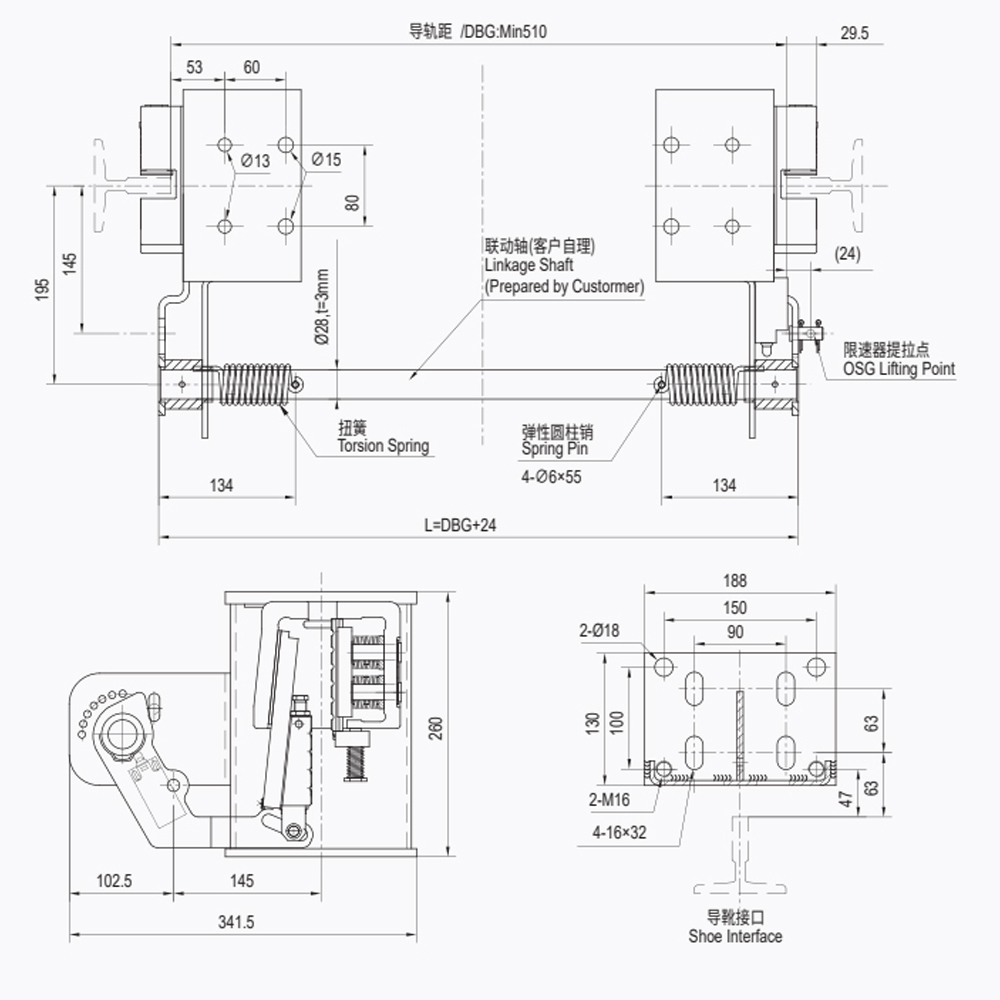
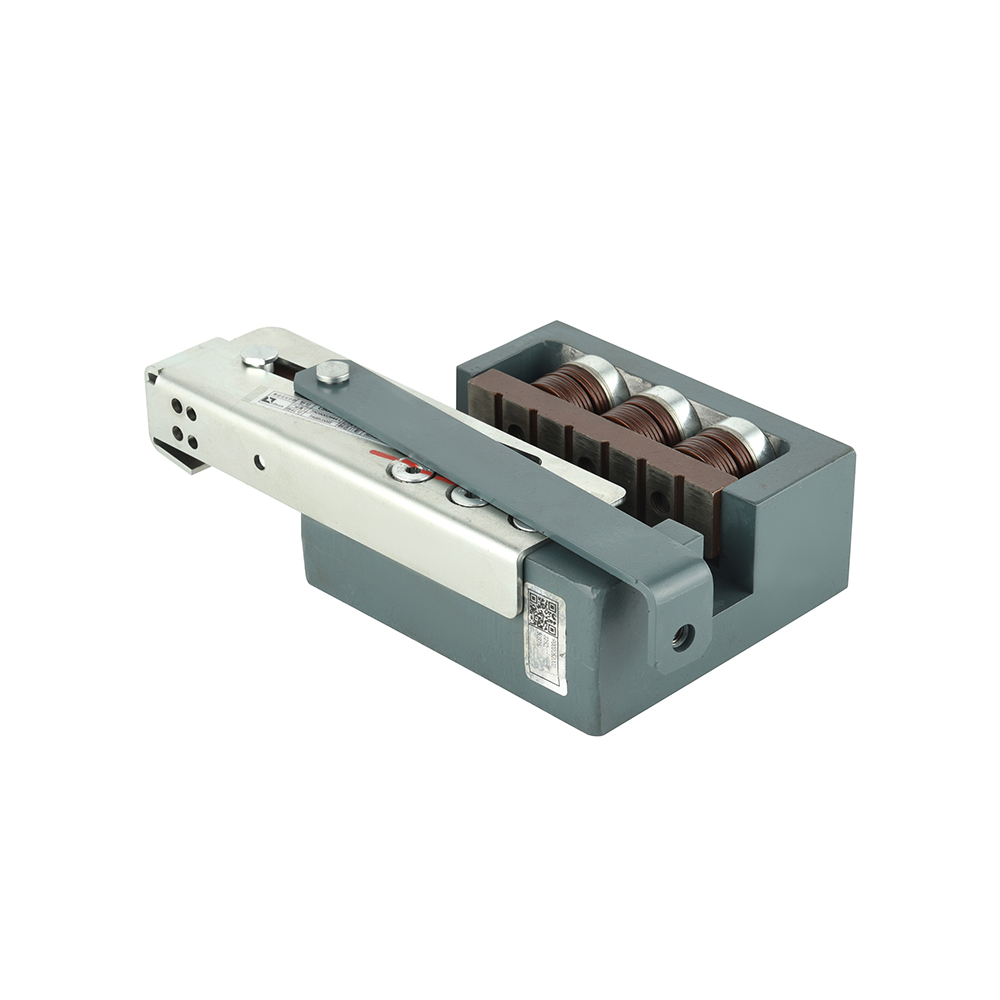
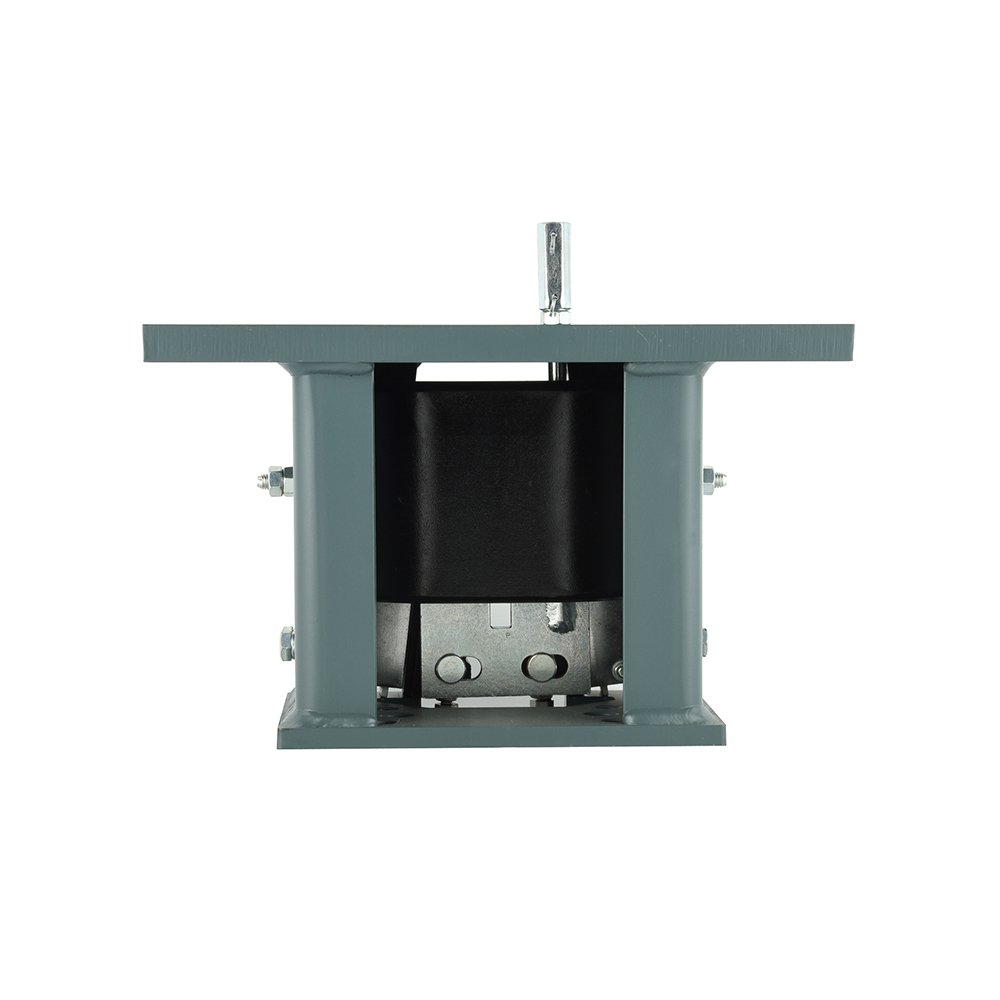
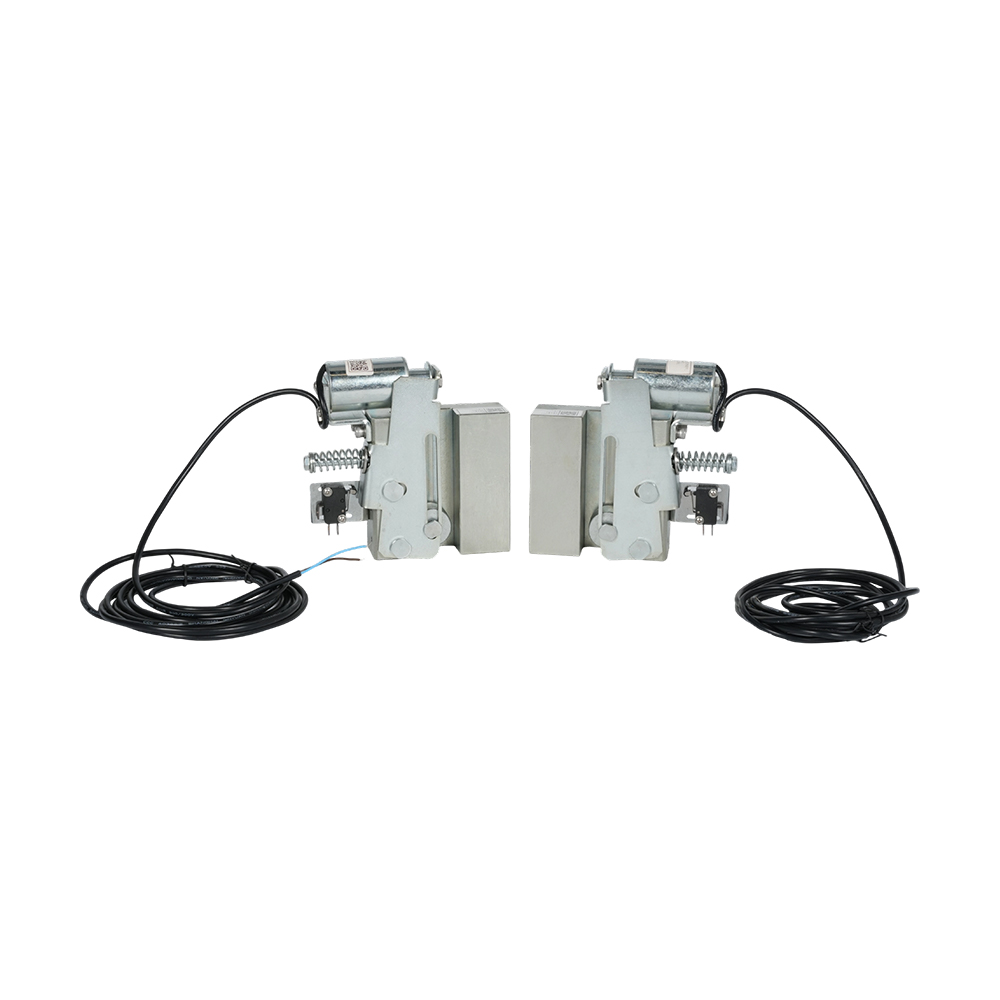
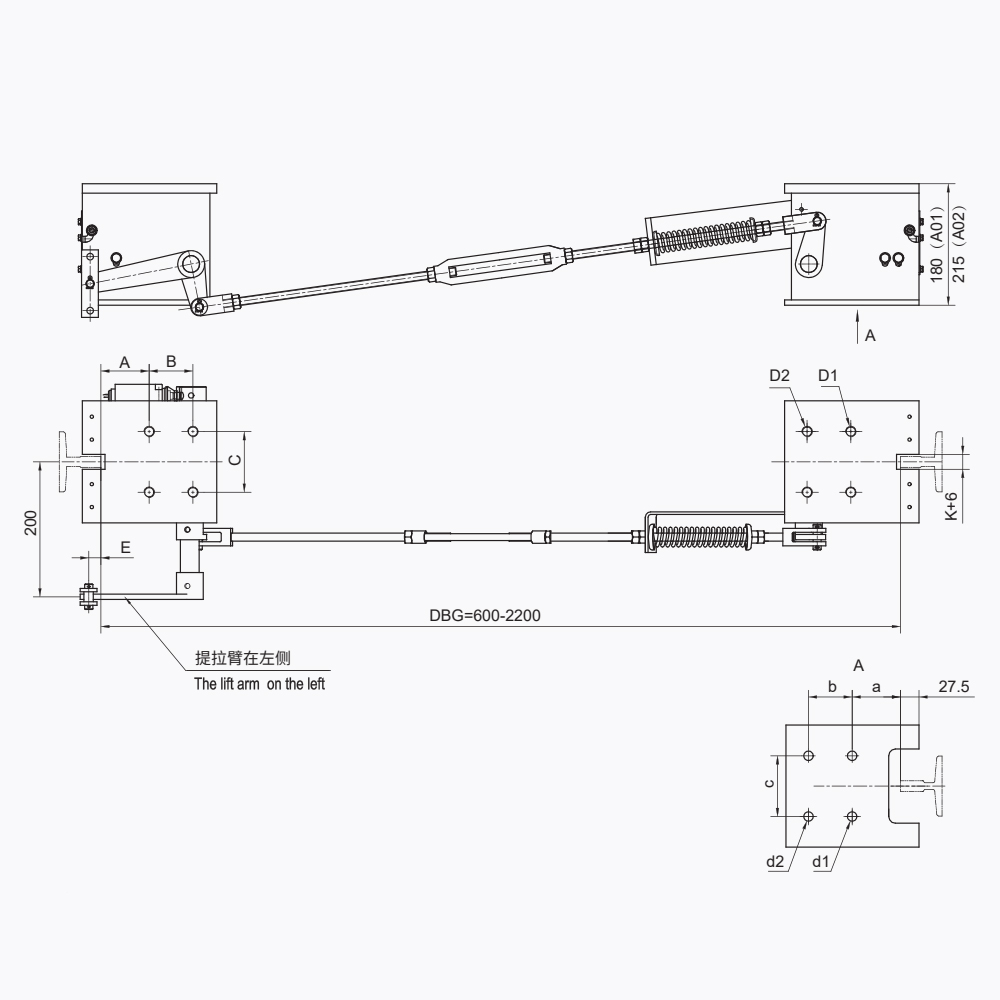
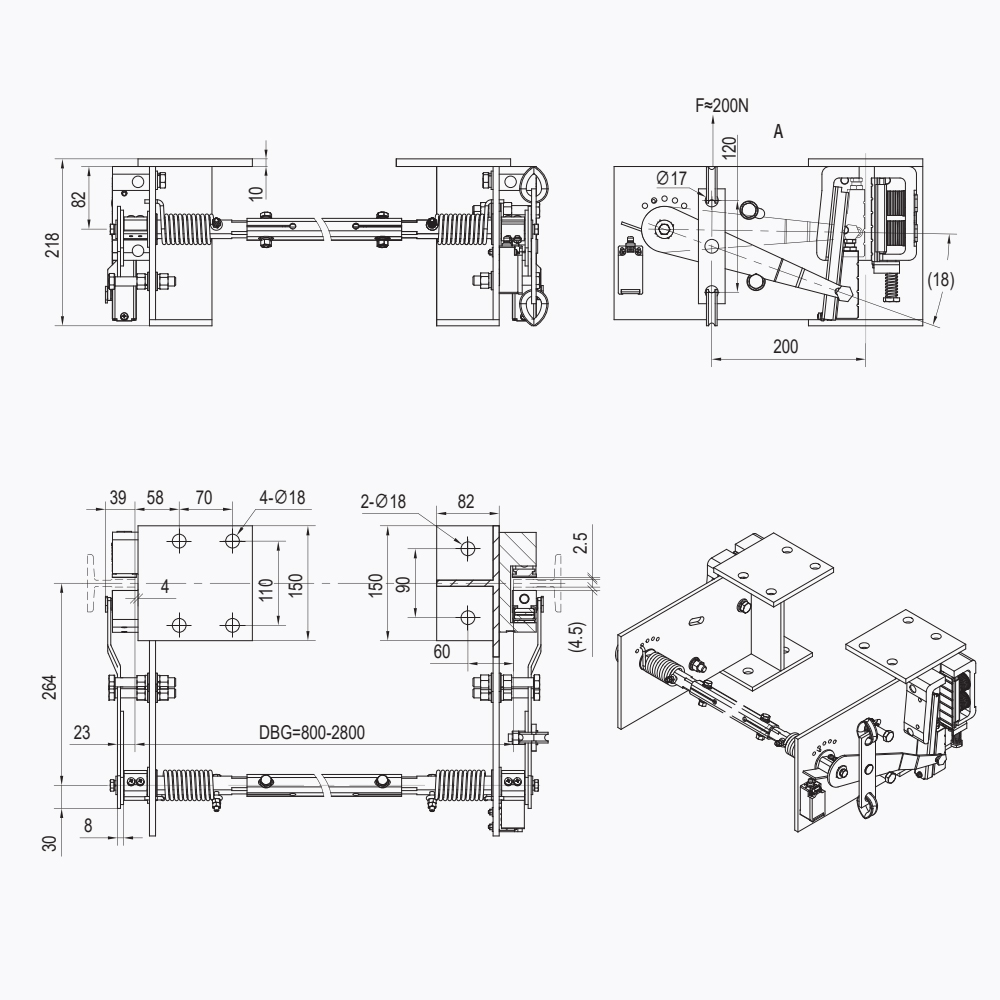
Instantaneous safety gear stops an elevator very rapidly, generating high G-forces that can be uncomfortable or potentially injurious to passengers and may damage cargo or the elevator structure itself. Progressive safety gear solves this by modulating the braking force, providing a safer and more controlled emergency stop, which is particularly important for passenger elevators, elevators carrying delicate goods, or those operating at higher speeds.
Progressive Safety Gear for Smooth Emergency Stops
-- Steady & Reliable Manufacturer --
Progressive safety gear is a braking device that, when activated, applies a clamping force to the guide rails that increases in a controlled manner as the elevator car continues to move. This results in a near-constant deceleration, bringing the elevator to a smooth, controlled stop. It is distinguished from instantaneous safety gear which locks onto the rail abruptly.
Recommended Products
The Key Problem We Solve
Typical Applications
- Modern passenger elevators in offices, hotels, apartments, and hospitals.
- Elevators with rated speeds above 0.63 m/s (where required by EN 81).
- Freight elevators transporting sensitive or high-value equipment.
- Villa and home elevators where ride comfort during a safety event is a priority.
- All medium to high-speed elevator applications.
- Elevator modernization projects upgrading from older instantaneous gear systems.
Product Advantages
| Operating Principle | Wedge-and-Roller or Eccentric Cam mechanism generating progressive force. |
| Deceleration (Retardation) | Controlled, typically between 0.2g and 1.0g, adjustable via spring pre-load. |
| Stopping Distance | Longer than instantaneous gear, calculated based on speed and set retardation. |
| Activation Method | Mechanical linkage from governor rope or electro-mechanical trigger. |
| Max. Guide Rail Stress | Generally lower peak stress compared to instantaneous gear. |
| Post-Engagement | Can often be reset and reused after inspection and possible liner/wedge replacement. |
| Key Standards | EN 81-20/50, ASME A17.1, GB 7588 (specifications for progressive performance). |
Selection & Compliance Considerations
Retardation Setting:The deceleration rate is a critical parameter, set by adjusting pre-compression springs. It must be high enough to stop within the available distance but low enough to ensure passenger safety. The setting is factory-adjusted and should be verified during installation.
Guide Rail Compatibility: Progressive gear performance is sensitive to rail geometry (T-shape dimensions, straightness, and surface condition). The gear must be matched to the specific rail profile (e.g., T89, T127) and installed with precise alignment.
Lubrication: Unlike some instantaneous gears, the moving surfaces (rollers, cam paths, sliding wedges) of progressive gear require proper lubrication to function as designed and to prevent seizing. The type and interval of lubrication are specified by the manufacturer.
Load Weighing System Interaction: In modern elevators, the load weighing device can signal the control system to adjust the safety gear's expected performance envelope. Ensure compatibility if such a system is in place.
FAQ
- Q: How does the "progressive" action actually work mechanically?
- A: The most common design uses a wedge that is pulled between rollers and the guide rail. As the car moves down after activation, the wedge is drawn in further, which spreads the rollers apart. This spreading increases the normal force on the rail in a controlled, near-linear fashion, resulting in a constant friction force and thus constant deceleration.
- Q: Can progressive safety gear be used on all types of guide rails?
- A: It is designed for standard "T-shaped" guide rails. The specific model must be selected for the exact rail profile (e.g., T75, T90, T125). It is not suitable for other rail types like "U" shaped or carpenter rails without significant and approved adaptation.
- Q: What maintenance does progressive safety gear require?
- A: Regular visual inspection for corrosion and freedom of movement. Periodic lubrication of pivots and sliding surfaces as per manual. Annual functional check (without load) to ensure the linkage moves freely. After any engagement, a full inspection by a qualified technician is mandatory, including measurement of wear on wedges and liners and verification of spring settings.
About Us
Shanghai Liftech Elevator Accessories Co., Ltd.
Founded in 2004, Shanghai Liftech Elevator Accessories Co., Ltd. is a specialized enterprise dedicated to the R&D, manufacturing, testing, and sales of elevator safety components. With over two decades of sustained development, Liftech has established itself as a leading manufacturer in China's elevator safety sector, providing high-quality products and solutions to a wide range of major elevator brands and engineering clients across domestic and international markets. We are ,China Wholesale Progressive Safety Gear for Smooth Emergency Stops Suppliers and Progressive Safety Gear for Smooth Emergency Stops OEM/ODM Manufacturers
For over 20 years, LIFTECH (est. 2004) has been a trusted force in the R&D, manufacturing, and full lifecycle support of premium elevator safety components.
Material Selection Guide
| Component | Standard Model | Low-Noise / Premium Model | High-Corrosion Environment |
| Wedge Body | Forged Steel, quenched & tempered, ground surfaces. | Precision ground with polished contact paths; dampening pads on housing. | Stainless steel wedge or carbon steel with full corrosion-resistant coating. |
| Rollers | Case Hardened Steel. | Hardened steel with polished surfaces or composite rollers. | Stainless steel rollers. |
| Guide Rail Liners (Contact Pads) | Replaceable hardened steel strips. | Engineered polymer composite strips (e.g., containing aramid fibers) for consistent friction and low noise. | Stainless steel or coated steel liners. |
| Springs (Pre-load) | Music Wire Springs, adjustable. | Shot-peened and pre-set springs for consistent force over time. | Stainless Steel Springs. |
| Linkage Pins & Bushings | Steel pins, bronze bushings. | Hardened steel pins with needle roller bearings or sintered bronze bushings. | Stainless steel pins with corrosion-resistant bushings. |

