

 English
 中文简体
中文简体 русский
 Español
 Deutsch


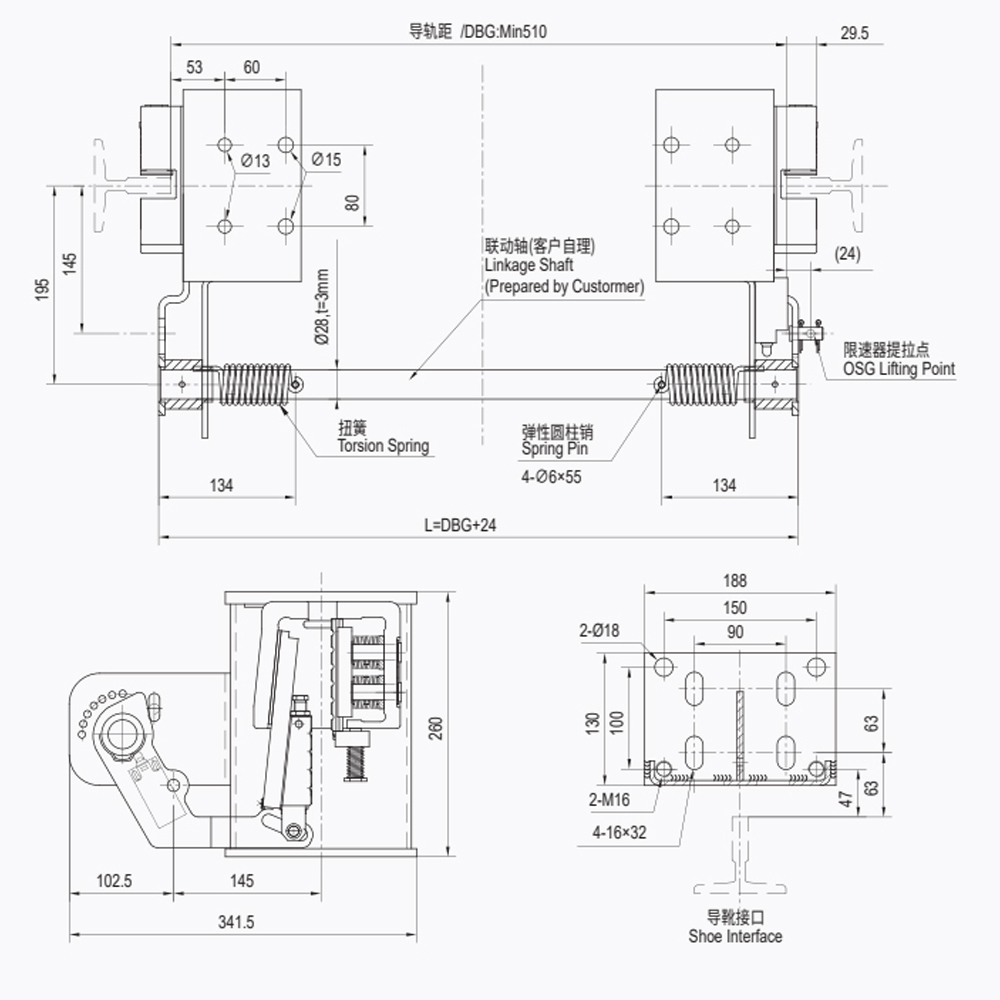
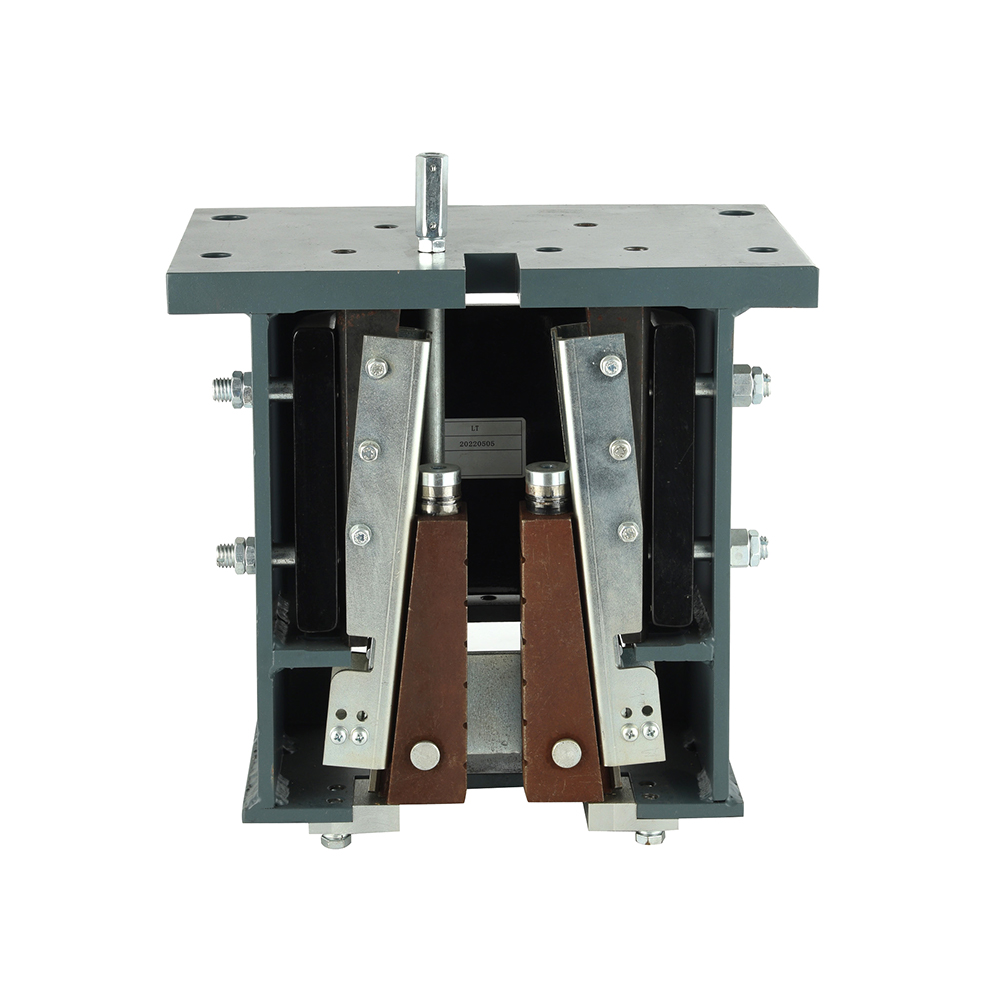
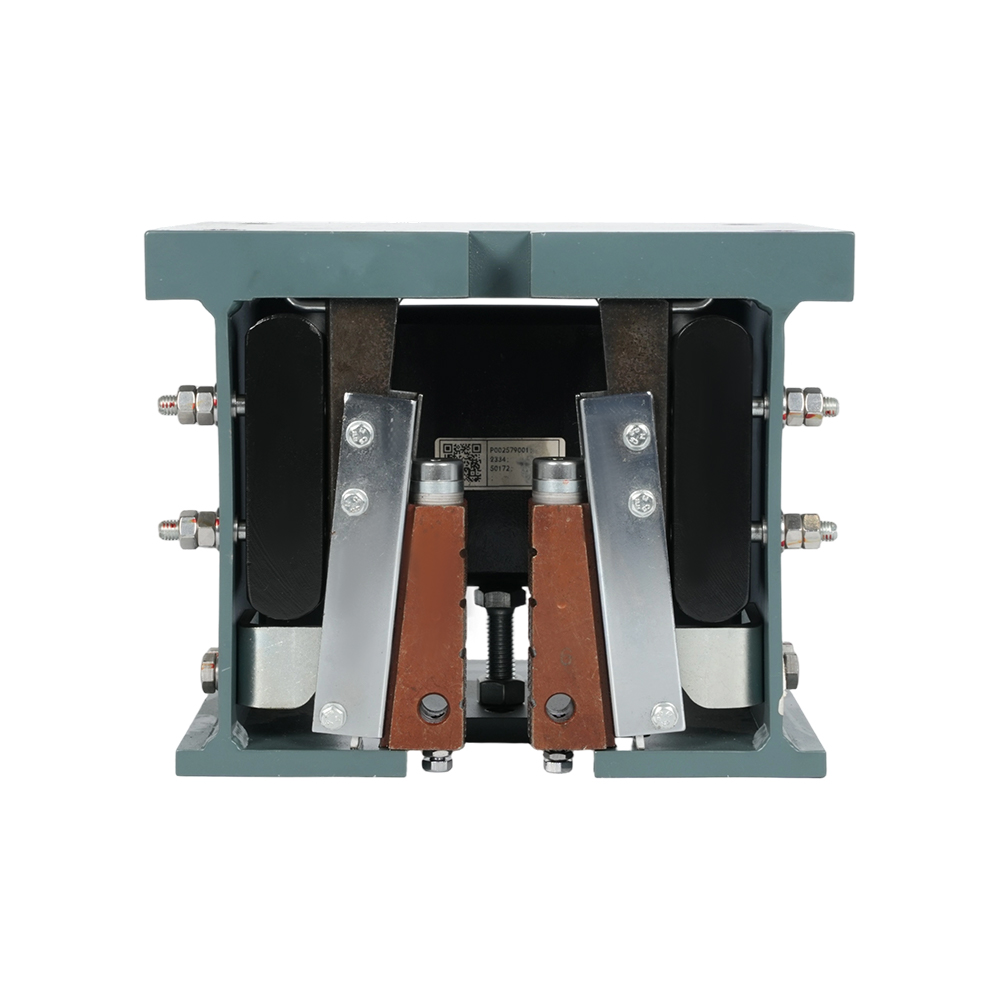
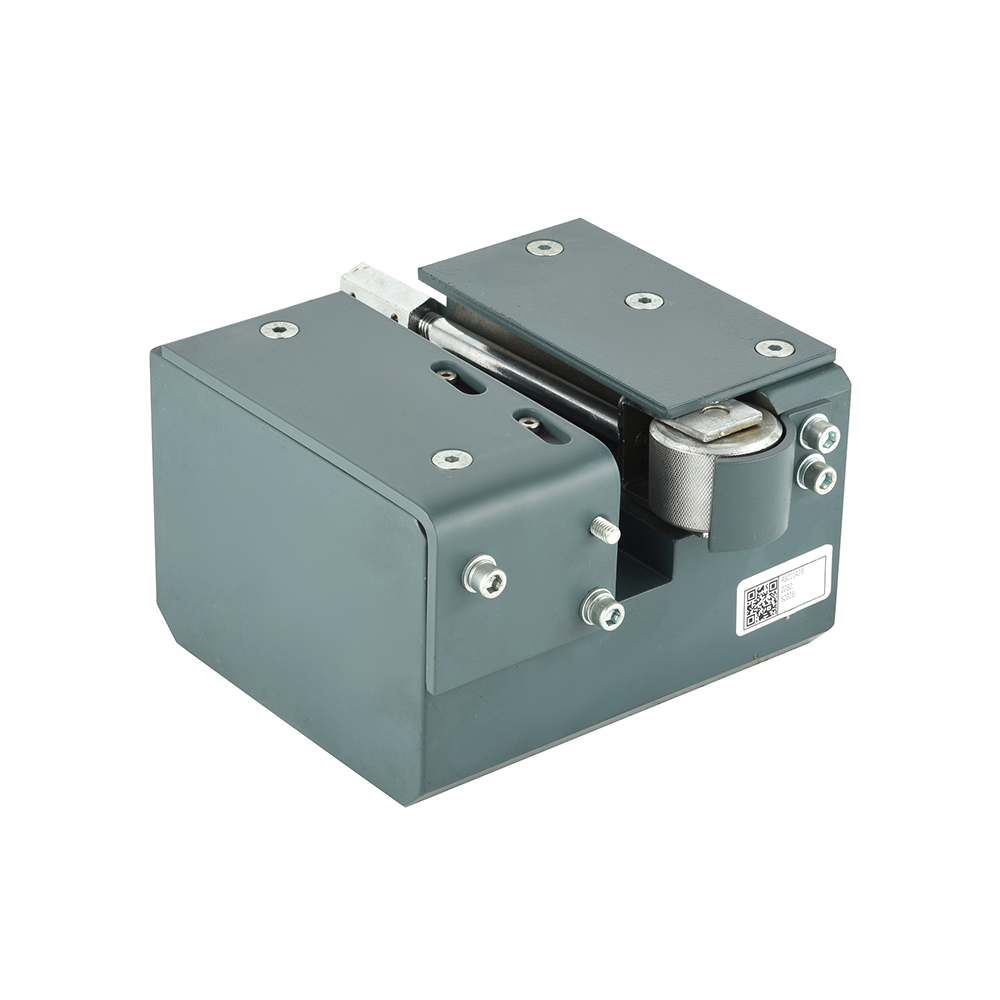
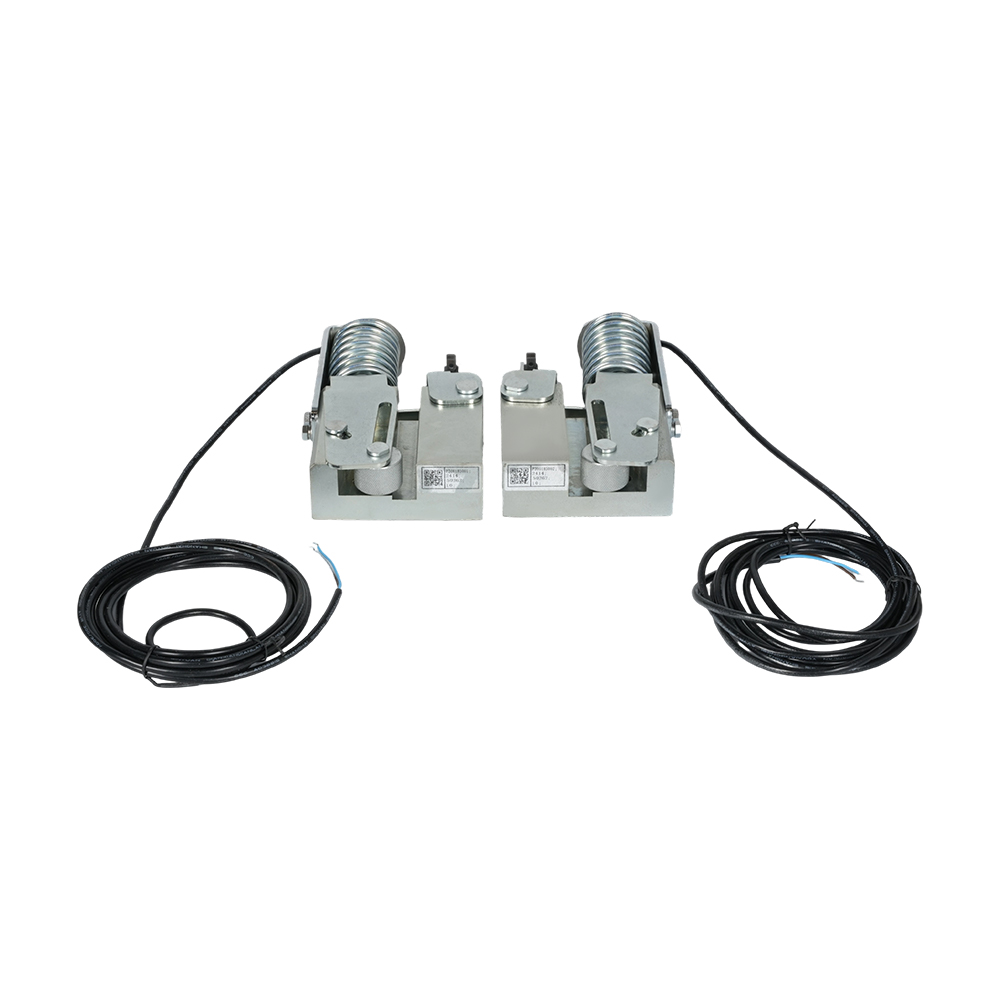
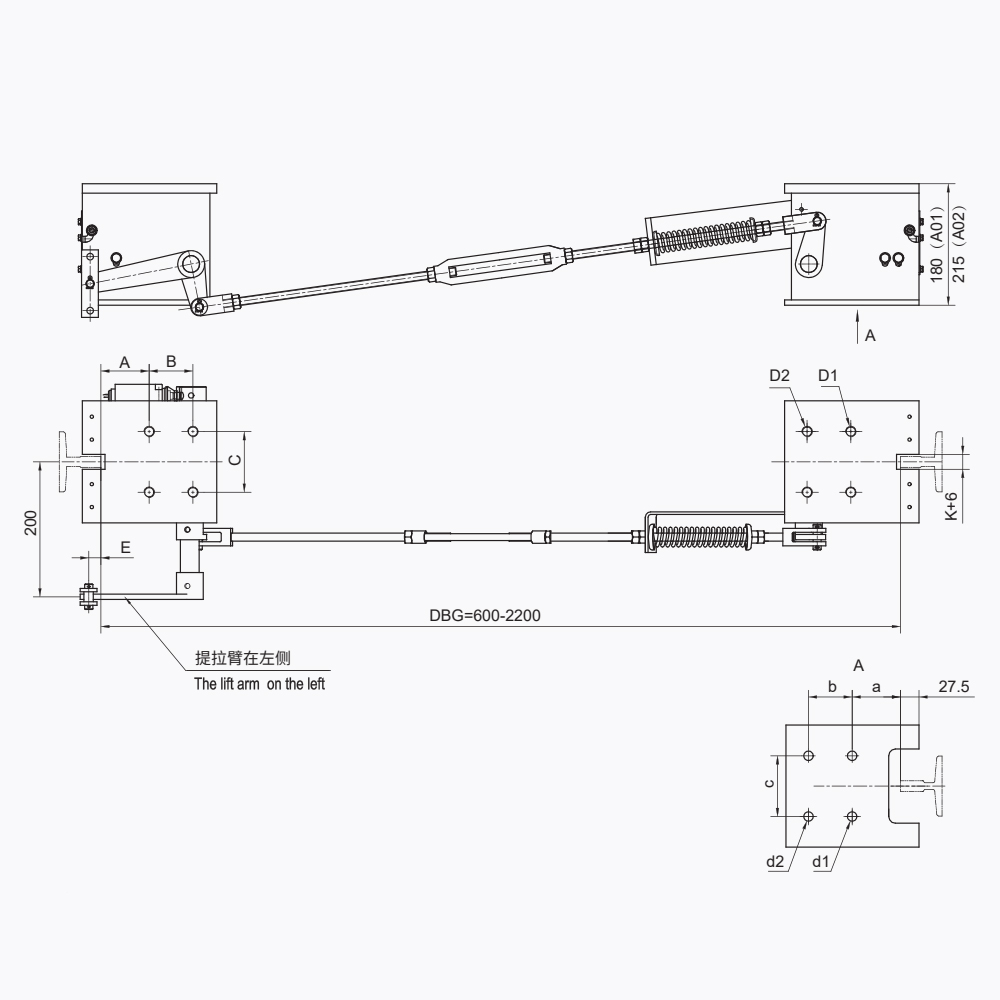
These devices address the critical risk of uncontrolled descent or overspeed in freight elevators carrying substantial, often unevenly distributed loads. The primary challenge is to stop the elevator car or counterweight with absolute certainty under high-impact conditions, minimizing the potential for load damage and structural stress. Instantaneous safety gears provide a definitive mechanical lock on the guide rail, ensuring immediate arrestment where progressive deceleration is neither necessary nor practical due to load characteristics and operational speed.
Instantaneous Safety Gear for Freight Elevators
-- Steady & Reliable Manufacturer --
Instantaneous safety gears are designed for freight, goods, and service elevators where rapid and positive engagement with the guide rail is required upon overspeed detection. Unlike progressive types, they apply full braking force immediately, making them suitable for lower speeds and heavier loads commonly found in industrial settings. These devices are engineered for high static load capacity and reliable operation in demanding environments with frequent heavy-duty cycles.
Recommended Products
The Key Problem We Solve
Typical Applications
- Industrial manufacturing plants and warehouses
- Freight elevators in shipping ports and logistics centers
- Service lifts in commercial kitchens and hospitals
- Automotive assembly plant vertical transport systems
- Loading dock lifts and heavy material handling lifts
- Construction site temporary goods hoists
Product Advantages
| Rated Load Capacity | Up to 10,000 kg or more, depending on model |
| Triggering Speed | Typically set between 115% to 140% of rated speed |
| Actuation Type | Mechanical, via overspeed governor rope pull |
| Braking Principle | Instantaneous, full-force wedge or cam action |
| Rail Compatibility | Designed for T-type guide rails (e.g., T89, T127, T140) |
| Operating Temperature | -20°C to +80°C (standard); wider ranges available |
| Standards Compliance | EN 81-20/50, ASME A17.1/CSA B44 |
Selection & Compliance Considerations
Selection must be based on the elevator's maximum rated load, rated speed, and guide rail specifications. Compliance with local elevator safety codes (EN 81, ASME A17.1) is mandatory. For harsh environments, consider corrosion-resistant finishes or stainless steel components. The braking force must be matched to the elevator's mass to ensure effective stopping without exceeding allowable guide rail stress. Verification of compatibility with the existing or planned overspeed governor system is essential.
FAQ
- Q: Can instantaneous safety gear be used in passenger elevators? A: Generally no. Most passenger elevator codes require progressive safety gears for passenger comfort and reduced structural impact. Instantaneous types are reserved for freight/service elevators as specified by safety standards.
- Q: How is the triggering force adjusted? A: Triggering is primarily a function of the overspeed governor setting. The safety gear itself is calibrated at the factory for the specified load and rail type. Field adjustment is limited and must be performed by certified technicians.
- Q: What maintenance is required? A: Regular visual inspection for wear, lubrication of moving parts as per manual, and functional testing during periodic elevator maintenance are crucial. The guide rail contact surfaces should be kept clean.
About Us
Shanghai Liftech Elevator Accessories Co., Ltd.
Founded in 2004, Shanghai Liftech Elevator Accessories Co., Ltd. is a specialized enterprise dedicated to the R&D, manufacturing, testing, and sales of elevator safety components. With over two decades of sustained development, Liftech has established itself as a leading manufacturer in China's elevator safety sector, providing high-quality products and solutions to a wide range of major elevator brands and engineering clients across domestic and international markets. We are ,China Wholesale Instantaneous Safety Gear for Freight Elevators Suppliers and Instantaneous Safety Gear for Freight Elevators OEM/ODM Manufacturers
For over 20 years, LIFTECH (est. 2004) has been a trusted force in the R&D, manufacturing, and full lifecycle support of premium elevator safety components.
Material Selection Guide
| Material | Typical Use Case & Rationale |
| Forged Carbon Steel | Standard duty; provides high strength-to-weight ratio for main jaws and levers. Cost-effective for most industrial environments. |
| Stainless Steel (e.g., SS304, SS316) | Corrosive environments (food processing, chemical plants, coastal areas). Resists rust and pitting, ensuring long-term reliability. |
| Alloy Steel (Heat-Treated) | Heavy-duty applications with extreme loads. Offers superior tensile strength and wear resistance for wedge components. |
| Bronze or Polymer Liners | Rail contact inserts. Designed to provide consistent friction, reduce noise during engagement, and protect the steel guide rail from scoring. |

