

 English
 中文简体
中文简体 русский
 Español
 Deutsch


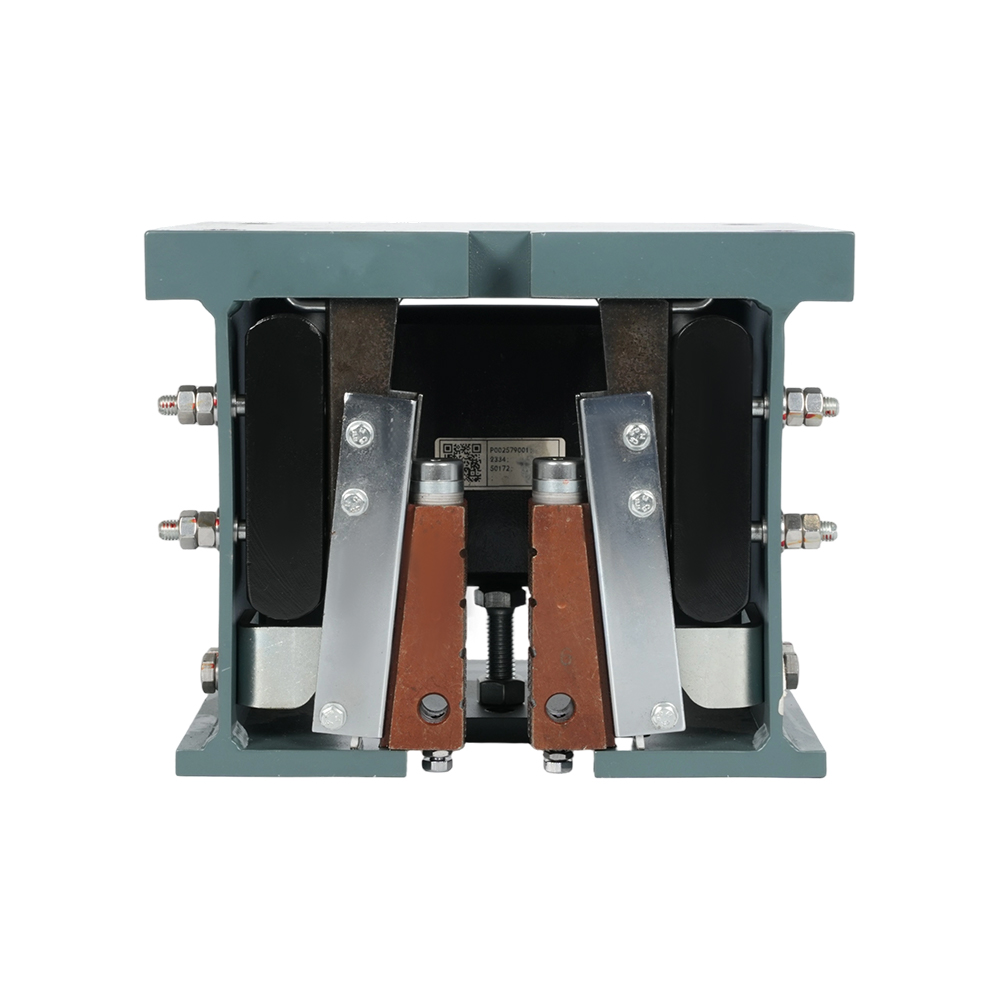
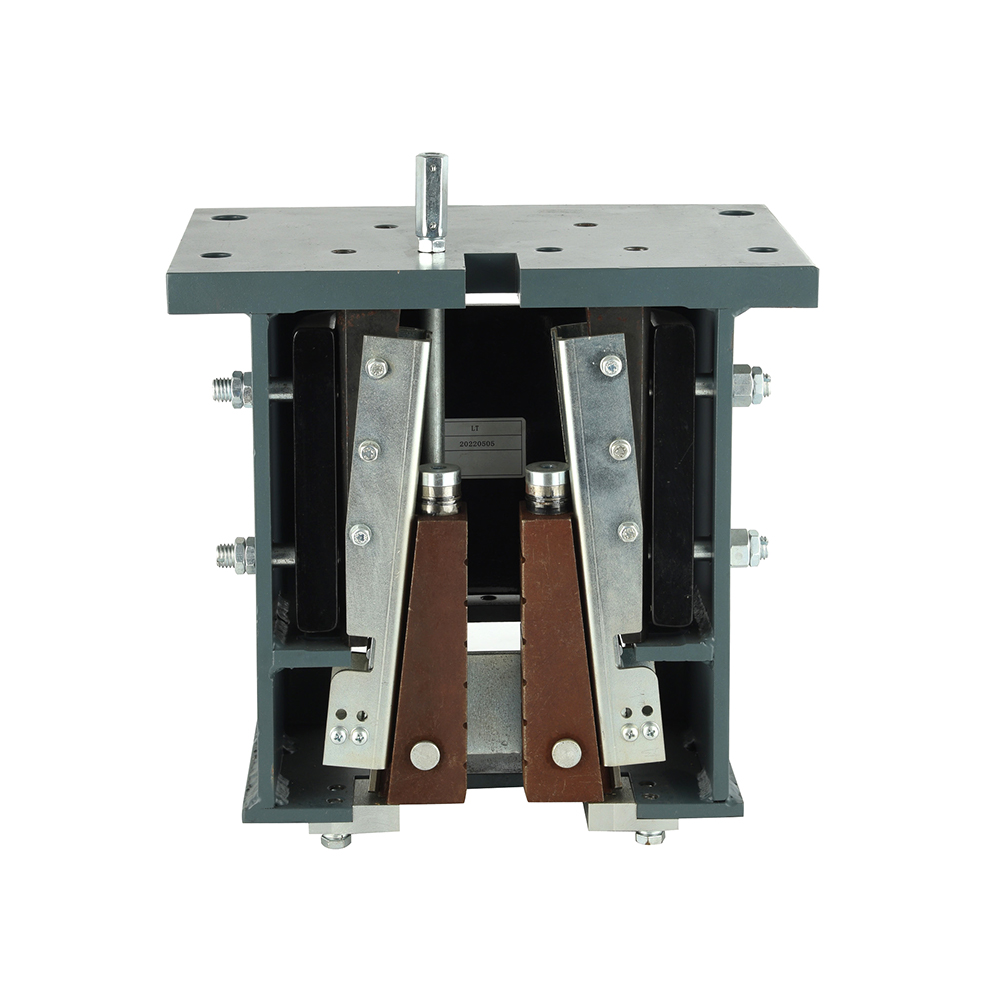
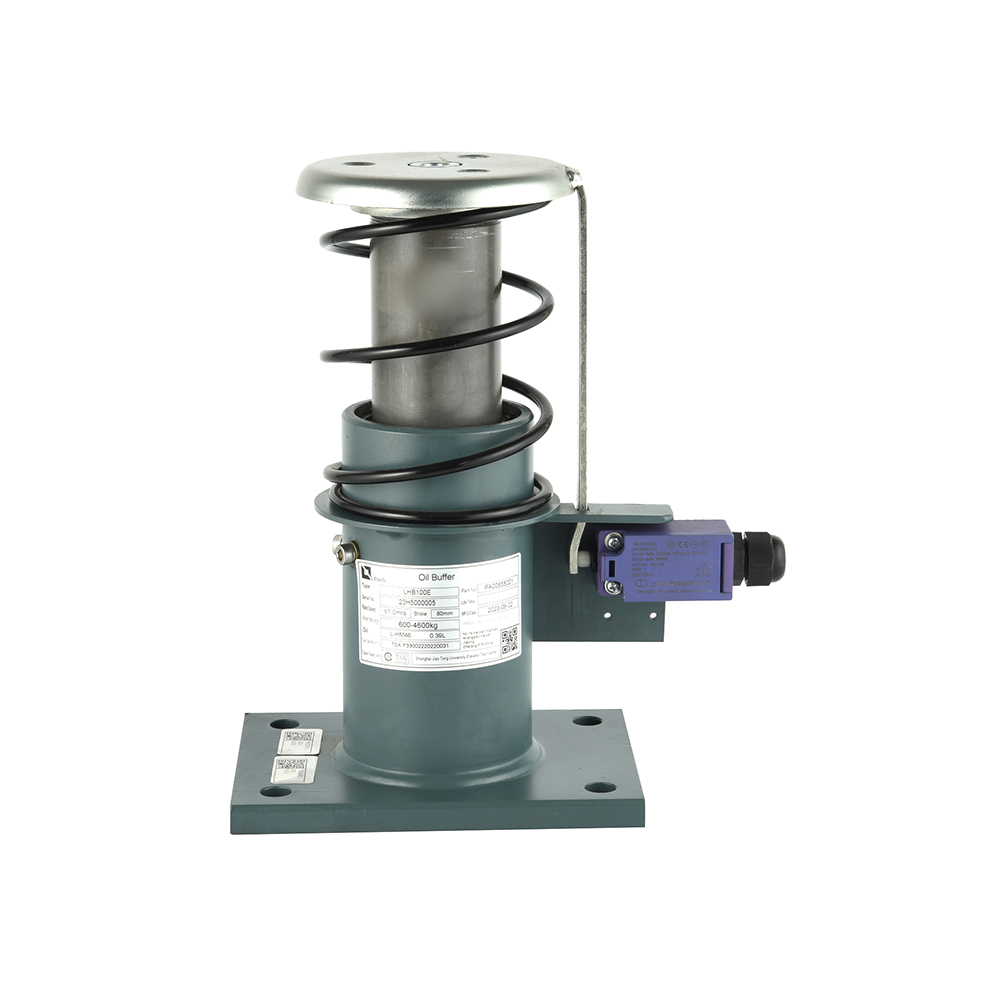
Using passenger elevator safety components in freight applications can lead to premature wear, unreliable engagement due to different dynamic loads, and potential failure under shock conditions like a forklift entering the car. This category solves the mismatch by providing components with higher safety factors, more robust construction, materials resistant to impact and abrasion, and designs that accommodate the uneven loading and frequent start-stop cycles typical of cargo operations.
Freight & Cargo Elevator Safety Components
-- Steady & Reliable Manufacturer --
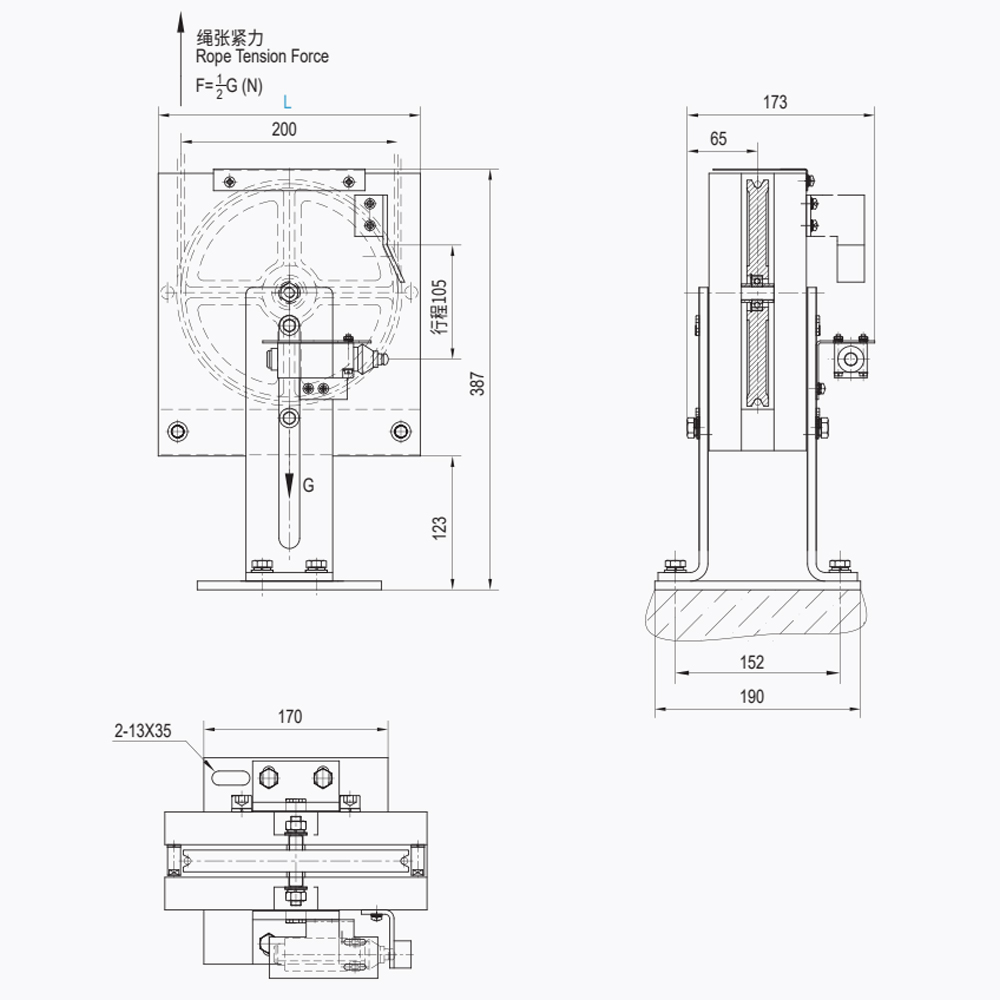
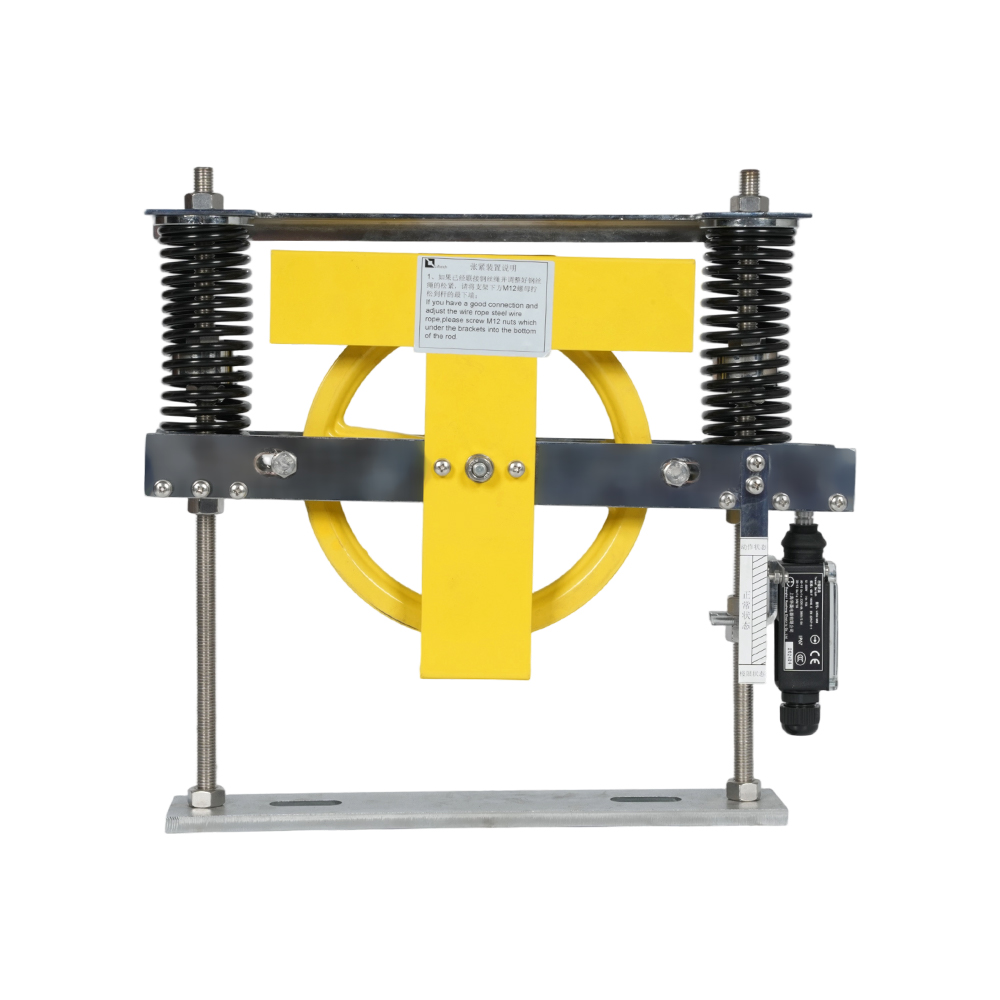
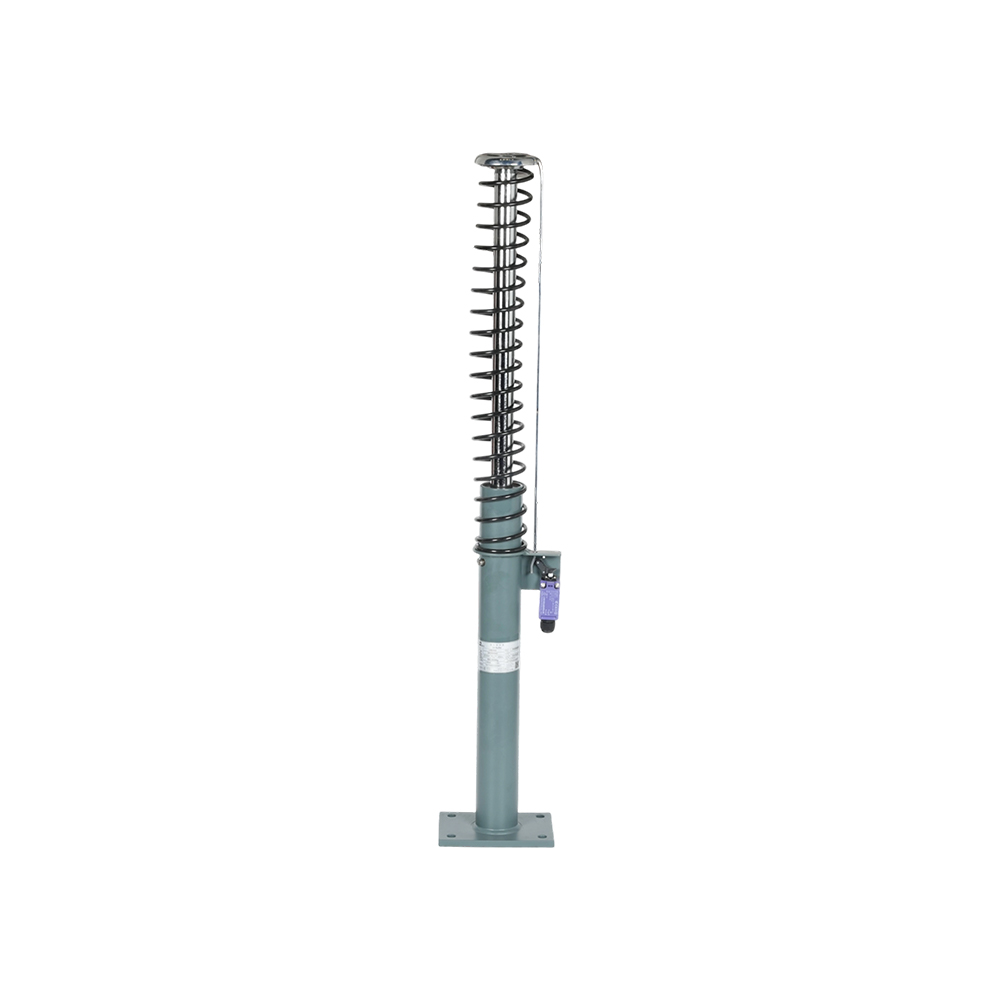
This category aggregates all safety-critical components specifically selected or engineered for the demanding operating profile of freight and cargo elevators. The focus is on durability, high capacity, and resilience to shock loads, variable center of gravity, and often harsh environmental conditions found in industrial settings. It encompasses not just safety gear and buffers, but also reinforced governors, robust linkage, and specialized limit switches designed for the unique challenges of moving goods rather than passengers.
Recommended Products
The Key Problem We Solve
Typical Applications
- Warehouse and distribution center vertical lifts.
- Manufacturing plant elevators for moving raw materials, work-in-progress, and finished products.
- Loading dock elevators and vehicle lifts.
- Freight elevators in commercial buildings, hospitals, and hotels for service and supply.
- Industrial hoists in mining, agriculture, and recycling facilities.
- Cold storage and food processing plant elevators requiring specific hygiene or temperature ratings.
Product Advantages
| Design Safety Factor | Components often designed with higher margins than passenger equivalents (e.g., 20-30% higher). |
| Load Capacity Focus | Ranges from 1,000 kg to over 20,000 kg. |
| Operational Speed | Typically lower (0.25 - 1.0 m/s) but with high torque demands. |
| Duty Cycle | Rated for high-frequency, intermittent use. |
| Shock Load Consideration | Designs account for dynamic forces from moving cargo. |
| Environmental Protection | Enhanced sealing, corrosion-resistant finishes, and dust-resistant designs are common. |
Selection & Compliance Considerations
Definition of "Rated Load": For freight elevators, the rated load must be clearly defined—is it evenly distributed static weight, or does it include the dynamic impact of a loaded pallet jack? Component selection should be based on the worst-case loading scenario anticipated.
Guide Rail System Robustness: The performance of safety gear and buffers is directly tied to the strength and alignment of the guide rails. For heavy freight elevators, larger T-section rails (e.g., T127, T140) and more frequent rail brackets are often necessary, and this should be confirmed with a structural engineer.
Control System Interlocks: Safety components should be complemented by operational safety features like car gate interlocks that prevent movement with doors open, overload detection devices that inhibit operation if the weight exceeds capacity, and signage specifying load distribution.
Maintenance Accessibility: Freight elevators are often in dirty, cramped machine rooms or pits. Components should be selected and installed with maintenance in mind—easy access to inspection points, grease nipples, and adjustment mechanisms is crucial for long-term reliability.
FAQ
- Q: Is progressive or instantaneous safety gear better for freight elevators?
- A: It depends on the cargo. For uniformly packed, robust goods, instantaneous gear can be suitable and is often simpler. For fragile goods, uneven loads, or if personnel occasionally ride with the cargo, progressive safety gear provides a smoother, safer stop and is generally preferred for modern installations. The decision should factor in cargo type, elevator speed, and local code preferences.
- Q: How do we account for forklifts driving into the elevator?
- A: This is a critical shock load. The elevator car platform and its suspension should be designed for such point loads. From a safety component perspective, the main concern is that the sudden impact doesn't falsely trigger the safety gear (e.g., through car frame vibration). Using safety gear with a defined and adequate actuation force threshold is important. The buffer must also be sized for the total kinetic energy, including the forklift's mass and speed.
- Q: What special considerations are needed for food-grade or cold storage freight elevators?
- A: Materials must be corrosion-resistant (stainless steel 304/316 is common) and designs should minimize crevices where dirt or bacteria can accumulate. Lubricants must be food-grade or suitable for low temperatures. Components, especially buffers, may need to be rated for continuous operation in sub-zero temperatures, requiring special seals and fluids.
About Us
Shanghai Liftech Elevator Accessories Co., Ltd.
Founded in 2004, Shanghai Liftech Elevator Accessories Co., Ltd. is a specialized enterprise dedicated to the R&D, manufacturing, testing, and sales of elevator safety components. With over two decades of sustained development, Liftech has established itself as a leading manufacturer in China's elevator safety sector, providing high-quality products and solutions to a wide range of major elevator brands and engineering clients across domestic and international markets. We are ,China Wholesale Freight & Cargo Elevator Safety Components Suppliers and Freight & Cargo Elevator Safety Components OEM/ODM Manufacturers
For over 20 years, LIFTECH (est. 2004) has been a trusted force in the R&D, manufacturing, and full lifecycle support of premium elevator safety components.
Material Selection Guide
| Component | Light Freight / Service Elevator | General Freight (Warehouse) | Heavy-Duty / Industrial Freight |
| Safety Gear Type | Progressive or Instantaneous, standard duty. | Heavy-Duty Progressive or Instantaneous with higher clamp force. | Specially rated Progressive Gear or oversized Instantaneous Gear. |
| Buffer Type | Oil buffer, standard energy rating. | Oil buffer with higher energy capacity and robust return spring. | Large-stroke, high-energy oil buffer; sometimes multiple buffers per rail. |
| Governor | Standard governor for low speed. | Governor with higher torque capacity for heavier governor rope tension. | Reinforced governor with oversized sheave and bearings. |
| Linkage & Levers | Standard linkage. | Reinforced levers and rods with larger diameter pins. | Heavy-wall tubing or solid steel rods; bearings instead of bushings. |
| Surface Finish & Protection | Standard paint. | Enhanced paint system or zinc plating for warehouse humidity/dust. | Hot-dip galvanizing or industrial-grade epoxy coating for harsh environments. |

