

 English
 中文简体
中文简体 русский
 Español
 Deutsch


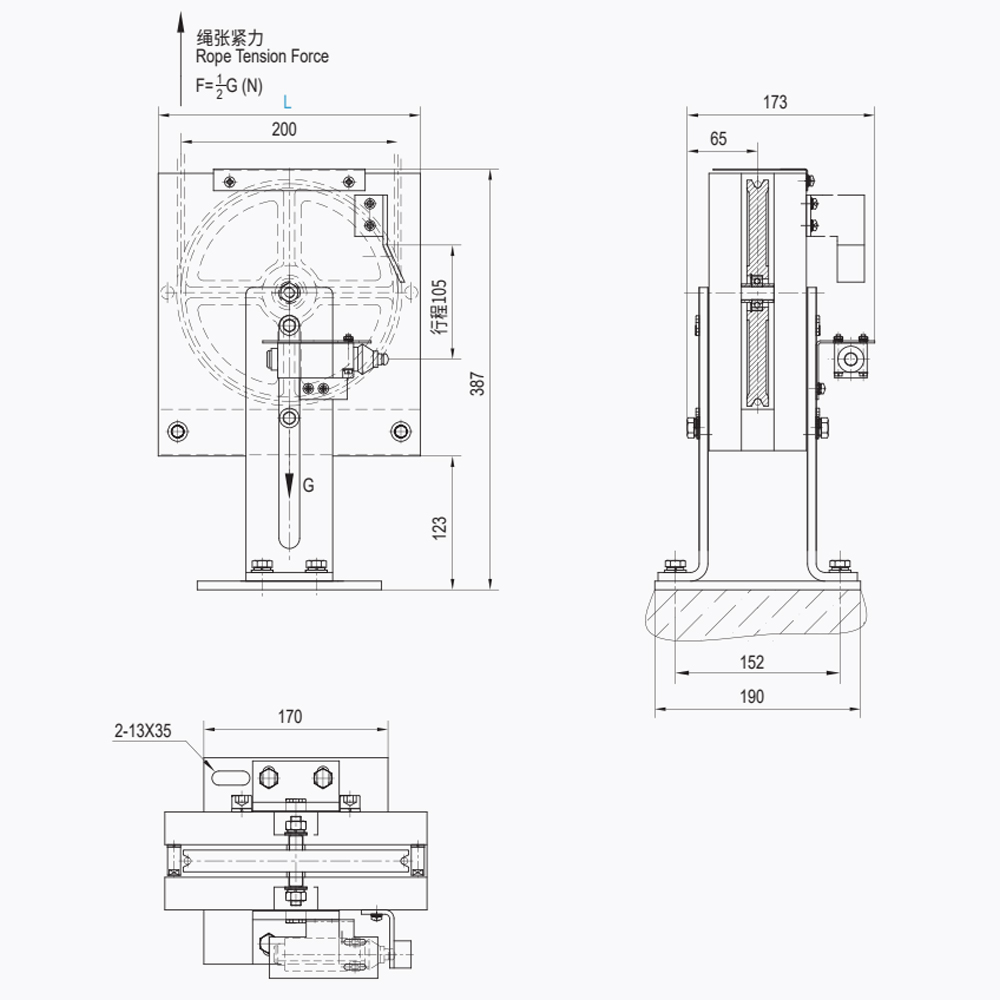
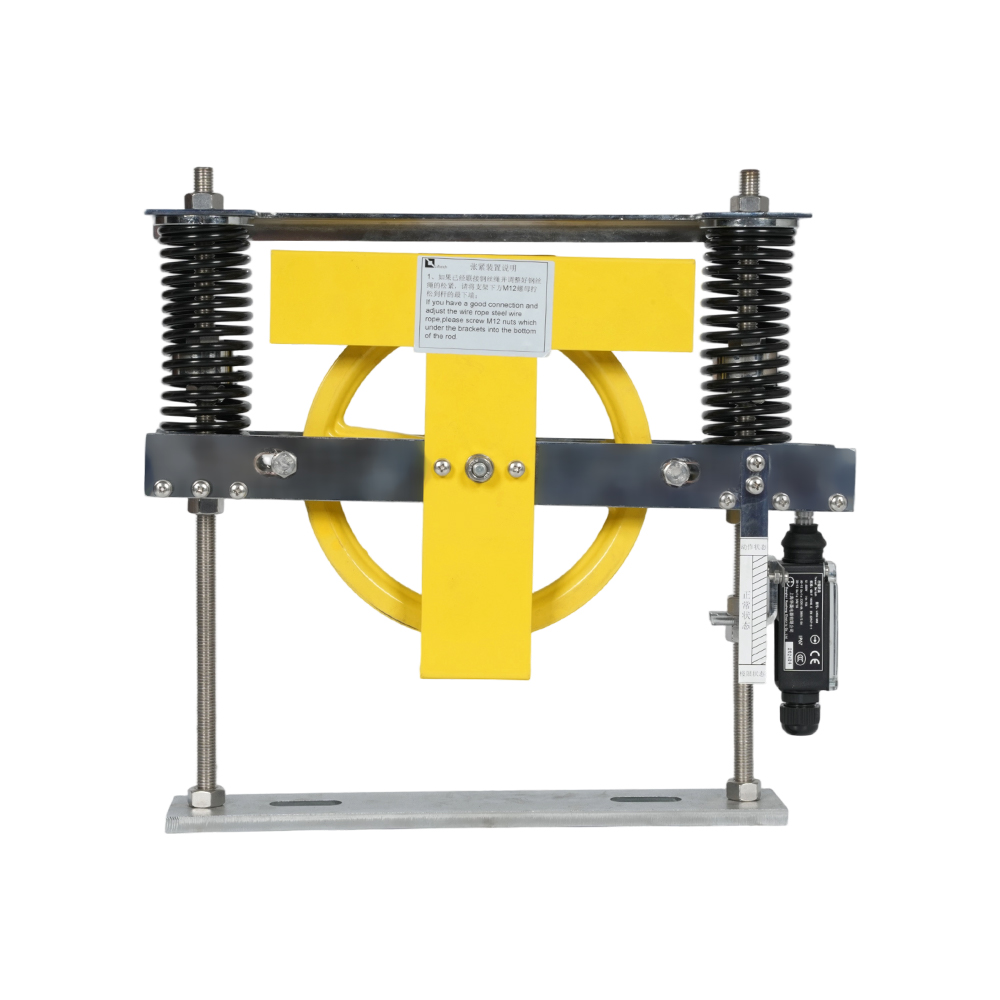
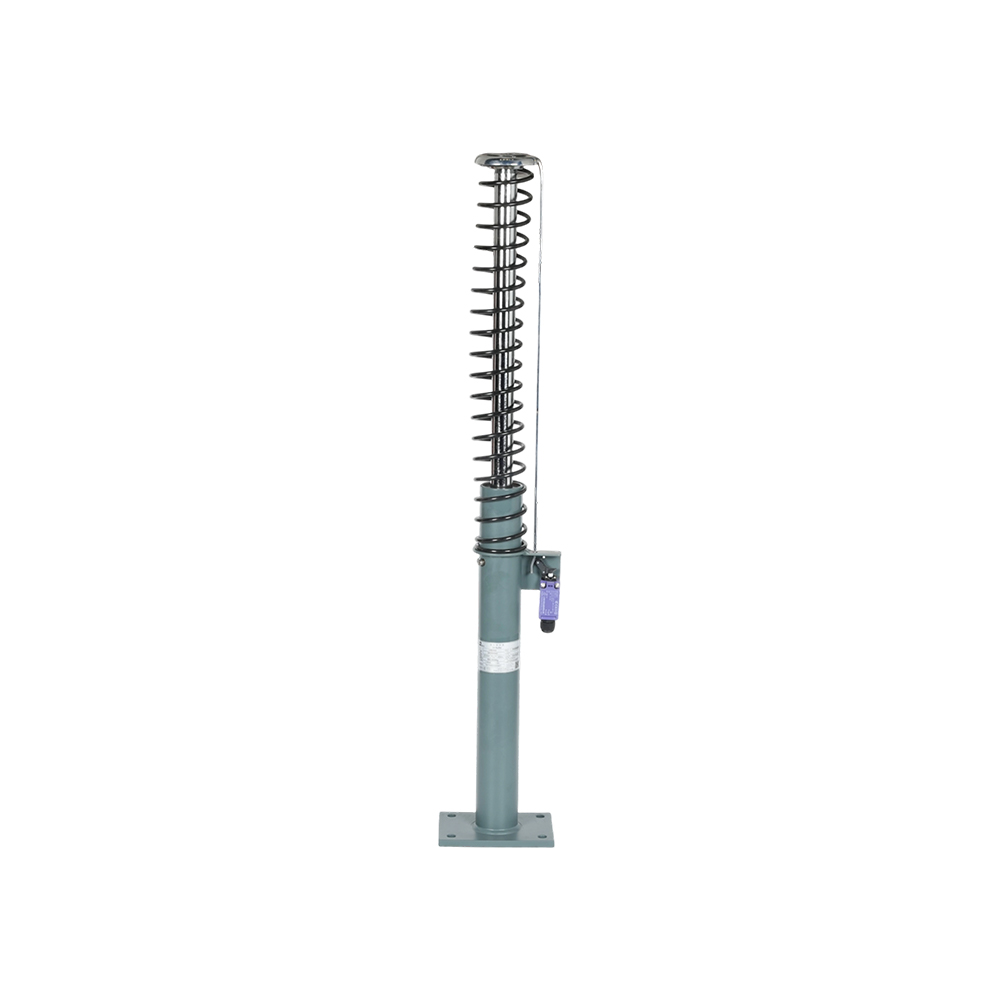
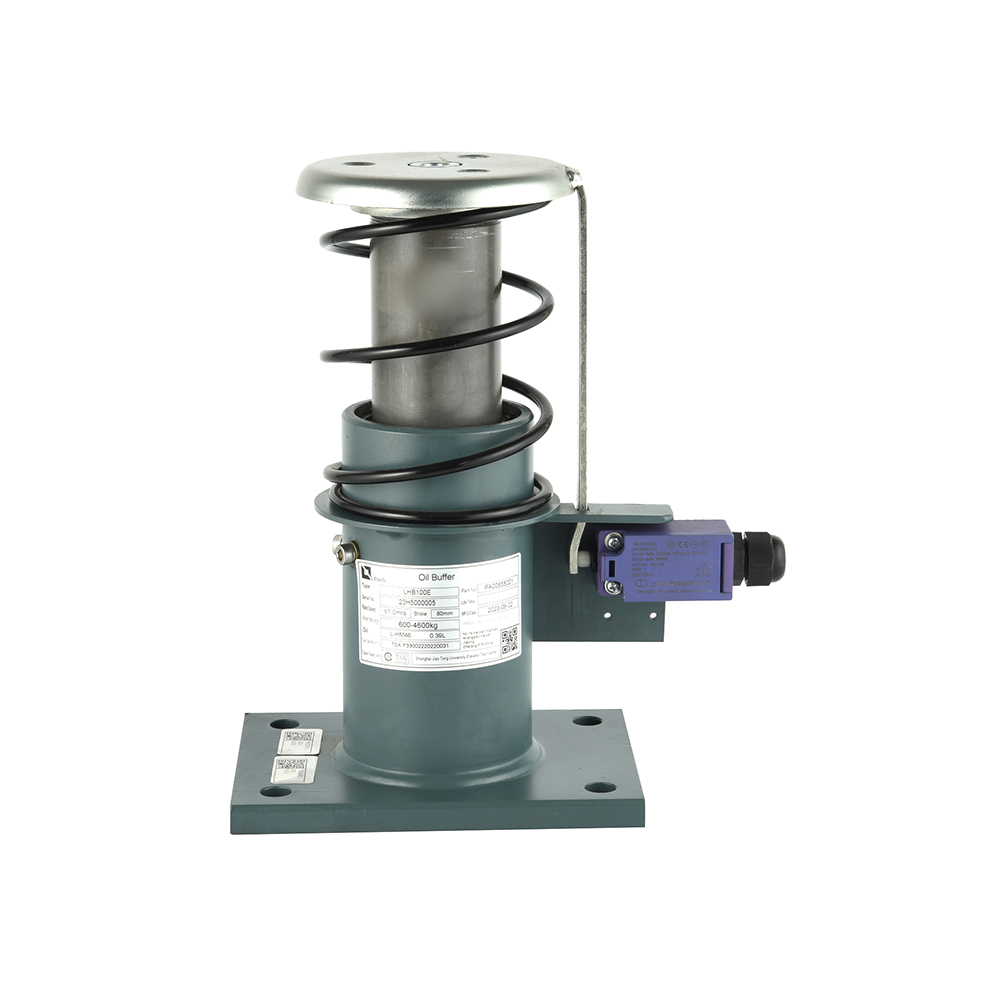
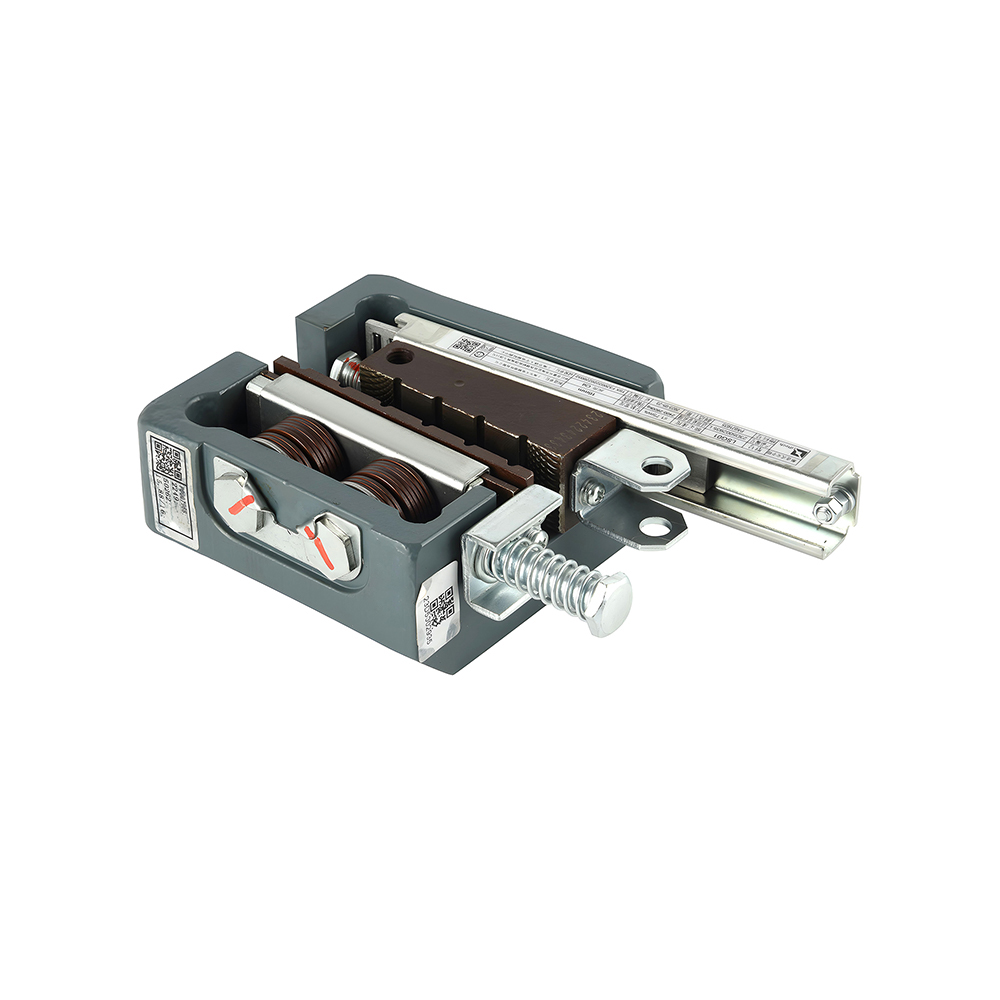
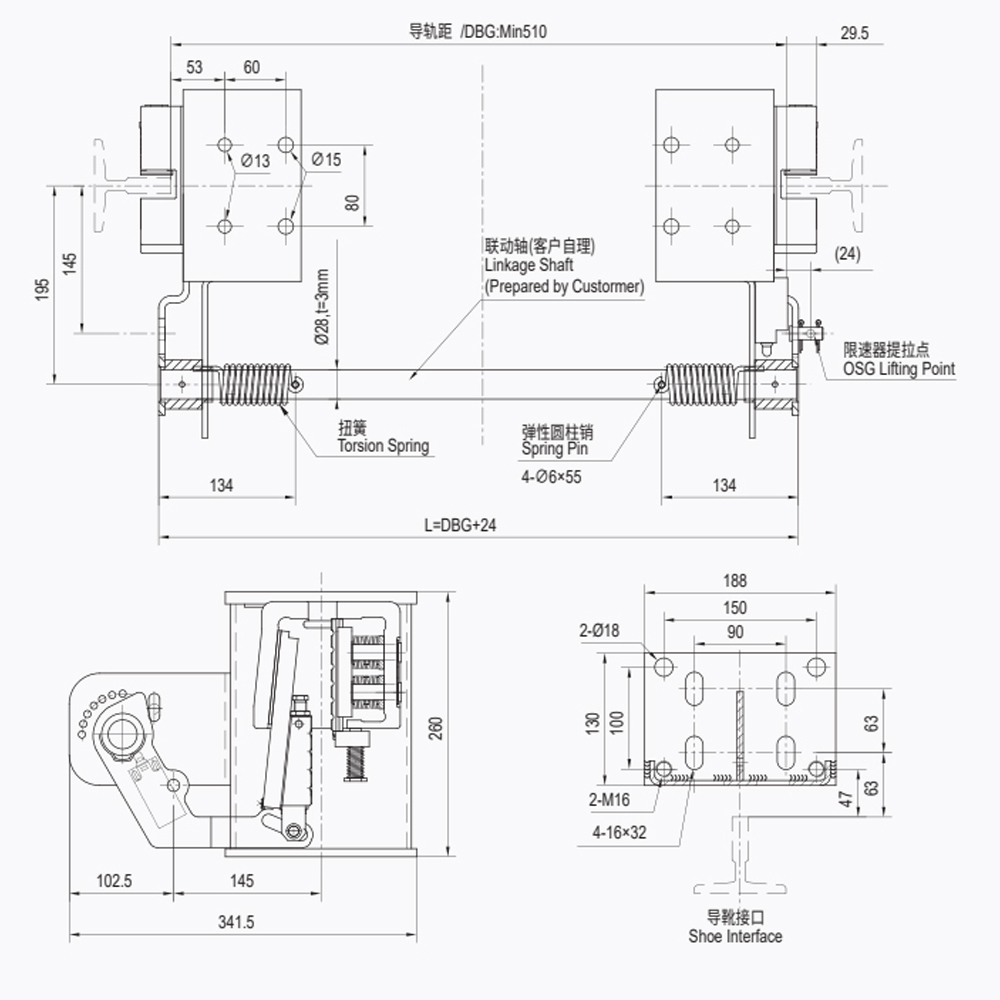
The primary challenge in commercial buildings is managing risk and cost associated with elevator downtime. A safety system failure can strand occupants, disrupt business operations, and incur significant repair expenses. Standard components may wear prematurely under the relentless start-stop cycles and variable loads of a busy office tower or hotel. Furthermore, the complexity of modern commercial elevators—with features like destination dispatch, double-decker cabs, or sky lobbies—places additional demands on the precision and integration of safety devices. An outdated or underspecified safety system can become a single point of failure that affects an entire building's functionality. Our commercial safety components are engineered to meet this challenge head-on. We solve the durability issue through material science—using high-grade alloy steels, advanced heat treatments, and wear-resistant surface coatings that extend service life far beyond baseline requirements. We address reliability with designs that minimize points of friction and potential misadjustment, and by subjecting components to accelerated life testing that simulates years of heavy use. For maintainability, we design with the technician in mind: providing clear access to adjustment points, using standardized replaceable wear cartridges, and supplying comprehensive documentation. This approach ensures that the safety system not only protects passengers but also contributes to the elevator's overall operational availability and lower total cost of ownership for the building manager.
Commercial Building Elevator Safety Components
-- Steady & Reliable Manufacturer --
Commercial buildings, encompassing offices, hotels, retail spaces, and mixed-use developments, present a demanding environment for elevator safety systems. Components must be engineered for high-frequency public use, varying load patterns, and strict adherence to international codes like EN 81-20/50 or ASME A17.1. The focus shifts from the compact discretion of residential parts to robust reliability, maintainability, and performance under constant demand. Commercial safety components include heavy-duty progressive safety gears capable of thousands of engagements, precision governors with high repeatability, and energy-absorbing buffers sized for the building's traffic profile. These systems often incorporate advanced monitoring features, such as governor encoders for optimal ride quality and potential integration with building management systems for predictive maintenance. The design must also account for factors like fire emergency operation (firemen's service), seismic activity in certain regions, and the need for rapid evacuation. Unlike residential settings, noise is managed but not at the expense of durability or service accessibility. The overarching principle is to ensure the continuous, safe vertical transportation of a large volume of people with minimal operational disruption, supporting the building's core function as a place of work, commerce, or hospitality. This requires a balance of proven mechanical engineering, precise manufacturing tolerances, and components designed for easy inspection and service by professional maintenance teams.
Recommended Products
The Key Problem We Solve
Typical Applications
- Office towers and corporate headquarters with high-rise elevator banks.
- Hotels and hospitality venues with guest, service, and freight elevators.
- Shopping malls and retail centers with public access lifts.
- Hospitals and healthcare facilities (see dedicated hospital tag for specific hygiene needs).
- Airports, train stations, and other transportation hubs.
- Public sector and institutional buildings like libraries, universities, and government offices.
- Mixed-use developments combining residential, office, and retail spaces.
Product Advantages
| Design Standard | Primarily EN 81-20/50 for Europe, ASME A17.1/CSA B44 for North America, and other regional equivalents. |
| Typical Load & Speed Range | Load: 630kg to 2000kg+; Speed: 1.0 m/s to 6.0 m/s+. |
| Duty Cycle Rating | Rated for heavy duty (HD) or intensive duty (ID) operation. |
| Safety Gear Type | Progressive safety gear is standard; instantaneous may be used for freight. |
| Governor Features | High-precision, often with encoder feedback; may be bi-directional for UCMP compliance. |
| Buffer Energy Capacity | Calculated based on car mass and 115% of rated speed; often high-capacity oil buffers. |
| Seismic Certification | Available for components to be installed in seismic zones (e.g., ASME A17.1 Seismic Requirement). |
Selection & Compliance Considerations
Selecting commercial safety components is a systematic process that starts with the elevator's core parameters: rated load, rated speed, travel height, and the building's usage classification (e.g., office, hotel). These directly determine the required clamping force of the safety gear, the tripping speed of the governor, and the energy capacity of the buffers. A critical, often overlooked step is the dynamic calculation of kinetic energy to ensure the buffer is correctly sized, especially for high-speed applications. The guide rail system must be reviewed in tandem; safety gear performance is contingent on the rail's profile, strength, and straightness. For modernizations, a survey of the existing car frame and pit geometry is mandatory to ensure new components can be fitted. Compliance is paramount; specify components that are type-tested and certified for the target market. Consider future-proofing: selecting a governor with an integrated encoder facilitates advanced motion control, even if not initially used. For buildings in regions with seismic activity, components with specific seismic certification are not optional. Finally, engage with manufacturers who can provide full technical documentation, including installation drawings, torque specifications, and detailed adjustment procedures, as this directly impacts the quality and safety of the final installation.
FAQ
- Q: What is the typical lifespan of commercial elevator safety components, and when should they be replaced?
- A: The mechanical lifespan of well-maintained safety gears, governors, and buffers can exceed 20 years. However, replacement is driven by wear, not just age. Safety gear wedges and liners are wear items and should be replaced when measurements fall below the manufacturer's specified minimum thickness, which could be every 5-15 years depending on usage. Springs can fatigue over time. Governors require periodic calibration. The decision to replace is based on inspection findings during mandated periodic examinations by a qualified inspector. Proactive replacement of wear parts during major modernizations is a common strategy to ensure continued reliability.
- Q: How do safety components for a high-speed elevator differ from those for a standard-speed one?
- A: High-speed elevator safety systems are a specialized subset. The differences are significant: 1) Governors require extreme precision and faster response times; they often have dual detection systems. 2) Safety Gears are almost exclusively progressive and use advanced materials (like tool steel wedges and composite liners) to handle the immense heat and energy of a high-speed stop. 3) Buffers have enormous energy capacity, requiring large strokes and sophisticated fluid dynamics to manage the deceleration G-forces within human tolerance limits. The entire system is designed and tested as a coordinated unit, often with computer simulation backing the engineering.
- Q: Can I upgrade an older commercial elevator to meet the latest safety codes without replacing the entire elevator?
- A: Yes, through a safety system modernization or retrofit. This often involves replacing the safety gear, governor, and buffers with new, code-compliant models. A key consideration is the addition of Unintended Car Movement Protection (UCMP), which may require a bi-directional governor or a second governor and an electromechanical holding brake. Such retrofits are complex and require engineering review to ensure compatibility with the existing car frame, guide rails, and control system, but they are a common and effective way to extend an elevator's safe service life.
About Us
Shanghai Liftech Elevator Accessories Co., Ltd.
Founded in 2004, Shanghai Liftech Elevator Accessories Co., Ltd. is a specialized enterprise dedicated to the R&D, manufacturing, testing, and sales of elevator safety components. With over two decades of sustained development, Liftech has established itself as a leading manufacturer in China's elevator safety sector, providing high-quality products and solutions to a wide range of major elevator brands and engineering clients across domestic and international markets. We are ,China Wholesale Commercial Building Elevator Safety Components Suppliers and Commercial Building Elevator Safety Components OEM/ODM Manufacturers
For over 20 years, LIFTECH (est. 2004) has been a trusted force in the R&D, manufacturing, and full lifecycle support of premium elevator safety components.
Material Selection Guide
| Component | Standard Duty (Office/General Use) | Heavy Duty (Hotel/Frequent Use) | High-Speed / Premium Duty |
| Safety Gear Wedge Material | Alloy Steel (e.g., 4140), quenched & tempered. | Alloy Steel with surface hardening (nitriding) for wear resistance. | Tool Steel (e.g., H13) or specialty alloy, vacuum hardened; may have advanced coatings. |
| Guide Rail Liner | Replaceable hardened steel strip. | Hardened steel or composite liner with higher wear rating. | Engineered composite material with stable friction coefficient across a temperature range. |
| Governor Flyweights & Bearings | Steel weights, standard bearings. | Balanced steel weights, high-life bearings. | Tungsten alloy weights for high centrifugal force, precision ceramic hybrid bearings. |
| Buffer Cylinder & Fluid | Steel tube, standard hydraulic oil. | Thick-walled steel, high-VI hydraulic oil. | Forged steel cylinder with honed interior, synthetic high-temperature fluid. |
| Mounting Hardware & Linkage | Grade 8.8 bolts, steel linkage. | Grade 10.9 or 12.9 bolts, reinforced linkage. | Alloy steel bolts, machined linkage components with minimal play. |

