

 English
 中文简体
中文简体 русский
 Español
 Deutsch


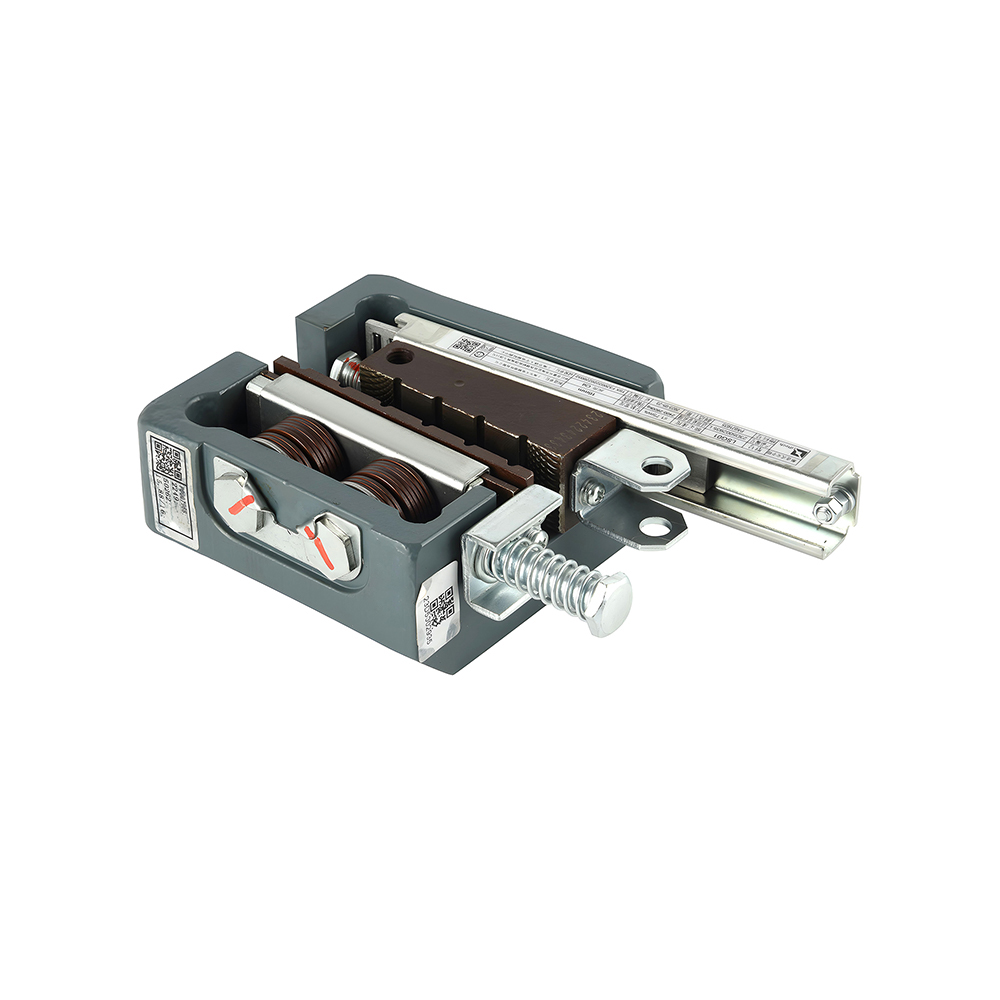
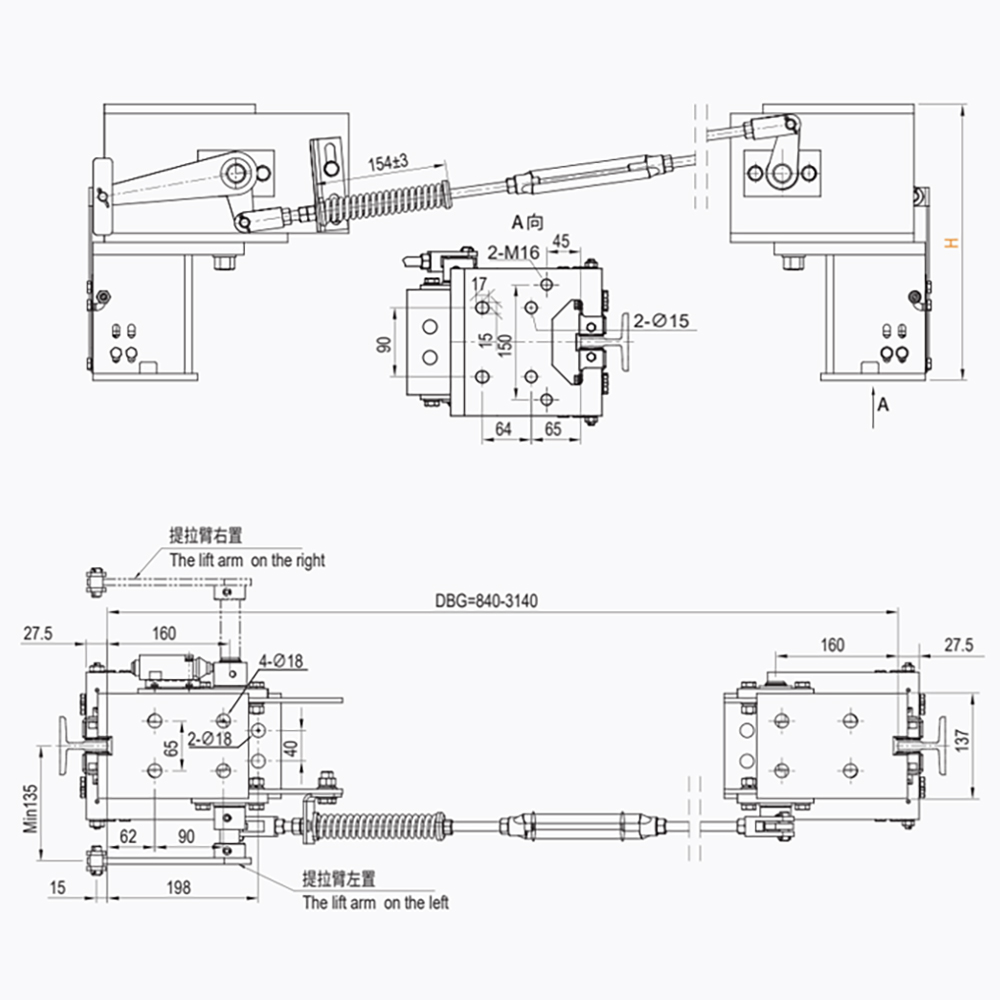
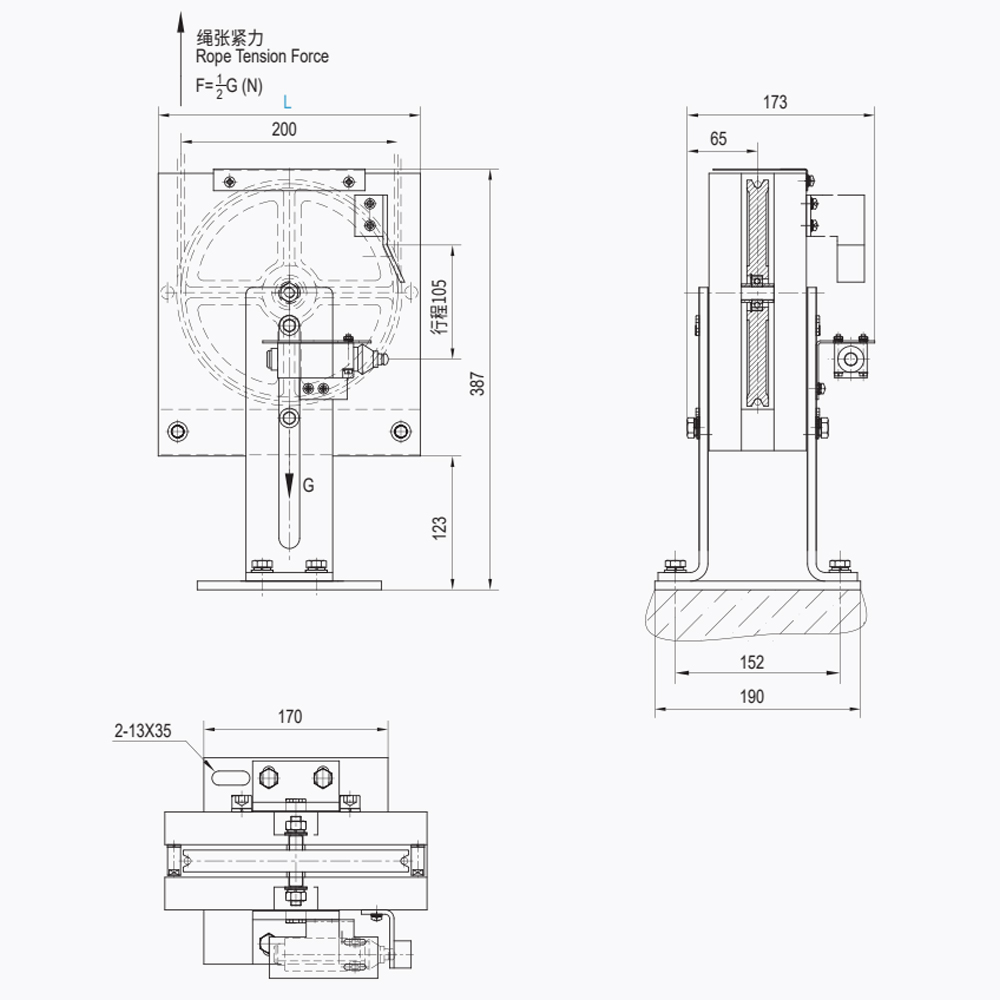
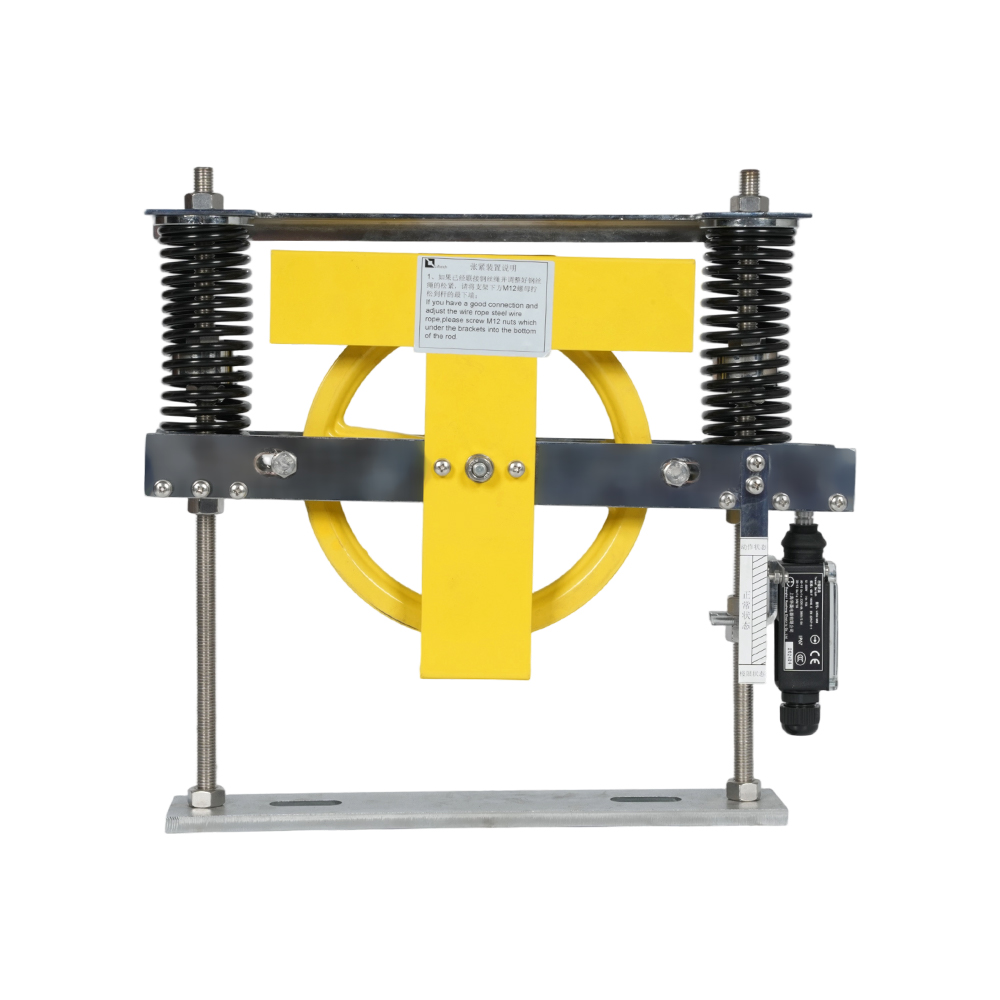
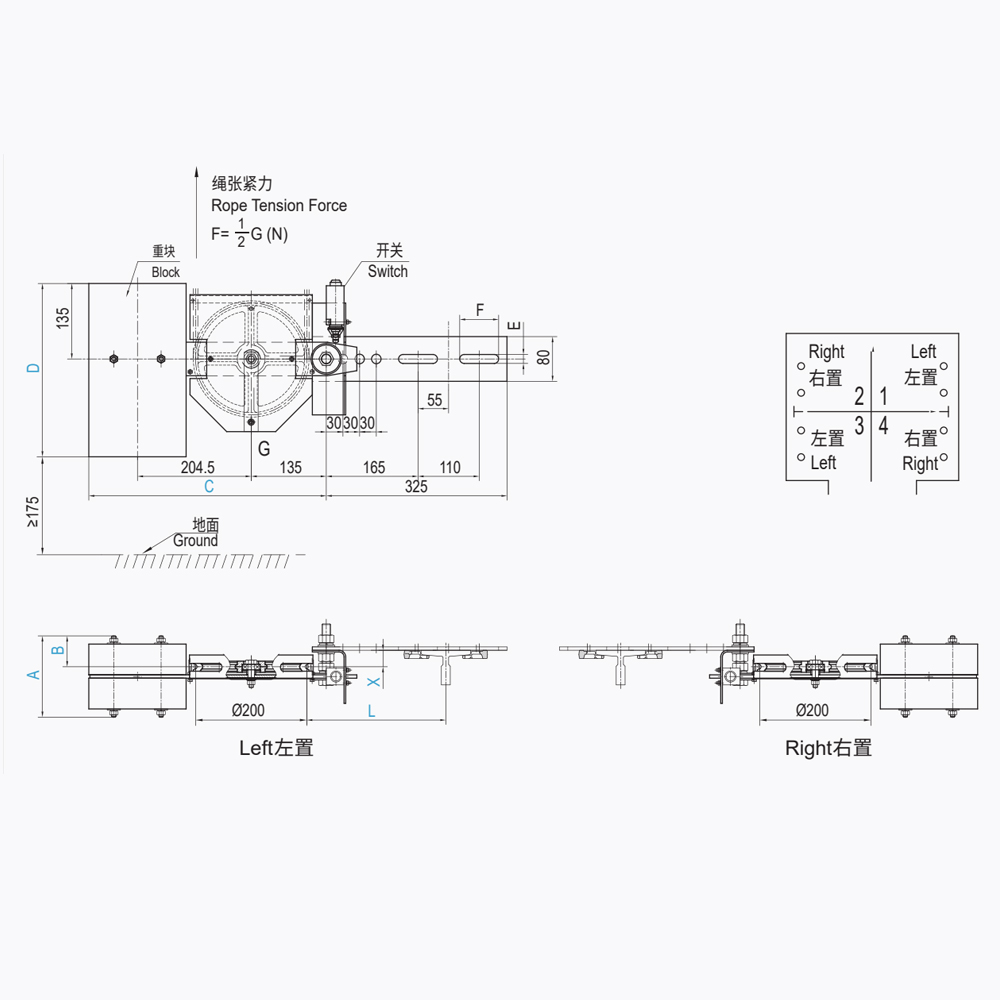
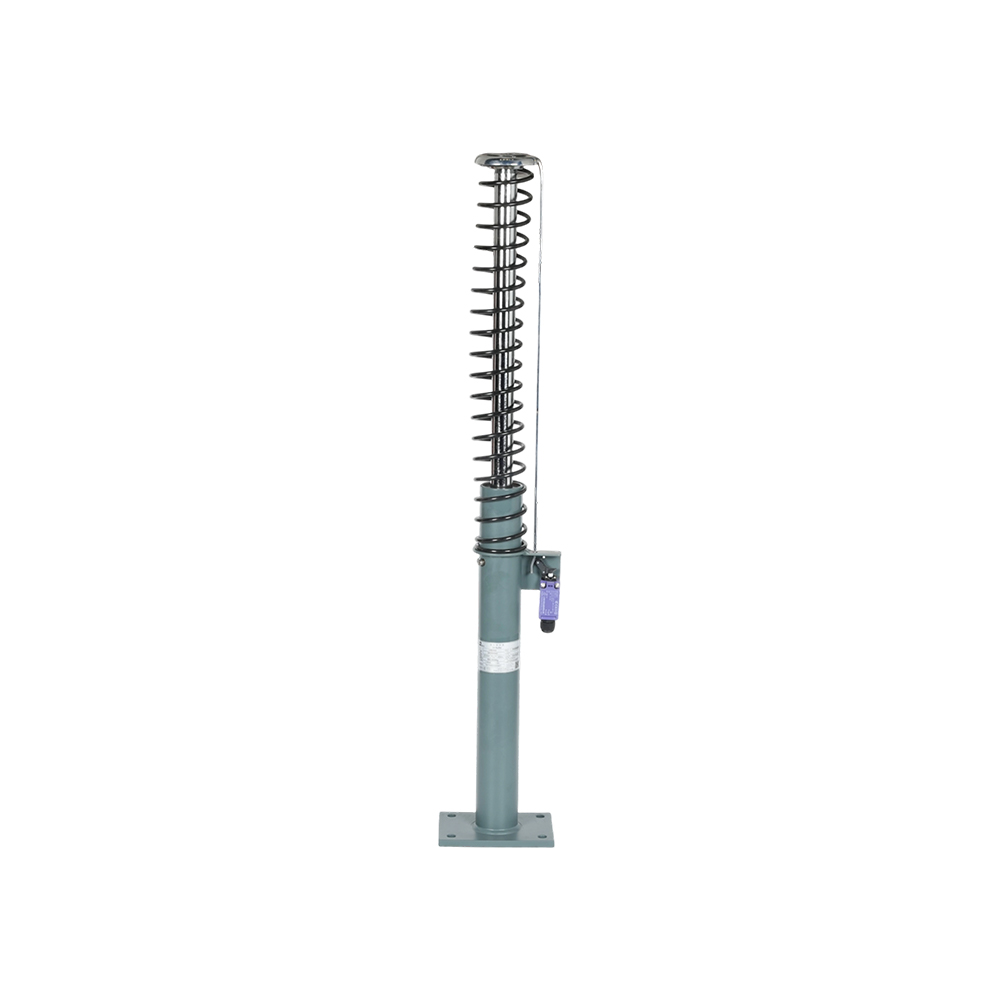
Designers, consultants, and elevator companies face the significant technical and legal risk of specifying safety components that are theoretically compliant but practically mismatched or under-sized for a specific installation. A safety gear may have the correct load rating but, when paired with a particular governor, may not receive sufficient trip force or travel to engage reliably. A buffer may be sized for the car but not for the counterweight condition. The dynamic forces during a stop could overstress older guide rails or car frames. Without formal calculations, these issues remain hidden until a failure occurs, potentially with catastrophic consequences. The calculation service solves this problem by applying engineering principles to proactively validate system performance. It identifies incompatibilities and performance gaps before components are manufactured or installed. It provides the necessary documented proof that the safety system is fit for purpose, satisfying the "due diligence" requirement for engineers and protecting all parties from liability associated with an inadequately engineered safety system.
Elevator Safety System Calculation Services
-- Steady & Reliable Manufacturer --
Elevator Safety System Calculation Services provide a foundational engineering analysis to verify that the selected safety components—overspeed governor, safety gear, buffer, and their interconnections—are correctly sized and compatible to perform their life-saving functions as required by applicable codes and standards. This is not a simple selection from a catalog but a rigorous, physics-based process involving multiple calculations. Core analyses include: determining the kinetic energy of the car and counterweight at various speeds; calculating the required braking force and deceleration of the safety gear to stop within allowable limits (typically 0.2g to 1.0g average); verifying the force and travel compatibility between the governor's trip mechanism and the safety gear's release lever; sizing the buffer energy capacity based on 115% of rated load at rated speed (or counterweight conditions); assessing the dynamic forces imposed on guide rails, car frame, and building structure during an arrestment; and for progressive gears, modeling the slide distance and temperature rise. These calculations are often performed using specialized software and must be documented in a formal report, which becomes a critical part of the elevator's technical file for regulatory approval, insurance purposes, and as a reference for maintenance. This service transforms component procurement from an exercise in matching specifications to an engineered safety assurance.
Recommended Products
The Key Problem We Solve
Typical Applications
- New elevator system design by consulting engineers and elevator OEMs.
- Modernization projects where new safety components are being fitted to an existing car frame and guide rail system.
- Applications with non-standard parameters: very high speed, heavy load, unusual car/counterweight mass ratios, or special guide rails.
- Submissions for building permit and elevator operating license approvals from local authorities.
- Forensic engineering and incident investigation to analyze the performance of an existing safety system.
- Value engineering exercises to optimize component selection while maintaining safety margins.
Product Advantages
| Calculation Scope | System energy analysis, deceleration forces, governor/safety gear kinematic compatibility, buffer sizing, guide rail stress, car frame loading, temperature rise in progressive gear slide. |
| Input Data Required | Rated load (Q), rated speed (v), car mass (P), counterweight mass, travel height, guide rail type/size, rope configuration, sheave ratios, component manufacturer's force-travel curves. |
| Governing Standards | Calculations follow methodologies prescribed in EN 81-50, ASME A17.2 Guide for Inspection, or other relevant national standards. |
| Deliverables | Formal Calculation Report (PDF) with summary, assumptions, formulas, input data, results, and conclusions. Often includes diagrams and graphs (deceleration vs. time, force vs. travel). |
| Software Tools | Utilizes specialized elevator calculation software, FEA tools for stress analysis, and possibly custom-developed calculation sheets validated against standards. |
| Stamp & Certification | Reports can be stamped by a licensed Professional Engineer (P.E.) upon request, providing an additional layer of legal certification. |
Selection & Compliance Considerations
To commission a calculation service, you must provide accurate and complete input data. Inaccurate masses (car, counterweight) are the most common source of error. For modernizations, the condition and specification of existing guide rails must be verified. Clearly define the calculation's purpose: is it for a new design submission, a retrofit compatibility check, or an incident analysis? Specify the required standard (EN, ASME). Ensure the calculation provider has proven expertise with elevator dynamics and access to the manufacturers' proprietary performance data for the specific components being considered. The report should clearly state all assumptions, safety factors applied, and conclude with a definitive statement on the system's compliance or identification of any limiting conditions.
FAQ
- Q: Why can't I just rely on the manufacturer's datasheet which says the safety gear is rated for my elevator's speed and load? A> The datasheet provides component-level ratings. The calculation service verifies system-level performance. The gear may be rated for 1000kg at 1.6m/s, but will it stop your specific elevator (with your exact car mass, counterweight, rail type) within the required deceleration limits when triggered by your specific governor? The interaction between all elements is complex and unique to each installation, necessitating a tailored calculation.
- Q: How much does a safety system calculation cost, and how long does it take? A> Cost varies with complexity: a standard traction elevator calculation might take 3-5 engineering days. A high-speed, high-rise, or complex modernization analysis will cost more. Turnaround is typically 1-2 weeks for standard cases. This cost is minor compared to the total project cost and is essential insurance against costly errors, rework, or non-compliance.
- Q: Is this calculation required by law? A> Most elevator safety codes (EN 81-20, ASME A17.1) implicitly require the safety system to be designed and proven to perform as intended. While they may not explicitly say "you must have a calculation report," the authority having jurisdiction (AHJ) will require evidence of compliance. A professional calculation report is the most direct and accepted form of that evidence. For modernizations involving safety component changes, it is almost always required by the AHJ.
- Q: What if the calculation shows a problem, like excessive guide rail stress? A> This is the primary value of the service—finding problems on paper, not on site. The engineer will provide recommendations: change to a different safety gear model with a different force profile, reinforce the guide rail brackets, select a different governor with a different trip characteristic, or adjust the car/counterweight mass. It allows for an informed redesign before procurement and installation.
About Us
Shanghai Liftech Elevator Accessories Co., Ltd.
Founded in 2004, Shanghai Liftech Elevator Accessories Co., Ltd. is a specialized enterprise dedicated to the R&D, manufacturing, testing, and sales of elevator safety components. With over two decades of sustained development, Liftech has established itself as a leading manufacturer in China's elevator safety sector, providing high-quality products and solutions to a wide range of major elevator brands and engineering clients across domestic and international markets. We are ,China Wholesale Elevator Safety System Calculation Services Suppliers and Elevator Safety System Calculation Services OEM/ODM Manufacturers
For over 20 years, LIFTECH (est. 2004) has been a trusted force in the R&D, manufacturing, and full lifecycle support of premium elevator safety components.
Material Selection Guide
| Calculation Module | Key Parameters & Material/Property Considerations |
| Kinetic Energy & Deceleration | Masses (Car, Counterweight): Accurate values are critical. Includes frame, enclosure, hitch weights. Friction Coefficient (μ): The assumed or tested μ between safety gear liner and guide rail. This value is material-dependent and affects braking force directly. Conservative values from standards are often used. |
| Governor & Safety Gear Kinematics | Governor Trip Force vs. Travel Curve: A graph provided by the governor manufacturer, specific to the model. Safety Gear Release Force vs. Travel Curve: A graph provided by the safety gear manufacturer. The calculation superimposes these curves to ensure the governor can fully and reliably release the safety gear. |
| Guide Rail Stress Analysis | Rail Section Properties: Moment of inertia, section modulus from the rail profile's data sheet (e.g., for T89, T127). Rail Material Yield Strength: Typically S235JR or S355JR steel. The calculation ensures combined bending and compression stresses during safety gear engagement do not exceed allowable limits. |
| Buffer Energy Capacity | Buffer Performance Curve: Energy absorption vs. stroke length, often non-linear for spring buffers. Impact Speed: Calculated based on the car's kinetic energy and the retarding force of the safety gear up to the point of buffer contact. |

