

 English
 中文简体
中文简体 русский
 Español
 Deutsch


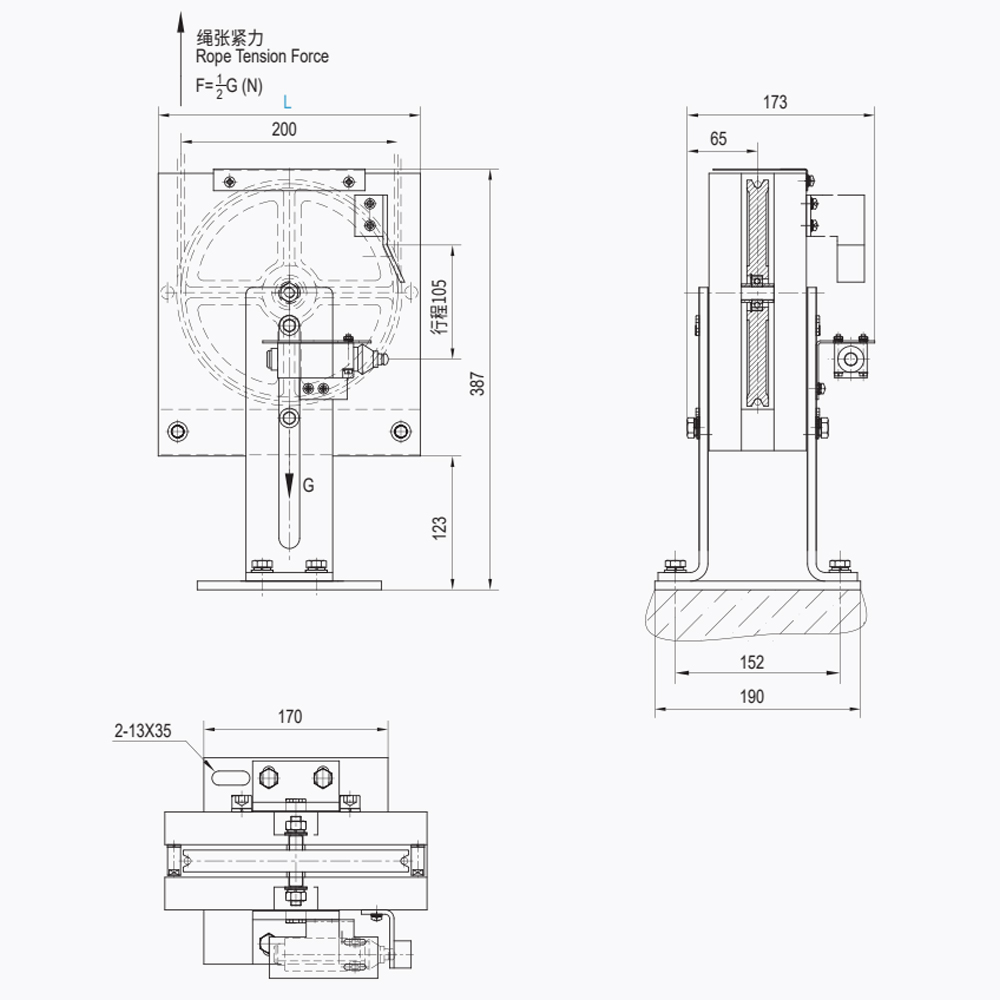
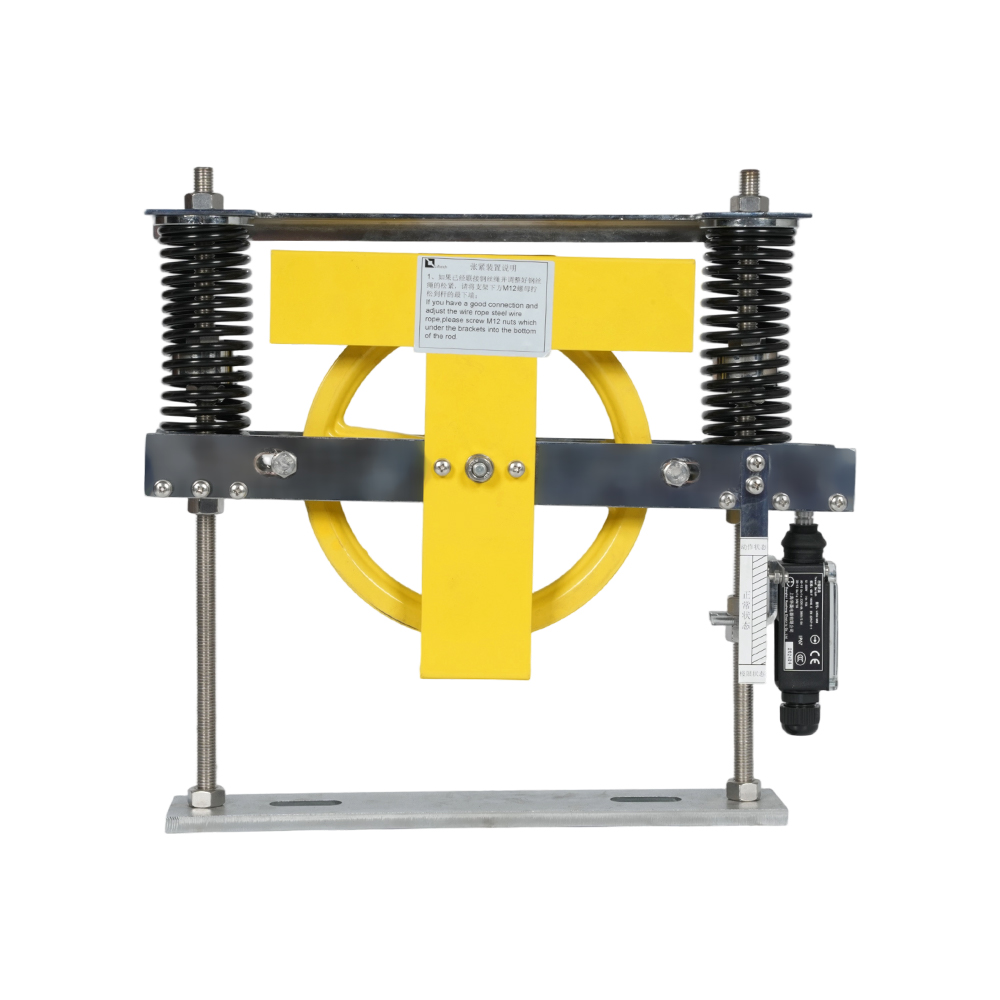
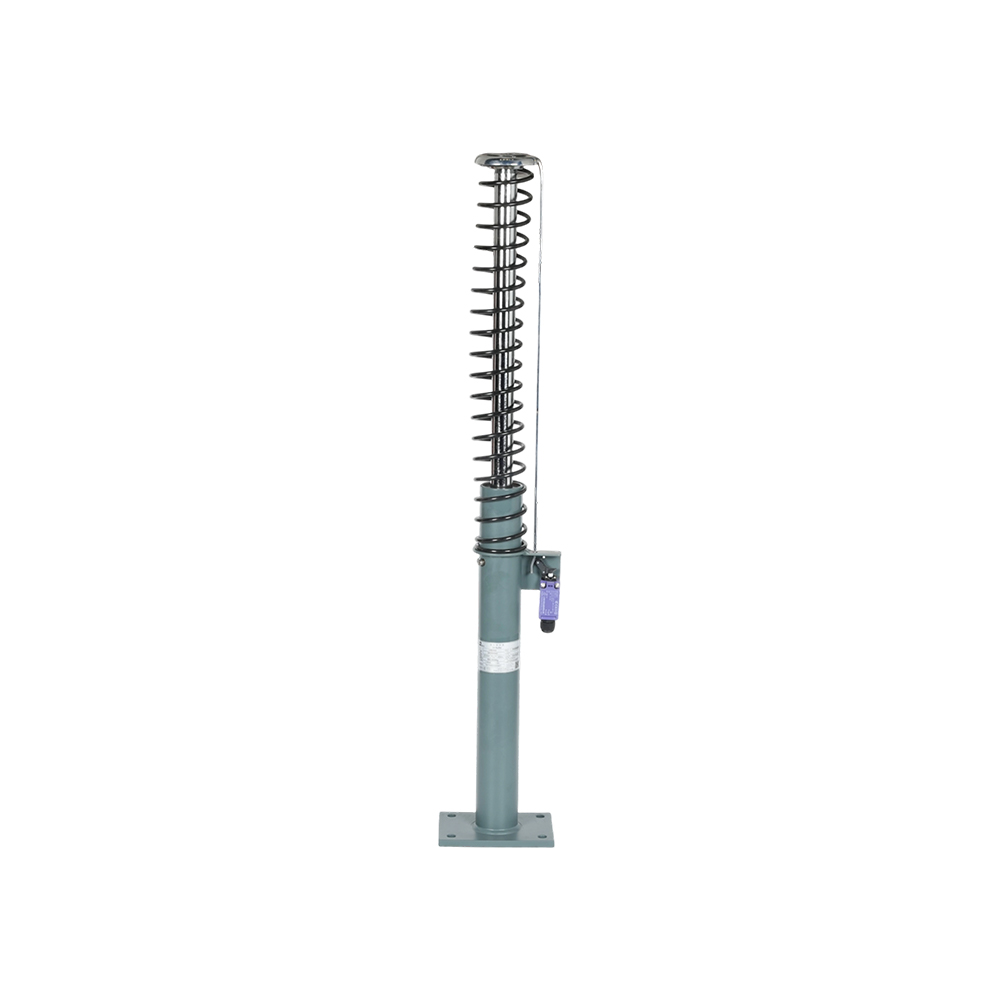
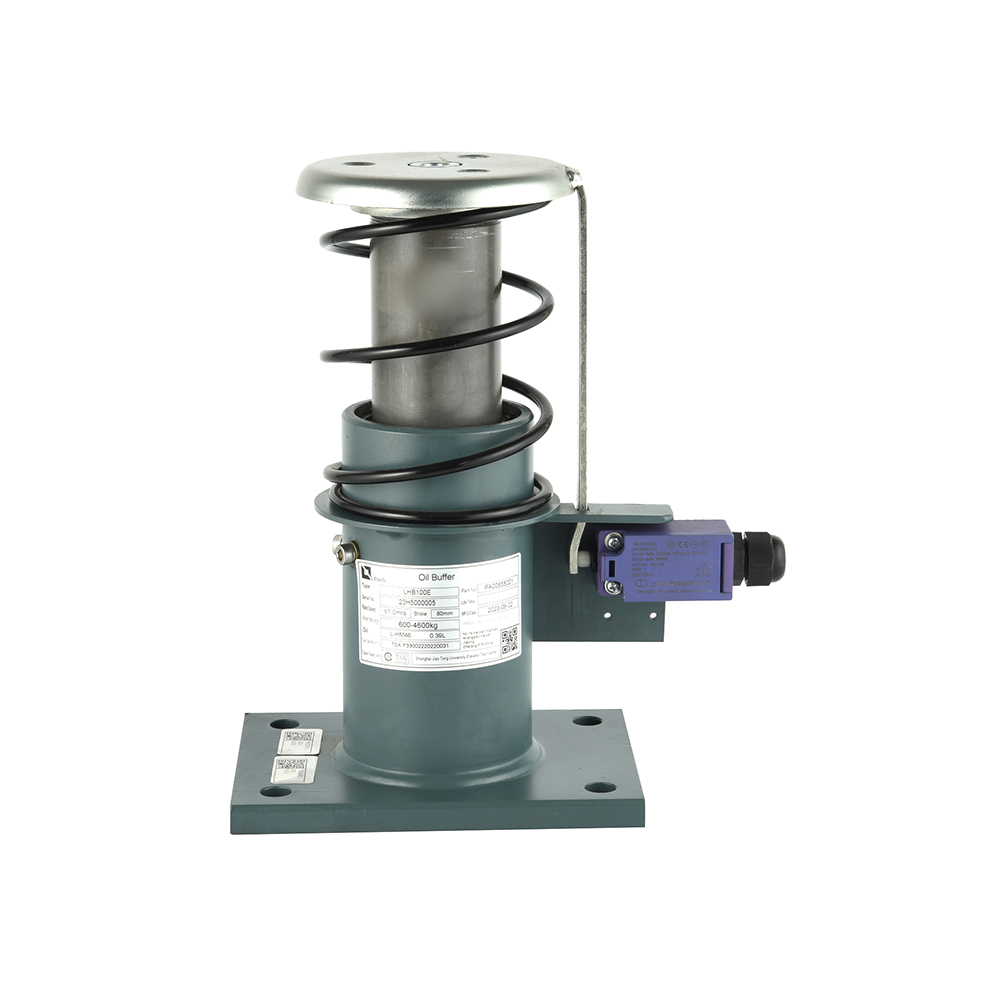
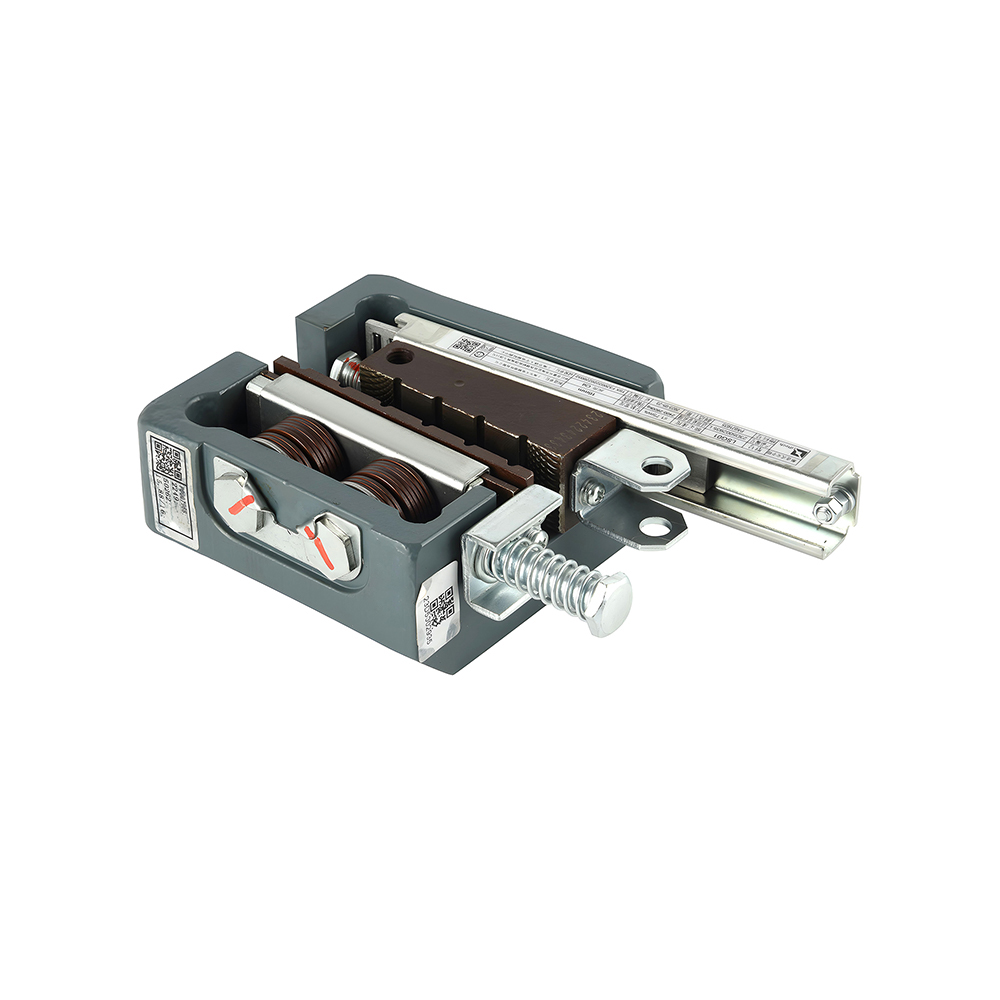
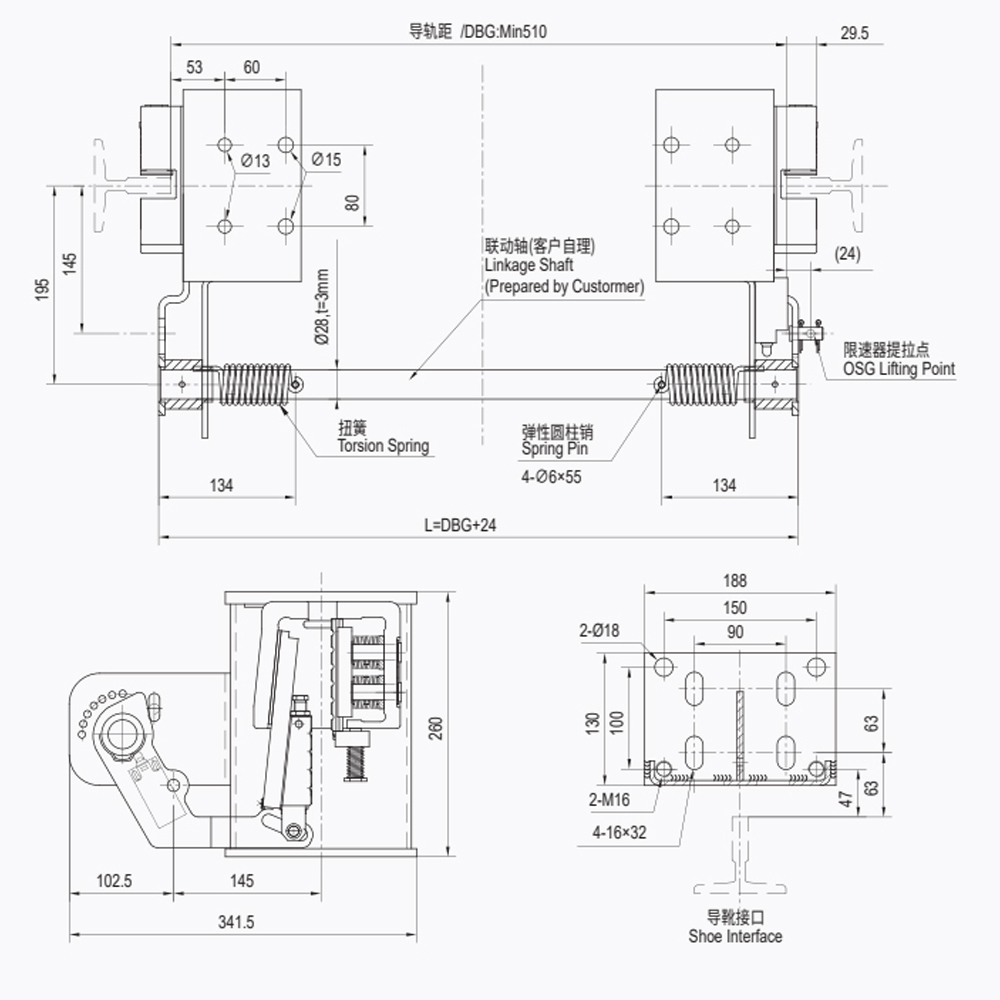
The marketplace offers numerous safety component options, creating complexity for those responsible for specification, procurement, or modernization. The core problem is avoiding mismatched components, overlooking critical environmental factors, or failing to meet the latest code requirements, any of which can lead to system inefficiency, non-compliance, premature failure, or safety risks. This guide serves as a decision-support tool, systematically breaking down the selection process into manageable, logical steps based on technical parameters and operational context.
Elevator Safety Component Selection Guide
-- Steady & Reliable Manufacturer --
Selecting the correct elevator safety components is a critical engineering decision that balances safety compliance, performance, environmental factors, and lifecycle cost. This guide provides a structured framework for specifiers, maintenance managers, and purchasers to navigate the key variables involved in choosing safety gears, overspeed governors, buffers, and associated parts. It moves beyond basic catalog selection to address the interconnected system requirements and application-specific considerations that ensure optimal performance and reliability.
Recommended Products
The Key Problem We Solve
Typical Applications
- Engineers and consultants designing new elevator installations
- Facility managers planning elevator modernization or overhaul projects
- Maintenance companies sourcing replacement parts for repair jobs
- Elevator OEM procurement teams qualifying new suppliers
- Building owners and property developers reviewing specification options
Product Advantages
| Decision Flow | Step-by-step process from elevator type/speed/load to component family selection. |
| Parameter Matrix | Cross-reference of key elevator specs against required safety device characteristics. |
| Compliance Mapping | Links between regional safety standards (EN, ASME, etc.) and component certifications. |
| Environmental Factors | Checklist for conditions like temperature, humidity, corrosion, and cleanliness. |
| Interfacing Requirements | Guidance on mechanical (rail size) and electrical (encoder signals) compatibility. |
| Lifecycle Considerations | Factors affecting long-term cost: maintenance intervals, expected service life, accessibility. |
Selection & Compliance Considerations
Always start with the fundamental parameters: Elevator Type (Passenger/Freight/Hydraulic), Rated Load, Rated Speed, and Travel Height. These dictate the safety gear type (Progressive/Instantaneous) and buffer type (Energy Accumulation/Energy Dissipation). Next, apply the governing local safety code (EN 81-20/50, ASME A17.1) which will mandate specific performance and testing requirements. Finally, layer on application-specific factors: environmental conditions, desired maintenance features, and any integration needs with the elevator control system.
FAQ
- Q: What is the single most important specification to match? A> The rated speed and load of the elevator are paramount. They directly determine the required trip speed of the governor and the load capacity of the safety gear and buffers. A mismatch here invalidates the safety system.
- Q: Can I mix components from different manufacturers? A> It is possible but requires extreme caution. The interface between the governor rope pull and the safety gear trip lever must be precisely matched for force and travel. Using a matched set from one manufacturer or a verified combination is strongly recommended to ensure reliable activation.
- Q: How do I select for a harsh environment (e.g., coastal, cold storage)? A> Move beyond the basic mechanical specs. Prioritize materials: stainless steel for corrosion, special lubricants for low temperature. Look for components with appropriate IP ratings for sealing and suppliers who can provide environmental testing data.
About Us
Shanghai Liftech Elevator Accessories Co., Ltd.
Founded in 2004, Shanghai Liftech Elevator Accessories Co., Ltd. is a specialized enterprise dedicated to the R&D, manufacturing, testing, and sales of elevator safety components. With over two decades of sustained development, Liftech has established itself as a leading manufacturer in China's elevator safety sector, providing high-quality products and solutions to a wide range of major elevator brands and engineering clients across domestic and international markets. We are ,China Wholesale Elevator Safety Component Selection Guide Suppliers and Elevator Safety Component Selection Guide OEM/ODM Manufacturers
For over 20 years, LIFTECH (est. 2004) has been a trusted force in the R&D, manufacturing, and full lifecycle support of premium elevator safety components.
Material Selection Guide
| Selection Priority | Key Questions to Answer | Documentation to Request from Supplier |
| 1. Code Compliance & Certification | What is the applicable elevator safety standard? Does the component have a valid type-test certificate for this application? | Type-Examination Certificate, Declaration of Conformity, test reports from accredited lab. |
| 2. Core Performance Match | Do the rated speed, load, and stopping distance of the component match or exceed the elevator's specifications? | Product data sheet with clear ratings, calibration certificates for governors. |
| 3. Dimensional & Interface Fit | Is it compatible with the existing guide rail, car frame, pit space, and mounting points? | Detailed CAD drawings, installation dimensional diagrams, interface specifications. |
| 4. Environmental & Material Suitability | Will the materials and finishes withstand the operating environment (temp, chemicals, humidity)? | Material specifications, coating certificates, environmental test summaries. |
| 5. Service & Lifecycle Support | Is technical documentation available? What is the expected service life and maintenance schedule? | Installation & maintenance manuals, spare parts lists, projected lifecycle data. |

